Best Time of Year for Red River Catfish
There's nothing quite like the powerful, relentless tug of a channel catfish on the other end of your line, especially when you're battling a true monster from North Dakota's legendary Red River. But let's be honest, trying to pinpoint the exact best time to hit those waters can feel like a guessing game, leaving you wondering if you're just wasting a precious afternoon. This guide is here to take the guesswork out of it, diving deep into the seasonal nuances and environmental factors that truly make a difference for Red River catfishing success, helping you plan your next trophy hunt with confidence.
Understanding the Red River’s Unique Catfish Fishery
The Red River of the North isn't just any river; it's a behemoth known for producing some of the largest channel catfish in North America, with fish regularly tipping the scales over 20 pounds, and true giants pushing past the 30-pound mark. This river forms a natural border between North Dakota and Minnesota, flowing north into Lake Winnipeg in Manitoba. Its unique characteristics are precisely what make it such a phenomenal habitat for channel catfish.
The river itself is a slow-moving, meandering waterway with a predominantly silty and muddy bottom, often with a distinct lack of traditional rocky structure that anglers might look for in other fisheries. What it lacks in rocks, it makes up for in abundant food sources – baitfish, insects, crustaceans – and a consistent, albeit gradual, current that provides well-defined current breaks and deeper holes. The often-turbid water is a catfish angler's dream, providing cover and comfort for these whiskered predators throughout the day. When you're thinking about where to drop a line, focusing on areas with slight variations in depth, current seams, or submerged debris can be incredibly productive. For a deeper dive into specific locations, you might want to check out some of the prime Red River Catfish Fishing Spots in North Dakota.
Anglers often comment on the sheer size and fighting power of Red River catfish. This isn't just anecdotal; the river's rich ecosystem provides a perfect environment for these fish to grow large and robust. From the expansive stretches near Fargo up through Grand Forks and beyond, the river offers consistent opportunities for memorable catches. Many local guides, some found through services like FishingBooker, specialize in this unique fishery and can offer invaluable insights into current conditions and hot spots.
Seasonal Breakdown for Red River Catfish
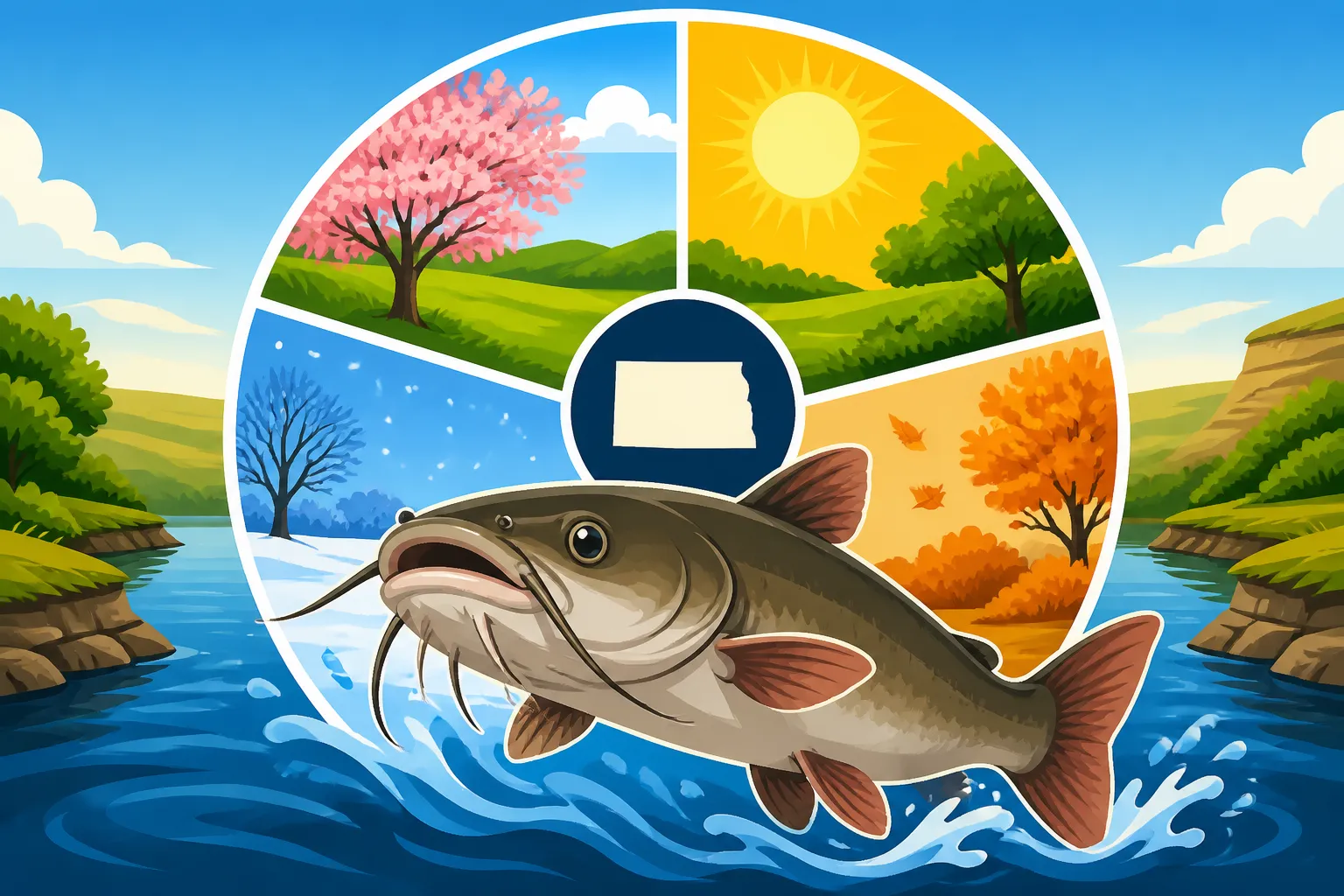
Channel catfish in the Red River are active for a good portion of the year, but their behavior and prime feeding windows shift dramatically with the seasons. Understanding these patterns is key to maximizing your time on the water.
Spring: The Post-Spawn Surge and Early Season Bites
As the ice finally retreats and the North Dakota landscape begins to thaw, typically from April into early June, Red River catfish start to shake off their winter lethargy. Water temperatures are slowly but steadily rising, usually hitting the 50s Fahrenheit, which signals to the catfish that it's time to become active again. This early spring period can be fantastic, especially as the pre-spawn feeding frenzy kicks in. Catfish, much like other species such as the walleye (though When Does Walleye Season Open in North Dakota? follows different timing), are looking to pack on weight before their strenuous spawning rituals.
During late spring, usually once water temperatures consistently reach the upper 60s, channel catfish will begin to spawn. This is generally a period where the bite can slow down temporarily as their focus shifts. However, once the spawn is complete, typically by early to mid-June, a massive post-spawn feeding frenzy ignites. These fish are exhausted and hungry, making them highly aggressive and willing to hit a wide variety of baits. Target areas with slightly slower currents adjacent to faster flows, as well as the mouths of feeder creeks that might be bringing in warmer water and fresh food sources. Don't be afraid to fish shallower bends or flats during this time as well, especially if there's any cover.
Summer: Prime Time for Big Catfish
Hands down, summer is the undisputed king for Red River catfishing. From late June through August, when water temperatures are consistently in the 70s and even into the low 80s, channel catfish are at their most active. Their metabolism is roaring, and they are constantly on the hunt for food. This is the period when you'll hear most of the incredible stories about trophy catfish being landed.
During the warmer summer months, catfish will spread out throughout the river system, but they still favor areas with current breaks, deeper holes, and submerged structure like logjams or brush piles. While daytime fishing can be productive, especially during overcast conditions or after a good rain, the real magic often happens after sunset. Catfishing at Night in North Dakota becomes an incredibly effective strategy as catfish use the cover of darkness to ambush prey and venture into shallower feeding flats with more confidence. For those looking to really target the giants, summer nights offer the best odds. Anglers frequently use hearty baits during this time, from various stink baits to large chunks of cut bait. If you're serious about your summer catfishing adventure, consider booking a guided trip through a platform like FishingBooker, as local pros often have specialized techniques and knowledge for this peak season.
Fall: Pre-Winter Feast
As autumn approaches and the air begins to cool in September and October, so do the Red River's waters. This cooling trend, typically as temperatures drop back into the 60s and 50s, triggers another significant feeding period for channel catfish. They instinctively know that winter is coming, and they need to bulk up to sustain themselves through the colder, less active months.
The fall bite can be incredibly productive, although it often requires a bit more strategic thinking than the summer free-for-all. Catfish will start to congregate in deeper holes and along distinct channel edges as they prepare for winter. While they are still aggressive, the bite windows might be shorter, often peaking during mid-day as the water warms slightly. Larger baits are often preferred during fall, as catfish are looking for substantial meals. Focus your efforts on the deeper sections of the river, especially those with good current breaks or bends. Many anglers find success by slowly drifting baits through these deeper areas.
Winter: A Challenge for the Dedicated
Winter catfishing on the Red River, particularly through the ice, is a far less common pursuit than for species like perch or walleye, largely due to the challenging nature of the river itself. The current, even when slowed, makes solid, safe ice formation unpredictable and often unsafe. Furthermore, channel catfish become much more lethargic in extremely cold water.
However, for the truly dedicated, there are occasional opportunities. If the river does freeze solid in specific, stable backwater areas or slow bends, catfish can be caught. The fish will be huddled in the deepest holes, conserving energy. A more consistent winter option, though still highly specialized, might be open water fishing in tailrace areas below dams if they remain unfrozen. Here, catfish might be attracted to warmer water discharges or oxygenated water. Generally, anglers looking for winter action in North Dakota would typically turn to lakes for How to Ice Fish in North Dakota and target more active species.
Key Factors Influencing Red River Catfish Activity
Beyond the general seasonal patterns, several specific environmental factors play a crucial role in determining when and where Red River catfish will be most active. Paying attention to these details can significantly increase your success rate.
Water Temperature's Critical Role
Water temperature is arguably the most important factor in catfish metabolism and activity. As mentioned, catfish become increasingly active as temperatures rise from the cold winter lows. The "sweet spot" for channel catfish, where they are most comfortable and actively feeding, is typically between 65°F and 75°F.
When the water is colder, say in the low 50s, catfish are sluggish. They'll still eat, but the bites will be softer, and they'll be less inclined to chase bait. As it warms into the 60s, their activity picks up dramatically. Once it hits that prime 65-75°F range, it's game on! They're cruising, actively hunting, and aggressively taking baits. If the water gets too warm, above 80°F, they might become slightly less active during the hottest parts of the day, seeking deeper, cooler water or becoming more nocturnal. Monitoring water temperature with a thermometer is a simple but powerful tool for finding active fish.
River Flow, Water Levels, and Current
The Red River is a dynamic system, and its flow rates and water levels can fluctuate based on snowmelt, rainfall, and dam operations further upstream. These changes directly impact where catfish hold and feed.
- Stable Flows: Generally, stable river conditions are best for fishing. Catfish become accustomed to the current and establish reliable feeding lanes and holding spots.
- Rising Water: A rising river, often due to heavy rains, can initially scatter fish as they move into newly flooded areas to forage. However, as the water stabilizes at a higher level, catfish will often relate to newly submerged cover or the edges of the main current where food washes in. The increased turbidity can also make catfish more comfortable feeding during the day.
- Falling Water: Conversely, a rapidly falling river can push fish out of shallow areas and concentrate them in deeper channels or holes. This can be a great time to target specific deep structures.
- Current Breaks: Catfish, especially larger ones, are energy-efficient. They love to hold in current breaks – behind submerged logs, deep scour holes, inside river bends, or below bridges – where they can rest out of the main flow but quickly dart out to ambush food washing by. Learning How to Read Water for Fish Structure is an essential skill for any Red River angler. When you're fishing the Red River, knowing How to Anchor a Boat on the Red River effectively in various current conditions can be the difference between a successful trip and a frustrating one.
Weather Conditions and Time of Day
Weather patterns and the time of day also exert significant influence on catfish behavior. Catfish are generally less affected by bright sunlight than many sight-feeding fish, thriving in the Red River's typically murky waters. However, certain conditions can still turn the bite on or off.
- Overcast Skies and Rain: Gloomy, overcast days or periods of light rain can often be excellent for catfishing. The reduced light further emboldens catfish to feed throughout the day, and rain can wash additional food sources into the river, stimulating a bite.
- Cold Fronts: Just like other fish, a strong cold front passing through can shut down the bite for a day or two. The sudden drop in air temperature and associated barometric pressure changes can make fish lethargic. It's often best to wait for conditions to stabilize after a front.
- Time of Day: While catfish can be caught at any time of day, their activity often peaks during low-light periods. Dawn and dusk are prime transition times, but summer nights, in particular, are legendary on the Red River. As temperatures cool and boat traffic subsides, big catfish come out to play. Many anglers specifically target these nocturnal periods because, as we discussed, Do Catfish Bite Better at Night in North Dakota? is often a resounding "yes" for channel cats.
Optimal Catfishing Windows and Tactics for Success
Putting all these pieces together, we can identify some general optimal windows and tactics for truly successful Red River catfishing. It’s about combining the right season with the right conditions and then deploying effective strategies.
Peak Season and Tactics
The absolute best time of year for Red River catfishing, in terms of consistent action and the highest probability of landing trophy-sized fish, is mid-summer to early fall. This typically spans from late June through September. During these months, the water temperatures are optimal, the fish are actively feeding, and the extended daylight hours (and especially the warm nights) provide ample opportunity.
- Summer Nights: If you have to pick one specific time, focus on summer nights. The bigger channel catfish often become more aggressive and move into shallower feeding areas under the cover of darkness. Use strong headlamps, glow sticks on your rods, and be prepared for powerful runs.
- Targeting Deep Holes and Current Seams: Regardless of the season, identifying deeper holes, sharp river bends, and distinct current seams where slower water meets faster flow will be crucial. These are the catfish highways and resting areas.
- Bait Selection: While some anglers have their secret recipes, traditional and proven baits include large chunks of fresh cut bait (like suckers, goldeye, or shad), various prepared "stink baits" designed for catfish, shrimp, and chicken livers. For specific recommendations, check out our guide on the Best Bait for Channel Catfish in North Dakota. Always bring a variety to see what they prefer on a given day.
- Rod and Reel Setup: For the powerful Red River cats, you’ll want stout gear. A medium-heavy to heavy action rod, typically 7 to 9 feet long, paired with a reliable baitcasting reel spooled with 30-50 pound braided line or heavy monofilament is ideal. This setup provides the backbone needed to handle powerful runs and the abrasion resistance for fishing around submerged cover. Our Best Rod Setup for Red River Catfish guide offers more detailed recommendations.
Remember, persistence is key. Even during peak times, fishing can have its ups and downs. Don't be afraid to move around, try different baits, and adjust your presentation until you find what the catfish are biting on that day. And while you're out there, always be aware of the North Dakota Fishing Regulations Explained to ensure you're fishing legally and sustainably.
Here's a quick reference table to help visualize the seasonal effectiveness:
| Season | Primary Catfish Activity | Best Conditions | Preferred Tactics | Go-To Baits |
|---|---|---|---|---|
| Spring | Increasing activity, post-spawn feeding frenzy | Rising water temps (50s-60s), stable flow | Bottom fishing, current seams | Cut bait, dead minnows, shrimp, prepared baits |
| Summer | Peak activity, aggressive feeding, nocturnal emphasis | Warm water (70s-80s), stable flow, overcast days | Bottom fishing, drifting, night | Stink baits, cut bait, chicken liver, frogs |
| Fall | Pre-winter feeding, congregating in deep holes | Cooling water temps (60s-50s), stable flow | Deep hole fishing, slow drifts | Large cut bait, prepared baits |
| Winter | Very low activity, lethargic in deep holes (limited opportunity) | Stable, unfrozen deep holes (rare) | Vertical jigging (specialized) | Live bait (shiners), small cut bait (if active) |
The Red River is a treasure for catfish anglers, and by understanding its rhythms and the preferences of its incredible channel cats, you can significantly improve your chances of landing that fish of a lifetime. So, gear up, keep an eye on those conditions, and get ready for some truly exciting North Dakota fishing!
Disclaimer
Fishing conditions and regulations in North Dakota can change. Always check the latest North Dakota Game and Fish Department proclamations and rules before heading out. This guide is for informational purposes only and does not supersede official regulations.