When Does Walleye Season Open in North Dakota?
Many anglers, especially those new to the region, often anticipate a definitive "opening day" for walleye season in North Dakota, similar to how it works in other states. The exciting reality, however, is that North Dakota generally offers continuous, year-round walleye fishing across most of its waters, providing unparalleled opportunities for enthusiasts. This comprehensive guide will demystify walleye season specifics, delve into critical regulations, and help you pinpoint the most productive times to target these highly sought-after fish.
Understanding North Dakota's General Walleye Regulations
For many, the idea of a walleye season conjures images of an exciting, yet often crowded, opening weekend. North Dakota takes a refreshingly different approach, prioritizing consistent angling access while maintaining healthy fish populations.
The Year-Round Opportunity for Walleye
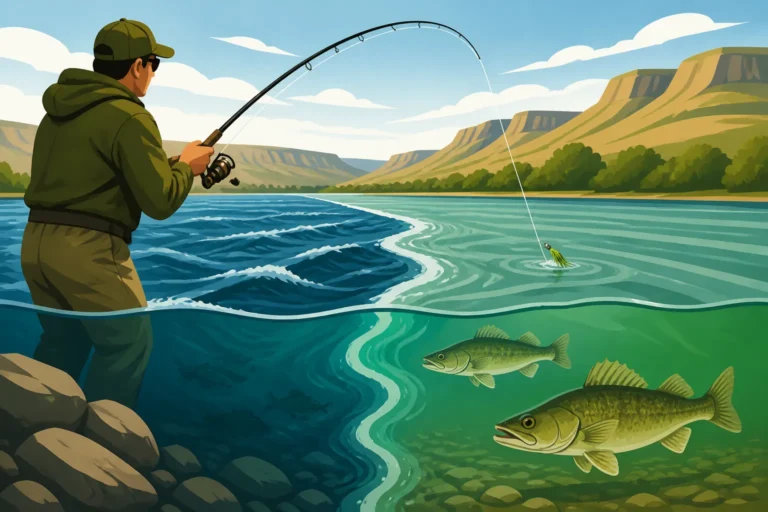
Unlike many other fishing destinations that impose strict closed seasons during critical periods like spawning, North Dakota largely provides a continuous opportunity to pursue walleye. This means that for the vast majority of lakes and rivers in the state, including the legendary Lake Sakakawea, Devils Lake, and the Missouri River, you are legally able to fish for walleye every single day of the year. This is a huge benefit for local and visiting anglers alike, offering incredible flexibility for planning fishing trips, whether you prefer the challenge of ice fishing in January or the open water battles of August.
This unique, year-round access means that instead of focusing on a specific start date, anglers can focus on understanding walleye behavior across the seasons. Each part of the year presents distinct conditions, challenges, and rewards. Spring brings shallow-water opportunities as walleye move in to spawn. Summer sees them retreat to deeper structures, while fall ignites an aggressive feeding frenzy. Winter, of course, is dominated by the vibrant ice fishing scene, drawing thousands to the frozen expanse. This continuous availability helps distribute fishing pressure throughout the year, preventing the intense, concentrated pressure often seen during single "opening days" in other regions.
However, the "no closed season" policy absolutely does not translate to "no rules." Anglers must remain vigilant and informed about the specific daily and possession limits, as well as any length restrictions that may be in effect for particular bodies of water. These regulations are the backbone of sustainable fisheries management in North Dakota, designed to protect the walleye populations for current and future generations. A thorough understanding of the latest North Dakota Fishing Regulations Explained is always your best defense against unintended infractions.
Why No Traditional Opening Day?
The absence of a traditional walleye "opening day" in North Dakota, which often surprises out-of-state anglers, isn't a random oversight. It's a deliberate strategy rooted in the state's unique fishery characteristics and management philosophy. The primary reason is the widespread and robust nature of North Dakota's walleye populations, which are sufficiently resilient across numerous diverse water bodies. Instead of relying on a complete closure during critical periods like spawning, the North Dakota Game and Fish Department (NDGFD) employs other highly effective management tools to safeguard fish stocks.
Modern fisheries science has shown that while protecting spawning fish is important, restricting harvest through carefully calculated daily limits, possession limits, and minimum/slot length restrictions can often be just as, if not more, effective than a full seasonal closure. This approach allows for continuous recreational fishing opportunities without detrimentally impacting reproductive success. It also means that anglers can enjoy consistent access, which in turn supports local economies that rely on year-round outdoor recreation, from bait shops to boat sales. Shops, whether a local tackle store or a large online retailer like Amazon, can stock walleye gear year-round.
Furthermore, this continuous season simplifies the regulatory landscape for anglers by eliminating the need to remember multiple opening and closing dates for various species on different lakes. This focus on year-round access encourages anglers to develop a more comprehensive understanding of walleye behavior and adapt their techniques across all four seasons. It's a pragmatic and scientifically supported approach that has fostered a strong, healthy walleye fishery and a thriving fishing culture throughout the state.
Daily and Possession Limits What You Need to Know
Even with a continuous open season for walleye in North Dakota, adhering to daily and possession limits is paramount for all anglers. These limits are the primary tools the NDGFD uses to manage harvest and ensure the long-term health of the walleye fishery. The daily limit dictates the maximum number of fish of a particular species you can keep in a single day. The possession limit refers to the total number of fish you can have in your possession at any given time, whether they are in your livewell, cooler, vehicle, or freezer at home.
For many North Dakota waters, the general statewide daily limit for walleye and sauger combined is 5, with a possession limit of 10. This means if you catch and keep 5 walleye on Monday, you cannot keep any more fish until some of those 5 have been consumed or processed, bringing your total possession below the limit of 10. If you keep 5 on Monday and 5 on Tuesday, you've reached your possession limit. This distinction is often a source of confusion for anglers, so it's vital to understand that the possession limit is your overarching total.
Crucially, these limits are not universal across all North Dakota waters. Many popular and productive lakes, such as Lake Sakakawea, Devils Lake, and sections of the Missouri River, often have special regulations that supersede the general statewide limits. These could include reduced daily limits, lower possession limits, or specific length restrictions. For instance, a lake might have a daily limit of 3 walleye, or a slot limit requiring all fish between 17 and 22 inches to be released immediately. These site-specific rules are implemented to address the unique ecological dynamics and management goals of each individual fishery. Always check the North Dakota Walleye Size Limit Rules for the particular body of water you intend to fish. Non-compliance can lead to significant fines and penalties, so always consult the latest North Dakota Fishing Regulations Explained before your trip.
Navigating Specific Water Body Rules and Exceptions
While North Dakota’s walleye season is generally open, some specific water bodies come with their own set of rules, including unique permits, length restrictions, or reciprocal agreements.
Border Waters and Reciprocal Agreements
Fishing in North Dakota's border waters can add a layer of complexity to walleye regulations, as shared waterways often involve reciprocal agreements with neighboring states. The most significant example for walleye anglers is the Red River of the North, which forms a lengthy natural boundary with Minnesota. For the main stem of the Red River, a valid fishing license from either North Dakota or Minnesota is generally sufficient to fish the river itself. This simplifies things immensely, meaning a North Dakota Fishing License Guide covers you even if you drift towards the Minnesota side.
However, these reciprocal agreements come with important caveats and specific boundaries. They typically apply only to the main channel of the river and usually do not extend into tributaries, oxbows, or associated lakes that are entirely within the borders of one state. For example, if you're fishing the Red River with your North Dakota license and decide to venture into a slough that is definitively part of Minnesota, you would then need a Minnesota license. The same principle applies in reverse. This distinction is vital to prevent unintentional violations.
It is absolutely imperative to consult the official North Dakota Fishing Regulations Explained document, specifically the section detailing border waters, before fishing these areas. These agreements are designed for convenience but are strictly defined. For other boundary waters, such as the Bois de Sioux River, specific rules might also apply. Knowing these precise details ensures a legal and enjoyable walleye trip without any jurisdictional misunderstandings with game wardens from either state.
Tribal Waters and Unique Permit Requirements
North Dakota is home to sovereign Native American tribal nations, and significant portions of some of the state's most popular walleye fisheries, such as Lake Sakakawea and Devils Lake, border or encompass tribal lands. For instance, the Fort Berthold Reservation, managed by the Mandan, Hidatsa, and Arikara Nation (MHA Nation), includes vast areas of Lake Sakakawea. Similarly, the Spirit Lake Nation holds jurisdiction over portions of Devils Lake. When fishing in these areas, your standard North Dakota state fishing license may not be enough.
To fish on waters under tribal jurisdiction, anglers are often required to purchase an additional tribal fishing permit or license. These permits are crucial for funding the tribal nations' own fisheries management and conservation programs, which work to sustain healthy fish populations and protect the aquatic environment within their territories. The regulations on tribal waters can sometimes differ from state regulations, including variations in daily limits, possession limits, or even length restrictions for walleye.
Before planning a walleye expedition to any major North Dakota lake, especially those with proximity to tribal lands, it is essential to research and understand the specific requirements for tribal waters. Information is typically available on the respective tribal government websites or by directly contacting their fish and wildlife departments. For example, knowing if you need a tribal permit to fish Lake Sakakawea's tribal waters is a critical piece of information. Failure to obtain the correct tribal permits can lead to fines and other legal repercussions, underscoring the importance of respectful and compliant angling within these unique jurisdictions.
Length Limits and Protected Slots for Walleye
Beyond the standard daily and possession limits, many North Dakota walleye fisheries are managed with specific length limits or "protected slot" regulations. These rules are strategic tools employed by the NDGFD to achieve specific fishery management goals, such as fostering trophy potential, protecting vital spawning stock, or ensuring a balanced age and size structure within the walleye population. A simple length limit might mandate that walleye under a certain size (e.g., 14 inches) must be released, or that only one fish over a certain length (e.g., 20 inches) may be kept.
A "protected slot limit" is a more sophisticated regulation that requires all walleye caught within a specified length range (the "slot") to be immediately released. For instance, a common regulation might be "no walleye between 17 and 22 inches may be kept." This means you can keep fish that are smaller than 17 inches and fish that are larger than 22 inches, but any walleye measuring within that 17-22 inch slot must be returned to the water unharmed. The intent behind such a slot is often to protect the highly reproductive medium-sized fish, allowing them to grow larger and contribute significantly to future generations. It can be frustrating to catch multiple fish in the slot, but it’s a vital conservation measure.
These length and slot limits are not uniform across all North Dakota waters. Regulations can vary significantly from lake to lake and even between different sections of a river. For example, the North Dakota Walleye Size Limit Rules on Devils Lake might be different from those on the Missouri River or Lake Sakakawea. Always carry a reliable measuring device on your boat or ice sled, such as a bump board or tape measure, and accurately measure your fish. Before every trip, consult the current NDGFD fishing proclamation for the specific body of water you plan to fish to ensure complete compliance. Adhering to these specific length regulations is a cornerstone of responsible angling and contributes directly to the long-term quality of North Dakota's world-class walleye fisheries.
Optimizing Your Walleye Fishing Calendar in North Dakota
While the "season" is technically always open, walleye behavior shifts dramatically throughout the year, meaning certain periods offer prime opportunities for specific techniques and locations.
Spring Walleye Hot Spots and Techniques
The arrival of spring in North Dakota, typically from late March through May, marks a highly anticipated time for walleye anglers. As the ice recedes and water temperatures slowly begin to climb, walleye become increasingly active, staging and eventually moving into shallower areas for their annual spawning ritual. This period, often referred to as "ice-out," presents excellent opportunities, especially in areas with current, warmer bay areas, and submerged structures.
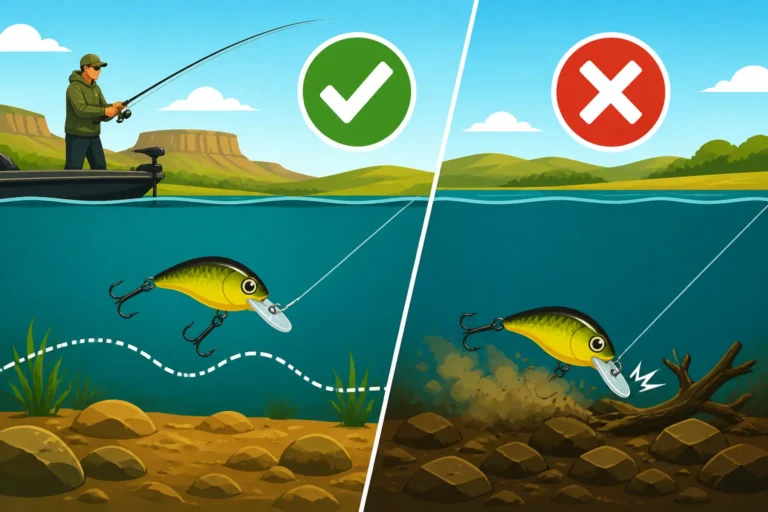
During spring, walleye are often found in relatively shallow depths, typically ranging from 5 to 15 feet, though this can vary. Key locations include river mouths, inflowing creeks, current breaks, and sheltered bays that warm up quickly. These areas attract baitfish, which in turn draw hungry walleye. Effective techniques often revolve around slower presentations. Jigging with live bait, such as minnows or leeches, is a classic and highly productive method. Brightly colored jigs (chartreuse, orange, white) or natural colors, tipped with a minnow, are especially deadly in the often-stained spring waters. Trolling shallow-running crankbaits, mimicking baitfish moving into these warmer zones, can also yield excellent results. For more specific tactics, delve into Early Spring Walleye Techniques in North Dakota.
Premier spring walleye hot spots include the upper reaches and bays of Lake Sakakawea, the shallower expanses of Devils Lake, and sections of the Missouri River, particularly below the Garrison Dam tailrace, where congregating walleye provide fantastic action. Anglers should be prepared for North Dakota's famously unpredictable spring weather – dress in layers, have reliable rain gear, and always check weather forecasts. The walleye will bite, but they demand a prepared angler!
Summer Strategies for Lake Sakakawea and Devils Lake
As North Dakota fully embraces summer from June through August, walleye fishing transforms into a game of finding fish that have moved to deeper, cooler waters. This is when the sheer size and diverse structures of Lake Sakakawea and Devils Lake really come into play, offering a different set of challenges and rewards. Walleye in summer are often located on main lake points, submerged humps, deep weed lines, and structural elements where baitfish seek refuge.
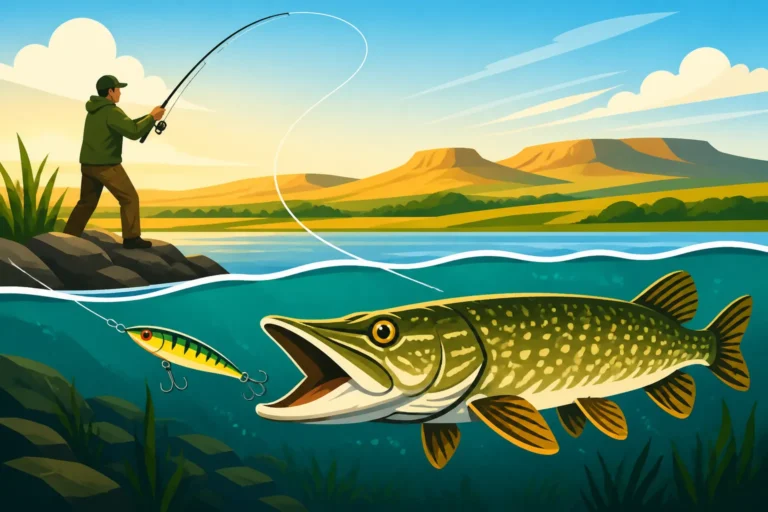
Trolling is often the dominant strategy for summer walleye, particularly on immense water bodies like Lake Sakakawea. Anglers effectively use planer boards to spread out multiple lines, covering vast areas with deep-diving crankbaits or spinner rigs tipped with nightcrawlers. Depths can range from 15 to 40 feet or more, depending on baitfish location and water clarity. Lure color can be critical; natural baitfish patterns might excel in clear water, while brighter, more aggressive colors could be better in stained conditions. Exploring Summer Walleye Trolling Techniques can provide crucial insights into speed, depth control, and lure selection. On Devils Lake, summer walleye might be found jigging the edges of flooded timber, slip-bobber fishing over dense weed beds, or trolling along defined rock reefs.
Top summer walleye locations include the expansive main lake basins and numerous submerged points and islands of Lake Sakakawea. For Devils Lake, the vast areas of flooded timber, prominent rock humps, and even open-water schools of baitfish holding over structure are key. Remember to prioritize sun protection and hydration during summer fishing. A high-quality fish finder is an indispensable tool for locating schools of walleye or their preferred baitfish in deeper water, making your pursuit much more efficient. Many reliable models can be found from retailers on Amazon.
Fall Walleye Bites and Pre-Winter Prep
As the vibrant colors of autumn sweep across North Dakota from September through November, walleye enter a critical and often incredibly productive phase: the fall feeding frenzy. This period sees walleye aggressively bulking up, packing on fat reserves in anticipation of the long winter ahead. As water temperatures begin to drop steadily, walleye often move shallower again during low-light conditions, actively pursuing schools of baitfish that are also relocating. This behavior makes them highly vulnerable and can lead to some of the year's most exciting fishing, often yielding larger, heavier fish.
Fall fishing techniques for walleye often represent a blend of spring and summer strategies. Jigging with larger minnows, soft plastics, or paddle-tail swimbaits can be incredibly effective, especially on subtle main lake humps, points, and along drop-offs where walleye ambush bait. Trolling large, deep-diving crankbaits or substantial spinner rigs continues to produce, but with a heightened focus on specific depth contours where concentrations of perch or shiners are found. For Lake Sakakawea Walleye Fishing Spots, walleye will often stage on prominent points and flats before retreating to deeper wintering areas. The Missouri River also experiences a phenomenal fall walleye bite, especially in the stretches near Bismarck. Mastering Fall Walleye Fishing Patterns in North Dakota is key to tapping into this prime opportunity.
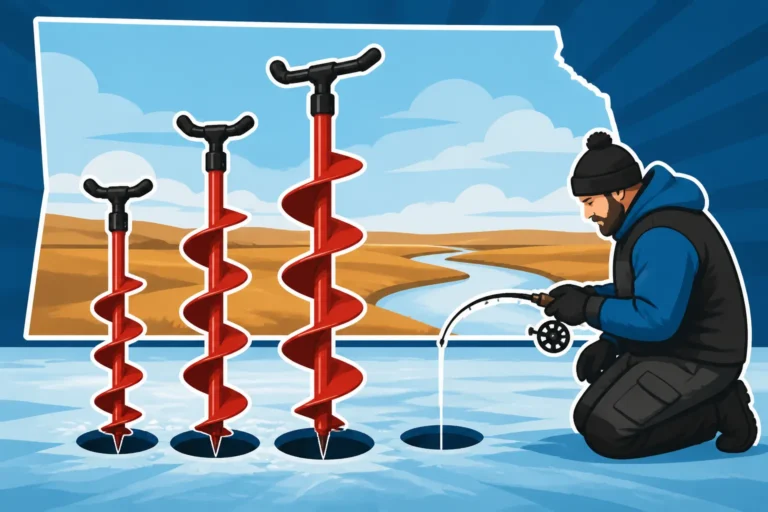
Beyond the fantastic fishing, fall is also a crucial time for pre-winter preparations. This includes properly winterizing your boat and fishing gear for storage. For dedicated ice anglers, this means checking and servicing ice augers, portable heaters, and ice shelters, ensuring everything is ready for the hardwater season. Many smart ice anglers will scout potential ice fishing locations in late fall, noting where walleye are congregating, as they often don't move far from these deeper wintering grounds once the ice begins to form. This proactive planning ensures you're fully prepared to hit the ice safely and successfully as soon as conditions allow.
Preparing for Your North Dakota Walleye Adventure
A successful walleye trip in North Dakota requires more than just knowing when and where to go; it demands proper preparation, from gear to licenses to environmental stewardship.
Essential Gear for Successful Walleye Trips
Equipping yourself with the right gear is fundamental to maximizing your success and enjoyment when chasing North Dakota walleye, given the state's diverse conditions and fishing environments. For open water fishing, a versatile medium-light to medium power spinning rod, typically 6'6" to 7' long, paired with a reliable 2500-3000 series spinning reel, is an excellent all-around setup. This combination handles everything from jigging and live bait rigging to casting lighter crankbaits. For serious trolling on expansive waters like Lake Sakakawea, a sturdy medium-heavy baitcasting rod and reel, capable of handling heavier lures and bottom bouncers, is often preferred. You can find a vast array of suitable rods, reels, and tackle components from retailers like those on Amazon.
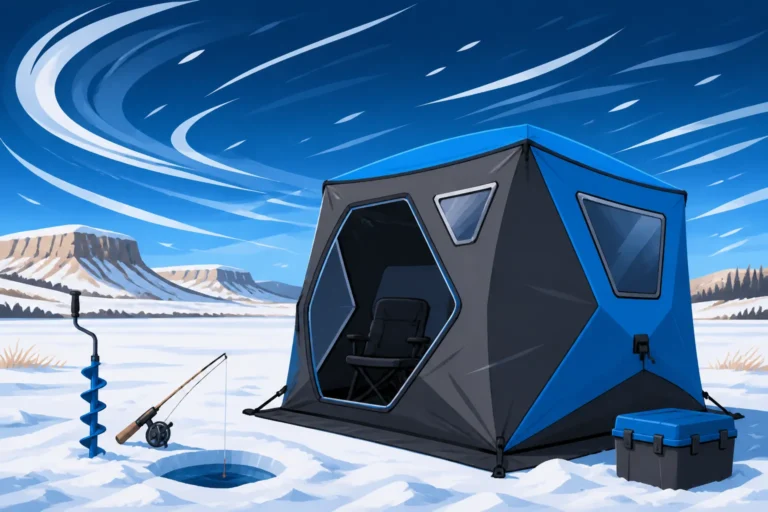
Your tackle box should be well-stocked with the essentials. A variety of jigs (from 1/8 oz for shallow water to 1 oz or more for current or deep structure) in different colors is a must-have, alongside an assortment of soft plastics, spinner rigs (such as Lindy Rigs or crawler harnesses), and a selection of crankbaits that cover various diving depths. Don't forget an ample supply of swivels, snap-swivels, and hooks in multiple sizes. Essential tools like long-nose pliers, a jaw spreader, and a fish gripper are invaluable for safe hook removal and handling of toothy walleye. For ice fishing, specialized short, sensitive ice rods, an efficient ice auger, a warm ice shelter, and a portable fish finder are absolutely critical components. For specifics on selecting the best options, check out Best Ice Fishing Gear for North Dakota.
Beyond fishing-specific gear, personal comfort and safety should never be overlooked. High-quality rain gear, multiple layers of clothing for unpredictable weather, polarized sunglasses to cut glare, and a wide-brimmed hat are essential. Always carry a well-stocked first-aid kit, a sharp knife, and plenty of water or other hydration. If you're fishing from a boat, ensure all required safety equipment, including properly fitted life jackets, is readily accessible. Lastly, a durable cooler packed with ice is non-negotiable for preserving your walleye catch. Proper gear not only enhances your fishing experience but also ensures your safety and improves your chances of a successful outing.
Obtaining Your Fishing License and Certificates
Before you even think about dropping a line into North Dakota waters for walleye, securing the proper licenses and endorsements is the absolute first step. Nearly every angler over the age of 16 is required to possess a valid North Dakota Fishing License Guide. This applies universally, regardless of whether you're a resident or nonresident, and whether you're fishing from shore, a boat, or through the ice. North Dakota offers various license options, including annual resident and nonresident licenses, senior discounts, and convenient short-term nonresident licenses like the Nonresident 3-Day Fishing License in North Dakota. Purchasing a license is straightforward, available online via the NDGFD website, through authorized license vendors (such as sporting goods stores), or sometimes through a mobile application.
In addition to the basic fishing license, many anglers will also need to acquire what is known as The Fishing, Hunting, Furbearer Certificate Explained. This certificate acts as a foundational document in North Dakota's licensing system and is often a prerequisite for purchasing other specific licenses or for establishing residency for licensing purposes. While it might seem like an extra step, it helps streamline the overall licensing process. Typically, if you're buying a season-long fishing license, this certificate will be automatically integrated into your first purchase.
It is paramount that you always carry your valid license with you while fishing, whether it's the physical card or an official digital version on your smartphone (always verify current regulations regarding digital acceptance). Game wardens conduct routine checks, and being unable to produce a valid license can result in fines and other penalties. Make sure to review the North Dakota Fishing License Age Requirements in North Dakota, especially when fishing with minors, to ensure everyone in your party is properly licensed. Responsible angling begins with proper licensing, ensuring you can enjoy North Dakota's outstanding walleye fisheries without any legal complications.
Aquatic Nuisance Species Prevention
Protecting North Dakota's valuable aquatic resources from Aquatic Nuisance Species (ANS) is a critical responsibility shared by every angler and boater. ANS, such as zebra mussels, starry stonewort, and curly-leaf pondweed, pose a severe threat to native ecosystems, can devastate fish populations (including walleye), and significantly impact recreational opportunities. North Dakota has enacted strict regulations to prevent the introduction and spread of these invasive species, and compliance is not just recommended, but legally mandatory.
The fundamental principle of ANS prevention is "Clean, Drain, Dry." After every fishing trip, and especially when moving your watercraft or equipment between different bodies of water, you are required to take the following steps:
- CLEAN: Meticulously inspect your boat, trailer, and all fishing gear (including nets, waders, and anchors). Remove any visible aquatic plants, animals, or mud. Pay close attention to hidden crevices, ropes, and any areas where debris can cling.
- DRAIN: Completely drain all water from your boat, including the bilge, livewells, baitwells, and engine cooling systems, before leaving the boat launch area. This also applies to any portable bait containers; dispose of unused bait in the trash, not back into the water or on shore.
- DRY: Thoroughly dry your boat and equipment for at least five consecutive days before launching into another body of water. If drying isn't feasible due to time constraints, power washing with hot (120°F or hotter), high-pressure water can sometimes be an alternative, but drying is always preferred.
Additionally, regulations govern the transport of bait. You generally cannot transport live aquatic bait (such as minnows or leeches) in water from one lake to another. Bait must be transported in clean tap water or bottled water. Furthermore, most watercraft operated in North Dakota are required to pay an annual Aquatic Nuisance Species Fee Amount, which directly funds the state's vital ANS prevention and management programs. Understanding and rigorously following these ANS rules is not merely a suggestion; it is a legal obligation that safeguards the future of North Dakota's remarkable fishing experiences, including its world-class walleye fisheries. Your diligence makes a tangible difference in protecting these precious resources.
Walleye Activity and Key Considerations by Season in North Dakota
| Season | Typical Period | Walleye Behavior & Locations | Primary Fishing Techniques | Key Considerations |
|---|---|---|---|---|
| Spring | March – May | Spawning activities; move into shallow, warmer areas, current breaks. | Jigging with minnows/plastics, shallow crankbaits, slip bobbers. | Unpredictable weather, rising water levels. Focus on pre-spawn staging. |
| Summer | June – August | Retreat to deeper main lake structures, humps, and thermoclines. | Trolling crankbaits/spinners, deep jigging, bottom bouncing. | Warm temperatures, sun protection, hydration. Fish finders are crucial for locating deep fish. |
| Fall | September – November | Aggressive feeding patterns; move shallower during low light to chase bait. | Jigging larger minnows/plastics, deep-diving crankbaits, live bait rigging. | Excellent trophy potential. Prepare for cooler weather and potential for first ice. |
| Winter | December – February | Hold in deeper wintering holes, basin areas, and main lake structure. | Ice fishing: jigging spoons/plastics, deadsticking with live bait, tip-ups. | Ice safety is paramount. Require specialized cold weather gear and insulated shelters. Patience is key. |
Disclaimer
The information provided in this guide is for general informational purposes only and is not intended as legal advice. Fishing regulations in North Dakota can change frequently. Always consult the most current North Dakota Game and Fish Department (NDGFD) regulations and proclamations before engaging in any fishing activities to ensure compliance.