Lake Ashtabula Fishing Guide
There's nothing quite like the excitement of exploring a new fishing destination, but let's be honest, it can also feel a little overwhelming. You've heard whispers about Lake Ashtabula's potential, but where do you even start? What's biting? What gear do you really need? This guide is here to cut through the guesswork, offering you a realistic, boots-on-the-ground look at making your next fishing trip to Lake Ashtabula a resounding success.
Understanding Lake Ashtabula: A Gem in the Sheyenne River Valley
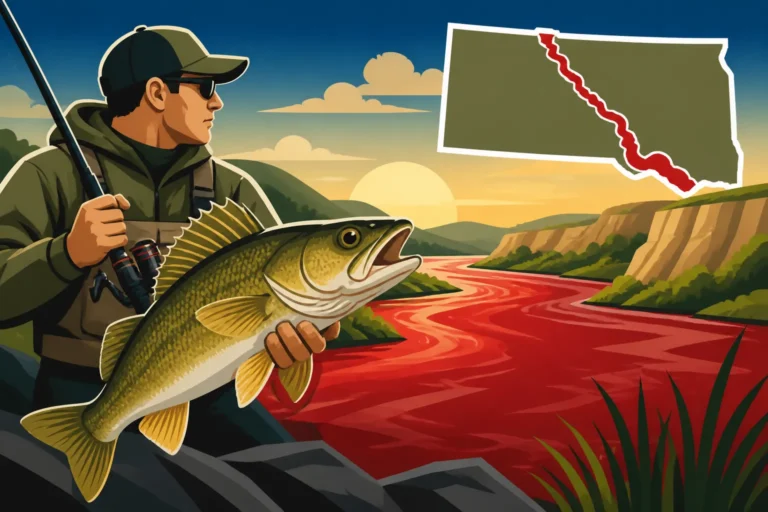
Lake Ashtabula isn't just another body of water; it's a significant reservoir on the Sheyenne River, holding a special place in the hearts of many North Dakota anglers. Nestled in eastern North Dakota, this lake, formed by the Baldhill Dam, offers a diverse fishing experience that changes dramatically with the seasons and even from one end of the lake to the other. Its unique characteristics make it a challenging but highly rewarding destination.
Geographical Layout and Structure
Lake Ashtabula stretches for about 27 miles, a long and relatively narrow lake compared to some of North Dakota's behemoths like Lake Sakakawea. This elongated shape means you'll encounter a wide variety of bottom structures and habitats as you move from north to south. The northern reaches, closer to the Sheyenne River inflow, tend to be shallower and feature more riverine characteristics, including current, submerged timber, and brush. As you move south towards the dam, the lake deepens, widens in certain areas, and exhibits more classic reservoir features like steep breaks, submerged points, and larger flats. Anglers often find success by understanding these transitions, as different fish species will gravitate to different parts of the lake depending on the time of year and their specific needs. It's not uncommon to fish the northern end for pike and then shift to the southern end for walleye on the same day.
Hydrology and Water Characteristics
Being a river-fed reservoir, Lake Ashtabula's water levels and clarity can fluctuate throughout the year, influenced heavily by rainfall and upstream conditions. Generally, the water clarity is moderate, often with a slight stain, especially after heavy rains or during spring runoff. This stained water can actually be a huge advantage for anglers, as it often makes walleye and pike more active during daylight hours compared to clearer lakes. The current, while not always strong, is a factor to consider, particularly in the narrower, river-like sections of the upper lake. Understanding these hydrological patterns is key to predicting fish behavior; for example, a strong spring flow might push baitfish and predatory species into calmer backwaters or deeper pockets with less current. Water temperature is another crucial factor, dictating fish metabolism and location, from the frigid depths of winter to the warmer surface waters of mid-summer.
Primary Fish Species Overview
Lake Ashtabula boasts a fantastic mixed bag of fish species, making it an appealing destination for anglers with varied interests. The big three, undoubtedly, are walleye, northern pike, and yellow perch. These are the species that draw most of the attention and provide consistent action throughout the year. Walleye are abundant, often found along the numerous breaks and points, and can be caught using a variety of techniques. Northern pike are prolific, especially in the shallower, weedy bays and river sections, offering exciting, aggressive strikes. Yellow perch thrive here, particularly on the flats and humps, providing excellent ice fishing opportunities. Beyond these staples, you'll also find a healthy population of crappie, bluegill, and even some channel catfish, particularly in the deeper, warmer waters or near the river channels. The diversity ensures that even if one species isn't biting, there's always another opportunity waiting.
Prime Fishing Spots on Lake Ashtabula
Knowing the general characteristics of a lake is one thing, but knowing where to drop your line is the real challenge. Lake Ashtabula's extensive length means there are countless nooks and crannies, and pinpointing the best spots often comes down to understanding the seasonal movements of fish and their preferred habitats.
Northern Sections: River Inflows and Shallow Bays
The northern end of Lake Ashtabula, particularly where the Sheyenne River flows in, acts like a magnet for certain species, especially during spring and early summer. These areas are typically shallower, with more current and a richer supply of nutrients and baitfish washing in from the river. You'll find numerous submerged stumps, fallen trees, and weed beds that offer excellent ambush points for northern pike. These toothy critters love to hide in the cover, waiting to dart out at unsuspecting prey. Walleye will also stage in these areas during the spring spawn, transitioning to nearby deeper bends and current breaks afterward. The numerous small bays and pockets off the main river channel here are also fantastic for panfish like crappie and bluegill, especially as the water warms up. Shore anglers can often find good success here by targeting creek mouths and smaller points, especially if you're looking for an alternative to boat fishing.
Central Depths and Mid-Lake Structure
As you move south, the lake begins to widen, and the depths become more pronounced. The central section of Lake Ashtabula is a haven for structure-oriented fish, particularly walleye. Here, you'll find a series of submerged humps, rocky points, and significant depth changes that act as highways and feeding grounds for schools of walleye. Think about those classic "walleye chops" – a sharp drop-off with a flat on top, or a long, tapering point extending into deeper water. These are prime locations for both casting and trolling. Using a good fish finder is critical here to locate these subtle underwater features and mark any baitfish or suspended schools of walleye. You might also encounter large schools of yellow perch foraging on these mid-lake flats, especially during the colder months when they group up. Don't be surprised to find some larger northern pike patrolling the edges of weed beds that cling to these structures.
Southern End: Dam Area and Deeper Basins
The southernmost section of Lake Ashtabula, near the Baldhill Dam, offers the deepest water and some of the most consistent fishing, particularly for those targeting trophy walleye and larger catfish. The dam itself creates a natural bottleneck and deeper basin, concentrating fish that prefer cooler, more stable water temperatures. The current in this area can also be a factor, creating eddies and slack water that attract baitfish, and in turn, predatory species. In the colder months, fish will often hold in these deeper basins, providing excellent opportunities for ice anglers who aren't afraid to brave the elements. Beyond the immediate dam area, there are steep breaks and rocky shorelines that offer excellent cover. When thinking about where to launch your boat, the access points closer to the dam, like the ones near Ashtabula Crossing or Sundstrom's Landing, provide quick access to these deeper, more productive waters, especially for anglers with larger boats. When planning your trip, consider using services like FishingBooker to connect with local guides who specialize in these deep-water tactics, as they can save you a lot of time finding the best spots.
Seasonal Fishing Strategies for Lake Ashtabula
Lake Ashtabula offers year-round fishing opportunities, but success hinges on adapting your tactics to the specific season. Fish behavior changes dramatically with water temperature, available forage, and spawning cycles. Understanding these shifts is key to consistent catches.
Spring: Ice-Out and Spawning Frenzy
Spring on Lake Ashtabula is a time of renewal, and for anglers, it means the exciting ice-out period, followed by the spawning frenzy. As the ice melts, typically in late March or early April, fish become incredibly active. Walleye and northern pike are often among the first to move into shallower areas, especially near river inflows and protected bays, seeking warmer water and preparing to spawn.
During early spring, right after ice-out, look for fish in relatively shallow water (3-10 feet) that warms up quickly. The northern reaches of the lake, where the Sheyenne River enters, become prime territory. Use lipless crankbaits, jigs tipped with minnows, or even simple slip bobber rigs with live bait. As the water warms further, walleye will move to traditional spawning grounds – usually rocky areas or gravel flats with some current. After spawning, they'll often retreat to nearby deeper breaks to recover before starting their post-spawn feed. For northern pike, casting spoons or spinnerbaits in those same shallow, weedy bays can be incredibly effective. Remember, North Dakota Fishing Regulations Explained details specific season dates and limits, so always check the latest proclamation for any changes that might affect your spring fishing plans.
Summer: Deep Water and Weed Line Action
When summer arrives and water temperatures rise, fish behavior shifts dramatically on Lake Ashtabula. Walleye will often move to deeper structures, seeking cooler water and following baitfish that also head to these cooler zones. Look for them on submerged humps, points, and along the deep edges of weed lines, especially in the central and southern portions of the lake. Trolling crankbaits or spinner rigs with bottom bouncers becomes a highly effective technique for covering water and finding active schools. Don't be afraid to experiment with different depths; sometimes they're suspended, and other times they're hugging the bottom.
Northern pike, while still found in some deeper areas, will largely remain associated with the healthy weed growth that flourishes in Lake Ashtabula's shallower bays and along its productive shorelines during summer. Casting large spoons, spinnerbaits, or topwater lures into and around these weed beds can produce explosive strikes. Panfish like crappie and bluegill will also be found in these weed beds, often near submerged timber or brush piles, offering great opportunities for light tackle anglers. For those long summer evenings, don't overlook fishing for channel catfish in the deeper channels and river sections, often with cut bait or stink baits fished on the bottom.
Fall: Feeding Frenzy Before Ice-Up
Fall fishing on Lake Ashtabula is often considered some of the best of the year, as fish enter a pre-winter feeding frenzy to bulk up for the cold months ahead. As water temperatures begin to drop, fish become more aggressive and move into shallower areas more frequently, sometimes even feeding throughout the day.
Walleye will congregate on prominent main lake points, rock reefs, and large flats where baitfish are abundant. Trolling crankbaits or jigging spoons can be deadly effective. Pay close attention to current seams and transitions from hard to soft bottom. This is also a fantastic time for northern pike, which will be gorging themselves in preparation for winter. Casting large inline spinners, spoons, or even big jerkbaits into those remaining green weed beds or along the edges of emerging ice can yield some truly massive pike. Yellow perch fishing also heats up in the fall, with schools moving onto shallow flats and humps, often biting aggressively on small jigs tipped with maggots or pieces of minnow. The cooler temperatures make for a much more comfortable fishing experience than the heat of summer, and the fish are often more cooperative.
Winter: Ice Fishing Hotspots and Techniques
Lake Ashtabula transforms into a premier ice fishing destination once it freezes over, typically from December through March. The entire lake becomes accessible, opening up new opportunities that aren't available during open water season. However, always prioritize safety and check ice conditions carefully. You can find essential information in the North Dakota Ice Fishing Rules.
For walleye, the deep basins near the dam and the mid-lake humps and points become prime locations. Jigging spoons tipped with a minnow head or small swimming lures are popular choices. Don't be afraid to drill many holes and be mobile until you locate a school. Northern pike can be targeted with tip-ups set in shallower, weedy bays, using large dead baits like smelt or sucker minnows. Spread your tip-ups out to cover more area. Yellow perch are a huge draw for ice anglers, often schooling up on large flats. Small tungsten jigs tipped with wax worms or plastics, fished aggressively, can lead to incredible numbers. Ice fishing electronics, like flashers, are almost essential for perch fishing, allowing you to see your lure and the fish in real-time. For multi-day trips or larger groups, setting up a larger ice fishing shelter can make the experience much more comfortable, especially on blustery North Dakota days.
Targeting Key Species: Tactics for Success
While Lake Ashtabula offers a variety of fish, most anglers come for the big three: walleye, northern pike, and yellow perch. Each species demands specific tactics and a good understanding of their behavior.
Walleye Wisdom: Jigs, Crankbaits, and Live Bait
Walleye are the undisputed kings of North Dakota fishing, and Lake Ashtabula is no exception. They are predatory fish, often found relating to structure and feeding primarily on baitfish. Successfully targeting them requires a versatile approach.
In the spring and fall, when walleye are often shallower or transitioning, jigging is incredibly effective. A 1/4 to 3/8 ounce jig head tipped with a live minnow (especially a shiner or fathead) or a soft plastic paddle tail can be deadly. Focus on sharp breaks, rocky points, and current seams. Work your jig with a lift-drop retrieve, feeling for that subtle thump or unexpected weight that signals a bite. When the fish are more spread out or holding in deeper water during summer, trolling crankbaits is a fantastic way to cover ground. Brands like Rapala, Berkley, and Salmo offer excellent diving baits that can reach various depths. Match your crankbait color to the local forage or water conditions; natural baitfish patterns often work well in clearer water, while brighter colors like firetiger or chartreuse can shine in stained water. Bottom bouncer rigs, employing spinner blades or a snelled hook with a leech or nightcrawler, are also very productive for covering flats and slow-trolling along contours. For those looking for an extra edge, booking a trip with a guide through FishingBooker can provide invaluable insight into the most current walleye patterns and presentations on Lake Ashtabula.
Northern Pike Pursuits: Aggressive Strikes and Spoon Tactics
Northern pike are abundant in Lake Ashtabula and offer thrilling, hard-hitting action. They are opportunistic predators, known for their aggressive strikes and preference for ambush points within dense cover.
During open water seasons, focus your efforts on the extensive weed beds found in the shallower bays and along the lake's more gradual shorelines. Casting large spoons (like Daredevils or Len Thompson), spinnerbaits with big blades, or even topwater lures over and around these weeds can elicit explosive strikes. Pike aren't shy, and they'll often hit lures with ferocity. Pay attention to areas where weeds meet deeper water or where submerged timber provides extra cover. When the water cools in the fall, pike often become even more ravenous, chasing down larger baits. Big jerkbaits or even swimbaits can entice trophy-sized fish. For ice fishing, tip-ups are the go-to method. Set them up with large sucker minnows or smelt suspended under the ice in 5-15 feet of water, often near weed edges or drop-offs. When the flag flies, get ready for a fight! Remember that when fishing for Northern Pike in North Dakota, they have specific daily limits and regulations that are important to follow.
Perch and Panfish: Light Tackle and Schooling Behavior
While walleye and pike get a lot of glory, Lake Ashtabula's yellow perch and panfish (crappie, bluegill) offer incredibly fun and often fast-paced fishing, especially for families or those seeking consistent action.
Yellow perch thrive in Ashtabula, particularly on the expansive flats and humps in the central and southern parts of the lake. They are notorious schoolers, so when you find one, you've likely found many! During open water, small jigs tipped with a minnow or a piece of worm, or even tiny crankbaits, can be effective. This is where your fish finder comes in handy, as spotting those schools on the bottom is key. In winter, perch fishing truly shines through the ice. Use small tungsten jigs (1/16 to 1/8 ounce) tipped with a wax worm, minnow head, or a small soft plastic bait. Aggressive jigging, with short, sharp snaps, often triggers bites. Move around frequently, drilling holes until you mark fish. For crappie and bluegill, target areas with submerged brush piles, fallen trees, or dense weed growth, particularly in the quieter bays. Small jigs, tiny spoons, or live bait like small minnows (for crappie) or wax worms (for bluegill) under a bobber are highly effective. These species are fantastic for introducing kids to fishing due to their willingness to bite and the simpler tackle required. The North Dakota Yellow Perch Fishing Guide provides even more detailed tips for these popular panfish.
Essential Gear and Boat Access for Lake Ashtabula
Having the right gear and knowing where to access the water are fundamental to a successful and enjoyable fishing trip on Lake Ashtabula. It's not just about what you fish with, but how prepared you are for the unique conditions of a large North Dakota reservoir.
Recommended Rods, Reels, and Tackle
Matching your gear to the target species and conditions on Lake Ashtabula is crucial. For walleye, a medium-light to medium power spinning rod, 6'6" to 7' in length, paired with a 2500-3000 series spinning reel spooled with 8-10 lb monofilament or fluorocarbon (or 10-15 lb braided line with a fluorocarbon leader) is a versatile setup for jigging and slip bobber fishing. If you're planning on trolling, a medium to medium-heavy baitcasting rod, 7'-8'6" in length, with a line counter reel and 10-15 lb test monofilament, is ideal for controlling your depth.
For northern pike, you'll want a slightly heavier setup. A medium-heavy spinning or baitcasting rod, 6'6" to 7'6", paired with a 3000-4000 series spinning reel or a robust baitcasting reel, spooled with 20-30 lb braided line, is perfect for casting larger lures. Don't forget heavy-duty steel leaders to prevent bite-offs from their razor-sharp teeth! For perch and panfish, a lighter touch is best. An ultra-light to light power spinning rod, 5'-6' long, with a 1000-2000 series spinning reel and 4-6 lb monofilament, will maximize the fun of catching these smaller, but feisty, fish. On the ice, specialized ice fishing rods, typically shorter and designed for specific techniques, are highly recommended. A medium-light action rod for walleye and a light action rod for perch are good starting points. The Best Fishing Tackle for North Dakota Lakes will give you a deeper dive into specific lure types and tackle box essentials.
Boat Ramps and Shoreline Access Points
Lake Ashtabula is well-equipped with public boat ramps and various shoreline access points, making it accessible for both boat and bank anglers. Knowing these locations can save you valuable fishing time.
Some of the most popular and well-maintained boat ramps include the ones at Ashtabula Crossing (often busy), Sundstrom's Landing, and those found within the various recreation areas dotted along the lake, such as the Ashtabula State Recreation Area or Clausen Springs. These ramps typically offer concrete surfaces and ample parking. Always check the current water levels, especially in late summer or during drought conditions, as some ramps might become less accessible. For smaller boats, kayaks, and canoes, many of the smaller bays and primitive access points along county roads offer easy launch sites. Remember that North Dakota Boat Registration Requirements apply to most motorized vessels, and it's essential to have your registration in order before you launch.
| Access Point Name | Location (Approx.) | Primary Use | Facilities | Notes |
|---|---|---|---|---|
| Ashtabula Crossing | Southern end, west side | Boat Launch, Shore Fishing | Concrete Ramp, Dock, Parking, Restrooms | Very popular, good access to deeper walleye water |
| Sundstrom's Landing | Southern end, east side | Boat Launch, Shore Fishing | Concrete Ramp, Dock, Parking, Restrooms, Campground | Close to dam, good all-around access |
| Baldhill Dam Rec. Area | Southern end, near dam | Shore Fishing, Picnic | Parking, Restrooms, Picnic Areas | Excellent for bank anglers targeting catfish and walleye |
| Clausen Springs | Central section, west side | Boat Launch, Shore Fishing | Gravel Ramp, Parking, Campground, Restrooms | Smaller ramp, good for smaller boats and quieter access |
| Kvam's Access | Northern end, east side | Boat Launch, Shore Fishing | Gravel Ramp, Parking | Good for accessing upper lake, pike, and spring walleye |
| Sibley Crossing | Northern end, west side (Sheyenne River Bridge) | Shore Fishing | Limited Parking | Primitive access, popular for riverine species in spring |
Shoreline access varies significantly. The Baldhill Dam recreation area offers extensive bank fishing opportunities, especially below the dam for river species. Many road crossings and pull-offs along the lake's perimeter also provide informal access, though these may require a bit of hiking through tall grass. Always respect private property and leave no trace when fishing from shore.
Navigational Considerations for Anglers
Navigating Lake Ashtabula, especially for those unfamiliar with it, requires a bit of awareness. Its relatively narrow and winding nature means there are numerous points, submerged humps, and occasional shallow areas that can pose a hazard, particularly during lower water levels. A reliable GPS unit with a good mapping chip is invaluable for marking these features and safely navigating the lake. Many anglers also find a good fish finder indispensable, not just for locating fish but for understanding the underwater topography.
Wind can also be a major factor on Lake Ashtabula. Its long, open stretches can become quite choppy, especially with strong winds from the north or south, making boat control challenging and even dangerous for smaller vessels. Always check the weather forecast before heading out. If you're new to the lake or North Dakota fishing in general, connecting with a local guide through services like FishingBooker can provide expert navigational advice and ensure a safer, more productive outing. Be mindful of other boaters, especially during peak season, and always operate your vessel responsibly.
Disclaimer
Fishing conditions and regulations in North Dakota can change. Always consult the latest North Dakota Game and Fish Department regulations before heading out on the water. This guide is for informational purposes only and does not constitute legal advice. Safe boating and fishing practices are essential.