Lake Metigoshe Fishing Guide, North Dakota
Planning a fishing trip can sometimes feel overwhelming, especially when you're heading to a new spot or trying to figure out the nuances of a beloved local lake. Anglers often struggle with where to start, what species are biting, and what rules apply. This comprehensive guide is designed to cut through that confusion, offering detailed insights and practical advice specifically for fishing at Lake Metigoshe in North Dakota, helping you make the most of your time on these beautiful waters.
Discovering the Charm of Lake Metigoshe
Lake Metigoshe, often affectionately called "The Lake of the Woods," is a true jewel nestled in the Turtle Mountains of North Dakota, right on the border with Manitoba, Canada. This pristine body of water offers a fishing experience that combines natural beauty with abundant opportunities, but it also comes with its own set of characteristics that anglers need to understand.
A Glimpse into Metigoshe's Unique Environment
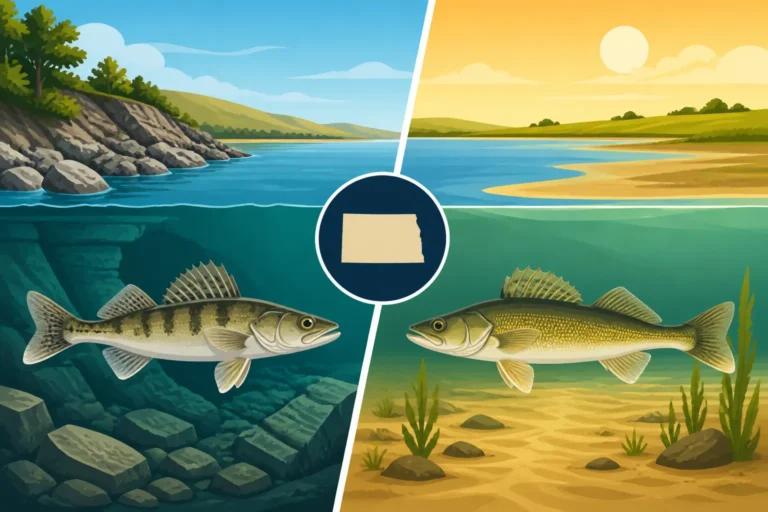
Lake Metigoshe is a relatively large natural lake, covering approximately 1,500 acres on the North Dakota side alone, with a significant portion extending into Canada. What makes Metigoshe truly unique is its crystal-clear water, a stark contrast to some of the more turbid prairie lakes. This clarity is a double-edged sword: it makes for stunning scenery and easier spotting of underwater structure, but it can also make fish more wary, especially on bright, sunny days. The lake has an average depth of around 16 feet, with some areas dropping to over 20 feet, offering diverse habitats for various fish species. Its shoreline is a mix of rocky points, sandy beaches, and vegetated bays, providing excellent cover and feeding grounds.
Being a border lake, Lake Metigoshe has a fascinating dynamic. While much of the fishing focus is on the North Dakota side, anglers sometimes wonder about the Canadian regulations if they venture too far. For the purposes of this guide, we'll primarily focus on the North Dakota regulations, but it's always wise to be aware of the international boundary, which is clearly marked by buoys. The lake is fed by natural springs and small tributaries, contributing to its water quality and ecological health. This clean environment supports not only healthy fish populations but also a vibrant ecosystem of aquatic plants and wildlife, making every trip to Metigoshe a full nature experience.
Why Anglers Flock to "The Lake of the Woods"
Lake Metigoshe's nickname, "The Lake of the Woods," truly captures its essence. Surrounded by dense forests and rolling hills, it provides a tranquil escape from the bustling world. This natural beauty is a huge draw for anglers, but it's the diverse and robust fishery that keeps them coming back year after year. Metigoshe is renowned for its healthy populations of walleye, northern pike, and panfish, offering something for every type of angler, from those seeking trophy fish to families looking for consistent action. The lake's structure, with its numerous islands, points, and weed beds, provides endless opportunities for exploration and finding prime fishing spots.
What sets Metigoshe apart is the combination of its accessible public areas and the feeling of wilderness it still retains. You can easily launch a boat and find productive fishing grounds, yet still feel immersed in nature. The lake also boasts a vibrant community of passionate anglers who share tips and stories, creating a welcoming atmosphere for newcomers. Many consider it one of the best fishing lakes in the Turtle Mountains, offering not just a chance to catch fish, but a chance to reconnect with the outdoors. It's a place where memories are made, whether it's reeling in a personal best walleye or watching a stunning sunset over the water.
Prime Fish Species to Target at Lake Metigoshe
Lake Metigoshe is a multi-species angler's dream, offering exciting opportunities for several popular game fish. Knowing what's available and when they're most active can significantly increase your chances of a successful outing.
Walleye: North Dakota's Prized Catch
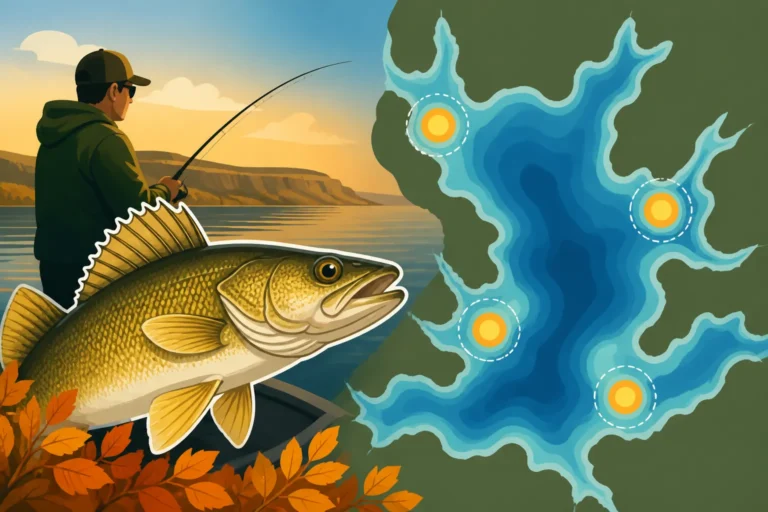
Walleye are undoubtedly the star attraction at Lake Metigoshe, drawing anglers from across the state and beyond. These elusive fish thrive in Metigoshe's clear, cool waters, growing to impressive sizes. When you're targeting walleye here, patience and presentation are key due to the water clarity. Many anglers find success using subtle approaches, especially during daylight hours. Trolling crankbaits that mimic the local forage, like perch or shiners, along depth contours and over weed edges is a popular and effective method, particularly in the summer months. Varying your trolling speed and lure depth until you find the sweet spot can make all the difference.
Jigging with live bait, such as minnows or leeches, is another highly productive technique, especially during cooler periods or when fish are holding tight to structure. Look for rocky points, submerged humps, and the edges of weed lines where walleye ambush prey. Dawn and dusk are prime times for walleye activity, as they move into shallower feeding grounds under low light conditions. Keep in mind the specific North Dakota Walleye Size Limit Rules that apply, as these can vary by waterbody to help manage the fishery. Typically, walleye in Metigoshe range from 15 to 22 inches, with larger "sow" walleye often pushing past 25 inches, making for an exciting fight and a rewarding catch. For those looking to hire a professional, many experienced guides listed on platforms like FishingBooker specialize in walleye fishing on Metigoshe, offering valuable local knowledge and proven techniques.
Northern Pike: The Lake's Apex Predator
If you're looking for aggressive strikes and powerful fights, Lake Metigoshe's northern pike population won't disappoint. These toothy predators are abundant throughout the lake, particularly in areas with dense vegetation or near rocky outcrops. Pike are less finicky than walleye in Metigoshe's clear water and will readily strike a variety of lures. Large spoons, spinnerbaits, and swimbaits cast into weed beds or along their edges are highly effective. Many anglers also enjoy using topwater lures for an explosive surface bite, especially during warmer months.
Spring and fall are particularly good seasons for targeting trophy pike, as they become more active in cooler water. During the spring, after the ice-out, pike move into shallow bays to spawn, making them more accessible. In the fall, they feed heavily to build up reserves for winter. Ice fishing for northern pike is also incredibly popular on Metigoshe, with tip-ups baited with large smelt or sucker minnows often yielding impressive results. Be sure to check the North Dakota Northern Pike Daily Limit regulations before heading out, as limits are in place to ensure a sustainable fishery. Having a good set of steel leaders is crucial when targeting pike to prevent bite-offs from their razor-sharp teeth.
Perch and Panfish: Abundant Action for All
For consistent action and family-friendly fishing, Lake Metigoshe's yellow perch and panfish populations are hard to beat. The lake is well-known for its robust perch fishery, with anglers often finding schools of cooperative fish. Beyond perch, you can also find good numbers of bluegill and crappie, providing plenty of variety and opportunity for lighter tackle. These species are perfect for introducing kids to fishing, as they are often more willing to bite and less demanding on technique.
Small jigs tipped with wax worms, minnow pieces, or even small artificial plastics are incredibly effective for perch and other panfish. When fishing from shore or a boat, look for areas with submerged timber, docks, or healthy weed growth. For perch, finding schools is the key, and once you locate them, you can often enjoy fast and furious action. Ice fishing is particularly popular for perch on Metigoshe, with anglers drilling multiple holes to locate schools. Using a sensitive rod and a small jigging spoon or tungsten jig can make a huge difference in detecting their subtle bites through the ice. Remember to consult the Yellow Perch and Panfish Daily Limits Explained to ensure you're compliant with all regulations. These smaller fish also make excellent table fare, providing a delicious reward for your efforts.
Navigating Lake Metigoshe: Access and Boating Essentials
Getting on the water at Lake Metigoshe is relatively straightforward, but understanding the access points and what to expect on the lake itself is crucial for a smooth and safe trip.
Public Access Points and Boat Ramps
Lake Metigoshe is well-equipped with public access for anglers, making it easy to launch your boat or find a spot for shore fishing. The primary access point is the Lake Metigoshe State Park boat ramp, located on the southwest side of the lake. This ramp is well-maintained, features multiple lanes, and offers ample parking, even during peak season. It's a fantastic spot for anglers with larger boats, providing easy access to the main body of the lake. The State Park also offers camping facilities, picnic areas, and other amenities, making it a great base camp for extended fishing trips.
Another popular access point is the South Lake Metigoshe Public Access, often simply referred to as the "south ramp." This ramp is located on the southeastern shore and provides good access to the southern basin of the lake, which can be very productive. While perhaps not as expansive as the State Park ramp, it's a solid option for most boaters. For those who prefer shore fishing or launching smaller craft like kayaks and canoes, there are various informal access points along the state park shoreline and other public land. Just be mindful of private property boundaries. For detailed information, you can always check out resources like the Lake Metigoshe Fishing Access Points guide, which provides up-to-date information on facilities and conditions.
Boating Considerations for Metigoshe
While Lake Metigoshe isn't as vast as Lake Sakakawea, it's still a sizable body of water that can get choppy, especially on windy days. Anglers need to be mindful of weather conditions and understand the capabilities of their vessel. A fishing boat suitable for most North Dakota lakes will serve you well on Metigoshe, but smaller craft like canoes and kayaks should exercise caution when winds pick up. Always check the forecast before heading out, and be prepared for sudden changes in weather. The lake's clear water also means that submerged rocks and shallow areas are often visible, but it's still wise to use a good depth finder and navigate with care, especially in unfamiliar territory.
For all motorized boats, it's imperative to comply with North Dakota Boat Registration Requirements. This includes displaying your registration numbers correctly and carrying all necessary safety equipment, such as life jackets for all occupants. Furthermore, remember the rules regarding aquatic nuisance species; always clean, drain, and dry your boat and gear after each outing to prevent the spread of invasive species. For those interested in deeper insights, you might consider booking a guided trip through a service like FishingBooker, where experienced local captains can navigate the lake efficiently and safely, taking you directly to the hot spots.
Mastering Metigoshe Fishing Techniques by Season
The fishing experience at Lake Metigoshe shifts dramatically with the seasons, from the anticipation of ice-out to the thrill of a hard water bite. Understanding these seasonal changes is key to consistent success.
Spring and Summer Strategies
Spring at Lake Metigoshe begins with the exciting period of ice-out, typically in April or early May, which marks the start of the open water fishing season. During this time, water temperatures are still cool, and fish are often found in shallower areas. Walleye will be moving towards spawning grounds on rocky points and sand flats, making them vulnerable to jigs tipped with minnows or slow-trolled crankbaits. Northern pike, having just finished their spawn, will be very aggressive, lurking in newly emerging weed beds in shallow bays. This is an excellent time for casting larger spoons and spinnerbaits.
As summer progresses and water temperatures rise, fish move to deeper structures and weed edges. Walleye fishing often shifts to trolling crankbaits over main lake humps, along contours, and around the deeper edges of weed lines. Bottom bouncers with spinner rigs tipped with leeches or nightcrawlers are also highly effective, especially when searching for active fish. For northern pike, focus on dense weed beds and shaded areas near structure; casting noisy topwater lures or large swimbaits can provoke explosive strikes. Panfish, including perch and crappie, will often school up in relation to submerged cover or deep weed lines, making them accessible to small jigs and live bait. Remember, fishing in North Dakota is generally year-round for many species, but adapting your methods to the conditions is crucial.
Fall and Winter Tactics
Fall on Lake Metigoshe is a favorite for many seasoned anglers. As water temperatures drop, fish enter a "feeding frenzy" to bulk up for winter. This is a prime time for trophy walleye and pike. Walleye will move shallower again, feeding heavily on baitfish. Trolling large crankbaits and working jigging raps or blade baits along steeper breaks and rocky areas can be incredibly productive. Northern pike become even more aggressive, and casting large jerkbaits or brightly colored spoons into weed beds or along rocky shorelines can yield big fish. The cooler temperatures also bring vibrant fall foliage, adding to the beauty of the fishing experience.
When the lake freezes over, usually in late November or early December, the hard water season begins, and How to Ice Fish in North Dakota comes into full swing at Lake Metigoshe. Ice fishing for perch is exceptionally popular, with anglers targeting large schools using small tungsten jigs tipped with wax worms or plastics. Jigging spoons can also be effective for drawing in larger perch and even walleye. For northern pike through the ice, tip-ups baited with large sucker minnows are the go-to setup, often placed near weed beds or along drop-offs. Always prioritize ice safety, ensuring you have adequate ice thickness before venturing out. While on the ice, remember that How Many Lines Can You Fish With in North Dakota? regulations still apply, usually two lines for open water and four for ice fishing, but always double-check the current proclamation.
Essential Gear and Local Tips for a Successful Trip
Having the right gear and knowing where to get local advice can greatly enhance your Lake Metigoshe fishing adventure. Don't underestimate the value of preparedness and local wisdom.
Recommended Tackle and Baits
For walleye fishing on Lake Metigoshe, a medium-light to medium power spinning rod, around 6'6" to 7' long, paired with a reliable spinning reel spooled with 8-10 lb monofilament or braided line with a fluorocarbon leader, is a versatile setup. This allows for effective jigging and casting smaller crankbaits. For trolling, a medium power casting rod with a line counter reel is ideal, allowing you to precisely control your lure depth. As for lures, remember that clarity; natural colors like perch, silver, or clown patterns often work well for crankbaits. Jigs in chartreuse, white, or pumpkinseed colors are also popular, especially when tipped with live bait such as fathead minnows or nightcrawlers. The Best Bait for North Dakota Fishing article offers more general tips, but for Metigoshe, subtle presentations often shine.
For northern pike, you'll want a slightly heavier setup: a medium-heavy casting or spinning rod, 7 to 7'6" long, with a strong reel spooled with 15-20 lb braided line and a steel leader is essential to prevent bite-offs. Large spoons (Dardevle, Johnson Silver Minnow), spinnerbaits (chartreuse, white, firetiger), and lipless crankbaits are consistent producers. Topwater lures like Whopper Ploppers or buzzbaits can also be incredibly exciting. For perch and panfish, a super-light action ice rod or a 4-5 foot ultralight spinning rod with 2-4 lb test line is perfect. Small tungsten jigs, teardrop jigs, and micro-spoons are fantastic, especially when tipped with a wax worm or spike. A good quality set of Best Fishing Rods for North Dakota Anglers can certainly make a difference across all species.
Finding Local Expertise and Resources
While guides like this offer a great starting point, nothing beats real-time, local expertise. One of the best ways to gain insight is by visiting local bait and tackle shops in Bottineau or Dunseith, the towns closest to Lake Metigoshe. The staff at these shops are usually passionate anglers themselves and can provide up-to-the-minute reports on what's biting, what baits are working, and where the fish are holding. They are also excellent resources for understanding any temporary regulations or access issues.
Another fantastic option, especially if you're looking to maximize your time on the water or are new to the lake, is to hire a local fishing guide. Guides possess intimate knowledge of Lake Metigoshe's structure, fish movements, and effective techniques. They can often put you on fish faster than you could on your own and teach you valuable skills in the process. You can easily find reputable Lake Metigoshe fishing guides by searching platforms like FishingBooker, which provides listings, reviews, and booking options for experienced captains. Additionally, don't forget to consult the official North Dakota Game and Fish Department website for the latest regulations and fishing reports. Always remember to get your North Dakota Fishing License Guide sorted before your trip, and look into North Dakota Resident Fishing License Options if you call the state home.
| Fish Species | Primary Season | Recommended Lure/Bait | Key Location/Habitat |
|---|---|---|---|
| Walleye | Spring, Summer, Fall, Ice | Crankbaits, Jigs (minnows/leeches) | Rocky points, submerged humps, weed edges |
| Northern Pike | Spring, Summer, Fall, Ice | Spoons, Spinnerbaits, Large Minnows | Dense weed beds, rocky outcrops, shallow bays |
| Yellow Perch | Summer, Fall, Ice | Small Jigs (wax worms/spikes), Jigging Spoons | Submerged timber, docks, deep weed lines |
| Crappie | Spring, Summer, Fall | Small Jigs (minnow pieces/plastics) | Brush piles, submerged trees, calm bays |
Preserving the Lake Metigoshe Fishery
As anglers, we all have a responsibility to help maintain the health and vitality of Lake Metigoshe for future generations. This means understanding and adhering to regulations, and practicing ethical fishing methods.
Understanding and Following Regulations
North Dakota has a robust set of fishing regulations designed to protect and manage its diverse fisheries. Before every trip to Lake Metigoshe, it's absolutely critical to familiarize yourself with the current fishing proclamation. This document outlines specific rules regarding season dates, daily limits, and size restrictions for each species. For example, specific North Dakota Fishing Regulations Explained will cover how many walleye, pike, or perch you can keep, and any length limits that apply. These rules are not arbitrary; they are based on scientific data to ensure sustainable fish populations.
It's important to remember that regulations can change periodically, so relying on old information is risky. The North Dakota Game and Fish Department website is the most reliable source for the most current proclamation. Always make sure your fishing license is up to date – you can refer to the North Dakota Fishing License Guide for purchasing or renewal information. Compliance with these rules not only keeps you on the right side of the law but also plays a vital role in preserving the high-quality fishing experience that Lake Metigoshe offers. Game wardens regularly patrol the lake, and they are there to ensure everyone is following the rules and that the resource is protected.
Practicing Catch and Release
While keeping a few fish for a delicious meal is certainly part of the fishing experience, practicing catch and release, especially for larger breeding fish, is incredibly beneficial for the Lake Metigoshe fishery. Large female walleye and pike are crucial for maintaining healthy populations, as they produce the most eggs. Releasing these "sows" allows them to continue their reproductive cycle, contributing to the future abundance of fish in the lake.
When practicing catch and release, handle fish with care. Minimize their time out of the water, use wet hands when handling them to protect their protective slime coat, and try to remove hooks quickly and gently. Barbless hooks can make hook removal much easier and cause less damage to the fish. If a fish is deeply hooked, it's often best to cut the line as close to the hook as possible rather than trying to extract it, which can cause more harm. Taking a quick photo is fine, but prioritize the fish's health by getting it back into the water as soon as possible. Observing these practices ensures that Lake Metigoshe remains a vibrant and productive fishery for everyone to enjoy for years to come.
Disclaimer
Please be aware that fishing regulations, access points, and fish populations can change. Always consult the official North Dakota Game and Fish Department website for the most current and accurate information before planning your fishing trip to Lake Metigoshe. This guide is for informational purposes only and should not replace official sources.