Best Fishing Spots on the North Dakota-Montana Border
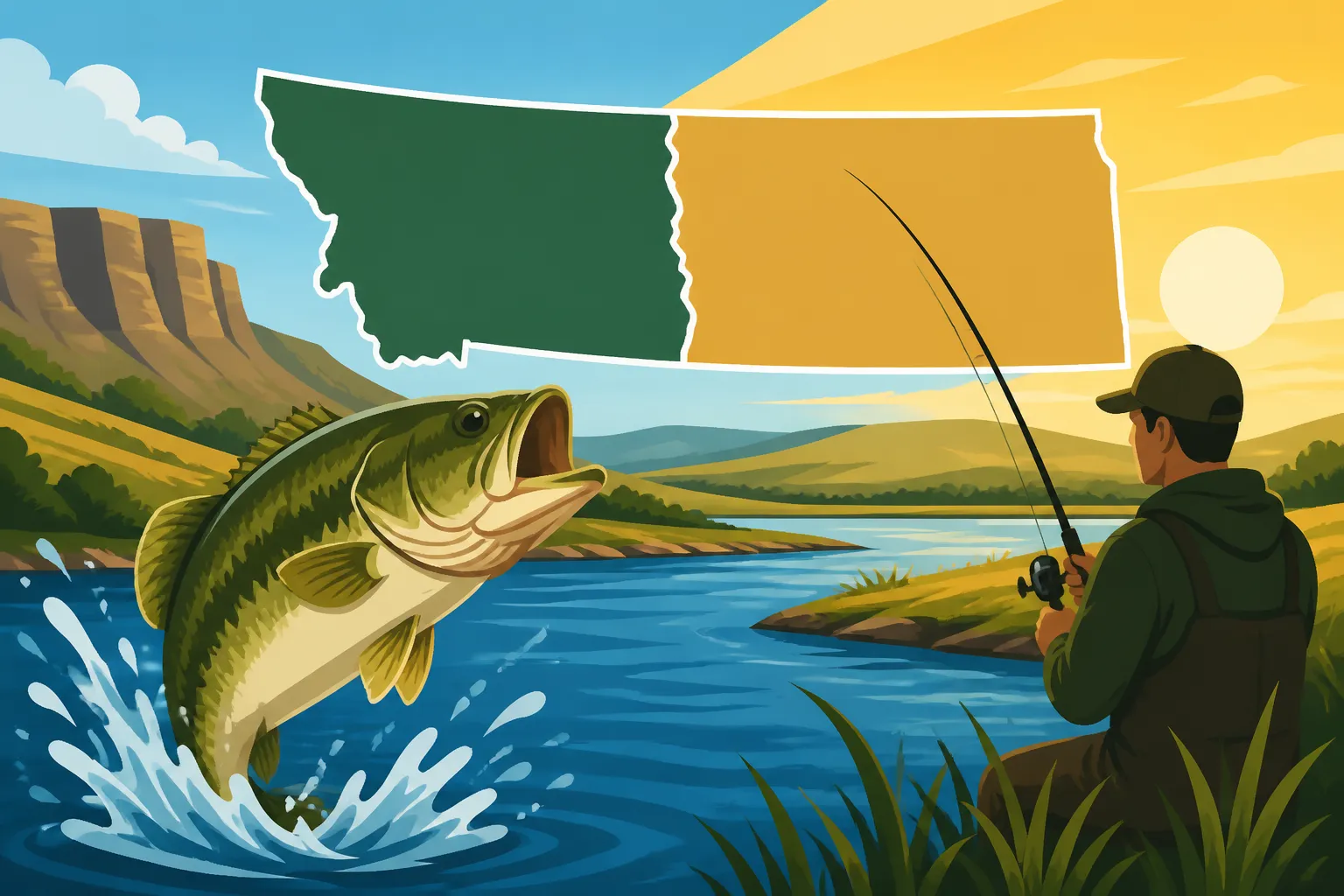
It's easy to feel a little lost when you look at a map of North Dakota, trying to pinpoint those perfect fishing spots, especially when you start venturing toward the border with Montana. Many anglers tend to stick to the well-known waters further east, but let me tell you, bypassing this western edge means missing out on some truly incredible, and often less crowded, opportunities. This comprehensive guide is designed to help you navigate and discover the best fishing spots along the North Dakota-Montana border, revealing their unique charm and productive waters.
Understanding the Unique Border Waters
The waters where North Dakota meets Montana aren't just an arbitrary line on a map; they represent a distinct and vital part of the upper Missouri River system. This region offers a different flavor of angling compared to the central lakes, characterized by vast expanses of water, dynamic currents, and a rugged beauty that's truly captivating. To truly succeed here, it's important to grasp the fundamental influences shaping these specific fisheries.
The Missouri River System's Influence
At the heart of the North Dakota-Montana border fishing experience is the monumental Missouri River system. This isn't just a simple river; it's a complex network that includes the powerful Missouri River itself and the expansive western arm of Lake Sakakawea, North Dakota's largest reservoir. The river's journey from Montana into our state carries with it a diverse set of characteristics – from swift, deep channels upstream to broad, winding reservoir sections. Water flow, clarity, and the nutrient load are constantly influenced by conditions in Montana and the operation of the Garrison Dam further downstream in North Dakota. This dynamic environment means that fish behavior can shift dramatically based on current, baitfish movements, and seasonal temperature fluctuations. You'll encounter areas with strong currents that demand specific fishing techniques, as well as vast, calmer stretches where different tactics will prevail. It’s a truly wild and untamed section of water, offering both solitude and the chance to land some truly memorable fish.
The ecological richness here is second to none. As the Missouri flows through this border area, it collects vital nutrients that support a robust food web. This includes a variety of aquatic insects, which form the base, up to abundant forage fish like gizzard shad and emerald shiners, which are crucial for sustaining the larger game fish we all love to target. This intricate balance of life makes the border waters incredibly productive, especially for apex predators such as walleye, northern pike, and even trophy channel catfish. It's not solely about the main lake; the smaller feeder creeks and river sections also play a critical role, particularly during key periods like spawning or when fish seek refuge from harsh weather conditions. Understanding these environmental nuances, alongside legal requirements like obtaining your North Dakota Fishing License Guide, is essential for both responsible and successful angling in this region.
Geographical Considerations for Anglers
Angling along the North Dakota-Montana border is far from a casual drop-in-the-bucket experience. This is vast, often remote country, with landscapes that range from the dramatic badlands to sprawling prairies. Consequently, prime access points can be quite spread out, and reaching many of the best fishing spots might necessitate a well-equipped boat or, at the very least, a reliable four-wheel-drive vehicle. Consider the western end of Lake Sakakawea, for instance; boat ramps might be few and far between, and the shoreline can be characterized by steep, rocky terrain. Adding to the challenge, wind can be a significant factor out here. Those enormous, open stretches of water can quickly whip up substantial waves, making navigation challenging, particularly for smaller craft. It is absolutely vital to check the weather forecast diligently before embarking on your trip.
Despite these challenges, the remoteness itself is a huge part of the allure. You're far less likely to contend with crowded boat ramps or elbow-to-elbow anglers here, especially on weekdays. This translates to a more peaceful, and often more productive, fishing outing. However, this also underscores the importance of being self-sufficient. Always pack ample water, food, and emergency supplies, and crucially, make sure someone knows your detailed float plan. Cell service can be unreliable in certain areas, so don't rely solely on your phone for navigation or communication. Knowing the precise locations of North Dakota Fishing Access Sites on Lake Sakakawea becomes incredibly important for meticulous trip planning. This rugged, wild environment demands respect and thorough preparation, but it consistently rewards those who venture into its depths with unparalleled fishing and truly breathtaking scenery.
Premier Fishing Destinations on the North Dakota-Montana Border
While the entire North Dakota-Montana border region holds immense potential for anglers, there are a couple of distinct destinations that consistently stand out. These spots are celebrated for specific fish species and offer varying angling experiences, ranging from the vastness of reservoir fishing to the more intimate encounters on a bustling river system. Getting to know these locations in detail will significantly boost your chances of a successful trip.
Lake Sakakawea's Western Reaches
Lake Sakakawea, often lauded as one of the largest man-made lakes globally, extends majestically all the way to the Montana border. This western sector, in particular, delivers some truly outstanding fishing that is sometimes overshadowed by the more frequently visited central and eastern parts of the lake. Here, the lake gracefully transitions from the more riverine characteristics of the Missouri as it flows into North Dakota, gradually broadening into the immense body of water we recognize. The western arm, especially in areas like Nesson Bay, Indian Hill, or Tobacco Garden Bay, can be incredibly productive. These areas are rich with complex underwater structures—think old river channels, submerged timber, and dramatic variations in depth—all creating prime ambush points for predatory fish.
Walleye are undoubtedly the star attraction here, and these western reaches represent some of the Best Walleye Lakes in North Dakota. During the spring and fall, walleye tend to congregate in the shallower bays and along the edges of the submerged river channel, eager to strike jigs tipped with minnows or soft plastics. As the summer progresses and water temperatures rise, they typically retreat to deeper waters, holding tight to submerged points, humps, and the main channel. Trolling crankbaits at various depths becomes an exceptionally effective method during this time. Remember to utilize a quality fish finder to locate schools of baitfish and the walleye that inevitably follow them. Northern pike also thrive in these waters, often lurking in any available weed beds or cruising the shallower flats, especially in the cooler months of spring and early summer. The relative remoteness of this section generally means less fishing pressure, and if you’re keen to explore, you might just uncover your own personal secret hotspot. For comprehensive insights into this colossal body of water, make sure to consult the Lake Sakakawea Fishing Guide for North Dakota Anglers.
The Yellowstone River's Confluence
Just across the border in Montana, the mighty Yellowstone River flows eastward before proudly joining the Missouri River. While the actual confluence is technically within Montana, very near the North Dakota state line, its immense influence on the Missouri River as it enters North Dakota is undeniable and crucial for anglers to understand. This turbulent mixing of two powerful rivers creates a nutrient-rich, oxygenated environment that attracts an astonishing variety of fish. Although you'd typically need a Montana fishing license for the Yellowstone River itself, knowing its impact on the immediate downstream North Dakota sections of the Missouri is paramount. This region is particularly renowned for its exceptional populations of channel catfish, especially during the warmer months. These whiskered giants often stack up in the deeper holes and along current seams, feasting on the abundant forage washed down by both rivers.
Beyond catfish, the confluence and the immediate downstream Missouri River sections in North Dakota are also prime locations for sauger, particularly during the late fall and early spring. These current-loving fish tend to hold tight to bottom structure, making jigging with heavier jigs tipped with minnows or plastics a highly effective technique. Sauger are also fantastic table fare, by the way! Walleye are certainly present here too, often moving between the slower, more expansive reservoir waters of Sakakawea and the more dynamic, riverine conditions. Anglers frequently target these areas by drifting cut bait or by using heavy jigs and live bait. It’s an ever-changing environment, constantly adapting to water levels and current, meaning flexibility in your angling approach is key. When fishing these dynamic border waters, it’s always a smart move to research both states' regulations; understanding North Dakota Fishing Regulations Explained is just as vital as knowing what applies just over the line. If you're looking for expert guidance to navigate these complex waters, a quick search on a platform like FishingBooker for local guides might connect you with seasoned professionals familiar with this unique and productive stretch.
Targeting Specific Species in Border Waters
The real charm of fishing the North Dakota-Montana border lies in the sheer diversity of fish species you can encounter. While many anglers arrive with a specific target in mind, it's always a good strategy to be prepared for a wide range of possibilities, as these incredibly productive waters have a knack for surprising you with unexpected catches. Being adaptable and having the right strategies for various species will significantly enhance your overall angling success.
Walleye and Northern Pike Strategies
For a vast majority of anglers, walleye represent the ultimate prize in North Dakota fishing, and these border waters consistently deliver on that promise. In the expansive western reaches of Lake Sakakawea, the secret to consistently finding walleye often hinges on closely understanding their seasonal movements and preferred habitats. In the early spring, immediately after ice-out, they'll typically be found in shallower waters, gravitating towards spawning grounds in protected bays and along riprap shorelines, where they'll eagerly strike jigs tipped with minnows or soft plastics. As the summer progresses and water temperatures climb, they transition to deeper haunts, holding tight to submerged points, humps, and the historical river channel. During this period, trolling with crankbaits, such as those from Rapala or Berkley, at various depths becomes an incredibly effective technique. Make sure you're using a reliable fish finder to accurately locate schools of baitfish, as the walleye will almost certainly be lurking nearby. For even more in-depth strategies, don't forget to review the North Dakota Walleye Fishing Guide.
Northern pike, on the other hand, are the aggressive, opportunistic predators of these waters. They are masters of ambush, preferring to lurk in areas with cover, so actively seek them out around any available weed beds, submerged timber, and rocky outcrops. Large spoons, spinnerbaits, and substantial swimbaits are all excellent lure choices for enticing these toothy critters. If you prefer to fish with live bait, a sizable chub or smelt suspended under a bobber can be absolutely irresistible to them. It is absolutely imperative to use a steel leader to prevent devastating bite-offs. These border waters are known for producing truly trophy-sized pike, so having the right, robust gear, like sturdy Best Fishing Rods for North Dakota Anglers, is not just recommended, it's crucial. For even more specific tactics tailored to these fierce predators, be sure to check out the North Dakota Northern Pike Fishing Guide.
Diverse Opportunities for Other Fish
While walleye and northern pike rightfully command a great deal of attention, the North Dakota-Montana border waters offer a veritable smorgasbord for anglers interested in other species. Channel catfish are incredibly abundant, particularly in the more riverine sections of the Missouri River and especially around the famous Yellowstone confluence. These catfish are voracious eaters and can be caught throughout the warmer months using potent smelly baits like cut bait, prepared "stink bait," or even simple chicken livers. Fishing for them at night can often be spectacularly productive, as they become more active after dark. Look for them in deeper holes and along distinct current breaks.
Sauger, which are often mistaken for their walleye cousins, also thrive in these faster-moving, somewhat turbid waters. They have a distinct preference for holding tight to the bottom, so jigging with heavier jigs tipped with minnows or plastics is typically the most effective approach. They are also incredibly delicious! Smallmouth bass are another fantastic sportfish found in the rockier areas and clearer stretches of these border waters. They will readily strike a wide variety of lures, from shallow-running crankbaits to tube jigs and exciting topwater plugs. For specific gear recommendations to tackle this diverse array of species, a thorough review of the Best Fishing Tackle for North Dakota Lakes can genuinely be a game-changer, ensuring you're fully prepared for whatever bites. These border areas truly offer a multi-species angling experience that can keep you engaged and excited from sunup to sundown.
Practical Tips for Border Water Angling Success
Fishing on the precise edge of two states comes with its own unique set of rules and logistical hurdles. Being thoroughly prepared and knowledgeable about these specific challenges can be the pivotal difference between a frustrating, unproductive trip and a truly memorable and successful angling adventure.
Navigating Regulations and Access Points
This particular aspect is arguably the most crucial consideration when fishing the dynamic border waters: having a crystal-clear understanding of the specific fishing regulations for both North Dakota and potentially Montana. While your primary focus will likely be on North Dakota waters for this guide, knowing precisely which state's regulations govern a particular section of water is absolutely paramount. For North Dakota, you will undeniably need a valid North Dakota Fishing License Guide. If you are a resident, your North Dakota Resident Fishing License Options are generally straightforward. However, if you're traveling from out of state, it is essential to thoroughly explore North Dakota Nonresident Fishing License Options to ensure you're compliant. Always, without exception, carry your license with you and familiarize yourself completely with the current daily limits and any size restrictions for the particular species you intend to target. These regulations can vary significantly, sometimes even within the same large body of water, depending on designated zones or specific management strategies. Game wardens in both states are diligent and actively patrol, and simply being unaware of the law is never considered an excuse.
Access points along the border, particularly on the more remote western side of Lake Sakakawea or the more rugged river stretches, can be considerably fewer and further between. Public boat ramps and designated shore access areas are meticulously managed by the North Dakota Game and Fish Department. However, it's vital to remember that some areas might be privately owned or fall within tribal lands, potentially requiring additional permits or specific permissions. Always show respect for posted private property signs and steer clear of trespassing. Before you even leave home, it's a highly recommended practice to utilize online mapping tools, consult official Game and Fish Department maps, or even call the department directly to confirm current access conditions and inquire about any specific rules for the exact area you plan to fish. In some cases, especially in these less-traveled and more complex areas, hiring a knowledgeable local guide through a reputable platform like FishingBooker can be an invaluable investment. A local guide can expertly help you navigate the intricacies of access, local regulations, and proven fishing techniques, giving you a distinct advantage.
Essential Gear for Western North Dakota Fishing
The prevailing fishing conditions in western North Dakota, particularly along the challenging border with Montana, can be incredibly demanding. You're dealing with vast stretches of open water, often strong and unpredictable winds, and widely varying depths, which means your fishing gear absolutely needs to be robust and up to the task. For boaters, a sturdy vessel specifically designed to handle large waves and rough water is paramount. Many experienced anglers wisely opt for deep-V fiberglass or heavy-gauge aluminum boats when venturing onto the formidable waters of Lake Sakakawea. Always ensure your boat meticulously meets all North Dakota Boat Registration Requirements and is thoroughly equipped with all necessary safety gear, including life jackets, throwable devices, and a sound-producing device. For fishing smaller, calmer rivers or protected bays, a stable jon boat or even a specialized fishing kayak can certainly suffice, but always exercise extreme caution and sound judgment on large, open, and often unpredictable waters.
Beyond the boat itself, a reliable fish finder integrated with GPS navigation is practically a non-negotiable necessity for safely navigating and effectively locating fish-holding structure on the immense Lake Sakakawea. As for your rod and reel setups, a versatile medium-heavy spinning or baitcasting combination will generally be suitable for the majority of species you're likely to encounter. Make sure to spool your reels with a strong, highly abrasion-resistant braided line, which is particularly crucial when targeting walleye in rocky, snag-filled areas or battling northern pike with their incredibly sharp teeth. Do not forget to bring a sturdy, adequately sized landing net, a good quality pair of pliers specifically designed for hook removal, and a meticulously stocked tackle box containing a variety of lures and terminal tackle. Given the potential remoteness of these areas, always pack an abundance of water, plenty of snacks, high-SPF sunscreen, and multiple layers of clothing, as the weather in this region can change with startling rapidity. If you are considering upgrading your equipment, exploring comprehensive guides for the Best Boats for North Dakota Lakes or the Best Fishing Tackle for North Dakota Lakes can provide invaluable insights to ensure you are fully and optimally equipped for your adventure.
| Fishing Spot | Primary Target Species | Best Time to Fish | Key Features & Tips |
|---|---|---|---|
| Western Lake Sakakawea (Nesson/Tobacco Garden Bays) | Walleye, Northern Pike, Smallmouth Bass | Spring, Early Summer, Fall | Deep-V boat recommended due to size; focus on submerged structure, old river channels. Generally less crowded than eastern sections. |
| Missouri River (Yellowstone Confluence) | Channel Catfish, Sauger, Walleye | Summer (Catfish), Fall/Spring (Sauger) | Strong currents require heavier tackle; consider using local guides for navigation and specific techniques. |
| Yellowstone River (ND Border Sections) | Channel Catfish, Walleye, Freshwater Drum | Summer, Early Fall | Primarily riverine fishing; ensure awareness of Montana regulations if you cross the state line. Excellent for bank fishing. |
| Little Missouri River (Mouth into Sakakawea) | Catfish, Northern Pike, Smallmouth Bass | Spring, Early Summer | Smaller river section with varying access. Good for exploring if Sakakawea is too windy. |
Important Disclaimer
The information provided in this guide is for general informational purposes only and does not constitute legal or professional advice. Fishing regulations, license requirements, and access rules can change frequently. Always consult the official North Dakota Game and Fish Department regulations and any applicable Montana regulations before planning your fishing trip. Safety precautions, especially on large bodies of water, should always be a top priority.