Heart Butte Dam Walleye Fishing
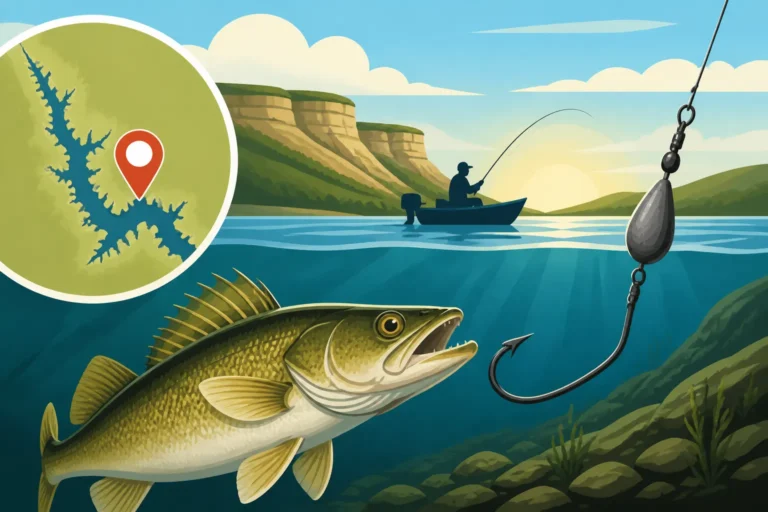
Trying to dial into the walleye bite at Heart Butte Dam can sometimes feel like solving a complex puzzle. With its fluctuating water levels and diverse structure, finding those elusive eyes often requires local knowledge and a good understanding of the fishery's nuances. This comprehensive guide will break down everything you need to know, from the best techniques and gear to seasonal patterns and access points, to help you consistently put walleye in the boat or on the ice at this unique North Dakota reservoir.
Understanding Heart Butte Dam's Walleye Fishery
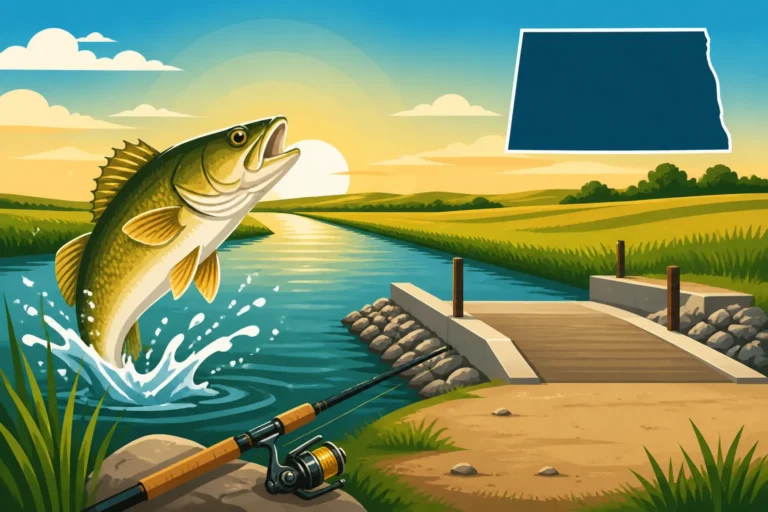
Heart Butte Dam, also known as Lake Tschida, is a significant body of water in southwestern North Dakota, and it offers some truly exciting walleye fishing opportunities. However, it's not always a straightforward lake to figure out. Its character changes dramatically with water levels and seasons, making it a place where adaptability is key.
The Unique Habitat for Walleye at Heart Butte Dam
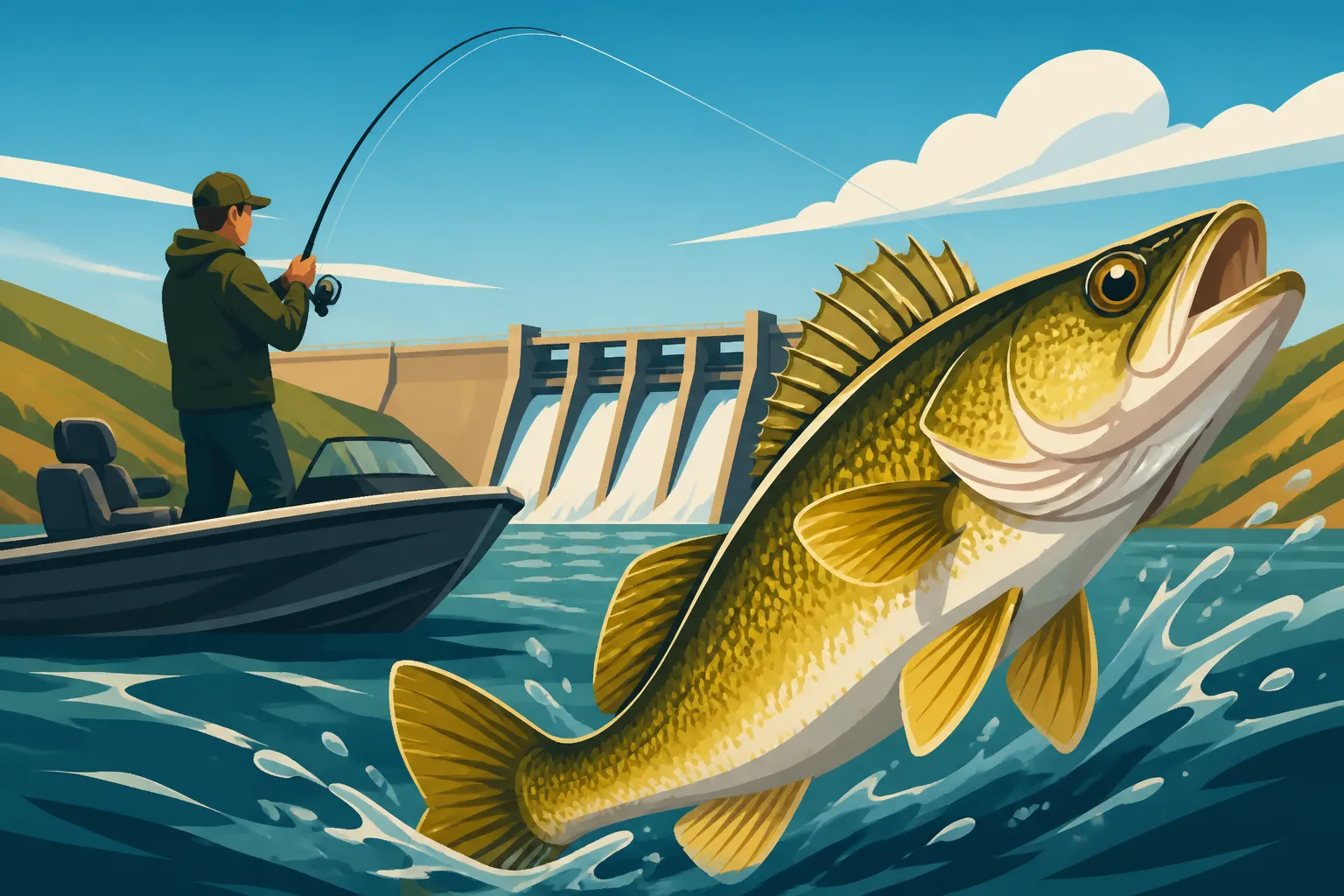
Heart Butte Dam is formed by the New England Dam on the Heart River. What makes it interesting for walleye are the varying depths, the presence of flooded timber in some areas, rock reefs, and numerous points and bays. The river channel itself, winding through the reservoir, acts as a major highway for fish movement, especially during cooler water periods. When water levels are higher, flooded terrestrial vegetation provides excellent cover and forage for juvenile walleye and baitfish, which in turn supports a healthy walleye population. Anglers often find success by focusing on these transitional areas where hard bottom meets soft bottom, or where structure provides ambush points. Understanding the layout of the old riverbed and its associated submerged features is crucial here; a good contour map can be your best friend.
Historical Performance and Walleye Stocking Efforts
The walleye fishery at Heart Butte Dam has seen its ups and downs, much like many reservoirs dependent on natural reproduction and stocking efforts. The North Dakota Game and Fish Department plays a vital role in maintaining the walleye population by regularly stocking fingerlings and adult walleye. These stocking efforts are critical, especially during years when natural reproduction might be hampered by unfavorable conditions, such as rapid water level fluctuations during the spawn. Historically, the dam has produced some impressive walleye, including fish pushing into the double-digit weight range. The success of these stockings, combined with responsible angling practices, ensures that Heart Butte remains a premier destination for those seeking a trophy walleye or simply a great day on the water. It’s always a good idea to check the latest stocking reports from the NDGFD website to get a sense of upcoming year classes.
Seasonal Walleye Movements in the Dam
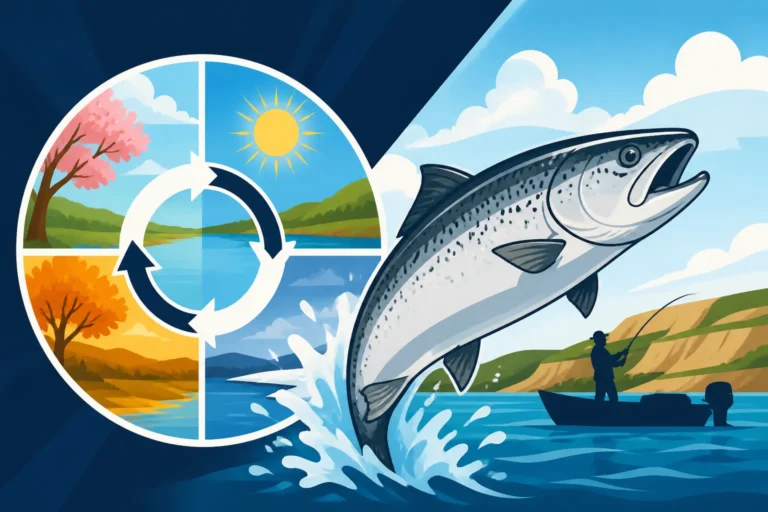
Walleye in Heart Butte Dam are highly migratory and their locations can shift dramatically throughout the year. As temperatures change, so do their preferred depths and feeding patterns.
In spring, right after the ice-out, walleye will often move into shallower areas, especially rocky points and shorelines where they look for spawning grounds. This is a prime time for shore anglers and those in boats targeting pre-spawn and post-spawn fish. They're often hungry and aggressively feeding after a long winter. As the water warms a bit more, they might move slightly deeper to adjacent flats or submerged cover.
During the summer, walleye typically seek deeper, cooler water, often relating to the old river channel, humps, and submerged timber. They'll also follow baitfish into open water or suspend over deeper areas. Mornings and evenings are usually the best times as they venture shallower to feed, but during the day, you'll need to work deeper structure.
Fall brings another fantastic walleye bite as fish begin to feed heavily in preparation for winter. They often move back shallower, particularly to rocky points and submerged humps, gorging on baitfish. This can be one of the most consistent times of year to catch larger walleye.
Winter brings ice fishing opportunities, with walleye often congregating near main lake points, breaks, and the old river channel edges. Early and late ice can be particularly productive as fish are still relatively active. Understanding these movements is key to consistently catching fish, and resources like FishingBooker can sometimes offer insights from local guides who understand these seasonal shifts.
Essential Walleye Fishing Techniques for Heart Butte Dam
Heart Butte Dam's varied habitat calls for a versatile approach to walleye fishing. Different techniques shine during different seasons, and being prepared to switch things up can make all the difference.
Spring and Early Summer Strategies
When the ice has just receded and the water is still chilly, typically in April and May, walleye are often found in shallower water preparing to spawn or recovering from it. This is a fantastic time for jigging or slow-trolling.
Jigging: A classic tactic for a reason, jigging with a 1/8 to 1/4 ounce jig tipped with a minnow (like a shiner or fathead) or a soft plastic grub can be deadly. Focus on rocky points, submerged humps, and along rip-rap shorelines. The key is a slow, methodical retrieve, keeping your bait near the bottom. Sometimes a subtle lift and fall is all it takes to entice a bite. Early mornings and late evenings are prime, but on cloudy days, you might find them feeding throughout the day. If you're looking for more general guidance, our North Dakota Walleye Fishing Techniques guide has great tips.
Slow Trolling with Crankbaits: As the water warms into early summer, crankbaits become incredibly effective. Small to medium diving crankbaits in natural perch or shad patterns, trolled slowly along breaks, weed edges (if present), or over submerged flats in 8-15 feet of water, can produce excellent results. Pay close attention to your electronics to identify baitfish schools or structural elements where walleye might be ambushing prey. Precision trolling, using your boat to follow contour lines, is often the most productive.
Mid-Summer to Fall Tactics
As summer progresses and water temperatures rise, walleye at Heart Butte Dam often seek deeper, cooler water, but they'll still move shallower to feed during low-light conditions.
Bottom Bouncing with Crawler Harnesses: This is a go-to technique for many North Dakota walleye anglers, and it's particularly effective in summer at Heart Butte. Use a 1-2 ounce bottom bouncer with a spinner rig (crawler harness) adorned with bright beads and a fresh nightcrawler. Troll slowly at 0.8-1.5 mph over main lake points, along the edges of the old river channel, or on deeper flats in 15-30 feet of water. Experiment with different blade colors (gold, silver, chartreuse, orange) and sizes to see what the fish prefer on any given day. The thumping action of the bottom bouncer and the natural scent and movement of the crawler are irresistible to hungry walleye.
Trolling Deep Diving Crankbaits: When walleye are suspended over deep water or holding tightly to deeper structure, deep-diving crankbaits are the answer. Lures like Berkley Flicker Shads or Rapala DownDeep Husky Jerks can reach depths of 15-30+ feet. Focus on trolling these over the deeper sections of the old river channel, steep breaklines, and along the main lake basin. Vary your speed slightly and make subtle turns to trigger strikes. Finding the optimal depth where the walleye are holding, often indicated by your fish finder, is paramount. Remember to check the North Dakota Fishing Season Calendar to ensure you're aware of any species-specific nuances.
Ice Fishing for Walleye at Heart Butte
Heart Butte Dam freezes over reliably, offering excellent hard-water opportunities for walleye. Ice fishing here can be fantastic, especially during early and late ice periods.
Jigging Raps and Spoons: Aggressive jigging with baits like Northland Puppet Minnows, Rapala Jigging Raps, or various metal spoons (e.g., VMC Tingler Spoon, Swedish Pimple) can be very productive. Tip them with a minnow head or a small wax worm for added scent. Focus your efforts around main lake points, humps, and the edges of the old river channel in 15-30 feet of water. Use your flasher or fish finder to identify fish holding near the bottom or suspended off structure. If you're new to ice fishing, our guide on How to Ice Fish in North Dakota offers a great starting point.
Tip-Ups with Live Bait: Set up tip-ups rigged with a lively minnow (smelt, shiner, or chub) hooked lightly behind the dorsal fin, suspended just off the bottom or at the depth where you're seeing marks on your electronics. This passive approach often catches larger, more cautious walleye that might not commit to an aggressively jigged bait. Spread your tip-ups out to cover different depths and areas, allowing you to quickly identify where the fish are active. Make sure you understand the regulations on the number of lines you can fish.
Gear and Bait Recommendations for Success
Having the right equipment can significantly boost your success rate when targeting walleye at Heart Butte Dam. It's not just about having gear, but having gear suited to the techniques and conditions you'll encounter.
Rod, Reel, and Line Choices
Open Water: For open water jigging and bottom bouncing, a medium-light to medium power spinning rod, 6'6" to 7' long, with a fast action tip is ideal. Pair this with a 2500 or 3000 series spinning reel spooled with 8-10 lb braided line, especially if you're using bottom bouncers, as the braid offers superior sensitivity. A 10-15 lb fluorocarbon leader of about 4-6 feet is often used to connect your braid to your lure or rig. For trolling crankbaits, a longer, more moderate action rod (7' to 8'6" medium power) helps absorb the shock of a strike and allows for better lure presentation.
Ice Fishing: For ice fishing, specialized ice rods are a must. A 28-32 inch medium-light to medium power rod with a sensitive tip is perfect for jigging walleye. Pair it with a small spinning reel (500 or 1000 series) spooled with 6-8 lb fluorocarbon or monofilament line. The lower stretch of fluorocarbon can be an advantage for sensing subtle bites in deeper water. If you're running tip-ups, a heavier line (20-30 lb braided or Dacron) is common on the spool, with a shorter, strong fluorocarbon leader.
Top Lures and Baits for Heart Butte Walleye
The walleye in Heart Butte Dam respond well to a variety of presentations, but some stand out consistently.
Live Bait: This is almost always a winner for walleye. Minnows (shiners, fatheads, chubs, smelt) are excellent for jigging, slip bobber rigs, and tip-ups. Nightcrawlers are indispensable for crawler harnesses and often work well on slip bobbers too. Leeches are another great option, particularly in summer. For specific bait guidance, check out our Best Bait for North Dakota Fishing article.
Artificial Lures:
- Jigs: Northland Gum-Ball Jigs, VMC Moon Eye Jigs, or plain lead head jigs in 1/8 to 1/2 ounce, tipped with minnows, plastics (paddle tails, curly tails) or even just a gulp minnow. Colors like chartreuse, white, orange, and black are often productive.
- Crankbaits: Berkley Flicker Shads, Rapala Shad Raps, Salmo Hornets, and various Bandit or Reef Runner deep divers are staples. Choose natural colors (perch, shad, firetiger) for clear water and brighter colors (chartreuse, orange, hot pink) for stained water or low light.
- Blade Baits: In colder water, blade baits like Berkley's Vibrato or Silver Buddy can trigger aggressive reaction strikes when vertically jigged.
- Soft Plastics: Paddle tail swimbaits (e.g., Keitech Swing Impact FAT), curly tail grubs, and finesse worms rigged on jig heads can imitate baitfish effectively, especially when fished slowly along the bottom.
Essential Electronics and Accessories
Modern fishing electronics can dramatically improve your success on Heart Butte.
Fish Finders/Sonar: A good fish finder with GPS and mapping capabilities is almost essential for open water. Brands like Humminbird and Lowrance offer excellent units that can help you locate structure, identify schools of baitfish, and mark individual walleye. Side imaging and down imaging are particularly useful for dissecting underwater terrain. For ice fishing, a flasher (like a Vexilar or Marcum) or a portable fish finder is crucial for seeing your lure and detecting fish activity beneath the ice.
GPS and Mapping: With a lake the size of Heart Butte Dam, a reliable GPS is key for navigating, especially on cloudy days or when venturing into new areas. Pre-loaded lake maps, or the ability to create your own contour maps, will help you identify productive structures and follow subtle breaks. Knowing where you are relative to specific underwater features can be a game-changer.
Other Accessories: Don't forget the basics: a sturdy landing net, long-nose pliers or a hook remover for safely unhooking fish, a reliable cooler for keeping your catch fresh, and a good pair of polarized sunglasses to cut glare and spot structure in shallower water. If you're guiding or taking clients, remember the North Dakota Fishing Guide Licensing Requirements Explained.
| Season | Primary Technique | Recommended Bait/Lure | Target Depth (approx.) | Key Locations |
|---|---|---|---|---|
| Spring | Jigging / Slow Trolling | Minnow-tipped jigs, Small Crankbaits | 5-15 feet | Rocky points, Shorelines, Shallow flats |
| Summer | Bottom Bouncing / Deep Trolling | Crawler Harnesses, Deep Crankbaits | 15-30 feet | River channel, Humps, Deep breaks |
| Fall | Trolling / Jigging | Crankbaits, Jig & Minnow | 10-25 feet | Points, Humps, Transitional areas |
| Winter | Ice Jigging / Tip-Ups | Jigging Raps, Spoons, Live Minnows | 15-30 feet | Main lake points, Channel edges, Humps |
Navigating Access and Regulations at Heart Butte Dam
Knowing where you can launch your boat, where you can fish, and what rules you need to follow are just as important as knowing the best techniques. Heart Butte Dam offers good public access, but it's essential to be aware of the specifics.
Public Access Points and Boat Ramps
Heart Butte Dam provides several public access points for anglers. The main boat ramp is typically located near the spillway or dam area, offering paved access suitable for larger boats. There are often other, smaller ramps or shore access points scattered around the reservoir, particularly within the Heart Butte State Recreation Area. These might be gravel or unimproved, so always check local conditions before attempting to launch. During periods of low water, some ramps may become unusable for larger craft, so it's always wise to check the North Dakota Game and Fish Department's website or call local bait shops for the most current conditions before you head out. Whether you're planning a trip with a guide you found on FishingBooker or heading out solo, confirming access is a critical first step.
Important Regulations and Size Limits
Fishing in North Dakota, including at Heart Butte Dam, requires adherence to specific regulations designed to manage fish populations and ensure sustainable angling.
Fishing License: First and foremost, you need a valid North Dakota fishing license. This applies to almost everyone over the age of 16, with some exceptions for residents and special events. You can easily purchase one online through the NDGFD website or from authorized vendors. Our North Dakota Fishing License Guide provides all the details you need. Always carry your license with you when fishing.
Walleye Size and Creel Limits: Heart Butte Dam often has specific size and creel limits for walleye, which can change periodically based on fisheries management goals. It's crucial to check the current North Dakota Walleye Size Limit Rules and creel limits in the latest North Dakota Fishing Guide (proclamation) before you fish. These regulations are in place to protect spawning populations and ensure a healthy fishery for years to come. For instance, there might be slot limits where fish within a certain size range must be immediately released, or a daily creel limit on the number of fish you can keep.
Boat Registration: If you're bringing a boat, make sure it's properly registered. Our North Dakota Boat Registration Requirements guide explains what you need to do to comply with state laws. This includes displaying registration numbers correctly and carrying all required safety equipment.
Staying Safe on the Water
Safety should always be your top priority, whether you're on open water or ice.
Open Water Safety: The weather in North Dakota can change rapidly. Always check the forecast before heading out and be prepared for sudden storms, strong winds, or temperature drops. Carry enough life jackets for everyone on board (required by law), and ensure your boat is equipped with all necessary safety gear, including a fire extinguisher, distress signals, and a sounding device. Inform someone of your float plan and estimated return time. On a large reservoir like Heart Butte, waves can build quickly, so always err on the side of caution.
Ice Safety: Ice fishing presents its own unique set of hazards. Never venture onto ice that you're unsure of. A minimum of 4 inches of clear, new ice is generally considered safe for foot travel, but always check conditions regularly with an auger as you move. Avoid areas near aerators, inlets, outlets, or pressure ridges, as ice thickness can vary greatly. Carry ice picks, a spud bar, and a rope, and fish with a buddy. Always drive vehicles on ice with extreme caution, and only when you are certain of sufficient ice thickness, checking with local reports first. For more details on ice safety, refer to our North Dakota Ice Fishing Rules.
Remember, Heart Butte Dam offers a fantastic walleye fishing experience for those willing to learn its intricacies. By understanding the fishery, employing the right techniques, using appropriate gear, and respecting the regulations and safety guidelines, you're well on your way to a successful outing.
Disclaimer
The information provided in this guide is for general informational purposes only and is subject to change. Fishing regulations, stocking efforts, and local conditions can vary. Always consult the official North Dakota Game and Fish Department website and the current fishing proclamation for the most up-to-date and accurate regulations before planning your fishing trip.