McClusky Canal Fishing Access
It can sometimes feel overwhelming to find a unique fishing spot in North Dakota, especially when everyone talks about the big names like Lake Sakakawea or Devils Lake. You might be craving something different, a place that offers excellent angling opportunities without the massive crowds or the need for a huge boat. That's where the McClusky Canal comes in, a fantastic, often overlooked gem for anglers. This guide will walk you through everything you need to know to successfully fish this distinctive waterway, from understanding its ecosystem to nailing down the best techniques and access points.
Understanding the Unique Appeal of McClusky Canal for Anglers
The McClusky Canal isn't your typical North Dakota fishing destination. It's a man-made marvel, part of a larger water management system, and that distinct nature is precisely what makes it such a fascinating and productive place to wet a line. Anglers often find success here because the canal's consistent flow and unique structure create ideal habitats for a variety of popular game fish. It’s a great alternative when the larger lakes might be too rough or crowded, offering a more intimate angling experience.
The Canal's Role in North Dakota's Water System
The McClusky Canal is a crucial component of the Garrison Diversion Project, a massive undertaking designed to divert water from Lake Sakakawea, a reservoir on the Missouri River, across the state to supplement other water bodies and provide irrigation. This engineered waterway ensures a relatively steady flow of water, which is a significant factor in its fishing appeal. Unlike natural rivers that might experience dramatic fluctuations, the canal maintains a more predictable environment, often teeming with baitfish and, consequently, hungry predators.
Because it's part of this larger system, the canal essentially acts as a linear lake, offering consistent water levels that aren't always found in natural streams or smaller reservoirs that rely heavily on precipitation. This steady environment creates stable conditions for fish, making it a reliable spot when other waters might be too high or low. The continuous movement of water, even if subtle, also helps oxygenate the system and brings nutrients, which is vital for a healthy fish population. It’s a dynamic, man-made ecosystem that proves how human ingenuity can sometimes create incredible fishing opportunities.
Primary Fish Species Targeted in the McClusky Canal
The McClusky Canal is a diverse fishery, appealing to anglers targeting a range of popular North Dakota species. Its consistent water flow and habitat provide excellent conditions for fish that thrive in both riverine and lake-like environments. You'll often find a mixed bag here, making every trip an exciting adventure.
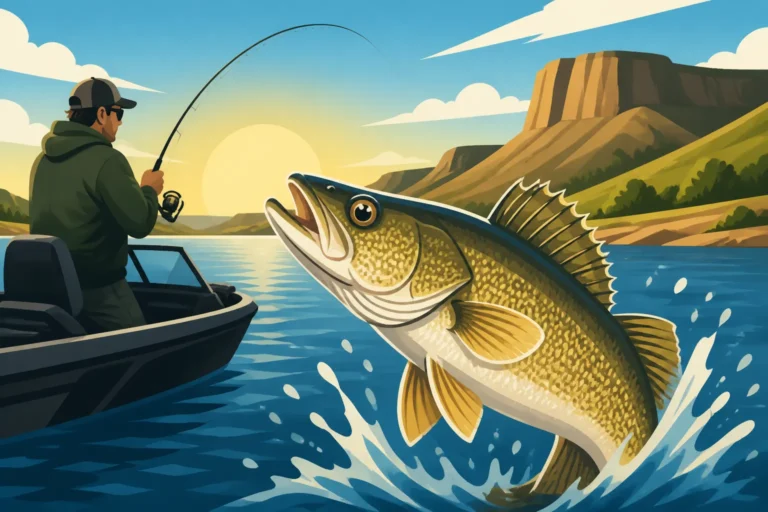
Walleye are perhaps the most sought-after species in the canal. They gravitate towards the deeper sections, current breaks, and areas with submerged structure, feasting on the abundant baitfish. Their presence makes the canal a prime spot for those looking to hone their walleye skills without the vastness of a large reservoir. If you're a fan of these tasty fish, the canal often offers some fantastic opportunities, especially during their feeding windows. To learn more about targeting these elusive fish, check out our North Dakota Walleye Fishing Guide.
Northern Pike are also prolific, often found lurking in the shallower, weedier sections or ambush points along the canal banks. Their aggressive nature makes them a thrilling catch, and the canal's numerous hiding spots provide perfect hunting grounds for these toothy predators. Anglers can have a blast casting spoons or spinnerbaits along the edges, or even setting up tip-ups if they venture out during early or late ice seasons. For more detailed strategies on catching these freshwater sharks, our North Dakota Northern Pike Fishing Guide offers plenty of insights. Additionally, you'll find healthy populations of Yellow Perch and various panfish like crappie, especially in areas with slower current or access to deeper pools. These panfish provide fantastic action for anglers of all ages and are often a welcome bonus when targeting larger species.
Navigating McClusky Canal's Fishing Access Points and Best Spots
One of the great advantages of fishing the McClusky Canal is its accessibility. While it's a long waterway, numerous points along its stretch offer excellent opportunities for shore anglers, kayak enthusiasts, and those with smaller boats. Understanding where to go and what to look for can significantly improve your chances of a successful outing. Many anglers find it helpful to consult resources like FishingBooker to scout out local guides who might have a bead on the best seasonal spots or access points, especially if you're unfamiliar with the area.
Key Access Points and Their Characteristics
The McClusky Canal offers a variety of access points, often characterized by bridge crossings, public easements, and roadside pull-offs. Unlike vast lakes where boat ramps are your only option, the canal allows for more flexible entry, which is a huge bonus for those who prefer bank fishing or launching a kayak or canoe.
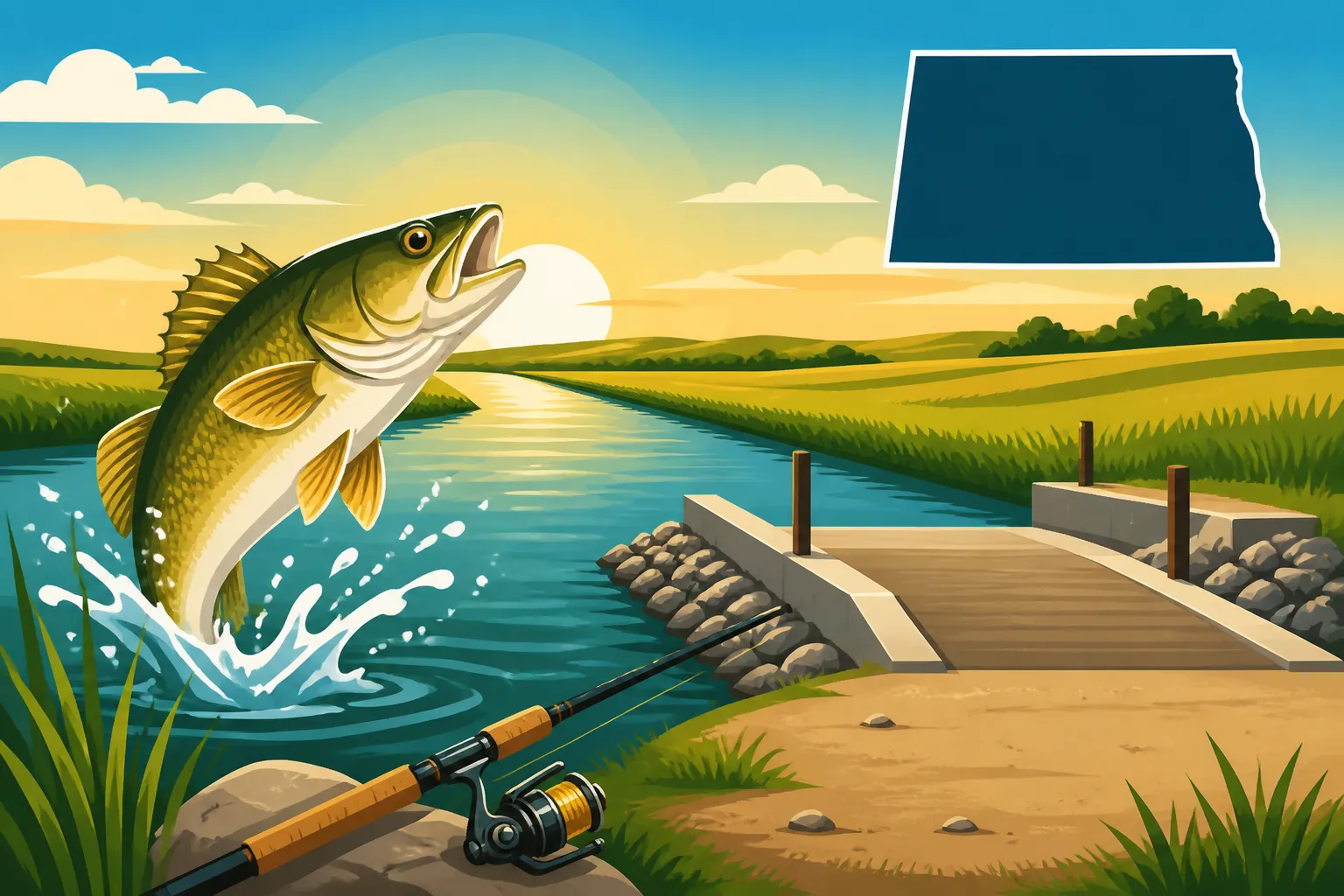
One prominent access point is often found near the town of McClusky itself, where bridges cross the canal. These areas typically provide clear bank access and sometimes even small parking areas. The bridge pilings and adjacent riprap can create current breaks and structure that attract fish, making them prime spots for casting. Similarly, where county roads intersect the canal, you'll often find informal access points, though it's crucial to always respect private property boundaries. Always look for signage indicating public access or consult a detailed map from the North Dakota Game and Fish Department. Many of these spots are perfect for Shore Fishing Techniques for Beginners.
For those with smaller watercraft, launching a kayak or canoe is generally straightforward from many of these roadside spots, allowing you to cover more ground and reach areas inaccessible to shore anglers. Just be mindful of the current, especially after periods of heavy rain or when water is actively being diverted, as it can be stronger in certain sections. Before heading out, it’s always a good idea to check local conditions, and if you’re looking to hire a local expert to show you the ropes, checking platforms like FishingBooker can connect you with guides specializing in these unique North Dakota waterways.
Top Fishing Hotspots and Seasonal Strategies
Identifying the "hotspots" on the McClusky Canal often comes down to understanding fish behavior in a moving water environment and aligning it with the seasons. Fish will naturally gravitate towards areas that offer food, shelter, and favorable conditions, and the canal has plenty of those.
During the spring, right after the ice melts, fish like walleye and pike become very active, moving into shallower areas to spawn or feed aggressively. Look for areas where feeder creeks or culverts enter the canal, as these can bring warmer water and nutrients, attracting baitfish and, in turn, predatory game fish. The entire North Dakota Open Water Fishing Season really kicks off with this spring surge. Early season tactics often involve slow presentations, such as jigging with live minnows or working small crankbaits near cover.
As summer progresses, fish tend to move into deeper sections, especially during the heat of the day, seeking cooler water and consistent oxygen levels. Bridge pilings, submerged riprap, and any noticeable changes in bottom contour become prime targets. Trolling small crankbaits or drifting with live bait (like the Best Live Bait for North Dakota Walleye) in these deeper channels can be incredibly effective. Evening and early morning hours are often the most productive. In the fall, as water temperatures drop, fish begin their aggressive pre-winter feeding patterns. This is often an excellent time for trophy pike and walleye, as they bulk up for the cold months. Target current breaks and eddies, and don't be afraid to use larger baits and lures. Even as winter approaches, some sections of the canal can offer incredible early and late ice fishing, but always exercise extreme caution and check ice thickness thoroughly. You can consult the North Dakota Fishing Season Calendar for specific species and seasonal guidelines.
Essential Gear and Techniques for McClusky Canal Success
Fishing the McClusky Canal successfully often means adapting your gear and techniques slightly from what you might use on a massive lake. The narrower, often shallower nature of the canal, combined with potential current, calls for a thoughtful approach to your tackle and presentation. Having the right tools for the job can make all the difference in turning a good day into a great one.
Recommended Rods, Reels, and Lines
For general canal fishing, versatility is key. You'll want a setup that can handle everything from a feisty walleye to a strong northern pike, while still being sensitive enough to detect subtle bites from perch or crappie.
A medium-light to medium-power spinning rod, typically between 6'6" and 7'0" in length, is a fantastic all-around choice. This rod strength provides enough backbone to fight larger fish but retains the sensitivity needed for lighter presentations and detecting those finicky bites. Pair it with a reliable 2500 or 3000 series spinning reel spooled with 8-10 lb braided line. Braided line offers superior sensitivity and casting distance, which can be a huge advantage when fishing from shore or trying to cover long stretches of the canal. To this, you'll want to add a 12-18 inch fluorocarbon leader of 8-12 lb test. The fluorocarbon is nearly invisible underwater, provides excellent abrasion resistance against rocks and weeds, and adds a bit of stretch for shock absorption, helping to prevent break-offs when a big fish strikes. If you're specifically targeting bigger pike, bumping up to a medium-heavy rod with a 15-20 lb braid and a heavier fluorocarbon or even a steel leader is a smart move to prevent toothy cut-offs.
Effective Baits and Lures for Canal Species
The McClusky Canal fish aren't overly picky, but certain baits and lures consistently produce results. Matching your offering to what the fish are naturally feeding on, or presenting something that triggers a reaction strike, is crucial.
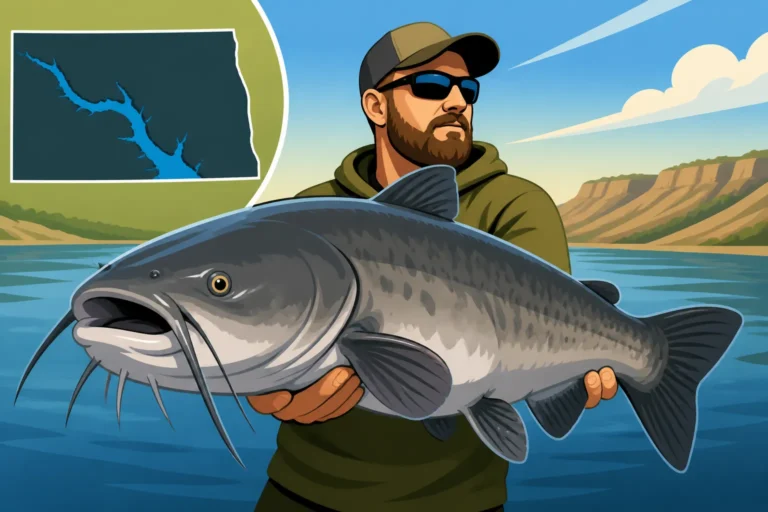
Live bait is often a consistent winner, especially for walleye and perch. Minnows, shiners, and leeches presented on a plain hook under a slip bobber or slowly drifted on a bottom bouncer rig are highly effective. Nightcrawlers are also excellent, particularly for channel catfish (which can also be found in the canal) and a variety of panfish. Presenting live bait naturally, allowing it to drift with the current or slowly bounce along the bottom, often entices strikes from even the most cautious fish.
When it comes to artificials, jigs are king. A 1/8 to 1/4 ounce jig head tipped with a soft plastic minnow, a grub, or even a piece of live bait, is incredibly versatile. Jigging plastics around structure, current breaks, or deeper pools can be deadly for walleye and smallmouth bass. Crankbaits, especially those designed to dive to moderate depths, are excellent for covering water and locating active fish. Colors mimicking local baitfish or bright, contrasting patterns can be effective depending on water clarity. Spinnerbaits and spoons are also great for attracting aggressive northern pike, particularly when cast along weed lines or shallow flats. Don't forget small panfish jigs or micro-spoons for the abundant yellow perch and crappie, especially if you're targeting them specifically.
Techniques for Different Canal Conditions
Successfully fishing the McClusky Canal means adapting your approach to the varying conditions you might encounter, whether it's battling a brisk wind or presenting to fish in different water depths and currents.
When fishing areas with noticeable current, understanding how fish position themselves is key. Fish will often sit in current breaks, such as behind submerged rocks, bridge pilings, or along the edges of deeper channels, waiting for food to be swept to them. Drifting baits or lures downstream into these ambush points, allowing them to tumble naturally, can be incredibly effective. For jigs, a vertical presentation directly below the boat or off a bridge, or a slow retrieve against the current, can entice strikes. Pay attention to how the current affects your line and adjust your weight or lure size accordingly to maintain proper depth and feel.
For shallower, slower-moving sections, casting and retrieving lures that imitate baitfish is often the most productive strategy. Work spinnerbaits or shallow-diving crankbaits along weed edges for pike, or cast small jigs and soft plastics for walleye and bass. If you're fishing from shore, fan-casting to cover a wide area is a good way to locate active fish. During calm conditions, or when targeting finicky fish, a stealthy approach is crucial. Use longer casts to avoid spooking fish in the relatively clear, confined waters of the canal. Observing your surroundings, looking for subtle signs like baitfish activity or rises, can also help you pinpoint productive areas.
Regulations and Responsible Angling on the McClusky Canal
As with any fishing destination in North Dakota, understanding and adhering to the regulations is not just about avoiding penalties; it's about being a responsible angler and contributing to the sustainability of the fishery. The McClusky Canal, while unique, falls under the general statewide regulations for North Dakota, with a few critical considerations.
North Dakota Fishing License Requirements and Regulations
First and foremost, anyone aged 16 or older needs a valid North Dakota fishing license to fish the McClusky Canal. There are no special exemptions for this particular waterway, so make sure your paperwork is in order before you cast your first line. You can easily purchase licenses online through the North Dakota Game and Fish Department website or from various vendors across the state. For a comprehensive overview of how to get your license and what options are available, our North Dakota Fishing License Guide is an excellent resource.
Beyond the license, it’s crucial to be aware of the statewide fishing regulations, which cover everything from daily limits and possession limits to legal fishing methods and tackle restrictions. While the McClusky Canal generally follows these statewide rules, it’s always wise to check the latest North Dakota Fishing Proclamation. This annual booklet details any specific regulations for particular bodies of water or species, which can sometimes change. For instance, specific size limits for walleye or daily limits for northern pike might have nuances depending on the season or area. Our North Dakota Fishing Regulations Explained guide provides a deeper dive into these rules, helping you stay compliant and avoid common mistakes. Remember, ignorance of the law is no excuse, and game wardens do patrol areas like the McClusky Canal.
Conservation and Aquatic Nuisance Species Prevention
Responsible angling goes beyond just following the rules; it involves actively participating in conservation efforts to protect North Dakota's precious waterways, including the McClusky Canal. The health of this unique ecosystem depends on every angler doing their part.
Practicing catch and release, especially for larger breeding fish or species you don't intend to eat, is a cornerstone of conservation. While keeping a few fish for a meal is part of the fishing experience, mindfully releasing fish that contribute to the population's future helps ensure there will be plenty of fish for generations to come. Handle fish gently, minimize their time out of water, and use proper de-hooking tools.
Perhaps one of the most critical aspects of conservation in North Dakota is preventing the spread of Aquatic Nuisance Species (ANS). The McClusky Canal, being part of a larger water diversion system, is particularly vulnerable to the introduction and spread of invasive species like zebra mussels or Eurasian watermilfoil. These species can devastate native ecosystems and fishing opportunities. Always remember the "Clean, Drain, Dry" protocol:
- Clean all aquatic vegetation and mud from your boat, trailer, and fishing gear before leaving any water access.
- Drain all water from your boat, motor, livewell, and bait bucket before transporting it.
- Dry your equipment thoroughly, especially if moving between different bodies of water.
Our Aquatic Nuisance Species Rules for Boaters provides extensive information on how to protect our waters from these threats. By taking these simple steps, you become a steward of North Dakota's fishing heritage, ensuring that places like the McClusky Canal remain vibrant and productive for years to come.
Here's a quick overview of what you can expect when fishing the McClusky Canal:
| Fish Species | Best Time to Fish | Recommended Baits/Lures | Notes |
|---|---|---|---|
| Walleye | Spring, Fall, Summer Evenings | Live Minnows, Leeches, Jigs with Plastics, Crankbaits | Target current breaks, deeper holes, bridge pilings. |
| Northern Pike | Spring, Summer, Fall | Spoons, Spinnerbaits, Large Soft Plastics, Live Minnows | Look for weed lines, shallow cover, ambush points. |
| Yellow Perch | Year-Round (incl. Ice) | Small Jigs, Waxworms, Minnows, Small Spoons | Often found in schools in slower currents or pools. |
| Crappie | Spring, Early Summer | Small Jigs, Minnows, Tube Baits | Seek out submerged brush, timber, slower areas. |
| Smallmouth Bass | Summer, Early Fall | Crankbaits, Soft Plastics, Jigs, Spinnerbaits | Prefer rocky areas, current breaks, bridge pilings. |
Disclaimer
The information provided in this guide is for general informational purposes only. Fishing regulations, conditions, and fish populations can change frequently. Always consult the latest North Dakota Game and Fish Department regulations and local advisories before planning your fishing trip. Ensure you have all necessary licenses and permits, and prioritize safety on and near the water.