Pipestem Reservoir Fishing Guide
Navigating a new body of water can feel a lot like trying to read a map with half the details smudged out. You know there are fish in there, you’ve heard stories, but figuring out where they are, what they’re biting on, and when to go can be a real head-scratcher. That’s exactly why we’re diving deep into Pipestem Reservoir today, unraveling its secrets so you can spend less time guessing and more time reeling in those memorable catches.
Discovering Pipestem Reservoir: A Gem in the James River Valley
Pipestem Reservoir, often overshadowed by the larger lakes in North Dakota, is an absolute gem nestled just north of Jamestown. It's not one of those massive, intimidating bodies of water that requires an ocean-faring vessel to navigate. Instead, it offers a more intimate and accessible fishing experience, making it perfect for anglers looking for a solid day out without the monumental commitment some of the bigger lakes demand.
Location and General Characteristics
Located in Stutsman County, Pipestem Reservoir is formed by the Pipestem Dam on the Pipestem River, a tributary of the James River. This relatively smaller reservoir, covering roughly 2,000 acres at full pool, provides a diverse range of habitats for various fish species. Its shoreline stretches for miles, offering a mix of accessible banks and more secluded coves that can be explored by boat or kayak. You'll find a decent amount of submerged structure here, from old creek beds to rocky points and brush piles, all of which act as magnets for hungry fish.
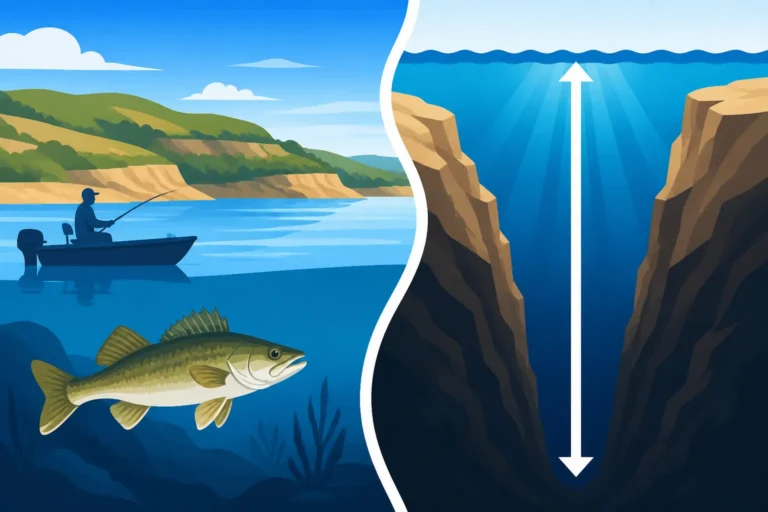
The reservoir's maximum depth typically hovers around 40-50 feet near the dam, but much of the lake consists of shallower flats, particularly in the northern reaches where the river enters. This varied topography means you can employ a wide array of fishing techniques, adapting to the conditions and the specific species you're targeting. The surrounding landscape is classic North Dakota prairie, providing a peaceful backdrop to your fishing adventures, though winds can certainly whip across the open water, so always keep an eye on the forecast.
Historical Significance and Formation
Pipestem Dam and Reservoir were constructed in the early 1970s primarily for flood control and water conservation, especially concerning the downstream city of Jamestown and agricultural lands. Its creation transformed a segment of the Pipestem River into a thriving recreational hub, attracting not just anglers but also boaters, campers, and wildlife enthusiasts. The initial impoundment flooded fertile agricultural land and river bottoms, which created a rich, nutrient-dense environment for fish.
Over the decades, the reservoir has matured, developing stable fish populations and diverse aquatic ecosystems. While its primary purpose remains flood control, its recreational value, particularly for fishing, has grown immensely. Understanding its history helps us appreciate the submerged structure and fertile bottomlands that now provide excellent habitat, influencing everything from fish spawning grounds to prime feeding areas throughout the year.
Prime Targets: What Fish Species Call Pipestem Home?
Pipestem Reservoir is known for its robust populations of several popular game fish, offering something for every angler. Whether you're chasing dinner or a trophy, you'll likely find a willing participant in these waters.
Walleye Wonders and Tactics
Without a doubt, walleye are a star attraction at Pipestem Reservoir. Anglers consistently report good catches, and while you might not always pull out a giants like those found in Lake Sakakawea, the numbers and average size are certainly respectable. Walleye here tend to run in the 14 to 20-inch range, with bigger fish certainly possible. The key to successful walleye fishing in Pipestem often lies in understanding their seasonal movements and preferred structures. For a comprehensive overview of how these elusive fish behave, check out our North Dakota Walleye Fishing Guide.
During the spring, after the ice-out and spawning, walleye will often cruise shallower flats and points, especially those with some weed growth or rocky transitions. Trolling crankbaits, jigging with live bait like minnows or leeches, or pulling spinner rigs tipped with a nightcrawler are all highly effective methods. As summer progresses, walleye move to deeper water, often suspending over main lake humps, creek channels, and the basin near the dam. Early morning and late evening bites are generally the most productive, though overcast days can provide good action throughout the day. Don't be afraid to experiment with different depths and lure colors; what works one day might not the next.
Northern Pike Pursuits
If you're looking for aggressive strikes and powerful fights, Pipestem Reservoir's northern pike population will not disappoint. These toothy predators are abundant here and can grow to impressive sizes, offering exciting action, especially for those who enjoy casting big spoons or spinnerbaits. While northern pike might not be the primary target for every angler, they offer a thrilling alternative and often surprise those targeting walleye. Learn more about pursuing these powerful fish in our North Dakota Northern Pike Fishing Guide.
Pike in Pipestem are often found lurking in weed beds, around submerged timber, and near any structure where they can ambush baitfish. In spring, they'll congregate in the shallower, warmer northern arms of the reservoir, often in areas with flooded vegetation. As the water warms, they move to deeper weed lines or around the edges of steep drop-offs. Casting large spoons like Dardevles or Johnson Silver Minnows, hefty spinnerbaits, or even larger soft plastics can provoke aggressive strikes. If you're ice fishing, setting up tip-ups with large shiner minnows or smelt can be incredibly effective for targeting trophy pike, especially during early and late ice periods.
Panfish Bonanza: Perch, Crappie, and Bluegill
Pipestem Reservoir is a fantastic spot for panfish, making it an excellent destination for family fishing trips or for those who simply enjoy steady action. Yellow perch, black crappie, and bluegill are all present in good numbers, providing plenty of opportunities for anglers of all skill levels. These smaller, yet delicious, fish are often easier to catch, boosting confidence and ensuring a fun day on the water. For more dedicated perch anglers, our North Dakota Yellow Perch Fishing Guide offers even deeper insights.
Perch often school up on the main lake flats, especially those with some bottom content like gravel or sand, or near submerged vegetation. During ice fishing season, they are a primary target and can be found in large schools. Crappie prefer brush piles, submerged timber, and the deeper edges of weed lines. Look for them suspending in schools around structure. Bluegill will hang out in shallower, weedy bays and around docks or fallen trees, eager to strike at small jigs or a piece of worm under a bobber. For all panfish, small jigs, tiny spoons, and live bait like wax worms, maggots, or small pieces of nightcrawler are usually irresistible. Light tackle makes fighting these feisty fish even more enjoyable.
Navigating the Waters: Best Fishing Spots and Access
Knowing the general characteristics of Pipestem Reservoir is one thing, but pinpointing those hot spots and understanding where you can actually get on the water is crucial for a successful trip.
Key Structures and Depths for Open Water
Pipestem Reservoir, while not as vast as some North Dakota lakes, offers a variety of underwater structures that hold fish. One of the most productive areas is the main lake basin near the dam. Here, you'll find the deepest water, which becomes crucial as summer progresses and fish seek cooler temperatures and stable environments. Humps and subtle transitions along the old creek channels in this area are prime walleye real estate. Using a good fish finder is invaluable here to mark baitfish and structure. Many anglers use services like FishingBooker to connect with local guides who specialize in navigating these key structures and can put you right on the fish.
Moving north, the mid-lake points and submerged islands offer excellent ambush points for walleye and pike. These areas often have rock rubble or scattered boulders, which attract baitfish and, consequently, predators. The deeper sides of these points can be trolled with crankbaits or drifted with bottom bouncers and spinners. The northern arms of the reservoir, particularly where the Pipestem River flows in, become shallower and weedier. These areas are fantastic during spring and early summer for northern pike and panfish, as they warm up quickly and offer abundant cover. When fishing these shallower areas, focus on the edges of weed beds and any visible submerged timber.
Shore and Public Access Points
Not everyone has a boat, and Pipestem Reservoir is quite friendly to shore anglers, too. There are several well-maintained public access points that offer great opportunities for casting a line from the bank or a pier. The Pipestem Dam Recreation Area itself provides excellent shoreline access, especially below the dam along the river for a different fishing experience, but also along the reservoir side. You’ll find paved parking, restrooms, and sometimes even picnic facilities, making it a comfortable spot for a day of fishing. This area is good for walleye, pike, and panfish.
Further up the reservoir, the Pipestem Creek Boat Ramp and other smaller, unmarked access points along county roads offer less crowded options. These spots are often ideal for targeting panfish in the weedy bays or for casting spoons and spinnerbaits for northern pike. When choosing a shore fishing spot, look for areas with immediate deep water access, or submerged cover like fallen trees or weed lines. Remember to respect private property signage, as not all shoreline is public. For those without a boat, these easily accessible areas are perfect for a relaxed day. Also, many of North Dakota's Fishing Piers and Shore Access in North Dakota can be quite productive, and Pipestem offers a few solid options that are worth exploring.
Ice Fishing Hotspots
When winter rolls in and transforms Pipestem Reservoir into a frozen landscape, the fishing doesn't stop – it just changes form! Ice fishing is incredibly popular here, drawing anglers from all over the region. Some of the most consistent ice fishing hot spots mirror the open-water structures but with a slightly different approach. The main lake basin near the dam, particularly where it drops off into deeper water, is a go-to for walleye. Anglers will often set up shacks along these breaklines, jigging spoons or small Rapalas.
The mid-lake humps and flats are also highly productive for both walleye and large schools of yellow perch. These areas concentrate baitfish, and aggressive jigging tactics or deadsticking with live minnows can yield excellent results. For northern pike through the ice, focus on the weedy northern bays and shallow flats. Pike often remain active under the ice, and setting out tip-ups with large sucker minnows or smelt is a classic and effective method. Always remember to check ice thickness thoroughly before venturing out, and be aware of North Dakota Ice Fishing Rules regarding shelters and lines. This is where understanding ice safety is paramount; a good How to Ice Fish in North Dakota guide can be invaluable.
| Species | Primary Location | Best Season(s) | Recommended Bait/Lures |
|---|---|---|---|
| Walleye | Main lake basin, points, creek channels | Spring, Summer (low light), Fall, Winter | Jig/minnow, crankbaits, bottom bouncers, spoons, Rapalas |
| Northern Pike | Weedy bays, submerged timber, weed lines | Spring, Fall, Winter | Large spoons, spinnerbaits, large minnows (tip-ups) |
| Yellow Perch | Main lake flats, humps, weed edges | All seasons, especially Winter | Small jigs, wax worms, maggots, small spoons |
| Black Crappie | Brush piles, submerged timber | Spring, Summer, Fall | Tiny jigs, minnows, small plastics |
| Bluegill | Shallow, weedy bays, fallen trees | Spring, Summer | Worms, maggots, small jigs under bobbers |
Mastering the Seasons: Year-Round Fishing Strategies
Fishing in North Dakota is a year-round affair, and Pipestem Reservoir is no exception. Understanding how fish behave through the different seasons is key to consistent success.
Spring Thaw to Summer Heat
The spring thaw is an exhilarating time for anglers on Pipestem. As the ice recedes and water temperatures begin to climb, fish become incredibly active. This is often when you’ll find some of the most aggressive bites. Walleye, after their spawn, move into shallower areas to feed heavily, recovering their energy. Targeting shallow points, wind-blown shorelines, and the mouths of feeder creeks with jigs and minnows or casting shallow-running crankbaits can be incredibly effective. For detailed strategies on this period, our Early Spring Walleye Techniques in North Dakota article is a must-read.
As late spring transitions into summer, the water warms significantly, and fish generally move to deeper, more stable environments. Walleye will often hold on main lake humps, along the deep edges of old river channels, and suspend over open water chasing baitfish. Trolling with crankbaits or bottom bouncers with spinner rigs becomes a prime technique during this period. For northern pike, summer means seeking out dense weed beds and cooler, deeper cover. Casting weedless spoons or soft plastics into the thick stuff can yield explosive strikes. Panfish, on the other hand, will be active in and around weed lines and brush piles in shallower to moderate depths, providing great action for light tackle.
Fall Feast and Pre-Winter Patterns
Fall fishing on Pipestem Reservoir can be absolutely phenomenal. As air and water temperatures cool down, fish sense the approaching winter and engage in a vigorous feeding frenzy. This is when walleye become particularly aggressive, stocking up on calories. They often move back onto shallower flats and points during prime feeding times (early morning, late evening, overcast days) and then retreat to deeper structures during the midday sun. Trolling larger crankbaits, casting jigs, or using live bait rigs are all productive. The fall bite can offer some of the biggest walleye of the year.
Northern pike are also incredibly active in the fall. They'll be found patrolling weed edges, creek channels, and shallow bays, readily hitting large spoons, spinnerbaits, and even larger soft plastic jerkbaits. For panfish, fall can provide some excellent last-minute action before the ice sets in. They’ll often school up in predictable patterns on submerged structure or deeper weed lines. This pre-winter feeding binge makes fall a fantastic time to fill your cooler and create some lasting fishing memories.
Winter Wonderland: Ice Fishing Dynamics
When winter locks Pipestem Reservoir under a blanket of ice, a whole new world of fishing opens up. Ice fishing here is incredibly popular and productive. Early ice can be fantastic, as fish are still relatively active and haven't settled into their deepest winter patterns. Targeting walleye on points and humps with jigging spoons or Raps can be very effective. Perch will often be found schooled up on flats and humps, responding well to small jigs tipped with a wax worm or maggot.
Mid-winter can sometimes present a challenge as fish activity slows down, but diligent anglers who move around and use their electronics can still find success. Deep basin areas and subtle depth changes become crucial. By late winter, as the sun gets higher and daylight hours lengthen, fish activity often picks back up significantly, mimicking a spring-like bite under the ice. This can be a prime time for both walleye and pike, particularly as they stage for their upcoming spawn. Always prioritize safety on the ice, paying close attention to How Thick Ice Needs to Be for Ice Fishing and ensuring you have the right gear, which you can learn more about in our Best Ice Fishing Gear for North Dakota guide.
Essential Gear and Proven Techniques for Pipestem
Having the right gear and knowing how to use it can significantly impact your success on Pipestem Reservoir. While you don't need the most expensive equipment, a few key items and techniques will serve you well.
Rods, Reels, and Line Recommendations
For walleye, a medium-light to medium power spinning rod, around 6'6" to 7' long, with a fast action tip is a versatile choice. This setup allows for jigging, casting lighter crankbaits, and even drifting live bait rigs. Pair it with a 2000- or 2500-series spinning reel spooled with 6-8 pound monofilament or fluorocarbon, or 10-15 pound braided line with a fluorocarbon leader. Braided line offers superior sensitivity, which is a huge advantage when detecting subtle walleye bites. Our Best Fishing Rods for North Dakota Anglers offers more detailed recommendations.
When targeting northern pike, you'll want to step up your gear. A medium-heavy to heavy power casting or spinning rod, 6'6" to 7'6" in length, is ideal. This extra backbone is necessary to handle larger lures and the powerful fight of a big pike. A 3000-4000 series spinning reel or a baitcasting reel spooled with 20-30 pound braided line is recommended, always with a heavy fluorocarbon or steel leader to prevent bite-offs. For panfish, lighter is better! A light to ultra-light action rod, 5' to 6' long, with a small 1000-series spinning reel spooled with 4-6 pound monofilament or fluorocarbon will make every bluegill feel like a monster.
Lure and Bait Arsenal
The tackle box for Pipestem Reservoir should be well-stocked with a variety of options to cover different species and conditions. For walleye, jigs are a staple. Keep a selection of 1/8 to 3/8 ounce jigs in colors like chartreuse, orange, white, and black. Tipping them with live minnows, shiners, or a piece of nightcrawler is often deadly. Crankbaits, both shallow and deep-diving, in natural baitfish patterns, firetiger, or perch colors, are excellent for trolling or casting. Bottom bouncers paired with spinner rigs dressed with a live nightcrawler are also highly effective, especially in summer.
For northern pike, bring a selection of large spoons (silver, gold, five of diamonds), spinnerbaits (white, chartreuse, black), and larger soft plastic swimbaits. Topwater lures can also be thrilling during warmer months in weedy areas. Live bait, particularly large shiners or suckers, fished under a bobber or on a quick-strike rig, is a proven method for larger pike. For panfish, stock up on tiny jigs (1/64 to 1/16 ounce) in bright colors, small spoons, and plenty of live bait like wax worms, spikes, and small pieces of nightcrawler. Our general guide on the Best Bait for North Dakota Fishing can provide additional ideas applicable to Pipestem.
Electronics and Boat Considerations
A quality fish finder is an invaluable tool on Pipestem Reservoir, especially for locating walleye and finding those key underwater structures like humps, channels, and submerged timber. Side imaging and down imaging can help you efficiently scan large areas and pinpoint fish-holding cover that might otherwise be missed. GPS capabilities are also extremely useful for marking productive spots and navigating safely, especially if you're exploring new areas or fishing at night.
When it comes to boats, a versatile rig is best. A 16-20 foot multi-species fishing boat with a reliable outboard and a bow-mount electric trolling motor is ideal. The trolling motor allows for silent, precise boat positioning, which is critical for staying on schools of fish or working along a specific contour. While Pipestem isn't as large or rough as Lake Sakakawea, winds can still kick up significant chop, so a boat with a decent hull design and freeboard will provide a more comfortable and safer experience. Always make sure your boat is properly registered according to North Dakota Boat Registration Requirements. If you're looking for a guided trip to maximize your time, fishing charters often use top-of-the-line equipment, and you can easily find local guides through platforms like FishingBooker, who are experts on Pipestem's specific nuances.
Understanding Pipestem's Regulations and Conservation
Fishing on any public water means adhering to local and state regulations. Pipestem Reservoir falls under the general North Dakota fishing rules, but it’s always wise to be aware of any specific nuances that might apply.
General North Dakota Fishing Regulations
Before you even cast a line, ensure you have the appropriate North Dakota fishing license. Whether you're a resident or a nonresident, a license is mandatory for most anglers over the age of 16. Details on costs and how to obtain one can be found in our North Dakota Fishing License Guide. It's crucial to be familiar with the statewide limits and specific length restrictions, as these can vary by species. For example, walleye, northern pike, and perch all have specific daily and possession limits. Some species might also have slot limits, meaning fish within a certain size range must be immediately released.
These regulations are in place to ensure the sustainability of the fishery for future generations. Ignorance of the rules is not an excuse, and game wardens do patrol Pipestem. Always keep a copy of the current North Dakota Fishing Regulations Explained proclamation with you, either physically or digitally on your phone. This document outlines all the legal specifics, including season dates, legal methods, and species-specific rules for waters across the state, ensuring you stay compliant and avoid any unnecessary penalties.
Protecting the Fishery
Beyond just following the rules, a responsible angler plays a vital role in protecting Pipestem Reservoir’s ecosystem. One of the most critical aspects of conservation in North Dakota is preventing the spread of Aquatic Nuisance Species (ANS), such as zebra mussels or Eurasian watermilfoil. These invasive species can devastate native populations and fundamentally alter the aquatic environment. Before launching and after retrieving your boat, make sure to CLEAN, DRAIN, and DRY your vessel and all fishing gear. This means removing all visible vegetation and mud, draining all water from your bilge, livewell, and engine, and allowing everything to thoroughly dry before your next outing.
Practicing catch-and-release, especially for larger breeding fish, can also significantly contribute to a healthy fishery, particularly for species like northern pike and walleye that are popular targets. Taking only what you plan to eat and handling released fish with care (minimizing air exposure, using wet hands, reviving them gently) ensures they have the best chance of survival. Always dispose of fishing line, bait containers, and other trash properly. By being mindful and proactive, we can all help keep Pipestem Reservoir a thriving fishing destination for years to come. Many resources, including FishingBooker, highlight ethical fishing practices, further emphasizing the importance of angler responsibility.
Disclaimer
Please remember that fishing conditions and regulations can change. Always consult the latest North Dakota Game and Fish Department (NDGFD) regulations and local advisories before heading out on the water. This guide is for informational purposes only and should not replace official sources.