Heart Butte Dam Fishing Guide
Heading out to a new fishing spot can be a mix of excitement and frustration, especially when you're trying to figure out where the fish are biting and what rules you need to follow. Heart Butte Dam, with its expansive Lake Tschida, is a fantastic North Dakota fishery, but like any large body of water, it has its nuances. This comprehensive guide is designed to cut through the guesswork, offering you an in-depth look at everything you need to know for a successful and enjoyable fishing adventure on Heart Butte Dam and Lake Tschida.
Overview of Heart Butte Dam and Lake Tschida
Nestled in southwestern North Dakota, the Heart Butte Dam, which impounds the Heart River to form Lake Tschida, is a significant part of the region's landscape and a true gem for anglers. It's more than just a body of water; it's a vital resource for irrigation, flood control, and recreation, creating a diverse ecosystem that supports a robust fish population. Understanding its history and characteristics is key to unlocking its fishing potential.
A Brief History and Purpose
The Heart Butte Dam project was initiated in the mid-20th century, primarily completed in 1949, as a crucial component of the Bureau of Reclamation's Missouri River Basin Project. Its main purpose was to provide flood control for downstream communities, store water for irrigation of nearby agricultural lands, and offer a stable water supply. Over the years, its role expanded significantly into recreation, with Lake Tschida becoming a popular destination for boating, camping, and, of course, fishing. This multi-purpose design has shaped the lake's structure, creating varied depths, shorelines, and submerged features that attract a wide array of fish species. The dam itself is an impressive structure, and its presence profoundly influences the water flow and nutrient distribution within the lake, directly impacting fish behavior.
Lake Tschida's Unique Characteristics
Lake Tschida is known for its sprawling, irregular shape, featuring numerous bays, points, and coves that provide excellent habitat for fish. Unlike some of North Dakota's more uniform reservoirs, Tschida offers a complex underwater topography. The lake has a maximum depth of around 60 feet near the dam, but much of it is considerably shallower, especially in the upper river arms and protected bays. The shoreline varies from sandy beaches to rocky outcrops and areas with submerged timber, all of which are important for different fish species at various times of the year. The water clarity can fluctuate, often influenced by precipitation and wind, but generally, it's considered productive water, meaning it supports a rich food chain from plankton to baitfish, which in turn fuels the growth of larger game fish. These diverse characteristics make Lake Tschida a dynamic fishery, always offering something new to explore.
Water Levels and Their Impact on Fishing
Water levels at Lake Tschida can, and do, fluctuate throughout the year, primarily due to precipitation, snowmelt runoff, and irrigation demands. These fluctuations are incredibly important for fishing success. High water levels can push fish into newly flooded vegetation, creating new feeding grounds but also spreading them out. Conversely, low water levels concentrate fish in deeper channels or around remaining structure, making them easier to locate but potentially harder to entice.
For example, when water levels are high in spring, species like northern pike might move into flooded shoreline grasses to spawn and feed on abundant baitfish, making these newly accessible areas prime targets. Later in the summer, if levels drop, walleye might retreat to the main lake basin, congregating on deeper humps or along the original river channel. Keeping an eye on the lake's current water level, often reported by the Bureau of Reclamation or local bait shops, can give you a significant advantage in planning your trip and targeting your presentation effectively.
Prime Fishing Spots at Heart Butte Dam
Finding the "right" spot on any lake can feel like searching for a needle in a haystack, but at Heart Butte Dam and Lake Tschida, there are some consistently productive areas that anglers swear by. Knowing these general locations and what makes them tick can dramatically improve your chances of a successful outing. This lake offers a fantastic variety of underwater landscapes, from sheer rock faces to submerged timber, each attracting different species.
Main Dam Face and Spillway Area
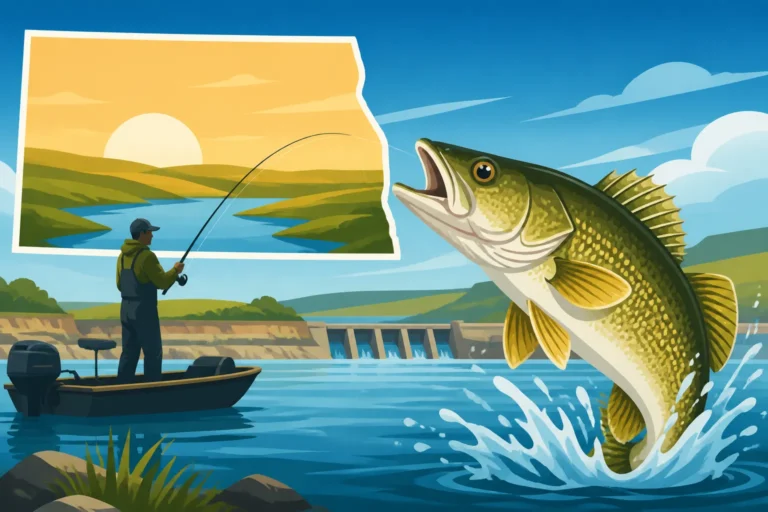
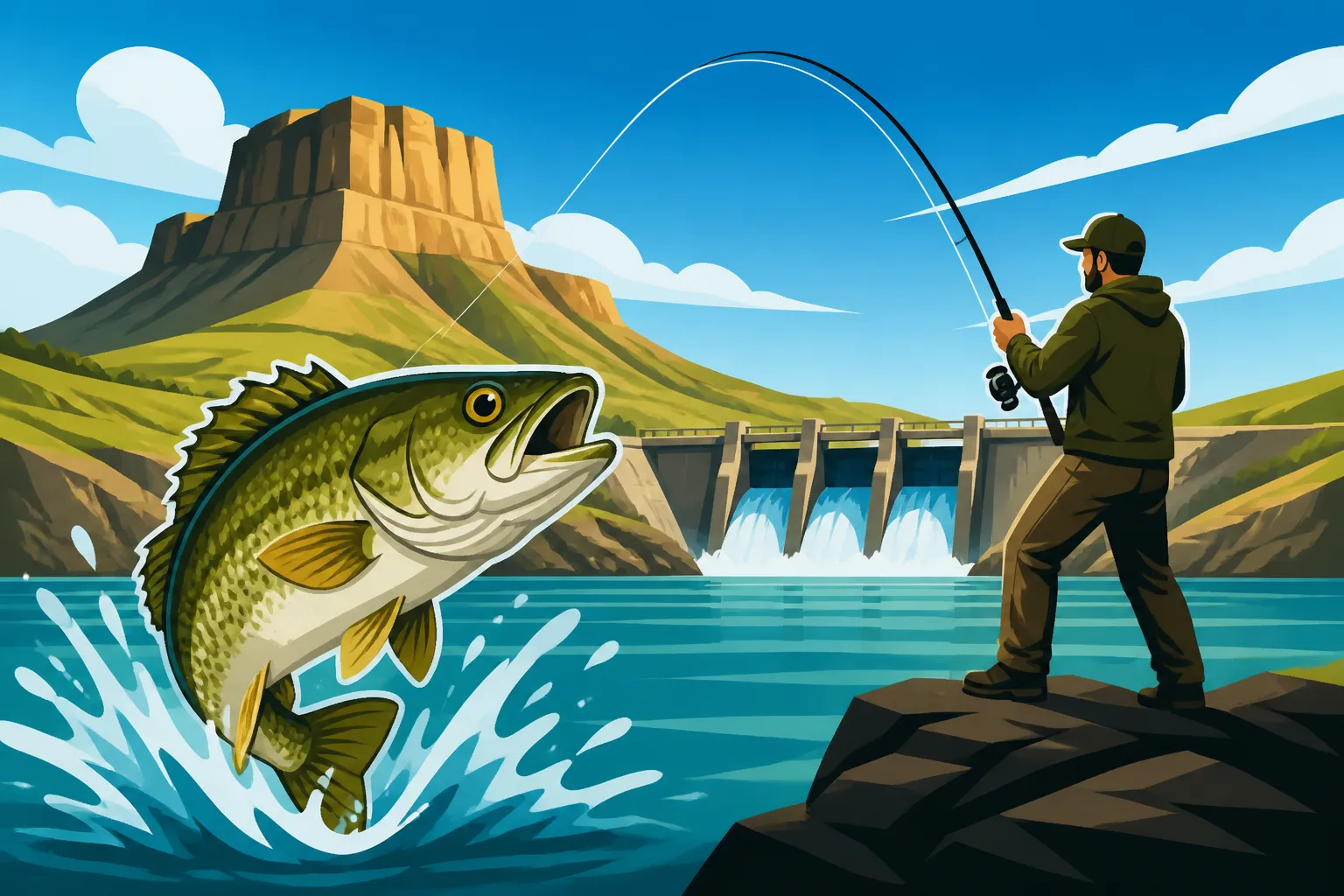
The area immediately surrounding the main dam face and the spillway is often a hotspot, especially during periods of water release. The turbulent water created by the spillway acts as an oxygenator and concentrates baitfish, which in turn attracts predatory species like walleye and northern pike. Anglers often find success here by casting crankbaits, jigs, or even live bait presentations into the deeper waters and current seams. However, always pay close attention to safety regulations and respect restricted areas near the dam structure. Fishing directly off the face of the dam can be productive, offering access to deep water without a boat, making it one of the most popular shore fishing locations. The quick drop-offs here provide excellent ambush points for fish. For information on general rules, check out the North Dakota Fishing Regulations Explained.
Rocky Points and Submerged Structure
Lake Tschida is rich with rocky points, submerged humps, and old river channel edges that act as natural fish magnets. These areas provide cover, current breaks, and foraging opportunities for a variety of species. Walleye, in particular, love to hold on rocky structures, especially during low light conditions or when wind creates a good "walleye chop." Using your fish finder to locate submerged humps or old creek beds can reveal schools of fish. Try drifting live bait rigs, like a slip bobber with a minnow or a bottom bouncer with a crawler harness, over these areas. Smallmouth bass, though not as dominant as walleye or pike, also tend to relate heavily to these rocky areas, especially on the main lake points. You can discover more about how to find Walleye structure with a map for tips on using topographical data to pinpoint these spots.
The River Arm and Shallow Bays
Moving upstream from the dam, Lake Tschida narrows into the Heart River arm, which offers a completely different fishing experience. This shallower, often murkier section is characterized by more vegetation, submerged timber, and slower currents, making it ideal habitat for northern pike, crappie, and channel catfish. Early in the season, when water temperatures are cooler, pike will be active in these shallow, weedy bays. Casting spinnerbaits or spoons near weed lines can be highly effective. The numerous protected bays along the entire lake are also excellent for panfish like crappie and bluegill, especially around fallen trees or brush piles. Anglers seeking catfish will often find them in the deeper holes of the river channel, particularly near bends or log jams. Looking for a guided trip to explore these diverse waters? Platforms like FishingBooker can connect you with experienced local guides who know Lake Tschida inside and out, offering invaluable insights into the best spots for different species and seasons.
Key Fish Species and What They Offer
One of the great joys of fishing Heart Butte Dam is the sheer variety of species you can encounter. From hard-fighting predators to schooling panfish, there's something for every angler. Knowing what you're likely to catch and what makes each species unique helps you tailor your approach and appreciate the diverse fishery that Lake Tschida provides.
Walleye: The Dam's Premier Catch
Without a doubt, walleye are the crown jewel of Heart Butte Dam. Anglers flock to Lake Tschida specifically for the chance to hook into these tasty, often elusive fish. Walleye here can grow to impressive sizes, with many anglers reporting catches in the 20-inch range and trophies pushing well over 25 inches. They are most active during low-light periods – dawn, dusk, and even into the night – but can be caught throughout the day, especially on windy days that create a good chop on the water.
Walleye tend to favor rocky structures, submerged humps, and the edges of the old river channel. They are often found in water depths ranging from 10 to 30 feet, though they will move shallower to feed. Their fight is characterized by strong head shakes and deep runs, making them an exciting target. The North Dakota Walleye Fishing Guide offers a wealth of information on effective techniques for these sought-after fish, including specific jigging and trolling methods. Remember to check the North Dakota Walleye Size Limit Rules before you head out, as these can vary.
Northern Pike: Aggressive Hunters
If you're looking for a toothy, aggressive fight, northern pike are abundant in Lake Tschida. These freshwater "sharks" are ambush predators, often found lurking in weed beds, submerged timber, or along sharp drop-offs, waiting for an unsuspecting baitfish to swim by. Pike here can also reach considerable sizes, with many in the 5-10 pound range, and larger specimens over 15 pounds are certainly possible.
They are particularly active in the shallower, weedier bays and the river arm, especially during the spring and fall. Casting large spoons, spinnerbaits, or noisy topwater lures can elicit explosive strikes. They are also a popular target for ice anglers using tip-ups with large minnows. Catching a big pike is an exhilarating experience, known for their powerful initial runs. For detailed strategies on how to target these fighters, consult the How to Fish for Northern Pike in North Dakota guide. Just be prepared with a good set of pliers for hook removal!
Crappie and Panfish: Family Favorites
For a more relaxed day of fishing, or for introducing kids to the sport, the crappie and other panfish (like yellow perch and bluegill) at Heart Butte Dam are an excellent choice. Lake Tschida holds a healthy population of crappie, both black and white, which can provide fast action when you find a school. These fish are delicious and great fun on light tackle. They typically congregate around submerged brush piles, fallen trees, and docks, especially in the shallower bays and the river arm.
Small jigs tipped with a minnow or small plastic, fished under a bobber, are deadly for crappie. Yellow perch are also present, often found in deeper main lake areas, especially during the cooler months, and respond well to small ice jigs or vertical presentations. Bluegill, while not as prevalent as crappie, can be found in the lake's shallower, weedy areas. These species offer consistent action and are perfect for a family outing. Dive into the North Dakota Crappie Fishing Guide for expert tips on finding and catching these schooling fish.
Channel Catfish: Bottom Dwellers
Don't overlook the channel catfish at Heart Butte Dam, particularly in the river arm and some of the deeper main lake sections. These whiskered bottom dwellers are known for their strong pull and excellent table fare. Catfish in Lake Tschida can range from modest eaters to trophy-sized giants, with fish exceeding 15 pounds not uncommon.
They are typically found in deeper holes, along current breaks, or near submerged wood structure. Catfish are primarily nocturnal feeders, making night fishing a popular and often highly productive strategy, especially during the warmer summer months. Popular baits include stink baits, cut bait, chicken livers, or even a simple nightcrawler. Look for them in areas with softer bottoms or near debris. A good stout rod and reel combo are essential for battling these strong fish.
Effective Fishing Techniques and Seasonal Strategies
Fishing successfully at Heart Butte Dam isn't just about knowing where the fish are, but also understanding how their behavior changes with the seasons and what techniques will be most effective. North Dakota's distinct seasons bring about dramatic shifts in fish location and feeding patterns, requiring anglers to adapt.
Spring: Post-Spawn Bite and Shallow Water
As the ice melts away and water temperatures begin to rise in early spring, the fishing at Heart Butte Dam truly awakens. This "ice-out" period, typically around April, marks the beginning of the open water season. Walleye will be moving shallower for their spawn, often found on rocky points and sand flats. After the spawn, they remain relatively shallow, feeding aggressively to recover energy. Trolling shallow-diving crankbaits or casting jigs tipped with a minnow or soft plastic are excellent tactics. Northern pike will also be very active in the warmer, shallower bays and flooded vegetation, making them eager to strike spoons and spinnerbaits.
Crappie will start schooling up in pre-spawn patterns, often near submerged brush or timber in protected bays, and can be caught jigging small plastics or minnows under a bobber. This is a prime time for shore anglers, too, as many fish are accessible closer to shore. Remember to check the North Dakota Fishing Season Calendar to align your trip with the best times for specific species.
Summer: Deep Water and Structure Fishing
Summer fishing at Lake Tschida means warmer water, and for many species, a move to deeper, cooler waters and structural elements. Walleye will often be found on main lake humps, along the old river channel, or near the dam face, typically in 15-30 feet of water. Trolling with crankbaits or bottom bouncers with spinner rigs becomes highly effective during this period. For those looking for precise presentations, jigging spoons or blade baits over deep structure can also produce.
Northern pike will still relate to weed lines but will often be in slightly deeper water or on the edges of the deep weed beds. Casting larger spoons or topwater lures in the early morning or late evening can still be productive. Catfish activity will peak during the warm summer nights, and targeting them in deeper holes in the river arm with cut bait is a solid strategy. Panfish, like crappie, will often suspend over deeper water or hold tight to submerged brush piles, requiring a precise presentation to entice them.
Fall: Feeding Frenzy and Preparation
As summer fades and water temperatures begin to cool in the fall, fish at Heart Butte Dam enter a pre-winter feeding frenzy, making it one of the most exciting times to be on the water. Walleye will move shallower again, gorging on baitfish in preparation for winter. Trolling medium-diving crankbaits or casting jigs and minnows on rocky points can be lights out. This is often when some of the biggest walleye are caught.
Northern pike will also be incredibly aggressive, patrolling shallow to mid-depth weed edges. Large spoons, jerkbaits, and even dead bait presentations under a bobber can trigger vicious strikes. Crappie will school up tightly in preparation for winter, often suspending in deeper water or congregating around large brush piles, providing fantastic action once located. The cooler weather means less recreational boat traffic, offering a more peaceful angling experience. Fall also brings about vibrant scenery, making for beautiful days on the water.
Ice Fishing: Winter Opportunities
When Lake Tschida freezes over, a whole new world of fishing opens up for those brave enough to embrace the cold. Ice fishing at Heart Butte Dam can be incredibly rewarding. Walleye are often found relating to main lake points and humps, often in 15-25 feet of water, responding well to jigging spoons or rattling baits tipped with a minnow head. Northern pike are a popular target through the ice, especially with tip-ups set with large sucker minnows near known weed beds or channel edges.
Crappie and yellow perch can provide fast action in the winter, often found schooled up over deep humps or near submerged brush. Small jigs, tungsten ice jigs, and wax worms or minnow pieces are highly effective. Always prioritize safety on the ice; knowing How Thick Ice Needs to Be for Ice Fishing is crucial. Ice shelters are commonly used to stay warm, and Understanding Ice Fishing Shelter Rules on North Dakota Lakes will ensure you're compliant with regulations. Heart Butte offers consistent winter action, drawing ice anglers from across the state.
Essential Gear and Boat Considerations for Heart Butte
Having the right gear is paramount to a successful day of fishing on any body of water, and Heart Butte Dam is no exception. Given the variety of species and fishing conditions you might encounter, being prepared with appropriate rods, reels, lures, and boat considerations will make your trip much more enjoyable and productive.
Recommended Rods, Reels, and Line
For walleye and crappie, a medium-light to medium power spinning rod, typically 6'6" to 7' in length, paired with a 2500-sized spinning reel, is a versatile choice. Spool this with 6-8 pound monofilament or fluorocarbon, or consider 10-15 pound braided line with a fluorocarbon leader for increased sensitivity and casting distance. This setup offers the finesse needed for lighter bites and the backbone to handle a decent walleye.
For northern pike and larger catfish, a medium-heavy power casting or spinning rod, around 7' in length, with a 3000-4000 sized reel, is more appropriate. Load these reels with 15-20 pound monofilament or, ideally, 30-50 pound braided line for serious pulling power, especially in areas with heavy cover. Braided line is highly recommended when targeting these toothy critters to prevent break-offs from their sharp teeth. You might also want to look into the Best Fishing Line for North Dakota Lakes for comprehensive advice.
Lure and Bait Selection
Your tackle box for Heart Butte Dam should be well-stocked to cover the various species and techniques.
- For Walleye: A selection of jigs (1/8 oz to 3/8 oz) in various colors (chartreuse, white, black, orange) are a must, often tipped with live minnows, plastic swimbaits, or twister tails. Crankbaits in various diving depths and colors (firetiger, perch patterns, chrome/blue) are crucial for trolling. Bottom bouncers with crawler harnesses are also highly effective. Consider live bait, especially leeches and nightcrawlers, which are often irresistible to walleye.
- For Northern Pike: Large spoons (silver, gold, five of diamonds), spinnerbaits with tandem blades, and jerkbaits are excellent choices. Large dead bait (sucker minnows) under a bobber can also be very effective, especially in cooler water.
- For Crappie and Panfish: Small jigs (1/32 oz to 1/8 oz) tipped with tiny plastic tubes, grub bodies, or live minnows/wax worms are ideal. Small spinnerbaits can also attract aggressive crappie.
- For Channel Catfish: Stink baits, cut bait (like shad or sucker), chicken livers, and large nightcrawlers are preferred. Use a slip sinker rig to allow catfish to pick up the bait without feeling resistance.
To keep your live bait fresh, especially minnows and worms, a good bait cooler with an aerator is invaluable, particularly during warmer months. You can find more specific recommendations in the Best Bait for North Dakota Fishing guide.
Boat Access and Navigation
Heart Butte Dam and Lake Tschida offer several public boat ramps, including those at the Heart Butte Recreation Area and others scattered around the lake, providing good access for various boat types. The lake is large, and strong winds can quickly whip up significant waves, so having a boat capable of handling rough water is a smart choice. Many anglers opt for sturdy aluminum or fiberglass walleye boats.
Navigation on Lake Tschida can be tricky due to fluctuating water levels that can expose submerged hazards, especially in the upper river arm. A reliable GPS chartplotter with detailed mapping is highly recommended to mark channels, humps, and potential dangers. Always exercise caution, maintain a watchful eye for shallow areas, and adhere to proper boating safety, including wearing life jackets. For detailed information on what's required, review the North Dakota Boat Registration Requirements and consider any specific rules about Registering an Out-of-State Boat in North Dakota if you're visiting. Also, always inspect your boat for aquatic nuisance species (ANS) before and after launching to protect North Dakota's waters, as outlined in the Aquatic Nuisance Species Rules for Boaters.
Understanding Regulations and Access at Heart Butte Dam
Fishing at Heart Butte Dam, like anywhere in North Dakota, requires adherence to specific regulations and an understanding of public access points. These rules are in place to ensure the sustainability of the fishery and the safety of all users. Ignorance of the rules is never an excuse, so taking the time to learn them is crucial for a stress-free trip.
Licensing and General Rules
Before you even think about wetting a line at Heart Butte Dam, you'll need a valid North Dakota fishing license. This is a non-negotiable requirement for almost all anglers over the age of 16. There are different types of licenses available, including annual resident and nonresident options, as well as shorter-term nonresident licenses like the Nonresident 3-Day Fishing License in North Dakota or the Nonresident 10-Day Fishing License in North Dakota. You can find comprehensive details in the North Dakota Fishing License Guide.
Beyond the license, it's essential to familiarize yourself with the general fishing regulations, which cover everything from daily limits and possession limits for various species (like the North Dakota Northern Pike Daily Limit) to legal methods of take and prohibited activities. These regulations are updated periodically, so always refer to the most current North Dakota Fishing Proclamation, available through the North Dakota Game and Fish Department (NDGFD) website or at license vendors. Penalties for Fishing Without a License in North Dakota can be steep, so always err on the side of caution.
Boat Registration and Aquatic Nuisance Species
If you're bringing a boat to Heart Butte Dam, it needs to be properly registered in North Dakota, unless you meet specific exemptions for out-of-state registrations. The North Dakota Boat Registration Guide will walk you through the process, including fees and requirements. Beyond registration, a critical responsibility for all boaters in North Dakota is preventing the spread of aquatic nuisance species (ANS).
Lake Tschida is a beautiful fishery, and we all want to keep it that way. The NDGFD has strict "Clean, Drain, Dry" regulations. This means you must:
- Clean all aquatic plants and animals from your boat, trailer, and fishing gear.
- Drain all water from your boat, including the bilge, livewell, and motor, before leaving the access area.
- Dry your equipment thoroughly, as many ANS can survive in moist conditions.
Always double-check your boat and trailer before and after launching. These efforts are crucial to protecting the ecosystem of Heart Butte Dam and other North Dakota waters.
Public Access Points and Amenities
Heart Butte Dam and Lake Tschida offer several public access points for anglers, making it relatively easy to get on the water or fish from shore. The Heart Butte Recreation Area, located near the dam, is a primary access point with multiple boat ramps, camping facilities, and amenities like restrooms. There are also various other boat launches and public use areas around the lake, providing diverse access opportunities.
Many of these areas are managed by the Bureau of Reclamation or the NDGFD. While amenities can vary from one access point to another, you can generally expect concrete boat ramps, parking for vehicles and trailers, and sometimes picnic areas or primitive camping. If you're planning a trip, it's wise to check the NDGFD website or local maps for the most up-to-date information on specific access points, their facilities, and any usage fees. Some areas might have specific rules regarding overnight parking or boat mooring, so it's always best to be informed. For those looking to fish from shore, accessible fishing piers can also be found at some locations around North Dakota.
Disclaimer
Fishing involves inherent risks. Always prioritize safety on and near the water. Be aware of weather conditions, ice thickness, boat traffic, and personal limitations. Adhere to all local, state, and federal regulations. This guide provides general information and recommendations, and conditions can change. It is your responsibility to ensure your safety and compliance with all laws.