Nonresident 3-Day Fishing License in North Dakota
Many folks from out of state dream of wetting a line in North Dakota's legendary waters, but the thought of navigating licensing requirements for just a few days can feel like a bigger challenge than landing a trophy walleye. You might be wondering if it's even worth the hassle for a short trip. This comprehensive guide will untangle the specifics of the nonresident 3-day fishing license, helping you understand its benefits, costs, and how to easily secure one, ensuring your visit is all about reeling in big fish, not paperwork headaches.
The Specifics of North Dakota's 3-Day Nonresident Fishing License
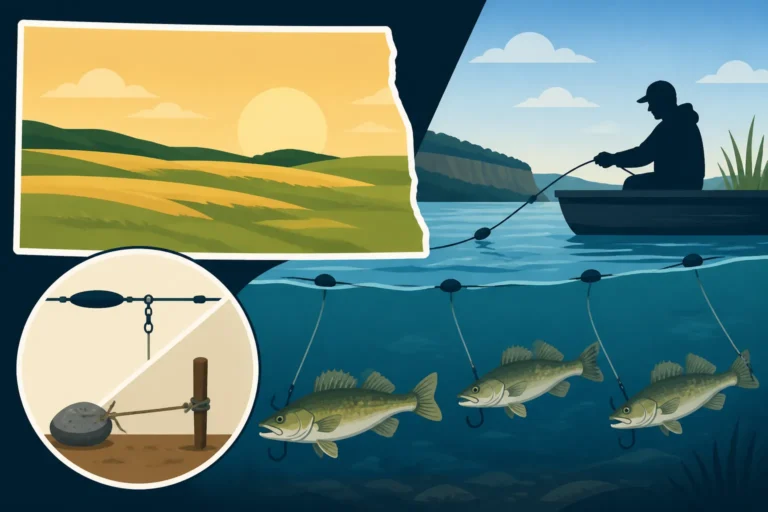
For those looking to experience the incredible fishing opportunities North Dakota has to offer, but only for a brief period, the 3-day nonresident fishing license is often the most practical and cost-effective solution. It's designed to give you a taste of what our lakes and rivers hold without committing to a full season's worth of licensing. This option is a godsend for weekend warriors, travelers passing through, or anglers specifically targeting a short window for a particular bite, perhaps during the famed spring walleye run or a quick ice fishing excursion.
Why This License is Perfect for Short Stays
Imagine planning a quick getaway to Devils Lake for some world-class perch fishing, or a short trip to the Missouri River for some prime walleye action. Committing to an annual license might feel excessive if you know your visit will only span a few days. That's where the 3-day nonresident license truly shines. It eliminates the need to pay for a full year of access, allowing you to allocate those savings to other trip essentials like bait, tackle, or maybe even a new lure you spotted on Amazon. It's about maximizing your time on the water and minimizing administrative overhead. This license recognizes that not everyone has the luxury of an extended vacation, and it provides a perfectly tailored solution for those shorter, impactful angling experiences.
Current Costs and Associated Fees
Understanding the financial outlay is always a key factor in planning any fishing trip. The cost of a nonresident 3-day fishing license in North Dakota is quite reasonable, especially when you consider the quality of fishing it grants access to. As of the current regulations, a nonresident 3-day fishing license typically costs around $35. This price is subject to change with new regulation cycles, so it’s always wise to check the North Dakota Game and Fish Department (NDGFD) website for the most up-to-date figures before you head out.
Beyond the base license fee, there are a couple of other important considerations. North Dakota generally requires all anglers, regardless of residency or license duration, to also purchase The Fishing, Hunting, Furbearer Certificate Explained. This certificate adds a small, nominal fee to your total but is a mandatory component for most fishing licenses. Additionally, if you plan on using a boat, you might encounter an Aquatic Nuisance Species (ANS) fee, which is collected to help prevent the spread of invasive species in North Dakota waters. While this isn't directly tied to the 3-day fishing license itself, it's a critical expense for any boater to factor in. Always double-check your cart during the online purchase process or ask your vendor about any additional required fees.
What This License Does Not Cover
While the 3-day nonresident license is wonderfully convenient, it’s crucial to understand its limitations. This license is primarily for general fishing for common species like walleye, northern pike, perch, and catfish. It does not typically cover specialized fishing activities that require additional permits or tags. For instance, if you're dreaming of snagging the colossal paddlefish in the Missouri River system, you'll need a separate paddlefish tag and be aware of specific season dates and regulations. Similarly, activities like commercial fishing, or certain restricted methods like spearfishing, are not covered by this standard 3-day license. Always consult the official North Dakota Fishing Regulations Explained for a complete list of rules and special requirements for specific species or methods to avoid any unexpected legal troubles. It’s better to be overly prepared than underprepared when dealing with regulations.
Eligibility and Defining Nonresident Status
Before you even think about purchasing that 3-day license, it’s essential to confirm that you actually qualify as a nonresident according to North Dakota law. The definition can sometimes be tricky, especially for those who might live near state borders or have temporary residences. The North Dakota Game and Fish Department has clear guidelines, and understanding them is your first step to a legal and enjoyable fishing trip.
Defining Nonresident Status for Licensing
In North Dakota, a "nonresident" is generally defined as any person who has not resided in the state for at least six consecutive months immediately preceding their application for a license. This six-month rule is pretty standard across many states and helps differentiate between true residents and those just passing through or visiting for an extended period. This means if you’ve been living in Minnesota, South Dakota, or any other state for the past half-year or more, you'll definitely be considered a nonresident.
However, there can be nuances. For example, if you own property in North Dakota but do not permanently reside there for the required duration, you are still considered a nonresident for licensing purposes. The key is "domicile" or primary home, and the continuous physical presence within the state for that specific time frame. This definition ensures fairness for North Dakota residents who contribute to the state's resources through taxes and other means, while still welcoming visitors to enjoy our abundant fisheries.
Age Requirements and Potential Exemptions
When it comes to fishing licenses, age is a big factor, and North Dakota has specific rules for both residents and nonresidents. Generally speaking, anglers aged 16 and older are required to possess a fishing license. This applies to nonresidents as well. So, if your teenage son or daughter is joining you on your 3-day angling adventure and they're 16 or older, they’ll need their own nonresident 3-day license.
There are, however, some wonderful exemptions, especially for younger anglers. Children under the age of 16 are typically not required to have a fishing license in North Dakota, allowing families to introduce their kids to the joys of fishing without an extra financial burden. This is a fantastic initiative that encourages youth participation in outdoor activities. Additionally, special circumstances, such as participants during North Dakota Free Fishing Days, may allow fishing without a license for a brief period for all ages. It's always a good idea to check the specific Fishing License Age Requirements in North Dakota before your trip to ensure everyone in your party is properly covered.
Special Situations: Military and College Students
Life doesn't always fit neatly into "resident" or "nonresident" boxes, especially for our active military personnel and college students. North Dakota makes some provisions for these groups, though it's important to understand the specifics.
For active military members who are stationed outside North Dakota but claim North Dakota as their home of record, they typically qualify for resident licenses. However, if they are stationed in North Dakota, they usually gain resident status after a certain period of continuous presence, allowing them to purchase resident licenses. If you're active duty military, it's worth checking with the NDGFD directly, as the rules can be nuanced depending on your specific situation. This could potentially save you money on a nonresident license if you qualify for resident rates.
College students attending a North Dakota institution also have special considerations. Generally, a nonresident college student who has resided in the state for at least six consecutive months while attending a North Dakota college or university may qualify for a resident license. This is a great perk for students who want to enjoy the state's outdoor offerings during their academic tenure. However, if they are only visiting for a short break or are enrolled in an online program from outside the state, the nonresident rules would still apply. For more detailed information, specific to these scenarios, a review of the "North Dakota Nonresident Fishing License Guide" is highly recommended, as it often contains the fine print for these unique situations.
How to Obtain Your 3-Day License with Ease
Once you've confirmed your nonresident status and understand the age requirements, the next step is actually getting your hands on that license! Thankfully, North Dakota has streamlined the process, offering several convenient ways to purchase your 3-day nonresident fishing license, ensuring you can spend more time planning your fishing spots and less time on bureaucracy.
Online Purchase Process: A Step-by-Step Guide
The easiest and often quickest way to get your North Dakota fishing license is online. The North Dakota Game and Fish Department website provides a user-friendly portal that allows you to purchase your license from the comfort of your home, even before you leave for your trip. Here’s a general step-by-step breakdown of what to expect:
- Visit the Official NDGFD Website: Navigate to the licensing section of the North Dakota Game and Fish Department website. You'll usually find a clear link for "Licenses & Permits."
- Select License Type: Choose "Fishing" and then look for "Nonresident 3-Day Fishing License." Make sure to also select the mandatory "Fishing, Hunting, Furbearer Certificate" if it's not automatically added.
- Provide Personal Information: You'll be asked for standard identification details: full name, date of birth, physical address, driver's license number (or state ID), and contact information. Have your driver's license handy.
- Confirm Residency Status: The system will prompt you to confirm you meet the nonresident criteria.
- Choose Start Date: For the 3-day license, you'll specify the exact date you want your license to become active. This is crucial for maximizing your fishing window.
- Review and Pay: Double-check all the information for accuracy, especially the start date. Then, proceed to the payment section, where you'll use a credit or debit card.
- Print or Save Your License: After a successful transaction, you'll usually be able to print a temporary license immediately. It's highly recommended to print a physical copy and also save a digital copy on your phone. While some wardens accept digital versions, having a backup is always smart. You can learn more about this process in our guide on How to Get a North Dakota Fishing License.
Finding Local Vendors for In-Person Purchases
While online is convenient, sometimes you prefer the human touch, or perhaps you're already in North Dakota and need a license on the fly. North Dakota has a vast network of licensed vendors across the state where you can purchase your 3-day nonresident fishing license in person. These vendors are typically sporting goods stores, bait shops, general stores, and sometimes even gas stations, especially in smaller towns near popular fishing destinations.
Large retail chains like Walmart often have dedicated sporting goods counters where you can buy licenses. Smaller, local bait and tackle shops are also excellent places to purchase a license, and they often offer the added benefit of local fishing advice, bait recommendations, and a friendly chat about the current bite. When you visit a vendor, just be sure to bring a valid form of identification (like your driver's license) and be prepared to provide the necessary information. It's a simple, straightforward process that gets you licensed and ready to fish without delay. To find a location near your destination, you might look up Where to Buy a North Dakota Fishing License for specific addresses.
Required Identification and Information
No matter how you choose to purchase your 3-day nonresident fishing license, you'll need to have certain information and identification readily available. This ensures that the license is issued to the correct person and that all regulations are met.
The primary piece of identification you'll need is a valid driver's license or state-issued ID card. This card verifies your name, address (confirming your nonresident status), and date of birth (for age requirements). It’s also wise to have your social security number, as this is often required for licensing purposes, especially for federal compliance reasons.
Beyond personal identification, if you're purchasing online, you'll need a valid credit or debit card for payment. If purchasing in person, cash or card is typically accepted. Always ensure the information you provide is accurate and matches your identification to avoid any issues down the line. Misrepresenting information on a license application can lead to serious penalties, including fines and revocation of privileges. Taking a moment to verify details can save you a lot of headache on the water.
Understanding the License Validity Period
The "3-day" part of the nonresident fishing license is perhaps the most important detail to grasp fully. It's not just three random days; there's a specific way the clock starts ticking, and understanding this will help you maximize your limited time on North Dakota's productive waters. Don't let a misunderstanding cut your trip short!
Activating Your License: How the Clock Starts Ticking
Unlike an annual license that is valid from a specific date (usually April 1st in North Dakota) until the following March 31st, the 3-day nonresident license is activated by you. When you purchase the license, either online or through a vendor, you will be prompted to select the specific start date for your license. This is incredibly flexible and allows you to align the license perfectly with your travel plans.
For example, if you plan to start fishing first thing on a Friday morning, you would select Friday as your start date. The license then becomes valid for that chosen day and the two subsequent calendar days. It's not 72 hours from the moment of purchase, but rather three calendar days starting from the date you specify. This is a critical distinction, as it means if you activate it late on a Friday afternoon, that entire Friday counts as day one, even if you only fish for a few hours. Planning ahead with your chosen start date is key to getting the most out of your license.
Start and End Times: Maximizing Your Fishing Window
Let's break down the start and end times more clearly to ensure you make the most of your 3-day window. If you choose to activate your license on Friday, May 10th, your license will be valid for:
- Day 1: Friday, May 10th (from 12:00 AM to 11:59 PM)
- Day 2: Saturday, May 11th (from 12:00 AM to 11:59 PM)
- Day 3: Sunday, May 12th (from 12:00 AM to 11:59 PM)
Your license would then expire at midnight on Sunday, May 12th. This means you have three full calendar days to fish, regardless of when you actually hit the water on your chosen start day. This makes it ideal for a long weekend trip. Planning your arrival and departure around these full calendar days is crucial. For instance, arriving Thursday evening and starting your license on Friday morning will give you the maximum fishing time within those three days. Remember, there's no "pause" button once the license is active!
Planning Your Trip Around the License's Validity
To truly get the best value and experience from your 3-day nonresident license, strategic trip planning is essential. Consider when the fishing for your target species is typically best in North Dakota. For example, if you're coming for the early spring walleye bite, you'll want to choose a window where conditions are prime. If you're targeting Red River catfishing, summer nights are generally ideal.
- Arrival and Departure: If you arrive on a Thursday evening, you can set your license to start Friday morning. This gives you Friday, Saturday, and Sunday of prime fishing time before you potentially head home Sunday evening or Monday morning.
- Weather Considerations: While you can't control the weather, you can monitor forecasts leading up to your trip. If a major storm is predicted for one of your 3 days, you might adjust your start date if you haven't already activated it. This flexibility is a huge advantage of the 3-day option.
- Species-Specific Seasons: While a general fishing license is valid year-round for many species, always be mindful of specific regulations for certain fish. For instance, North Dakota Walleye Size Limit Rules or daily limits for other species apply regardless of your license duration. Ensuring your trip aligns with both the license and the fish regulations will make for a successful outing. Many anglers use tools or apps to track weather patterns and fish activity, which can be found on online retailers like Amazon, to fine-tune their schedule.
Comparing Nonresident License Options for a Fuller Picture
While the 3-day nonresident license is a fantastic option for short trips, it's not the only choice available. North Dakota offers several different nonresident fishing licenses, each suited to different lengths of stay and levels of commitment. Understanding these alternatives will help you determine if the 3-day is truly the best fit for your specific angling plans.
3-Day vs. 10-Day Nonresident License: A Cost-Benefit Analysis
The next step up from the 3-day license is the 10-day nonresident fishing license. This option is popular for those planning a slightly longer vacation or perhaps two short trips relatively close together. Let’s look at the comparison:
| License Type | Duration | Approximate Cost (excluding certificate) | Ideal For |
|---|---|---|---|
| Nonresident 3-Day | 3 consecutive days | $35 | Weekend trips, very short visits, test runs |
| Nonresident 10-Day | 10 consecutive days | $55 | Week-long vacations, extended fishing trips |
| Nonresident Season | April 1st – March 31st | $60 (approx) | Multiple trips per year, extended stays |
The Nonresident 10-Day Fishing License in North Dakota provides significantly more fishing time for a relatively small increase in price. If your trip is going to be 5, 7, or even 9 days long, the 10-day license offers much better value per day. For just an extra $20-$25, you get an additional seven days of fishing.
Consider a hypothetical: You plan a five-day fishing trip. If you bought two 3-day licenses (one for the first three days, then a second for the remaining two), you’d pay approximately $70. A single 10-day license for $55 would cover your entire trip and potentially give you extra days if your plans change. This makes the 10-day license a very attractive option for anything longer than a typical weekend.
Annual Nonresident vs. Short-Term Licenses: When to Upgrade
For the truly dedicated nonresident angler who plans to visit North Dakota multiple times within the fishing season (April 1st to March 31st), or for those planning an extended stay of more than 10 days, the annual nonresident fishing license quickly becomes the most economical choice.
The annual nonresident fishing license typically costs around $60. When you compare this to the short-term options:
- Two 3-day licenses cost about $70.
- Two 10-day licenses cost about $110.
It's clear that if you anticipate fishing in North Dakota for more than 10 days in a given year, purchasing the annual license upfront will save you money. For example, if you take one week-long trip in the summer and then come back for an ice fishing weekend in the winter, the annual license pays for itself. The annual license offers peace of mind, allowing you to spontaneously decide on a trip without having to worry about purchasing a new license each time. This is especially true for those who live in neighboring states and can make frequent, short trips. If you're debating between multiple short-term licenses versus an annual one, always do the math based on your anticipated fishing frequency. Our North Dakota Fishing License Cost Guide provides a detailed breakdown of all license types and their prices.
Considerations for Multiple Trips in a Year
If you're one of those lucky anglers who can make several trips to North Dakota throughout the year, careful planning of your license purchases can lead to significant savings. Let's say you love the spring walleye bite on Lake Sakakawea, then you're back for summer catfishing on the Red River, and finally, you can't resist a winter ice fishing excursion on Devils Lake.
- Two Trips: If each trip is only a few days (e.g., two 3-day trips), two 3-day licenses might be slightly cheaper than an annual. However, the convenience of one annual license is often worth the minimal difference.
- Three or More Trips, or One Long Trip + One Short Trip: In almost all scenarios involving three or more trips, or any single trip lasting more than ten days combined with another shorter trip, the annual nonresident license will be the better financial decision. It simplifies your planning, guarantees coverage, and removes the mental burden of calculating license validity for each visit.
Additionally, don't forget the mandatory Fishing, Hunting, Furbearer Certificate. You only need to purchase this once per license year, regardless of how many fishing or hunting licenses you acquire. So, if you get an annual fishing license and then later decide to hunt, you won't need to buy the certificate again, another small but welcome saving.
Crucial Regulations and Additional Requirements
Beyond simply holding a valid 3-day nonresident fishing license, there are several other critical regulations and requirements that every angler must be aware of when fishing in North Dakota. Ignoring these can lead to fines, penalties, and a ruined fishing trip. Think of your license as your entry ticket, but these additional rules are the terms and conditions that keep everyone safe and our fisheries healthy.
The Fishing, Hunting, Furbearer Certificate: Is It Always Required?
Yes, for nearly all individuals aged 16 and older who plan to fish or hunt in North Dakota, the Fishing, Hunting, Furbearer Certificate is a mandatory purchase. It's an additional, relatively inexpensive fee that accompanies your primary fishing license. Many anglers new to North Dakota sometimes overlook this, thinking their fishing license is all they need. However, it's a separate required component that acts as a base certificate.
Think of it this way: your 3-day nonresident fishing license grants you the privilege to fish for three days, but the certificate is the fundamental document that allows you to purchase any such privilege. It applies to residents and nonresidents alike. When you're purchasing your 3-day license online, it will typically be automatically added to your cart. If you’re buying in person, the vendor will prompt you to purchase it. Failing to have this certificate, even if you have your 3-day fishing license, can result in being cited for fishing without a proper license. So, always confirm you have both!
Aquatic Nuisance Species (ANS) Fee and Boating Rules
For any angler bringing a boat into North Dakota, or using a boat on North Dakota waters, understanding and complying with Aquatic Nuisance Species (ANS) regulations and fees is paramount. This isn't just a suggestion; it's a critical effort to protect North Dakota's pristine lakes and rivers from invasive species like zebra mussels or Eurasian watermilfoil, which can devastate ecosystems.
If you are launching a motorized or non-motorized watercraft (including kayaks, canoes, and paddleboards if they're used outside of a single launch on a single body of water without removing them) in North Dakota waters, you may be required to pay an annual ANS fee. This fee helps fund inspection stations, public awareness campaigns, and removal efforts. This fee is usually separate from your fishing license and is typically associated with your boat's registration or a specific ANS decal you need to display.
More importantly than the fee, however, are the practices you must follow:
- Clean: Remove all aquatic plants and mud from your boat, trailer, and fishing gear before leaving any body of water.
- Drain: Drain all water from your boat, including the bilge, livewell, and bait buckets.
- Dry: Allow your boat and equipment to dry completely before launching in another body of water.
These simple "Clean, Drain, Dry" steps are crucial. Game wardens actively enforce these rules, and failure to comply can result in substantial fines and even impoundment of your watercraft. Our Aquatic Nuisance Species Rules for Boaters provides a detailed breakdown of these vital regulations, ensuring you do your part to protect North Dakota's aquatic resources.
Border Water Reciprocity: Special Rules for the Red River
North Dakota shares significant stretches of water borders with neighboring states, most notably the Red River of the North, which forms a long boundary with Minnesota, and parts of Lake Oahe with South Dakota. For anglers on these specific border waters, special reciprocal agreements can sometimes simplify licensing.
The most prominent example is the Red River. Under a reciprocal agreement between North Dakota and Minnesota, residents of either state can fish the Minnesota-North Dakota boundary waters of the Red River (and other agreed-upon boundary waters like the Bois de Sioux River) with just their home state's fishing license. This means if you're a Minnesota resident fishing the Red River, your Minnesota license is generally sufficient, and you wouldn't need a North Dakota 3-day nonresident license just for the Red River.
However, it's vital to understand the limitations:
- Species Specificity: While you might only need one license for general fishing, regulations for specific species (e.g., North Dakota Northern Pike Daily Limit or walleye length limits) can vary by state, and you are generally bound by the regulations of the state whose waters you are physically fishing, or sometimes the more restrictive of the two.
- Beyond the Border Waters: If you decide to venture off the Red River and fish a lake or river entirely within North Dakota, you absolutely must have a valid North Dakota fishing license, such as the 3-day nonresident option. The reciprocal agreement only applies to the designated boundary waters themselves.
Always consult the official Reciprocal Fishing Rules on the Red River Border Waters or the latest NDGFD proclamation for the most current information on these agreements. A quick check can prevent a potentially awkward encounter with a game warden.
Disclaimer
Please remember that fishing regulations and license requirements are subject to change. While this guide aims to provide accurate and up-to-date information, it is your responsibility to consult the official North Dakota Game and Fish Department website or their most recent fishing proclamation for the definitive and current rules before engaging in any fishing activities.