North Dakota Trotline and Setline Rules
Many anglers, especially those looking for a more passive way to target certain species, often wonder about the legality and specifics of using trotlines and setlines in North Dakota. It can be incredibly confusing to navigate the distinct regulations for these less common fishing methods, and nobody wants to inadvertently break the law or put others at risk. This comprehensive guide will untangle the complexities of North Dakota's trotline and setline rules, ensuring you have all the information needed to fish legally and responsibly, protecting both yourself and our precious aquatic resources.
Understanding Trotlines and Setlines in North Dakota
When you hear terms like "trotline" or "setline," it might conjure images of old-school fishing, maybe even something you've only seen in movies. But these methods are very much alive and well, though heavily regulated, in North Dakota. They offer a unique approach to angling, particularly for those targeting certain species or fishing larger bodies of water where constant attendance isn't always feasible.
What Exactly Are They?
Let's break down what these terms actually mean in the context of North Dakota fishing regulations, because misunderstanding can lead to serious trouble.
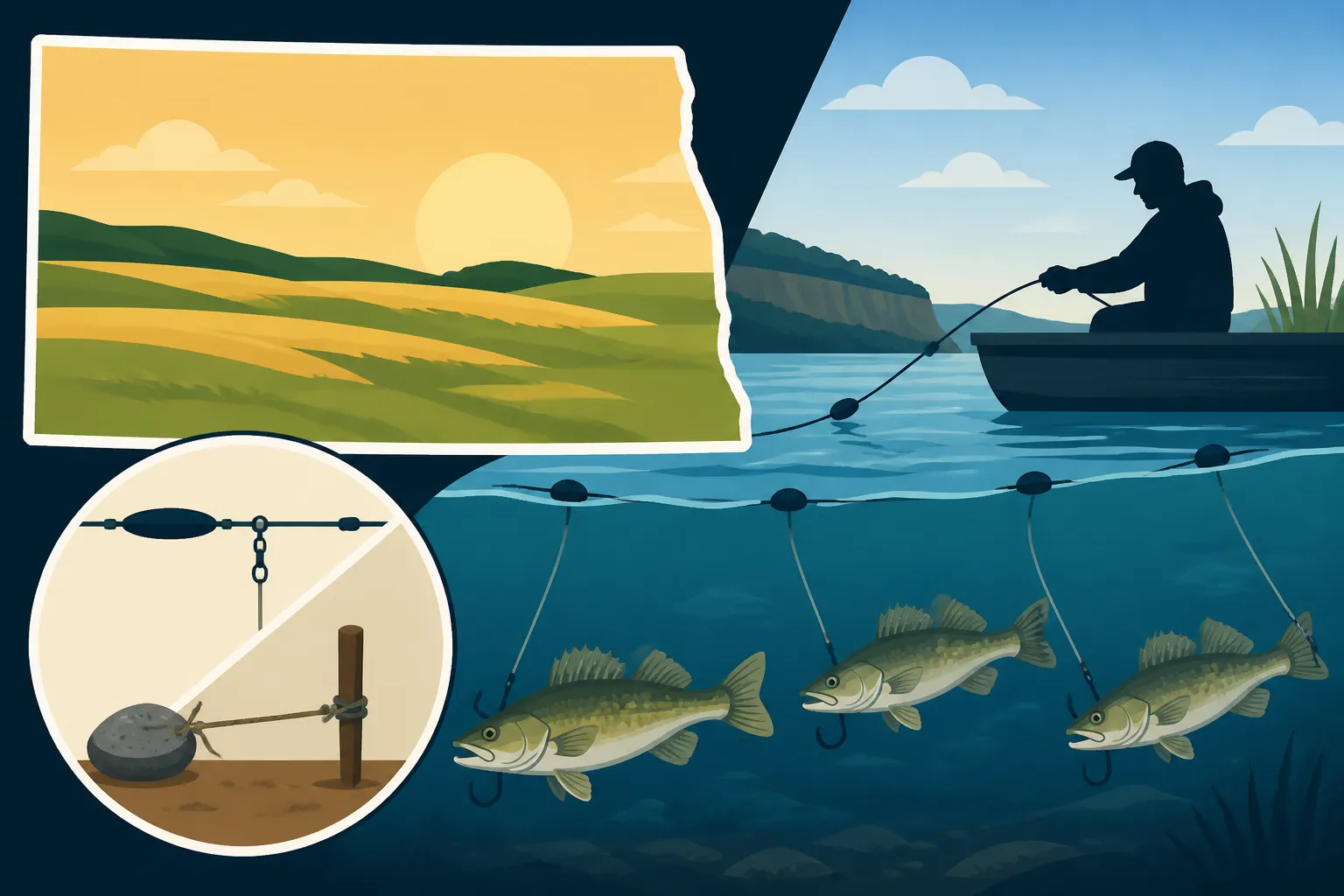
A setline is essentially a line that is set and left unattended for a period of time. Imagine a single heavy-duty fishing line, often secured to a sturdy object on the bank – like a tree or a stake – with a baited hook or multiple hooks extending into the water. The key characteristic here is its stationary nature and the fact that you aren't actively holding the rod or pole. These aren't typically cast and retrieved; they're deployed and left to do their work while you're away. Anglers often use strong monofilament or braided lines, sometimes with weights to keep the bait in a prime location on the bottom. You can find robust options for these on sites like Amazon, ensuring your line can withstand strong currents and larger fish.
A trotline, on the other hand, is a much more elaborate setup. Think of it as a main line stretched horizontally across a body of water or parallel to a bank, anchored at both ends. From this main line, shorter lines, called "dropper lines" or "snoods," extend downwards, each typically rigged with a baited hook. This allows an angler to present multiple baits over a wider area with a single primary setup. It’s like having several individual setlines connected to one main artery. The complexity of a trotline means you're dealing with more hooks, more line, and potentially a greater chance of catching fish, but also a greater responsibility in its deployment and management. Both setlines and trotlines are distinctly different from traditional rod and reel fishing, where you're actively casting, jigging, or trolling.
Why Anglers Use These Methods
So, why would an angler choose these methods over a more conventional rod and reel? There are several compelling reasons, usually tied to efficiency, target species, and the nature of the fishing environment.
Firstly, efficiency and coverage are huge factors. A trotline can deploy dozens of hooks across a wide stretch of water, dramatically increasing the chances of encountering a fish compared to a single rod and reel. This is especially advantageous when targeting fish that roam larger areas, or when you want to sample different depths or locations simultaneously. For setlines, it's about targeting a specific spot with a robust setup that can endure powerful bites without constant human intervention.
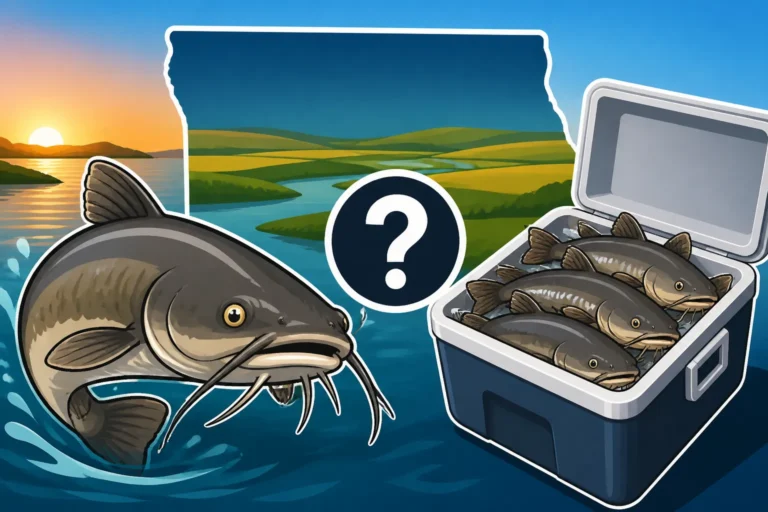
Secondly, these methods are often preferred for specific fish species, particularly those known for their size, strength, or nocturnal feeding habits. Think about the mighty channel catfish. A North Dakota Channel Catfish Fishing Guide will tell you these whiskered giants are often most active at night and possess incredible pulling power. A heavy-duty setline or trotline, rigged with hearty baits like cut bait or stink bait, can withstand their runs and allow anglers to target them effectively when they're not able to actively fish with a rod. Other species like carp, drum, or even large northern pike might also be targeted with these methods, as they often respond well to large, stationary baits.
Lastly, the passive nature of trotlines and setlines appeals to anglers who might be camping nearby, enjoying other activities, or simply preferring a "set it and forget it" approach to supplement their active fishing. It allows them to maximize their time on the water, effectively having multiple lines working while they attend to other fishing techniques, cook dinner at the campsite, or simply relax. However, this "unattended" aspect is precisely why regulations are so strict – to prevent indiscriminate harvesting, ghost fishing, and conflicts with other water users.
Navigating North Dakota's General Setline and Trotline Regulations
Understanding the basic legal framework for setlines and trotlines in North Dakota is absolutely non-negotiable. Without a clear grasp of these rules, you risk fines, confiscation of gear, and losing your fishing privileges. It’s vital to consult the official North Dakota Fishing Regulations Explained before you even think about deploying one of these setups.
Licensing Requirements and Ownership
Just like any other form of fishing in North Dakota, you absolutely need a valid fishing license to use setlines or trotlines. There's no special "trotline license," but your general North Dakota fishing license covers these methods, assuming you adhere to all other specific rules. If you're wondering, "Do You Need a Fishing License to Fish in North Dakota?", the answer is a resounding yes for almost all adult residents and nonresidents. You can find detailed information on obtaining one in our North Dakota Fishing License Guide or learn about the steps in How to Get a North Dakota Fishing License.
Beyond merely possessing a license, a crucial aspect of North Dakota's regulations regarding setlines and trotlines is the requirement for clear ownership identification. Every single setline and trotline you deploy must be clearly marked with your full name and current address, or your North Dakota Department of Game and Fish (NDGFD) customer ID number. This isn't just a suggestion; it's a hard and fast rule.
Why is this so important? Firstly, it helps game wardens enforce regulations and identify responsible parties. If a line is found violating rules, they know who to contact. Secondly, it prevents abandoned gear, which can become an environmental hazard or a snagging risk for other anglers and boaters. Imagine running your prop through an unmarked, lost trotline – it’s a dangerous situation that proper identification helps to prevent. So, when you're setting up your lines, ensure that your identifying information is waterproof, legible, and securely attached to the line at a visible point, such as on a buoy or a tag near the bank.
Marking and Identification Standards
Beyond just owner identification, North Dakota has specific standards for how your setlines and trotlines must be marked, ensuring visibility and safety for all users of the waterway. This isn't just about knowing who owns the line; it's about making sure others can see it and avoid it.
Any setline or trotline that is left unattended in the water must have a visible marker. For setlines, this usually means a clearly visible tag or float attached to the line where it enters the water or near its attachment point on the bank. For trotlines, this becomes even more critical because the line stretches across a wider area. Each end of a trotline, and any intermediate points where buoys are used, must be marked with a fluorescent orange, yellow, or lime green float or buoy. These markers need to be large enough to be easily spotted from a distance, especially by boaters. The exact size might not be explicitly stated for every scenario, but common sense dictates a buoy that is at least 6-8 inches in diameter or length for good visibility.
These bright, easily identifiable colors are chosen for a reason: they stand out against the water, whether it's the murky flow of the Missouri River or the clearer expanses of Lake Sakakawea. This marking system is essential for safety, alerting boaters, swimmers, and other anglers to the presence of submerged lines that could otherwise pose a hazard. Think about buying these floats – you can find a variety of durable, brightly colored options on Amazon that meet these visibility requirements, ensuring your lines are always well-marked. Improperly marked lines are a direct violation of regulations and can result in significant Penalties for Fishing Without a License in North Dakota, or for violating other fishing rules.
Permitted and Prohibited Fishing Locations
This is where the rules become very specific and regional. Not all waters in North Dakota are open to setline and trotline fishing. The NDGFD designates specific bodies of water where these methods are allowed, and equally important, where they are strictly prohibited. You cannot simply deploy a trotline wherever you please.
Generally, larger river systems and certain reservoirs are more likely to permit these methods. The Missouri River system and the Red River of the North are often prime candidates for trotline and setline fishing, especially for targeting catfish and other large bottom-dwelling species. However, even within these general areas, there can be specific stretches or sections where they are not allowed. For instance, areas immediately below dams, within spillways, or certain designated conservation areas might be off-limits to prevent interference with fish migrations or other sensitive ecosystems.
Conversely, many smaller lakes, ponds, and state park waters are typically closed to setline and trotline fishing. These smaller bodies of water often see higher recreational use, and a proliferation of unattended lines could quickly lead to safety issues, snagged swimmers, or conflicts with anglers using more active methods. Imagine trying to cast a lure on a small lake only to constantly snag other people's unattended lines; it would quickly become a frustrating and potentially dangerous situation. Always double-check the most current North Dakota Fishing Season Dates and Limits and regulations booklet for a definitive list of waters where setlines and trotlines are permitted or prohibited, as these rules can change seasonally or yearly. This is not a rule you want to guess about.
Specific Operational Rules and Restrictions
Beyond the general requirements, there are a host of highly specific rules governing how you can actually construct, deploy, and manage your trotlines and setlines in North Dakota. These details are critical for compliance and responsible angling.
Line and Hook Limits
North Dakota enforces strict limits on the number of lines and hooks you can use to prevent overharvesting and ensure fair chase. For setlines, an individual angler is typically allowed to use a maximum of four setlines. Each setline is limited to a single hook. This means you can have four individual lines, each with one baited hook, deployed at a time. This is a significant restriction compared to some other states, so make sure you're counting correctly.
For trotlines, the regulations are geared towards controlling the overall number of hooks. A single trotline can have up to 25 hooks attached. However, and this is a crucial distinction, the total aggregate number of hooks for all setlines and trotlines combined per angler cannot exceed 50. So, if you're running two trotlines with 25 hooks each, you've hit your 50-hook maximum and cannot deploy any individual setlines. This comprehensive limit ensures that even highly efficient methods like trotlines don't lead to excessive fishing pressure.
Furthermore, there are rules about the type of hooks allowed. All hooks used on setlines and trotlines must be single-pointed, barbless hooks. This is a critical conservation measure designed to minimize injury to fish that might be unintentionally caught and need to be released. Barbless hooks make it much easier to remove a hook with minimal harm to the fish, increasing its chances of survival. You can purchase barbless hooks, or simply crimp down the barbs on standard hooks with a pair of pliers, a common practice for many anglers in North Dakota to comply with regulations.
Attending Your Lines and Removal Requirements
The "unattended" nature of setlines and trotlines doesn't mean "abandoned." North Dakota regulations require that all setlines and trotlines be checked and emptied at least once every 24 hours. This rule is in place for several reasons. Firstly, it ensures that fish caught on the lines are harvested promptly, minimizing suffering and spoilage. Secondly, it allows anglers to remove any non-target species or undersized fish, again, maximizing their chances of survival when released. Leaving fish on a line for days is unethical and illegal.
Beyond checking your lines, there's a clear expectation for their removal. Once you are finished fishing with your setlines or trotlines, or if you will be away from the area for an extended period, you are required to remove all of your gear from the water. Abandoned fishing gear, often referred to as "ghost fishing" gear, continues to catch fish indiscriminately, leads to unnecessary waste, and can pose navigation hazards. It also contributes to aquatic litter and can be very dangerous for wildlife. This includes all lines, hooks, weights, and marker buoys. Leaving anything behind is a violation.
Think about the gear you use: heavy-duty line, anchors, floats. Many anglers buy these items from retailers like Amazon. It's an investment, and part of responsible ownership is making sure it's all accounted for and removed from the water when you're done. This diligence helps maintain clean waterways and ensures that North Dakota's fishing resources remain healthy for everyone.
Species-Specific Considerations
While setlines and trotlines are effective for certain fish, it's crucial to understand that not all species can be legally targeted with these methods, and catch limits still apply. The primary target for setlines and trotlines in North Dakota is often the North Dakota Channel Catfish Fishing Guide, especially in rivers like the Red River or the Missouri River. These species are robust, abundant in certain waters, and respond well to the stationary bait presentations.
However, you generally cannot specifically target certain game fish like walleye or northern pike with trotlines and setlines. While you might incidentally catch a walleye or pike, these species are primarily managed for active angling methods. If you do catch a species like a walleye or northern pike on a setline or trotline, you must immediately release it unharmed if it doesn't meet size or possession limits, or if it is a protected species. For instance, North Dakota has specific rules for walleye, detailed in our North Dakota Walleye Fishing Guide, and for northern pike, covered in our North Dakota Northern Pike Fishing Guide, that apply no matter how they are caught.
Furthermore, all general fish possession limits still apply. If you're allowed to keep four channel catfish per day, that's your limit, regardless of how many you catch on your trotline. It’s imperative to know the regulations for what fish species live in North Dakota lakes and rivers and their individual limits before you head out. These rules are designed to prevent overfishing and ensure sustainable populations of all fish species across the state.
Here's a quick summary table of key regulations for trotlines and setlines in North Dakota:
| Regulation Aspect | Setline Rules | Trotline Rules | General Rule |
|---|---|---|---|
| Number of Lines | Max 4 per angler | Max 25 hooks per trotline | Total aggregate hooks (all lines) cannot exceed 50. |
| Hooks Per Line | 1 single-pointed, barbless hook per line | All hooks must be single-pointed, barbless | Barbless hooks required to reduce fish mortality. |
| Identification | Each line must show full name and address OR NDGFD customer ID | Each line/buoy must show full name and address OR NDGFD customer ID | Essential for enforcement and safety. |
| Marking | Visible tag/float at entry point | Fluorescent orange, yellow, or lime green buoys at each end and intermediate points | Ensures visibility for boaters and other anglers. |
| Check Frequency | At least once every 24 hours | At least once every 24 hours | Minimizes fish suffering and spoilage. |
| Removal | All gear must be removed when fishing concludes | All gear must be removed when fishing concludes | Prevents ghost fishing and hazards. |
| Permitted Waters | Specific waters only (check current regulations) | Specific waters only (check current regulations) | Many smaller lakes/ponds are typically prohibited. |
| Target Species | Primarily catfish, carp, drum | Primarily catfish, carp, drum | Incidental catch of game fish must follow specific rules. |
Responsible Practices and Safety Tips
Using trotlines and setlines demands more than just adherence to the law; it requires a strong sense of responsibility, ethical angling, and consideration for other waterway users and the environment.
Environmental Stewardship and Preventing Lost Gear
One of the biggest concerns with passive fishing methods is the potential for lost gear to become environmental hazards. A lost trotline, with its numerous hooks, can continue to "ghost fish" for weeks, months, or even years, indiscriminately catching and killing fish and other aquatic wildlife. This is not only wasteful but also incredibly detrimental to the ecosystem.
To prevent lost gear, always use robust, high-quality line and anchors. Investing in good quality rope and line from reputable sources, perhaps even something durable you found on Amazon, will pay off in the long run by reducing breakages. Securely anchor your trotlines to sturdy, immovable objects on the bank or substantial weights on the bottom. When using buoys, ensure they are firmly attached and can withstand currents and potential bumps from passing boats. Before deploying, carefully inspect all knots and connections. Regularly check your lines as required, not just for fish, but also for any signs of wear, fraying, or potential points of failure. If you notice damage, repair or replace the section immediately.
Beyond preventing loss, consider the type of bait you use. While Best Bait for North Dakota Fishing often includes live minnows or cut bait, be mindful of local bait regulations and the potential introduction of invasive species. Always use legal and appropriate baits, and never release unused live bait into a different body of water.
Avoiding Conflicts with Other Anglers and Boaters
North Dakota's waterways are shared spaces, and proper setline and trotline usage is crucial for harmonious coexistence with other anglers, boaters, and recreational users.
Visibility is paramount. Your brightly colored buoys aren't just for regulatory compliance; they are a vital safety measure. Ensure your markers are visible from all directions and stand proud enough out of the water to be seen by boaters, especially at dusk or dawn. Remember that boaters might not expect lines stretched across or along the water, so clear marking is your first line of defense against accidents. If you're fishing in a high-traffic area, consider whether setlines and trotlines are truly the best method, or if a more active, attended approach would be safer and more courteous to others.
Respect other anglers' space. Avoid setting your lines in popular casting areas, near boat ramps, or in channels commonly used by other fishermen. Picture trying to jig for walleye or cast for northern pike only to repeatedly snag an unmarked setline – it's frustrating and can lead to confrontation. Maintaining adequate distance from other anglers is not just good etiquette; it helps prevent tangles, arguments, and ensures everyone can enjoy their time on the water.
Communication helps. If you're setting a long trotline, especially in a river, and you see other boaters or anglers approaching, a friendly wave or a shout to alert them to your line's presence can go a long way in preventing an accident and fostering good relationships on the water. Ultimately, responsible setline and trotline fishing in North Dakota means being a good steward of both the resource and the shared outdoor experience.
Disclaimer
The information provided in this guide is intended for general informational purposes only and does not constitute legal advice. Fishing regulations in North Dakota can change, and it is the angler's sole responsibility to consult the most current official North Dakota Game and Fish Department (NDGFD) regulations and proclamations before engaging in any fishing activities. Compliance with all federal, state, and local laws and regulations is mandatory.