How Many Lines Can You Fish With in North Dakota?
It's incredibly frustrating when you're out on the water, eager to drop a line, and you suddenly second-guess yourself about how many rods you can actually have in the water. North Dakota fishing regulations can sometimes feel like a labyrinth, especially when you hear different rules for open water versus ice fishing, or even specific lakes. This guide is here to clear up that confusion, diving deep into North Dakota's fishing line limits so you can fish confidently and legally, making the most of your time on our beautiful lakes and rivers.
Understanding North Dakota's General Fishing Line Regulations
Let's cut right to the chase, because nobody wants to accidentally break a rule when they're just trying to relax and catch some fish. North Dakota has clear guidelines regarding the number of lines an angler can legally use, but these often change depending on the season and specific type of fishing you're doing. It’s not just about what you think makes sense; it’s about understanding the specific rules set by the North Dakota Game and Fish Department (NDGFD).
The Standard Two-Line Rule for Open Water
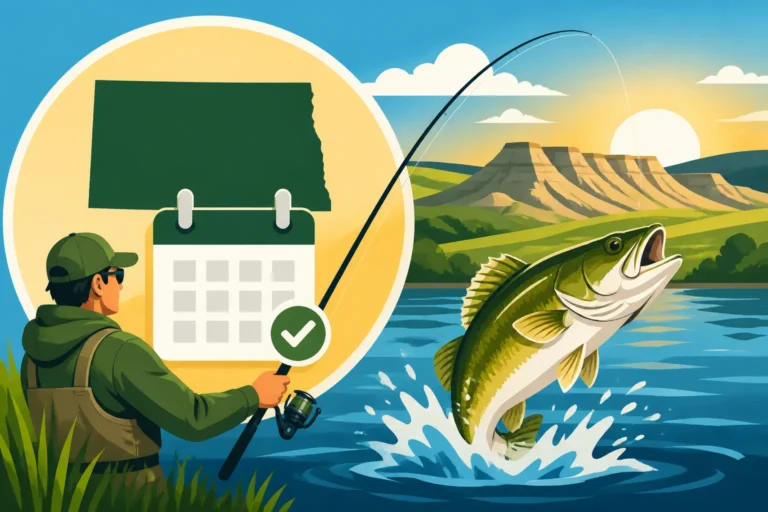
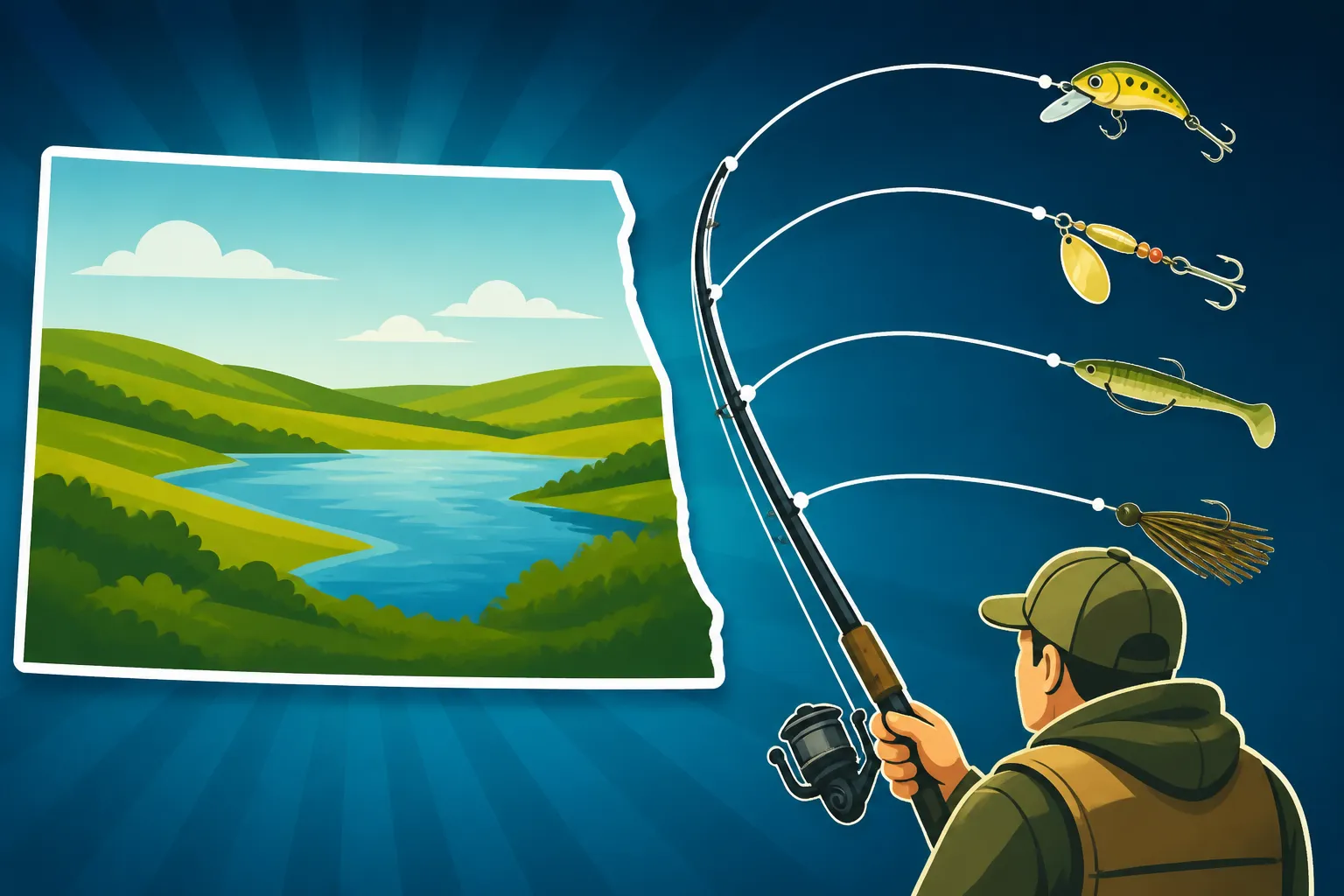
For most of us who enjoy traditional open water fishing – think spring, summer, and fall, whether you're casting from a boat, off a dock, or from the shore – the standard regulation across North Dakota is that you can fish with a maximum of two lines. This means two rods and reels, two handlines, or any combination thereof, as long as you don't exceed that pair.
This rule is designed with a few things in mind. Primarily, it's about fair chase and resource management. With only two lines, you're actively monitoring your gear, increasing the sporting challenge, and reducing the likelihood of "lazy" fishing where too many lines could lead to incidental catches or lost gear. Imagine someone trying to manage ten lines by themselves; it would be nearly impossible to respond quickly to a bite or untangle a snag. This regulation helps maintain a level playing field for all anglers and protects our precious fish populations from being over-harvested by a single individual. For a more comprehensive look at all the rules, check out our guide on North Dakota Fishing Regulations Explained.
What exactly counts as a "line"? Generally, if it has a hook and bait or a lure attached and is actively fishing, it’s considered a line. So, if you're holding one rod and have another rigged with bait in a rod holder, that's two lines. If you're experimenting with different baits, say one with a minnow under a bobber and another casting a crankbait, that's perfectly fine as long as you stick to your two-line limit. It's a fundamental aspect of the North Dakota Fishing License Guide that every angler should know before heading out.
Special Considerations for Ice Fishing
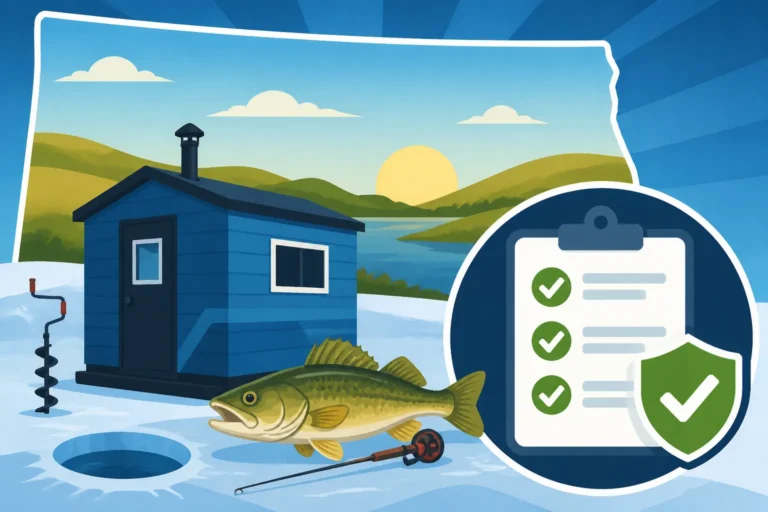
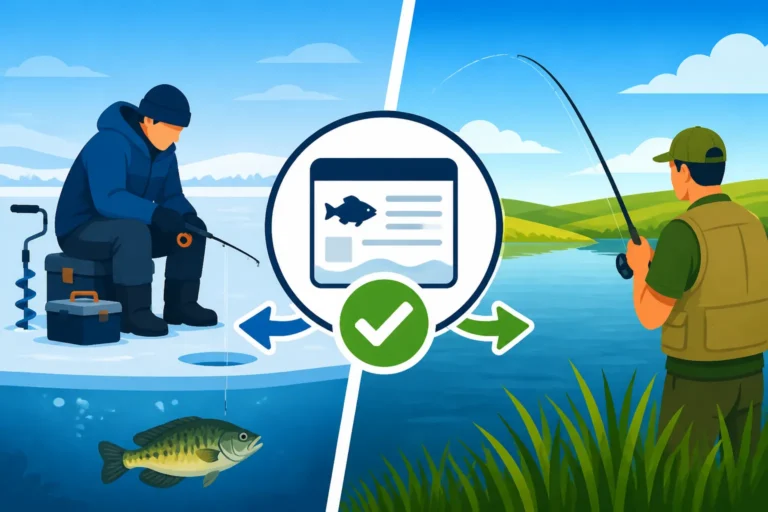
Now, here's where things get a little different and often cause confusion for folks new to North Dakota's fantastic hardwater opportunities. When the lakes freeze over and we switch to ice fishing, the rules allow for more flexibility. For ice fishing in North Dakota, you are generally allowed to use up to four lines.
This increased limit for ice fishing makes a lot of sense when you consider the nature of the sport. Unlike open water fishing where you're often moving around, casting, or trolling, ice fishing is typically a much more static activity. You're set up over a hole, or several holes, in one spot, often inside an ice shelter, enduring the elements. Having multiple lines allows you to cover different depths, experiment with various baits simultaneously, or target multiple species without constantly resetting your primary setup.
Many ice anglers will use a combination of jigging rods and tip-ups. A jigging rod is one you actively hold and work, typically with a small lure or bait. Tip-ups, on the other hand, are passive devices designed to alert you when a fish takes the bait, usually by flagging. Each jigging rod and each tip-up counts as one of your four lines. So, you could run two jigging rods and two tip-ups, or four tip-ups, or four jigging rods – whatever combination works best for your strategy, as long as you don't exceed four. For specific tips and tricks, our article on How to Ice Fish in North Dakota goes into much greater detail.
It's important to remember that all lines must be under the immediate control and observation of the angler. This means you can't just set four tip-ups and walk away for an hour to visit a friend's shanty a quarter-mile down the lake. You need to be close enough to tend to your lines promptly if a flag goes up or if you get a bite. This ensures responsible angling and helps prevent lost fish or abandoned gear.
Here's a quick reference table to summarize the general line limits:
| Fishing Season/Method | Maximum Number of Lines | Common Scenarios |
|---|---|---|
| Open Water Fishing | 2 | Boat, shore, dock, casting, trolling |
| Ice Fishing | 4 | Ice shanty, open ice, using jigging rods and/or tip-ups |
| Paddlefish Snagging | 1 (plus specific tag) | Missouri River System; requires a special tag and specific gear |
| Bowfishing | N/A (archery equipment) | Legal for certain rough fish, no "lines" in traditional sense |
| Spearfishing | N/A (spear equipment) | Legal for certain species, no "lines" in traditional sense |
Exceptions and Specific Water Body Rules
While the two-line and four-line rules cover the vast majority of fishing scenarios in North Dakota, it's crucial to understand that there are always nuances and exceptions. North Dakota has a diverse aquatic landscape, and certain bodies of water or specialized fishing methods come with their own unique set of regulations, sometimes affecting line limits. Staying informed about these specific situations is key to a hassle-free fishing trip.
Designated Water Bodies with Different Limits
Sometimes, a specific lake or river might have regulations that differ from the statewide norm. This is often due to unique ecological considerations, fish management goals for that particular body of water, or interstate agreements for border waters. For instance, the Red River of the North, which forms part of North Dakota's eastern border with Minnesota, often operates under reciprocal fishing agreements. This means that if you have a valid fishing license from either North Dakota or Minnesota, you can fish the border waters of the Red River, but the line limits might align with specific reciprocal rules. Our detailed guide on Reciprocal Fishing Rules on the Red River Border Waters provides all the necessary information for fishing these unique areas. Generally, for the Red River, a single licensed angler is allowed two lines year-round, regardless of state license, but it's always best to double-check the latest proclamation.
Other localized exceptions can arise, though they are less common for general line limits and more for species-specific regulations. These are typically highlighted prominently in the annual fishing proclamation. For example, some smaller, managed ponds might have specific "kid-friendly" rules, but these rarely impact line counts for licensed adults. The key takeaway here is: if you're fishing a well-known, large body of water or one that borders another state, always take an extra minute to review the specific regulations for that location in the current North Dakota Fishing Regulations Explained guide.
Specialized Fishing Methods and Gear Restrictions
Beyond standard rod-and-reel fishing, North Dakota permits several specialized fishing methods, each with its own set of rules that often dictate what counts as a "line" or how many pieces of gear you can use.
One significant example is paddlefish snagging. This is a unique and exciting fishery that occurs in specific areas of the Missouri River system. For paddlefish snagging, you are restricted to one single line with a specific type of hook (barbless treble hooks are often required, and only one may be used). This method is highly regulated and also requires a special paddlefish tag in addition to your regular fishing license. It's a very different approach from traditional angling, and the rules are very strict to manage this unique species. You can learn more about this in our article on North Dakota Snagging Regulations for Paddlefish.
Bowfishing and spearfishing are other examples where the concept of "lines" doesn't quite apply in the same way. These methods use archery equipment or spears to harvest certain species of rough fish (like carp, buffalo, or suckers) or specific game fish during designated seasons. While you might use multiple arrows or spears over the course of a day, you're generally using one piece of equipment at a time to actively target fish, so the traditional "line limit" isn't a direct concern. However, specific rules on permissible species, locations, and times definitely apply, so always check the current proclamation.
Another point of consideration, though less about "lines" and more about overall gear, are things like trotlines or setlines. North Dakota regulations strictly prohibit the use of trotlines, setlines, or unattended fishing devices, except for properly marked and regulated tip-ups during ice fishing season. This reinforces the idea that an angler must be in direct control and observation of their fishing efforts, preventing passive fishing that could lead to wasted fish or unnecessary entanglement. Always remember, if you're not actively attending to it, it likely falls outside the permissible methods.
Why These Regulations Matter and How to Stay Compliant
Understanding North Dakota's fishing line limits isn't just about avoiding a ticket; it's about being a responsible steward of our natural resources and ensuring that future generations can enjoy the same incredible fishing opportunities we have today. These regulations are designed with thoughtful consideration for the delicate balance of our aquatic ecosystems and the overall health of our fisheries.
The Importance of Conservation and Fair Play
The two-line (open water) and four-line (ice fishing) rules are cornerstones of sustainable fishing practices in North Dakota. Think about it: if there were no limits on lines, an individual could theoretically deploy a massive array of hooks, significantly increasing their chances of catching fish. While that might sound appealing in the short term, it would quickly lead to overharvesting, particularly of popular species like walleye, northern pike, and yellow perch. Overfishing depletes populations, reduces the average size of fish, and can even alter the genetic makeup of a fishery over time.
These regulations foster a sense of fair play among anglers. Everyone is operating under the same set of rules, ensuring that no single person gains an unfair advantage simply by deploying more gear. It keeps the "sport" in sport fishing, emphasizing skill, knowledge, and patience rather than just sheer volume of lines. For those interested in the bigger picture, knowing the full North Dakota Fishing Season Dates and Limits provides context for these individual rules.
Furthermore, these limits encourage active participation and responsible angling. When you have fewer lines to manage, you're more likely to be attentive to each one. This means quicker responses to bites, reducing the chances of fish swallowing hooks deeply or becoming stressed on the line for extended periods. It also makes it easier to practice catch-and-release effectively, handling fish with care if you intend to let them go. Ultimately, these rules contribute directly to maintaining healthy, vibrant fish populations, which is something every angler should champion.
How to Easily Check Current Regulations and Avoid Penalties
The best way to stay compliant and avoid any unintended mishaps is to make it a habit to check the current fishing regulations before every season or if you're visiting a new body of water. The North Dakota Game and Fish Department (NDGFD) is your primary and most reliable source of information.
- The Official Proclamation: Every two years, the NDGFD publishes a comprehensive fishing proclamation, which details all the current rules, limits, and special considerations. This is the official document, and it's readily available. You can usually pick up a physical copy wherever fishing licenses are sold (like at local bait shops, sporting goods stores, or even some larger retailers such as Amazon for a digital printout if you prefer). Even better, you can find the complete proclamation online directly on the NDGFD website. Our guide on Where to Find the North Dakota Fishing Proclamation offers direct links and advice.
- NDGFD Website and Mobile App: The NDGFD website is a fantastic resource, offering up-to-date information, news releases, and digital versions of all regulations. They also have a mobile app that many anglers find incredibly useful. It often includes an interactive map, license purchasing options, and, crucially, access to the current regulations right on your phone. It's a must-have for any serious North Dakota angler, especially when you're out on the lake and need a quick reference.
- Local Knowledge: While official sources are paramount, don't underestimate the value of local bait shops or experienced anglers. They can often provide practical insights into how regulations apply to specific local spots, but always verify with official sources.
Ignoring or misunderstanding regulations can lead to unpleasant consequences. If you're caught fishing with more lines than allowed, you could face fines, confiscation of your fishing gear, and even the suspension of your fishing license. Our article on Penalties for Fishing Without a License in North Dakota covers the broader implications of non-compliance, but even minor infractions like extra lines are taken seriously. It's simply not worth the risk. Make it a routine to review the regulations – it's a small investment of time that pays off in peace of mind and enjoyable fishing trips.
Practical Tips for Managing Your Lines
Now that we've covered the rules, let's talk practicalities. Whether you're limited to two lines or enjoying the four-line freedom of ice fishing, effectively managing your gear is crucial for success and enjoyment. It's not just about how many lines you can use, but how smartly you use them.
Choosing the Right Setup for Your Fishing Style
Even with a limited number of lines, you have a ton of flexibility to tailor your setup to your fishing goals. The key is to think about what you're targeting and what conditions you're facing.
For open water fishing with two lines, consider these strategies:
- Target Diversity: If you're after walleye but suspect some big northern pike might be around, you could rig one rod specifically for walleye (e.g., a slip bobber with a leech or a jigging rap) and your second rod with a larger, pike-resistant setup (e.g., a heavy spinnerbait or a larger spoon) that might also tempt an aggressive walleye. This maximizes your chances without exceeding your limit.
- Bait vs. Lure: A common approach is to have one rod rigged with live bait, letting nature do some of the work, and the other with an artificial lure that you actively work. This gives you two different presentations simultaneously.
- Depth Control: If you're fishing a varied bottom, one line could target deeper structure with a bottom bouncer or a jig, while the other could explore shallower depths with a crankbait or spinnerbait.
- Trolling vs. Casting: When trolling, two lines are perfectly manageable, allowing you to run different lures or depths. When casting from shore or a boat, two active rods can feel like a lot to manage, but it's still doable with practice.
For ice fishing with four lines, the possibilities expand significantly:
- Hole Hopping & Stationary: You might have one or two rods for active jigging, moving from hole to hole if fish aren't biting in one spot, while setting up two or three tip-ups to cover a wider area and depths with dead bait. This is a classic North Dakota strategy, especially for walleye and pike.
- Species Specific: If you're on Devils Lake, you might dedicate two lines to chasing jumbo yellow perch with small jigs and wax worms, and the other two lines with larger setups (like a shiner on a tip-up) hoping for a bonus walleye or pike.
- Depth Stratification: Since fish often suspend at different depths, having four lines allows you to set baits at various levels from the bottom to mid-column, helping you quickly locate where the fish are holding. This is particularly effective in large, deep lakes. Our guide on Best Ice Fishing Gear for North Dakota offers more on setting up for success.
Gear Organization and Efficiency
Managing multiple lines, especially in the often-tight confines of an ice shanty or a busy boat, requires good organization.
- Rod Holders: Invest in good rod holders. For open water, these can be mounted on your boat or even simple spike holders for shore fishing. For ice fishing, specific ice rod holders keep your jigging rods upright and out of the slush, preventing tangles. You can find a wide variety of reliable options on Amazon that cater to different setups and budgets.
- Tackle Management: Keep your tackle organized. Dedicated tackle boxes or bags for different species or lure types can save you precious fishing time. If you’re constantly retying, a well-organized box with easy access to leader material, hooks, and weights is invaluable. Many anglers even pre-tie leaders for quick changes.
- Line Choice: Consider using different types or colors of fishing line for different setups if it helps you keep track, especially with multiple lines in the water. For example, a high-visibility braided line on your active jigging rod and a less conspicuous monofilament on your passive bait rod.
- Proximity: Always try to keep your lines in close proximity so you can easily monitor and react to them. This is especially important for ice fishing when you have four lines, as you need to be able to see a tip-up flag or feel a bite on your jigging rod almost instantly. Don't spread your lines so far apart that you can't tend to them responsibly.
- Storage Solutions: For ice fishing, a good sled or a portable ice fishing shelter that has built-in rod storage will do wonders for keeping rods untangled when moving spots or when not actively in use. Many popular brands offer thoughtful designs for storing multiple rods safely.
By thinking strategically about your setup and staying organized, you can effectively utilize the legal number of lines in North Dakota, enhancing your chances of success and making your fishing experience more enjoyable and less prone to frustrating tangles.
Disclaimer
The information provided in this article is for general guidance only and is based on current North Dakota fishing regulations. Fishing regulations are subject to change, and it is the angler's responsibility to consult the most current North Dakota Game and Fish Department (NDGFD) official proclamation before engaging in any fishing activities. Compliance with all state and federal laws is mandatory.