Is There a Walleye Length Limit in North Dakota?
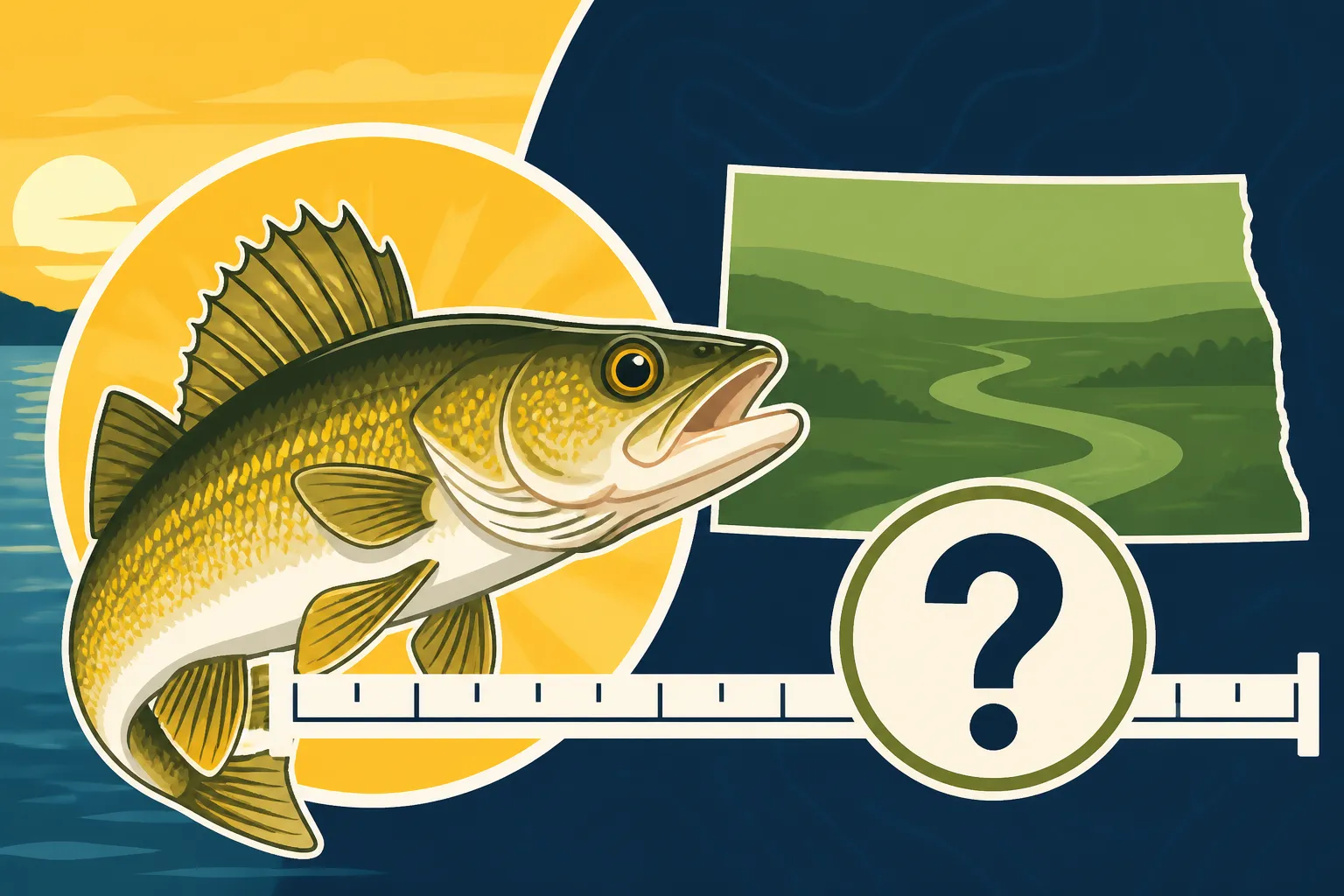
Navigating the ever-changing world of fishing regulations can feel like trying to untangle a particularly stubborn bird's nest – confusing, frustrating, and sometimes you just want to give up! Many of us hit the water, especially for North Dakota's prized walleye, and wonder, "Is there even a walleye length limit in North Dakota?" It's a valid question because these rules aren't always a simple, one-size-fits-all answer. This guide is here to untangle that knot, offering a clear, comprehensive look at walleye length limits across North Dakota, why they exist, and how you can stay on the right side of the law while enjoying our incredible fisheries.
Understanding North Dakota Walleye Regulations
When it comes to walleye fishing in North Dakota, you might think it's as simple as catching a fish and putting it in your livewell. But the reality is a bit more nuanced. The North Dakota Game and Fish Department (NDGFD) implements specific regulations to manage fish populations, ensuring healthy fisheries for generations to come. These rules can vary, which is where the confusion often sets in.
Statewide Walleye Length Limits
For much of North Dakota, you'll find a general statewide walleye length limit in place, but it's crucial to understand that "general" doesn't always mean universal. Typically, the statewide rule often focuses on a daily creel limit (how many fish you can keep) and sometimes a possession limit (how many you can have in your possession at any given time, including at home). However, what often surprises anglers is that a minimum length limit isn't always the primary regulation statewide for walleye. Instead, the focus often shifts to specific waters to implement "protected slot limits" or "maximum length limits."
The philosophy behind these regulations is rooted in sound fisheries management. For instance, sometimes there's a desire to protect a certain size class of fish – usually the medium-sized, actively spawning fish – to ensure they continue to reproduce and contribute to the population. If there's no specific minimum length for a given body of water, it usually means the NDGFD isn't seeing a biological need to protect smaller fish, or they might be trying to encourage anglers to harvest smaller, more abundant fish to reduce competition for food and allow the remaining fish to grow larger. It’s all about balancing angler harvest with the long-term health of the walleye population. Getting familiar with these general guidelines is the first step in understanding the broader picture of North Dakota Fishing Regulations Explained.
Specific Lake and River Walleye Length Restrictions
Now, this is where it gets really important to pay close attention. While there might not always be a strict minimum statewide length limit for walleye, many of North Dakota's most popular walleye fishing destinations, like the legendary Lake Sakakawea, Devils Lake, and sections of the Missouri River System, do have very specific length restrictions. These are known as "special regulations" and they are put in place because each body of water is unique. Factors like water depth, forage base, fishing pressure, and natural reproduction rates all influence how the walleye population behaves and what kind of management it needs.
Let's take Lake Sakakawea, for example. In recent years, anglers on Lake Sakakawea have often encountered a protected slot limit. This means you can keep walleye under a certain length, and walleye over a certain length, but any walleye that falls within the "slot" (e.g., between 20 and 28 inches) must be immediately released. This is a common tactic to protect larger, prime breeding fish, allowing them to grow to trophy size and continue to spawn, ensuring a robust population for the future. Similarly, Devils Lake might have its own unique set of rules that could include different daily creel limits or even a different protected slot, depending on the most recent surveys and management goals. The Missouri River System, particularly below Garrison Dam, could also have distinct regulations to manage its unique walleye fishery. Understanding these localized rules is paramount before you cast a line, especially if you're targeting those bigger fish, which are covered in more detail in our North Dakota Walleye Size Limit Rules guide.
These specific regulations are often highlighted in the annual fishing proclamation, and it's your responsibility as an angler to know them for the water you're fishing. They're not there to make things difficult; they're there to help sustain the incredible North Dakota Walleye Fishing Guide we all love.
How to Navigate Walleye Length Limits in Practice
Understanding the rules on paper is one thing, but applying them accurately out on the water is another. There's nothing worse than the feeling of uncertainty when you land a beautiful walleye and aren't sure if it's a keeper. A little preparation and knowledge can save you a lot of headache and potential fines.
Measuring Your Walleye Accurately
When the rules specify a length, precision is key. A few inches, or even a fraction of an inch, can make all the difference between a legal fish and one you need to release. The standard practice for measuring fish in North Dakota, and most places, is to measure from the tip of the snout (with the mouth closed) to the very end of the tail (with the tail pinched together to get the maximum length). This "total length" measurement is consistent and leaves little room for ambiguity.
Here’s a quick step-by-step to ensure you’re doing it right every time:
- Get Your Measuring Device Ready: Have a bump board or a soft tape measure easily accessible. Many boats have permanent measuring decals, or you can find high-quality bump boards on sites like Amazon that easily attach to your cooler or boat deck.
- Handle the Fish Carefully: If it’s a possible release, minimize handling. Use wet hands or a wet towel to protect its slime coat.
- Lay it Flat: Place the fish flat on your measuring device. The snout should be flush against the "bump" or starting point of the tape.
- Close the Mouth: Gently close the fish’s mouth so the snout is at its longest point.
- Pinch the Tail: Gently squeeze the tail fin lobes together to get the maximum length. This is crucial as a natural tail can look shorter.
- Read the Measurement: Take a clear, accurate reading. If there's any doubt, always err on the side of caution and release the fish.
Common mistakes include not closing the mouth, not pinching the tail, or measuring diagonally. All of these can lead to an inaccurate measurement, potentially putting you in violation of the rules. Always have a reliable measuring device on hand; you can find sturdy, boat-friendly options on Amazon if you don't already have one.
What to Do With Under-Sized or Over-Sized Walleye
So, you’ve reeled in a walleye, measured it, and it falls outside the legal harvest limits – maybe it's too small, or it falls into a protected slot. What now? The answer is immediate, careful catch-and-release. The goal here is to maximize the fish’s chances of survival so it can continue to grow and contribute to the fishery.
Here are some best practices for catch-and-release, especially for walleye that might be stressed from the fight:
- Minimize Air Exposure: Walleye are robust, but prolonged air exposure can be detrimental. Get them back in the water as quickly as possible.
- Use Proper Tools: A good pair of long-nosed pliers can help remove hooks quickly and safely, especially if the fish has swallowed the bait. A de-hooker is even better for deeper hooks.
- Support the Fish: When handling, support the fish horizontally. Avoid holding it by the jaw vertically, as this can damage its internal organs.
- Revive If Necessary: If the fish seems sluggish, hold it gently in the water, facing into the current (if any), until it regains its strength and swims off on its own.
- Barbless Hooks: Consider using barbless hooks or pinching down barbs on your lures. This makes hook removal much easier and less damaging to the fish.
Ignoring length limits, even accidentally, can lead to serious consequences. Penalties for fishing without a license or keeping fish outside the legal limits can range from fines to loss of fishing privileges. Game wardens take these regulations very seriously because they are vital for the health of our fisheries. Always double-check the current North Dakota Fishing Season Dates and Limits before heading out.
Why Walleye Length Limits Matter for North Dakota Fishing
It’s easy to view regulations as just more red tape, but trust me, these rules are put in place for very important reasons. They're not arbitrary; they are the backbone of sustainable fishing and help create the incredible angling opportunities we cherish in North Dakota.
Conservation and Sustainable Fishing
At its core, a walleye length limit is a conservation tool. Imagine if everyone kept every walleye they caught, regardless of size. The population wouldn't stand a chance! Length limits, especially protected slots, directly contribute to the sustainability of the fishery by:
- Protecting Spawning Stock: By protecting fish within a certain size range, especially those in their prime reproductive years, we ensure that there are enough mature walleye to spawn each year, replenishing the population. This is crucial for lakes like Lake Sakakawea Fishing Guide for North Dakota Anglers where walleye are highly sought after.
- Allowing Fish to Grow: Minimum length limits allow smaller fish to mature, grow larger, and spawn at least once before being harvested. This helps to ensure genetic diversity and strong year classes.
- Balancing the Ecosystem: When fish populations are out of balance, it can affect the entire aquatic ecosystem. Length limits help maintain a healthy balance between predator and prey species.
These regulations are a testament to the NDGFD's commitment to ensuring that our kids and grandkids can experience the same joy of catching walleye that we do today. It's a long-term investment in our natural resources.
Managing for Quality and Trophy Walleye
Beyond just ensuring survival, length limits are also strategically used to cultivate quality fisheries. For many anglers, the dream isn’t just to catch a walleye, but to catch a big walleye, a true trophy. Length limits can play a significant role in making that dream a reality.
For instance, a protected slot limit (like keeping fish under 20 inches and over 28 inches, but releasing those in between) directly encourages the growth of larger fish. By releasing the middle-sized fish, they get a chance to grow into those coveted "over-slot" trophy sizes. This management strategy can transform a fishery, allowing lakes to produce more consistently large walleye. Places like Devils Lake Fishing Guide for North Dakota Anglers have seen the benefits of targeted management, leading to its reputation for producing not just numbers, but also some seriously impressive walleye.
Ultimately, these regulations are designed to enhance your fishing experience. They create opportunities for those memorable, wall-hanger fish that anglers chase, making North Dakota a premier destination for walleye fishing.
Staying Up-to-Date with North Dakota Fishing Proclamations
Regulations aren't static. Fish populations change, environmental conditions shift, and fishing pressure evolves. This means the rules can and do change from year to year, or even within a season for certain specific situations. Assuming last year's rules are this year's rules is a common mistake that can lead to problems.
Where to Find the Latest Regulations
Your absolute best source for current and accurate walleye length limits, along with all other fishing rules in North Dakota, is the North Dakota Game and Fish Department. They are the official authority, and their information is always the most up-to-date.
Here’s where you can get the information:
- NDGFD Website: The department's official website (gf.nd.gov) is a treasure trove of information. You can usually find a direct link to the current fishing proclamation or guide. This is often available as a downloadable PDF, making it easy to save to your phone or tablet for quick reference on the water.
- Printed Fishing Guide: Every year, the NDGFD publishes a physical fishing guide. These are free and can be picked up at most bait shops, sporting goods stores (like Scheels or Cabela's), and licensing agents across the state. This is a great resource to keep in your boat or tackle box.
- Mobile Apps: Some states, including North Dakota, offer mobile applications that integrate fishing regulations and licensing information. Check the NDGFD website for official app recommendations. These can be incredibly handy for checking rules on the fly.
- Licensing Agents: When you buy your North Dakota Fishing License Guide, whether online or in person, the vendor usually has access to or provides a copy of the current regulations.
Make it a habit to review the North Dakota Fishing Proclamation at the beginning of each fishing season, and ideally, before you head out to a new body of water or if it's been a while since you last checked.
Common Changes and Why They Occur
It can be a bit frustrating when the rules change, but there are always good reasons behind it. The NDGFD continually monitors fish populations through surveys, netting, and creel census programs. They gather data on fish health, abundance, growth rates, and angler harvest.
Here are some common reasons why walleye length limits and other regulations might be adjusted:
- Population Booms or Busts: If a particular year class of walleye is exceptionally strong, or conversely, exceptionally weak, regulations might be adjusted to either encourage harvest (to thin out an overpopulated class) or protect a struggling one.
- Environmental Factors: Changes in water levels (like on Lake Sakakawea Water Level Right Now), habitat degradation, or impacts from invasive species can all necessitate changes in management strategies, including length limits.
- Forage Base Shifts: The availability of baitfish can directly impact how walleye grow. If the forage base declines, walleye growth might slow, prompting managers to adjust limits to allow fish more time to grow.
- Angler Input: While data-driven, the NDGFD also considers feedback from anglers and local communities. Public meetings and surveys can influence management decisions.
- Interstate Agreements: For border waters like the Red River or the Missouri River System, regulations might need to be coordinated with neighboring states (Minnesota and South Dakota) to ensure consistent management. This is also covered under Fishing License Age Requirements in North Dakota.
These changes are always made with the best intentions for the fishery. While it requires a little extra effort on your part to stay informed, it's a small price to pay for the incredible walleye fishing opportunities we enjoy in North Dakota.
Walleye Length Limits at a Glance (Selected Waters)
Remember, these are examples and regulations can change. Always consult the most current North Dakota Fishing Proclamation.
| Water Body / Region | Typical Walleye Length Regulation (Example) | Rationale |
|---|---|---|
| Statewide (General) | Often a daily creel limit (e.g., 5 fish), but no minimum length limit for most waters unless specified. | Allows for general harvest, manages overall take, assumes natural population balance in unmanaged waters. |
| Lake Sakakawea | Protected slot limit (e.g., all walleye between 20 and 28 inches must be released). Daily creel limit and one fish over 28 inches allowed. | Protects prime spawning-aged fish, promotes growth to trophy sizes, manages a historically robust fishery. |
| Devils Lake | Daily creel limit (e.g., 5 walleye), often no specific length limit (but always check current regs). | Focus on managing a prolific fishery with high reproduction rates and diverse forage, encouraging harvest of abundant fish. |
| Missouri River System | May have specific daily limits and occasionally a protected slot or maximum length limit in certain sections (e.g., below Garrison Dam). | Manages a riverine walleye population affected by current, dam operations, and varying habitat. |
| Red River of the North | Often reciprocal rules with Minnesota, typically a daily creel limit with no length restrictions. | Shared fishery with a strong population, emphasis on daily harvest within limits. |
Note: The specific numbers for length limits (e.g., 20-28 inches) are illustrative examples. Always check the current year's North Dakota Game and Fish Department Fishing Proclamation for exact, up-to-date regulations.
Disclaimer
The information provided in this guide is intended for general informational purposes only and is based on typical North Dakota fishing regulations. Fishing regulations, including walleye length limits, are subject to change by the North Dakota Game and Fish Department (NDGFD). It is the angler's sole responsibility to consult the official, most current North Dakota Fishing Proclamation or contact the NDGFD directly before engaging in any fishing activities. Failure to comply with current regulations can result in penalties.