North Dakota Free Fishing Days
Have you ever stood by the shore of a beautiful North Dakota lake or river, watching anglers reel in fish, and felt a pang of curiosity? Maybe you’ve wanted to try fishing yourself, but the thought of navigating licensing requirements or the initial investment in gear felt a little daunting. You’re certainly not alone in that feeling! This comprehensive guide is here to shed light on North Dakota's incredible Free Fishing Days, making it easier than ever for aspiring anglers and seasoned pros alike to enjoy the state's fantastic waters without the usual license hurdle.
Understanding North Dakota Free Fishing Days
North Dakota is a state rich in natural beauty and fishing opportunities, but sometimes, the first step into a new hobby can feel like a big one. That's where the magic of Free Fishing Days comes in.
What Are Free Fishing Days?
Imagine a day, or even a weekend, where you can grab a rod and reel, head to your favorite fishing spot, and cast a line without needing to purchase a state fishing license. That’s exactly what North Dakota Free Fishing Days are all about! These designated periods are set aside by the North Dakota Game and Fish Department (NDGFD) with a wonderfully simple goal: to encourage more people to experience the joy of fishing. It’s an open invitation to residents and non-residents alike to dip their toes into the angling world, try a new technique, or simply enjoy a relaxing day outdoors with family and friends.
The primary purpose of these special days goes beyond just offering a freebie. They serve as a fantastic gateway for beginners who might be hesitant about the initial cost of a license or for families looking for an affordable, outdoor activity. For kids, it's an introduction to nature, patience, and the thrill of a bite. For adults, it might be a chance to rekindle a childhood passion or discover a new hobby. It breaks down barriers, fostering a stronger connection between people and North Dakota's abundant aquatic resources. Think of it as a low-stakes opportunity to explore the pastime before committing to an annual license.
While the license requirement is waived, it’s crucial to understand that Free Fishing Days aren't a free-for-all. They are designed to promote responsible angling and conservation. Therefore, all other fishing regulations, from catch limits to equipment restrictions, remain firmly in place. This ensures that while more people are out enjoying the water, they are still doing so in a way that protects fish populations and habitats for future generations. It's a thoughtful balance between accessibility and stewardship, making it a truly valuable program for the state's outdoor community.
When Do Free Fishing Days Happen in North Dakota?
Knowing when these fantastic opportunities occur is key to planning your license-free fishing adventure. North Dakota typically hosts its primary Free Fishing Weekend during the first full weekend of June each year. This timing is strategic, often coinciding with warmer weather, school breaks, and a prime opportunity for families to get out and enjoy the early summer. It’s a perfect chance to experience open-water fishing, whether you prefer casting from shore, wading in a stream, or heading out in a boat.
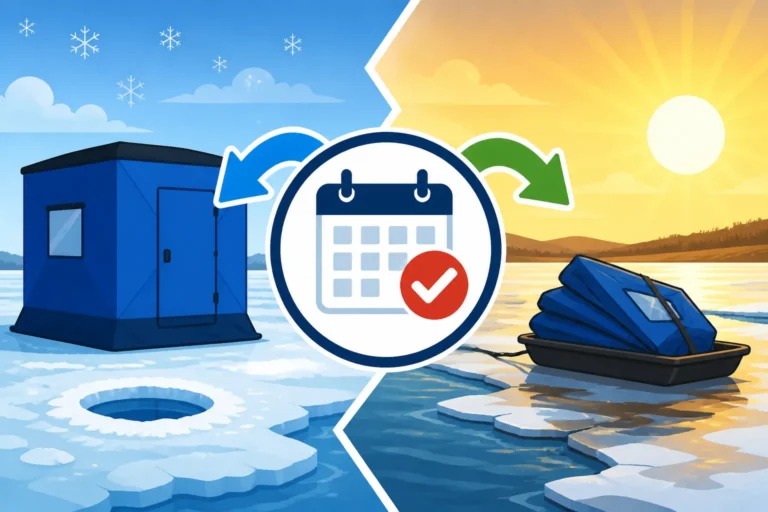
Beyond the popular June weekend, North Dakota also occasionally designates a free fishing day during the winter months, specifically for ice fishing. This gives anglers, both new and experienced, a chance to try their hand at this unique cold-weather pursuit without having to purchase a specific license for that day. Imagine drilling a hole in the ice, dropping a line, and feeling that tell-tale tug, all without having to worry about the license fee! It's a wonderful way to experience another facet of North Dakota's diverse fishing seasons.
It’s always a good idea to double-check the exact dates for current or upcoming Free Fishing Days directly on the North Dakota Game and Fish Department's official website. While the first full weekend in June is a consistent tradition, specific winter dates can sometimes vary. A quick look at their annual fishing proclamation or press releases will confirm the official schedule, ensuring you don't miss out on these fantastic opportunities. Mark your calendar, gather your gear, and get ready to hit the water!
Eligibility and Participation Rules
While the "free" aspect is exciting, it's important to understand who can participate and what rules still apply during North Dakota's Free Fishing Days. It’s not a complete free-for-all, but rather a targeted waiver of a single requirement.
Who Can Participate?
The beauty of North Dakota Free Fishing Days is their broad inclusivity. Generally, both North Dakota residents and non-residents are welcome to participate without needing a fishing license during these specified periods. This means if you have family visiting from out of state, or if you're just passing through and want to experience some of North Dakota's renowned fishing, these are the perfect days to do it. It breaks down geographical barriers and allows everyone to share in the angling experience.
However, it's worth noting that while all ages are welcome, there are usually specific age requirements for fishing licenses even on regular days. In North Dakota, for instance, residents under the age of 16 typically don't need a license anyway, and non-residents under a certain age also often have exemptions. The Free Fishing Days program extends the license waiver to those age groups who would normally need a license, making it particularly beneficial for adults and older teenagers who are new to the sport or just want to try it out. This makes it an ideal event for a multi-generational outing, where everyone, from young children to grandparents, can cast a line together without any licensing complications.
For those considering a family outing, understanding these age nuances can be helpful. For example, if you're bringing a 10-year-old resident child along, they wouldn't need a license whether it's Free Fishing Day or not. But if you have a 17-year-old who normally would need a license, Free Fishing Day is their chance to fish legally without one. This broad exemption truly makes it an inviting event for everyone, ensuring that the only thing you need to focus on is enjoying the great outdoors and hopefully, catching some fish.
What Regulations Still Apply?
This is perhaps the most crucial point to remember about North Dakota Free Fishing Days: the only waiver is for the fishing license itself. Every other regulation governing fishing in the state remains fully in effect. This isn't a loophole to ignore conservation laws; it's an opportunity to experience fishing within the established framework of responsible resource management. Thinking that "free" means "no rules" could lead to some significant and unwelcome surprises from game wardens.
For instance, species-specific rules are still strictly enforced. If you're targeting walleye, you still need to adhere to the statewide or specific lake-specific daily limits and size restrictions, such as the North Dakota Walleye Size Limit Rules. Similarly, if you hook a big northern pike, you must respect the North Dakota Northern Pike Daily Limit. These limits are in place to ensure sustainable fish populations, preventing overharvest and protecting the health of the fishery. Understanding these specifics for each species you might encounter is paramount, even on a free fishing day.
Beyond catch limits, you also need to be aware of regulations concerning tackle, methods, and general boating rules. This includes the number of lines you can fish with, any restrictions on certain bait types, and regulations regarding aquatic nuisance species (ANS). If you’re bringing a boat, remember that all North Dakota Boat Registration Requirements still apply. Failing to comply with these rules, even unknowingly, can result in fines and penalties, negating the "free" aspect of the day entirely. Always consult the current North Dakota Fishing Guide or the NDGFD website for the most up-to-date information on North Dakota Fishing Regulations Explained before heading out.
| Regulation Type | Applies on Free Fishing Days? | Description |
|---|---|---|
| Fishing License | NO | This is the only waived requirement. |
| Daily Bag Limits | YES | Maximum number of fish you can keep per species per day. |
| Size Limits | YES | Minimum/maximum lengths for specific fish species. |
| Season Dates | YES | Certain species may have closed seasons. |
| Tackle/Method Restrictions | YES | Number of lines, legal bait, spearfishing, etc. |
| Aquatic Nuisance Species (ANS) | YES | Cleaning, draining, and drying boats/gear to prevent spread of invasives. |
| Boat Registration | YES | All motorized boats must be registered. |
| Life Jacket Requirements | YES | Especially for children and on specific watercraft. |
| Tribal Waters Permits | YES | Fishing on tribal lands may require separate permits, even on free days. |
Planning Your Free Fishing Day Adventure
Taking advantage of North Dakota Free Fishing Days is a fantastic way to introduce yourself or your family to the joys of angling. A little planning can go a long way in making your experience smooth, enjoyable, and successful.
Choosing a Fishing Spot
North Dakota offers a diverse array of fishing environments, from vast reservoirs to intimate ponds and flowing rivers. For a Free Fishing Day, especially if you're new to the sport or bringing along beginners, choosing the right spot is crucial. You want somewhere accessible, relatively safe, and with a good chance of catching something to keep spirits high. Consider lakes with easy shore access or dedicated fishing piers – these minimize the need for a boat and make it simple to set up your gear. Many Fishing in North Dakota State Parks offer excellent facilities, including piers and picnic areas, perfect for a family day out.
For those looking for a truly beginner-friendly experience, smaller community ponds or designated kids' fishing areas often provide a higher chance of catching panfish like yellow perch or bluegill, which are abundant and eager biters. Places like McDowell Dam Recreation Area near Bismarck or some of the smaller lakes in the Turtle Mountains can be excellent choices. These spots often feature calmer waters and less complex structures, making it easier for new anglers to get a feel for casting and reeling without the frustration of constant snags or elusive fish. The goal is to build confidence and create positive memories, and a steady stream of bites helps tremendously with that!
If you're feeling a bit more adventurous or have some experience, larger bodies of water like parts of Devils Lake or the Missouri River offer more diverse opportunities. However, for a truly relaxed Free Fishing Day, starting smaller might be best. Always check local access points beforehand. Some popular spots can get busy on Free Fishing Days, so arriving early might secure you a prime location. Looking up Best Fishing Spots for Families in North Dakota can give you excellent tailored recommendations.
Essential Gear for Beginners
Starting out in fishing doesn't require a massive investment, especially when you're just trying it on a free day. The key is simplicity and functionality. A basic rod and reel combo is your first step. A spin-casting (push-button) reel is incredibly easy for kids and beginners to use, while a simple spinning reel offers a bit more versatility and is still quite user-friendly. You can find decent quality starter combos that come pre-spooled with line at most sporting goods stores or even readily available on Amazon for a very reasonable price. Look for a rod in the 5 to 6.5-foot range with a light to medium action, which will be suitable for catching a variety of common North Dakota fish.
Beyond the rod and reel, a small tackle box stocked with essentials is all you need. This should include an assortment of hooks (sizes 6-10 are versatile for panfish and smaller game fish), some split-shot sinkers to get your bait down, and a few bobbers. Live bait, like nightcrawlers (worms) or minnows, is often the most effective and easiest option for beginners, as fish find them irresistible. You can usually pick these up at local bait shops right before your trip. Having a small pair of needle-nose pliers for hook removal and a measuring tape to check against size limits is also smart.
Safety gear is non-negotiable, especially when fishing near or on water. Always bring U.S. Coast Guard-approved life jackets for everyone, particularly children, even if you’re just fishing from a dock. Sunscreen, hats, and sunglasses are vital for protection against the elements, and a small first-aid kit is always a good idea for minor scrapes or hook mishaps. Don't forget water and snacks to stay hydrated and energized throughout your adventure. For a more comprehensive list, consult an Essential Gear Checklist for North Dakota Fishing.
Basic Fishing Techniques to Try
For your first Free Fishing Day, simplicity and immediate gratification are the goals. You want techniques that are easy to learn, don't require specialized skills, and have a good chance of yielding a bite. One of the most effective and universally loved methods for beginners is bobber fishing for panfish. This involves a simple setup: a hook, a split-shot sinker a few inches above it, and a bobber floating on the surface. Bait your hook with a small piece of worm or a kernel of corn, cast it out, and watch that bobber like a hawk! When it dips or darts, you’ve got a bite. This is perfect for yellow perch, bluegill, and crappie, which are abundant in many North Dakota waters and provide plenty of action.
Another straightforward technique, especially effective in deeper waters or for targeting species like channel catfish, is bottom fishing. For this, you’ll typically use a weight that sits on the bottom, with your baited hook either directly on the bottom or slightly suspended. A simple slip-sinker rig works well. Once again, live bait like worms, cut bait, or even stink baits for catfish are excellent choices. Instead of watching a bobber, you’ll be watching the tip of your rod for a twitch or bend, indicating a fish is investigating or taking your bait. This method is incredibly relaxing and often productive.
Finally, for a slightly more active approach, consider simple casting and retrieving small lures. Small spinners or spoons can be surprisingly effective for a variety of fish, including smaller northern pike and even aggressive walleye in some areas. The technique is as simple as it sounds: cast your lure out and reel it back in at a steady pace. Experiment with different retrieve speeds until you find what the fish are responding to. This method allows you to cover more water and mimic baitfish, often enticing a predatory strike. Remember, the goal is to have fun and make some memories, so don't get too caught up in advanced techniques on your first outing.
Special Considerations for Free Fishing Days
Free Fishing Days are more than just an opportunity to fish without a license; they are often community events that can be enhanced with a little extra insight and preparation.
Family-Friendly Activities and Events
North Dakota Free Fishing Days are tailor-made for families, and often, the North Dakota Game and Fish Department (NDGFD) or local conservation clubs organize special events to make these days even more engaging. These events can range from introductory fishing clinics for kids, where volunteers teach basic casting and knot-tying skills, to stocked ponds designed to ensure a higher chance of success for young anglers. Imagine your child's face lighting up as they catch their first fish at a supervised event! These organized activities provide a supportive and educational environment, making the learning process fun and safe.
To find out about specific family-friendly events, it's always best to check the NDGFD website a few weeks before the scheduled Free Fishing Days. Local bait shops, sporting goods stores (you might even find flyers for local events if you're browsing for gear on Amazon or in a physical store), and community centers can also be excellent sources of information. These events often include free equipment loaners, educational stations on fish identification or aquatic ecosystems, and even prizes for participants. They are a fantastic way to introduce children to the principles of conservation and the wonders of the natural world, fostering a lifelong appreciation for the outdoors.
Participating in these events can also connect you with experienced anglers and fellow families who share an interest in fishing. It's a great opportunity to learn tips and tricks, ask questions, and build a sense of community around the sport. Even if you don't attend an organized event, planning your own family outing with a focus on fun, patience, and learning can create cherished memories. Teach your kids about identifying different fish species, explain why catch limits are important, and emphasize the joy of simply being outdoors together. North Dakota Fishing Rules for Kids and Families can help you set appropriate expectations and ensure everyone has a safe and rewarding experience.
Winter Free Fishing Opportunities
While the June Free Fishing Weekend often gets the most attention, North Dakota's winter free fishing day presents a unique and exhilarating experience: ice fishing! For many, the thought of fishing on a frozen lake seems daunting, but it's an incredibly popular and rewarding pastime in the state. If you’ve ever wanted to try it but held back due to the perceived complexity or cost, the winter free fishing day is your perfect opportunity. It’s a chance to experience the solitude of a winter landscape combined with the thrill of reeling in a fish from beneath the ice.
Getting started with ice fishing for a free day doesn't require all the fancy gear you see seasoned anglers use. You can easily rent a basic ice auger and small portable shelter from many bait shops across North Dakota, or borrow from a friend. A short, sensitive ice fishing rod and reel combo, a few jigs, and some live bait (like waxworms or minnows) are usually all you need. The key is dressing warmly in layers, including insulated boots and gloves, as North Dakota winters can be quite cold. For more detailed insights, definitely check out How to Ice Fish in North Dakota.
Safety, however, is paramount when venturing onto the ice. Even on a free fishing day, never compromise on safety precautions. Always check local ice conditions and measure ice thickness yourself before walking out. A minimum of 4 inches of clear, solid ice is generally recommended for foot travel. Avoid areas with currents, pressure ridges, or slush. Going with an experienced ice angler or staying in visible, well-traveled areas is highly advised. Learning about How Thick Ice Needs to Be for Ice Fishing and reviewing Early Ice Fishing Safety Tips are crucial steps. This free day allows you to try a truly unique aspect of North Dakota fishing, but always with caution and respect for the environment.
Beyond Free Fishing Days: Continuing Your Angling Journey
If your North Dakota Free Fishing Day adventure hooks you (pun intended!), you'll likely want to continue exploring the state's fantastic fishing opportunities. Understanding the next steps for licensing and regulations will ensure a smooth transition into regular angling.
How to Get Your North Dakota Fishing License
Once you've experienced the thrill of a bite and the peace of being on the water, you'll probably want to get your official North Dakota fishing license to continue your adventures. Thankfully, getting a license is a straightforward process designed to be as convenient as possible. The easiest and most common way is to purchase it online through the North Dakota Game and Fish Department's official website. This method allows you to buy and print your license from the comfort of your home, and you can even save it to your mobile device, making it instantly accessible when you're out fishing.
For those who prefer a more traditional approach, licenses are also available at a wide array of retail vendors across the state. These include bait shops, sporting goods stores like Scheels or Cabela's, and even larger retailers such as Walmart. Many small-town convenience stores also serve as license vendors, making it easy to pick one up no matter where your travels take you. These vendors can often provide physical copies of the regulations booklet as well, which is an invaluable resource. Knowing Where to Buy a North Dakota Fishing License locally can save you time.
North Dakota offers a variety of license types to suit different needs, including annual resident licenses, short-term non-resident options (like a 3-day or 10-day license), and even combination hunting and fishing licenses. You'll need to decide which option best fits your angling plans. Additionally, most adult anglers will also need to purchase the "Fishing, Hunting, Furbearer Certificate" along with their fishing license. This certificate is a base requirement for most licenses and contributes to conservation efforts. You can learn more about The Fishing, Hunting, Furbearer Certificate Explained and understand the various fees involved by checking the North Dakota Fishing License Cost Guide. If you're an out-of-state angler, a North Dakota Nonresident Fishing License Guide can walk you through your specific options.
Understanding North Dakota Regulations
Moving from a Free Fishing Day to regular angling means fully embracing the responsibility of understanding and adhering to all state fishing regulations. These rules are not arbitrary; they are carefully crafted by the North Dakota Game and Fish Department (NDGFD) to manage fish populations, protect habitats, and ensure sustainable fishing opportunities for everyone. Ignorance of the law is never an excuse, and game wardens are dedicated to enforcing these regulations to safeguard North Dakota's precious natural resources.
The most important resource for any angler in North Dakota is the official North Dakota Fishing Guide. This comprehensive booklet outlines everything from general statewide regulations to specific rules for individual lakes and rivers. It covers daily bag limits, size restrictions (which can vary significantly by body of water), season dates for various species (check out North Dakota Fishing Season Dates and Limits), legal methods of take, and important information about Aquatic Nuisance Species (ANS) prevention. The guide is available digitally on the NDGFD website and in print at license vendors across the state. Always make sure you have the most current version, as regulations can change from year to year.
Beyond the general regulations, pay close attention to the specific rules for the waters you plan to fish. Devils Lake, for example, often has unique regulations for walleye and perch due to its dynamic ecosystem. The Missouri River system also has its own set of rules, particularly below the Garrison Dam. Understanding these nuances is critical not just for compliance but for successful and ethical angling. Failure to abide by these regulations can lead to significant consequences, including fines, confiscation of gear, and even loss of fishing privileges. Therefore, taking the time to thoroughly review the North Dakota Fishing Regulations Explained and keeping them handy while fishing is an absolute must. Remember, the Penalties for Fishing Without a License in North Dakota are substantial, so always have your valid license once Free Fishing Days are over.
Maximizing Your Experience and Giving Back
Fishing in North Dakota is more than just catching fish; it's about connecting with nature, enjoying the community, and contributing to the conservation of our vital natural resources.
Local Resources and Community Engagement
As you delve deeper into North Dakota fishing, you’ll discover a vibrant community eager to share knowledge and experiences. Local bait shops are often the heartbeat of this community. Beyond just selling bait and tackle, these establishments are treasure troves of real-time information. The folks behind the counter usually know which fish are biting, where to find them, and what specific baits or lures are working best on a particular day. They can offer advice tailored to current conditions, share stories, and direct you to lesser-known, productive spots. Building a relationship with your local bait shop can significantly enhance your fishing success and overall enjoyment.
Sporting goods stores, whether large chains or independent local shops, also offer immense value. They stock a wider range of gear, from specialized rods and reels to advanced electronics like fish finders. The staff at places like Scheels or even at the online giant Amazon can provide guidance on selecting appropriate equipment for different species and techniques specific to North Dakota waters. Furthermore, they are often hosts to fishing seminars, workshops, and community events that can further your education and connect you with other passionate anglers. These stores aren't just for buying; they're hubs for learning and community.
Don't overlook the power of local fishing clubs and organizations. These groups are fantastic for networking, participating in organized fishing outings, and learning from experienced members. They often focus on conservation efforts, youth programs, and promoting ethical angling practices. Joining a club is an excellent way to deepen your understanding of the sport and contribute to the health of North Dakota's fisheries. Finally, always remember the North Dakota Game and Fish Department as your primary source for official regulations, stocking reports, and vital conservation information. They are the stewards of the state's natural resources and offer countless programs and publications to support anglers.
Practicing Conservation and Ethical Angling
As you grow as an angler in North Dakota, understanding and practicing conservation and ethical angling principles becomes just as important as knowing how to cast a line. Every fish caught, every piece of litter picked up, and every informed decision contributes to the health of our fisheries for generations to come. It’s about being a responsible steward of the natural world that provides us with so much joy and sustenance.
One of the most impactful practices is adhering to proper catch and release techniques, especially when targeting trophy fish or species that are not intended for the dinner table. This involves handling fish gently, minimizing their time out of water, using appropriate de-hooking tools (often available on Amazon or at local tackle shops), and releasing them quickly to ensure their survival. Knowing how to properly release a fish, particularly sensitive species or those that need to grow larger, is a hallmark of an ethical angler.
Beyond individual fish, practicing "leave no trace" principles is crucial. This means packing out everything you pack in, and even picking up any litter you find along the shore. Dispose of fishing line responsibly, as it can be incredibly harmful to wildlife. Report any observed violations of fishing regulations to the North Dakota Game and Fish Department; this vigilance helps maintain healthy fish populations and fair fishing for all. By embracing these principles, you not only ensure the longevity of North Dakota's incredible fishing resources but also set a positive example for other anglers, especially newer ones. Fishing is a privilege, and with it comes the responsibility to protect and preserve it.
Disclaimer
Please note that fishing regulations, license requirements, and season dates are subject to change. While every effort has been made to provide accurate and up-to-date information, it is the angler's responsibility to verify all current rules and regulations with the North Dakota Game and Fish Department before heading out to fish. This guide is for informational purposes only and should not be considered a substitute for official legal documents.