Fishing in North Dakota State Parks
It's easy to think of North Dakota's state parks as just places for camping, hiking, or maybe a leisurely picnic. And while they absolutely are fantastic for those activities, many anglers overlook the incredible fishing opportunities right within their boundaries. You might imagine remote, hard-to-reach spots are the only true havens for fish, but the truth is, some of the state's best fishing can be found in these well-maintained, amenity-rich parks. This guide is all about shedding light on how to make the most of fishing in North Dakota State Parks, from understanding the rules to discovering prime spots and making sure your trip is successful and enjoyable.
Understanding General Regulations for Fishing in State Parks
Just because you're casting a line within a state park doesn't mean the usual fishing laws magically disappear. It's a common misconception that park waters might be exempt, but really, they're often some of the most accessible spots, meaning they're still under the watchful eye of the North Dakota Game and Fish Department (NDGFD).
The Universal Need for a Fishing License
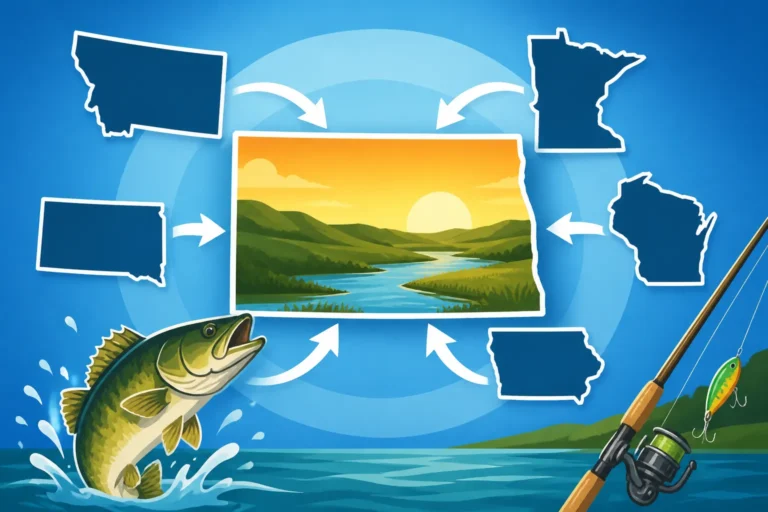
Let's clear this up right away: yes, you absolutely need a valid North Dakota fishing license to fish in a state park, just as you would anywhere else in the state. There's no special "state park pass" that replaces a fishing license. This applies to most individuals aged 16 and older, whether you're a long-time resident or visiting from out of state. It can be a real headache if you arrive at a beautiful spot, ready to cast, only to realize you're not legally permitted to fish.
Getting a license is usually pretty straightforward. You can often purchase one online through the NDGFD website, or find them at various licensed vendors, including sporting goods stores, bait shops, and even some convenience stores across the state. It's always a good idea to secure your license before you head out, perhaps even print a copy or save it to your phone, just in case cell service is spotty at the park. For a complete rundown on how to get yours, check out our guide on the North Dakota Fishing License Guide. Knowing the requirements for different angler types, like North Dakota Resident Fishing License Options versus non-resident, is crucial to avoid any unexpected fines.
General Statewide Fishing Regulations Still Apply
Beyond the license, all general North Dakota fishing regulations remain in full effect when you're fishing in a state park. This means you need to be aware of the daily creel limits for various species, any length restrictions (especially for popular fish like walleye or northern pike), and specific rules regarding gear, bait, and methods. For example, if the statewide limit for walleye is five fish, that's the limit in a state park lake too. If there's a slot limit on northern pike, it still applies.
These regulations are put in place to manage fish populations and ensure sustainable fishing for everyone. Ignoring them, even unintentionally, can lead to hefty fines and a ruined day. The North Dakota Game and Fish Department publishes a fishing proclamation booklet annually, which is your go-to resource for all current rules. You can usually find a copy online or pick one up wherever licenses are sold. Always double-check these rules before you go, as they can sometimes change season to season or even for specific bodies of water. For a detailed explanation of what's allowed and what's not, you'll find our article on North Dakota Fishing Regulations Explained incredibly helpful. Specifically, understanding details like North Dakota Walleye Size Limit Rules can save you from an accidental violation.
Specific Park Rules and Amenities
While general regulations cover the fishing itself, state parks often have their own set of rules and unique amenities that can affect your fishing experience. These might include designated fishing areas, restrictions on motor sizes or types in certain lakes, quiet hours, or rules about where you can launch a boat. Some parks even offer specialized access for anglers, like handicap-accessible fishing piers, which are fantastic for families or those with mobility challenges.
Many state parks are well-equipped to support anglers, offering facilities such as multiple boat ramps, fish cleaning stations (a real blessing after a successful day!), and ample parking for vehicles with trailers. Some might even have bait and tackle shops, or at least a general store where you can pick up forgotten essentials. Before heading to a specific park, it's a smart move to visit its official website or call the park office. This way, you can inquire about any particular rules for that location and get a clear picture of what amenities are available to make your fishing trip as smooth as possible.
Top North Dakota State Parks for Anglers
North Dakota boasts a fantastic network of state parks, many of which are situated on or near some of the state's best fishing waters. Each park offers a unique experience, from the vastness of Lake Sakakawea to the serene beauty of the Turtle Mountains or the current-rich waters of the Missouri River.
Fort Stevenson State Park (Lake Sakakawea)
Nestled on the northern shore of the sprawling Lake Sakakawea, Fort Stevenson State Park is a true gem for anglers. Lake Sakakawea itself is one of North Dakota's most renowned fisheries, famous for its trophy walleye, abundant northern pike, and even a robust population of Chinook salmon and smallmouth bass. When you fish at Fort Stevenson, you're tapping into this massive reservoir's potential, but with the added convenience and amenities of a state park.
The park offers several well-maintained boat ramps, making it easy to launch everything from large fishing boats to smaller jon boats. You'll find excellent fish cleaning stations, which are incredibly handy after a productive day on the water. Beyond fishing, the park provides ample camping opportunities, including cabins and primitive sites, allowing you to turn your fishing trip into a multi-day adventure. Anglers often target the bays and points within easy reach of the park for walleye and pike, especially during the spring and fall. The deep, clear waters near the dam often hold Chinook salmon, providing a unique challenge. For those wanting to delve deeper into this incredible fishery, our comprehensive Lake Sakakawea Fishing Guide for North Dakota Anglers offers invaluable insights. Specific access points within the park, which you can read more about in Fort Stevenson State Park Fishing Access, are known for their ease of use and proximity to productive waters.
Lake Sakakawea State Park (Eastern Lake Sakakawea)
Located near the majestic Garrison Dam, Lake Sakakawea State Park offers anglers a slightly different flavor of fishing on the same immense body of water. Situated on the eastern end of the reservoir, this park provides exceptional access to waters influenced by the dam's outflow, which can concentrate fish and baitfish. The primary targets here are, again, walleye, northern pike, smallmouth bass, and Chinook salmon, but the specific patterns and hotspots might differ from the central and western parts of the lake.
This park is particularly well-equipped for serious anglers. It features a large marina, multiple boat ramps that can accommodate vessels of all sizes, and dedicated fish cleaning stations. There's usually a bait and tackle shop nearby, ensuring you can stock up on last-minute supplies or get local tips. The proximity to the dam means access to deeper water quickly, which can be crucial during the warmer summer months. Shore fishing opportunities are also present, especially around the main park areas. If you're looking for specific spots on this vast lake, exploring Lake Sakakawea Walleye Fishing Spots will give you a great head start.
Cross Ranch State Park (Missouri River)
For those who prefer the dynamic challenge of river fishing, Cross Ranch State Park, situated directly on the Missouri River, is an outstanding choice. Unlike the vastness of Sakakawea, the Missouri River here offers a distinct fishing experience, characterized by current, changing depths, and specific riverine structures like wing dams, sandbars, and deep channels. The park itself is known for its beautiful, untouched prairie landscape and rich history, providing a peaceful backdrop to your fishing endeavors.
Anglers at Cross Ranch can expect to target robust populations of channel catfish, walleye, northern pike, and sauger. Catfish are particularly popular, especially during the warmer months when they are actively feeding in the current. Walleye and sauger can be found relating to current breaks and structure. The park offers boat ramps, making it accessible for launching small to medium-sized boats. For those without a boat, there are also bank fishing opportunities along the river. Fishing the Missouri River requires a slightly different approach than lake fishing, often involving heavier tackle to combat the current and specific techniques to target fish holding in eddies and deeper holes. You can learn more about fishing this storied waterway in our Missouri River Fishing Guide. The quiet, natural setting of Cross Ranch State Park Fishing Access makes it perfect for a tranquil day on the water.
Lake Metigoshe State Park (Turtle Mountains)
Venturing away from the major rivers and reservoirs, Lake Metigoshe State Park offers a completely different, yet equally rewarding, fishing experience. Located in the picturesque Turtle Mountains, near the Canadian border, Lake Metigoshe is known for its clear, clean waters and a more forested, serene environment. It feels like a world away from the prairie, with rolling hills and aspen forests providing a stunning backdrop.
This park is a fantastic destination for a variety of species, including healthy populations of walleye, northern pike, yellow perch, and various panfish like bluegill and crappie. The lake's structure, with its clear water and weed lines, provides excellent habitat for these species. Lake Metigoshe State Park provides multiple boat ramps, canoe and kayak rentals for those who want a quieter approach, and designated swimming beaches. Shore fishing is also viable in several areas, particularly for panfish. The park's amenities, combined with the natural beauty and diverse fishery, make it an ideal spot for family fishing trips. To plan your visit and understand the unique fishery, check out our Lake Metigoshe Fishing Guide, North Dakota. For general information about the region, our guide on the Best Fishing Lakes in the Turtle Mountains is also a valuable resource.
Essential Gear and Preparations for State Park Fishing
Heading out to fish in North Dakota's state parks, or anywhere for that matter, requires more than just a license and a positive attitude. Having the right gear and making a few key preparations can drastically improve your chances of success and ensure a comfortable, safe, and enjoyable outing.
Your Fishing Arsenal
The specific gear you'll need depends heavily on the type of fish you're targeting and the environment you're fishing in. However, some staples are always a good starting point. A versatile medium-action spinning rod and reel combo is often sufficient for walleye, perch, and even smaller pike. If you're chasing bigger northern pike or heavy Red River catfish (though the Red isn't typically in state parks, the concept applies to large river cats), a heavier action baitcasting or spinning setup might be more appropriate. For line, a good quality monofilament or fluorocarbon in 8-12 lb test is usually a safe bet, with braided line being excellent for sensitivity and strength, especially when jigging or casting for pike.
Don't forget your terminal tackle: a selection of hooks (jigs, treble hooks, octopus hooks), sinkers (split shot, slip sinkers), and bobbers (slip bobbers and fixed bobbers) will cover most situations. Lures should match your target species – crankbaits and jigs for walleye, spoons and spinnerbaits for pike, small jigs and live bait for perch and panfish. Many anglers find it convenient to browse platforms like Amazon for specific tackle organizers or for picking up multi-species rod and reel combos that offer good value. For a more in-depth look at what rods are best, our guide on Best Fishing Rods for North Dakota Anglers is an excellent resource, as is our rundown on the Best Fishing Tackle for North Dakota Lakes.
Boating and Access Considerations
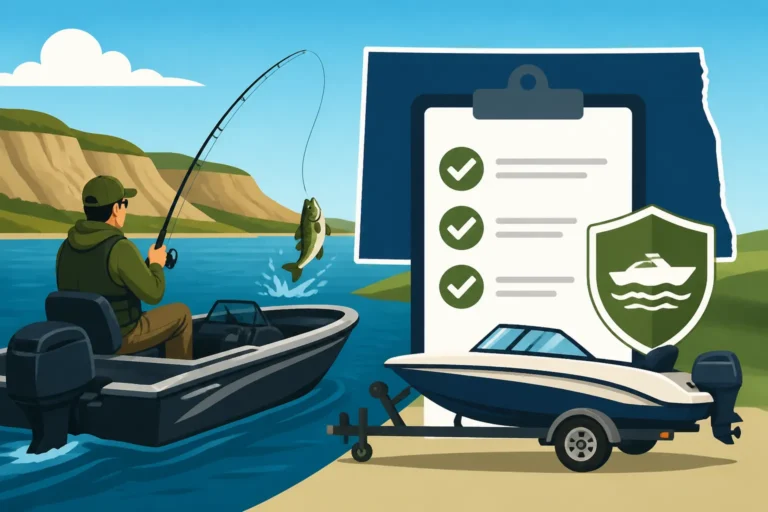
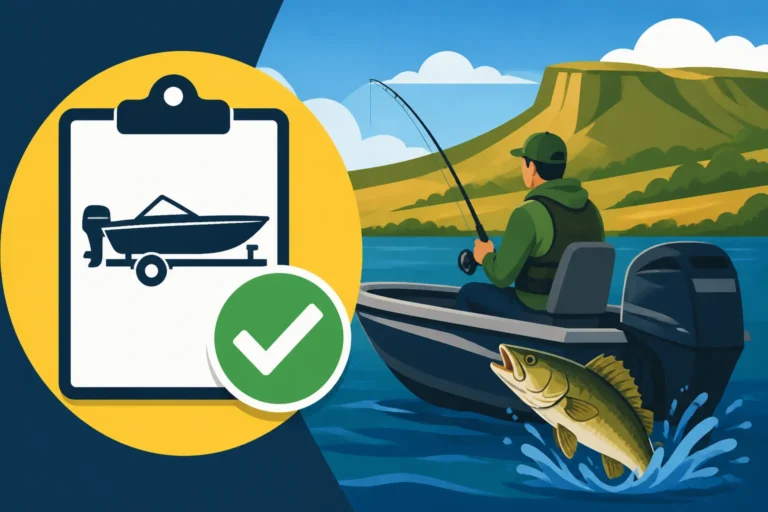
If you plan to use a motorized boat in a state park, remember that it must be properly registered with the North Dakota Game and Fish Department. This isn't just a suggestion; it's a legal requirement. Ensure your registration is current and displayed correctly. Many state parks, especially those on larger lakes like Sakakawea, have excellent multi-lane boat ramps, but it's always wise to check their condition, particularly early in the season or after heavy rains.
For those seeking a quieter, more intimate experience, kayaks, canoes, or even stand-up paddleboards can be fantastic for exploring the shallower bays and shorelines within state parks. These vessels offer stealth and access to areas larger boats can't reach. While kayaks and canoes often don't require registration if unmotorized, adding a trolling motor will generally trigger registration requirements. You might also want to look on Amazon for kayak anchors that are effective in river currents or for portable fish finders that easily attach to your smaller craft. For all the details on boat registration, refer to our North Dakota Boat Registration Requirements. If you're considering a paddle-powered approach, our guide on the Best Kayaks for North Dakota Fishing can help you choose the right vessel.
Comfort and Safety on Your Trip
North Dakota weather can be unpredictable, so dressing in layers is always a smart strategy. Even on a warm day, a sudden cold front or evening chill can make you uncomfortable. Pack sunscreen, a wide-brimmed hat, and polarized sunglasses to protect yourself from the sun, and don't forget insect repellent, especially during the warmer months and near water.
A well-stocked first-aid kit is non-negotiable for any outdoor adventure. Stay hydrated by bringing plenty of water, and pack some snacks to keep your energy up. Most importantly, if you're on the water, ensure everyone in your party has a properly fitting life jacket. This is not just a good idea; it's often legally required, especially for children. It can mean the difference between life and death in an emergency. You might find a high-quality cooler on Amazon to keep your drinks and snacks chilled, along with your catch fresh, or perhaps some waterproof dry bags to protect your electronics and valuables. For a comprehensive list of what to pack, our Essential Gear Checklist for North Dakota Fishing is a must-read.
Maximizing Your State Park Fishing Experience
Fishing in North Dakota State Parks is about more than just catching fish; it's about enjoying the natural beauty, embracing the outdoors, and creating lasting memories. To truly make the most of your trips, a little extra planning and mindful behavior go a long way.
Researching Before You Go
Never underestimate the power of a little pre-trip research. Before you even pack your bags, take some time to explore the specific state park you plan to visit. Their official websites are usually packed with valuable information, including current conditions, specific park rules (like those quiet hours or motor restrictions we talked about), and even upcoming events. You might find details about recent fish stockings, boat ramp accessibility, or trail closures that could impact your plans.
Beyond the park's own site, leverage the North Dakota Game and Fish Department's resources. Their stocking reports can tell you what species have been introduced into a particular lake, and when. Recent fishing reports, often found on local bait shop websites or online forums, can give you real-time insights into what's biting, where, and on what tackle. Calling the park office or a local bait shop can also provide invaluable local knowledge that you won't find online. The more informed you are, the better prepared you'll be to target specific species and maximize your time on the water.
Respecting Park Etiquette and the Environment
When you fish in a state park, you're a guest in a shared natural space. Adhering to Leave No Trace principles is paramount. This means packing out everything you pack in, including all trash, broken fishing line, and bait containers. Fishing line, in particular, can be incredibly harmful to wildlife if left behind. Dispose of it properly in designated receptacles or take it home.
Be mindful of other park users. State parks attract a diverse crowd – hikers, birdwatchers, campers, and families. Avoid loud noises, especially during quiet hours, and give others their space. If you're launching a boat, do so efficiently to avoid congestion at the ramp. Finally, be vigilant about Aquatic Nuisance Species (ANS) prevention. Always clean, drain, and dry your boat, trailer, and all fishing gear when moving between different bodies of water. This is crucial to prevent the spread of invasive species like zebra mussels, which can wreak havoc on ecosystems and fisheries. For more information on protecting North Dakota's waters, consult our article on Aquatic Nuisance Species Rules for Boaters.
Family-Friendly Fishing in State Parks
North Dakota State Parks are, by their very nature, designed for public enjoyment, making them ideal locations for introducing kids and families to the joys of fishing. Many parks offer excellent shore access, often with designated fishing piers that provide safe, easy casting opportunities for young anglers. These piers remove the need for a boat and put everyone on an equal footing, making the experience less intimidating for beginners.
The presence of other amenities like playgrounds, picnic areas, and hiking trails means that even if the fish aren't biting, there's always something else to keep the family entertained. It's a fantastic way to teach children about patience, nature, and responsible outdoor ethics. Packing a simple panfish setup – a bobber, a small hook, and some worms – can almost guarantee some action for kids, making their first fishing experiences positive and memorable. Remember, children often have different fishing license requirements, so be sure to check our guide on North Dakota Fishing Rules for Kids and Families before your trip. State parks truly shine as venues where fishing can be just one part of a wonderful family day out.
Seasonal Considerations for State Park Anglers
Understanding how the seasons affect fish behavior and access is key to consistent success when fishing in North Dakota State Parks. The fishing can change dramatically from the ice-out in spring to the deep freeze of winter.
Spring and Early Summer Opportunities
As the ice finally recedes from North Dakota's lakes – a phenomenon known as "ice-out" – state parks come alive with angling opportunities. This early spring period is often fantastic for walleye and northern pike, as they move into shallower waters for spawning or to feed aggressively after a long winter. Fishing near creek mouths, shallow bays, and rocky points within state park boundaries can be incredibly productive during this time. The water is often cold, and fish might be sluggish, so slower presentations like jigging with minnows or casting small crankbaits are often effective.
As spring transitions into early summer, fish become more active, and the waters warm up. This is a prime time for targeting a wider variety of species, including smallmouth bass and panfish. Many state parks also see increased stocking activity for certain species, adding to the angling potential. For specific tactics and timing during this period, our North Dakota Ice Out Fishing Guide offers a great starting point for understanding the transition. If walleye are your main target, our Early Spring Walleye Techniques in North Dakota will help you refine your approach.
Mid-Summer and Fall Patterns
By mid-summer, the waters in North Dakota's state park lakes are at their warmest, and many fish species, especially walleye, will move to deeper, cooler water. This is when understanding structure – submerged humps, deep weed lines, and transitions in bottom composition – becomes crucial. Trolling with crankbaits or bottom bouncers in deeper sections of the lakes within parks like Fort Stevenson or Lake Sakakawea State Park can be very effective. Northern pike might still be found in weed beds, but often in deeper, thicker cover.
As fall arrives, the water temperatures begin to drop, triggering another strong bite. Walleye and northern pike go on a feeding frenzy, bulking up for winter. This can be one of the most rewarding times to fish, with many anglers reporting trophy catches. On Lake Sakakawea, the fall also sees the eagerly anticipated Chinook salmon run, as they stage for spawning. State park access points often put you right in the middle of these seasonal migrations. Our North Dakota Fall Fishing Guide provides a comprehensive look at what to expect during this prime fishing season, while Summer Walleye Trolling Techniques can help you adapt to the warmer months.
Winter Ice Fishing in State Parks
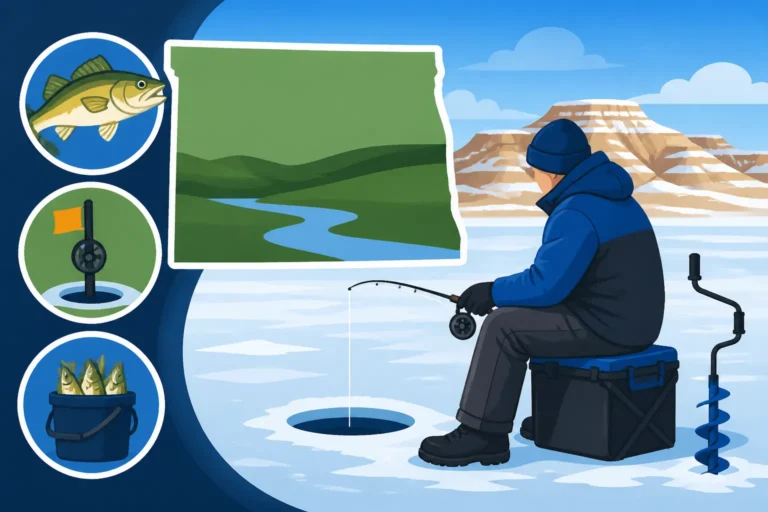
When the cold truly settles in, many North Dakota State Parks transform into winter wonderland fishing destinations. Ice fishing is a massively popular activity in the state, and numerous parks provide excellent, easy access to frozen lakes. Parks on Devils Lake, Lake Sakakawea, or Lake Metigoshe, for example, become hubs for ice anglers seeking walleye, perch, and northern pike.
While ice fishing offers unique opportunities, it also demands specific preparations and safety considerations. Proper warm clothing, reliable ice augers, and portable or permanent ice shelters are essential for comfort and safety in sub-zero temperatures. Always check ice thickness before venturing out, and be aware of any park-specific rules regarding ice shelters or vehicle access on the ice. Many state parks maintain plowed access roads to the ice, making it easier for anglers to get their gear out. Our extensive guide on How to Ice Fish in North Dakota covers everything you need to know to get started safely and effectively, and for specific rules on shelters, check out Ice Fishing Shelter Rules on North Dakota Lakes.
Comparing Top State Parks for Fishing
To help you decide which North Dakota State Park might be the best fit for your next fishing adventure, here's a quick comparison of some of the parks highlighted:
| State Park | Primary Location | Key Fish Species | Main Fishing Type | Key Amenities for Anglers | Special Notes |
|---|---|---|---|---|---|
| Fort Stevenson | Lake Sakakawea | Walleye, Pike, Salmon, Smallmouth Bass | Boat, Shore | Multiple Ramps, Cleaning Stations, Camping | Excellent access to Lake Sakakawea's vast waters |
| Lake Sakakawea SP | Eastern Lake Sakakawea | Walleye, Pike, Salmon, Smallmouth Bass | Boat, Shore | Marina, Multiple Ramps, Cleaning Stations, Bait | Near Garrison Dam, influences fish patterns |
| Cross Ranch | Missouri River | Catfish, Walleye, Sauger, Pike | Boat, Shore (river) | Boat Ramps, Primitive Camping | River current fishing, unique habitat |
| Lake Metigoshe | Turtle Mountains | Walleye, Pike, Perch, Bluegill, Crappie | Boat, Shore, Kayak | Boat Ramps, Rentals, Camping, Clear Waters | Scenic, forested setting; good panfish |
| Lewis and Clark SP | Western Lake Sakakawea | Walleye, Pike, Smallmouth Bass, Crappie | Boat, Shore | Boat Ramps, Camping, Cabins | Good for exploring western Sakakawea arms |
| Grahams Island SP | Devils Lake | Walleye, Pike, Perch | Boat, Shore, Ice | Boat Ramps, Cleaning Station, Camping | Direct access to Devils Lake, renowned fishery |
This table gives you a quick overview, but remember that each park has even more to offer, so always dive into more specific research based on your target species and preferred fishing style.
Disclaimer
The information provided in this guide is for general informational purposes only and does not constitute legal advice. Fishing regulations and park rules can change, and it is the responsibility of each individual angler to consult the most current North Dakota Game and Fish Department (NDGFD) regulations and specific state park guidelines before engaging in any fishing activities. Always prioritize safety and adhere to all local, state, and federal laws.