Fishing Rules on North Dakota Tribal Waters
Trying to figure out where you can cast a line in North Dakota without accidentally breaking a rule can feel like navigating a legal labyrinth, especially when you factor in tribal lands. It's not always as simple as grabbing your state license and heading out. Many anglers find themselves scratching their heads, wondering if that big body of water they're eager to explore falls under state or tribal jurisdiction. This comprehensive guide will untangle the complexities of fishing rules on North Dakota tribal waters, helping you understand when and where additional permits are required, and why respecting these unique regulations is so important.
Understanding North Dakota's Tribal Lands and Waters
North Dakota is home to several federally recognized Native American tribes, each with sovereign authority over their reservation lands and the waters within or adjacent to them. This creates a fascinating, yet sometimes confusing, patchwork of regulations for anglers. It's crucial to remember that these aren't just "different" rules; they stem from inherent tribal sovereignty and treaties.
Overview of Federally Recognized Tribes in North Dakota
North Dakota has five federally recognized tribes: the Spirit Lake Nation (Sisseton Wahpeton Oyate), the Three Affiliated Tribes of the Fort Berthold Reservation (Mandan, Hidatsa, and Arikara Nation), the Standing Rock Sioux Tribe, the Turtle Mountain Band of Chippewa Indians, and the Sisseton-Wahpeton Oyate. Each of these tribes has a rich history and a deep connection to their ancestral lands and waters. These reservations are not just parcels of land; they are distinct governmental territories with their own laws and jurisdiction, including over natural resources like fish and wildlife.
For an angler, this means that the familiar regulations you'd follow in state parks or public lakes might not apply once you enter tribal lands or waters. The Spirit Lake Nation, for instance, holds significant portions of Devils Lake within its reservation boundaries. Similarly, the Three Affiliated Tribes have jurisdiction over large parts of Lake Sakakawea and the Missouri River as they flow through the Fort Berthold Reservation. Understanding which tribe governs which waters is the first step in ensuring you're fishing legally and respectfully. This acknowledgement of tribal sovereignty is paramount to a good fishing experience.
How Tribal Waters Differ from State Waters
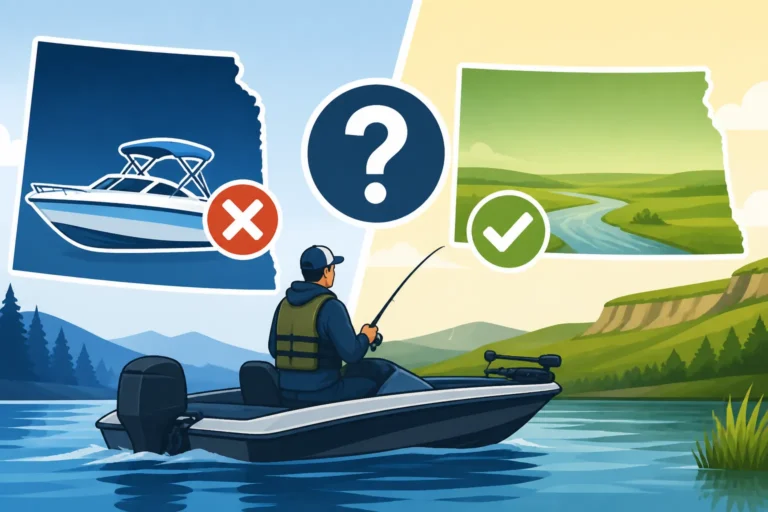
The primary difference between tribal and state waters lies in jurisdiction. State fishing licenses and regulations, which you might find detailed in the North Dakota Fishing License Guide, are set by the North Dakota Game and Fish Department (NDGFD) and apply to non-tribal public waters. However, on tribal lands and waters, the respective tribal council, or their designated natural resources department, establishes and enforces its own laws. This means that a valid North Dakota state fishing license, while essential for most public waters in the state, often does not grant you permission to fish within reservation boundaries.
Think of it like crossing a state border – different laws apply. On tribal lands, the tribe has the authority to issue its own permits, set its own daily limits, establish specific seasons, and even dictate methods of take, which can sometimes differ significantly from state rules. For example, some tribal waters might have stricter catch-and-release policies for certain species, or entirely different rules regarding the use of ice shelters or specific bait types. It's not uncommon to find that even if a lake is technically accessible from a non-tribal access point, if a significant portion of the water body falls within a reservation, tribal permits and rules may apply to all users of that water, regardless of where they launched their boat.
Specific Tribal Fishing Regulations and Permits
To avoid any confusion or unintentional violations, it's vital to know the specific regulations for the most commonly fished tribal waters in North Dakota. Each tribe manages its resources with a focus on sustainable practices and cultural preservation, leading to unique guidelines.
Devils Lake Sioux Tribe (Spirit Lake Nation) Fishing Rules
Devils Lake is one of North Dakota's premier fishing destinations, renowned for its incredible walleye and perch fishing. However, a substantial portion of Devils Lake, particularly the southern and western bays, lies within the Spirit Lake Nation reservation. Anglers planning to fish these waters, even if they possess a valid North Dakota state fishing license, must also purchase a separate Spirit Lake Nation fishing permit. Without it, you are fishing illegally on tribal waters.
The Spirit Lake Nation's Game and Fish Department issues these permits, and the funds generated directly support their fish stocking programs, habitat restoration, and enforcement efforts on the reservation. You can often purchase these permits at bait shops around Devils Lake or sometimes directly from the Spirit Lake Nation's Game and Fish office. The cost can vary, and it's essential to check their official channels for the most current pricing and regulations, as they can sometimes differ from the general North Dakota Fishing Regulations Explained. For instance, certain areas might have specific slot limits or daily creel limits that are unique to tribal jurisdiction. Always check the Spirit Lake Nation's current regulations before heading out.
Three Affiliated Tribes (Mandan, Hidatsa, Arikara Nation) Fishing on Lake Sakakawea and Missouri River
Lake Sakakawea, a massive reservoir on the Missouri River, is another highly popular fishing spot. Large sections of this sprawling lake, particularly the central and western portions, are located within the Fort Berthold Reservation, governed by the Three Affiliated Tribes (Mandan, Hidatsa, and Arikara Nation). This presents a complex situation because the lake itself is a federal project (Garrison Dam created it), but the land surrounding and beneath much of it is tribal.
For recreational fishing on the waters within the Fort Berthold Reservation, anglers are generally required to possess a special Three Affiliated Tribes fishing permit in addition to their state license. This applies to fishing from shore, from a boat, or ice fishing in these areas. While the North Dakota Game and Fish Department and the Three Affiliated Tribes have worked to streamline some regulations, it's safest to assume that if you're fishing on Lake Sakakawea or the Missouri River within the reservation boundaries, a tribal permit is necessary. Specific details on permit acquisition and current regulations can usually be found through the Three Affiliated Tribes' Game and Fish Department. Navigating the vastness of Lake Sakakawea can be challenging enough, as detailed in our Lake Sakakawea Fishing Guide for North Dakota Anglers, but understanding the jurisdictional lines makes it even more so.
Standing Rock Sioux Tribe Fishing Rules
The Standing Rock Sioux Tribe Reservation spans parts of both North and South Dakota, with a significant portion in southern North Dakota, bordering the Missouri River and Lake Oahe. Anglers wishing to fish in the waters within the Standing Rock Reservation, including segments of the Missouri River and Lake Oahe that fall under tribal jurisdiction, are typically required to purchase a Standing Rock Sioux Tribe fishing permit.
These permits are generally available from the Standing Rock Game and Fish Department, and local vendors in communities near the reservation might also sell them. As with other tribal permits, the revenue supports the tribe's natural resource management and conservation efforts. It's imperative to consult the Standing Rock Sioux Tribe's official regulations for current information on license requirements, season dates, and specific species limits, as these may vary from state regulations. Always ensure you have the proper permits for the exact waters you plan to fish to ensure compliance and support their vital conservation work.
Navigating Licenses and Permits for Tribal Waters
Understanding when and how to acquire tribal permits is just as important as knowing that they exist. Failing to do so can lead to fines, confiscation of gear, and an overall unpleasant experience.
When a State License Isn't Enough
This is perhaps the most common point of confusion for anglers visiting North Dakota or even long-time residents who haven't ventured onto tribal lands. A standard North Dakota Fishing License Guide outlines the state's requirements, but it's critical to understand its limitations. If you plan to fish any body of water, or even a section of a larger water body, that is located within the exterior boundaries of a federally recognized Indian reservation in North Dakota, your North Dakota state fishing license is generally not sufficient.
You will almost certainly need to purchase an additional tribal fishing permit issued by the respective tribe. This applies to waters like Devils Lake (Spirit Lake Nation) and large portions of Lake Sakakawea and the Missouri River (Three Affiliated Tribes and Standing Rock Sioux Tribe). Even if you are a resident of North Dakota and have obtained one of the various North Dakota Resident Fishing License Options, or if you're an out-of-state angler who has secured a North Dakota Nonresident Fishing License Options, these state licenses do not automatically grant you access to fish on tribal waters. The tribal permit is a separate and distinct requirement, reflecting the sovereign nature of tribal governments. Always assume you need a tribal permit unless explicitly stated otherwise by the tribal game and fish department for the specific area you intend to fish.
Purchasing Tribal Fishing Permits
Acquiring a tribal fishing permit is usually a straightforward process, though it requires a bit of foresight. The best place to start is by visiting the official website of the tribal game and fish department for the reservation you plan to visit. For instance, the Spirit Lake Nation Game and Fish Department will have information on their permits for Devils Lake. The Three Affiliated Tribes and the Standing Rock Sioux Tribe will also have similar resources for their respective waters.
Permits can often be purchased:
- Online: Some tribes offer the convenience of purchasing permits directly through their websites. This is often the easiest and most recommended method, allowing you to secure your permit before you even leave home.
- Local Vendors: Many bait shops, convenience stores, and sporting goods stores in towns located near reservations (like Devils Lake, New Town, or Fort Yates) are authorized to sell tribal permits. It's always a good idea to call ahead to confirm availability and operating hours.
- Tribal Game and Fish Offices: You can typically purchase permits directly from the tribal game and fish department's administrative offices during business hours.
The cost of tribal permits can vary, and they might offer different options, such as daily, weekly, or annual permits. It's advisable to carry a physical copy of your tribal permit, along with your state fishing license and a form of identification, whenever you are fishing on tribal waters. This ensures you can easily present them to tribal game wardens if requested. Consider a waterproof holder, easily found on Amazon, for your permits to keep them safe and accessible.
Key Differences in Regulations: Limits, Seasons, and Methods
While the North Dakota Game and Fish Department sets a general framework for statewide fishing, tribal regulations can introduce specific nuances that anglers must be aware of to ensure compliance and avoid penalties. These differences are often tailored to the unique ecological conditions and conservation goals of each reservation.
Varying Creel and Possession Limits
One of the most common areas where tribal regulations diverge from state rules is in daily creel and possession limits. For example, while the state might have a certain limit for walleye across most public waters as outlined in North Dakota Walleye Size Limit Rules, a tribal jurisdiction on a specific lake could impose a stricter limit or a different slot size to manage their local fish populations more precisely. The same could apply to popular species like yellow perch or northern pike.
Let's say the state's North Dakota Northern Pike Daily Limit is generous in certain areas. On tribal waters, to promote larger trophy fish or to ensure subsistence for tribal members, the daily limit for northern pike might be reduced, or there could be a protected slot limit where fish within a certain size range must be immediately released. These differences are not arbitrary; they are based on biological assessments and management objectives unique to the tribal resource. Always consult the specific tribal proclamation or regulation guide for the waters you intend to fish, paying close attention to these limits, as they are strictly enforced by tribal game wardens.
Species-Specific Seasons and Methods
Beyond limits, tribal entities might also implement different fishing seasons or restrict certain fishing methods. While the North Dakota Game and Fish Department typically has a continuous open season for most species on many waters, tribal regulations could impose temporary closures for spawning periods, or to allow certain fish populations to recover. For instance, a particular bay on Devils Lake within the Spirit Lake Nation might be closed to fishing during the walleye spawn, even if adjacent state waters remain open.
Similarly, methods of take can differ. While standard rod and reel fishing is generally permitted, tribal regulations might have specific rules regarding the use of tip-ups for ice fishing, trotlines, or even the type of bait allowed. For example, some tribal waters might prohibit the use of live baitfish to prevent the spread of diseases or invasive species. Anglers accustomed to state-level North Dakota Fishing Season Dates and Limits must actively seek out the tribal-specific addendums. It's always best to obtain a copy of the tribal fishing regulations—often available digitally or as a small pamphlet at authorized vendors, and sometimes even a waterproof guide that you can purchase from Amazon.
Aquatic Nuisance Species (ANS) and Boat Requirements
The fight against Aquatic Nuisance Species (ANS) is a shared concern across North Dakota, and tribal nations are also on the front lines. While the state has stringent North Dakota Aquatic Nuisance Species Rules for Boaters that mandate draining, cleaning, and drying boats, tribal jurisdictions may have their own additional or equally strict requirements. When launching your boat on tribal waters, you might encounter tribal-specific inspection stations or be required to complete additional declarations regarding your boat's cleanliness.
It’s crucial to understand that even if you've complied with state ANS rules, you still need to adhere to any tribal regulations. This might mean demonstrating that your boat is free of weeds and standing water before launching onto Lake Sakakawea within the Fort Berthold Reservation, or before accessing certain areas of Devils Lake. Additionally, boat registration requirements, while generally handled at the state level (see North Dakota Boat Registration Requirements), should be confirmed with tribal authorities, especially if you plan extended stays or specific types of activities on their waters. Compliance helps protect these precious fisheries for everyone.
Respecting Tribal Sovereignty and Conservation Efforts
Adhering to tribal fishing regulations isn't just about avoiding penalties; it's about respecting the sovereignty of the tribes and contributing to their vital conservation efforts. These nations have a deep historical and cultural connection to their lands and waters, and they are committed stewards of these resources.
Importance of Adhering to Tribal Laws
The laws and regulations set by tribal governments are a direct expression of their sovereign authority. When you purchase a tribal fishing permit and follow their rules, you are acknowledging this sovereignty and contributing to the self-governance of these nations. Ignoring or intentionally violating tribal fishing laws is not only a legal offense that can lead to significant Penalties for Fishing Without a License in North Dakota (or tribal equivalent), but it's also a profound act of disrespect. Tribal game wardens have the full authority to enforce these laws, and they work diligently to protect their natural resources.
By following tribal regulations, you help ensure that these unique fisheries remain healthy and productive for generations to come, benefiting both tribal members and non-tribal anglers who wish to share in the experience. It reinforces a positive relationship between visitors and the sovereign nations who manage these lands. Education and proactive compliance are the best ways to show this respect.
Conservation Initiatives on Tribal Lands
Tribal nations across North Dakota are deeply invested in the conservation and sustainable management of their fish and wildlife resources. The permit fees you pay go directly towards funding these crucial initiatives. This can include:
- Fish Stocking Programs: Many tribes operate their own hatcheries or partner with state and federal agencies to stock native fish species, enhancing populations for recreational and subsistence fishing.
- Habitat Restoration: Efforts to improve water quality, restore riparian zones, and create spawning habitats are common, ensuring healthy environments for fish to thrive.
- Research and Monitoring: Tribal biologists often conduct studies to monitor fish populations, assess water quality, and understand ecological changes, allowing for informed management decisions.
- Enforcement: A portion of the permit fees also supports the tribal game and fish departments, funding wardens who enforce regulations, prevent poaching, and educate the public.
For instance, the Spirit Lake Nation's management of Devils Lake, a lake often featured in the Devils Lake Fishing Guide for North Dakota Anglers, plays a critical role in its ongoing health and productivity. By purchasing a tribal permit, you directly support these efforts, helping to preserve the unique fishing opportunities that tribal waters offer. This partnership, through respecting laws and supporting conservation, ensures the longevity of these precious natural resources.
Common Questions and Misconceptions
Despite increasing awareness, several misconceptions persist regarding fishing on tribal waters. Addressing these common questions can help clear up confusion and promote responsible angling.
"Do I Need a Tribal Permit If I Stay in My Boat?"
This is one of the most frequently asked questions, and the answer, for the most part, is yes. If you are fishing on a body of water that falls within the exterior boundaries of a reservation, even if you remain in your boat and never touch shore, you are still typically subject to tribal jurisdiction and will need a tribal fishing permit. The "waters" themselves are often under tribal authority, not just the land around them.
For large water bodies like Lake Sakakawea or Devils Lake, understanding the exact jurisdictional lines can be challenging, as the boundaries often extend into the water. However, the general rule of thumb is: if a significant portion of the water is within a reservation, tribal permits are required. Attempting to navigate complex jurisdictional boundaries on the water without a permit can lead to unpleasant encounters with tribal game wardens. The safest and most respectful approach is always to obtain the necessary tribal permit if there's any doubt about where you're fishing relative to reservation boundaries. This is especially true for North Dakota Boat Registration Requirements and ensuring your vessel complies with both state and tribal expectations.
Reciprocity and Border Waters
The concept of reciprocity, where one jurisdiction recognizes the licenses or permits of another, is common between states for border waters, such as the reciprocal agreements on the Red River between North Dakota and Minnesota. However, this often does not extend to tribal jurisdictions. Generally, a North Dakota state fishing license and a tribal fishing permit are mutually exclusive; one does not automatically grant you access to the other's waters.
There are no widespread reciprocal agreements between the state of North Dakota and its tribal nations regarding fishing licenses. Therefore, even if you are fishing close to a reservation boundary or on a water body where parts are state-managed and parts are tribal-managed, you need the appropriate permit for the specific area you are in. It's a dual permit system: state for state waters, tribal for tribal waters. Always verify the rules for the specific section of river or lake you are on. When considering How to Get a North Dakota Fishing License, remember that this covers state waters, and tribal waters will have their own distinct process for their permits. The safest practice is to always carry both permits if you plan to fish in areas that might span both state and tribal jurisdiction.
Disclaimer
The information provided in this guide is intended for general informational purposes only and is subject to change. While we strive to provide accurate and up-to-date information, fishing regulations, permit requirements, and tribal jurisdictions can be complex and may be updated periodically. Always consult the official websites and publications of the North Dakota Game and Fish Department and the respective tribal game and fish departments (Spirit Lake Nation, Three Affiliated Tribes, Standing Rock Sioux Tribe, etc.) for the most current and specific regulations before planning your fishing trip. Failure to comply with all applicable state and tribal laws may result in fines or other penalties.