Can You Use an Out-of-State Boat Registration in North Dakota?
It's a common scenario: you love to fish, you own a boat, and you're planning a fantastic trip to North Dakota's legendary waters like Lake Sakakawea or Devils Lake. But then that nagging question pops into your head – "Do I really need to register my boat here if it's already registered in my home state?" It's a perfectly valid concern, and navigating the nuances of state-specific regulations can feel like trying to untangle a particularly stubborn fishing line. Nobody wants to be caught off guard by a game warden, so understanding the rules around using an out-of-state boat registration in North Dakota is absolutely crucial before you launch. This comprehensive guide will clear up the confusion and tell you exactly what you need to know to stay compliant and enjoy your time on the water.
Understanding North Dakota's Reciprocity Rules for Boat Registration
North Dakota, like many states, offers a period of reciprocity for out-of-state registered boats. This means that for a certain amount of time, your boat's registration from your home state is recognized as valid within North Dakota's borders. It’s a courtesy designed to welcome visitors and make short trips less burdensome. However, this courtesy has limits, and it's essential to know exactly what those limits are to avoid any potential headaches or fines. Thinking you're covered when you're actually not can put a real damper on a fishing trip.
The 90-Day Grace Period Explained
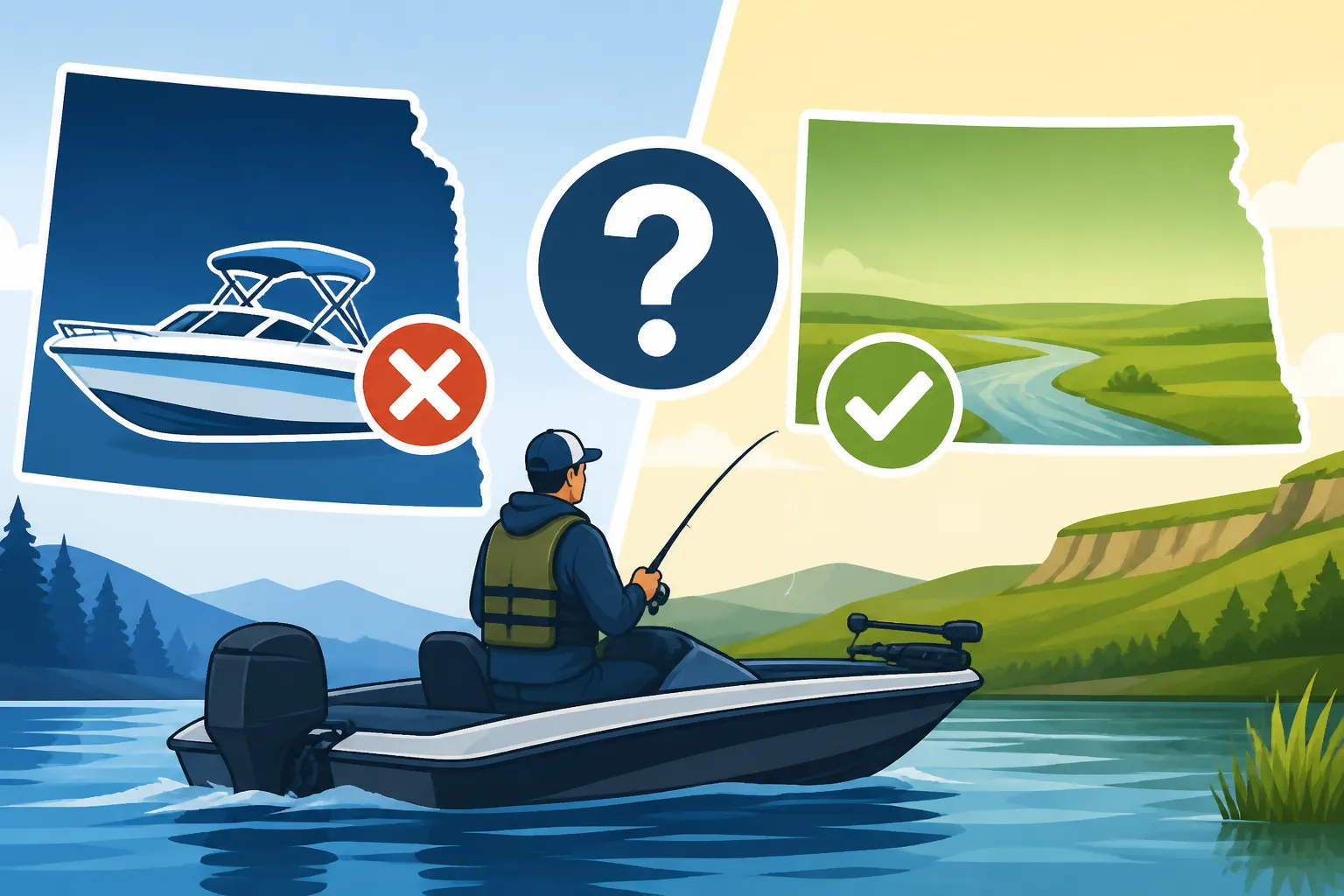
The key to understanding North Dakota's boat registration reciprocity lies in the "90-day rule." If your boat is legally and currently registered in another state, you are generally allowed to operate it in North Dakota for a continuous period not exceeding 90 days. This 90-day window starts from the very first day you bring your boat into North Dakota. This rule is designed for genuine visitors – those coming for a vacation, a fishing tournament, or a seasonal stay. For example, if you haul your boat up from South Dakota for a two-week walleye excursion on Lake Oahe, your South Dakota registration will be perfectly fine. This grace period is a fantastic benefit for recreational anglers and boaters who aren't making North Dakota their permanent boating home.
It's important to keep in mind that "continuous period" is key. If you bring your boat to North Dakota, use it for 60 days, take it back to Minnesota for a week, and then return, the 90-day clock doesn't necessarily reset to zero. The intent of the law is to cover temporary stays, not to allow indefinite use by simply moving your boat in and out of the state periodically. The North Dakota Game and Fish Department (NDGFD) generally interprets this as 90 cumulative days within a 12-month period for non-residents. So, if you're a snowbird who spends spring, summer, and fall in North Dakota, you'll need to pay close attention to this cumulative aspect.
When Your Out-of-State Registration Becomes Invalid
Once you exceed that 90-day mark, your out-of-state registration is no longer considered valid in North Dakota. At that point, you are legally required to register your boat in North Dakota. This is where many people get tripped up. They might think, "Oh, I'm still a resident of my home state, so my registration there is all I need." However, North Dakota views prolonged use within its borders differently. If you establish residency in North Dakota, or if your boat is primarily used, moored, or stored in North Dakota for more than 90 consecutive days, you absolutely must obtain a North Dakota boat registration.
This applies even if you consider your boat "stored" rather than "used." The law is primarily concerned with the vessel's presence and potential use within the state for an extended period. For instance, if you bought a fishing cabin on Devils Lake and brought your boat up for the entire summer season, even if you only use it on weekends, it's considered to be primarily located in North Dakota. Similarly, if you move to North Dakota and bring your boat with you, you'll need to update your registration promptly, regardless of how often you plan to use it. You can find comprehensive details on all the steps involved in registering an out-of-state boat in North Dakota through the official channels.
Specifics for Non-Motorized Watercraft
Now, it's worth noting that the general registration rules, and thus the 90-day reciprocity, primarily apply to motorized watercraft. For non-motorized vessels, such as canoes, kayaks, and stand-up paddleboards, the regulations are a bit different. In North Dakota, most non-motorized vessels do not require registration, regardless of whether you're a resident or a visitor. This is a big relief for paddlers and small craft enthusiasts! You can bring your kayak from Minnesota to explore the scenic Sheyenne River or your canoe to navigate Lake Metigoshe without worrying about a North Dakota registration.
However, there's a crucial caveat for all watercraft, motorized or not: the Aquatic Nuisance Species (ANS) regulations. Even if your kayak doesn't need registration, it must still comply with all ANS prevention requirements. This means you must clean, drain, and dry your vessel before launching into any North Dakota waters, and certainly before moving it from one body of water to another. This is an absolutely critical step to protect North Dakota's pristine aquatic ecosystems from invasive species like zebra mussels or Eurasian watermilfoil. While you might not need to register your canoe, ignoring ANS rules can lead to significant fines and environmental damage. Make sure you understand the nuances of the state's Aquatic Nuisance Species Rules for Boaters.
Why North Dakota Wants Your Boat Registered (and Titled!)
It might seem like just another bureaucratic hurdle, but boat registration and titling serve vital purposes for the state of North Dakota, its waterways, and its citizens. These regulations aren't just there to generate revenue; they are fundamental to maintaining safe, healthy, and accessible fishing and boating opportunities for everyone. Understanding the "why" behind the rules can often make complying with them feel a little less burdensome.
The Importance of Aquatic Nuisance Species Prevention
One of the most significant reasons North Dakota requires boat registration, especially with the associated fees, is to fund and enforce efforts against Aquatic Nuisance Species (ANS). These invasive plants and animals can wreak havoc on native ecosystems, destroy fisheries, and clog waterways, making boating and swimming impossible. The threat is very real, and the costs of prevention and management are astronomical. Your boat registration fees directly contribute to vital programs like public education campaigns, boat inspection stations, and rapid response efforts to contain new infestations.
When you register a boat in North Dakota, you're not just getting a sticker; you're becoming a part of the solution. Every boater has a responsibility to help prevent the spread of ANS, whether they're a resident or a visitor. Ignoring the registration requirement or the "clean, drain, dry" protocol puts North Dakota's precious natural resources at risk. The NDGFD takes ANS prevention incredibly seriously, and rightly so. They regularly update their guidelines, which are clearly outlined in the official North Dakota Fishing Regulations Explained, to reflect the latest threats and best practices.
Funding Fisheries and Water Safety Programs
Beyond ANS, the revenue generated from boat registrations and the associated fees, including the Fishing, Hunting, Furbearer Certificate, directly supports the management of North Dakota's fisheries and crucial water safety initiatives. Think about all the things that make North Dakota a premier fishing destination: fish stocking programs, habitat improvements, access site development, boat ramp maintenance, and law enforcement patrols that keep our waters safe for everyone. These aren't free, and a significant portion of their funding comes from responsible boaters and anglers.
When you pay your registration fee, you're investing in the very resources you love to enjoy. These funds help the North Dakota Game and Fish Department conduct critical research, monitor fish populations, and ensure sustainable fishing opportunities for generations to come. They also fund marine enforcement officers who respond to emergencies, enforce boating laws, and conduct safety checks, making sure that everyone on the water can have a fun and secure experience. This helps maintain the quality of experiences, whether you're chasing walleye on Lake Sakakawea or catfish on the Red River.
The Difference Between Registration and Titling
It's common for boat owners, especially those new to North Dakota, to confuse boat registration with boat titling. While they are related and often handled by the same agency, they are distinct processes.
- Registration is about permitting your boat to be operated on public waters. It provides a unique registration number (like a license plate for your boat) and a decal that must be displayed. This needs to be renewed periodically. Think of it as the permission slip to go out and play.
- Titling, on the other hand, is about proving ownership. It's similar to the title for your car – a legal document that establishes who the rightful owner of the vessel is. North Dakota requires all motorized boats manufactured after December 31, 1986, to be titled. If your boat is newer than that, you'll need both a title and a registration. If you're bringing an out-of-state boat into North Dakota, you'll typically need to transfer its title to North Dakota as well, even if you keep your primary residence elsewhere, especially if you plan to register it here. Understanding these requirements is key, so familiarizing yourself with North Dakota Watercraft Title Requirements is a good idea.
Many states have different rules, so what was required where you came from might not be the same here. It's always best to verify the specific North Dakota requirements when you are settling in or using your boat long-term.
Steps to Register Your Out-of-State Boat in North Dakota
So, you've realized that your out-of-state registration isn't enough for your North Dakota adventures. Don't worry, the process of getting your boat registered here is straightforward, even if it feels a little daunting at first. The North Dakota Game and Fish Department has worked to make it as accessible as possible.
Required Documents and Information
Before you head to the office or start filling out forms, gather all the necessary paperwork. Having everything organized will make the process much smoother. Here’s a typical list of what you'll need:
- Proof of Ownership: This is usually your boat's existing title from your previous state or a Manufacturer's Statement of Origin (MSO) if it's a brand new boat. If you don't have a title because your previous state didn't require one (common for smaller boats), you might need a bill of sale or a notarized statement of ownership.
- Current Out-of-State Registration: Bring your current registration certificate. This helps establish the boat's history and ensures you've been compliant elsewhere.
- Personal Identification: A valid driver's license or state-issued ID.
- Boat Information: You'll need details about your boat, including its make, model, year, hull identification number (HIN), length, and motor horsepower. Having photos of the HIN and the motor serial number can be helpful.
- Proof of North Dakota Residency or Extended Stay: If you're establishing residency, your North Dakota driver's license or utility bills can serve as proof. If you're maintaining out-of-state residency but exceeding the 90-day rule for your boat, you'll need to explain the circumstances on the application.
It's always a good idea to call the NDGFD or check their website for the most current list of required documents before you go, as requirements can sometimes change.
Where to Apply for Registration
You have a few options for where to complete your North Dakota boat registration:
- Online: The North Dakota Game and Fish Department offers online services for boat registration and renewal. This is often the quickest and most convenient method. You can fill out forms, upload documents, and pay fees from the comfort of your home. This is particularly useful for renewals or if your situation is straightforward. However, for an initial out-of-state transfer, you might need to submit more documentation in person or via mail.
- In-Person: You can visit the North Dakota Game and Fish Department's main office in Bismarck or one of their regional offices. This allows you to speak with a representative directly, ask questions, and ensure all your paperwork is in order. This is often the best option if you have a unique situation or need clarity on any part of the process.
- By Mail: You can also mail in your application and supporting documents. This method can take longer due to processing and mail transit times. Ensure you send copies, not originals, of critical documents unless specifically instructed otherwise, and consider using certified mail for tracking.
The official NDGFD website is the definitive source for forms and detailed instructions. Be sure to check it for the most up-to-date information on where to buy a North Dakota fishing license or register your boat.
Understanding Fees and Renewal Cycles
Registering your boat in North Dakota involves various fees, and they can vary based on the type and size of your vessel. Generally, these fees cover the administrative costs of registration and contribute to the aforementioned conservation and safety programs. For an initial registration from out-of-state, you'll pay the registration fee, potentially a title fee, and usually an Aquatic Nuisance Species (ANS) fee. The ANS fee is crucial for supporting efforts to prevent invasive species.
North Dakota boat registrations are typically valid for three years, with a staggered renewal schedule. The renewal period usually runs from January 1 through December 31 of a three-year cycle. For example, if you register in 2024, your registration might be valid through December 31, 2026. You'll receive a renewal notice when your registration is nearing its expiration date, making it easy to keep track. You can look up specific North Dakota Boat Registration Fees by Size to get an estimate of what you'll owe. Also, be aware of the North Dakota Boat Registration Renewal Period 2026 to 2028, so you don't miss any deadlines. Staying on top of these dates ensures uninterrupted enjoyment of North Dakota's beautiful waters.
Common Misconceptions and What to Watch Out For
Navigating state regulations can be tricky, and it's easy to fall prey to common misunderstandings, especially when you're used to the rules of your home state. Being proactive and informed can save you a lot of grief.
Don't Confuse Temporary Visits with Permanent Residency
One of the biggest pitfalls for boaters is misunderstanding the difference between a temporary visit and establishing a more permanent presence for their vessel. The 90-day rule for out-of-state boats is strictly for visitors. If you are moving to North Dakota, or if your boat will be kept in North Dakota for the majority of the year, even if you still maintain an out-of-state driver's license, you're expected to register it in North Dakota. The intent is to capture vessels that primarily benefit from North Dakota's aquatic resources and infrastructure.
For instance, if you're a college student from Minnesota attending North Dakota State University in Fargo and you bring your fishing boat with you for the school year, you'll likely need to register it in North Dakota after the 90-day grace period. Similarly, if you purchased a vacation property in North Dakota and plan to moor your boat there every summer, you'll need to obtain a North Dakota registration. The state isn't trying to deter tourism; it's simply ensuring that those who make significant use of its resources contribute to their upkeep and regulation. It's a different situation than someone just passing through or visiting for a week or two.
Penalties for Non-Compliance
Operating an unregistered boat beyond the reciprocal grace period or failing to title a qualifying vessel can lead to fines and penalties. Game wardens and law enforcement officers regularly patrol North Dakota's waterways, and they are well-versed in checking boat registrations and compliance. Getting caught with an expired or non-existent North Dakota registration can result in a citation, a monetary fine, and potentially even the temporary impoundment of your vessel until the issue is resolved. These penalties are designed to encourage compliance and ensure that all boaters are contributing their fair share to the state's conservation and safety efforts.
Beyond the legal ramifications, operating an unregistered boat means you're not participating in the funding mechanisms that protect North Dakota's waters and ensure safe boating conditions. It's not just about avoiding a ticket; it's about being a responsible member of the angling and boating community. Just as you wouldn't want to be caught fishing without a North Dakota Fishing License Guide, you certainly don't want to be caught without proper boat registration.
Keeping Up-to-Date on Regulations
Regulations can, and sometimes do, change. What was true last year might have a slight modification this year. The North Dakota Game and Fish Department is the official authority for all boat registration, titling, and fishing regulations. It's always a good practice to periodically check their official website or obtain the latest copy of the North Dakota Fishing Regulations booklet. This ensures you have the most accurate and up-to-date information at your fingertips.
Additionally, subscribing to email updates from the NDGFD or following their social media channels can be a great way to stay informed about any upcoming changes, new initiatives, or important alerts regarding water conditions or ANS threats. Being proactive in staying informed means you'll never be caught off guard and can always enjoy your time on North Dakota's beautiful lakes and rivers with complete peace of mind. While you can often find general fishing and boating gear on platforms like Amazon, make sure you always reference official government sources for regulatory information.
Summary of Boat Registration Requirements
| Feature | Out-of-State Registered Boat (Visitor) | North Dakota Registered Boat (Long-Term Use/Resident) |
|---|---|---|
| Duration of Stay | Up to 90 consecutive days | More than 90 consecutive days, or primary residence/storage in ND |
| Required Registration | Valid registration from home state | North Dakota boat registration |
| Required Title | Home state title (if applicable) | North Dakota title (for motorized boats manufactured after 12/31/1986) |
| ANS Fee | Still subject to "Clean, Drain, Dry" protocol, but no ND-specific fee unless registered | Required as part of ND registration |
| Primary Documents Needed | Home state registration, ID | Proof of ownership (title/bill of sale), personal ID, completed application |
| Renewal Cycle | As per home state | Every three years in North Dakota |
| Applicability | Motorized and sail-powered boats > 10hp | All motorized boats (including electric motors), sailboats 10+ hp |
Disclaimer
The information provided in this guide is for general informational purposes only and is not a substitute for legal advice or the official regulations published by the North Dakota Game and Fish Department. Always consult the most current official North Dakota boating and fishing proclamations and regulations or contact the NDGFD directly for specific questions or clarification on laws that apply to your situation.