North Dakota 90-Day Rule for Out-of-State Boats
It’s a tale as old as time for many of us who love the water and happen to cross state lines: you’ve got your beloved boat, perfectly registered and ready to go in your home state, but now you’re planning an extended stay in North Dakota. The big question looms – do you really need to register your boat here, too? This guide is here to untangle the often-confusing North Dakota 90-Day Rule for out-of-state boats, explaining exactly what it means for you and your adventures on North Dakota’s incredible waterways.
Understanding North Dakota's 90-Day Boat Registration Rule
When you're eager to launch your boat into the expansive waters of Lake Sakakawea or cruise the Missouri River, the last thing you want is a legal snag. That's why understanding North Dakota's 90-Day Rule for out-of-state boats is so crucial. It’s a common point of confusion, and frankly, it can be a bit intimidating to figure out if you're on the right side of the law. Let's break it down to make sure your focus stays on the fishing, not the paperwork.
What Exactly Does the 90-Day Rule Mean for Boaters?
At its heart, the 90-Day Rule is North Dakota's way of saying, "Welcome, but if you're staying a while, let's make things official." Essentially, if your boat is currently registered in another state and you bring it into North Dakota, you generally have a grace period of 90 consecutive days to operate it in the state using your out-of-state registration. This grace period is incredibly helpful for vacationers, seasonal visitors, or those passing through for a long fishing trip.
However, here's where it gets important: if your boat remains in North Dakota for more than 90 consecutive days, or if you use it in the state for an aggregate of more than 90 days within a calendar year, you are then legally required to register it in North Dakota. This isn't just a suggestion; it's a legal obligation. The North Dakota Game and Fish Department (NDGFD) is responsible for enforcing these regulations to ensure all vessels on their waters are properly accounted for, contributing to safety and conservation efforts. Think of it as joining the local boating community; after a certain point, you become a local, even if just for your boat!
The intent behind this rule is pretty straightforward: it prevents long-term users of North Dakota's waterways from perpetually avoiding state registration fees and responsibilities. It also helps the state track boats that are frequently in its waters, which is vital for things like aquatic nuisance species monitoring and law enforcement. For instance, if you're a snowbird who spends summers fishing Devils Lake, that 90-day clock starts ticking the moment your boat hits North Dakota soil (or water, as it were).
Who Does This Rule Apply To?
This rule primarily applies to non-residents who bring their boats into North Dakota. Let’s clarify a few scenarios:
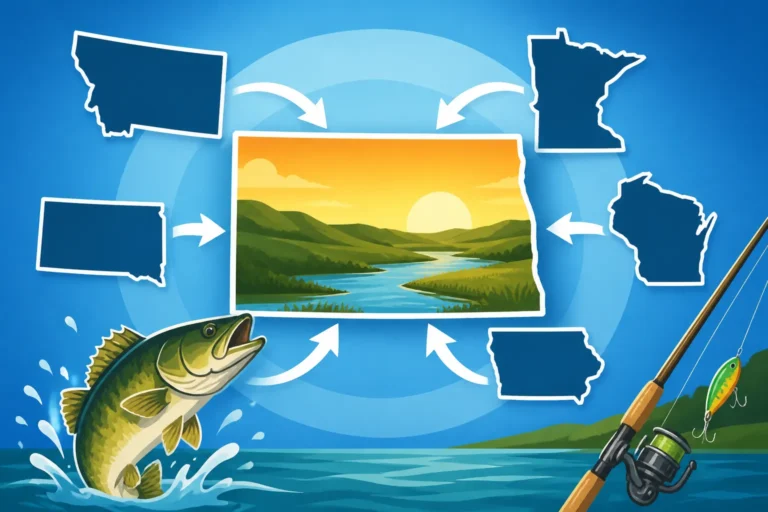
- Non-Resident Visitors: This is the most common group affected. If you’re visiting from Minnesota, South Dakota, Montana, or any other state, and plan an extended stay that keeps your boat in North Dakota for longer than 90 consecutive days, you'll need to get a North Dakota registration. This includes everything from fishing boats to pontoon boats and personal watercraft. Many folks come to enjoy the incredible Walleye Fishing in North Dakota, and if you're here for the long haul, this rule applies to you.
- New North Dakota Residents: If you’ve just moved to North Dakota and brought your boat with you, the 90-day grace period also applies while you settle in. However, as soon as you establish residency, you should start the process of Registering an Out-of-State Boat in North Dakota. It’s generally best to get this done sooner rather than later to avoid any potential issues. Once you're officially a resident, your out-of-state registration eventually becomes invalid for North Dakota operations, even if it's still current in your previous state.
- North Dakota Residents with Out-of-State Registered Boats: This is less common, but it can happen. For example, if you're a North Dakota resident who purchased a boat out of state and haven't yet brought it into North Dakota, the 90-day rule doesn't really apply in the same way. Once you bring that boat into North Dakota, you are immediately required to register it. You can't just keep an out-of-state registration indefinitely if you reside in North Dakota. The only exception would be if the boat never enters North Dakota waters, which defeats the purpose of owning it here!
It's important to differentiate between using the boat and storing it. The 90 days are counted when the boat is in North Dakota, regardless of whether it's in the water or parked in your driveway. So, if your boat sits unused in your garage for three months, then you take it out, that still counts towards your 90 days in the state. Always refer to the official North Dakota Boat Registration Requirements from the NDGFD for the most precise details.
Navigating the Grace Period and When to Register Your Boat
Understanding the 90-day rule is one thing, but practically applying it can sometimes feel like solving a riddle, especially when you’re just trying to enjoy your time on the water. It’s not just about the total number of days, but how those days are counted and what happens if you exceed the limit. Let's demystify the clock and the consequences.
Calculating Your 90 Days
The trickiest part for many boaters is accurately tracking those 90 days. The North Dakota Game and Fish Department specifies "90 consecutive days" or an "aggregate of more than 90 days within a calendar year." What does that really mean?
- Consecutive Days: This is straightforward. If your boat enters North Dakota on June 1st and stays continuously in the state, whether it's on the water, docked, or trailered in your yard, by August 30th (90 days later), it needs to be registered. Even if you don't put it in the water for a month, those days still count toward the consecutive total if the boat is physically present in the state.
- Aggregate Days: This is where it can get a little more complex. Let's say you bring your boat to North Dakota for a long weekend in May (4 days), then return in July for a two-week fishing trip (14 days), and come back again in September for another week (7 days). That's a total of 25 days. You're well within your limit. However, if you make frequent, shorter trips that add up over the calendar year, you could eventually hit that 90-day threshold. For example, if you live just across the border in Minnesota and frequently come to fish the Red River, those trips add up. It's vital to keep a mental (or actual) tally. The calendar year typically runs from January 1st to December 31st.
Consider a hypothetical: You own a cabin near Lake Metigoshe, just over the border from Manitoba, Canada. You bring your boat down for the entire summer, from Memorial Day to Labor Day. That period alone is roughly 100 days, well exceeding the 90-day limit, regardless of how much you actually use the boat. In this scenario, you would definitely need to register your boat in North Dakota. This is a common situation for seasonal residents who spend extended periods enjoying North Dakota's outdoor amenities.
The Importance of Timely Registration
Ignoring the 90-day rule can lead to some unwelcome surprises, spoiling an otherwise perfect day on the water. The North Dakota Game and Fish Department wardens are diligent in ensuring compliance with all boating regulations, including proper registration.
If you are found operating a boat that has exceeded the 90-day grace period without a valid North Dakota registration, you could face penalties. These penalties can range from fines to, in some cases, the impoundment of your vessel, though that is usually for more severe or repeat offenses. It’s always better to be proactive than to deal with the headache of a citation. Nobody wants to be pulled over by a game warden when they're simply trying to catch some Walleye or Chinook Salmon.
Beyond the legal ramifications, timely registration contributes to the overall safety and management of North Dakota's aquatic resources. Your registration fees help fund programs for boating safety, maintenance of public access sites, and crucial efforts to combat aquatic nuisance species like zebra mussels. So, it's not just about avoiding a fine; it's about being a responsible steward of the environment you enjoy. If you're wondering about the exact costs, our guide on North Dakota Boat Registration Fees by Size can give you a clear picture.
Exemptions and Special Considerations for Out-of-State Boats
While the 90-day rule serves as a general guideline, like most regulations, it does have a few specific exceptions and considerations that are important for boaters to be aware of. Not every vessel that crosses into North Dakota falls under the same blanket rule, and understanding these nuances can save you time, money, and potential frustration.
Specific Exemptions to the Rule
The North Dakota Game and Fish Department recognizes that certain types of vessels or specific circumstances warrant different treatment under the law. It’s not a free-for-all, but these exemptions are in place for logical reasons:
- Federally Documented Vessels: If your boat is federally documented by the U.S. Coast Guard, it generally doesn't need state registration stickers, regardless of how long it's in North Dakota. These are typically larger vessels, though any recreational boat can be federally documented if it meets certain tonnage requirements. Federal documentation acts as the primary form of identification and "registration" for these boats. You'll still need to ensure you comply with all other North Dakota boating safety and equipment regulations, but the state registration process is usually bypassed.
- Dealer Inventory and Manufacturer Testing: Boats held by dealers for sale or those being used by manufacturers for testing purposes are typically exempt from registration until they are sold to an end-user or placed into general recreational service. This makes sense; you wouldn't expect every boat on a dealership lot to be registered for individual use.
- Boats Used in Competitive Events: Vessels participating in a sanctioned race or regatta, and only in North Dakota for the duration of that event and associated travel, might also have specific exemptions. However, this is usually for a very short, defined period and isn't applicable to general recreational use. Always double-check with the event organizers or the NDGFD for specific requirements related to competitive boating.
- Canoes, Kayaks, and Small Non-Motorized Craft: In North Dakota, canoes, kayaks, rowboats, and sailboards that are not propelled by a motor (including electric trolling motors) are typically exempt from registration requirements. This is a huge relief for many paddlers who enjoy exploring North Dakota's rivers and smaller lakes. However, if you attach even a small electric motor to your kayak, it then becomes subject to registration. You can find more details in the North Dakota Boat Registration Guide.
It’s crucial to remember that these exemptions are usually quite specific. If you’re unsure if your vessel qualifies, it's always best to contact the North Dakota Game and Fish Department directly. A quick phone call can save you a lot of hassle.
Boating on Border Waters
North Dakota shares significant waterways with neighboring states, particularly the Red River of the North with Minnesota and the Missouri River/Lake Oahe with South Dakota. These border waters often have special reciprocal agreements that can affect registration rules, creating a unique situation for boaters.
- Red River of the North (North Dakota – Minnesota Border): For most of the Red River, there's a reciprocal agreement between North Dakota and Minnesota. This means if your boat is legally registered in Minnesota, you can operate it on the North Dakota side of the Red River (and vice-versa for North Dakota registered boats on the Minnesota side) without needing a separate registration for that waterbody, even if you spend more than 90 days. This makes fishing and recreation on the Red River much simpler for residents of both states. However, this reciprocal agreement only applies to the specific border water and does not extend to other inland lakes or rivers in North Dakota. So, if you launch your Minnesota-registered boat on the Red and then trailer it to Devils Lake, the 90-day rule for Devils Lake still applies. Our article on Reciprocal Fishing Rules on the Red River Border Waters covers this in more detail.
- Missouri River / Lake Oahe (North Dakota – South Dakota Border): Similar reciprocal agreements can sometimes apply to specific segments of border waters with South Dakota, particularly on parts of the Missouri River and Lake Oahe that span both states. Generally, if your boat is properly registered in either North Dakota or South Dakota, you can operate it on the shared portions of these waters. Again, like the Red River, these agreements are typically confined to the border water itself and don't grant you carte blanche to operate elsewhere in North Dakota indefinitely without meeting the 90-day rule.
Always carry your current state's registration and proof of ownership when on border waters, as game wardens from either state may check it. When planning to fish or boat these incredible waters, it’s always a good idea to brush up on the current North Dakota Fishing Regulations Explained as well, as fishing licenses and boat registrations are distinct but equally important.
Steps to Register an Out-of-State Boat in North Dakota
So, you’ve hit that 90-day mark, or you know you will, and it’s time to make your boat officially part of the North Dakota fleet. The process might seem a bit daunting at first, especially if you’re new to the state’s bureaucracy, but I promise it’s quite manageable. Getting your boat properly registered means you can cruise North Dakota’s lakes and rivers with complete peace of mind, knowing you’re fully compliant.
Gathering Your Documentation
Preparation is key when it comes to any official paperwork. Having all your ducks in a row before you start the registration process will make everything go much smoother. Here’s a list of what you'll typically need to gather:
- Proof of Ownership: This is paramount. You’ll need either the original title for your boat, or if your state doesn't issue titles for boats, a manufacturer's statement of origin (MSO) or a bill of sale. If you've financed the boat, you might have a lienholder, so be prepared to provide that information. Make sure the bill of sale clearly states the buyer and seller, boat make, model, year, hull identification number (HIN), and purchase price.
- Previous Registration: Bring your current, valid registration from your previous state. This proves it was legally registered elsewhere and helps with the transfer process.
- Personal Identification: A valid driver's license or state ID is usually required.
- Hull Identification Number (HIN): This 12-digit number is like your boat's VIN. It's unique to your vessel and crucial for identification. Make sure it's easily accessible on your boat (usually on the transom, starboard side) and correctly transcribed on your forms.
- Proof of Sales Tax Payment: If you purchased the boat out-of-state and haven't paid North Dakota sales tax, you might need to do so during registration, or provide proof that sales tax was paid in another state (and ensure it meets ND requirements for reciprocity).
- Applicable Fees: Be ready to pay the registration fee, which varies based on the length of your boat, and the Aquatic Nuisance Species (ANS) fee. Check out our detailed article on the North Dakota Aquatic Nuisance Species Fee Amount for current figures.
Having digital copies or clear photographs of these documents on your phone can be a helpful backup, but always aim to have the physical originals or certified copies when possible.
Where and How to Apply
Once you have all your documents ready, it’s time to submit your application. North Dakota offers a few convenient ways to do this:
- Online Application: The North Dakota Game and Fish Department provides an online portal for boat registration. This is often the quickest and easiest method for many people. You can upload scanned documents and pay fees directly. Just head over to the official NDGFD website and look for the boat registration section. This is especially useful if you're not near a physical office.
- In-Person at NDGFD Offices: If you prefer face-to-face interaction or need assistance with your paperwork, you can visit a North Dakota Game and Fish Department office. They have locations in Bismarck, Fargo, and other cities. This is a great option if you have specific questions or need clarification on any part of the process.
- Mail-In Application: You can also download the necessary forms from the NDGFD website, fill them out, and mail them in with your payment and copies of your documentation. Be sure to send copies, not originals, if mailing. This method can take a bit longer, so plan accordingly if you're up against the 90-day deadline.
When you successfully register your boat, you’ll receive a registration card and decals that must be affixed to your boat. The registration card should always be kept on board your vessel when in operation. Remember, there's also a North Dakota New Boat Registration Deadline for newly acquired boats, which is generally 30 days from the purchase date, so don't delay!
Understanding North Dakota Boat Registration Costs
The cost of registering your out-of-state boat in North Dakota is generally based on its length. The fees are biennial, meaning they cover a two-year period. This helps streamline the process for both boaters and the state.
Here’s a general idea of the fee structure, though these can change, so always verify current rates on the NDGFD website:
| Boat Length Category | Biennial Registration Fee | Aquatic Nuisance Species (ANS) Fee | Total Biennial Cost (Approx.) |
|---|---|---|---|
| Less than 16 feet | $20 | $10 | $30 |
| 16 to less than 20 feet | $40 | $10 | $50 |
| 20 to less than 26 feet | $60 | $10 | $70 |
| 26 feet or more | $80 | $10 | $90 |
| Sailboats (any length) | $20 | $10 | $30 |
Note: These figures are illustrative and may change. Always consult the official North Dakota Game and Fish Department website for the most current fee schedule.
As you can see, the ANS fee is a flat $10, which goes directly towards critical programs designed to prevent the spread of invasive species that can devastate North Dakota's precious waterways. Paying this fee is a small but important contribution to protecting the environment we all enjoy. For a deeper dive into these costs, our guide on North Dakota Boat Registration Cost by Length offers even more details.
Remember to consider other essential boat supplies too. While you're getting your registration in order, it's a good time to check your safety gear. Many boaters find reliable safety kits, extra ropes, or even a good quality boat cover for storage on sites like Amazon, making sure they’re fully prepared for any North Dakota adventure.
Disclaimer
Please note that while this guide aims to provide comprehensive and accurate information, regulations are subject to change. It is always the boater's responsibility to verify the most current rules and requirements directly with the North Dakota Game and Fish Department (NDGFD) or other relevant authorities. This content is for informational purposes only and should not be considered legal advice.