North Dakota Boat Registration Guide
Navigating the ins and outs of boat registration can feel like wrestling a trophy walleye – complex and a little intimidating, especially with all the nuances of state regulations. Many first-time boat owners, or even seasoned veterans moving to the Peace Garden State, find themselves scratching their heads, wondering exactly what paperwork they need, where to go, and what costs are involved. This comprehensive guide is here to untangle the lines and make understanding North Dakota boat registration as smooth as a glass-calm morning on Lake Sakakawea, ensuring you’re legal, compliant, and ready to hit the water without a hitch.
Understanding North Dakota Boat Registration: Why It Matters
When you’ve got a new boat, whether it’s a sleek fishing rig or a pontoon boat for family outings, the excitement of getting it on the water can be almost overwhelming. But before you cast off, there's a crucial step that often gets overlooked in the initial zeal: boat registration. It's not just a formality; it's a legal requirement with several important implications for safety, resource management, and your peace of mind. Ignoring it can lead to frustrating delays, fines, and even a spoiled day on the lake, which is the last thing any angler or boater wants.
Who Needs to Register a Boat?
It’s easy to assume that all boats need to be registered, but North Dakota's rules are actually quite specific about what qualifies. Generally, if your boat has a motor – any motor, electric or gas – it needs to be registered. This includes everything from a powerful bass boat to a small aluminum fishing boat with a trolling motor. The intent here is clear: any vessel that uses mechanical propulsion on public waters is part of a system that requires oversight. Even if you only use an electric trolling motor on a small pond, if that pond is public water, registration is likely required. It’s always best to err on the side of caution and check, rather than face an unexpected encounter with a game warden.
However, the state also makes some common-sense exceptions. Generally, non-motorized vessels like canoes, kayaks, rowboats, and paddleboards don't typically require registration. These are considered human-powered craft and don't contribute to the same issues of speed, power, or potential pollution that motorized vessels do. Similarly, small sailboats that are under a certain length and do not have an auxiliary motor might also be exempt. It’s crucial to remember that exceptions can have fine print, so always verify if your specific type of vessel falls outside the registration requirements. For instance, a sailboat might be exempt, but if you add a small outboard for emergencies, it then becomes a motorized vessel in the eyes of the law. You can find more detailed information on specific exemptions in Do Kayaks Need to Be Registered in North Dakota? and Do Canoes Need to Be Registered in North Dakota?.
The "Why" Behind Registration
Beyond the simple "it's the law," there are really solid reasons why North Dakota, like other states, mandates boat registration. First and foremost, it's about safety and identification. In the unfortunate event of an accident, a stolen vessel, or a missing boater, registration numbers provide an immediate way for law enforcement and rescue teams to identify the craft and its owner. Imagine a scenario where a boat breaks down on a large lake like Sakakawea, and responders need to quickly identify the vessel and its passengers; a registration number is vital for that. It's a critical tool for search and rescue operations, allowing officials to quickly access owner contact information and details about the vessel.
Secondly, registration fees play a vital role in funding crucial conservation and safety programs. The money collected from boat registrations doesn't just disappear into a general fund; it's often earmarked for things like improving public boat ramps, maintaining waterways, providing boater education courses, and enforcing boating safety regulations. When you register your boat, you're directly contributing to the health of North Dakota's aquatic ecosystems and ensuring that future generations can enjoy the same beautiful lakes and rivers we do today. This funding also supports efforts to prevent the spread of aquatic nuisance species (ANS), which is a huge concern for the state's valuable fisheries.
Consequences of Not Registering
Ignoring boat registration isn't just a minor oversight; it can lead to some pretty significant headaches and expenses. The most immediate consequence is typically a fine. North Dakota game wardens and other law enforcement officials routinely patrol waterways and conduct checks, and an unregistered boat will quickly catch their attention. These fines can add up quickly, far exceeding the initial cost of registration. It’s a classic case of trying to save a little money upfront only to pay much more in the long run.
Beyond fines, an unregistered boat can lead to other complications. You might be prevented from launching your boat at public ramps or using certain facilities. In some cases, repeated offenses or severe violations could even lead to your boat being impounded, which means towing fees, storage fees, and a lengthy process to get your vessel back, all adding to your frustration. Imagine driving for hours to Lake Sakakawea Fishing Guide for North Dakota Anglers for a weekend trip, only to be turned away at the ramp because your boat isn't properly registered. It's a preventable disaster that can easily derail your plans and leave a sour taste in your mouth. Always make sure your vessel is legally documented before heading out.
The Step-by-Step Process for Registering Your Boat in North Dakota
Alright, let's get down to brass tacks: how do you actually get this done? The process might seem daunting at first glance, but North Dakota has streamlined it considerably. By following a few key steps and gathering the right information, you can get your boat registered and ready for the water without too much fuss. It's all about preparation and knowing where to go and what to expect. Think of it like preparing your tackle box for a big fishing trip – having everything organized makes the actual fishing much more enjoyable.
Gathering Your Essential Documents
Before you even think about filling out a form, you need to have your ducks in a row when it comes to paperwork. The most critical document is proof of ownership. If you bought your boat new from a dealer, this will usually be a Manufacturer's Statement of Origin (MSO) or a Certificate of Origin (MCO). If you purchased a used boat, you'll need a properly executed bill of sale, often accompanied by the previous owner's signed-over title (if the boat was previously titled). This bill of sale needs to be clear, include the vessel's hull identification number (HIN), the sale price, and the signatures of both the buyer and seller. Without clear proof of ownership, you won't be able to register the boat.
You'll also need personal identification, such as a driver's license, and potentially information about your boat's engine, if it’s an outboard. This includes the make, model, horsepower, and serial number. It's a good idea to have photos of your boat, especially the HIN, just in case you need to verify anything. Having all these details neatly organized will save you immense time and frustration when you actually go to submit your application. It’s like having your Essential Gear Checklist for North Dakota Fishing ready before you pack for the lake.
Where to Submit Your Application
North Dakota offers a few convenient ways to submit your boat registration application. The easiest and often quickest method for many is to do it online through the North Dakota Game and Fish Department (NDGFD) website. This allows you to complete the forms, upload necessary documents, and pay the fees electronically from the comfort of your home. It’s available 24/7, which is perfect for those of us who have busy schedules.
If you prefer a more traditional approach, or if you have complex paperwork, you can also register your boat by mail. You’ll download the forms from the NDGFD website, fill them out, attach copies of your supporting documents (never send originals through the mail unless specifically instructed), and mail them along with a check or money order for the fees. Finally, for those who like to do things in person, you can visit the NDGFD headquarters or one of their regional offices. This can be beneficial if you have questions or need clarification on any part of the process, as you can speak directly with a representative. Just be sure to check their operating hours before you go! You can learn more about official channels in Where to Buy a North Dakota Fishing License which shares similar purchase locations for various permits and licenses.
Understanding the Fees Involved
Boat registration isn't free, but the fees are generally reasonable and contribute to those valuable conservation efforts we talked about. The total cost will typically include a base registration fee, which can vary depending on the length of your boat. Longer boats generally incur higher registration fees. This is a common practice, as larger vessels often have a greater impact on waterways and require more resources for management and infrastructure. You can refer to North Dakota Boat Registration Fees by Size for a detailed breakdown of these costs.
In addition to the base fee, there's a mandatory Aquatic Nuisance Species (ANS) fee for most motorized boats. This fee is critically important for funding programs designed to prevent the introduction and spread of invasive species like zebra mussels, which can wreak havoc on North Dakota's delicate aquatic ecosystems. This fee is a small but mighty investment in protecting our waters. For boats that require a title (generally those 16 feet or longer), there will also be a separate title fee. It’s important to understand all these components so you’re not surprised when it comes time to pay. Having all fees prepared in advance ensures a smooth transaction and helps you avoid any last-minute scrambling. You'll find specific details about this vital charge in North Dakota Aquatic Nuisance Species Fee Amount.
North Dakota Boat Registration Requirements: What You Need to Know
Understanding what boats need to be registered and what specific documentation is required is paramount to a hassle-free experience. North Dakota has clear guidelines, but it's easy to get confused if you're not familiar with the distinctions. We'll dive into the specifics, separating the boats that definitely need to be on the books from those that are happily cruising under the radar without paperwork. This section is your go-to for ensuring your particular vessel is handled correctly.
Boats That Require Registration
The general rule of thumb in North Dakota is that any boat equipped with a motor, regardless of its size or the type of motor, must be registered. This is a broad category that covers a vast array of vessels. Whether you have a 20-foot bass boat with a powerful outboard, a modest 14-foot fishing skiff with a small gasoline engine, or even a canoe or kayak that you’ve outfitted with an electric trolling motor, it falls under the registration mandate. The "motor" is the key trigger here, signifying its potential for speed, power, and environmental impact that non-motorized vessels do not possess.
This also extends to larger sailboats, typically those over 16 feet in length, even if their primary propulsion is wind. If such a sailboat also has an auxiliary motor (which many do for docking, emergencies, or navigating calm waters), it definitively requires registration. The reasoning is logical: a vessel with mechanical power needs to be identifiable, and its usage contributes to the demands on waterways and emergency services. It’s about accountability and managing the shared resource that is North Dakota's beautiful lakes and rivers. So, if you're eyeing that new Best Boats for Lake Sakakawea's Big Water to explore Lake Sakakawea, plan on getting it registered.
Boats That Are Exempt
While most motorized vessels need to be registered, North Dakota recognizes that not every floating craft needs state oversight. Exemptions typically apply to genuinely human-powered vessels and very small, non-motorized craft. This means your traditional canoe, kayak, paddleboard, or rowboat generally does not require registration, as long as it isn't fitted with any kind of motor. These vessels operate under human power, posing different risks and having a smaller environmental footprint, so the state doesn't impose the same bureaucratic requirements.
Another common exemption is for boats that are strictly used on private waters, such as a pond on private land that has no access to public waterways. In such isolated scenarios, the state's jurisdiction over public waters doesn't apply. However, it's rare for a boat to never touch public water, so most owners will find themselves needing to register. There are also usually exceptions for certain U.S. government-owned vessels, but for the average recreational boater, these are less common considerations. It's always best to check the specific details on the NDGFD website or contact them directly if you're unsure about your vessel's status, especially if it's a unique craft or used in a specific way. The rule of thumb is: if it has a motor and touches public water, it probably needs to be registered.
Required Information and Documentation
When you're ready to register, having all your necessary information and documents organized beforehand will make the process incredibly smooth. The state requires several key pieces of information to accurately identify both you and your vessel. For the boat itself, you'll need its Hull Identification Number (HIN), which is a unique 12-digit code typically found on the transom (the back) of the boat, usually on the starboard (right) side. Think of it like a vehicle identification number (VIN) for your car – it's crucial for identification and tracking.
You'll also need details about the boat's make, model, year of manufacture, and overall length. If it has a motor, you'll need the motor's make, horsepower, and serial number. For documentation, proof of ownership is paramount. For new boats, this means the Manufacturer's Statement of Origin (MSO) or Certificate of Origin. For used boats, a signed bill of sale and the previous owner's title (if applicable) are essential. Without these, proving legitimate ownership can be a significant hurdle. Personal identification, like your North Dakota driver's license or state ID, will also be required to confirm your identity. Ensuring you have these documents and details readily available, perhaps even a checklist, will prevent any frustrating delays during your registration submission. This attention to detail is akin to double-checking your knots and lines before heading out on North Dakota Open Water Fishing Season.
Special Situations and Common Questions About Boat Registration
Boat registration isn't always a straightforward, one-size-fits-all process. Life happens, boats change hands, and sometimes you're just visiting. Understanding how North Dakota handles these special situations can save you a lot of grief and ensure you stay compliant, no matter your circumstances. Many boaters find themselves in these gray areas, and knowing the rules beforehand is key.
Registering a New vs. Used Boat
The core process for registering a new boat versus a used boat in North Dakota is quite similar, but there are a few distinct differences, primarily in the documentation required. When you're registering a brand-new vessel, typically purchased from a dealership, your primary proof of ownership will be a Manufacturer's Statement of Origin (MSO) or a Manufacturer's Certificate of Origin (MCO). This document essentially proves that you are the first retail owner of that specific boat directly from the factory or its authorized distributor. Dealers are usually well-versed in providing these to facilitate your registration.
For a used boat, the situation is a little different. Your proof of ownership will consist of a properly executed bill of sale, often accompanied by the previous owner's signed-over boat title (if the boat was titled). The bill of sale should clearly state the buyer and seller, the boat's HIN, the date of sale, and the purchase price. It’s crucial that the previous owner signs the title over to you correctly, and any liens are satisfied and released. If the boat was not previously titled (because it was under 16 feet, for example), then a robust bill of sale becomes even more critical as the primary document of transfer. Make sure all names and details match perfectly to avoid any hiccups in the transfer of ownership.
Out-of-State Boat Registration in North Dakota
If you're visiting North Dakota with your boat, or perhaps recently moved to the state, you're probably wondering about how your existing registration translates. North Dakota has a reciprocal agreement with other states, meaning that if your boat is currently and validly registered in another state, you can typically operate it on North Dakota waters for a limited period without needing a separate North Dakota registration. This is generally covered under what's often referred to as the "90-day rule." North Dakota 90-Day Rule for Out-of-State Boats specifically outlines this provision.
However, there's a catch: if you establish residency in North Dakota or intend to keep your boat in the state for more than 90 consecutive days, then you are legally required to register it with the North Dakota Game and Fish Department. This applies whether you're bringing a boat from Minnesota, South Dakota, Montana, or anywhere else. The purpose of this rule is to ensure that boats primarily used in North Dakota contribute to the state's conservation and safety funds. So, if your summer cabin on Devils Lake Fishing Guide for North Dakota Anglers means your boat will be here all season, plan on getting that North Dakota registration. You can find more details about this process in Registering an Out-of-State Boat in North Dakota.
Renewing Your North Dakota Boat Registration
Unlike some things that are one-and-done, boat registration in North Dakota isn't permanent. It needs to be renewed periodically to remain valid. North Dakota boat registrations are typically valid for a three-year period. The good news is that the renewal process is usually much simpler than the initial registration. The NDGFD will generally send you a renewal notice in the mail or via email as your registration expiration date approaches.
You can renew your registration online, which is often the most convenient method. Simply visit the NDGFD website, locate the boat registration renewal section, and follow the prompts. You'll typically verify your information, pay the renewal fee, including the Aquatic Nuisance Species fee, and then you'll receive new decals to affix to your boat. You can also renew by mail or in person. It's crucial not to let your registration lapse, as operating an expired registration is the same as operating an unregistered boat, subject to fines. Always keep an eye on your expiration date to ensure you're always legal on the water. For more information on renewal periods, check out North Dakota Boat Registration Renewal Period 2026 to 2028.
Lost Registration or Decals
It happens to the best of us: sometimes paperwork gets misplaced, or those yearly decals decide to peel off after a particularly harsh winter or too many sunny days. If you find yourself with a lost or damaged registration card or missing decals, don't panic. The North Dakota Game and Fish Department has a process for obtaining replacements. You'll typically need to contact them directly or visit their website to request a duplicate.
There's usually a small fee associated with obtaining replacement documents or decals, primarily to cover administrative costs and mailing. It's important to get these replacements as soon as possible, because just like driving a car, you need to have your registration readily available onboard, and your decals properly displayed, when operating your boat. Law enforcement can, and often will, check for both. Don't let a small oversight turn into an unnecessary fine. Making sure your boat's credentials are up-to-date and visible is part of being a responsible boater in North Dakota.
Understanding North Dakota Boat Titles vs. Registration
This is where things can get a little muddled for many boat owners. What's the difference between a boat title and a boat registration? Are they the same thing? Do you need both? These are common and excellent questions, and the answer is that while they are related to boat ownership, they serve distinct purposes. Clarifying this can prevent a lot of confusion, especially when buying or selling a boat.
The Purpose of a Boat Title
Think of a boat title as the deed to your house or the title to your car. It is the official, legal document that proves ownership of the vessel. The title contains key information about the boat, such as its Hull Identification Number (HIN), make, model, year, and the name(s) of the legal owner(s). When you buy a boat, especially a larger one, transferring the title into your name is the definitive act of establishing legal ownership. It's not just about proving you bought it, but proving you own it, free and clear, or that you have a lien on it if you financed the purchase.
The title is crucial for legal transfers, establishing collateral for loans, and recovering a boat if it's stolen. Without a clear title, selling your boat can be incredibly difficult, as future buyers will want assurance of legitimate ownership. It's a permanent record of the boat's legal lineage. Unlike registration, which needs periodic renewal, a title is generally a one-time document that changes hands only when the boat is sold. This distinction is vital for anyone engaging in boat sales in North Dakota. To understand more about what exactly the state requires, look into North Dakota Watercraft Title Requirements.
When a Boat Needs a Title
In North Dakota, not all boats are required to have a title. Generally, boats that are 16 feet in length or longer, and are primarily propelled by an internal combustion engine or are documented by the U.S. Coast Guard, are required to be titled. This includes most larger fishing boats, pontoons, runabouts, and cruisers. The logic here is that larger, more valuable vessels require a more robust and formal proof of ownership system. For these boats, the title acts as a secure record of who legally owns the asset, similar to real estate.
Smaller boats, typically those under 16 feet in length or those that are non-motorized (like most canoes and kayaks), are generally exempt from titling requirements. For these vessels, a clear bill of sale often serves as sufficient proof of ownership during a transaction. However, even if a title isn't required by law for a smaller boat, sometimes owners opt to get one voluntarily, especially if the boat is particularly valuable or if they anticipate selling it to someone who might appreciate the added formality. It's always best to understand if your specific boat falls into the mandatory titling category.
Differences and Overlaps
The key difference between a boat title and a registration is their fundamental purpose. The title proves ownership, while the registration grants permission to operate the boat on public waters. Think of it this way: you can own a car (have the title), but you can't legally drive it on public roads without registering it and getting license plates. The same applies to boats. You might legally own a 20-foot fishing boat (have the title), but you still need a valid and current registration to put it in the water and operate it in North Dakota.
They do overlap in that you typically need to present proof of ownership (your title or bill of sale) to the North Dakota Game and Fish Department when you apply for your initial registration. The registration process validates that the person seeking to register the boat is, in fact, the legal owner. But once registered, the registration card and decals are what you carry on the water to prove you have permission to be there. The title, on the other hand, is usually kept in a safe place, not carried on the boat. Understanding this distinction is crucial for both legal compliance and for smooth transactions when buying or selling. For a more direct comparison, check out Difference Between Boat Registration and Boat Title in North Dakota.
Decoding North Dakota's Aquatic Nuisance Species (ANS) Fee
The waters of North Dakota are a treasure, brimming with diverse fish populations like walleye, northern pike, and yellow perch. Protecting these waters from invasive species is a top priority, and that's where the Aquatic Nuisance Species (ANS) fee comes into play. This isn't just another charge; it's a critical investment in the future of fishing and boating in our state. It's a small fee with a huge impact, aiming to keep our ecosystems healthy and vibrant.
What the ANS Fee Supports
The Aquatic Nuisance Species (ANS) fee is specifically designated to fund programs and initiatives aimed at preventing, detecting, and controlling invasive species in North Dakota's waterways. These species, like zebra mussels, Eurasian watermilfoil, and starry stonewort, are non-native organisms that can outcompete native species, disrupt ecosystems, damage infrastructure, and severely impact recreational opportunities. They can clog boat motors, make swimming areas unpleasant, and fundamentally alter the food web for our beloved fish.
The funds collected from the ANS fee are used for a variety of critical activities. This includes staffing watercraft inspection and decontamination stations at popular boat ramps, conducting surveys to detect new invasions, educating boaters and anglers about "Clean, Drain, Dry" practices, and developing strategies for managing existing populations of invasive species. Essentially, your ANS fee is a direct contribution to safeguarding North Dakota's precious natural resources and ensuring that our lakes and rivers remain healthy and productive for generations to come. It's a proactive measure to protect our fisheries and recreational waters.
Who Pays the ANS Fee
Most motorized boat owners in North Dakota will find themselves paying the Aquatic Nuisance Species (ANS) fee. This fee is typically collected annually or bi-annually alongside your boat registration. The logic behind this is that motorized boats, which often travel between different bodies of water, are considered the primary vector for transporting ANS larvae or plant fragments from one lake to another. Even a tiny fragment or microscopic larvae attached to a hull or prop can be enough to start a new invasion.
Even if you only launch your boat in one lake all year, you're still contributing to the overall prevention effort, as everyone's compliance is needed to create a robust defense. There are usually exceptions for non-motorized craft, as their risk of spreading ANS is generally much lower due to limited travel distances and slower movement. However, even non-motorized boaters are strongly encouraged to practice "Clean, Drain, Dry" as a best practice. The North Dakota Aquatic Nuisance Species Fee Amount offers specifics on the current charges.
Compliance and Prevention Tips
Paying the ANS fee is just one part of the equation; active participation in prevention is equally crucial for every boater. The cornerstone of preventing the spread of aquatic nuisance species is the "Clean, Drain, Dry" method. This simple mantra should become second nature for anyone using North Dakota's waters.
Clean: Before leaving any launch ramp, inspect your boat, trailer, and all fishing gear. Remove any visible mud, weeds, or debris. This includes your anchor, ropes, and even your fishing nets. If you find anything, dispose of it in a trash receptacle, not back into the water or on shore near the water.
Drain: Drain all water from your boat, including the bilge, livewells, baitwells, and engine cooling systems, before you leave the launch area. Many invasive species can survive in small amounts of standing water. Remember that bait buckets can also harbor invasives; don't transport live bait from one water body to another.
Dry: Allow your boat, trailer, and all gear to thoroughly dry for an extended period (often 3-5 days, depending on conditions) before launching in another body of water. Heat and dryness are effective at killing many ANS. If immediate drying isn't possible, consider washing your boat with hot, high-pressure water (over 140°F) to kill any hidden invaders.
Being diligent with these steps protects our waters and ensures the longevity of North Dakota's incredible fishing and boating experiences. Many outdoor retailers, like Bass Pro Shops, offer specialized cleaning brushes and high-pressure nozzles that can aid in this process. Always remember the rules outlined in Aquatic Nuisance Species Rules for Boaters to protect our precious lakes.
Displaying Your Registration: Decals and Numbers
Getting your boat registered is a big step, but your job isn't quite done until those registration numbers and decals are properly displayed on your vessel. This isn't just about aesthetics; it's a legal requirement that allows law enforcement to quickly identify your boat on the water. Incorrectly displayed numbers or missing decals can still lead to fines, even if your boat is fully registered. It's about making sure your boat is easily identifiable at a glance.
Correct Placement of Registration Numbers
North Dakota, like most states, has specific rules about how your boat's registration numbers must be displayed. These numbers, which are typically assigned to your boat upon initial registration, must be painted on or permanently attached to both sides of the forward half of the hull. This means on the bow or the front section of your boat, clearly visible from either side. They cannot be placed on the transom (the back) or on the cabin.
The numbers must be block characters, at least three inches in height, and they must be of a contrasting color to the hull. For example, if your boat is a light color, your numbers should be dark, and vice-versa. There must be a space or a hyphen between the two letter groups and the numeral group (e.g., ND 1234 AB or ND-1234-AB). This format ensures readability and consistency. It’s also important that they are clearly legible, not obscured by ropes, fenders, or other gear. Many boaters purchase vinyl registration number kits from retailers like Amazon or local marine supply stores, which are easy to apply and meet these requirements.
Affixing Your Registration Decals
In addition to your registration numbers, North Dakota will issue annual or biennial validation decals. These decals typically indicate the current year of your registration and must also be displayed correctly. They are usually placed on the port (left) side of the boat, usually within six inches of the registration number. This allows game wardens to quickly see that your registration is current without having to get too close to your vessel.
The decals must be clearly visible and not obstructed. It’s a good idea to clean the area where you intend to place the decal thoroughly before applying it, ensuring good adhesion. A clean, dry, flat surface will help the decal last longer and prevent it from peeling prematurely. Having your current decals correctly displayed is just as important as having the numbers themselves, as it visually signals your compliance with annual or periodic registration renewals.
What to Do with Old Decals
When it comes time to renew your registration and you receive new decals, it's important to remove any expired decals from your boat. Leaving old, expired decals on your hull can cause confusion for law enforcement and could even lead to an unnecessary stop or inspection. The goal is always to have a clean, current display that accurately reflects your boat's registration status.
Removing old decals can sometimes be a bit of a chore, especially if they've been baked on by the sun for a few years. You can use a plastic scraper, a heat gun (carefully, on a low setting, to warm the adhesive), or even some specialized decal remover solutions found at marine supply stores. Once removed, clean the area thoroughly before applying your new, current year decals. This ensures your boat always presents a clear and accurate picture of its legal status on the water.
Navigating the Law: Penalties and Enforcement
No one wants to encounter law enforcement on the water for the wrong reasons. Understanding the potential penalties for non-compliance with North Dakota's boat registration laws is an important part of being a responsible boater. It helps underscore why these regulations are in place and the consequences of ignoring them. Staying legal means enjoying your time on the water without unnecessary stress.
Fines for Unregistered Boats
Operating an unregistered boat on North Dakota's public waters is a violation, plain and simple. If a game warden or other law enforcement official discovers your boat is unregistered, you can expect to receive a citation and a fine. The amount of the fine can vary depending on the specific circumstances, such as whether it's a first offense, but it's always an unwelcome expense that could have easily been avoided. These fines are often significant enough to be a deterrent and are certainly more costly than the registration fee itself.
Beyond the initial fine, persistent non-compliance or serious violations could lead to more severe actions, though these are less common for simple registration issues. But imagine getting a ticket while you're trying to enjoy a peaceful day fishing on Lake Oahe Fishing Guide, and having your trip cut short because you didn't take the time to register. It's not just about the money; it's about the disruption and frustration that comes with it. Always ensure your boat is current and legal before you launch. You can find general information about legal consequences in Penalties for Fishing Without a License in North Dakota, which often has similar enforcement approaches for boating violations.
Consequences of Improper Display
Even if your boat is technically registered and you've paid all your fees, failing to properly display your registration numbers and decals can still get you into trouble. The regulations for number size, color, placement, and decal location exist for a reason: clear and consistent identification. If your numbers are too small, the wrong color, peeling, obscured, or otherwise not in compliance, law enforcement may issue a citation.
These fines for improper display are typically lower than those for outright non-registration, but they are still fines nonetheless. It's a preventable issue that can easily be avoided by simply taking the time to apply your numbers and decals correctly according to the guidelines provided by the North Dakota Game and Fish Department. A quick check before each season or after any hull maintenance can save you the headache and expense of a ticket for something so easily fixed.
Game Warden Authority
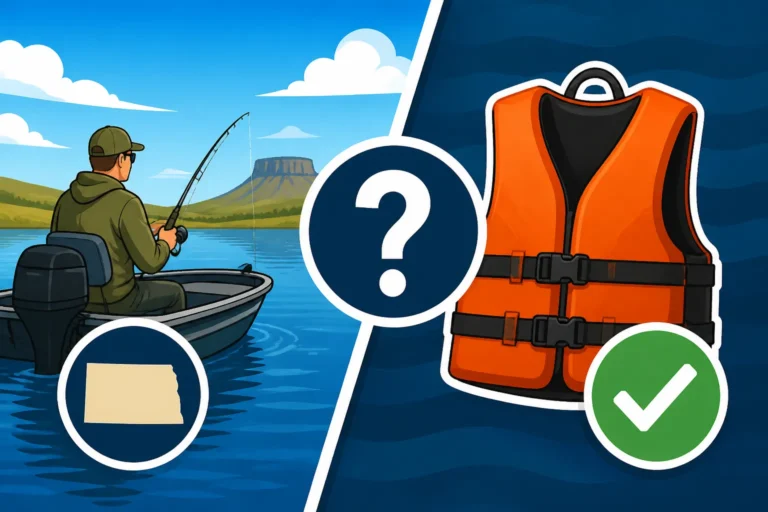
It’s important for every boater to understand that North Dakota Game and Fish Department game wardens, along with other authorized law enforcement officers, have the authority to stop and inspect vessels on public waters to ensure compliance with all boating and fishing regulations. This includes checking for valid boat registration, proper display of numbers and decals, adequate safety equipment (like life jackets), and adherence to aquatic nuisance species rules.
These checks are not meant to harass boaters but are crucial for ensuring safety, protecting natural resources, and enforcing the laws that keep our waterways safe and sustainable for everyone. If a game warden signals you to stop, you are legally obligated to comply. Be polite, cooperative, and have your registration documents readily available. Just as they can check your North Dakota Fishing License Guide, they have the right to check your boat's registration. Being prepared and compliant makes these encounters quick, professional, and ensures you can get back to enjoying your time on the water as soon as possible.
North Dakota Boat Registration Types and Fees
To help clarify the various costs and types of registrations, here's a table outlining the general fee structure and registration periods for different classes of boats in North Dakota. Remember that specific dollar amounts can change, so always check the North Dakota Game and Fish Department website for the most current figures. This table aims to give you a clear overview of what to expect financially.
| Boat Type/Category | Typical Registration Period | Base Registration Fee (General Shape) | ANS Fee (Motorized Only) | Titling Required | Notes |
|---|---|---|---|---|---|
| Motorized Boats < 16 ft | 3 Years | Lower tier, varies by length | Yes | No (usually) | Includes small fishing boats, canoes/kayaks with motors. |
| Motorized Boats 16 ft to < 20 ft | 3 Years | Mid-tier, varies by length | Yes | Yes | Common for medium fishing boats, smaller pontoons. |
| Motorized Boats 20 ft to < 26 ft | 3 Years | Higher tier, varies by length | Yes | Yes | Larger pontoons, runabouts, ski boats. |
| Motorized Boats ≥ 26 ft | 3 Years | Top tier, varies by length | Yes | Yes | Large cruisers, houseboats. |
| Non-Motorized Boats | Not Applicable | N/A (Exempt) | N/A (Exempt) | No (usually) | Canoes, kayaks, paddleboards, rowboats without motors. |
| Sailboats (primary propulsion by sail) | 3 Years | Varies by length | Yes (if aux motor) | Yes (if titled) | Only if motor or over certain size/type. |
| Duplicate Registration Card | N/A (As needed) | Small administrative fee | N/A | N/A | For lost or damaged cards. |
| Replacement Decals | N/A (As needed) | Small administrative fee | N/A | N/A | For lost or damaged stickers. |
| Boat Title Application Fee | One-time | Separate fee for new title | N/A | Yes (if applicable) | When first obtaining a title or transferring ownership. |
Important Note: The "General Shape" of the base registration fee indicates that it's typically a tiered structure, with larger boats costing more. Always verify current prices on the official North Dakota Game and Fish Department website before budgeting.
Disclaimer
This article is for general informational purposes only and does not constitute professional advice. Laws, prices and regulations vary by location and change over time. Consult a qualified professional for guidance on your specific situation.