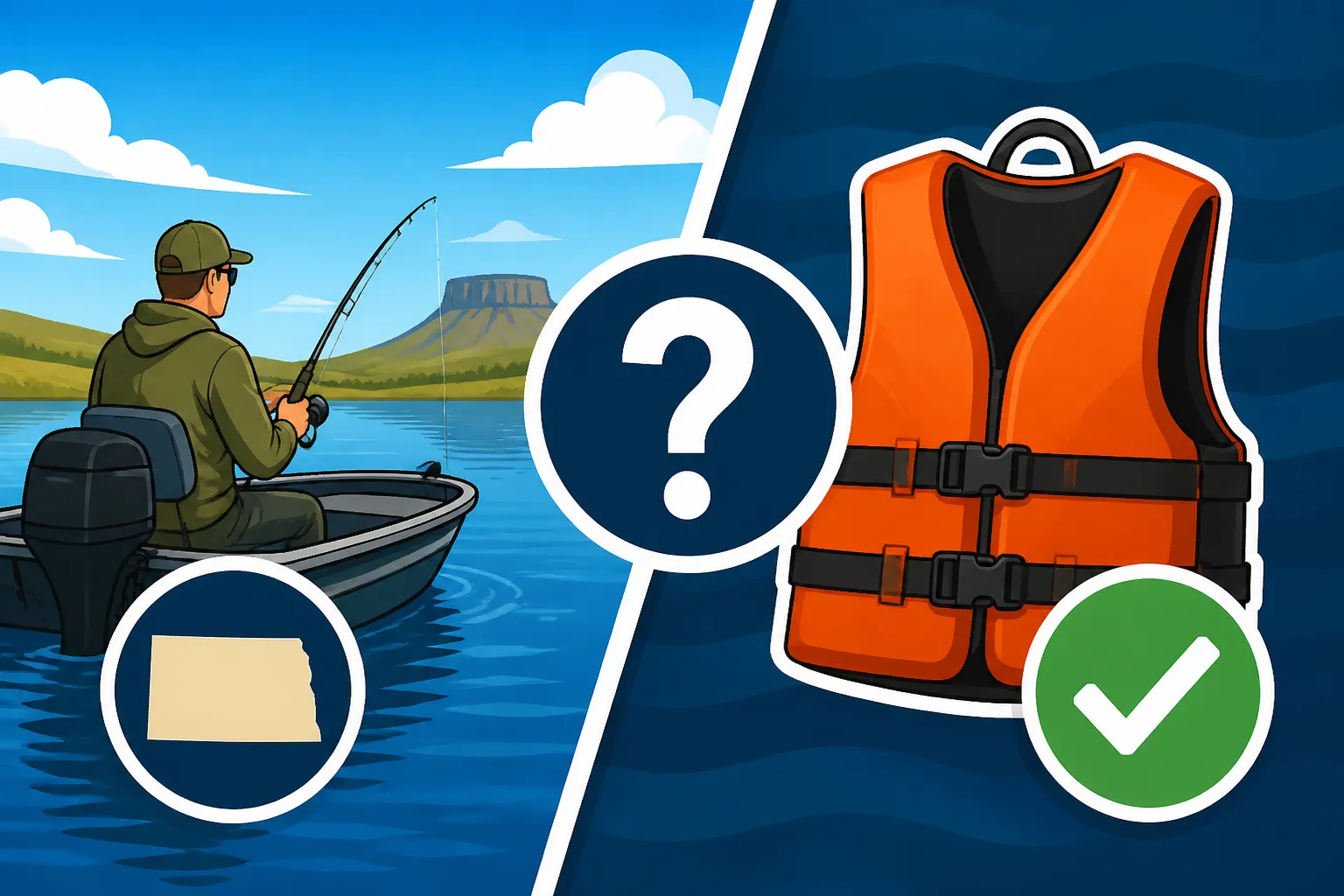
Is a Life Jacket Required by Law in North Dakota?
Navigating the waters of North Dakota can be an incredible experience, but it also comes with a lot of questions about safety and what's legally required. One of the most common concerns I hear from fellow anglers, especially those new to boating or just visiting our beautiful state, is whether a life jacket is mandatory. It can be confusing trying to decipher all the rules, and no one wants to find themselves on the wrong side of the law, let alone in a dangerous situation. This guide aims to clear up all those questions, making sure you know when a life jacket is required by law and why it's always your best friend on the water.
The Basics: When is a Life Jacket Legally Required in North Dakota?
Let's cut right to the chase because understanding the legal necessities is the first step to a safe and stress-free day on the water. North Dakota's laws are designed to protect everyone, from seasoned captains to brand-new paddlers, but they do have specific nuances that are easy to overlook. It’s not just about having a life jacket on board; it's about having the right kind and knowing when it needs to be worn.
Requirements for Children Under a Certain Age
This is perhaps the most critical rule that every parent or guardian needs to engrain in their memory. In North Dakota, any child 12 years of age or younger is legally required to wear a U.S. Coast Guard-approved personal flotation device (PFD) whenever they are on board any vessel that is underway. "Underway" means the boat isn't anchored, moored, or aground. It applies to motorboats, sailboats, kayaks, canoes, and even stand-up paddleboards.
I’ve seen it happen countless times where families are out enjoying a beautiful day on Lake Sakakawea, and a child might take off their life jacket for "just a minute" while the boat is moving. That minute is all it takes for an unexpected wave or a sudden turn to cause a fall overboard. It's not just about compliance; it’s about absolute protection for our most precious cargo. Even if your child is a strong swimmer, the shock of cold water, a bump to the head, or disorientation can quickly turn a fun outing into a nightmare. Always ensure those buckles are fastened and the jacket fits snugly. You can find more details in the North Dakota Fishing Rules for Kids and Families article.
Requirements for Different Vessel Types
The specific rules around carrying and wearing life jackets depend heavily on the type of watercraft you're using. It's not a one-size-fits-all situation, which can definitely add to the confusion.
For all recreational vessels, including kayaks, canoes, paddleboards, and larger motorboats, you must have at least one U.S. Coast Guard-approved PFD for each person on board. This is the baseline. If your boat is 16 feet or longer, you also need to have at least one throwable PFD (Type IV) in addition to the wearable PFDs for each person. These throwable devices, like a ring buoy or a cushion, are fantastic for quickly tossing to someone who has unexpectedly gone overboard, especially if your boat isn't equipped to maneuver quickly back to them. Remember, these throwable PFDs are not a substitute for the wearable ones.
What often trips people up is the wearing requirement. While the law mandates carrying a PFD for every person on most larger boats, it generally doesn't require adults to wear it at all times. The exceptions are specific situations, like when you're operating a personal watercraft (PWC) such as a jet ski, or if you're being towed on water skis or a similar device. In those cases, wearing a PFD is mandatory regardless of age. If you're out on the Missouri River Fishing Guide in a small fishing boat, it's a good idea to wear it even if not legally compelled to.
Understanding the "Readily Accessible" Rule
Okay, so you know you need a life jacket for everyone, and children under 13 must wear theirs. But what does "readily accessible" actually mean? This term is crucial for adult anglers who aren't legally required to wear a PFD but must have one available. "Readily accessible" means that the PFD must be easy to reach in an emergency. It cannot be stowed away in a locked compartment under a pile of gear, wrapped in plastic, or tucked under a full cooler where it would take precious minutes to retrieve.
Imagine this scenario: you're out on Devils Lake, a sudden storm kicks up, or your boat hits a submerged object. If someone falls overboard, you need to be able to grab a PFD and throw it to them in seconds, not minutes. This means it should be in plain sight, on an open rack, or easily pulled from a seat storage compartment without fumbling around. I always tell my friends to think of it this way: if you had to grab it with one hand in the dark, could you do it without impediment? If the answer is no, it's not readily accessible. Investing in proper storage, like mesh bags or dedicated PFD hangers, can make a huge difference here.
Beyond the Law: Why Life Jackets are Always a Good Idea
While legal requirements are important, they represent the absolute minimum standard. From years of experience on the water, I can tell you that a life jacket is more than just a piece of safety equipment; it’s an insurance policy that pays out in peace of mind. Even if the law doesn't mandate you wear one, there are compelling reasons to keep it on, especially in North Dakota's often unpredictable conditions.
The Dangers of Cold Water Immersion
North Dakota waters, even in the height of summer, can be surprisingly cold. Our major bodies of water, like Lake Sakakawea and Devils Lake, are expansive and deep, retaining chilling temperatures long after the air warms up. Accidental cold water immersion is a serious, immediate threat. The moment you hit water below 70°F (which is common here), your body experiences a "cold shock" response. This gasp reflex can cause you to inhale water, leading to drowning. Even strong swimmers can be incapacitated by the shock and sudden loss of breath control.
A life jacket buys you precious time. It keeps your head above water, allowing you to catch your breath and recover from the initial shock. Without it, the involuntary gasp can be fatal. Hypothermia then sets in, progressively robbing you of strength, coordination, and the ability to self-rescue or call for help. Even a seemingly warm spring day can turn deadly if you end up in 40-degree water for too long. This is why when the ice fishing season starts in North Dakota, you'll still want a float suit or personal flotation device.
Unexpected Falls and Boating Accidents
Let's face it, accidents happen. You might stumble on a slippery deck, hit an unexpected wake, or have an equipment malfunction. A sudden stop or turn can send you flying. These aren't always dramatic, high-speed collisions; often, it's something simple and unforeseen. A fishing hook could get snagged, causing you to lurch. A wave could crash over the bow, making the deck slick. Even just standing up to cast can lead to a loss of balance.
If you're wearing a life jacket, you're immediately buoyant and visible. If you're unconscious or disoriented after a fall, the PFD will keep you afloat. If you're alone, this could literally be the difference between life and death. For anyone who's ever seen the vastness of Lake Sakakawea, knowing you have that extra protection should you unexpectedly go overboard is invaluable. The extra bulk might feel a bit restrictive at first, but the security it provides far outweighs any minor discomfort. Think about how many stories you've heard where someone said, "I never thought it would happen to me."
Setting a Good Example, Especially for Kids
Beyond personal safety, wearing a life jacket sets a powerful example, especially for children. Kids are incredibly observant, and they learn by watching the adults around them. If you expect your child to wear their PFD, but you're not wearing yours, it sends a mixed message. It implies that safety rules are for them, not for you, or that the danger isn't real enough for everyone.
By consistently wearing your life jacket, you reinforce the importance of water safety and create a culture of vigilance on your boat. It teaches them that safety is a priority, not a suggestion, and that everyone, regardless of age or swimming ability, takes precautions when on the water. This habit formation can extend to other safety practices too, making them more responsible anglers and boaters in the long run. Plus, it's just good leadership. When you're fishing with family, maybe on one of the Best Fishing Spots for Families in North Dakota, lead by example.
Choosing the Right Life Jacket for North Dakota Waters
Okay, so you're convinced that a life jacket is a good idea, legally required or not. Now comes the task of picking the right one. This isn't just about grabbing the cheapest option; it's about finding a PFD that fits your needs, the activity you're doing, and offers proper protection. The right gear makes all the difference, whether you're trying to figure out Best Fishing Rods for North Dakota Anglers or simply staying safe.
Types of Personal Flotation Devices (PFDs)
The U.S. Coast Guard classifies PFDs into different types based on their design and intended use. Knowing these types will help you select the best one:
- Type I: Offshore Life Jackets. These offer the most buoyancy and are designed for rough, open water where rescue might be delayed. They're bulky but will turn most unconscious wearers face-up in the water. You usually see these on commercial vessels or offshore sailing trips.
- Type II: Near-Shore Vests. These are good for calmer, inland waters where a quick rescue is likely. They offer less buoyancy than Type I but are more comfortable. They might not turn an unconscious person face-up in all situations. These are common for general boating.
- Type III: Flotation Aids. These are the most common type for recreational boating and fishing. They're comfortable for continuous wear, designed for specific activities like fishing, kayaking, or watersports. They have the same minimum buoyancy as Type II but are designed for comfort. They generally won't turn an unconscious person face-up. Many inflatable PFDs fall into this category.
- Type IV: Throwable Devices. These aren't meant to be worn but are designed to be thrown to a person in the water. Examples include ring buoys and boat cushions. Remember, these are supplemental to wearable PFDs.
- Type V: Special Use Devices. These are designed for specific activities and must be used for their approved purpose. This includes PFDs integrated into work suits, fishing vests, or those approved for specific activities like whitewater paddling. Many inflatable PFDs fall here if worn as an alternative to a Type II or III.
For most North Dakota fishing scenarios – whether on a motorboat on Lake Sakakawea or a kayak on the Sheyenne River – Type III PFDs are the most popular choice due to their comfort and range of styles. If you're looking for something that integrates into your fishing gear, many Type V options are essentially fishing vests with built-in flotation.
Sizing and Fit for Comfort and Safety
A life jacket is only effective if it fits properly. Too loose, and it can ride up around your ears, hindering your ability to stay afloat and potentially slipping off. Too tight, and it will be uncomfortable, discouraging you from wearing it. When trying on a PFD, make sure it’s snug but allows for full range of motion.
Here’s a quick fit test:
- Put on the PFD and fasten all zippers and buckles.
- Have someone pull up on the shoulder straps. If it rides up past your ears or chin, it’s too large.
- Check the labels for weight and chest size recommendations. Children's PFDs often list weight ranges.
For kids, never buy a life jacket they'll "grow into." It needs to fit perfectly now. Look for features like leg straps on infant and child PFDs to prevent them from slipping out. For adults, if you find traditional foam vests bulky, consider an inflatable PFD. These are often much less restrictive and inflate automatically or manually when needed. Just remember, inflatables typically require wearers to be 16 years or older and must be maintained according to manufacturer instructions. You can often find a wide selection of sizes and types at places like Bass Pro Shops or online through retailers like Amazon.
| PFD Type | Buoyancy | Best Use | Comfort Level | Key Features |
|---|---|---|---|---|
| Type I | Highest | Offshore, rough water, delayed rescue | Low | Turns unconscious wearer face-up; bulky |
| Type II | Medium | Near-shore, calm water, quick rescue | Medium | May not turn unconscious wearer face-up |
| Type III | Medium | General recreational, continuous wear | High | Designed for comfort; may not turn unconscious wearer face-up |
| Type IV | Throwable | Auxiliary, to be thrown to person | N/A | Not worn; a buoy or cushion |
| Type V | Varies | Specific activities (e.g., fishing vest) | Varies | Must be worn for specific approval; includes inflatables |
Where to Buy Quality Life Jackets
When it comes to safety equipment, quality truly matters. Don't skimp on a life jacket. You want one that is U.S. Coast Guard-approved and durable. Reliable places to purchase PFDs include:
- Sporting Goods Stores: Major retailers like Bass Pro Shops or local outdoor shops often have a wide selection, knowledgeable staff, and allow you to try on different styles. This is ideal for ensuring a proper fit.
- Online Retailers: Websites like Amazon offer a vast array of PFDs from various brands, often with competitive pricing and detailed reviews. However, you lose the ability to try it on, so be extra diligent with sizing charts.
- Marine Supply Stores: These specialized stores cater specifically to boaters and often carry higher-end PFDs and specialized options.
Regardless of where you buy, always check for the U.S. Coast Guard approval stamp or label. This certifies that the device meets rigorous safety standards. Also, consider the specific activities you'll be doing. If you're primarily fishing, a PFD designed for anglers with pockets and tool attachments might be a great choice. If you're looking for gear beyond just life jackets, you might want to read our Essential Gear Checklist for North Dakota Fishing.
Specific Scenarios and Common Questions
The legalities and best practices for life jackets can feel like a moving target depending on what you're doing. Let's tackle some specific situations that often come up.
Kayaks, Canoes, and Paddleboards
There's a common misconception that because kayaks, canoes, and stand-up paddleboards are "small" or "paddle-powered," they might be exempt from PFD rules. This is absolutely false. In North Dakota, as with almost all states, these vessels are still considered boats and are subject to the same PFD requirements as larger boats. This means:
- One U.S. Coast Guard-approved wearable PFD for each person on board.
- Children 12 years of age and younger must wear their PFD at all times while underway.
- Adults must have their PFDs readily accessible.
However, for these smaller, open vessels, wearing your PFD is highly, highly recommended for everyone, regardless of age. They are inherently less stable than larger motorboats, and capsizing is a much more common occurrence. A sudden gust of wind, an unexpected wake from another boat, or even just shifting your weight incorrectly can send you into the water. Trying to put on a PFD while treading water, especially in cold conditions, is incredibly difficult, if not impossible. When you're out exploring spots like Devils Lake in a kayak, wearing your life jacket can literally save your life. You might also find helpful advice in Best Kayaks for North Dakota Fishing.
Ice Fishing and PFD Use
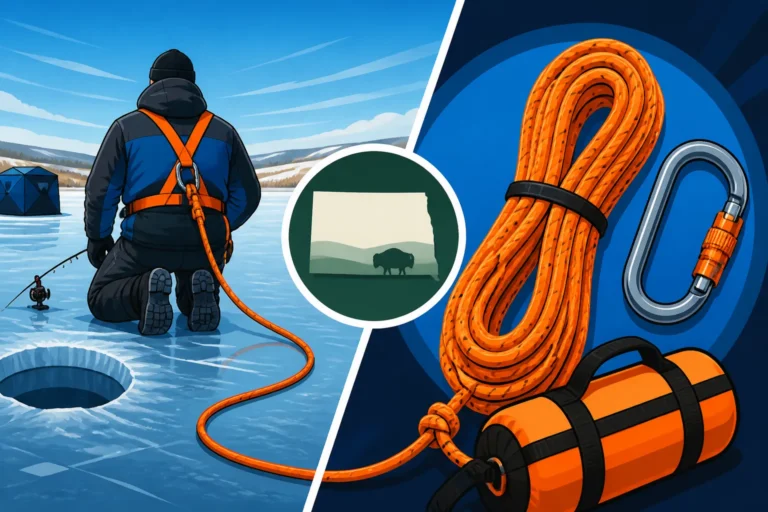
Now, this is where things get really interesting in North Dakota. Many anglers assume that because they're "on ice" or inside an ice house, a life jacket isn't necessary. This couldn't be further from the truth. While the legal requirements for PFDs during ice fishing aren't as explicitly defined as for open water boating (you're not technically "on a vessel underway"), the safety implications are enormous.
Think about it: you're walking on a frozen lake, often in extremely cold temperatures. Even with careful Drilling Safe Ice Thickness Guide, conditions can change rapidly. Pressure ridges, cracks, or thin spots can appear unexpectedly. Falling through the ice is a real and terrifying possibility. If you do go through, the shock of the cold water, combined with heavy winter clothing, can quickly incapacitate you.
This is why many experienced ice anglers wear a flotation suit or a personal flotation device specifically designed for ice fishing, even if it's not strictly mandated by law for adults. These specialized suits offer insulation and buoyancy. Even a simple, lightweight PFD worn under your outer layers can make a huge difference, keeping you buoyant long enough to self-rescue or for help to arrive. Being able to keep your head above the frigid water significantly increases your chances of survival. Always prioritize safety over comfort, especially when temperatures plummet. When you're out there, bundled up to ward off the cold and enjoying the Best Ice Fishing Lakes in North Dakota, consider adding that extra layer of protection.
What About Fishing from Shore?
This is usually the simplest scenario when it comes to life jackets. If you are fishing strictly from the shore, from a dock, or from a pier, you are generally not required by law to wear or even have a PFD with you. You're not on a vessel, and therefore boating regulations about PFDs typically don't apply.
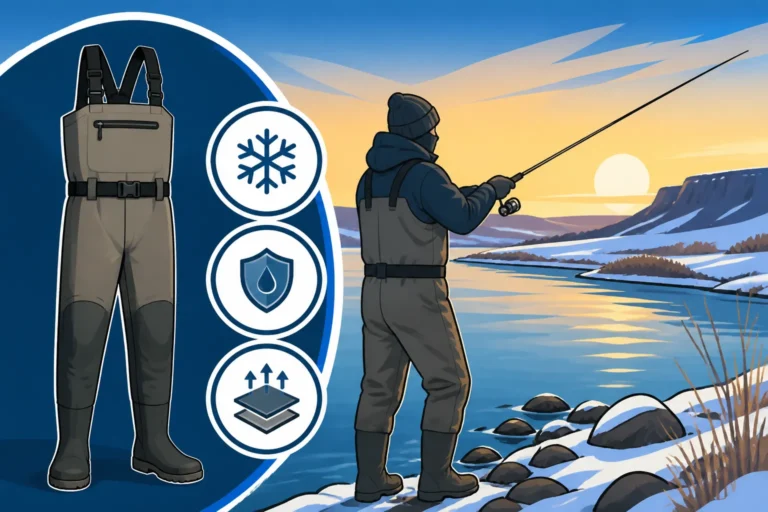
However, that doesn't mean you should completely disregard water safety. If you're fishing from an unstable bank, a slippery rock, or a dock with poor railings, there's always a risk of falling in. If you have young children with you, even near shore, constant supervision is paramount. While a PFD might not be legally required, knowing how to swim, being aware of your surroundings, and ensuring children are safe are always good practices. For most shore anglers, focus more on practical gear like Best Waders for Shore Fishing and good traction on your footwear.
It all boils down to common sense and prioritizing safety over strict legal minimums. North Dakota's waters are beautiful and full of amazing fishing opportunities, but they demand respect and a healthy dose of caution. Stay safe out there!
Disclaimer
This article is for general informational purposes only and does not constitute professional advice. Laws, prices and regulations vary by location and change over time. Consult a qualified professional for guidance on your specific situation.