Do Kids Need Life Jackets on North Dakota Boats?
Taking your kids out on the boat for a day of fishing or just cruising on one of North Dakota's beautiful lakes is an absolute joy, but let's be honest, keeping track of all the rules can feel like navigating a maze. One of the biggest questions that often pops up, and rightly so, is about life jackets for the little ones. This guide is here to untangle the confusion, clearly outlining North Dakota's requirements for children's life jackets on boats, and offering practical advice to keep your precious cargo safe and sound.
The Basics: North Dakota's Life Jacket Laws for Children
When you're out on the water in North Dakota, whether it's the vast expanse of Lake Sakakawea or a smaller, peaceful reservoir, safety is paramount, especially when kids are aboard. The state has specific regulations designed to protect our youngest adventurers, and understanding them isn't just about avoiding a fine; it's about ensuring their well-being. These rules are in place because accidents can happen incredibly fast, and a properly worn life jacket is often the difference between a scary incident and a tragic one.
What Age Is Covered by the Law?
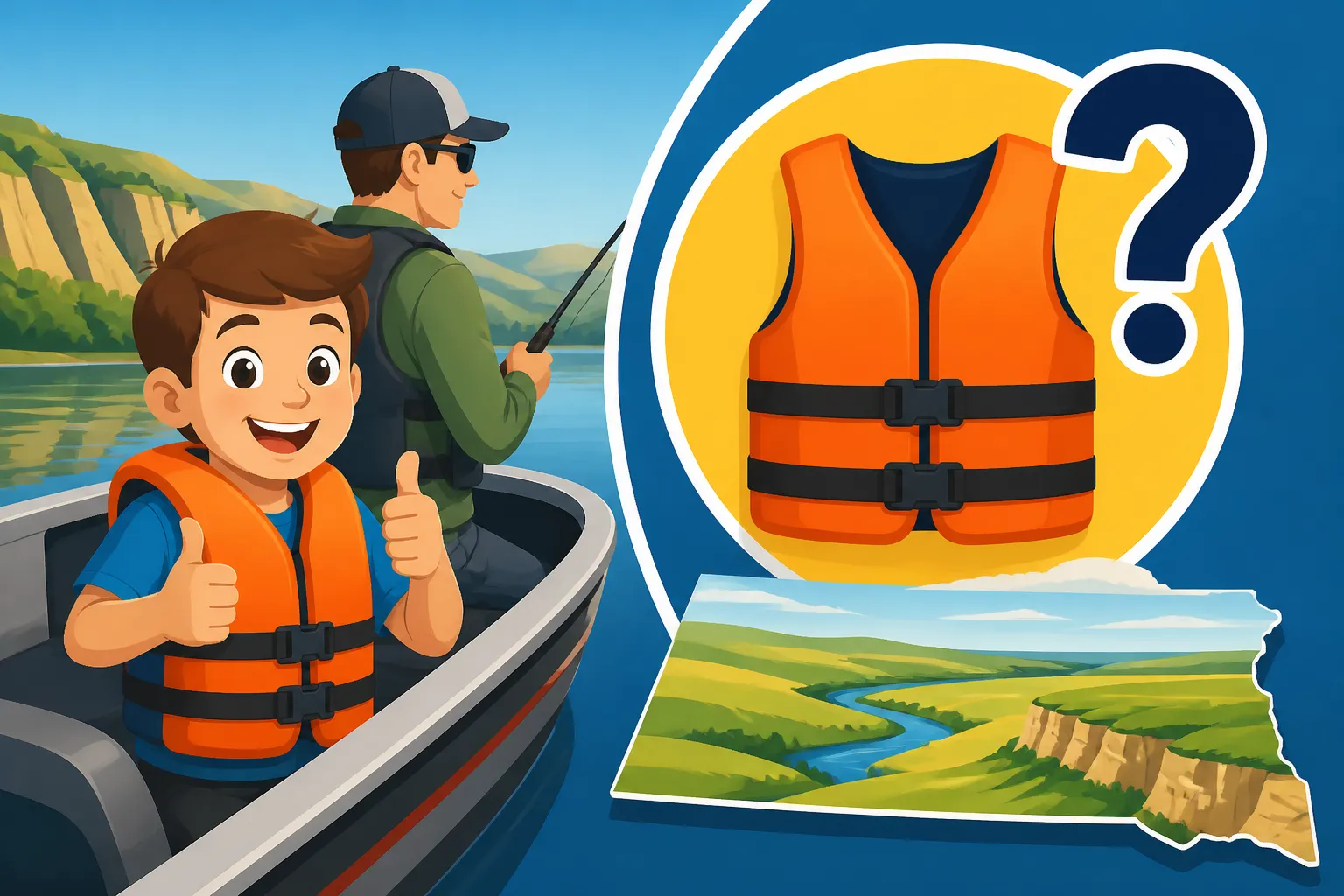
In North Dakota, the law states that any child under the age of 13 must wear a U.S. Coast Guard-approved personal flotation device (PFD) whenever they are on board any vessel that is underway. This applies to all vessels, from your fishing boat to a pontoon, canoe, or even a kayak. It's a clear cut-off: if your child hasn't hit their thirteenth birthday yet, the life jacket needs to be on and securely fastened while the boat is moving.
This age requirement means that even if your 12-year-old is a strong swimmer, the law still mandates a life jacket. It's not about their swimming ability; it's about the unpredictable nature of water and boating. A sudden wake, an unexpected turn, or a bump can throw someone overboard in an instant. Having that life jacket on ensures they immediately have flotation, giving you critical seconds to react and retrieve them. This rule is a foundational element of North Dakota Fishing Rules for Kids and Families.
It's a common scenario: you might be drifting slowly, enjoying a quiet moment, and think, "Well, we're not really 'underway' right now." But the safest interpretation, and often the legal one, is that if the engine is running or you're making any kind of forward progress, the jacket needs to be on. It's better to be overly cautious than to regret it later.
When and Where Must They Be Worn?
As mentioned, the critical phrase is "when the vessel is underway." This means anytime your boat is in motion, whether propelled by an engine, sails, or even paddles. If you've dropped anchor for a swim, or you're safely docked and tied up, children under 13 generally aren't legally required to wear a life jacket. However, many experienced boaters and parents still encourage wearing them, especially if children are playing near the water or on deck, as an extra layer of protection.
Consider a typical day on the water. You're motoring out to your favorite walleye spot on Devils Lake. During this transit, all children under 13 must have their life jackets on. Once you arrive, drop anchor, and start fishing, technically they could take them off. But what if a sudden gust of wind kicks up, or another boat passes too close, creating a large wake that rocks your boat? If a child slips and falls overboard, those precious moments spent trying to don a life jacket are moments lost. For comprehensive boating rules, check out the North Dakota Boat Registration Requirements.
It’s about understanding the spirit of the law, which is prevention. While the letter of the law provides a minimum standard, going above and beyond those minimums is always advisable for absolute safety. Many families make it a rule that everyone, regardless of age, wears their life jacket from the moment they step on the boat until they step off, fostering a consistent culture of safety.
Who Is Responsible for Enforcement?
Ultimately, the responsibility for ensuring children wear their life jackets falls squarely on the boat's operator. If you're steering the boat, you're the one legally accountable. This means if a North Dakota Game and Fish Department warden stops your boat and finds a child under 13 without a life jacket while underway, you, as the operator, would be facing the consequences. This isn't just a slap on the wrist; it's a serious safety violation.
Beyond the legal aspect, there's the moral responsibility every parent or guardian feels. When you're the adult in charge, your primary job is to keep those kids safe. This involves not only making sure they're wearing the PFD but also checking that it fits correctly and is in good condition. You are their first line of defense, and your diligence can prevent a potential tragedy.
It's important for all adults on the boat to be aware of the rules and to support the operator in enforcing them. A collective approach to safety makes it easier for everyone. If you're bringing a friend's child along, it's wise to have a quick chat with their parents beforehand to ensure everyone is on the same page regarding life jacket expectations, even before looking at something like Fishing License Age Requirements in North Dakota.
Understanding Life Jacket Types and Fit for Kids
Just grabbing "a" life jacket for a child isn't enough; you need the right life jacket, and it needs to fit properly. Think of it like a car seat – it's designed to save lives, but only if it's the correct type for the child's size and installed correctly. Life jackets are no different, and a poorly fitting PFD can be almost as dangerous as not wearing one at all.
Different Types of Personal Flotation Devices PFDs for Children
The U.S. Coast Guard categorizes PFDs into different types, and while many are available, a few are most common and suitable for children.
- Type I (Off-Shore Life Jackets): These are designed for rough, open, or remote waters where rescue might be delayed. They offer the most buoyancy and are designed to turn an unconscious person face-up in the water. They're bulky, but highly effective for extreme conditions.
- Type II (Near-Shore Buoyant Vests): Good for calm, inland waters where a quick rescue is likely. They will turn some unconscious wearers face-up. These are less bulky than Type I, making them more comfortable for active kids.
- Type III (Flotation Aids): Also good for calm, inland waters and where quick rescue is likely. These are popular for watersports because they allow for more freedom of movement. They are not designed to turn an unconscious person face-up, so the wearer needs to be able to help themselves. These are often seen as vests that fit like a jacket.
- Type V (Special Use Devices): These are approved for specific activities and often have specific conditions for use. Examples include kayak fishing vests or automatically inflatable PFDs (though inflatable PFDs are generally not approved for persons under 16 years of age).
For most recreational boating with children in North Dakota's lakes and rivers, Type II or Type III PFDs are commonly used and often sufficient. However, always prioritize the child's safety and the specific conditions you'll be boating in. Remember, the best PFD is one that fits well and is worn consistently. You can find a huge variety of options at places like Bass Pro Shops or online through Amazon, but always double-check for the USCG approval.
Ensuring a Proper Fit: It's More Than Just Size
This is absolutely crucial. A life jacket that's too big can ride up around a child's ears, providing little help and potentially slipping off. One that's too small will be uncomfortably tight and likely won't provide enough buoyancy. The correct fit depends on the child's weight and chest size, not just their age. Always check the label for weight ranges.
Here’s how to check for a proper fit:
- Buckle Up: Have the child put on the PFD and fasten all zippers, buckles, and straps securely.
- Lift Test: Gently lift the child by the shoulders of the life jacket. If the jacket rides up past their chin or ears, it's too big. The child's chin and ears should not slip inside the jacket.
- Crotch Strap: Many children's PFDs come with a crotch strap. This is not optional! It prevents the jacket from riding up when the child is in the water. Always use it and make sure it's snug but comfortable.
- Comfort and Movement: Ensure the child can move their arms freely and isn't overly restricted. If it's too uncomfortable, they'll resist wearing it.
Even with the right size, it must be properly adjusted every time. Think about how children grow and change; a life jacket that fit perfectly last year might not this year. A quick lift test before each outing becomes a habit that could save a life. It's an essential part of your Essential Gear Checklist for North Dakota Fishing.
The Importance of US Coast Guard Approval
This isn't just a recommendation; it's a legal requirement and a critical safety standard. Any life jacket worn on a boat in North Dakota (or anywhere in the U.S.) must be U.S. Coast Guard approved. This approval means the PFD has met rigorous testing standards for buoyancy, materials, and design, ensuring it will perform as intended in an emergency.
You'll usually find a clear label inside the life jacket stating its USCG approval, along with its type (Type I, II, III, etc.), buoyancy rating, and the weight range it's designed for. Never use a PFD that isn't approved, or one that is damaged, waterlogged, or shows signs of wear and tear that compromise its integrity. An unapproved or damaged PFD offers a false sense of security, which can be more dangerous than none at all.
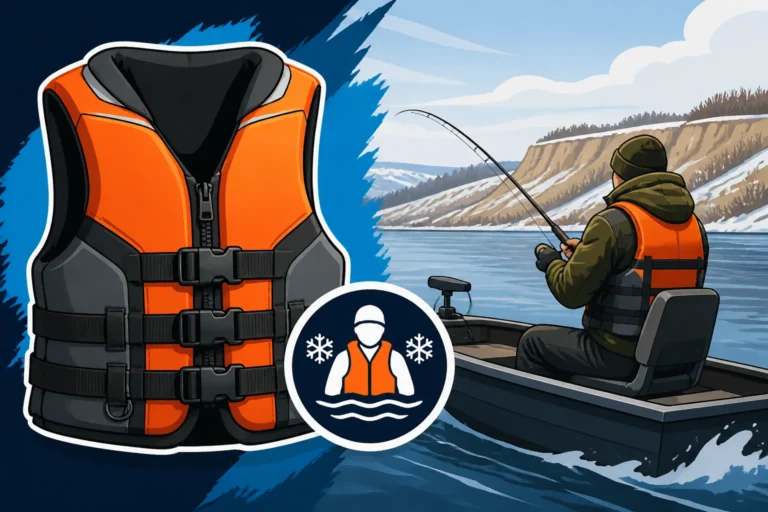
When you're shopping for new life jackets, whether you're browsing the aisles at Bass Pro Shops or looking online, always make "USCG-approved" your first filter. It's the non-negotiable standard for protecting your family on the water. This applies whether you're looking for gear for open water or need specialized Best Life Jackets for Cold Water Fishing during the shoulder seasons.
Beyond the Law: Why Life Jackets Are Non-Negotiable for Kids' Safety
While North Dakota's laws provide a baseline for safety, every responsible boater knows that true safety goes beyond mere compliance. When it comes to children, life jackets move from being a legal requirement to an absolute, non-negotiable imperative. It's about protecting the most vulnerable members of your crew and ensuring that a fun day on the water doesn't turn into a nightmare.
The Silent Dangers of Drowning
Drowning is often silent and shockingly fast, especially with children. It's not like you see in movies with a lot of splashing and yelling. A child can slip underwater quickly and quietly, often without making a sound or drawing attention. Their small size means they can submerge rapidly, and their instincts might not lead them to call for help, but rather to gasp for air or instinctively try to push themselves up.
Imagine you're driving your boat, even slowly, and you momentarily turn to adjust something or talk to another adult. In those few seconds, if a child were to fall overboard without a life jacket, they could be underwater. By the time you notice, precious moments have passed. A life jacket buys you time. It keeps their head above water, providing buoyancy and visibility, making rescue infinitely more likely and quicker.
This silent danger is precisely why parents cannot rely on their "watchful eye" alone. No one can maintain 100% focused attention every second, especially in a dynamic boating environment. A life jacket acts as an always-on safety net, a guardian angel that never blinks.
Building Good Habits Early
Just like you teach kids to wear seatbelts in a car, making life jacket use a consistent and expected part of boating builds crucial safety habits from a young age. When children grow up understanding that a life jacket is simply what you do when you're on a boat, it becomes second nature, reducing resistance and making every outing safer.
Think about the long-term benefits. A child who learns to always wear a life jacket will likely carry that habit into adolescence and adulthood. They'll understand its importance, not just for themselves but for others. This habit formation is a powerful tool in preventing accidents across their lifetime of water activities. It's a foundational lesson in water safety, much like learning how to handle a fishing rod for the first time or understanding North Dakota Walleye Size Limit Rules.
By making life jackets a non-negotiable routine, you're not just enforcing a rule; you're instilling a deeply ingrained sense of personal safety and responsibility. This proactive approach benefits everyone, creating a more relaxed and enjoyable atmosphere for everyone on board, knowing that core safety measures are firmly in place.
Peace of Mind for Parents and Guardians
Let’s be honest, as parents, we carry a mental load of worry when it comes to our kids. Taking them out on the water can heighten that. Knowing that your child is securely wearing a properly fitting, USCG-approved life jacket provides an invaluable layer of peace of mind. You can relax a little, enjoy the scenery, and focus on the fishing or the company, rather than constantly being on edge about a potential fall overboard.
This isn't about ignoring safety; it's about employing the best safety tools available so you can relax. When the critical safety measure is in place, your brain can shift from emergency alert to enjoyment mode. That peace of mind allows you to create happier memories and enjoy the experience of Best Fishing Spots for Families in North Dakota to the fullest.
Ultimately, the goal is to make boating a joyful, stress-free experience for the whole family. Life jackets are a small inconvenience for a monumental gain in safety and parental comfort. Embrace them not as a burden, but as an essential part of making wonderful, safe memories on North Dakota’s beautiful waters.
Practical Tips for Getting Kids to Wear Life Jackets Happily
We all know kids can sometimes be, shall we say, resistant to things they perceive as uncomfortable or restrictive. Getting them to wear a life jacket consistently and without a fuss requires a bit of strategy and a whole lot of leading by example. It's not just about telling them; it's about showing them and involving them.
Making It Fun: Choosing Comfortable and Engaging Designs
A huge factor in a child's willingness to wear a life jacket is comfort and how they feel about its appearance. Gone are the days of bulky, uncomfortable orange horse collars being the only option. Today, you can find PFDs in a myriad of colors, patterns, and even with popular cartoon characters. Let your child have a say in choosing their own life jacket. If they pick one with a design they love, they'll be far more excited to wear it.
Beyond aesthetics, focus on comfort. Look for jackets with soft, flexible materials that don't chafe. Test how it feels when they sit down in it. Does it ride up too much? Is it too stiff? Some brands offer designs specifically for greater arm mobility, which can be a huge plus for active kids. Finding a comfortable fit is a major part of your general Essential Gear Checklist for North Dakota Fishing.
Many retailers, including large outdoor stores like Bass Pro Shops and online marketplaces like Amazon, offer a vast selection of children's PFDs. Spend some time trying different styles and sizes. The more comfortable and appealing the life jacket is, the less likely you'll hear complaints, and the more smoothly your boating trips will go.
Leading by Example: Adults Wear Them Too!
This is probably the most powerful tool in your arsenal. If you, as the parent or guardian, wear your own life jacket, your children will be far more likely to wear theirs without complaint. Kids are master imitators, and when they see adults prioritizing safety, they learn that it's important and not just a "kid rule." Make it a family tradition: everyone puts on their life jacket before stepping onto the boat, period.
This goes for all adults aboard. If Uncle Joe, who the kids look up to, is also wearing his PFD, it reinforces the message that this is what responsible boaters do. It creates a unified front for safety that's hard for kids to argue with. Plus, it sets a good example for the importance of being prepared, which applies to everything from safety gear to understanding North Dakota Boat Registration Guide.
Remember, life jackets aren't just for inexperienced swimmers or children. Even strong adult swimmers can be incapacitated in a boating accident, hit their head, or be overwhelmed by cold water shock. Wearing your life jacket not only sets a great example but also ensures your own safety, allowing you to be in a position to help your child if an emergency ever arises.
Regular Checks and Maintenance
A life jacket is only as good as its condition. Before every boating season, and periodically throughout, give all your family's PFDs a thorough inspection. Look for:
- Tears or rips: Even small tears can compromise the integrity of the flotation material.
- Faded or brittle fabric: Sun exposure can degrade the material over time.
- Broken buckles or zippers: These are critical for a secure fit.
- Loose straps: Ensure all straps are firmly attached and can be tightened properly.
- Waterlogging: Squeeze the PFD. If it feels heavy or absorbs water, its buoyancy might be reduced.
If a life jacket shows significant wear, damage, or is waterlogged, it's time to replace it. A compromised PFD might not provide the necessary flotation in an emergency. Proper care also extends the life of your gear. After each outing, rinse life jackets with fresh water, especially if they've been in saltwater (though North Dakota is freshwater, it's a good habit). Hang them to air dry completely out of direct sunlight before storing them in a well-ventilated area. Never store them in a cramped locker or piled up wet, as this can encourage mildew and breakdown of materials.
Making sure your life jackets are always in tip-top shape is just another facet of responsible boating and ensuring that your kids' safety is truly covered.
| Requirement / PFD Type | Under 13 Years Old (On-board & Underway) | Key Features for Kids | Adult Example (General) |
|---|---|---|---|
| Legal Mandate (ND) | Must wear USCG-approved PFD | Weight-appropriate, Crotch Strap | Highly Recommended |
| Type I (Off-Shore) | Yes | High buoyancy, turns unconscious face-up, bulky | Often required for commercial, less common for recreational |
| Type II (Near-Shore) | Yes | Good buoyancy, some turn unconscious face-up, less bulky | Common for calm waters |
| Type III (Flotation Aid) | Yes | Comfortable, freedom of movement, wearer must assist themselves | Popular for watersports |
| Proper Fit Check | Must be snug, no riding up past chin/ears | Snug straps, crotch strap essential | Same for adults, adjust to body |
| USCG Approval | Required | Clearly labeled | Required |
Disclaimer
This article is for general informational purposes only and does not constitute professional advice. Laws, prices and regulations vary by location and change over time. Consult a qualified professional for guidance on your specific situation.