Best Chest Waders for Early Spring Fishing
There's nothing quite like the promise of early spring fishing in North Dakota, but often, that promise comes with a frigid reality: icy cold water that can quickly turn a hopeful outing into a miserable, shivering mess. This comprehensive guide is here to help you conquer those bone-chilling conditions by understanding what makes the best chest waders for staying warm, dry, and comfortable when the bite is on but the temperatures are not.
Why Early Spring Fishing in North Dakota Demands Good Waders
Stepping into a North Dakota lake or river in early spring isn't for the faint of heart. While the calendar might say spring, the water often still holds onto winter's icy grip. Being prepared with the right gear, especially your waders, isn't just about comfort; it's about making sure you can actually enjoy your time on the water and stay safe.
The Chilling Reality of North Dakota's Spring Waters
Picture this: the sun might be shining, maybe even feeling a little warm on your face, but the water in Lake Sakakawea or the Missouri River could still be in the high 30s or low 40s. That’s just a few degrees above freezing! When you're wading in water that cold, even for a short time, your body can lose heat incredibly fast. Your feet, legs, and core are constantly battling the cold, and if your waders aren't up to the task, you'll feel it almost immediately. It’s not just about getting wet; it's about the deep, penetrating chill that saps your energy and concentration, making it hard to focus on the fish. Many anglers rush out for the North Dakota Open Water Fishing Season eager to hit the banks, only to realize the water is still practically frozen.
Beyond Comfort: Safety and Practicality
Beyond the sheer misery of being cold, inadequate waders pose a real safety risk. Hypothermia is no joke, and even mild cases can impair your judgment and motor skills, which is the last thing you want when you're out on the water. Good waders provide a crucial layer of insulation, helping your body maintain its core temperature. They also offer practical advantages. Being dry and warm means you can stay out longer, explore more productive stretches of water, and move more freely without stiff, cold muscles. When you're trying to cast accurately or navigate uneven river bottoms, feeling agile and unencumbered is a huge plus. This is especially true when you’re combining wading with other gear, and don't want to feel weighed down or restricted by a cold, wet outer layer.
Key Features to Look for in Early Spring Fishing Chest Waders
Choosing the right waders for North Dakota's fickle early spring means paying close attention to a few critical features. It's not a "one size fits all" situation, and what works in July certainly won't cut it in April.
Material Matters: Neoprene vs. Breathable Options
The material of your waders is arguably the most important decision you'll make. For early spring, it generally boils down to two main categories: neoprene or breathable.
- Neoprene Waders: These are typically thicker, made from the same material as wetsuits. They excel at insulation, trapping a layer of warm water (or air, if you stay dry) against your body. This makes them fantastic for frigid water. The downside? They don't breathe well at all. If the air temperature climbs, or you're doing a lot of hiking between spots, you can quickly get sweaty, which can actually make you colder once you stop moving. For North Dakota's early spring, when air temperatures are often still quite low, they are a strong contender.
- Breathable Waders: Made from materials like Gore-Tex or similar multi-layered fabrics, these waders are designed to let sweat vapor escape while keeping water out. They are much lighter and more comfortable for active fishing or warmer days. However, for early spring's truly cold water, breathable waders require significant layering underneath to provide adequate warmth. You'll need to think about wearing fleece pants, thermal underwear, and maybe even wool socks to achieve the same insulating effect as neoprene. This makes them more versatile for the entire open water season but demands more thought for cold-water preparation. Many prefer them for fishing after the North Dakota Ice Out Fishing Guide season is truly over.
Insulation and Layering: Staying Warm from the Inside Out
Even with the best wader material, proper insulation and layering are key.
- Wader Insulation: If you go with neoprene, look for thicker options (e.g., 5mm) for maximum warmth. For breathable waders, the waders themselves offer minimal insulation, so it's all about what you wear underneath. Think merino wool or synthetic base layers, followed by fleece pants or even insulated hunting pants. The key is to avoid cotton, which absorbs moisture and loses its insulating properties when wet.
- Boot Insulation: If you opt for bootfoot waders, pay close attention to the insulation rating of the boots. Look for thinsulate or similar insulation, often rated in grams (e.g., 800g or 1200g). Cold feet are a major discomfort factor. If you choose stockingfoot waders, you'll need to pair them with insulated wading boots and thick wool or synthetic socks. Don't underestimate the power of a good pair of warm socks – they can make or break your day. Consider your overall Best Cold Weather Gear for Ice Fishing (even if it's open water) and apply similar logic.
Durability and Traction: Navigating North Dakota's Varied Terrain
North Dakota fishing often involves navigating slippery banks, rocky shorelines, and muddy entries. Your waders need to hold up and keep you upright.
- Fabric Durability: Look for waders with reinforced knees and seat areas. These are high-wear points, especially if you're kneeling to net a fish or traversing rough terrain. A small tear can lead to a big leak and a very cold experience. Ripstop fabrics or heavier denier materials will offer better longevity.
- Boot Sole Options: For bootfoot waders, rubber lug soles are common and offer good all-around traction. If you're frequently on extremely slippery rocks, felt soles can provide superior grip, but they can also pick up invasive species more easily, requiring diligent cleaning. For stockingfoot waders, you have the flexibility to choose wading boots with specific sole types (felt, rubber, or cleated) to match your environment. Traction is crucial when wading in current or on uneven lake bottoms, preventing slips and falls that could ruin your day or even be dangerous.
Types of Chest Waders Best Suited for North Dakota's Early Spring
Understanding the main types of chest waders will help you narrow down your choices and pick the best fit for your early spring adventures. Each type has its niche, especially in North Dakota’s diverse waters.
Neoprene Waders: The Classic Cold-Water Companion
For many seasoned North Dakota anglers, neoprene waders are the undisputed champions of early spring fishing. Their inherent insulation simply can't be beaten when the water temperature is barely above freezing.
Imagine you're standing knee-deep in a feeder creek of the Missouri River, casting for walleye just after ice-out. The air might be in the 40s, but that water is straight out of a snowmelt. A good pair of 5mm neoprene waders with insulated boots will keep that chilling cold at bay, allowing you to focus on your retrieve rather than your numb legs. They're especially great for situations where you're not moving a lot, like bank fishing on Lake Oahe Catfish Fishing Spots or standing in current on the Red River. While they can feel a bit bulky and don't breathe, that insulation is a lifesaver when you know you'll be spending extended periods in truly cold water. They're built for warmth first and foremost, which is exactly what you need in March or April here.
Hybrid and Breathable Waders with Layering Potential
While neoprene is excellent for pure cold, hybrid or breathable waders offer more versatility for North Dakota's rapidly changing spring weather. The trick here is smart layering.
A high-quality breathable wader, perhaps from a brand you can find on Amazon, paired with the right layers underneath, can provide surprising warmth. The advantage of breathable waders is that as the air warms up in the afternoon, or if you're hiking a long stretch of shoreline to find the Best Shore Fishing Spots Near Grand Forks, you won't overheat and get clammy. You can simply shed a layer or two underneath. Look for models with durable construction and maybe even some built-in insulation in the boots. The key is to invest in good quality thermal base layers and mid-layers that wick moisture and insulate effectively. This makes breathable waders a good long-term investment that can span the entire season, from the coldest spring mornings to the warmest summer evenings. Just remember, the wader itself isn't providing the warmth; your clothing underneath is.
Stockingfoot vs. Bootfoot: Making the Right Choice
This choice affects both convenience and performance. Both have their place, especially in North Dakota.
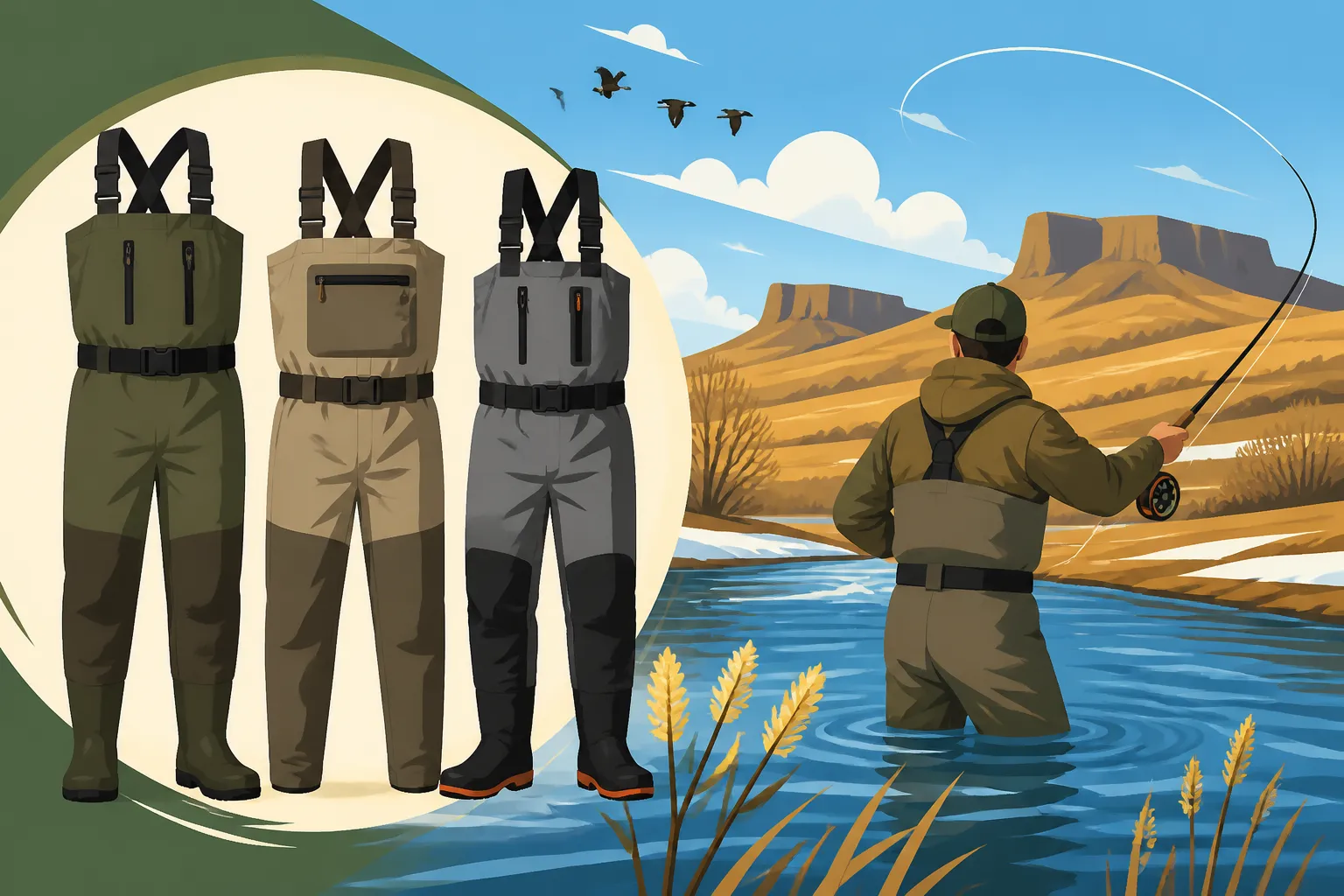
- Bootfoot Waders: These have boots permanently attached to the waders. They are incredibly convenient; you just step in and go. For early spring, many prefer them because the integrated boot often comes with significant insulation, and there are no worries about water getting between your wader sock and a separate boot. This single, seamless unit minimizes potential cold spots and makes gearing up a breeze. They're ideal for situations where you're putting them on and taking them off frequently, or if you prefer maximum warmth with minimal fuss.
- Stockingfoot Waders: These waders end with neoprene socks, and you wear separate wading boots over them. The biggest advantage here is customization and support. You can choose wading boots specifically designed for different types of traction, like felt for slippery river rocks or rubber for general bank access. You can also get better ankle support, which is a huge plus when navigating uneven riverbeds or hiking to remote spots. While you need to invest in separate boots, this system allows for a more personalized fit and comfort, especially if you have particular foot needs. For early spring, you'll pair them with insulated wading boots and thick socks to ensure your feet stay warm. You’ll also need to consider your Best Waders for Shore Fishing if you primarily fish from the bank.
| Feature | Neoprene Waders (e.g., 5mm) | Breathable Waders (e.g., 3-layer Gore-Tex) |
|---|---|---|
| Primary Benefit | Superior warmth in frigid water | Versatility, breathability, comfort in varied temperatures |
| Insulation | Excellent inherent insulation | Relies heavily on layering underneath for warmth |
| Comfort | Can be bulky, less flexible, prone to sweating on warm days | Lighter, more flexible, allows sweat to escape |
| Durability | Generally very tough, resistant to punctures | Durable, but thinner materials may be more susceptible to snags |
| Best For | Very cold water, stationary fishing, early spring/late fall | Active fishing, fluctuating temperatures, year-round use with layers |
| Cost | Can be more budget-friendly for good cold-water performance | Often higher initial cost for good quality, plus cost of base layers |
Practical Tips for Choosing and Using Your Waders
Once you've decided on the type of waders, there are still a few crucial considerations to ensure you get the best fit and make them last.
Sizing and Fit: Don't Compromise Your Comfort or Safety
This is more important than you might think. Waders that are too tight will restrict movement, potentially lead to cold spots as they compress your layers, and can even compromise circulation. Waders that are too loose can be cumbersome, collect water, and create a tripping hazard.
When trying on waders, wear the layers you intend to fish in. Walk around, squat, and lift your knees. You should have a full range of motion without feeling constricted. Pay attention to the boot size on bootfoot waders – ensure there's enough room for thick socks but not so much that your foot slides around. For stockingfoot waders, your wading boots should fit snugly over the neoprene booties with your chosen socks. Remember, a good fit is crucial for both comfort and safety in case of a fall. Many specialty fishing shops, like those that might carry Bass Pro Shops brands, can offer fitting advice.
Wader Care and Maintenance for Longevity
Waders are an investment, and proper care will significantly extend their life and prevent leaks. The enemy of waders is moisture and improper storage.
- Cleaning: After each use, especially if you've been in muddy or silty water, rinse your waders inside and out with fresh water. Pay extra attention to the boots to remove any debris. This is especially vital in North Dakota to prevent the spread of Aquatic Nuisance Species Rules for Boaters, even if you’re just wading.
- Drying: This is critical. Hang your waders upside down to drain any residual water from the inside. Then, turn them right-side out and hang them in a well-ventilated area away from direct sunlight or heat. Ensure they are completely dry, inside and out, before storing them. Even a little moisture can lead to mildew and degradation of the material.
- Storage: Once dry, store them hanging in a cool, dry place. Avoid folding them tightly or storing them in a crumpled heap, as this can create permanent creases that lead to cracks and leaks over time. A wide hanger, like a coat hanger, is ideal. Periodically check for small holes or punctures, especially after a tough outing, and repair them promptly with a wader repair kit.
Where to Find Your Perfect Pair
You've got options when it comes to purchasing your chest waders. Depending on your preference for trying things on or convenience, you can find great gear locally or online.
- Local Sporting Goods Stores: Places like sporting goods retailers often carry a good selection of waders. The big advantage here is being able to try them on, feel the materials, and get advice from staff who understand local conditions. This is invaluable, especially for ensuring a proper fit and understanding the nuances between different models. You might find reputable brands that Bass Pro Shops carries, allowing you to physically inspect the quality before buying.
- Online Retailers: For sheer variety and often competitive pricing, online giants such as Amazon are often the first stop for many anglers. You can browse countless brands and styles, read reviews, and compare features from the comfort of your home. Just be extra diligent about checking sizing charts and understanding return policies, as you won't be able to try them on beforehand. Look for customer reviews that specifically mention cold-water performance or durability to guide your decision. Many anglers will research options online before heading to a physical store, or vice versa.
Disclaimer
This article is for general informational purposes only and does not constitute professional advice. Laws, prices and regulations vary by location and change over time. Consult a qualified professional for guidance on your specific situation.