North Dakota Ice Out Fishing Guide
Ah, that glorious time of year! You've been staring at the calendar, watching the weather forecasts like a hawk, and dreaming of open water after a long, cold North Dakota winter. The ice-out period, that fickle transition from hard water to soft water, can be both exhilarating and utterly frustrating. It's a time of eagerly waiting, checking lake reports daily, and wondering when and where you can finally wet a line safely. This comprehensive guide is here to walk you through everything you need to know about North Dakota's ice-out fishing, from understanding the thaw to landing your first early-season lunker.
Understanding North Dakota's Ice Out Phenomenon
The annual ice out is a pivotal moment for anglers across North Dakota. It signals the end of ice fishing season and the beginning of open water opportunities, but it's not a switch that just flips overnight. This transition is a complex dance between nature's elements and profoundly impacts both fish behavior and angler strategy.
The Science Behind Ice Breakup
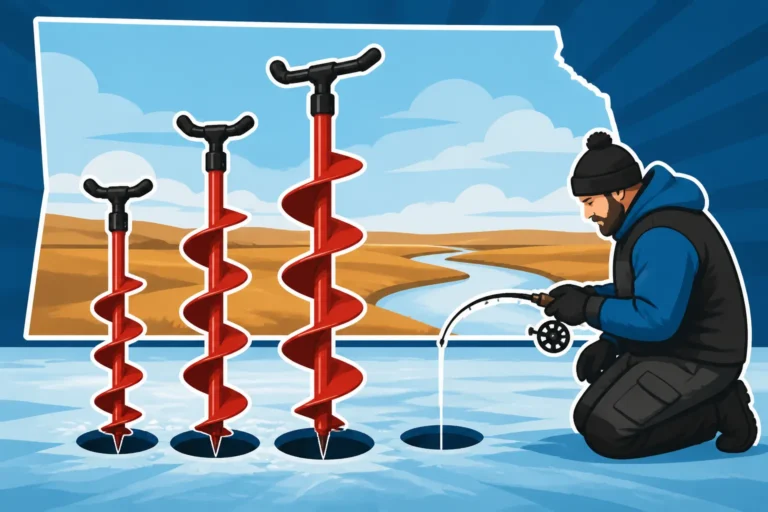
When we talk about ice out, we're really talking about a process of deterioration, not just a sudden disappearance. It starts subtly, often long before you even consider hanging up your ice auger. The increasing intensity and duration of sunlight, even on cold days, begins to weaken the ice by melting it from the top down. Then, as air temperatures rise above freezing, surface melting accelerates. Crucially, though, it's not just the top. Water moving underneath the ice, fueled by spring run-off or wind-driven currents, can erode the ice from below, creating dangerously thin spots that look deceptively solid from above. Wind then acts as the final catalyst, pushing weakened ice sheets around, breaking them into smaller floes, and eventually clearing large sections of a lake.
Think of those bright, sunny days in March and April. While it might still feel chilly, the sun's rays are powerful. They penetrate the ice, and if there's any snow cover, that snow often gets "rotted" by the sun first, exposing the dark ice underneath, which then absorbs even more solar radiation. This makes the ice "candled" – full of vertical ice crystals that become incredibly weak and can disappear almost instantly with a slight warming trend or a stiff breeze. It's not uncommon to see ice go from seemingly fishable to completely gone in a matter of days once this process is well underway.
Typical Ice Out Timing Across North Dakota
North Dakota is a big state, and ice out doesn't happen uniformly. Generally, smaller, shallower lakes and ponds in the southern part of the state will shed their ice much earlier than the large, deep reservoirs or those situated further north. For instance, smaller prairie potholes might be open by late March or early April, while larger bodies of water like Devils Lake or Lake Sakakawea can hold onto their ice well into April, sometimes even early May, depending on the severity of the winter and the speed of the spring warm-up.
For example, a lake like Lake Audubon, being relatively shallower than Sakakawea, might see open water earlier. The northern reaches of Devils Lake, known for its vastness and depth in some areas, can maintain ice cover weeks after smaller, sheltered bays on the southern side have opened up. River systems, especially those with good current like the Missouri River or the Red River of the North, will typically open up much earlier due to constant water movement preventing thick ice formation in many areas or quickly breaking up existing ice. It's a good habit to keep an eye on local reports and online resources provided by the North Dakota Game and Fish Department (NDGFD) as spring approaches to get the most accurate, up-to-date information for your specific fishing destination.
Impact of Ice Out on Fish Behavior
The ice out isn't just a physical event; it's a biological trigger for the fish. As the ice recedes and sunlight penetrates the water, several crucial changes occur. The water begins to warm, even by a few degrees, which significantly increases fish metabolism. More importantly, the entire water column gets re-oxygenated as wind-driven waves mix the water, and dissolved oxygen, which can become depleted under thick winter ice, returns to healthy levels. This sudden influx of oxygen and slight warming revitalizes lethargic fish.
Fish, especially walleye, northern pike, and perch, become incredibly active. Many species are preparing for their spring spawn, moving into shallower bays, river mouths, and shoreline areas where they can find warmer water and suitable spawning habitat. This movement brings them into more accessible locations for shore and boat anglers. Baitfish also become more active, moving into these same warming areas, creating prime feeding opportunities for predators. Understanding these shifts is key to successful early spring fishing, as fish aren't just randomly distributed; they're actively seeking comfort and food in these newly opened, productive waters.
Safety First During Ice Out Conditions
While the thought of open water after a long winter fills every angler with excitement, the ice-out period is arguably one of the most dangerous times to be on or near the water. The ice is unpredictable, and conditions can change rapidly. Prioritizing safety is non-negotiable.
Recognizing Unsafe Ice
During ice out, the ice that remains is often deceptively dangerous. Unlike the solid, often clear ice of mid-winter, spring ice is typically "rotten" or "candled." This means it's full of vertical water columns and air pockets, making it extremely weak and structurally unsound, even if it appears thick. You might see 8-10 inches of this candled ice, but it could have the weight-bearing capacity of only a couple of inches of solid, clear ice. Visual cues include slushy patches, dark spots on the ice (indicating open water or very thin ice), cracks, and areas where water is pooling on top. You should also listen carefully; groaning and cracking sounds are normal on healthy ice, but a sudden loud thwack or crack followed by no ice movement can be a sign of immediate danger.
The edge of the ice, where it meets open water, is always the most unstable. This area is constantly eroding, creating overhangs that can collapse without warning. Never approach the edge of open water from the ice side. General guidelines for ice thickness for safe travel apply to solid, clear ice. During ice out, you should assume all ice is compromised. If you were considering some last-gasp ice fishing, please review guidelines like those in our How to Ice Fish in North Dakota guide, but remember that even those figures are for optimal conditions. In spring, when in doubt, stay off the ice.
Essential Safety Gear for Early Spring Anglers
Even when fishing from shore or a boat during ice out, the water is still incredibly cold, often just above freezing. Cold water immersion is a serious, life-threatening risk. Therefore, wearing a U.S. Coast Guard-approved life jacket is not just recommended; it should be mandatory for everyone in your boat, and even for those wading or fishing from unstable shorelines. You can find excellent, comfortable inflatable or traditional life vests on platforms like Amazon that are designed for all-day wear. Beyond that, consider carrying:
- Ice Picks: If you're anywhere near unstable ice, these are small, handheld tools that can help you pull yourself out if you fall through.
- Throw Rope: A floating rope with a bag, easily deployed to rescue someone who has gone through.
- Buddy System: Never fish alone during ice out. Always have at least one other person with you.
- Communication: A fully charged cell phone (in a waterproof bag) or a marine radio.
- Change of Clothes: Kept in a dry bag, just in case.
- First Aid Kit: Always a good idea on any fishing trip.
Remember, the initial shock of cold water can quickly incapacitate you, making it difficult to swim or even call for help. Having the right gear and a plan can make all the difference.
Navigating Shoreline Breakup and Open Water
The transition zone where the ice meets the shore can be incredibly tricky. Melting ice creates slushy, muddy banks, and often a section of broken ice will be pushed up onto the shore, making access difficult or even impossible without proper gear. If you're trying to launch a boat, you might encounter a "shore-ice" barrier that prevents you from getting your trailer into the water or your boat off the trailer. This can damage your boat or trailer if you try to force it.
Many boat ramps will remain closed until the ice has completely cleared and the water levels stabilize. Trying to launch at an unofficial access point can lead to getting your vehicle stuck in the mud or encountering unexpected hazards beneath the water. When accessing open water, even if the main lake is clear, always be mindful of lingering ice floes, which can be difficult to see, especially in choppy conditions, and can cause significant damage to your boat's hull or motor. Approach all shorelines and access points with extreme caution, evaluating the conditions thoroughly before committing. Some of the best early season fishing spots might be challenging to reach, but never compromise safety for a potential catch.
Prime Species to Target During Ice Out
As the ice retreats and water temperatures begin their slow ascent, different fish species react in various ways, but many become incredibly active. Knowing which fish are on the move and where they're likely to be found is critical for early spring success.
Walleye: The Early Spring Prize
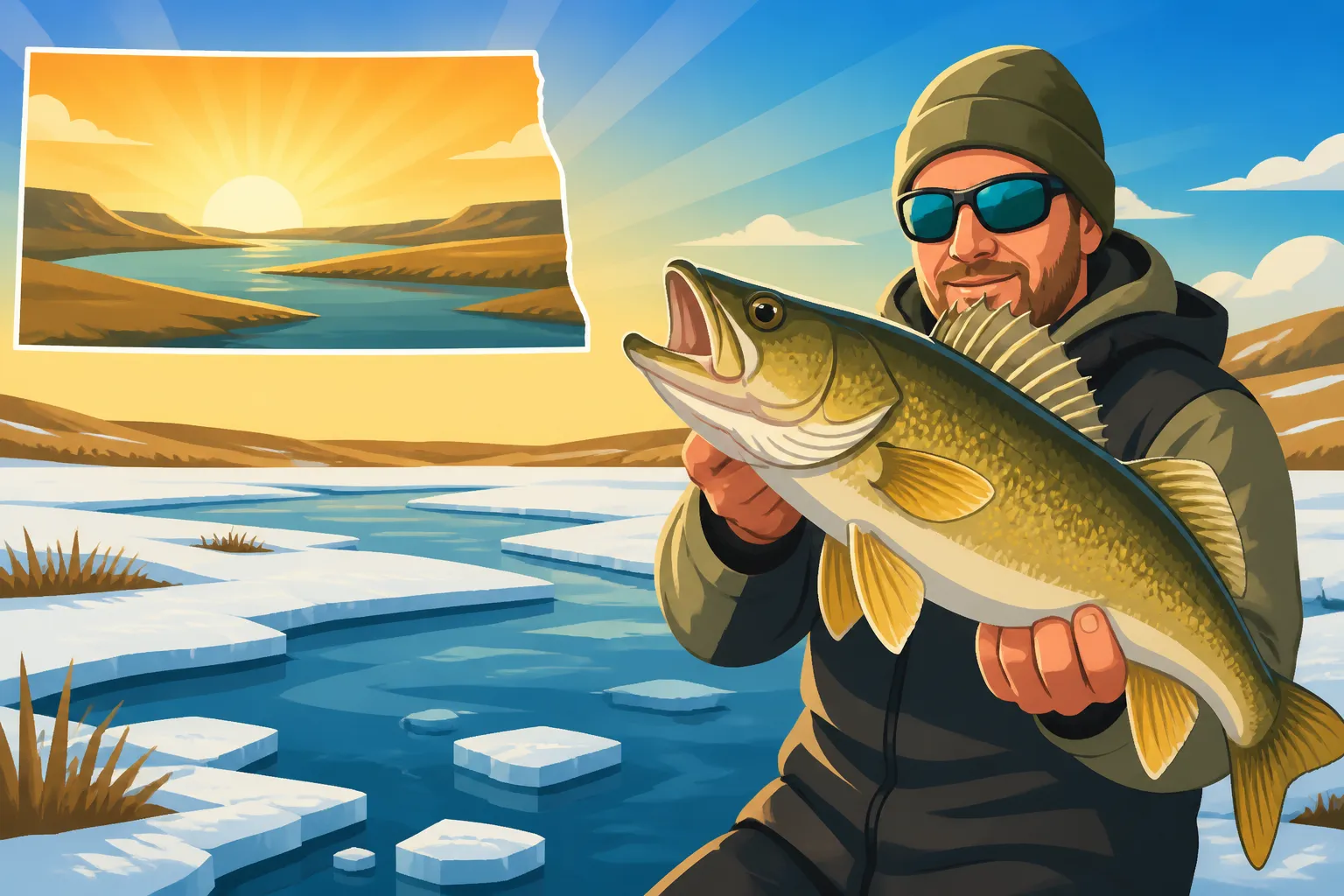
North Dakota walleye are, for many, the ultimate early spring target. As soon as the ice starts breaking up, these fish begin their migration towards spawning grounds. They'll often move into shallower areas, especially those with rock or gravel bottoms, current, or incoming water from tributaries, seeking out the slightly warmer water and increased oxygen. During this pre-spawn and early post-spawn period, walleye can be incredibly aggressive and concentrated in predictable locations.
You'll often find them along prominent points, rocky shorelines, or in the mouths of rivers and creeks. They aren't necessarily looking for deep structure yet; instead, they're focused on shallow feeding opportunities as their metabolism ramps up. This makes them a prime target for shore anglers or those with smaller boats who can access these shallower areas. While they might still be sluggish in extremely cold water, even a degree or two of warming can trigger a strong bite. To learn more about targeting these prized fish, check out our comprehensive North Dakota Walleye Fishing Guide.
Northern Pike: Aggressive and Hungry
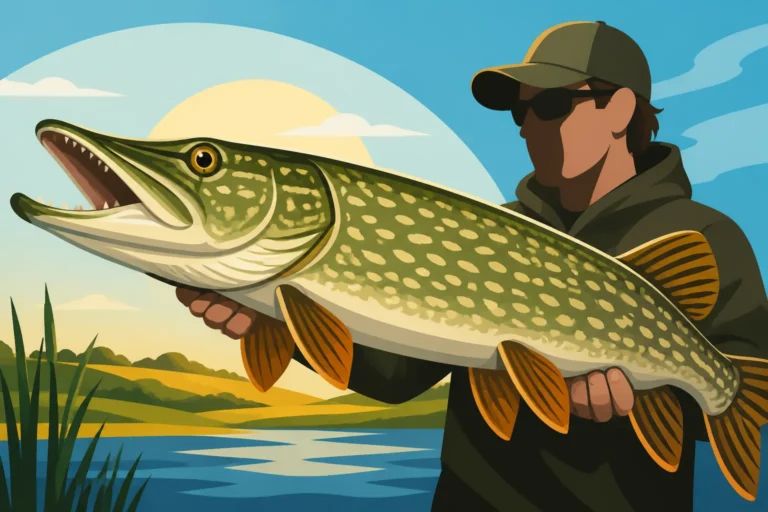
Northern pike are another fantastic ice-out species. They are cold-water predators by nature and are among the first fish to become active after ice out. Pike often spawn very early in the spring, sometimes even under the ice, in shallow, weedy bays and flooded marsh areas. Immediately after spawning, they are typically recuperating and feeding aggressively to regain energy.
You'll find them lurking in shallow, protected bays that warm up quickly, especially those with some remaining dead vegetation from the previous year. They're opportunistic feeders and will readily attack spoons, crankbaits, or even a simple jig-and-minnow presentation. Their aggressive nature makes for exciting fishing, often resulting in explosive strikes. They are less finicky about water temperature than walleye and can provide consistent action when other species are still sluggish. For more in-depth information, our North Dakota Northern Pike Fishing Guide offers excellent strategies.
Yellow Perch and Panfish Opportunities
While walleye and pike often grab the headlines, the ice out period can also offer some fantastic fishing for yellow perch and other panfish like crappie and bluegill. Perch, in particular, are schooling fish that often remain relatively shallow throughout the winter and respond well to the first signs of spring. They'll often concentrate in large schools in transition areas between shallow bays and slightly deeper breaks.
Look for perch in areas where the sun has warmed the water, and there's new weed growth or leftover vegetation from last season. Crappie and bluegill will also start moving into shallow, protected areas, especially those with submerged brush or docks, as water temperatures slowly climb. These fish offer a great opportunity for families or beginner anglers due to their abundance and willingness to bite. They can be caught on small jigs tipped with plastics or live bait like wax worms or minnows. Our North Dakota Yellow Perch Fishing Guide provides detailed insights into catching these tasty panfish.
Catfish on the Move
For those who love a hard-fighting fish, early spring can be an excellent time for channel catfish, especially in North Dakota's river systems. While catfish are often associated with warmer summer waters, they become active surprisingly early in rivers like the Red River of the North and the Missouri River. As soon as the ice clears and water levels start to rise from spring runoff, these fish will begin to move out of their deeper wintering holes and forage in areas with current and new food sources.
They'll often congregate in deeper bends, current seams, and near the mouths of tributaries where warmer, nutrient-rich water is entering the main river. Fresh cut bait, suckers, or even large nightcrawlers presented on a simple bottom rig can be incredibly effective. The fight of an early spring river catfish is something to experience, and they can grow to impressive sizes in North Dakota waters. For targeting these whiskered giants, consult our North Dakota Channel Catfish Fishing Guide.
Essential Gear for Ice Out Fishing
Transitioning from ice fishing to open water during the ice-out period requires a slight shift in your gear setup. While some of your trusty open-water rods might work, understanding the specific demands of cold water and often challenging conditions can give you a significant edge.
Rods, Reels, and Line for Cold Water
When water temperatures are still hovering just above freezing, fish bites can be incredibly subtle. This calls for gear that prioritizes sensitivity and finesse, while also having the backbone to handle larger fish.
- Rods: For walleye and perch, a medium-light to medium power spinning rod, typically 6'6" to 7' in length, with a fast or extra-fast action, is ideal. The fast tip allows you to detect those light "taps" or the feeling of extra weight, while the backbone provides enough power for a solid hookset and fighting bigger fish. For northern pike, you might want to step up to a medium-heavy rod, especially if you're throwing larger spoons or crankbaits. The length helps with casting distance and managing larger fish near shore or the boat.
- Reels: A 2000- or 2500-series spinning reel is perfect for most walleye and perch applications, balancing capacity with lightweight feel. For pike, a 3000- or 4000-series reel or a baitcasting setup with a smooth drag is a good choice. Smooth drag is crucial when fighting strong fish in cold water, as their initial runs can be powerful.
- Line: The choice of line is paramount. Many anglers opt for a braid main line (6-10 lb for walleye/perch, 20-30 lb for pike) for its superior sensitivity and no-stretch properties, allowing you to feel even the slightest bite. However, because cold water can make fish wary of visible lines, a fluorocarbon leader (6-10 lb test for walleye/perch, 15-25 lb for pike) is highly recommended. Fluorocarbon is nearly invisible underwater and offers excellent abrasion resistance against rocks or pike teeth. Monofilament (6-10 lb) can also be a good choice for some techniques, especially if you prefer a little more stretch for shock absorption with aggressive strikes.
Lures and Baits That Shine
The "slow and low" approach often wins during ice out, meaning lures that can be worked slowly and mimic sluggish baitfish are highly effective.
- Jigs: Lead-head jigs (1/8 oz to 1/2 oz, depending on depth and current) tipped with a live minnow (shiners or fatheads are great) are an absolute classic and often deadly. Paddle-tail or grub-style soft plastics on jigs can also be very effective, especially in natural colors like white, pearl, chartreuse, or dark green pumpkin. The slower fall rate of plastics can sometimes trigger more strikes than a live minnow.
- Crankbaits: Smaller, shallow-diving crankbaits (like a Rapala Shad Rap or Berkley Flicker Shad) in natural baitfish patterns or bright firetiger colors can be excellent for covering water and triggering reaction strikes, especially when slowly trolled or retrieved. In some clearer lakes, suspending jerkbaits can also be very effective.
- Spoons: For northern pike, a classic spoon like a Daredevle or a Johnson Silver Minnow in bright colors (red/white, orange/gold) or chrome can be irresistible. Cast them out and retrieve with a stop-and-go action.
- Live Bait: Minnows are king during ice out. Whether presented on a jig, under a slip bobber, or on a plain hook with a split shot, a lively minnow is often the best choice for finicky walleye and perch. Nightcrawlers can also work for perch and catfish, while larger suckers might entice a big pike. Don't underestimate the power of natural forage when fish are just waking up. Many of these lures and baits are readily available on Amazon, making it easy to stock up before hitting the water.
Boat and Wading Gear Considerations
Getting to the fish during ice out can be half the battle, and having the right transport and personal gear is crucial.
- Boats: If you have a boat, consider its draft. Smaller aluminum boats, Jon boats, or even canoes and kayaks can access shallower, newly opened areas more easily than larger fiberglass boats. Ensure your engine is in top working order; reliable starting is paramount in cold conditions. A shallow-water anchor system (like a Power-Pole or Talon) can be a game-changer for holding position quietly in shallow bays without spooking fish. For those fishing larger lakes, like Lake Sakakawea, a sturdy, deep-V boat designed for big water will be necessary once the main body of the lake clears, but even then, careful navigation around lingering ice floes is a must. Don't forget to have your North Dakota Boat Registration Requirements in order before launching.
- Wading Gear: For shore anglers wanting to access just beyond the immediate bank, a good pair of insulated chest waders is invaluable. They allow you to step into the shallow fringes, extend your casting range, and avoid getting soaked in freezing water. Choose waders with sturdy boots for navigating muddy or rocky bottoms. Always use a wading belt to prevent water from filling your waders if you trip, and never wade alone in cold, swift current.
- Warm Clothing: Layering is key. Even if the sun is out, air temperatures can be brisk, and any wind will feel colder. Thermal base layers, fleece mid-layers, and a waterproof, windproof outer shell are essential. Don't forget warm gloves, a hat, and waterproof boots. Being cold and uncomfortable will cut your fishing trip short, no matter how good the bite is.
Effective Techniques for Early Spring Success
The fish in North Dakota during the ice-out period are often sluggish and less willing to chase. This means your fishing techniques need to be adapted to their mood and location, focusing on slow, deliberate presentations.
Jigging and Slow Presentation
Jigging is arguably the most effective technique during the ice-out period for walleye and perch. The key is to keep your presentation slow and subtle.
- Vertical Jigging: If you're fishing from a boat over deeper pockets or along break lines, vertical jigging is deadly. Position your boat directly over the fish, drop your jig (tipped with a minnow) to the bottom, and impart a very slow, subtle lift-drop motion. Think of it as barely lifting the jig a few inches off the bottom, letting it settle, and then repeating. Most bites will come on the fall or when the jig is resting motionless. Sometimes, a tiny shake or quiver of the rod tip is all it takes to trigger a strike.
- Snap Jigging: For slightly more aggressive fish or when trying to cover more ground, a gentle snap jig can be effective. Cast your jig out, let it sink to the bottom, then give your rod a quick, upward snap (just a foot or two), letting the jig flutter back down on a semi-slack line. Watch your line closely; many strikes will be detected as a slight twitch or simply the line going slack as the fish inhales the bait. The fall is when the fish have the best chance to grab it.
The important thing to remember is patience. Fish aren't usually in a hyper-feeding frenzy right after ice out. They're conserving energy, so a slow, easy meal is often more appealing than something they have to chase down.
Shallow Water Cranking and Trolling
Once the shallow bays and flats start to open up, casting or slowly trolling shallow-diving crankbaits can be a fantastic way to cover water and locate active fish, especially walleye and northern pike.
- Casting Crankbaits: Focus your casts along emerging weed lines, rocky points, and across shallow flats where baitfish might be congregating. Use a slow, steady retrieve with occasional pauses. The pause can often be when a following fish finally decides to strike. Look for crankbaits that have a tight, subtle wobble rather than an aggressive wide one, as this better mimics a cold-water baitfish.
- Slow Trolling: If allowed in your chosen water body, slow trolling crankbaits can be incredibly productive. Use a trolling motor to maintain speeds between 0.8 and 1.5 mph. Experiment with different depths by choosing crankbaits that dive to different ranges (e.g., 3-5 feet, 6-10 feet). Pay close attention to your fish finder if you have one, noting where the fish are holding in the water column and adjusting your lure depth accordingly. Trolling allows you to cover vast areas efficiently and find those scattered pockets of active fish.
Slip Bobber Fishing for Finicky Biters
When fish are incredibly finicky, or when you know they are holding in a very specific depth, slip bobber fishing with live bait is an excellent technique. It allows for a natural presentation and can keep your bait in the strike zone for extended periods.
- Rigging: A standard slip bobber rig consists of a bobber stop (thread or small rubber band), a bead, the slip bobber itself, a small weight (split shot or walking sinker) positioned 12-18 inches above the hook, and a small, sharp hook (size 4 or 6 octopus or wide gap hook).
- Presentation: Attach a lively minnow (hooked lightly through the lips or dorsal fin) or a piece of nightcrawler. Set your bobber stop to position your bait just above or right on the bottom, or at the depth where you've marked fish. Cast it out to likely fish-holding areas like submerged timber, rock piles, or current seams. The slip bobber allows the bait to fall naturally, and once the bobber stop hits the bobber, your bait is suspended at the desired depth. This can be particularly effective for perch and walleye holding tightly to structure.
Fishing Structure and Transitional Areas
Fish are creatures of habit and will gravitate towards specific types of structure, especially during the ice-out period.
- Points and Break Lines: These are classic walleye magnets. Fish will often stage on the shallow side of a point during low light or move to the deeper side during brighter conditions. Break lines (where shallow water quickly drops off to deeper water) offer fish easy access to both deep and shallow water, providing comfort and feeding opportunities.
- Old Weed Lines: While new weed growth might just be starting, the remnants of last year's weeds can still provide cover and hold baitfish. Walleye and northern pike will often patrol these edges.
- Current Seams: In river systems or near dam outflows, current seams (where fast-moving water meets slower water) are prime ambush points. Baitfish struggle in the fast current and seek refuge in the calmer water, and predators are there waiting. Our Missouri River Fishing Guide delves deeper into targeting current seams.
- Shoreline Edges: Don't overlook the immediate shoreline. During early ice out, these shallow fringes are often the first to warm up and can hold surprising numbers of active fish, especially pike and perch, sometimes even large walleye under the cover of remaining ice or debris.
Finding the Best Ice Out Fishing Spots
The beauty of ice-out fishing in North Dakota is that fish are often highly concentrated in specific areas. Knowing where to focus your efforts can drastically improve your chances of success.
Shallow Bays and Northern Shores
These areas are goldmines during ice out. Shallow bays, especially those with dark, muddy bottoms, absorb sunlight much more efficiently than deeper, open water. This results in slightly warmer water temperatures, sometimes just a few degrees higher than the main lake, which is a massive draw for baitfish and the predators that feed on them. Northern shores, facing south, receive the most direct sunlight throughout the day, accelerating the ice-melting process and warming the water more quickly.
Look for bays that have some protection from prevailing winds, as this allows the warmer water to accumulate without being mixed too much with colder main-lake water. These bays are often the first areas to open up and provide crucial early-season habitat for spawning pike and perch, which in turn attracts hungry walleye. Pay attention to areas with old cattails, submerged timber, or sparse weed growth, as these offer both cover and potential food sources.
River Inflows and Current Areas
River mouths, creeks, and any areas with consistent current are fantastic ice-out locations. Moving water typically has higher oxygen levels, and the influx of warmer, often murkier, water from spring runoff can be a huge attractant for fish. The current itself can also concentrate baitfish, making it easier for predators.
For instance, on Lake Sakakawea, the various arms and bays fed by smaller tributaries will often open up and attract fish earlier than the main body of the reservoir. On the larger Missouri River, fishing downstream from dams like Garrison Dam can be very productive due to the consistent flow and slightly warmer water released from the deeper parts of the reservoir. Catfish, in particular, will seek out these current areas. Always be mindful of water levels and currents, as spring runoff can make these areas powerful and potentially dangerous to navigate.
Public Access Sites and Boat Ramps
While many boat ramps on larger lakes might remain closed until later in the spring due to lingering ice or high water, several public access sites often become fishable from shore or are designed for easier launching of smaller craft. Check with the NDGFD website or local parks and recreation departments for updated information on ramp conditions.
Smaller lakes and state park lakes often have accessible shorelines or piers that become available sooner. These locations are excellent for family outings or for anglers who don't have a boat. For example, some of the smaller lakes in the Jamestown or Valley City areas might offer early bank fishing opportunities. Many of the North Dakota Fishing Access Sites on Lake Sakakawea might have certain sheltered areas that open before the main ramps. Being familiar with these sites, especially those with good parking and safe access, can get you on the water faster.
Monitoring Online Resources and Local Reports
In North Dakota, staying informed is half the battle during ice out. The NDGFD regularly updates its website with ice conditions, lake levels, and fishing reports. Local bait shops are an invaluable resource; the folks working there often have real-time, firsthand knowledge of which lakes are opening up and where the bite is happening.
Online fishing forums and social media groups dedicated to North Dakota fishing can also provide rapid updates from fellow anglers. However, always take online reports with a grain of salt and verify information. Cross-reference with official sources and, most importantly, use your own judgment regarding safety. The conditions can change hourly, so what was safe yesterday might not be safe today.
Weather and Water Conditions: What to Watch For
Successful ice-out fishing isn't just about showing up; it's about understanding how the environment influences fish behavior. Paying attention to weather and water conditions can significantly impact your day on the water.
Water Temperature and Fish Activity
Even a small change in water temperature during early spring can profoundly affect fish activity. Fish are cold-blooded, meaning their metabolism is directly tied to the water temperature. In the frigid post-ice conditions, every degree counts.
- Slight Warming: A sustained period of sunny weather, even if air temperatures aren't soaring, will slowly raise water temperatures in shallow bays and protected areas. This warming can trigger fish to become more active, moving into these shallower zones to feed and prepare for spawning. Look for areas that are 2-5 degrees warmer than the main lake.
- Temperature "Sweet Spots": Different species have preferred temperature ranges. For walleye, water temperatures in the low 40s to low 50s Fahrenheit often kick off their spawn and subsequent feeding frenzy. Pike are active even in the high 30s. Knowing these general ranges can help you predict where and when fish will be most active. Use a good quality thermometer to check water temperatures in different parts of the lake or river you're fishing.
Wind Direction and Clarity
Wind is a constant factor in North Dakota, and during ice out, it plays a critical role in both ice breakup and fish location.
- Wind and Ice: Sustained strong winds can quickly break up weakened ice and push it towards one shore, opening up large sections of a lake. However, these winds can also make boating challenging and even dangerous.
- Wind and Water Temperature: Wind can also push warm surface water to one side of a bay or lake, creating a "thermal barrier" where fish will congregate. If there's a warm west wind, for example, the western shorelines or bays might accumulate warmer water.
- Clarity: Spring runoff can often bring cloudy, muddy water into a lake, especially near river inflows. This reduced visibility can sometimes trigger a bite, as fish rely more on lateral lines than sight. In stained water, brighter lures (chartreuse, orange, firetiger) or those that create strong vibrations can be more effective. Conversely, in clearer water, more natural colors and subtle presentations are often better. Understanding how to adapt to Fishing in North Dakota's Windy Conditions is a skill every angler needs to master.
Barometric Pressure Changes
Many experienced anglers swear by the impact of barometric pressure on fish behavior, and it's especially true in the fluctuating weather of early spring.
- Stable High Pressure: Periods of stable, high barometric pressure (typically associated with clear skies and calm weather) can often lead to more consistent fishing, as fish tend to be more comfortable and active.
- Falling Pressure: A rapidly falling barometer, usually preceding a storm front or significant weather change, can often trigger a strong pre-front bite as fish sense the impending change and feed aggressively. This can be an excellent time to be on the water.
- Rising Pressure (Post-Front): After a cold front passes, and the barometer is rising again (often with clear, calm, but colder conditions), fishing can become tough. Fish tend to be more lethargic and less willing to bite. In these post-front conditions, slowing down your presentation even further and using live bait is often the best strategy. Keeping an eye on weather apps that track barometric pressure can give you a heads-up on potential bite windows. For more detail, read our article on Best Barometric Pressure for Walleye Fishing.
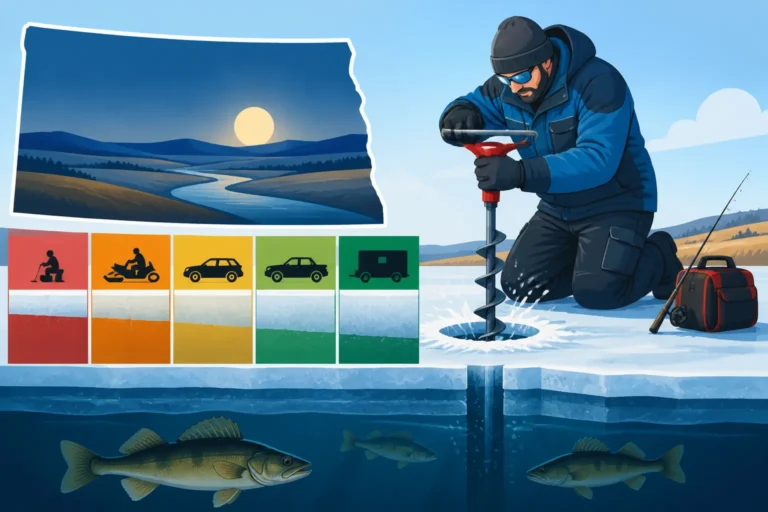
| Ice Appearance | Implied Safety for Foot Traffic (for reference, NOT a guarantee for spring) | General Advice for Spring Ice-Out |
|---|---|---|
| Dark, clear ice | 4 inches for foot travel, 5-7 for snowmobile/ATV | EXTREMELY RARE during ice out; assume compromised. |
| White or opaque ice | 5 inches for foot travel, 8-12 for snowmobile/ATV | Often "rotten" or "candled"; assume unsafe. |
| Slushy, honeycombed | NEVER SAFE | Avoid at all costs; stay off. |
| Water on top | NEVER SAFE | Indicates rapid melting and weakness; stay off. |
| Dark spots/cracks | Always proceed with extreme caution; often indicates thin ice | Signs of extreme danger; stay off. |
Disclaimer: This table provides general guidelines for ice appearance and implied safety under ideal winter conditions. During ice out, all ice should be treated as highly unstable and dangerous. No ice is ever 100% safe.
Post Ice Out: Transitioning to Early Open Water
The actual "ice out" is just the beginning. As spring progresses, the conditions evolve, and so too should your fishing approach. Understanding these transitions is key to consistent success throughout the early open water season.
Understanding the Walleye Spawn
For many North Dakota anglers, the walleye spawn is a critical event. After ice out, as water temperatures climb into the low to mid-40s Fahrenheit, walleye will move to their traditional spawning grounds. These are typically shallow, rocky areas in lakes, or gravelly stretches in rivers and near current breaks. The actual timing of the spawn can vary significantly from year to year and lake to lake, but it generally occurs in April and early May.
During the peak of the spawn, walleye can be challenging to catch as their focus is entirely on reproduction. However, the pre-spawn staging and post-spawn recovery periods offer excellent opportunities. Post-spawn walleye, especially females, will often move to nearby deeper water to rest and recuperate before beginning to feed aggressively again as temperatures continue to rise. Males often hang around the spawning areas longer. Knowing When Does Walleye Spawn in North Dakota? can help you anticipate these movements and adjust your tactics accordingly. Remember to check local regulations, as there may be specific restrictions or catch limits during or immediately after the spawn to protect the fishery.
Adapting Your Techniques as Water Warms
As the water continues to warm after ice out, fish become increasingly active and their metabolism speeds up. This means you can gradually shift away from the ultra-slow, finesse presentations and start incorporating more aggressive tactics.
- Increased Speed: You can begin to retrieve crankbaits faster, work jigs with more pronounced snaps, and cover water more quickly. Fish that were unwilling to chase a slow-moving bait just a week or two prior might now strike aggressively at a faster retrieve.
- Broader Lure Selection: As fish become more active, they'll often respond to a wider array of lures. Spinnerbaits, larger swimbaits, and even topwater lures (for pike, especially) can become effective as the water enters the upper 50s and 60s Fahrenheit.
- Depth and Location Shifts: While shallow bays are king during ice out, as temperatures rise, fish will start to disperse and move towards more offshore structures, deeper break lines, and main lake points. They'll follow baitfish that are also moving into these areas. Continuously monitoring your fish finder for bait balls and fish arches will become crucial.
North Dakota Fishing Season Calendar
It's important to remember that ice out is just one phase in North Dakota's exciting fishing calendar. While the main fishing season is generally open year-round for many species, specific regulations, limits, and best times for targeting different fish vary throughout the year.
The North Dakota Fishing Season Calendar details the best periods for various species and techniques. Early spring, encompassing the ice-out period, is often marked by excellent walleye and pike fishing. As summer arrives, the focus might shift to deep-water trolling for walleye, targeting active smallmouth bass, or pursuing monster catfish on the Red River. Fall brings another surge of aggressive feeding before winter sets in. Always keep the current fishing proclamation handy to ensure you're compliant with all rules and regulations for the species and water body you're fishing.
Regulations Specific to Early Season
Finally, as with any fishing adventure, it's paramount to be fully aware of the current North Dakota fishing regulations. While many species are open year-round, there can be specific nuances during the early season.
- Season Openers: Double-check if there are any specific season openers for the species you are targeting. While walleye and pike are generally open, some specific bodies of water might have unique regulations.
- Size and Creel Limits: Always know the current size and daily/possession limits for the fish you plan to keep. These are subject to change, so consult the most recent North Dakota Fishing Regulations Explained.
- Special Waters: Some specific lakes or rivers might have special regulations regarding lures, bait, or even boat speed, especially if they are smaller community fisheries or have unique conservation efforts in place.
- Licenses: Before you even think about wetting a line, ensure your North Dakota fishing license is valid for the current season. You can purchase them online through the NDGFD website or from various vendors across the state. Without a valid license, you risk significant penalties.
By staying informed and adapting your strategies, the North Dakota ice-out period can be one of the most rewarding times to be an angler in the state. So get ready, stay safe, and enjoy that glorious first open water bite!
Disclaimer
The information provided in this North Dakota Ice Out Fishing Guide is for informational purposes only and is based on general knowledge and publicly available resources. Fishing conditions, ice safety, regulations, and fish behavior are subject to constant change due to weather, environmental factors, and wildlife management decisions. Always consult the official North Dakota Game and Fish Department (NDGFD) website and the current fishing proclamation for the most up-to-date and legally binding regulations before embarking on any fishing trip. Safety should always be your top priority. Neither the author nor the publisher assumes any liability for actions taken based on the information presented herein.