North Dakota Fishing Season Calendar
Ever feel like figuring out North Dakota's fishing seasons is like trying to solve a complex puzzle with half the pieces missing? It can be incredibly frustrating to plan a fishing trip, only to realize you've missed the peak bite for your target species or, worse, that regulations have changed. This comprehensive guide is here to untangle the nuances of North Dakota's fishing season calendar, helping you understand when and where to find the best action throughout the year.
Understanding North Dakota's Fishing Calendar Basics
North Dakota offers anglers a remarkable four-season fishing experience, largely thanks to its diverse waterways and the adaptability of its fish populations. Unlike some states with very restrictive opening and closing dates for specific species, North Dakota's approach is generally more open, but with crucial distinctions that every angler needs to grasp. It’s not just about when you can fish, but when the fishing is truly good and what regulations might apply to certain times of the year or specific bodies of water.
The Annual Cycle and General Open Seasons
At its core, fishing in North Dakota is a year-round endeavor for most species, a fact that often surprises newcomers. The state's general fishing season for most game fish, including popular species like walleye, northern pike, and perch, is continuous. This means you don't typically have to wait for a specific "opening day" in the spring to start chasing them. However, while the season might be open, the conditions and regulations change dramatically from one part of the year to the next. For instance, you might be able to target walleye in both August and January, but the techniques, locations, and even some specific lake rules will be vastly different.
The North Dakota Game and Fish Department (NDGFD) outlines its official fishing regulations, often referred to as the Fishing Proclamation, which usually covers a two-year period. This proclamation is your ultimate authority on all things fishing, detailing everything from statewide limits to specific lake exceptions. Knowing that the season is generally open year-round is a great starting point, but it's crucial to understand that this broad stroke is then painted with many finer details related to specific species, water bodies, and seasonal shifts. Always make sure to consult the most current North Dakota Fishing Regulations Explained document before heading out.
What's Open Year-Round and What Has Exceptions
While the majority of North Dakota's game fish are fair game all year, there are indeed exceptions and special circumstances. Paddlefish snagging, for example, is a highly regulated and time-sensitive season that typically runs for a limited period in May, exclusively in designated areas of the Missouri River System. This unique fishery draws anglers from all over for a chance at these ancient giants, but strict rules on dates, hours, and tags apply.
Another important consideration is the Fishing, Hunting, Furbearer Certificate. Most anglers, including residents and non-residents, are required to purchase this certificate in addition to their fishing license. It's not so much an exception to the year-round rule but an essential prerequisite for most fishing activities in the state. Even if you're planning on fishing during one of the free fishing days, which are specific days designated by the NDGFD where residents can fish without a license, the certificate is generally still required unless explicitly stated otherwise for youth or special events. This certificate helps fund conservation efforts and is a vital part of the state's wildlife management.
Beyond these specific examples, individual lakes or rivers might have unique regulations for certain species at different times of the year. For instance, a particular lake might implement a slot limit on walleye during their spawning period in spring to protect larger breeding fish, even if the general statewide season remains open. These local rules are critical to follow and are always detailed in the official proclamation.
Spring Fishing: Ice-Out to Early Summer Buzz
Spring in North Dakota is a season of dramatic change and immense anticipation for anglers. It’s a time when the landscape transforms from frozen white to vibrant green, and the fish, after a long winter under the ice, become incredibly active. This transition period, from the first signs of melting ice to the stable warmth of early summer, offers some of the most exciting and productive fishing opportunities of the year.
The Thrill of Ice-Out for Walleye and Northern Pike
The moment the ice finally retreats from North Dakota's lakes and reservoirs, often referred to as "ice-out," marks the unofficial start of the open water fishing season for many. This can happen anywhere from late March in southern parts of the state to late April or even early May in the northern reaches, depending on the year's weather. The period immediately following ice-out is nothing short of magical, especially for walleye and northern pike. The fish are hungry, having been relatively sluggish under the ice, and they’re ready to feed aggressively.
Walleye, in particular, become very active in shallow water as they prepare for their spawn. They'll often congregate in traditional spawning areas like rocky shorelines, river mouths, and shallow gravel flats where the water warms up fastest. This is prime time for shore anglers and boaters alike to target them using simple jig and minnow combinations or slow-trolled crankbaits that mimic baitfish. Similarly, northern pike, known for their aggressive nature, will be found in shallow bays and weed lines, gorging themselves before and after their own spawning rituals. Large spoons, spinnerbaits, and swimbaits cast into these areas can elicit explosive strikes. The water might still be chilly, often in the 38-45 degree Fahrenheit range, but the fish are driven by primal urges, making for some intense action. Understanding North Dakota Walleye Fishing Techniques and How to Fish for Northern Pike in North Dakota during this crucial period can significantly boost your success.
Pre-Spawn and Spawning Cycles: Timing Your Attacks
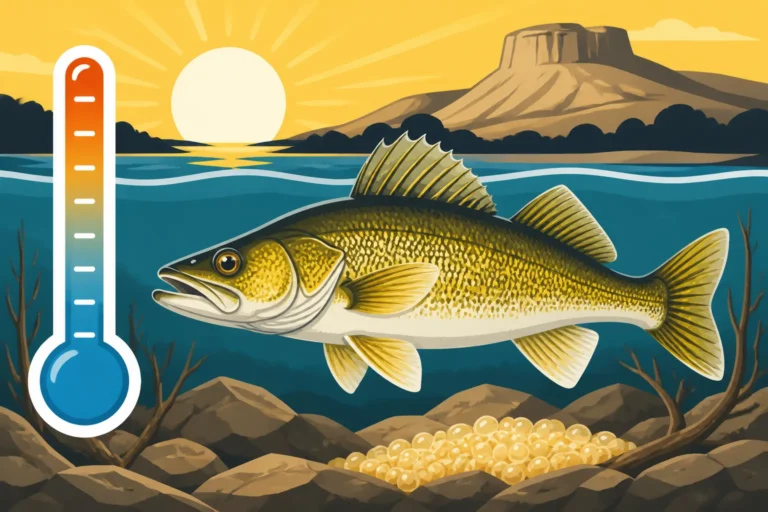
Understanding the pre-spawn and spawning cycles of key species is paramount for spring fishing success. For walleye, the pre-spawn period typically occurs as water temperatures climb into the low 40s. During this time, female walleye, heavy with eggs, move into staging areas near spawning grounds. They'll feed heavily to build energy, making them highly susceptible to anglers. Males often arrive earlier and stay longer around these areas. The actual spawn usually happens when water temperatures reach the mid-40s to low 50s. While it's legal to fish during the spawn in North Dakota, many anglers choose to respect this time, or at least understand that fish may be less interested in feeding aggressively and more focused on reproduction. After the spawn, a brief recovery period sees fish disperse, but they soon resume feeding heavily, albeit in slightly deeper water as the shallows continue to warm.
Northern pike also have an early spring spawn, often occurring even before walleye, sometimes right after ice-out in very shallow, vegetated areas. They'll move into these flooded grasses and backwaters to lay their eggs. Post-spawn pike are often ravenous as they recover lost energy. They'll patrol the edges of these shallow areas, waiting to ambush unsuspecting baitfish. Knowing these cycles helps you not only locate fish but also choose the most effective presentations. For instance, slower presentations might be needed during the actual spawn, while faster, more aggressive lures work wonders in the pre- and post-spawn feeding frenzies.
Transition to Warmer Waters: Perch and Panfish Activity
As spring progresses into late May and early June, and water temperatures steadily climb into the 50s and 60s, other species become more prominent. Yellow perch, a favorite among North Dakota anglers, especially on lakes like Devils Lake, start to become more active in open water. They move from their deeper winter haunts into shallower, warmer flats, often feeding on aquatic insects and newly hatched baitfish. Light tackle, small jigs tipped with maggots or pieces of nightcrawler, and tiny crankbaits can be incredibly effective. This is also a fantastic time to introduce kids to fishing, as perch are often eager biters. Check out the North Dakota Yellow Perch Fishing Guide for more detailed information on targeting these tasty fish.
Panfish, including crappie and bluegill, also begin their pre-spawn and spawning movements during this time. They'll often be found congregated around submerged brush, docks, and weed beds in shallow protected areas. Small jigs, bobber fishing with worms, or tiny artificials are excellent choices. As the water warms further, these fish will complete their spawn, often creating beds in surprisingly shallow water, making them visible and accessible. Early summer offers a fantastic opportunity to fill a cooler with these delicious fish, providing plenty of action for anglers of all skill levels.
Summer Fishing: Peak Action on the Water
Summer in North Dakota is a vibrant and bustling time on the water. With warm temperatures, long daylight hours, and fully thawed lakes and rivers, it’s the peak season for many anglers to enjoy open-water fishing. While the explosive bites of ice-out might mellow a bit, summer offers consistent action, often requiring a shift in strategy to target fish that have moved to deeper, more stable environments.
Mid-Summer Strategies: Deep Water and Trolling
As the summer sun heats the surface waters, many of the prized game fish like walleye and northern pike will often move to deeper, cooler water. This means anglers need to adapt their tactics from the shallow-water assaults of spring. For walleye on larger bodies of water such as Lake Sakakawea or Lake Oahe, trolling becomes a dominant strategy. Using crankbaits, bottom bouncers with spinner rigs, or even live bait rigs can effectively cover large areas and locate schools of fish relating to main lake points, submerged humps, and structure. Understanding sonar and GPS, like those available on Amazon, can be a game-changer for finding these deeper fish-holding structures.
The thermocline, a layer of water where the temperature rapidly changes, often plays a crucial role in fish location during summer. Walleye will frequently suspend near or just above the thermocline, where cooler, oxygenated water meets their preferred temperature range. Targeting these suspended fish requires precise trolling depths, often achieved with lead-core line or planer boards that allow you to spread out your presentation and cover more water. It’s a rewarding challenge that, when mastered, can lead to incredible catches on the expansive North Dakota lakes.
Catfish and Bass Bonanza: Target Specific Species
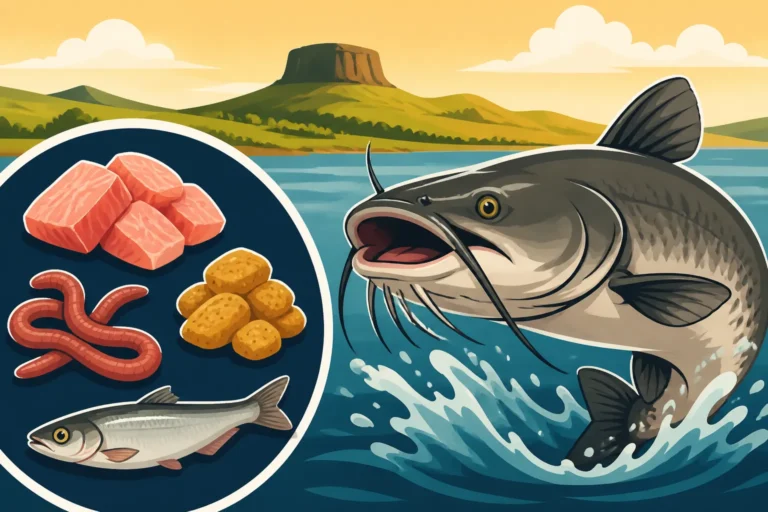
Summer is unequivocally the best time to target channel catfish, especially on the legendary Red River of the North. These whiskered giants thrive in warm water and are incredibly active throughout the summer months. The Red River, known for its trophy-sized catfish, offers unparalleled opportunities. Anglers often employ heavy-duty baitcasting setups, fishing cut bait, stink baits, or even large chunks of shrimp on the bottom. Night fishing for catfish can be particularly productive, as these nocturnal predators become even more active after dark. You can learn more about techniques and locations in the North Dakota Channel Catfish Fishing Guide.
Smallmouth bass also hit their stride in summer. Found in rocky habitats in lakes like Lake Audubon and certain sections of the Missouri River, these hard-fighting fish are a blast on light tackle. Crankbaits, topwater lures, tube jigs, and spinnerbaits cast around rocky points, riprap, and submerged boulders can trigger aggressive strikes. Smallmouth are known for their acrobatic jumps and powerful runs, making them a thrilling target throughout the warmer months. As summer progresses, don't forget to explore the various spots mentioned in the Best Places to Fish in North Dakota.
Family Fishing Fun: Making the Most of Long Days
With school out and vacation season in full swing, summer is the perfect time for family fishing adventures. Many North Dakota lakes and state parks offer excellent shore fishing access, fishing piers, and calm bays perfect for younger anglers. Panfish, like bluegill and crappie, remain a fantastic target, often holding in shallower, protected areas where they are easier to catch. A simple bobber, a hook, and a worm can provide hours of entertainment and a fresh fish fry for dinner.
Camping and fishing go hand-in-hand in North Dakota summers. Imagine waking up to a beautiful sunrise over Lake Sakakawea, making coffee, and then heading out for a morning of fishing. Many resorts and campgrounds offer boat rentals, making it accessible even if you don't own a boat. Just remember to pack plenty of sunscreen, bug spray (which you can easily find on Amazon), and a good cooler to keep your catch fresh on those long, warm days. Summer fishing is about more than just catching fish; it's about making memories outdoors with loved ones.
Fall Fishing: Trophy Time and Preparation
As the vibrant greens of summer give way to the golden hues of autumn, North Dakota's fishing scene undergoes another exciting transformation. Fall fishing is often considered by seasoned anglers to be one of the best times of the year, offering incredible opportunities for trophy fish that are actively feeding to bulk up for the upcoming winter. The cooler temperatures, decreasing boat traffic, and aggressive fish make for a truly special experience.
The Walleye and Pike Feast: Bulking Up for Winter
Fall is prime time for walleye and northern pike, as both species enter a "feeding frenzy" phase. As water temperatures begin to drop from the summer highs, walleye move out of their deep summer haunts and often relocate to shallower structures, main lake points, and even weed lines. They are actively chasing baitfish, which are also schooled up and preparing for winter. This means faster presentations like trolling crankbaits or casting larger jigs and plastics can be incredibly effective. Jigging spoons and blade baits can also tempt those aggressive fall walleye. This period provides an excellent chance to catch some of the biggest walleye of the year, as they are at their heaviest. Many anglers head to places like Lake Sakakawea or Devils Lake, where the walleye fishing can be phenomenal.
Northern pike similarly become incredibly active and aggressive. They will patrol the remaining green weed beds and creek channels, ambushing anything that swims by. Large spoons, spinnerbaits, and big swimbaits are go-to lures. Fly fishing for pike can also be exceptional in the fall, offering visual strikes from these formidable predators. The cooler water also means pike fight harder and longer, making for an exhilarating battle. Anglers looking for a true challenge and the chance at a wall-hanger often mark fall as their top season for pike.
Salmon Run on Lake Sakakawea: A Unique Opportunity
One of North Dakota's most unique fall fishing opportunities is the Chinook salmon run on Lake Sakakawea. While not native to North Dakota, these Pacific salmon are stocked in Lake Sakakawea and provide an incredible sport fishery. As fall approaches, typically from September into October, the salmon begin their migratory journey towards the spawning grounds in the upper reaches of the reservoir, particularly near the Little Missouri River arm and areas like the Van Hook Arm. This is when they become most accessible to anglers.
Trolling is the most common and effective method for targeting these powerful fish. Anglers use downriggers and planer boards to present various spoons, plugs, and flashers at specific depths where the salmon are cruising. The fight of a Chinook salmon is legendary, characterized by powerful runs and aerial acrobatics. It's a truly unique experience to catch these ocean-going fish in the heart of North Dakota. For those interested in this specific challenge, the North Dakota Chinook Salmon Fishing Guide offers invaluable tips on techniques and prime locations. It's a short, intense window, but one that every serious North Dakota angler should experience.
Preparing for Hard Water: Last Open Water Pushes
As late fall progresses, the days shorten, and temperatures drop further, the fishing begins to shift once more. This is often the time for "last open water" pushes, where anglers try to squeeze in a few more trips before the ice officially takes over. Fish continue to feed, but their metabolism starts to slow down, and they might move to deeper, more stable basin areas as the shallow water cools rapidly. Slow presentations, like vertical jigging or slow-trolling, might become more effective.
This period is also crucial for preparing for the upcoming ice fishing season. Anglers are often winterizing their boats, checking their ice fishing gear, sharpening auger blades, and making sure their shelters are ready. The calm before the hard water storm can also offer some surprisingly good fishing on smaller lakes and ponds that might freeze over first. It’s a time of transition, wrapping up one season while eagerly anticipating the next. You can always check out the North Dakota Open Water Fishing Season guide to understand its duration.
Winter Fishing: Embrace the Ice
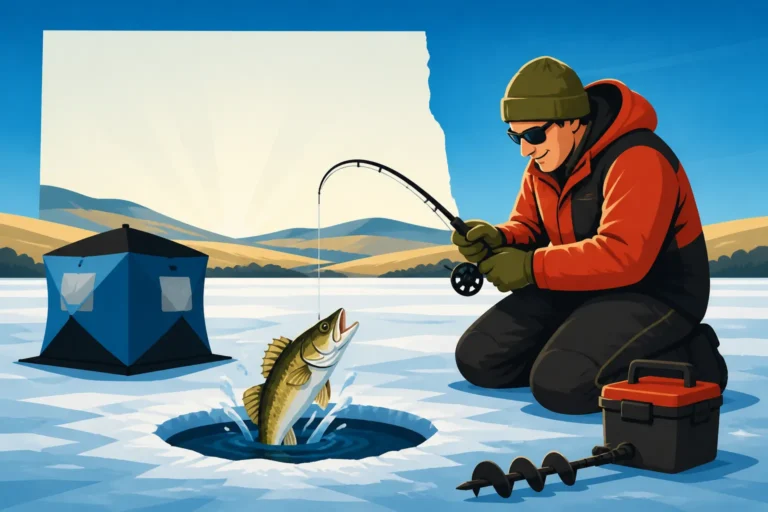
For many North Dakota anglers, winter isn't a time to put the rods away; it's when a whole new world of fishing opens up. Ice fishing is deeply embedded in the state's culture, transforming frozen lakes into bustling communities of ice shacks and portable shelters. It's a challenging but incredibly rewarding pursuit, offering unique tactics and access to parts of lakes unreachable during open water.
Early Ice Excitement: First Safe Ice and Hot Bites
The first safe ice of the season, typically in late November or early December, brings an unmatched excitement to North Dakota anglers. "First ice" often means incredible fishing, as fish are still relatively shallow and active, having not yet settled into their deeper winter patterns. The key during this period is safety: always check ice thickness meticulously. A minimum of four inches of clear, new ice is generally considered safe for foot travel, but conditions can vary wildly, even on the same lake. Always consult local reports and exercise extreme caution.
Popular targets during early ice include yellow perch, walleye, and northern pike. Perch, especially on lakes like Devils Lake, can be found in abundant schools in shallower bays and over submerged vegetation, aggressively biting on small jigs tipped with wax worms or minnow heads. Walleye will often cruise along breaklines and points, making them accessible to vertical jigging with spoons or small swim baits. Pike can be targeted with tip-ups set over weed beds, using large shiner minnows or smelt. The energy of early ice is palpable, with anglers eager to drill their first holes and enjoy the initial hot bites. This is a critical time to understand How to Ice Fish in North Dakota safely and effectively.
Mid-Winter Grinds: Adapting to Slower Action
As winter progresses into January and February, and the ice thickens to several feet, the fishing can sometimes become more challenging. This "mid-winter grind" period often sees fish move to deeper basins, humps, and structural elements. Their metabolism slows down in the colder water, making them less aggressive. This is when patience, persistence, and subtle presentations become paramount. Fish finders, like those available on Amazon, become indispensable tools, allowing anglers to precisely locate fish and present their baits directly to them.
For walleye, deep-water jigging with larger spoons or soft plastics, or even dead sticking with a minnow, can be effective. Perch might require even smaller jigs and slower movements. Northern pike can still be caught on tip-ups, but often require more strategic placement near deep structure or main lake points. This is also a great time to explore less-pressured areas of lakes, or to try targeting burbot, a unique cod-like fish that becomes active under the ice. Mid-winter fishing often means longer waits between bites, but the fish you do catch are often larger and hard-earned, making them all the more satisfying.
Late Ice Boom: The Final Push Before Spring
Just as exciting as early ice, "late ice" in March offers another surge of incredible fishing before the spring thaw. As the days lengthen, sunlight penetrates the ice more effectively, and subtle warming trends cause fish to become significantly more active. Oxygen levels improve in some shallower areas, and fish start to move towards traditional pre-spawn locations. Again, safety is paramount, as late ice can be notoriously unstable, with rapidly changing conditions.
Walleye and northern pike will often move back into shallower areas, congregating near river mouths, neck-down areas, and shorelines that receive direct sunlight. Perch can be found in massive schools, often gorging themselves in preparation for their spawn. This period can see some of the highest catch rates of the entire ice fishing season. Anglers often switch to more aggressive presentations, similar to early ice, taking advantage of the fish's increased activity. It's a bittersweet time, as anglers know that while the fishing is fantastic, the hard water season is rapidly drawing to a close. To get the most out of this final push, consider exploring the Best Ice Fishing Lakes in North Dakota.
Species-Specific Seasonal Highlights
While the general calendar gives us a broad overview, honing in on specific species reveals fascinating seasonal patterns. Each fish has its preferred conditions, feeding habits, and spawning cycles, making certain times of the year distinctly better for targeting them.
Walleye: The Year-Round Pursuit
Walleye are arguably North Dakota's most popular game fish, pursued with fervor throughout all four seasons.
- Spring (Ice-Out to June): This is a prime time for pre-spawn and post-spawn walleye. They're shallow, aggressive, and easily accessible from shore or boat. Jigging with minnows or plastics, and slow-trolling crankbaits are highly effective.
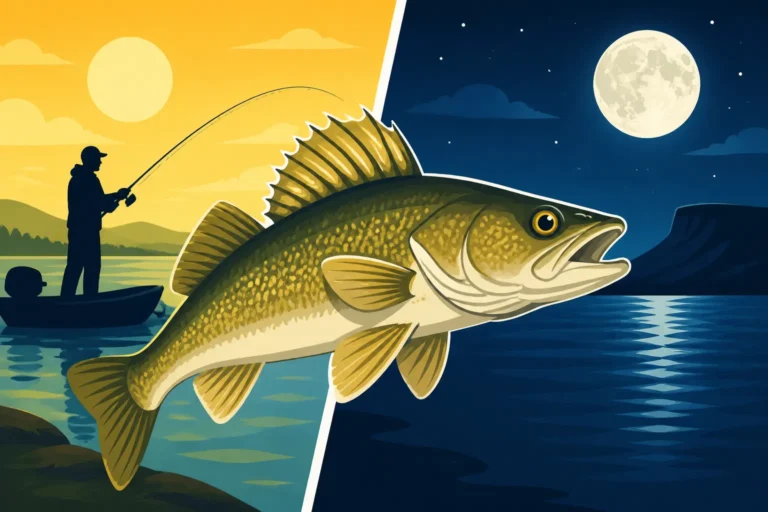
- Summer (July-August): Walleye move deeper during the heat of summer. Trolling crankbaits or spinner rigs with bottom bouncers becomes the go-to method on big lakes like Lake Sakakawea. Night fishing can also be very productive.
- Fall (September-October): The fall feeding frenzy is legendary for trophy walleye. They move shallower again, feeding aggressively before winter. Large crankbaits, jigs, and blade baits are excellent choices.
- Winter (November-March): Ice fishing for walleye is a staple. Early and late ice offer hot bites in shallower areas, while mid-winter requires targeting deeper structure with vertical jigs or dead sticks.
Understanding these patterns and adapting your North Dakota Walleye Fishing Techniques to each season is key to consistent success.
Northern Pike: Aggressive Cold-Water Predators
Northern pike are abundant throughout North Dakota and offer exciting, hard-fighting action.
- Spring (Ice-Out to May): Pike spawn shortly after ice-out, then feed aggressively in shallow, vegetated bays. Large spoons, spinnerbaits, and swimbaits are deadly.
- Summer (June-August): Pike remain in or near weed lines and submerged vegetation, ambushing prey. Casting spoons, topwater lures, and large soft plastics is effective. Trolling large plugs in open water can also pick up bigger fish.
- Fall (September-October): Similar to walleye, pike go on a major feeding binge in the fall. They are incredibly aggressive, hitting large lures with ferocity. This is prime time for trophy pike.
- Winter (November-March): Ice fishing for pike, primarily with tip-ups set with large minnows or smelt, is very popular. Early and late ice are best, but they can be caught all winter in areas with good cover or structure. Learn more about How to Fish for Northern Pike in North Dakota.
Yellow Perch and Panfish: Ice Fishing Staples
Yellow perch, crappie, and bluegill are fantastic for family fishing and ice fishing.
- Spring (Ice-Out to June): Perch and panfish move shallow to feed and spawn. They are easily caught with small jigs, worms, or small crankbaits near cover.
- Summer (July-August): They will disperse and often relate to deeper weed lines, brush piles, or submerged timber. Vertical jigging or small bobber rigs can be effective.
- Fall (September-October): Perch and panfish school up and feed actively as water cools, often moving back to shallower flats before returning to deeper wintering areas.
- Winter (November-March): This is arguably the peak season for perch and panfish. Huge schools can be found under the ice, providing fast and furious action, especially on Devils Lake. Small jigs tipped with bait, or micro-spoons, are incredibly effective. The North Dakota Yellow Perch Fishing Guide details this extensively.
Chinook Salmon: Lake Sakakawea's Unique Challenge
Chinook salmon offer a specialized fishery exclusively on Lake Sakakawea.
- Spring (May-June): Chinook are present but generally dispersed and harder to target, often feeding in the main body of the lake.
- Summer (July-August): They're in the deep, cold waters of Sakakawea. Trolling deep with downriggers is required to reach them.
- Fall (September-October): This is the prime "run" period as salmon migrate towards spawning areas. Trolling becomes very productive in the upper arms of the lake. This is when anglers have the best chance at a trophy salmon.
- Winter (November-March): While possible, Chinook salmon are rarely targeted through the ice due to their deep-water habits and the vastness of Lake Sakakawea. The North Dakota Chinook Salmon Fishing Guide is your best resource here.
Channel Catfish: Red River Monsters in Summer
Channel catfish are found in many North Dakota waters, but the Red River is world-renowned for its trophy potential.
- Spring (April-May): Catfish become active as water warms, moving out of wintering holes. The bite picks up before the spawn.
- Summer (June-August): This is peak catfishing season. They are highly active, feeding aggressively. The Red River is a hotspot for big cats, often caught on cut bait or stink bait, especially at night.
- Fall (September-October): Catfish continue to feed heavily into the fall, though their activity will slow as water temperatures drop significantly.
- Winter (November-March): While not typically targeted, some anglers do catch catfish through the ice in deeper holes on rivers or reservoirs. For more dedicated advice, consult the North Dakota Channel Catfish Fishing Guide.
Navigating Regulations and Beyond the Calendar
Understanding the general fishing calendar is a fantastic start, but truly mastering North Dakota fishing means diving into the specifics of regulations. These rules are not arbitrary; they are meticulously crafted to protect fish populations, ensure sustainable fishing for future generations, and provide fair opportunities for all anglers. Neglecting them can lead to fines, loss of privileges, and harm to the very resources we cherish.
The Importance of the Fishing Proclamation: Your Fishing Bible
The North Dakota Game and Fish Department (NDGFD) publishes a detailed Fishing Proclamation, typically every two years. This document is, quite simply, your "fishing bible" for the state. It outlines everything you need to know, from general statewide rules to specific exceptions for individual lakes, rivers, or species. Ignoring it is like trying to drive without a roadmap – you're bound to get lost, or worse, break a rule unintentionally. You can usually find a copy online, or pick one up at any license vendor. The latest North Dakota Fishing Regulations Booklet 2026 to 2028 is essential reading.
The proclamation details:
- General Seasons and Limits: While most game fish have a continuous open season, daily and possession limits are clearly defined for each species. For example, knowing the North Dakota Walleye Size Limit Rules is crucial before you keep any fish.
- Special Regulations: This is where things get specific. Certain lakes might have different slot limits, length restrictions, or even tackle restrictions than the statewide norm. The Red River, for instance, has unique rules for species like northern pike and channel catfish due to its border water status with Minnesota.
- Water Body Specific Rules: Pay close attention to sections covering specific lakes or rivers you plan to visit. Devils Lake, Lake Sakakawea, and the Missouri River System often have unique guidelines due to their size, ecological importance, or management goals.
- Gear Restrictions: Information on the number of lines you can fish with, whether live bait is permitted, and specific rules for methods like spearfishing or bowfishing will be found here.
- Aquatic Nuisance Species (ANS) Laws: These are incredibly important for preventing the spread of invasive species like zebra mussels. Rules on draining boats, cleaning equipment, and removing bait from the water are mandatory.
It’s your responsibility as an angler to be aware of and abide by these rules. When in doubt, always refer to the official proclamation or contact the NDGFD directly.
Special Seasons, Permits, and Unique Fishing Opportunities
Beyond the mainstream game fish, North Dakota offers some truly unique fishing experiences that come with their own set of rules and seasons.
Paddlefish Snagging
One of the most iconic and sought-after special seasons is for paddlefish snagging on the Missouri River System. This ancient fish, with its distinct paddle-like snout, offers a powerful fight. The season is typically short, usually in May, and occurs in designated snagging zones below the Garrison Dam or other specific river stretches. A special tag is required in addition to your fishing license and certificate, and there are strict daily and seasonal limits. Times of day and specific equipment are also regulated. This is not a "cast and retrieve" fishery; it involves snagging the fish as they migrate upstream. Due to its popularity, applying for a tag often involves a lottery system, so planning well in advance is essential.
Fishing Tournaments
If you're interested in competitive fishing, North Dakota hosts numerous fishing tournaments throughout the year, especially for walleye and bass. While participating in a tournament might seem straightforward, many require a special permit issued by the NDGFD. These permits help the department monitor fishing pressure, manage fish populations, and ensure fair play. If you're planning to organize or participate in a fishing derby, make sure to check the specific North Dakota Fishing Tournament Permit Requirements well in advance. These tournaments provide a thrilling way to test your skills and compete against other passionate anglers.
Tribal Waters
North Dakota is home to several Native American reservations, and fishing on tribal waters, such as portions of Lake Sakakawea within the Fort Berthold Reservation or Devils Lake within the Spirit Lake Nation, may require a separate tribal fishing permit in addition to your state license. It's crucial to research the specific rules for the area you plan to fish. For example, you might need a tribal permit to fish certain areas of Lake Sakakawea's Tribal Waters. Respecting tribal sovereignty and regulations is paramount when fishing these areas.
A Quick Glance at North Dakota's Fishing Calendar
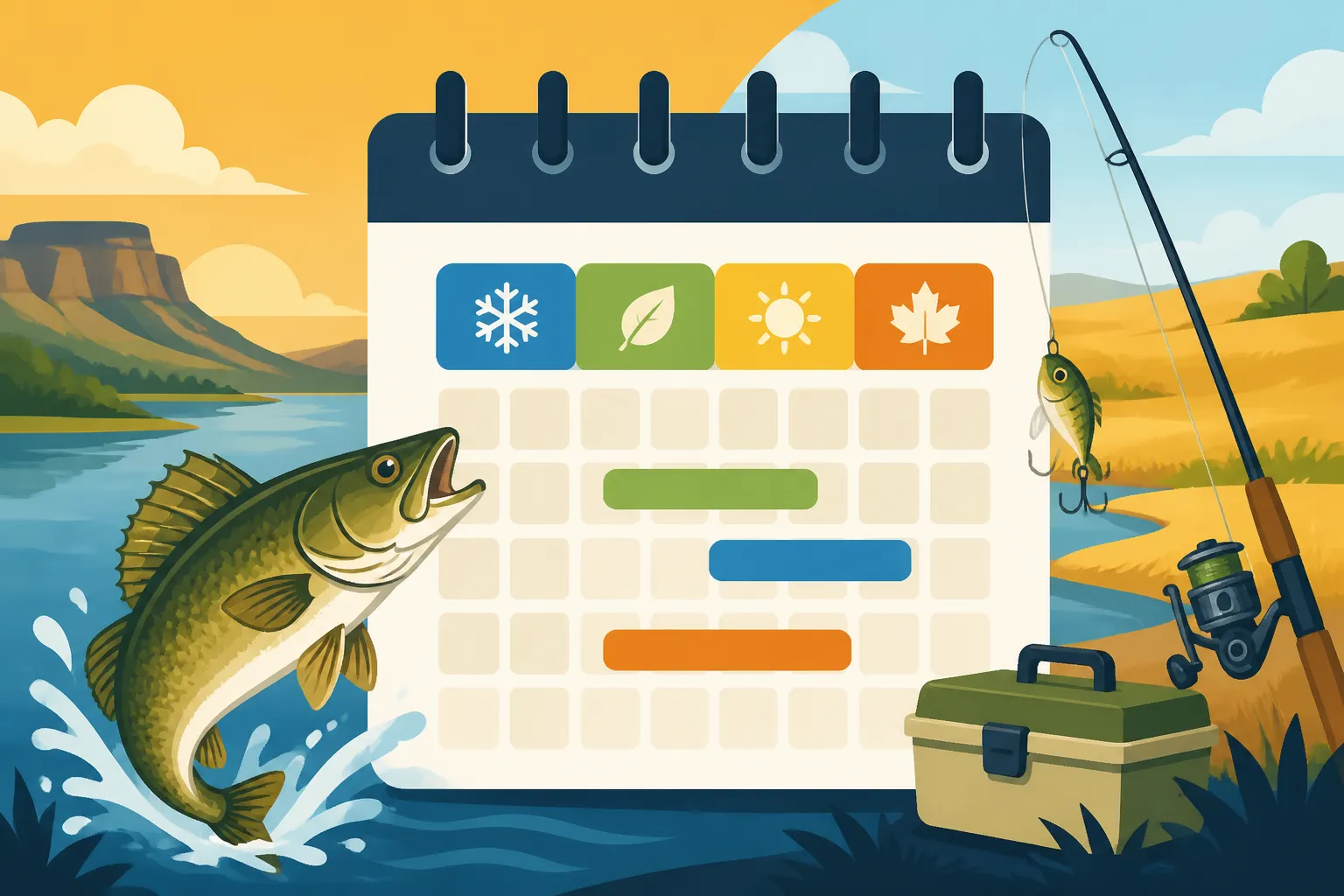
To help visualize the general flow of fishing opportunities throughout the year, here’s a quick summary table:
| Season | Primary Fish Activity | Common Target Species | Key Methods | Notes |
|---|---|---|---|---|
| Spring | Ice-out, Pre-spawn, Post-spawn feeding | Walleye, Pike, Perch, Crappie | Jigging, Trolling, Casting lures | Explosive bites, shallow water, ice safety early season |
| Summer | Warm water, fish in deeper/cooler areas | Catfish, Smallmouth Bass, Walleye | Trolling, Bottom fishing, Casting topwater | Peak for Red River Catfish, family fishing, strong sun |
| Fall | Aggressive feeding for winter, Salmon run | Walleye, Pike, Chinook Salmon | Trolling, Casting, Downrigging (Salmon) | Trophy potential, less boat traffic, prepare for cold |
| Winter | Hard water, fish under ice | Perch, Walleye, Pike, Crappie | Ice jigging, Tip-ups, Dead sticking | Early & Late ice best bites, safety crucial, shelters needed |
Gear and Preparation for Each Season
Just as the fish change their habits throughout the year, so too must your gear and preparation adapt. What works perfectly for casting lures in summer won't cut it for battling blizzards on the ice. Being adequately prepared means more comfort, more safety, and ultimately, more fish.
Spring Gear Transitions: From Ice Rods to Open Water
Spring is a time of transition, not just for the weather and fish, but for your tackle box. You’ll find yourself slowly putting away your ice fishing gear and pulling out your open water rods and reels.
- Rods and Reels: As the ice retreats, you'll want to transition from short, sensitive ice rods to longer spinning or baitcasting setups. For walleye, a medium-light to medium power spinning rod around 6'6" to 7'0" is versatile for jigging and casting. For northern pike, you might opt for a medium-heavy baitcasting rod to handle larger lures and powerful fish. Make sure your reels are freshly spooled with new line – monofilament or fluorocarbon for jigging, or braided line for strength and sensitivity, especially when trolling or targeting larger fish.
- Lures and Baits: Stock up on jig heads (1/8 oz to 1/4 oz are common) in various colors, especially chartreuse, white, and pink for murky ice-out water. Pair them with soft plastics like paddle tails or curly tails. Crankbaits in perch, shad, or firetiger patterns are essential for trolling. Live bait, particularly minnows and nightcrawlers, are often irresistible to hungry post-winter fish. Don't forget spoons and spinnerbaits for aggressive northern pike in shallow bays.
- Boat and Safety: If you're hitting the water, ensure your boat is tuned up, batteries are charged, and all safety gear (life jackets, throwable cushions, horn, fire extinguisher) is on board and in good working order. Early spring water is dangerously cold, so always wear a life jacket and let someone know your float plan. You can find reliable life jackets and boat safety equipment on Amazon.
Summer Essentials: Sun Protection and Bug Spray
Summer fishing in North Dakota is fantastic, but it comes with its own set of challenges, primarily sun exposure and insects. Being prepared for these elements will make your trips much more enjoyable.
- Sun Protection: The North Dakota sun can be intense, even on cloudy days. Pack wide-brimmed hats, sunglasses (polarized lenses are a must for cutting glare and seeing into the water), and long-sleeved, breathable sun-protective clothing. A good quality, high-SPF sunscreen is non-negotiable. Don't forget lip balm with SPF.
- Insect Repellent: Mosquitoes and other biting insects can be relentless, especially during dawn and dusk, or in areas with thick vegetation. Carry effective insect repellent, such as sprays with DEET or picaridin, which can easily be ordered from Amazon. Thermacell devices can also be a lifesaver for boaters and shore anglers, creating a mosquito-free zone.
- Hydration and Coolers: Stay hydrated! Bring plenty of water and other non-alcoholic beverages. A good cooler, like a Yeti or an RTIC, is essential for keeping drinks cold and, more importantly, for properly storing your catch on ice to ensure freshness, especially on warm days.
- Tackle Organization: With the wide variety of summer techniques, having a well-organized tackle box or bag is crucial. Keep separate compartments for different lures (crankbaits, jigs, topwater, soft plastics) and terminal tackle (hooks, weights, swivels). This prevents tangles and makes it easy to find what you need quickly.
Winter Wardrobe: Layering for Warmth and Safety
Winter fishing means battling the elements, so proper clothing and gear are not just about comfort, but survival. Layering is the golden rule.
- Layering System: Start with a moisture-wicking base layer (merino wool or synthetic, never cotton) to pull sweat away from your skin. Add a warm mid-layer like fleece or down for insulation. Your outer layer should be a waterproof and windproof ice fishing suit (bibs and jacket combo) that is also insulated. Brands like Eskimo, Clam, and Striker Ice offer excellent ice fishing suits. You can often find great deals on thermal base layers and insulated gloves on Amazon.
- Extremities: Your head, hands, and feet are crucial for staying warm. Wear a warm hat that covers your ears. Insulated, waterproof gloves or mittens are essential; many anglers use thin liner gloves for dexterity and thicker mittens over top. For your feet, high-quality, insulated winter boots (like those from Muck Boot or Baffin) with wool socks are a must.
- Ice Safety Gear: This is non-negotiable. Always carry ice picks around your neck (for self-rescue if you fall through), a spud bar or ice chisel for checking ice thickness, and a throw rope. A working cell phone in a waterproof case is also wise.
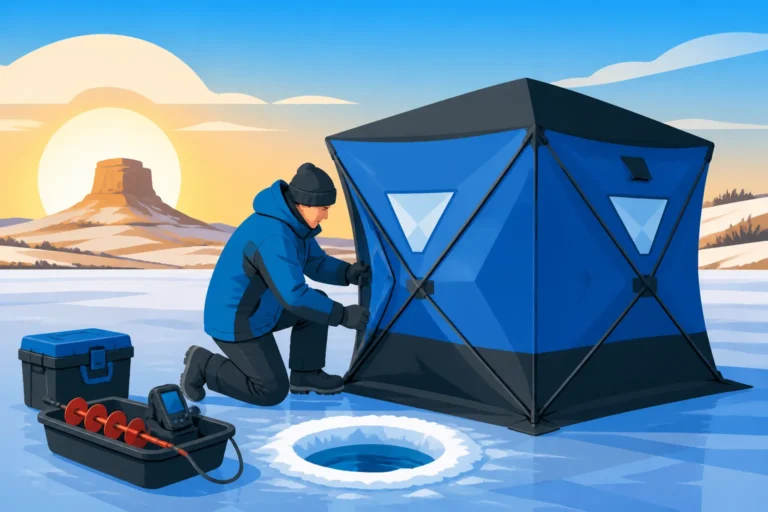
- Shelter and Heat: An insulated ice fishing shelter (portable flip-over or pop-up style) provides a barrier against the wind and cold. A portable propane heater will keep you comfortable inside, but ensure adequate ventilation.
- Auger: A reliable ice auger is your gateway to the fish. Whether you choose a hand auger for portability, a gas auger for power, or an electric auger for convenience and quiet operation, make sure it's sharp and in good working order.
By adapting your gear to each season, you'll be more comfortable, safer, and ultimately more successful on North Dakota's diverse and productive waters.
Disclaimer
The information provided in this guide is for general informational purposes only and is not a substitute for official regulations. Fishing rules and seasons in North Dakota can change. Always consult the current North Dakota Game and Fish Department Fishing Proclamation and any local ordinances before engaging in any fishing activities.