Best Wind Direction for Shore Fishing
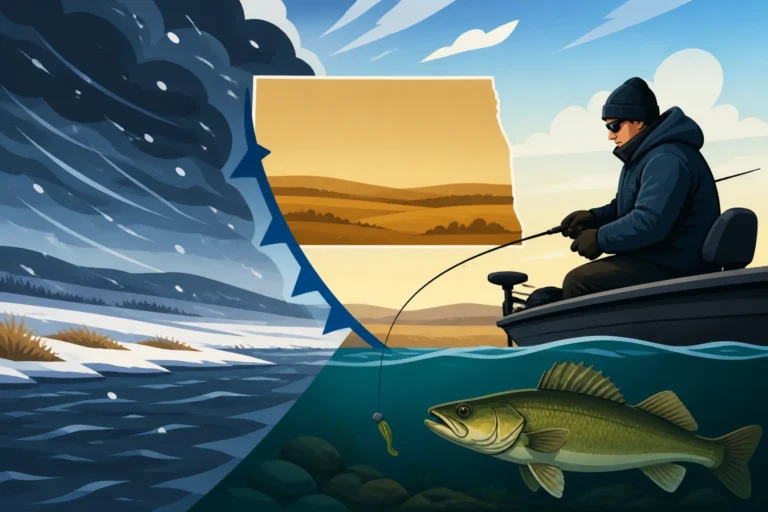
Oh, the wind. If you've spent any time at all trying to fish from shore in North Dakota, you know exactly what I'm talking about. One minute it's calm, the next you're fighting a gale that makes casting feel like an Olympic sport and your bobber an unwilling kite. It's enough to make you pack up and head home, but what if I told you the wind isn't always your enemy? In fact, understanding the best wind direction can actually make or break your shore fishing success. This guide is all about helping you harness that blustery North Dakota breeze to your advantage, or at least navigate it gracefully.
Understanding How Wind Impacts Shore Fishing
Let's be real: wind is often the bane of a shore angler's existence. It whips lines, chills you to the bone, and makes every cast an adventure in aerodynamics. But beneath the surface, that very same wind is creating a dynamic environment that fish either love or hate, and knowing which one can turn a frustrating outing into a fantastic one. It's not just about comfort; it's about physics and fish behavior.
Wind-Driven Current and Water Movement
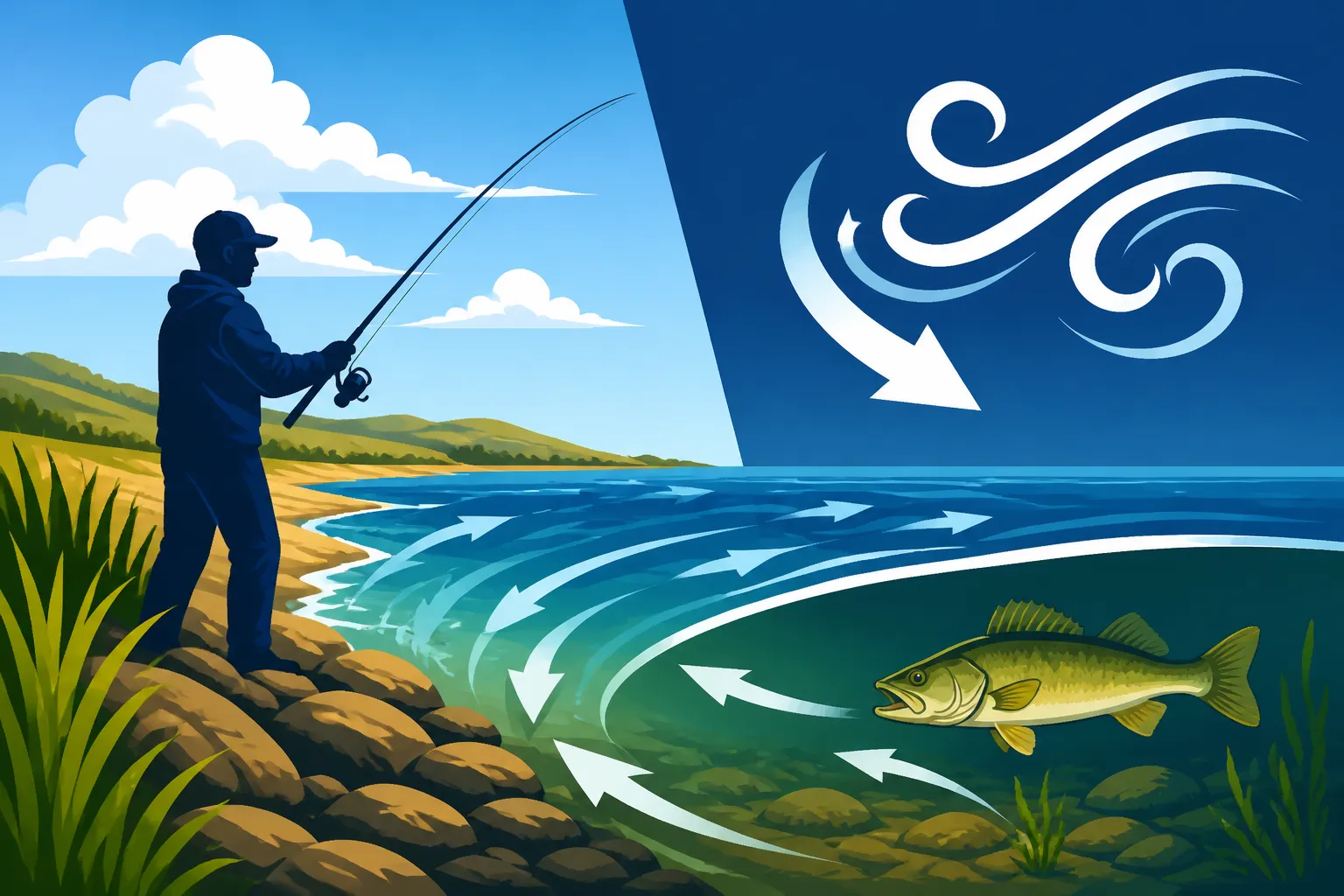
Think of a strong wind blowing across a large body of water like Lake Sakakawea or Devils Lake. That surface wind isn't just ruffling the top; it's pushing water, creating currents, and driving waves. This invisible force is incredibly important for fish. On the windblown side of a lake or reservoir, warmer surface water, nutrients, and small organisms get pushed towards the shore. This can create a literal buffet line for baitfish, which in turn attracts bigger predatory fish like walleye and northern pike.
Imagine you're standing on the eastern shore of a lake, and a brisk west wind has been blowing all day. That wind is piling up water, creating a subtle undertow, and stirring up the bottom in the shallower areas near the bank. This disturbance can dislodge small insects, crustaceans, and other forage, making them easy targets for hungry fish. It’s like ringing the dinner bell right where you're standing!
Concentrating Baitfish and Forage
Fish are always looking for an easy meal, and wind is a major factor in where those meals end up. When the wind pushes water towards a shoreline, it often carries microscopic plankton and small invertebrates with it. These tiny organisms are the primary food source for baitfish, like shiners and young perch. As the baitfish follow their food, they get concentrated in these windblown areas, creating a dense target for larger game fish.
So, if you're fishing a spot where the wind is consistently blowing into the bank, you're essentially fishing a natural feeding funnel. This is particularly true for species that ambush their prey. Walleye, for instance, love to hang out just outside these choppy, turbid zones, waiting for an easy meal to be swept their way. It’s a common scenario on many North Dakota lakes – the rougher water often holds the most active fish.
Water Clarity and Temperature Effects
Wind also plays a huge role in water clarity and temperature, both of which are critical for fish activity.
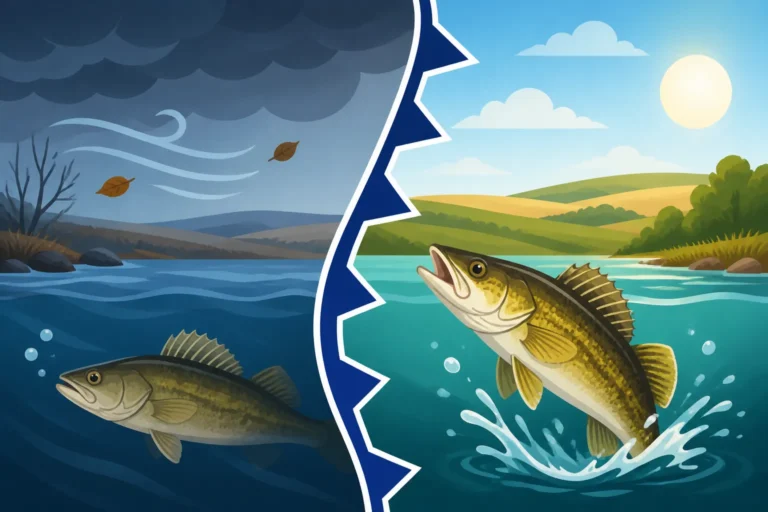
On the windblown side, the constant wave action can stir up sediment, reducing water clarity. This might sound bad, but for certain fish, it's a huge advantage. Murkier water provides cover, allowing predatory fish to hide and ambush prey more effectively without being seen themselves. Think of it like a smoky bar – easier to get close to your target! This can be especially good for species like pike and larger walleye that might be wary in crystal clear conditions.
Conversely, the sheltered side of the lake, away from the direct wind, will often have clearer, calmer water. Depending on the time of year, this can mean warmer or cooler water, which also affects where fish choose to hang out. For instance, in early spring, a sheltered bay might warm up faster, attracting fish looking for comfortable spawning grounds or just a pleasant spot to sun themselves. Conversely, a strong summer wind pushing surface water away from the bank (an offshore wind) can bring cooler, deeper water closer to shore, which might attract heat-sensitive species.
Ideal Wind Directions for Productive Shore Fishing
Now that we understand why wind matters, let's talk about which wind directions are generally the most favorable when you're casting from the bank. It's not always about the biggest waves; sometimes a subtle breeze can be perfect. The "best" direction really depends on the body of water and what you're trying to catch, but there are some general rules that can guide you.
Onshore Wind: Your Best Friend (Often)
An onshore wind, meaning the wind is blowing towards the shore where you are fishing, is often considered the most advantageous for shore anglers. This is because it creates a direct push of water, bait, and nutrients right into your fishing zone.
Consider a sunny afternoon on one of North Dakota's expansive reservoirs, like Lake Oahe. If you find yourself on a shoreline with a consistent breeze hitting it directly, you're in a prime position. The waves generated by this wind break up the water's surface, making it harder for fish to spot you and your line. More importantly, those waves push warm surface water and plankton towards the bank, which attracts baitfish. And where the baitfish go, the predators follow. You might find walleye, northern pike, or even aggressive smallmouth bass cruising the shallow edges, looking for an easy meal tossed their way by the wind. This is often the time when you'll have the most success using natural baits or lures that mimic distressed baitfish. You might want to check out some North Dakota Walleye Fishing Techniques for more specific tactics here.
Crosswind: A Strategic Advantage
A crosswind is when the wind blows parallel to the shoreline, neither directly towards nor away from it. While it can make casting a bit tricky if it's strong, a moderate crosswind can be incredibly effective, especially if you're targeting fish holding to specific structures or currents. This wind direction can create a "current seam" along the shore, where the moving water meets the calmer water. Fish love these transition zones because they can rest in the calmer water while waiting for food to drift by in the current.
Imagine you're fishing a long point or a rock pile that extends into a lake, and the wind is hitting it from the side. This side-sweeping action can concentrate baitfish along one edge of that structure. If you can cast effectively into or across this wind, you might be able to present your lure right into the feeding zone without having to fight a direct headwind. This is where mastering Shore Fishing Techniques for Beginners can really pay off, especially if you're trying to cast lighter baits. Using slightly heavier tackle can also help with accuracy in these conditions.
Offshore Wind: The Challenge (and the Opportunity)
An offshore wind, blowing away from the shore you're fishing from, is generally considered the most challenging for shore anglers. It pushes surface water and baitfish away from the bank, leaving the immediate shoreline often calmer, clearer, and less productive. It can also make casting a lighter lure nearly impossible as your line just gets pushed back at you. This is where good casting form really comes into play.
However, offshore winds aren't always a death sentence! In very specific scenarios, they can actually be beneficial. For example, in summer, strong offshore winds can push warm surface water out, allowing cooler, more oxygenated water from deeper areas to "upwell" closer to shore. This can attract cold-water loving species or those seeking refuge from warmer surface temperatures. Also, in some situations, fish might move to the sheltered, calm side of a point or bay to escape the rough conditions elsewhere. So, if the wind is roaring offshore where you are, consider moving to a nearby protected cove or point that is sheltered from that wind. You might find calmer water and actively feeding fish there.
Here's a quick reference table to help visualize these points:
| Wind Direction | Effect on Water/Bait | Casting Challenge | Fish Behavior | Shore Fishing Strategy |
|---|---|---|---|---|
| Onshore | Pushes bait/food towards shore; creates waves, turbidity. | Moderate to easy; sometimes tough to feel light bites. | Predatory fish move shallow to feed; aggressive. | Focus on feeding lanes, use noise/vibration lures, natural baits. |
| Crosswind | Creates current seams, eddies; pushes bait along shore. | Moderate; line bow can be an issue. | Fish ambush in current seams; hold to structure. | Cast parallel to shore, or into seams; use heavier weights. |
| Offshore | Pushes bait/food away from shore; creates calm, clear water (near shore). | High; light baits difficult to cast; tough to keep line tight. | Fish move deeper or to sheltered spots; less active near shore. | Target deeper drops, or move to a sheltered bank or cove. |
Adapting Your Tactics to Windy Shore Fishing Conditions
So, you're out there, the wind is blowing, and you've identified the direction. Now what? The key to success is adapting your approach. You can't just throw the same lure with the same technique as you would on a calm day. It requires a bit more thought and a few adjustments to your gear and presentation.
Strategic Casting and Line Management
When the wind is roaring, casting accurately and managing your line becomes paramount. If you're facing an onshore wind, you generally want to cast directly into or slightly across it. This allows the wind to help carry your lure further. For heavier baits or lures, you'll feel the wind aid your cast. For lighter offerings, you might need a heavier sinker or a slightly more powerful rod to get the distance you need.
A major frustration with wind, especially a crosswind, is the "bow" in your line. This is where the wind catches your line, creating a large arc between your rod tip and your lure. This bow makes it incredibly hard to feel subtle bites and can drag your lure unnaturally. To combat this, try to keep your rod tip low, almost touching the water, as soon as your lure hits. This minimizes the amount of line exposed to the wind. Also, consider using a heavier line or a line with less diameter if you're really struggling. Braided line, available at retailers like Amazon, can often cut through the wind better than monofilament due to its thinner diameter and lower stretch. If you're using a spinning reel, make sure it's properly spooled to avoid tangles in windy conditions.
Lure and Bait Selection
Windy conditions often call for different lure and bait choices. Forget those super-light finesse jigs or tiny bobber setups if the wind is really ripping. They'll just get tossed around uncontrollably. Instead, reach for baits that have some weight or can cut through the water effectively.
For walleye and pike on a windblown shore, consider using heavier jigs tipped with a minnow or a soft plastic, crankbaits that dive quickly, or spinnerbaits that create a lot of flash and vibration. These lures are easier to cast in wind and can be retrieved more effectively through choppy water. The added disturbance from the waves and the lure itself can attract fish that are actively feeding in the turbulence. Don't forget that live bait, like a shiner or a leech, on a heavier bottom-bouncing rig or a weighted slip bobber, can be incredibly effective when cast into a feeding zone created by an onshore wind. For deeper insights into what works, you might want to read our article on the Best Live Bait for North Dakota Walleye.
Finding Sheltered Spots
Sometimes, the "best" wind direction means finding a spot where the wind isn't blowing directly on you. If the main lake is getting hammered by an offshore wind, look for protected bays, coves, or the lee side of a point or island. These areas will offer calmer water, which can be a haven for baitfish and, consequently, game fish. These sheltered spots can also be excellent for early season fishing when fish are looking for warmer water.
Consider a large lake with a strong north wind. While the north shore might be getting pounded, the south-facing bays and points could be relatively calm. Fish will often retreat to these calmer waters, especially if the wind has been relentless for a day or two. This is particularly relevant if you're trying to fish for less aggressive species or if you prefer a more subtle presentation. Even if the fish aren't actively feeding in these sheltered areas, they might be resting there, making them accessible to a patient angler. Exploring different parts of the lake, like some of the Best Fishing Lakes Near Bismarck, can often reveal these protected havens.
Essential Gear for Windy Shore Fishing Days
Beyond just lures and baits, having the right gear can make a massive difference when you're battling the wind from shore. It’s not just about comfort (though that's a big part of it!), but also about maximizing your effectiveness.
Rods, Reels, and Line Selection
For windy conditions, your rod and reel setup needs to be up to the task. A slightly longer, medium-heavy power rod can help with casting heavier lures further and give you more leverage to fight fish in choppy water. Look for a rod with a fast action tip, which allows for powerful casts while still giving you sensitivity to feel bites.
When it comes to reels, a reliable spinning reel with a smooth drag is crucial. You'll likely be dealing with stronger currents and potentially larger fish that are more active due to the wind. As mentioned earlier, your line choice is paramount. Braided line is often preferred for its strength-to-diameter ratio and minimal stretch, which improves bite detection. However, if you find braided line too visible in clearer water, a good quality fluorocarbon leader is a must. Many anglers also find that a heavier pound test monofilament can be easier to handle in the wind than very light lines, even if it has more stretch. You can find a great selection of these on Amazon, often with reviews from other anglers that can guide your choice.
Anchoring Your Position and Gear
When the wind is blowing, keeping yourself and your gear stable can be a challenge. Portable rod holders that stick into the ground are an absolute game-changer for shore anglers. They free up your hands, allow you to set multiple rods, and ensure your rod isn't dragged into the water by a sudden gust or a strong fish. Investing in a sturdy, adjustable rod holder is highly recommended; some excellent models are available through online retailers like Amazon. Also, consider a comfortable, stable fishing chair. Sitting directly on the ground might be fine on calm days, but battling the wind while trying to balance on uneven terrain is just asking for discomfort. You might even want to look at our guide on Best Rod Holders for Bank Fishing for some specific recommendations.
Personal Comfort and Safety
Wind can be deceptively cold, even on warmer days, as it evaporates moisture from your skin and cuts through thin clothing. Layering is key! A good windproof and water-resistant outer shell is non-negotiable. Don't forget a warm hat and gloves, even if the air temperature seems mild. You'd be surprised how quickly the wind can chill your hands, making knot-tying and lure changes a misery.
Safety is also paramount, especially if you're fishing near larger bodies of water where waves can become significant. Be mindful of slippery banks and potential rogue waves that can knock you off balance. If you're wading, ensure you have proper Best Waders for Shore Fishing that fit well and offer good traction. Always let someone know where you're going and when you expect to be back, especially when fishing alone in challenging conditions.
Leveraging Wind Patterns for Success
Understanding the immediate wind direction is one thing, but truly becoming a savvy shore angler in North Dakota means looking at the bigger picture: the wind patterns over time. Fish don't just react to the current gust; they react to what the wind has been doing for hours, or even days.
Consistent Wind and Fish Behavior
A consistent wind, blowing from the same direction for an extended period (say, 12-24 hours), is often the most beneficial for shore fishing. This sustained push creates stable feeding patterns. The fish have had time to orient themselves to the current, and baitfish have been concentrated in the wind-driven zones. If you can arrive when these conditions have been established, your chances of success are significantly higher.
Conversely, constantly shifting or highly variable winds can make fishing tough. Fish don't have time to settle into a pattern, and baitfish can be scattered. This doesn't mean you can't catch fish, but you might have to work harder, moving around more to find where the fish have decided to hold. Learning to "read the water" and understand how the wind is shaping the currents and baitfish locations is a skill that develops over time, and it's essential for consistent success. Our article on How to Read Water for Fish Structure can help you refine this skill.
Wind During Different Seasons
The "best" wind direction can also vary by season.
In spring, after the ice-out, a warm south or west wind blowing into a shallow bay can be fantastic. It helps warm the water quickly, bringing in baitfish and attracting spawning walleye and pike. This is when those shallow, wind-pushed areas really come alive.
In summer, a strong wind can be a mixed blessing. While it concentrates bait, it can also create too much turbulence or push too much warm water into already warm shallows. However, a good onshore breeze can oxygenate the water and create ideal feeding conditions, especially early morning or late evening.
Fall fishing often benefits immensely from wind. As water temperatures drop, fish become more aggressive, feeding heavily before winter. A strong, steady wind can drive bait into predictable areas, making for some epic fishing, particularly for walleye and northern pike. Just remember that the cooler temperatures mean you'll need even more wind-resistant clothing!
While the immediate conditions are important, understanding the long-term weather and wind forecast is crucial for planning your North Dakota fishing trips. You might even consult a North Dakota Fishing Season Calendar to align your efforts with peak seasonal activity for various species.
Conclusion: Embracing the Breeze
So, the next time you head out to fish from shore in North Dakota and feel that familiar breeze kick up, don't automatically sigh in frustration. Take a moment to assess its direction, its strength, and how it's interacting with the water and the shoreline. Is it pushing bait to you? Is it creating a current seam you can exploit? Or is it telling you to pack up and head to the sheltered side of the lake?
By understanding the nuances of wind, adapting your gear and techniques, and making smart choices about your fishing location, you can transform a challenging day into a productive one. North Dakota fishing is rarely calm, but with a little knowledge and preparation, the wind can become your ally in the pursuit of those fantastic catches.
Disclaimer
This article is for general informational purposes only and does not constitute professional advice. Laws, prices and regulations vary by location and change over time. Consult a qualified professional for guidance on your specific situation.