Is Kayak Fishing Safe on Lake Sakakawea?
Lake Sakakawea is a majestic beast, isn't it? Its vast, open waters call to us, promising incredible fishing, but for those of us who love the intimacy and challenge of kayak fishing, that sheer size can also feel incredibly intimidating. You’re probably wondering, "Can I really take my kayak out there safely?" It's a valid concern, and one many anglers grapple with. This guide is here to honestly break down the risks and, more importantly, equip you with the knowledge and preparation needed to confidently and safely navigate Lake Sakakawea in your kayak.
Understanding Lake Sakakawea's Unique Challenges for Kayak Anglers
Let's be real: Lake Sakakawea is not your average pond or small river. It’s one of the largest man-made lakes in the country, boasting over 1,300 miles of shoreline when full, and its characteristics make it a truly unique environment for any angler, especially those in smaller craft like kayaks. Dismissing its power or unpredictability is a mistake no one wants to make.
The Sheer Size and Unpredictability
Imagine paddling out, miles from the nearest shore, only to have the weather shift in a heartbeat. That's a very real scenario on Lake Sakakawea. Its immense size creates conditions more akin to an inland sea than a typical lake. Distances become vast, and what looks like a short paddle on a map can quickly become an exhausting, dangerous trek against the elements. You might launch on a calm morning, enjoying the glassy water, only to find yourself battling whitecaps and driving rain just an hour later. This isn't hyperbole; it's the nature of big water. The sheer volume of water means that even a moderate wind can kick up significant waves, and those waves have a lot of room to build before they hit you.
The water itself can be incredibly deep in many areas, and while that's great for fish habitat, it means rescue can take longer if you get into trouble. There are fewer places to quickly pull over and find shelter compared to smaller, more protected bodies of water. Your visibility can also be hampered by swells, making it harder to spot other boats or landmarks. This expansive, often unforgiving environment requires a profound respect and a level of preparedness far beyond what you might need for your local fishing hole.
Wind and Waves: Your Biggest Adversaries
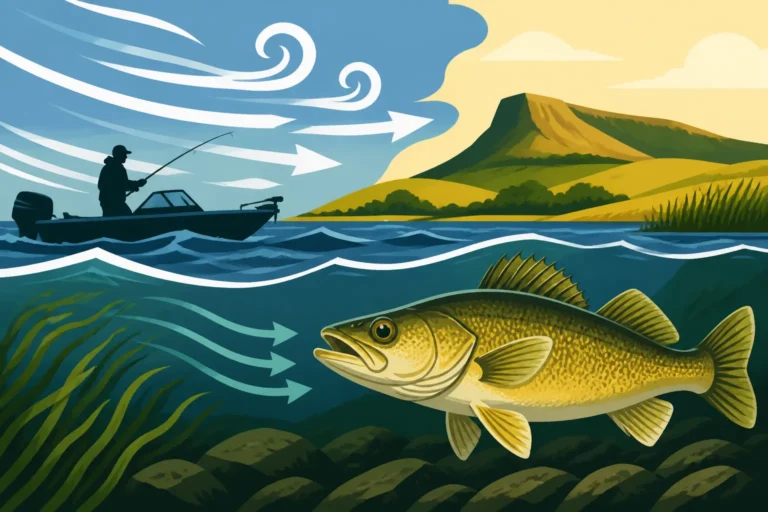
If there's one thing every Sakakawea angler learns, it's to respect the wind. On a kayak, wind isn't just an annoyance; it's a force that can turn your day upside down, quite literally. A gentle breeze on land can translate into a formidable gust whipping across the open water, creating chop that can quickly overwhelm a kayak. We're talking about waves that can break over your bow, fill your cockpit, and make maintaining your course incredibly difficult.
Prevailing winds, often from the northwest or southeast, can funnel down the long arms of the lake, building up impressive swells. Imagine paddling tirelessly for an hour, only to realize you've barely moved because the wind is pushing you back. Or worse, you're trying to paddle against a crosswind, and every wave is hitting you broadside, making your kayak unstable and prone to capsizing. These conditions can quickly lead to exhaustion, making you more vulnerable to other hazards. Understanding how to read the wind, how it interacts with the lake's topography, and knowing when to simply stay off the water is paramount. It’s not about being a weak paddler; it’s about being a smart one who recognizes when discretion is the better part of valor. For more on navigating these conditions, check out our guide on How to Fish in 20 Mph Wind.
Essential Safety Gear: Equipping Your Kayak for Big Water
When you're out on Lake Sakakawea in a kayak, your gear isn't just about catching fish; it's about survival. Every item you bring should be considered through the lens of safety and utility in potentially adverse conditions. Skimping on crucial safety equipment is simply not an option on a lake of this magnitude. Think of it as your personal insurance policy against the unpredictable nature of this incredible body of water. For a full rundown on essential items, consider reviewing our Essential Gear Checklist for North Dakota Fishing.
Personal Flotation Devices (PFDs) and Cold Water Protection
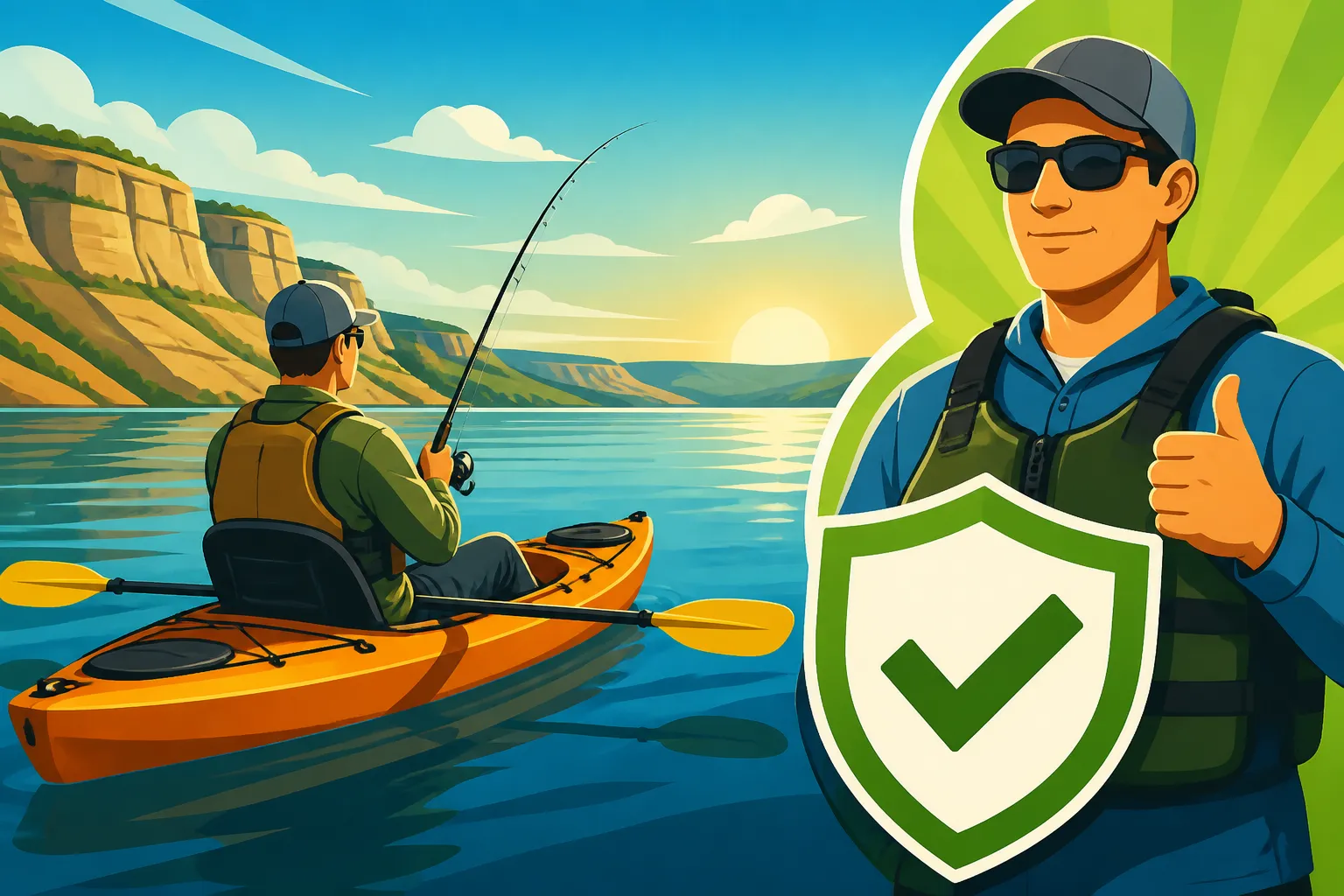
This is where we absolutely draw a line in the sand: a properly fitted Personal Flotation Device (PFD) is non-negotiable. It's not just a legal requirement; it's your lifeline. On Lake Sakakawea, where depths can be significant and distances to shore vast, even the strongest swimmer can succumb to exhaustion or the shock of cold water. Your PFD should be worn at all times, not just stored in your kayak. Modern fishing PFDs are designed with comfort and utility in mind, featuring pockets for gear and allowing for a full range of motion. Don't compromise here. You can find excellent options on platforms like Amazon, but make sure it’s Coast Guard approved and fits snugly.
Beyond the PFD, you need to seriously consider cold water protection, especially during the spring and fall, or even on cooler summer days. Lake Sakakawea's water can remain surprisingly cold well into the summer, and cold water immersion is a silent, deadly threat. If you capsize, cold water can rapidly sap your strength, dexterity, and cognitive function, making self-rescue incredibly difficult. Depending on the water temperature, dressing in layers of synthetic or wool clothing, and even considering a wetsuit or dry suit, is a smart move. While often associated with ice fishing, understanding How to Layer Clothing for Ice Fishing provides invaluable principles for cold-water protection in any season. Remember, your body loses heat much faster in water than in air.
Navigation and Communication Tools
Getting lost or being unable to call for help on Lake Sakakawea is a nightmare scenario. Reliable navigation and communication tools are your best friends out there. A waterproof GPS device or a robust fishing app on your smartphone (in a truly waterproof case!) is essential for knowing your exact location, marking waypoints, and finding your way back to your launch point, especially if fog rolls in or visibility drops. Don’t rely solely on your phone, though; battery life can be unreliable, and signal can be spotty in certain areas.
A marine VHF radio is a fantastic communication tool, allowing you to hail other boats or the Coast Guard in an emergency. It’s far more reliable than a cell phone for open water communication. Additionally, carry an air horn or a loud whistle for signaling. A signal mirror can also be a surprisingly effective way to attract attention from a distance on a sunny day. And always, always pack a fully charged portable power bank. There are many robust, waterproof options available on Amazon that can keep your essential electronics, like your phone and fish finder, powered up. Consider dedicated options like those mentioned in Best Portable Power Station for Ice Fishing Electronics for reliable power.
Emergency Signaling and Self-Rescue Aids
Even with the best planning, things can go wrong. Having the right tools for self-rescue and signaling can be the difference between a minor inconvenience and a major crisis. A paddle leash is a must-have; losing your paddle on big water means you're at the mercy of the wind and current. A bilge pump or large sponge is crucial for bailing out water from your kayak, especially after a capsize or if you take on waves. Many kayak anglers even carry a breakdown spare paddle, just in case.
Beyond that, a small, brightly colored safety flag mounted on your kayak can significantly increase your visibility to other boaters, especially important given the sometimes lower profile of a kayak on the water. A personal locator beacon (PLB) or satellite messenger device, while an investment, offers the ultimate peace of mind, allowing you to send an emergency signal with your precise location to rescue services, even without cell service. Finally, practice self-rescue techniques, like re-entry after a capsize, in controlled conditions. Knowing how to get back into your kayak quickly will boost your confidence and readiness for the unexpected.
Planning Your Trip: Preparation is Key
Going out on Lake Sakakawea, particularly in a kayak, isn't something you just decide to do on a whim. It requires meticulous planning, a deep understanding of the conditions, and a realistic assessment of your own capabilities. Think of every fishing trip as a mini-expedition; the more you prepare beforehand, the smoother and safer your experience will be.
Checking Weather and Water Conditions
This is perhaps the single most important pre-trip step. Before you even think about loading your kayak, you need to thoroughly check the weather forecast from multiple reliable sources. Look beyond just temperature and precipitation. Pay close attention to wind speed and direction, as well as predicted wave heights. A forecast of "light breeze" might be fine for a small pond, but on Sakakawea, even 10-15 mph winds can create challenging conditions for a kayak, especially if they are sustained or coming from an unfavorable direction. If the forecast calls for winds over 15 mph or significant wave action, it's often best to reconsider or choose a more protected area.
Be aware of rapidly changing conditions. Thunderstorms can roll in quickly, bringing sudden squalls and lightning. Keep an eye on the sky and be ready to head for shore at the first sign of trouble. Understanding typical wind patterns for the time of year and how they might affect particular sections of the lake (e.g., funneling down a long bay) is also critical. A good guide to general conditions can be found in our Best Wind Conditions for Walleye Fishing article, even though it focuses on the fish, the principles of understanding wind are universal. If conditions look iffy, err on the side of caution. There will always be another day to fish.
Float Plans and Partnering Up
Never, ever go out on Lake Sakakawea alone without telling someone exactly where you're going and when you expect to return. This is your "float plan." Provide details like your launch site, intended fishing areas, the make and color of your kayak, and the number of people in your party. Give them a specific time to expect a check-in call from you, and instruct them on what to do if they don't hear from you (e.g., who to call for help). This simple step can be a lifesaver if you encounter an emergency and can't call for help yourself.
Better yet, consider the buddy system. Fishing with a partner or a group significantly enhances safety. Not only can you assist each other in an emergency, but you also have more eyes watching the weather, more hands for paddling if someone tires, and simply more company. If one person capsizes, the other can provide immediate assistance, call for help, or even offer a tow back to shore. It's a fundamental safety principle, especially on expansive and potentially treacherous waters like Lake Sakakawea. Before heading out, discuss emergency protocols with your fishing partners so everyone knows what to do if trouble strikes.
Kayak Suitability and Stability
Not all kayaks are created equal, especially when facing the challenges of Lake Sakakawea. While a recreational sit-in kayak might be perfect for a calm stream, it could be a liability on big water. For Sakakawea, you'll want a fishing kayak designed for stability and open-water performance. Look for longer, wider, and more stable sit-on-top kayaks that are less prone to capsizing and can handle chop better. Peddle-drive kayaks offer a significant advantage, freeing up your hands for fishing and providing powerful propulsion against wind and current.
Consider the hull design: a wider, flatter hull generally offers more initial stability, while a V-shaped hull might cut through waves better but feel less stable initially. Self-bailing scupper holes are a huge plus on a sit-on-top, allowing water to drain out automatically. Always test your kayak's stability in calm conditions before venturing into challenging waters. Understand its limits and your own. For a more detailed look at suitable options, our guide on Best Kayaks for North Dakota Fishing can offer some excellent recommendations for stable and capable vessels. Researching specific models and reading reviews on retail sites like Amazon can also provide valuable insights into what other anglers find suitable for similar conditions.
On the Water: Safe Practices and Situational Awareness
Once you're on the water, the planning doesn't stop. It transforms into continuous vigilance and smart decision-making. Lake Sakakawea demands your full attention, and maintaining situational awareness is paramount to ensuring a safe and enjoyable kayak fishing experience. Remember, you're the captain of your vessel, no matter how small it may be.
Maintaining Situational Awareness
Your eyes and ears are your best safety tools. Continuously scan the horizon for changes in weather patterns—darkening skies, approaching storms, or shifts in wind direction. Pay attention to the water itself: are waves building? Is the current changing? Are there other boats creating wakes that could pose a hazard? Don't get so focused on your fish finder or your fishing line that you forget to look around.
Also, be aware of other boat traffic. Lake Sakakawea is popular with larger powerboats, pontoons, and even houseboats, which can create significant wakes that might surprise an unsuspecting kayaker. Stay clear of busy channels and high-traffic areas if possible, and make yourself as visible as you can with bright clothing and a safety flag. Knowing your physical limits is also part of situational awareness. If you're feeling fatigued, cold, or just "off," it's time to head to shore. Pushing through exhaustion on big water is a recipe for disaster. It's always better to cut your trip short and come back another day than to risk it all.
Dealing with Wind and Waves
Encountering wind and waves on Lake Sakakawea is not a matter of "if" but "when." Knowing how to handle them can prevent a capsize. Generally, it's best to paddle directly into waves (head-on) or directly with them (following seas). Paddling at an angle (quartering) can also be effective, but avoid taking waves on your beam (broadside), as this is the most unstable position for a kayak and can easily lead to capsizing. If you find yourself in breaking waves, try to lean into them, using your paddle for bracing strokes to maintain balance.
If the wind is strong, try to hug shorelines or points that offer some protection, even if it means altering your fishing plans. Use islands or land features to block the wind. If you're struggling against the wind, sometimes pulling over and waiting for conditions to improve is the smartest move. If you're fishing in a current, like near river mouths or dam areas, understand how the current interacts with the wind to create even more complex and potentially dangerous wave patterns. Managing your energy is key; strong wind and waves are physically demanding, and exhaustion can quickly lead to poor judgment or inability to react to changing conditions.
What to Do If You Capsize
Despite all precautions, a capsize can happen. The most important rule is: stay with your boat. Your kayak, even when overturned, offers flotation and is much easier for rescuers to spot than a lone person in the water. Grab your paddle leash if it's still attached, and immediately assess your situation. If you are wearing your PFD (which you should be!), you will float.
Attempt self-rescue if conditions allow and you've practiced the technique. This usually involves righting the kayak, climbing back onto the stern, and wiggling your way back into the cockpit. If you have a paddle float, use it. If self-rescue is not possible, or if the water is too cold, immediately activate any emergency signaling devices you have (whistle, air horn, PLB) and wave brightly colored items to attract attention. Try to stay calm, conserve energy, and wait for help. This is where your detailed float plan and communication devices become critical. The more prepared you are for a capsize, the better your chances of a positive outcome.
Kayak Fishing Safety Checklist for Lake Sakakawea
| Category | Item | Importance Level | Notes |
|---|---|---|---|
| Personal Safety | Coast Guard Approved PFD (Worn) | Essential | Your #1 safety item. Choose one designed for paddling. |
| Cold Water Gear (Wetsuit/Drysuit) | High | Crucial for spring, fall, and cooler summer days. | |
| Whistle/Air Horn | Essential | For signaling other boats or in an emergency. | |
| Personal Locator Beacon (PLB) | High | Sends emergency signal with GPS coordinates (significant investment). | |
| First Aid Kit | High | Waterproof and well-stocked for minor injuries. | |
| Navigation & Communication | Waterproof GPS (Dedicated or Phone) | Essential | For knowing your location and navigating back to shore. |
| Marine VHF Radio | High | More reliable than cell service for open water communication. | |
| Fully Charged Cell Phone (Waterproof) | High | For contacting loved ones, but signal can be spotty. | |
| Portable Power Bank | High | To recharge electronics. | |
| Kayak & Gear | Paddle Leash | Essential | Prevents losing your paddle. |
| Bilge Pump or Large Sponge | High | For removing water from your kayak. | |
| Spare Paddle (Breakdown) | High | Essential backup in case of loss or damage. | |
| Visibility Flag/Light | High | Increases your visibility to other boaters. | |
| Anchor (small, foldable) | Medium | For holding position in wind/current (use with caution). | |
| Knife/Line Cutter | Medium | For cutting tangled lines or ropes quickly. | |
| Trip Planning | Detailed Float Plan | Essential | Inform someone of your route and return time. |
| Buddy System | High | Fish with a partner or group whenever possible. | |
| Multiple Weather Checks | Essential | Check wind, waves, and storm forecasts from several sources. | |
| Knowledge of Self-Rescue Techniques | High | Practice capsizing and re-entering in controlled conditions. |
So, is kayak fishing safe on Lake Sakakawea? Yes, but only with the right approach. It demands respect, thorough preparation, the right gear, and a healthy dose of caution. With these elements in place, you can unlock incredible fishing opportunities and experience the grandeur of this North Dakota treasure from the unique perspective of your kayak.
Disclaimer
This article is for general informational purposes only and does not constitute professional advice. Laws, prices and regulations vary by location and change over time. Consult a qualified professional for guidance on your specific situation.