How to Fish in 20 Mph Wind
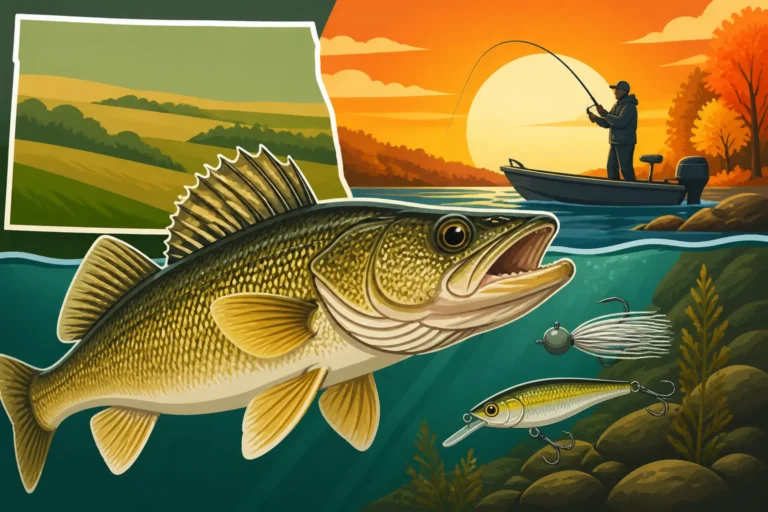
Oh, that infamous North Dakota wind! It can turn a glorious, calm morning on the water into a challenging, white-capped battle against the elements faster than you can say "walleye chop." Many of us have experienced the frustration of trying to cast accurately, maintain boat control, or even just stay warm and dry when a 20 mph wind decides to show up uninvited. This guide is here to help you not only survive but actually thrive and catch fish when those strong North Dakota breezes kick up, offering practical tips and gear recommendations to conquer the blustery conditions.
The Double-Edged Sword of Wind: How 20 mph Breezes Affect North Dakota Fishing
Wind, especially a sustained 20 mph blow, is a force that commands respect and adaptation from any angler. It's easy to just see it as a nuisance, but truly, wind has both its challenges and its surprising advantages when it comes to locating and catching fish in North Dakota's vast waters like Lake Sakakawea or Devils Lake. Understanding how it impacts both the fish and your ability to fish is the first step to turning a windy day into a productive one.
Understanding Wind-Driven Fish Movement
When the wind starts to really pick up, it doesn't just ruffle the surface of the water; it creates a dynamic, underwater current that significantly influences fish behavior. Think of it like a giant broom sweeping the lake. This wind-generated current pushes plankton, small insects, and baitfish towards specific areas, often concentrating them along windblown shorelines, points, and structural breaks. Where the bait goes, the predators – like walleye, northern pike, and even perch – are sure to follow. They’ll often stage on the downwind side of structures, waiting to ambush unsuspecting prey that gets swept their way.
The choppier water surface caused by the wind also plays a crucial role. It breaks up light penetration, reducing visibility into the water. This can make fish feel more secure and less wary, especially in shallower areas where they might otherwise be spooked by shadows or approaching boats. Furthermore, the increased oxygenation from wave action can stimulate fish activity, making them more aggressive feeders. This is why many experienced North Dakota anglers actually look for a good "walleye chop" – it often signals a prime feeding window. However, too much wind can also push baitfish into areas that are too turbulent for game fish, or even scatter them, making fish harder to pinpoint. It's a delicate balance, but a 20 mph wind usually falls into that productive, albeit challenging, sweet spot.
The Angler's Battle: What 20 mph Wind Does to Your Setup
While wind can be beneficial for fish activity, it undeniably presents a host of challenges for the angler. The first and most obvious is boat control. A 20 mph wind can quickly push a boat off course, making it incredibly difficult to stay on a spot, troll a consistent line, or even safely navigate. You might find yourself constantly fighting the tiller or trolling motor, burning through battery power, and struggling to keep your lure in the strike zone. This is where advanced boat control techniques, which we’ll discuss shortly, become absolutely critical.
Beyond boat control, casting accuracy becomes a major headache. Trying to throw a light jig against or across a strong wind often results in your line catching the wind and your lure landing nowhere near your intended target. Line management is another huge issue; excessive slack in the line caused by wind can make it nearly impossible to detect subtle bites, especially with light-biting species like walleye. The wind can also cause your line to bow out dramatically, pulling your lure away from the fish or making it difficult to feel the bottom. Then there's the sheer discomfort: cold spray, stinging eyes, and the constant battle to keep your hat on. It's enough to make even the most seasoned angler want to pack it in, but with the right gear and techniques, these frustrations can be minimized.
Essential Gear Upgrades for Beating the North Dakota Wind
When a 20 mph wind is in the forecast, you can't just rely on your everyday setup. You need to be prepared with specific gear that helps you mitigate the wind's negative effects and capitalize on its potential benefits. Thinking ahead about your equipment can make all the difference between a miserable day and a memorable catch.
Mastering Boat Control in Gusty Conditions
For boat anglers, effective boat control is paramount when facing stiff winds on sprawling North Dakota waters like Lake Sakakawea or Devils Lake. The days of simply dropping a single anchor and hoping for the best are long gone in these conditions.
- Trolling Motors with GPS Spot-Lock: If you're serious about fishing in the wind from a boat, a modern electric trolling motor with a GPS-guided "spot-lock" or "anchor" feature is an absolute game-changer. Brands like Minn Kota's i-Pilot or Motorguide's Pinpoint GPS systems use satellite technology to hold your boat precisely in place, even against strong currents and wind, often with surprising accuracy. This frees you up to focus on fishing instead of constantly wrestling with the steering. You can find robust models and accessories on sites like Amazon that are designed to handle larger boats and challenging conditions.
- Drift Socks and Drogues: These simple but incredibly effective tools are invaluable for slowing your drift and maintaining boat orientation when moving with the wind. A drift sock acts like an underwater parachute, dragging in the water and creating resistance, which reduces your boat's speed. By deploying one or two, you can control your drift speed over key structures or along windblown shorelines, allowing your lures to stay in the strike zone longer. When trolling, a drift sock deployed off the side opposite the wind can help keep your boat tracking straighter. For an in-depth look at what boats are best suited for these conditions, check out our guide on the Best Boats for North Dakota Lakes.
- Heavy Anchors and Dual Anchor Systems: If you're without a GPS trolling motor or prefer to stay put, heavier anchors are a must. A lightweight anchor will simply drag in 20 mph wind. Many experienced anglers utilize a dual anchor system – one off the bow and one off the stern – to lock their boat down firmly and prevent swinging. This is especially useful when targeting specific points or humps.
Rods, Reels, and Line: Choosing Your Wind-Fighting Arsenal
Your rod, reel, and line choices can either amplify or diminish the wind's impact on your presentation.
- Heavier Action Rods: While finesse fishing often calls for lighter rods, a 20 mph wind often requires a medium-heavy or heavy action rod, especially if you're casting larger lures or heavier weights to combat the elements. The added backbone helps with casting accuracy in the wind and provides better control over your presentation. For specific recommendations, our article on the Best Walleye Rods for Lake Sakakawea offers some great insights.
- Braided Line: This is arguably the most crucial line choice for windy conditions. Braided line has almost no stretch and a much smaller diameter compared to monofilament or fluorocarbon of equivalent breaking strength. Its thinner profile means it catches less wind, resulting in less "bow" in your line and better feel for subtle bites. The lack of stretch also provides superior hook-setting power, even when you have a lot of line out in the wind. Pair it with a fluorocarbon leader for stealth, and you've got a winning combination. Learn more about optimal line choices in our guide to the Best Fishing Line for North Dakota Lakes.
- Appropriate Reel Size: A reel that balances well with your chosen rod and has a smooth drag system is always important. In windy conditions, ensure your reel can handle the braided line effectively and has enough cranking power to retrieve lures quickly, or to pull fish through resistance.
Dressing for Success: Staying Comfortable and Focused
Staying warm, dry, and focused is critical when the wind is whipping. North Dakota weather can be notoriously unpredictable, and a 20 mph wind can make a 50-degree day feel much colder, especially with spray coming off the water.
- Layering is Key: Start with a moisture-wicking base layer, add insulating layers (fleece or down), and top it off with a windproof and waterproof outer shell. This allows you to adjust to changing conditions throughout the day.
- Windproof Outerwear: A high-quality fishing jacket and bibs or pants that are both windproof and waterproof are non-negotiable. Look for features like sealed seams, adjustable cuffs, and a good hood to keep the elements out. You'll find a wide array of options for durable, wind-resistant fishing apparel on Amazon, often from trusted outdoor brands.
- Headwear and Eye Protection: A warm, windproof hat that covers your ears is essential. Sunglasses are critical not only for eye protection from UV rays but also from wind-blown spray and debris. Polarized lenses will also help you see through the glare on the water, even when it's choppy.
- Gloves: Depending on the temperature, a pair of fishing gloves that offer warmth and grip without sacrificing too much dexterity can make a world of difference in comfort.
| Gear Category | Importance in 20 mph Wind | Key Features/Tips |
|---|---|---|
| Boat Control | Critical | GPS trolling motor (spot-lock), drift socks, heavy anchors, dual anchor systems |
| Rods | High | Medium-heavy to heavy action for casting power & control |
| Reels | Moderate | Smooth drag, good line capacity |
| Line | Critical | Braided line (smaller diameter, no stretch) with fluorocarbon leader |
| Outerwear | Critical | Windproof, waterproof jacket & bibs/pants, layered system |
| Headwear/Eyewear | High | Warm hat, polarized sunglasses |
| Lure Weight | Critical | Heavier jigs, deeper diving crankbaits |
Proven Techniques for Catching Fish When the Wind Howls
Once you've got your gear sorted, it's time to adapt your fishing techniques to the challenging, yet often productive, conditions that a 20 mph wind creates. The key is to work with the wind where possible, rather than constantly fighting against it.
Shore Fishing Smart: Finding Shelter and Making Accurate Casts
If you're a shore angler, a 20 mph wind can feel like an insurmountable obstacle, but there are ways to make it work.
- Seek Out Natural Shelters: Look for areas that offer some protection from the direct wind, such as bays, points, or sections of shoreline with high banks or dense tree cover. Even a slight reduction in wind can make a huge difference in casting comfort and accuracy. These spots might not always be directly windblown, but they can offer fish a calmer sanctuary nearby, or a staging area.
- Cast with the Wind: Whenever possible, try to position yourself so you're casting with the wind at your back. This will significantly increase your casting distance and accuracy. If you must cast into the wind, use heavier lures or weights to punch through the gusts. A short, powerful cast is better than a long, struggling one.
- Heavier Baits and Bottom Contact: When shore fishing in the wind, it's often best to switch to heavier jigs, bottom bouncers, or weighted rigs that can maintain contact with the bottom. This reduces the effect of the wind on your line and helps you feel bites more effectively. Pay attention to how the wind creates current along the shoreline, and cast your bait to drift naturally with it. This can be especially effective for species like walleye.
Trolling and Drifting: Harnessing the Wind to Your Advantage
For boat anglers, the wind can actually be your friend if you learn to harness its power through effective trolling and drifting strategies.
- Controlled Drifting: This is often one of the most effective ways to fish in strong winds. Position your boat upwind of a promising structure (a drop-off, a reef, a submerged point) and allow the wind to slowly push you over it. Use drift socks (as discussed earlier) to control your speed and angle. This allows you to present your bait or lure naturally to fish that are positioned in or around the structure. Think about how the wind pushes baitfish – drifting mimics this natural movement. You can learn more about how to make these adjustments in our Fishing During North Dakota's Windy Spring article.
- Trolling with or Against the Wind: Trolling in a 20 mph wind is challenging, but not impossible. When trolling with the wind, you'll need to reduce your engine RPM significantly, or even use a drift sock off the stern, to maintain a proper trolling speed. When trolling into the wind, your engine will work harder, but you might gain better boat control. The key is to watch your GPS speed and adjust constantly to maintain the ideal pace for your chosen lure. For walleye, this is often crucial. Consider incorporating techniques discussed in Trolling Crankbaits for Walleye and ensure you're not getting snagged by reading up on How to Troll Crankbaits Without Snagging Bottom.
- Targeting Windblown Structures: Always prioritize windblown points, reefs, and shorelines. These are the areas where baitfish will be concentrated, and consequently, where game fish will be actively feeding. Fish will often sit on the downwind side of these structures, facing into the current created by the wind, waiting for food to be delivered to them. Look for areas where the wind has been consistently blowing for several hours, as this gives baitfish time to accumulate.
Bait and Lure Adjustments for Windy Water
The lures and baits you choose also need to be wind-smart.
- Heavier Jigs and Bottom Bouncers: When jigging or rigging live bait, increase the weight of your jig heads or bottom bouncers. This helps maintain crucial bottom contact, reduces line blow-out, and improves your ability to feel those subtle bites. For example, if you typically use a 1/4 oz jig, consider bumping up to 3/8 oz or 1/2 oz in a strong wind.
- Deeper Diving Crankbaits: If trolling, choose crankbaits that dive deeper or have a larger lip to help them track true and get down to the fish faster, even with line bow. These larger lures also offer more resistance in the water, giving you better feel and reducing the wind's effect. Our guide on the Best Crankbaits for North Dakota Walleye provides excellent recommendations.
- Live Bait Rigs: When using live bait, consider robust presentations. A slip sinker rig with a heavier sinker can be very effective for keeping a minnow or leech on the bottom. The heavier weight, combined with braided line, helps you feel the retrieve and detect bites even in choppy conditions.
Safety Considerations When Fishing in Stiff North Dakota Winds
While the pursuit of fish is exciting, your safety, and the safety of anyone fishing with you, should always be the top priority, especially when dealing with a 20 mph wind. These conditions can quickly turn dangerous if you're not prepared or if you underestimate the power of the wind and waves on North Dakota's large lakes and rivers.
Prioritizing Watercraft and Personal Safety
Operating a boat in a 20 mph wind on a large body of water like Lake Sakakawea or Lake Oahe can be treacherous. Waves can build quickly, leading to rough rides, swamping, and even capsizing if not handled properly.
- Know Your Boat's Limits: Understand what your boat can safely handle. A small jon boat might be perfectly fine on a calm day, but completely outmatched by a 20 mph wind on open water. If you're questioning it, it's always better to stay off the water or find a more sheltered location. This is where researching North Dakota Boat Registration Requirements and understanding your vessel's capabilities really pays off.
- Wear a Life Jacket: This is non-negotiable. Waves can appear suddenly, and if you're thrown from your boat or it capsizes, a life jacket can save your life by keeping you afloat and visible. Ensure everyone on board, especially children, is wearing a properly fitted life jacket. It's a legal requirement for certain ages and situations, so review "Do Kids Need Life Jackets on North Dakota Boats?" and always err on the side of caution. For cold water, which is common in North Dakota, consider an inflatable life jacket or a full float suit that offers thermal protection. Our Best Life Jacket for Cold Water Boating article has valuable insights.
- Check the Weather Forecast: Always, always, always check the marine weather forecast before heading out. Pay attention not just to wind speed but also wind direction, as this will determine which areas of the lake will be most exposed and where waves will be largest. Weather can change quickly in North Dakota, so be prepared to adapt or cut your trip short.
- Tell Someone Your Plans: Inform a friend or family member of your float plan, including where you're going, when you expect to return, and who is with you. This ensures someone knows to look for you if you don't check in.
The Hidden Dangers: Hypothermia and Reduced Visibility
Beyond immediate boating hazards, strong winds can contribute to other insidious dangers that can compromise your safety and enjoyment.
- Hypothermia Risk: Even on days with moderate air temperatures, a constant 20 mph wind combined with water spray can rapidly lower your body temperature. This is known as wind chill. Hypothermia is a serious risk and can impair your judgment and physical abilities. Dressing in layers with appropriate windproof and waterproof outer layers, as discussed earlier, is your best defense. Keep an eye out for shivering, confusion, and fumbling hands in yourself and your fishing partners.
- Reduced Visibility: Blowing spray can significantly reduce visibility, making it harder to spot other boats, navigation buoys, or shoreline hazards. Combine this with the sun's glare on choppy water, and it can become quite challenging to navigate safely. Always slow down in reduced visibility, use your navigation lights if necessary, and keep a sharp lookout.
- Fatigue: Constantly battling the wind, fighting boat control, and working harder to cast can lead to fatigue much faster than on a calm day. Fatigue impairs judgment and reaction time, increasing the risk of accidents. Take breaks, stay hydrated, and don't push yourself or your crew beyond their limits. Remember, a successful fishing trip is one where everyone comes home safe.
Fishing in a 20 mph wind in North Dakota is undoubtedly a challenge, but with the right preparation, gear, and techniques, it can also be incredibly rewarding. By understanding how the wind affects fish, equipping yourself with the proper tools for boat control and comfort, adapting your fishing methods, and always prioritizing safety, you can turn those blustery days into some of your most memorable angling adventures.
Disclaimer
This article is for general informational purposes only and does not constitute professional advice. Laws, prices and regulations vary by location and change over time. Consult a qualified professional for guidance on your specific situation.