How to Catch Perch Through the Ice in North Dakota
Winter in North Dakota can feel like an endless expanse of white, but for many anglers, it's the most exciting time of year! If you've ever stood out on a frozen lake, shivering slightly, wondering how on earth people pull fish through a tiny hole in the ice, you're not alone. The truth is, ice fishing for perch in North Dakota is an incredibly rewarding experience, offering both solitude and the thrill of a hot bite. This guide is here to demystify the process, helping you understand everything from the right gear to the subtle techniques that will put those delicious yellow perch on your plate, even when the thermometer dips way, way down.
The Allure of North Dakota Ice Fishing for Perch
There's something truly special about chasing perch through the ice here in North Dakota. Maybe it's the stark beauty of a frozen landscape, the camaraderie of friends in a warm ice house, or the sheer joy of pulling up a plump yellow perch. Whatever it is, countless anglers brave the cold year after year for this unique experience. But it's not just about the adventure; perch are often abundant, put up a fun fight on light tackle, and are absolutely delicious.
Why Perch are a Winter Favorite
Let's be honest, catching fish in the dead of winter is a challenge, but yellow perch make it worth every frosted eyelash and numb finger. Unlike some other species that become incredibly lethargic under the ice, perch often remain active and congregate in large schools, making them a prime target for ice anglers. When you find a school, the action can be non-stop, leading to incredibly productive and exciting days on the ice. This schooling behavior is a huge part of their appeal; one minute you might be staring at a blank sonar screen, the next, it's lit up with fish, and you're pulling them out one after another.
Beyond the sheer numbers, perch are also a fantastic table fare. Their white, flaky meat is prized by chefs and home cooks alike, making them a culinary delight after a long day in the cold. There's a deep satisfaction in filleting a pile of fresh perch you caught yourself, knowing that a delicious meal is just around the corner. Plus, they don't grow to monstrous sizes, which means you can use lighter, more sporting tackle, adding to the fun and sensitivity of the bite. They truly are the perfect species for a memorable winter fishing trip.
Understanding North Dakota's Perch Fisheries
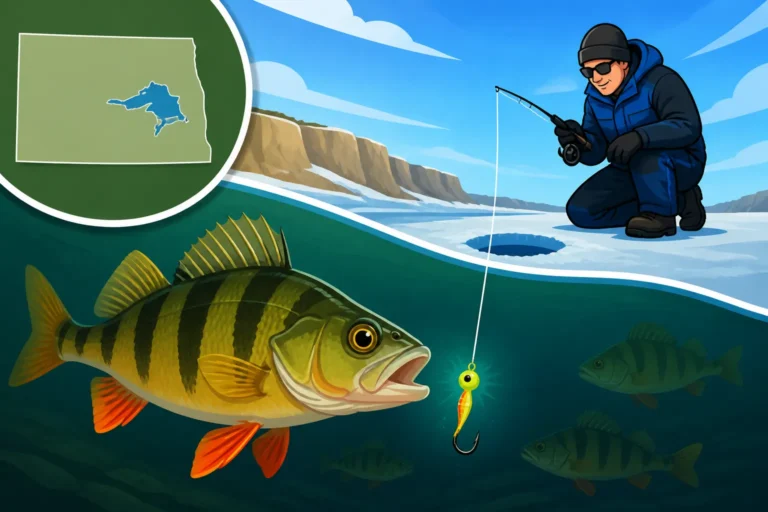
North Dakota boasts some incredible perch fisheries, drawing anglers from across the region. While many lakes hold good populations, a few stand out as true yellow perch meccas. Devils Lake Perch Fishing Spots is arguably the most famous, renowned globally for its trophy-sized perch. The unique, ever-changing environment of Devils Lake, with its flooded timber and complex structure, provides ideal habitat for these fish to thrive and grow large. Many anglers dream of catching one of those massive "Devils Lake goldens."
However, Devils Lake isn't the only game in town. Other fantastic Best Ice Fishing Lakes in North Dakota like Lake Sakakawea's bays and numerous smaller prairie lakes and reservoirs, such as Spiritwood Lake, Lake Ashtabula, and Jamestown Reservoir, also offer excellent opportunities. These smaller bodies of water can sometimes be less pressured and offer easier access, especially for those just getting into ice fishing. Understanding the specific characteristics of each lake, from depth contours to weed beds, will significantly improve your chances. Always check the latest local reports and the North Dakota Game and Fish Department (NDGFD) stocking and survey data to get a sense of where the perch are biting best, as patterns can shift year to year.
Essential Gear for Ice Fishing Perch
Getting properly outfitted is crucial for a successful and comfortable day on the ice, especially when targeting finicky perch. The right gear not only makes the experience more enjoyable but also significantly increases your chances of success. From the rod in your hand to the shelter over your head, every piece plays a role in your winter angling adventure.
Rods, Reels, and Line for Finicky Perch
When it comes to perch, finesse is often the name of the game. That means lighter rods, smaller reels, and appropriate line choices are paramount. For most perch ice fishing, you'll want a light to ultra-light action ice rod, typically between 24 and 30 inches long. This shorter length is perfect for working in an ice shelter and provides the sensitivity needed to detect those subtle perch bites. A fast or extra-fast tip is ideal, allowing you to quickly set the hook with minimal movement. Many anglers swear by specialized Best Ice Fishing Rods for Perch that are specifically designed to telegraph even the slightest nudge.
Pair your sensitive rod with a small spinning reel, something in the 500 to 1000 series. These reels are lightweight and allow for smooth line retrieval, which is important when reeling in perch from varying depths. Spool your reel with 2 to 4-pound test monofilament or fluorocarbon line. Monofilament offers a bit more stretch, which can be forgiving on a fast hookset, while fluorocarbon is nearly invisible underwater and has less stretch, providing better sensitivity. Many savvy anglers opt for a small diameter braided line (like 4-6 pound test) for its incredible sensitivity and strength, often adding a 2 to 4-foot fluorocarbon leader (2-4 pound test) to make the presentation more discreet. You can find excellent options for all these components on platforms like Amazon, ensuring you get quality gear that can withstand North Dakota's harsh winter conditions.
Augers and Ice Shelters: Comfort and Mobility
No matter how great your rod and reel setup, you can't catch perch if you can't get through the ice or stay warm enough to fish. That's where a reliable auger and a comfortable ice shelter come into play. Your auger is your ticket to the fish, and in North Dakota, ice can get thick. A hand auger might suffice for early ice or if you're only drilling a few holes, but for serious perch fishing, especially mid-winter, a power auger is almost a necessity. Options include gas, propane, or electric models. Electric augers, with their quiet operation and lack of fumes, are increasingly popular and can be surprisingly powerful.
Once you've drilled your holes, staying warm and out of the wind is crucial. Ice shelters range from small, portable "flip-over" styles that are quick to set up and tear down, perfect for run-and-gun angling, to larger hub-style shelters that offer more space and comfort for groups. For dedicated perch anglers who are often moving to find schools, a lightweight, easy-to-deploy shelter is a game-changer. Ensure your shelter is insulated for maximum warmth, as even a slight breeze can cut through uninsulated fabric. Many shelters include features like windows, ventilation, and even built-in seating. Consider how many people you'll typically fish with and how much gear you'll be hauling when choosing the right size and style. For those long days out on the ice, a good shelter can make all the difference between a miserable trip and a memorable one.
Electronics: Your Eyes Beneath the Ice
In the world of ice fishing, electronics are no longer a luxury; they're an indispensable tool, especially when targeting schooling fish like perch. A quality fish finder, often referred to as a flasher or a sonar unit, acts as your eyes underwater, showing you not only the depth and bottom contour but also the presence of fish and the movement of your lure in real-time. This immediate feedback is invaluable for finding perch schools, understanding their behavior, and fine-tuning your presentation.
For perch fishing, a flasher is incredibly effective because it provides instant updates on what's happening below your hole. You can see your jig descending, how fish are reacting to it, and when they're approaching or moving away. This allows you to adjust your jigging cadence, lure color, or depth almost instantaneously, often converting a curious fish into a bite. Many modern Ice Fishing Electronics and Fish Finders also come with GPS capabilities, which are fantastic for marking productive spots, navigating large lakes like Devils Lake, and returning to your "honey holes" on subsequent trips. Knowing How to Find Perch Schools Under the Ice effectively often comes down to mastering your electronics. A good quality unit can be an investment, but it will dramatically increase your success rate and make the entire experience more engaging.
Mastering Perch Locating Strategies
Finding perch under the ice is half the battle, and often the most challenging part of ice fishing. These fish are constantly on the move, especially in larger bodies of water, searching for food. Developing effective locating strategies involves understanding their habitat preferences, methodical scouting, and paying close attention to environmental cues. It's a bit like detective work, but when you crack the code, the rewards are immense.
Decoding Perch Habitat in Winter
Perch, like many fish, are creatures of structure and food sources, even under a sheet of ice. In North Dakota's diverse lakes, this can mean a variety of locations. Typically, you'll find perch congregating near transition zones where shallow water meets deeper breaks, along points, humps, or submerged islands. Weeds are also a huge draw for perch, providing both cover and a rich feeding ground for invertebrates and smaller baitfish. In lakes like Devils Lake, flooded timber and brush piles are prime locations where perch can hide from predators and ambush prey.
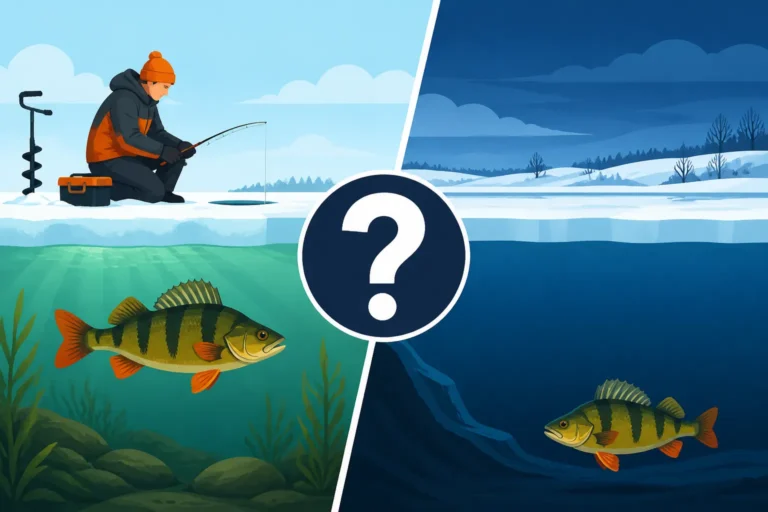
During winter, perch tend to school up more tightly, which is great when you find them, but challenging when you don't. They often relate to the bottom or just above it, but don't be surprised to find them suspended in the water column, especially if there's an abundance of zooplankton or suspended baitfish. Consider the type of lake you're fishing: a clear, rocky lake will have different perch hangouts than a shallow, weedy prairie lake. Always start by consulting a good contour map of the lake to identify potential hotspots before you even step on the ice. Look for sharp breaks, prominent points, and areas where creek channels or old riverbeds enter the lake.
The Importance of Scouting and Drill Patterns
Once you have a few potential areas marked on your map, it's time for some old-fashioned legwork – or rather, auger-work. Effective scouting is about drilling a series of holes in a pattern that allows you to efficiently cover ground and eliminate unproductive water while searching for active fish. Don't just drill one hole and sit there all day if you're not getting bites! A common strategy is to drill a grid pattern or a zigzag line across a promising structure. For example, if you're fishing a point, you might start shallow, drill a hole every 20-30 yards down the break, and then fan out another line of holes.
The goal is to be mobile. Drill a hole, drop your transducer, check for fish. If nothing shows up after a few minutes, move to the next hole. This "run-and-gun" approach is often the most effective way to find active perch schools, especially during tougher bites. Don't be afraid to leave a spot that isn't producing, even if it looked great on the map. The fish move, and you should too. It's not uncommon for serious perch anglers to drill dozens of holes in a day until they hit the jackpot. Remember, once you find fish, you can always go back and drill more holes around the productive area to stay on the school.
Understanding Environmental Factors
Perch behavior, and consequently their location, is heavily influenced by environmental factors such as light penetration, barometric pressure, and even moon phases. On bright, sunny days, perch might retreat to deeper water or denser cover to avoid intense light. Conversely, on cloudy days or during low light periods like dawn and dusk, they might move shallower or become more active in open water. Barometric pressure changes can also impact their willingness to bite. A stable or slowly falling barometer often corresponds to a good bite, while rapidly fluctuating pressure can shut them down.
Wind can also play a role, even under the ice, by affecting currents or oxygen levels in certain areas. It can also make it difficult for you to stay comfortable and focus. Pay attention to how the conditions of the day are affecting your fishing. Are you getting bites shallow or deep? Are they active near weeds or over a hard bottom? These observations, coupled with information from your electronics, will help you develop a "pattern" for the day. Sometimes, it's just about being there when they decide to feed. The more you pay attention to these subtle cues, the better you'll become at anticipating where the perch will be and what they'll be doing.
Effective Jigging and Bait Techniques for Perch
Once you've located a school of perch, the next step is to convince them to bite your lure. Perch can be incredibly finicky, sometimes requiring subtle presentations, while at other times, a more aggressive approach is needed. Mastering a variety of jigging and bait techniques will undoubtedly lead to more fish on the ice. This isn't just about dropping a line; it's about coaxing a bite.
The Art of the Perch Jig
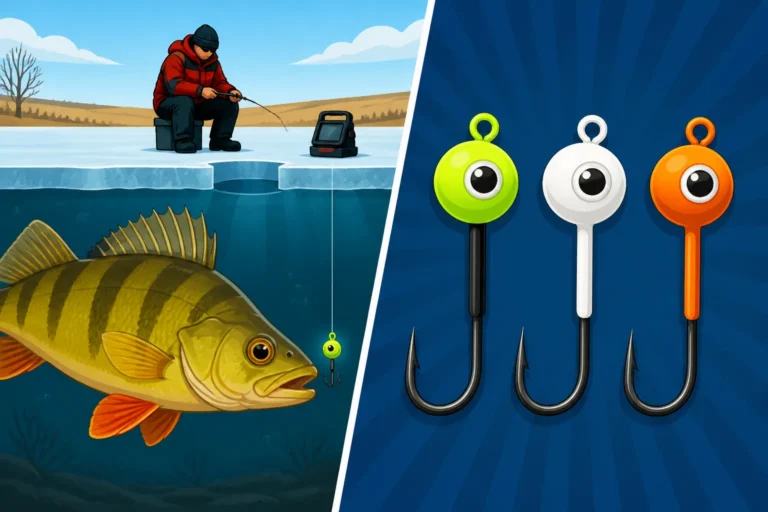
Jigging for perch is an art form. It's not enough to just drop your lure to the bottom; you need to impart action that mimics a natural food source. The most common technique involves a series of lifts and pauses. Start by lowering your jig to the depth where you're seeing fish on your flasher, or just above the bottom. Then, give it a sharp, short lift of 6-12 inches, allowing the jig to flutter back down. After the flutter, hold it perfectly still for a few seconds. Many bites occur on the pause or as the jig is falling.
Experiment with your jigging cadence. Some days, perch want aggressive, rapid movements; other days, a subtle quiver and long pause are what it takes. Don't be afraid to try "pounding" the bottom by repeatedly tapping your jig against the lakebed to stir up sediment, mimicking a feeding minnow or insect. This can attract curious perch from a distance. The key is constant experimentation until you find what triggers a bite. Pay close attention to your flasher: how are the fish reacting? Are they rising to your lure, or are they staying put? If they're rising and then falling away, try a more subtle presentation. If they're ignoring it, go more aggressive. The right Best Jig Size for Perch Through the Ice often depends on the depth and the mood of the fish.
Best Baits and Lures to Entice Bites
While the jigging action is crucial, the actual bait or lure you're using is equally important. For perch, a variety of small ice jigs are highly effective. These include tungsten jigs, lead jigs, spoons, and small plastic baits. Tungsten jigs are particularly popular because they are denser than lead, meaning a smaller jig can have the same weight, allowing for a faster drop and a more subtle presentation. Popular styles include teardrop jigs, small horizontal jigs, and micro-spoons. Brands like Clam, VMC, and Northland Tackle offer a wide array of excellent perch jigs.
As for bait, tipping your jig with something natural often makes all the difference. The classic choice is a live minnow, often a small fathead or shiner, hooked lightly through the back or lips. This adds scent and natural movement. Alternatively, wax worms, euro larvae, spikes, or even pieces of gulp maggots or plastics can be incredibly effective. Sometimes, a tiny piece of perch eye or skin from a previously caught perch can be a secret weapon, adding a natural scent that drives other perch wild. Don't be afraid to try different combinations until you find what the perch are keying in on that day. Carrying a variety of jigs and baits is essential for adapting to changing conditions and fish preferences. You can often find a great selection of these smaller baits and jigs on Amazon.
Reading the Bite and Setting the Hook
Perch bites can range from an aggressive tug that nearly rips the rod out of your hand to an incredibly subtle "negative" bite where the line just goes slack or feels like a slight tick. With lighter rods and sensitive line, you'll feel more, but it still requires focus. Often, on a subtle bite, you might just see your rod tip barely twitch, or the line might stop falling before it should. Sometimes, the fish will just "load up" the rod, making it feel slightly heavier.
The key to reading these subtle bites is to watch your line and your rod tip constantly. If you're using a flasher, you'll often see the fish rise to your lure and then your "lure" signal might merge with the "fish" signal – that's often when they've taken it. When you detect a bite, whether subtle or aggressive, set the hook with a quick, upward snap of the wrist. Don't over-power it, as perch have relatively soft mouths and you can rip the hook out. A gentle but firm hookset is usually all it takes. Practice makes perfect, and the more perch you catch, the better you'll become at distinguishing a bite from snagging a weed or simply bumping the bottom.
Safety First on North Dakota Ice
Ice fishing in North Dakota is an exhilarating experience, but the harsh realities of winter demand respect and careful preparation. Safety should always be your top priority, as conditions on frozen lakes can change rapidly and unpredictably. Ignoring ice safety can turn a fun day into a dangerous situation in an instant.
Essential Ice Safety Gear and Practices
Before you even step foot on the ice, you need to be equipped with essential safety gear. The absolute minimum includes ice picks, which are two pointed handles connected by a string worn around your neck. If you happen to break through the ice, these allow you to get a grip on the edge and pull yourself out. A spud bar or ice chisel is crucial for checking ice thickness as you move, especially during early or late ice periods. It's a heavy metal bar with a chisel point that you use to pound the ice ahead of you.
Other important items include a float suit or a PFD (personal flotation device) worn over your winter gear. These provide buoyancy if you fall in and can significantly increase your survival time in frigid water. A throw rope, capable of reaching someone who has fallen through, should also be readily accessible. Furthermore, always fish with a buddy, inform someone of your fishing plans and expected return time, and carry a fully charged cell phone in a waterproof bag. Being prepared is not about being paranoid; it's about being responsible and ensuring you can enjoy your time on the ice without unnecessary risk. For more detailed advice, check out our guide on Early Ice Fishing Safety Tips.
Understanding Ice Thickness and Conditions
Knowing How Thick Ice Needs to Be for Ice Fishing is perhaps the most critical aspect of ice safety. While there are general guidelines, no ice is 100% safe, and thickness can vary wildly even within a few feet. The North Dakota Game and Fish Department (NDGFD) provides recommended minimum ice thicknesses:
| Activity | Recommended Minimum Ice Thickness |
|---|---|
| Foot Traffic (Ice Angler) | 4 inches |
| Snowmobile or ATV | 5-7 inches |
| Small Car/Light Pickup | 8-12 inches |
| Medium Truck | 12-15 inches |
Always remember: these are general guidelines, not guarantees. Factors like slush, snow cover (which insulates the ice and prevents thickening), currents, springs, and fluctuating water levels can all affect ice integrity. Clear, black ice is generally stronger than cloudy or white ice. Be especially cautious near inlets, outlets, bridges, and points where currents might be present. Never assume the ice is safe just because others are out there; always check the thickness for yourself using a spud bar or auger. Our guide on Drilling Safe Ice Thickness Guide provides more in-depth information on how to safely assess conditions.
Cold Weather Preparedness
Beyond ice safety, staying warm is paramount for comfort and preventing serious health risks like hypothermia and frostbite. North Dakota winters are notoriously brutal, with temperatures often plunging well below zero and biting winds that create dangerous wind chills. Layering your clothing is the most effective strategy. Start with a moisture-wicking base layer (not cotton!), followed by insulating middle layers like fleece or down, and topped with a waterproof and windproof outer shell.
Don't forget extremities: a warm hat (most body heat is lost through the head), insulated gloves or mittens, and waterproof, insulated boots are non-negotiable. Chemical hand warmers and foot warmers can also be a lifesaver on particularly cold days. Bring plenty of hot beverages in a thermos, along with high-energy snacks to keep your body fueled and warm. If you're using a portable ice shelter, a small, safe heater (like those from Mr. Heater or a similar brand found on Amazon) can make a huge difference, but always ensure proper ventilation to prevent carbon monoxide buildup. Remember, if you start feeling uncontrollably cold or confused, it's time to pack up and get to a warm place. Your health and safety are far more important than any fish.
Seasonal Nuances of Perch Ice Fishing
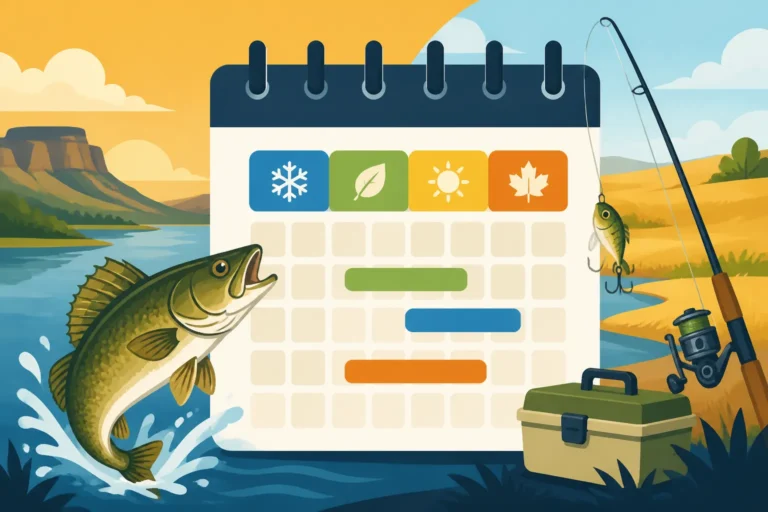
While perch can be caught throughout the ice fishing season, their behavior and preferred locations can shift dramatically from early ice to mid-winter and then to late ice. Understanding these seasonal nuances is key to consistently finding and catching them. Adapting your approach to the time of year will significantly increase your success rate.
Early Ice Perch Tactics
Early ice is a magical time for perch anglers in North Dakota, often offering some of the best fishing of the entire season. As soon as the ice is safe – typically 4-6 inches of solid, clear ice – perch are often found in relatively shallow water, still relating to the weed beds and transition areas they inhabited during the fall. They are usually quite aggressive at this time, actively feeding before the full grip of winter sets in. This is when the "run-and-gun" approach truly shines, as perch schools are often tight and willing to chase.
Look for areas with remaining green vegetation, which continues to produce oxygen and hold invertebrates. Bays, points leading to deeper water, and shallow flats adjacent to sharp drop-offs are prime locations. Use smaller jigs tipped with live bait, and don't be afraid to fish shallower than you might think, sometimes in as little as 5-10 feet of water. The key here is quick mobility and drilling lots of holes to locate those active schools. Since the ice is thinner, it's also a time when Early Ice Fishing Safety Tips are especially crucial; always spud your way out and never venture onto unfamiliar ice without thoroughly checking conditions.
Mid-Winter Perch Challenges and Solutions
Mid-winter, from late December through February, can be the toughest time to catch perch. The ice is at its thickest, snow cover reduces light penetration, and extreme cold often makes fish more lethargic. Perch tend to move to deeper basin areas, often suspending over mud flats or holding tight to deep-water structure like humps or sunken points. They might not be as aggressive as early ice, requiring a much more subtle approach.
During this period, electronics become even more vital. You'll need to pinpoint those deeper schools and then often employ a more finessed jigging technique. Small tungsten jigs, often as light as 1/32 or 1/64 ounce, tipped with a single wax worm or spike, are often most effective. Your jigging motion should be slower, with longer pauses, allowing the fish more time to inspect the bait. Patience is key. Sometimes, fish won't commit until the jig is held perfectly still for 10-20 seconds. If a school seems interested but won't bite, try downsizing your lure, changing colors, or offering a completely different bait. Don't be afraid to adjust your depth by just a few inches; sometimes that's all it takes to trigger a bite from a neutral fish.
Late Ice Perch Opportunities
As winter begins to wane and spring approaches, typically from late February through March (or even April in some North Dakota lakes), a new surge of perch activity often occurs. This "late ice" period can be incredibly productive as increasing daylight and melting snow bring more oxygen and nutrients into the water, signaling fish to begin their pre-spawn feeding. Perch often move back towards shallower areas, particularly near inflows, points, and remaining green weed beds, stocking up on food.
During late ice, perch can once again be quite aggressive, often willing to hit a wider variety of lures, including larger spoons and Rapala-style baits. While you can find them shallow, don't overlook those deeper basin areas where they've spent the mid-winter; they might be moving between the two. However, Late Ice Fishing Safety Tips become critically important at this time. The ice can deteriorate rapidly, especially around shorelines, inlets, and outlets. Always check ice conditions meticulously, be aware of slush layers, and never go out alone. The rewards can be great, but the risks are higher. Knowing when to call it a day is a sign of a smart angler.
Advanced Tips for Bigger Perch
While any perch on the ice is a good perch, many anglers are always striving for those true "jumbo" yellow perch that North Dakota is famous for. Targeting bigger perch often requires a slightly different approach, focusing on lure choice, presentation, and understanding where these larger specimens typically hang out. It's about being strategic, not just lucky.
Aggressive Presentations and Lure Choices
Contrary to popular belief, bigger perch often respond well to a more aggressive presentation. While smaller perch might peck at a tiny jig, larger perch are apex predators in their underwater world and aren't afraid to smash a bigger meal. Don't be afraid to use slightly larger jigs, spoons, or even small lipless crankbaits, especially during aggressive feeding windows like early morning or late afternoon. Flashy spoons in silver, gold, or glow colors, jigged with a more pronounced lift and fall, can trigger reaction strikes from bigger fish.
Consider adding an attractor bead or a small spinner blade above your jig to increase flash and vibration. Sometimes, simply shaking your rod tip aggressively for a few seconds before a long pause can grab the attention of a lurking jumbo. The vibration and flash simulate a struggling baitfish, which is often irresistible to a hungry, larger perch. Don't assume bigger fish only eat subtle baits; often, the opposite is true. Experiment with these more aggressive options, especially if you're consistently catching smaller fish in a promising area.
Targeting Larger Schools and Solitary Giants
Jumbo perch don't always hang with the massive schools of smaller fish. Sometimes, the truly big ones will be on the fringes of a school, or even in smaller "wolf packs" of other large perch. In certain circumstances, especially in highly pressured lakes, a massive solitary perch might be found away from the main school, relating to specific pieces of structure. Using your fish finder, pay close attention to the size of the marks you're seeing. Large, thick marks are usually bigger fish.
If you're marking a few larger fish, but they're not biting, try a dead-sticking approach alongside your active jigging rod (if regulations allow multiple lines). A dead stick is simply a second rod with a live minnow hooked on a small plain hook, suspended just above the bottom or at the depth where you're seeing those larger marks. The natural movement of a live minnow can often entice a wary jumbo that won't commit to an artificial lure. Patience and persistence are critical when targeting these elusive giants. For more in-depth knowledge, our North Dakota Yellow Perch Fishing Guide dives into specific behaviors.
Using Scent and Attractants
Perch rely heavily on their sense of smell, especially in the low-light conditions under the ice. Adding scent to your lures and baits can significantly increase your strike rate, particularly on tougher days or when targeting finicky fish. There are many commercial scent attractants available that come in gels, sprays, or dyes. Popular scents often include garlic, anise, or various fish-attracting pheromones. Brands like Berkley Gulp! also offer baits infused with strong scents that are irresistible to perch.
Apply a small amount of scent directly to your jig or live bait. Reapply periodically, especially after catching a fish or if you've been fishing for a while without bites. The scent trail can help draw perch in from a wider area and encourage them to hold onto your bait longer, giving you more time to detect the bite and set the hook. Sometimes, a subtle scent is all it takes to turn a slow day into a productive one. Just like everything else in ice fishing, experiment with different scents to see what the perch in your specific lake are responding to.
Regulations and Conservation for North Dakota Perch
Being a responsible angler means not only knowing how to catch fish but also understanding and adhering to the rules and doing your part to conserve the resource for future generations. North Dakota has specific regulations in place to manage its valuable perch populations.
Understanding Daily Limits and Size Restrictions
Before heading out, it's absolutely essential to be familiar with the current North Dakota Fishing Regulations Explained, especially those pertaining to yellow perch. These regulations are published annually by the North Dakota Game and Fish Department (NDGFD) and are subject to change. You can usually find the most up-to-date guide on their website or by picking up a physical copy wherever you purchase your North Dakota Fishing License Guide. Pay close attention to the daily creel limits and possession limits, which dictate how many perch you can keep in a single day and how many you can have in your possession (e.g., at home in your freezer).
For example, currently, the statewide daily limit for yellow perch is often 15 fish, with a possession limit of 30. However, these numbers can change, and specific lakes might have different regulations. For instance, some lakes might have special Yellow Perch Daily Limits or size restrictions if the population is being managed for trophy growth or recovery. Always double-check before you fish. Ignorance of the law is not an excuse, and violating regulations can result in hefty fines and even loss of fishing privileges. Remember, these rules are in place to ensure that North Dakota's fantastic perch fisheries remain healthy and sustainable for all anglers to enjoy for years to come.
Responsible Angling and Catch Care
Beyond following the letter of the law, responsible angling also involves ethical practices and good conservation habits. This includes practicing catch and release properly for any fish you don't intend to keep. If you're releasing fish, minimize their time out of the water, handle them gently with wet hands, and use barbless hooks to reduce harm. For fish you do intend to keep, proper catch care ensures the quality of your table fare. Bleed your perch immediately after catching them, and get them on ice as quickly as possible. This preserves their freshness and taste.
Furthermore, always "leave no trace." Pack out everything you pack in, including any discarded fishing line, bait containers, or trash. Littering on the ice not only spoils the environment for others but can also be harmful to wildlife. Be mindful of your impact on the lakebed when clearing snow or drilling holes. Respect private property and access points, and always be courteous to other anglers. By being a responsible steward of North Dakota's natural resources, you're contributing to the long-term health and enjoyment of its incredible ice fishing opportunities.
Disclaimer
Please note that fishing regulations, conditions, and best practices can change. Always consult the latest North Dakota Game and Fish Department (NDGFD) regulations guide before you go fishing. Ice conditions can be extremely dangerous; always prioritize safety and check local ice reports before venturing onto any frozen water body.