Do Perch Move Shallow or Deep in Winter?
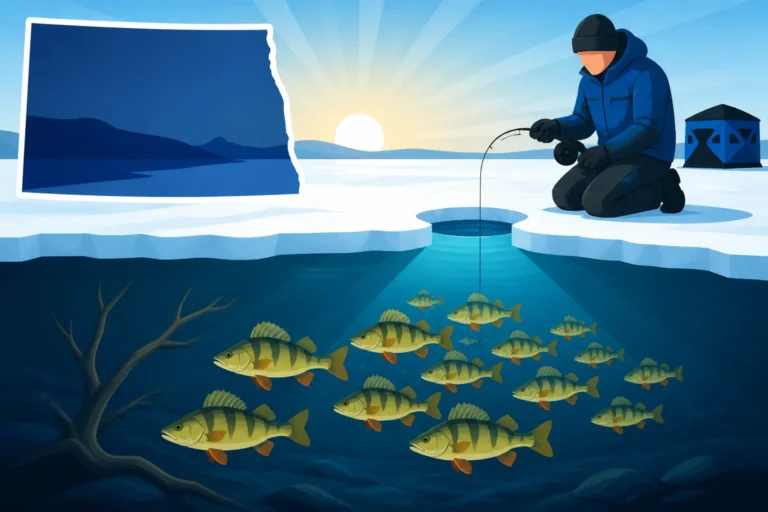
The biting cold of a North Dakota winter often leaves anglers scratching their heads, wondering where their beloved yellow perch have vanished to. It's a common frustration, isn't it? One day you're pulling them out of a particular depth, and the next, it feels like they've packed their bags and moved to another planet entirely. This guide aims to demystify the winter movements of yellow perch, exploring whether they favor shallow or deep waters in North Dakota's frozen lakes and how you can adapt your approach to find them consistently.
Understanding Perch Behavior in North Dakota Winters
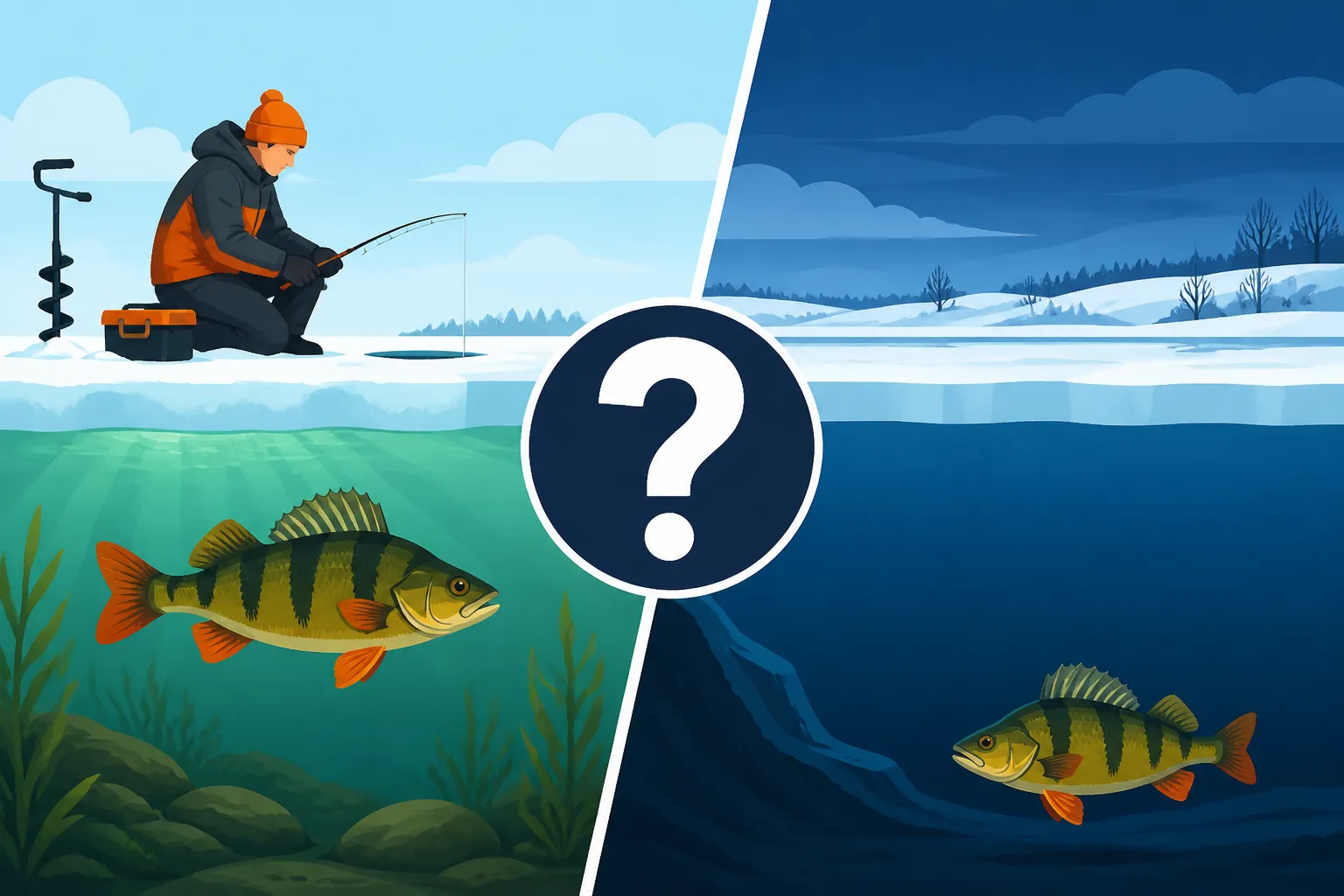
When the lakes in North Dakota transform into a solid sheet of ice, the underwater world changes dramatically. Light penetration shifts, oxygen levels fluctuate, and the entire food chain adjusts. For yellow perch, these environmental changes directly influence their depth preferences, making them notoriously dynamic and often a challenge to locate. There's no single, simple answer to whether they'll be shallow or deep because their movements are dictated by a complex interplay of factors.
The "It Depends" Reality of Perch Depth
Anyone who's spent more than a few hours on the ice chasing perch knows that what worked yesterday might not work today, and what works on one lake might be completely different on another. This isn't just bad luck; it's a testament to the highly adaptive nature of perch. Unlike some fish that might hold to very specific depths throughout winter, perch are constantly assessing their environment. Are there stable oxygen levels at a certain depth? Is there a good supply of their preferred forage? How much light is penetrating the ice and snow cover? These questions are constantly being answered by the perch themselves, and their answers lead them to move. So, while it's frustrating to hear, the most accurate answer is truly "it depends." Understanding why it depends is the key to becoming a more successful ice angler.
Factors Influencing Perch Movement
Several critical environmental factors are constantly pushing and pulling perch between shallow and deep waters throughout the winter season. Ignoring these factors is like trying to navigate a dark road without headlights – you might get lucky, but you're probably going to hit something.
- Water Temperature Stability: Under the ice, water temperatures don't fluctuate as wildly as in open water. However, there are still subtle differences. Deeper water tends to be more thermally stable, often hovering around 39 degrees Fahrenheit (4 degrees Celsius), which is the densest temperature for water. Perch, being cold-blooded, are always looking for comfortable, stable temperatures where they can conserve energy.
- Oxygen Levels: As winter progresses, especially under thick snow and ice, decaying vegetation consumes oxygen. Shallow bays or areas with heavy weed growth can become oxygen-depleted. When this happens, perch are forced to move to areas with higher oxygen concentrations, which are often deeper basins or areas with active springs or currents. This is a common phenomenon in shallower lakes or bays by late winter.
- Forage Availability: Perch are opportunistic feeders, and they will go where the food is. If schools of minnows, insect larvae, or other invertebrates are congregating in shallower weed beds or along specific contours, you can bet the perch will follow. Conversely, if baitfish are suspending in deeper water, the perch will be right there with them.
- Light Penetration: Snow cover on the ice significantly reduces light penetration. Less light can make perch feel more secure in shallower water, as they are less visible to predators and their eyes are less sensitive to bright conditions. Conversely, on clear ice days or with minimal snow, perch might retreat to deeper, darker water to avoid intense light. Overcast days can sometimes bring fish shallower.
When Perch Go Deep: The Winter Retreat
Many anglers instinctively think of deep water when they consider winter fishing for perch, and often, this intuition is spot on. There are specific reasons why perch will seek out the lake's deeper contours, especially as the ice season matures.
The Importance of Deeper Structures
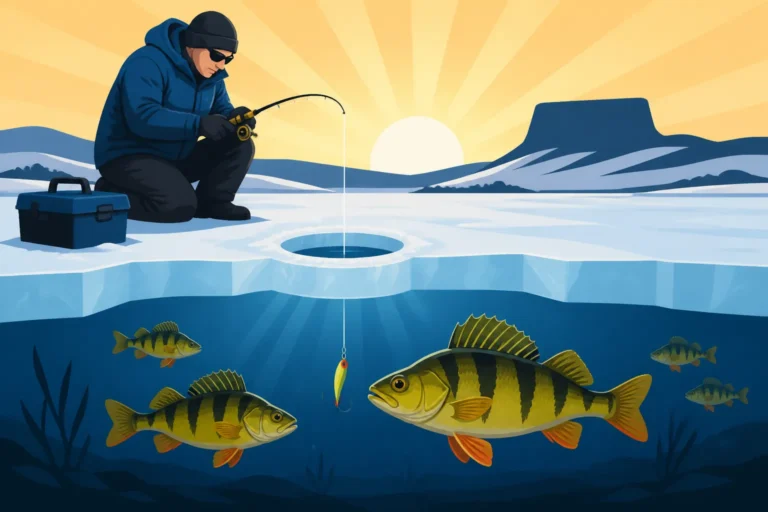
During the peak of winter, when ice is thick and snow covers the surface, many perch will gravitate towards deeper structures. Think about those main lake basins, deep humps, sunken islands, or sharp breaks that drop into the abyss. These areas offer several advantages to perch. For one, the deeper water acts as a thermal buffer, keeping temperatures stable. More importantly, these deep structures often concentrate forage. Invertebrates like bloodworms and amphipods live in the sediment, providing a constant food source. Baitfish, too, will often suspend in these deeper, more stable environments, offering an open-water buffet for hungry perch. If you're looking for larger schools of perch that have settled into a winter pattern, deep structural elements are often the first place to start. For example, on a large body of water like Devils Lake, finding those subtle humps or deep points can be the ticket to a hot bite. When searching for these deep-water schools, having a reliable fish finder is absolutely essential, helping you to pinpoint exactly How to Find Perch Schools Under the Ice.
Locating Deepwater Perch
Finding deepwater perch isn't about aimless drilling. It requires a bit of detective work and the right tools. Your ice fishing electronics and fish finders are your best friends here. Start by consulting a detailed lake map to identify prime structural features like main lake humps, deep points, sunken islands, or channel edges. Once you've identified promising areas, it's time to start drilling. A common strategy is to create a "grid" or "transect" of holes across a structural element, starting shallow and working your way deeper.
For instance, on a big lake like Lake Sakakawea or Lake Oahe, where deep water is prevalent, you might focus on a specific depth range, say 25 to 40 feet. Drill holes every 20-30 yards and use your flasher or graph to check for fish. Brands like Vexilar, Humminbird, and Garmin offer excellent units that can help you see both fish and your jig in real-time. You can often find great deals on these units on Amazon, making it easier to equip yourself for serious perch hunting. Remember, these deeper fish often relate to the bottom or slightly off it, so pay close attention to the bottom six feet of the water column. Understanding Ice Fishing Electronics and Fish Finders can truly elevate your game when targeting deep-water perch.
When Perch Go Shallow: Opportunistic Feeding Frenzies
While many perch hold deep, never underestimate the power of a shallow water bite, especially during specific phases of the ice season or under certain conditions. These shallow forays can sometimes yield the largest, most aggressive perch.
The Role of Early and Late Ice
The bookends of the ice fishing season – early ice and late ice – are prime times for shallow water perch action. During early ice, oxygen levels are still high throughout the water column, and weed beds retain some life, providing shelter and food. Perch will often cruise these shallower weed lines, flats, and breaks in 8-15 feet of water, actively feeding on anything they can find before the deep winter patterns set in. This is a fantastic time for aggressive jigging or using small spoons.
As late ice approaches, and the days get longer and sunnier, a similar phenomenon occurs. Water begins to warm slightly, snow melts off the ice, increasing light penetration, and fish become more active, often moving into shallower zones to stage for the upcoming spawn. These shallow areas warm up first and often see a burst of insect activity, bringing perch in for a pre-spawn feast. This can be some of the most exciting perch fishing of the year, often found in less than 10 feet of water. Just be sure to practice Early Ice Fishing Safety Tips and be extra cautious during late ice, as ice conditions can deteriorate rapidly.
Following the Food: How Baitfish Movement Impacts Perch Depth
Perch are true predators, and their primary driver is food. If the baitfish, like shiners or fatheads, or the insect larvae they prey upon are in shallower water, the perch will follow. This is particularly noticeable in lakes with extensive weed beds that hold baitfish or areas where submerged timber provides cover for small organisms.
For instance, after a fresh snow, the reduced light penetration might push baitfish closer to shore, making them feel more secure. This, in turn, draws the perch into shallower depths. On a lake like Lake Metigoshe or Lake Ashtabula, where shallow flats and intricate weed lines are common, perch can hold shallow even through mid-winter if the forage base is strong and oxygen levels remain adequate. Keeping an eye on baitfish schools, either visually if the water is clear or with your fish finder, is a huge clue to finding the perch. Even on Devils Lake, famed for its perch, the best spots for perch fishing might shift from deep humps to flooded timber in shallower bays depending on the season and baitfish location.
Adapting Your Strategy for North Dakota Winter Perch
Since perch can be found both shallow and deep, the most successful North Dakota ice anglers are those who can adapt their strategies. Don't get stuck on one depth; be prepared to explore and adjust.
Scouting and Drilling Techniques
The key to consistently finding perch, no matter their depth, is effective scouting. This means not being afraid to move and drill holes. If you're starting on a new lake or haven't found fish at your usual spot, spread out.
- Grid Search: On expansive flats or basins, consider a grid search. Drill a line of holes from shallow to deep, checking each one for signs of fish on your flasher. If you mark fish or get a bite, then you can concentrate your efforts in that specific depth range.
- Structure-Oriented Drilling: When targeting humps, points, or break lines, drill holes along the contours at various depths. For example, on a point that drops from 15 feet to 40 feet, drill holes at 15, 20, 25, 30, and 35 feet to see where the schools are holding. Remember, even a single hole drilled every few yards can help you find a key depth. Many ice anglers rely on an electric auger, available on Amazon and other outdoor retailers, to make this drilling less strenuous. To ensure safety while exploring, always check How Thick Ice Needs to Be for Ice Fishing before venturing out.
Essential Gear for Different Depths
Your gear needs to be versatile enough to handle both shallow and deepwater presentations.
- Rods and Reels: While a single good quality ice rod and reel combo can work for most perch scenarios, having a few different setups can be beneficial. For shallow, aggressive perch, a shorter, more sensitive rod might be preferred. For deeper water, a slightly longer rod with a bit more backbone can help manage line and fight larger fish.
- Jigs and Baits: The choice of jig and bait is crucial. For shallow perch, tiny tungsten jigs tipped with wax worms, spikes, or a small plastic can be deadly. As you move deeper, you might need to increase your jig size slightly to get it down to the fish faster. Small spoons like a Northland Forage Minnow or a Clam Leech Flutter Spoon, also often found on Amazon, can be very effective for aggressive perch, especially those suspended off the bottom. Experiment with different colors and sizes. Consider what jig works best by checking out Best Jig Size for Perch Through the Ice.
- Line: Light line is paramount for perch, typically 2-4 lb test fluorocarbon or monofilament. This thin line allows your small jigs to have better action and makes it harder for wary perch to detect.
- Shelter and Warmth: Regardless of depth, staying warm is critical for an enjoyable and safe ice fishing experience in North Dakota. A good quality portable ice shelter, especially a sturdy flip-over or hub style, is a must. Brands like Clam, Eskimo, and Otter make excellent shelters that can be purchased through retailers like Amazon. Pairing your shelter with a reliable portable heater, warm boots, and appropriate layered clothing, as described in What to Wear Ice Fishing in North Dakota, will allow you to spend more time on the ice, exploring different depths without getting miserably cold.
No matter where the perch decide to roam, the persistent angler who understands their nuanced winter behavior and comes prepared with the right techniques and gear will ultimately find success. So, bundle up, drill some holes, and embrace the challenge of North Dakota's incredible winter perch fishery!
Disclaimer
The information provided in this guide is for general informational purposes only and is subject to change. Always consult the official North Dakota Game and Fish Department regulations and local advisories before engaging in any fishing activities. Ice conditions can be unpredictable; prioritize safety and never venture onto unsafe ice.