What to Wear Ice Fishing in North Dakota
When the crisp air of a North Dakota winter calls you to the hard water, there’s nothing quite like the thrill of dropping a line through the ice. But let's be real: the joy can quickly turn into misery if you're not dressed right. The biting wind, the relentless cold, the wet slush – they're all conspiring to send you home early, shivering and grumpy. This guide is all about equipping you with the knowledge to battle those elements, ensuring your ice fishing adventure is filled with warm memories, not frozen fingers and toes.
The Core Principle: Layering for North Dakota's Brutal Cold
The secret to staying comfortable, and more importantly, safe, while ice fishing in North Dakota isn't about wearing one super-thick coat. It's about a strategic system called layering. Think of it as building your own personal microclimate that you can adjust on the fly.
Understanding the "Base, Mid, Outer" System
Layering works by trapping insulating air between each layer, which helps hold your body heat close. It also gives you the flexibility to shed or add clothing as your activity level changes or as the weather shifts throughout the day. This is absolutely crucial, especially when you're transitioning from the strenuous work of drilling holes to the sedentary act of waiting for a bite.
Imagine this common scenario: You arrive at the lake, bundled head to toe, feeling toasty. You grab your auger – maybe a gas or electric model, or even a trusty hand auger – and start drilling holes. The exertion quickly heats you up, and you might even break a sweat. If your clothing can't manage that moisture, that sweat will quickly turn cold once you stop moving, leading to a rapid drop in body temperature. Suddenly, you're shivering inside your warm-looking jacket.
That's where the "base, mid, outer" system truly shines. Your base layer is designed to wick moisture away from your skin. The mid-layer provides the bulk of your insulation, trapping warmth. And your outer shell protects you from wind, snow, and slush, while ideally allowing some moisture to escape. It's a delicate balance, but mastering it is key to a successful day on the ice.
Materials Matter: What to Look For (and Avoid)
The fabrics you choose for each layer are just as important as the layers themselves. Not all materials are created equal when it comes to cold, wet environments.
When it comes to base layers, you want something that excels at moisture-wicking. Synthetics like polyester and polypropylene are fantastic for this, pulling sweat away from your skin to the outside of the fabric where it can evaporate. Merino wool is another excellent option; it's naturally moisture-wicking, breathable, and retains a surprising amount of warmth even when damp. On the downside, merino wool can be more expensive than synthetics.
For your mid-layers, think about insulation. Fleece (polyester) is a popular choice for its warmth-to-weight ratio and quick-drying properties. Down or synthetic insulated jackets and vests are also excellent, providing significant warmth without excessive bulk. When browsing on sites like Amazon, look for terms like "fleece jacket," "insulated vest," or "mid-weight thermal."
Now, for the golden rule of ice fishing apparel: AVOID COTTON AT ALL COSTS! I cannot stress this enough. Cotton is like a sponge; it absorbs moisture, holds onto it, and then loses all its insulating properties once wet. A wet cotton shirt will quickly make you dangerously cold, even if you're wearing a heavy jacket over it. Leave those trusty denim jeans at home for your next trip to the ice house.
Adjusting Layers for Activity Levels
The beauty of layering is its adaptability. You can, and should, adjust what you're wearing based on what you're doing.
When you're engaged in high-energy activities like drilling multiple holes or dragging your portable ice shelter across the lake, you'll want to shed some layers. Many veteran anglers will even remove their heavy outer jacket and bibs, working in just their mid-layers or even just a heavy base layer. The goal is to avoid overheating and sweating profusely. You can drape your outer layers over your sled or set them nearby, ready to be donned the moment you stop moving. This simple habit can prevent a lot of discomfort and potentially dangerous chills.
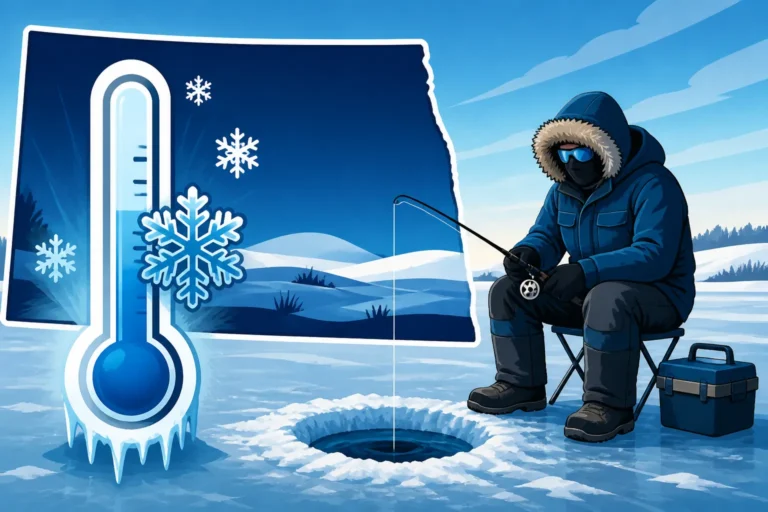
Once you've set up your gear, dropped your lines, and settled into your ice fishing shelter, it’s time to pile those layers back on. If you're inside a heated shelter, you might find yourself peeling off a mid-layer again. If you're out in the open, battling the wind, you'll be grateful for every piece of insulation you have. The ability to add or remove layers quickly and easily is a game-changer, allowing you to stay warm, dry, and focused on the fish. For more on staying warm, check out our guide on How Cold It Gets Ice Fishing in North Dakota.
Protecting Your Extremities: Head, Hands, and Feet
While your core body temperature is vital, your head, hands, and feet are often the first parts of your body to feel the cold, and they are particularly susceptible to frostbite. Giving them special attention is non-negotiable for a comfortable and safe outing.
Keeping Your Head Warm and Protected
Your head is a major source of heat loss. That old saying, "if your feet are cold, put on a hat," has a lot of truth to it! A significant amount of body heat can escape through an uncovered head.
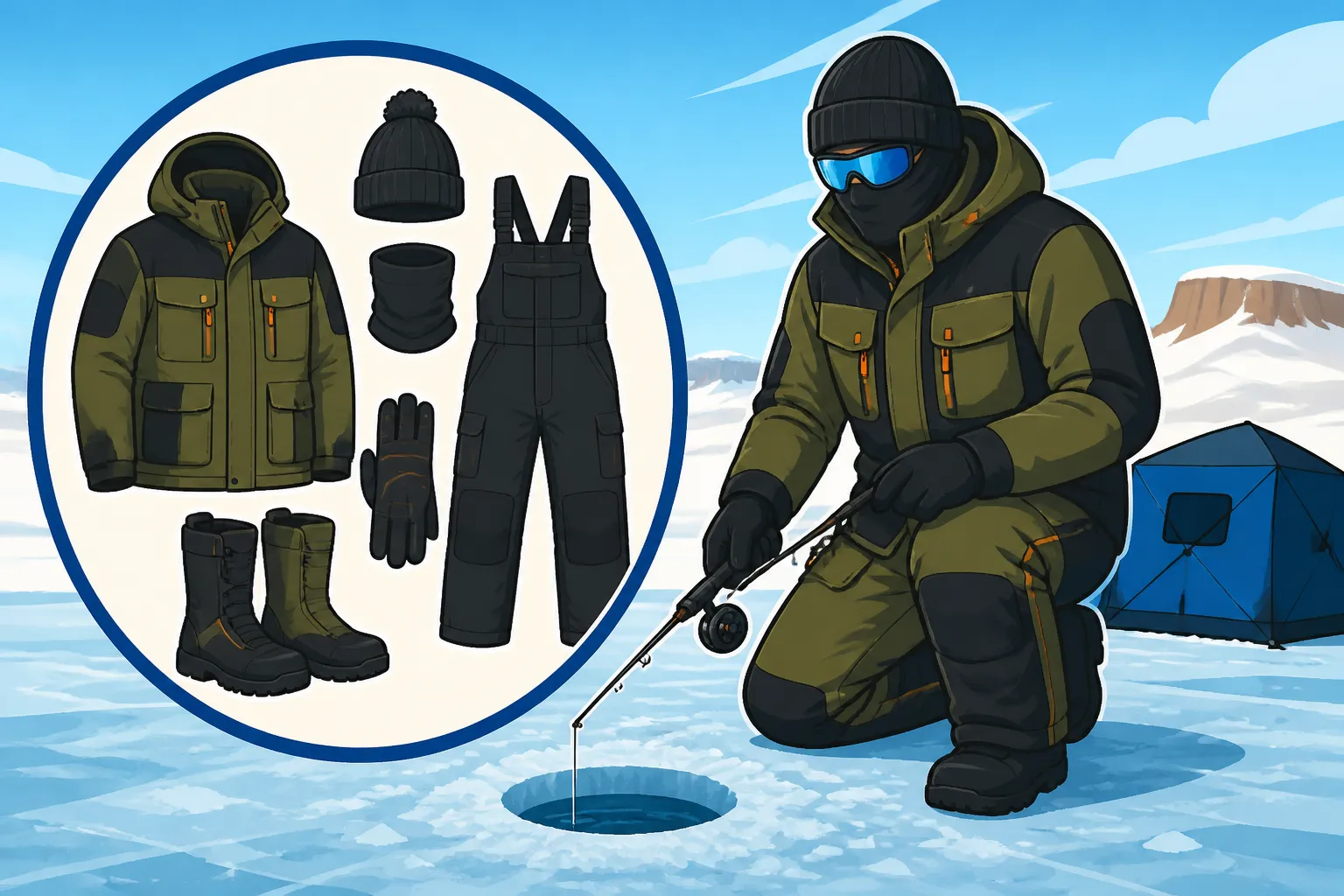
An insulated beanie or a trapper hat with ear flaps is a must-have. For added protection against North Dakota's infamous wind, especially on wide-open lakes like Lake Sakakawea, consider a balaclava or a neck gaiter that can be pulled up over your nose and mouth. Many good ice fishing jackets also come with insulated hoods that can be pulled up over your beanie for an extra layer of warmth and windbreak. The key is to cover as much exposed skin as possible without impairing your vision or ability to hear.
The Double-Layer Hand System
If there's one area where many ice anglers suffer, it's their hands. Fumbling with frozen fingers is not only frustrating but can lead to dropping precious gear or even unsafe situations. A single pair of gloves is rarely enough for a full day on the ice.
The best approach is a double-layer system:
- Inner Liners: These are thin, moisture-wicking gloves, often made of merino wool or synthetic materials. They provide a base layer of warmth and, crucially, allow you to perform delicate tasks like tying knots, baiting hooks, or handling your phone without fully exposing your hands to the elements. Many anglers prefer fingerless versions of these for maximum dexterity, but full-finger options are also available.
- Outer Mitts or Heavy Gloves: These are your primary defense against the cold and wet. Look for heavily insulated, waterproof or highly water-resistant mitts or gloves. Mitts often provide more warmth because your fingers can share heat, but gloves offer better individual finger dexterity. When searching for these on Amazon, look for features like Thinsulate insulation, waterproof membranes (like Gore-Tex or similar), and long gauntlets that go over your jacket cuffs to prevent snow and wind from getting in. You’ll be taking these on and off frequently, so make sure they’re easy to slip into.
It’s always a good idea to have a spare pair of inner liners and maybe even outer gloves, just in case one pair gets thoroughly soaked from handling fish or slush. Getting your hands wet is almost inevitable, so having dry replacements can be a lifesaver.
Insulated Boots and Smart Socks for Your Feet
Your feet are in direct contact with the cold ice, often surrounded by slush or melting snow, making them incredibly vulnerable. Proper footwear is non-negotiable.
When choosing ice fishing boots, look for models with significant insulation – often rated in grams of Thinsulate or similar materials. I generally recommend boots with at least 800g of insulation, with 1200g or 2000g being even better for truly frigid North Dakota conditions. The boots must also be completely waterproof. You'll be walking through snow, slush, and potentially standing water, and even a tiny leak will lead to cold feet and a miserable day. For options that offer serious cold protection, check out our guide on the Best Cold Weather Boots for Ice Fishing.
Just like with your hands, your socks play a critical role. Avoid cotton socks like the plague. Instead, opt for a two-sock system:
- Thin Liner Socks: These should be made of moisture-wicking synthetic material or merino wool. They pull sweat away from your skin, preventing your feet from getting clammy.
- Thick Outer Socks: These should also be wool or synthetic, providing the bulk of your foot insulation. Ensure your boots aren't so tight that they compress your socks, as this can restrict blood flow and actually make your feet colder.
Remember, dry feet are warm feet. If your feet start to feel damp, it's a good idea to head back to the truck or your heated shelter to change into dry socks if possible.
The Outer Shell: Your Fortress Against North Dakota's Elements
Your outer shell, often called a float suit or simply an ice fishing jacket and bibs, is your primary defense against the punishing cold, wind, and moisture of a North Dakota winter. This isn't just about warmth; it's also about safety.
Insulated Suits vs. Jacket and Bibs
You essentially have two main options for your outer layer:
- Two-Piece System (Jacket and Bibs): This is a very popular choice. The bibs (insulated overalls) provide great coverage for your lower body and extend high up your torso, preventing cold drafts from creeping in around your waist. The separate jacket allows for a bit more flexibility and layering options. Many top brands on sites like Amazon offer excellent insulated bibs and jackets that are specifically designed for ice fishing. This setup offers excellent mobility and is often favored by anglers who move around a lot, or who use a combination of different shelters throughout the day.
- Floatation Assist Suit (One-Piece or Two-Piece): These suits are engineered with built-in flotation material, often meeting U.S. Coast Guard standards as a personal flotation device (PFD). While they might feel a bit bulkier, they offer a tremendous safety advantage. If you were to accidentally fall through the ice – a terrifying but real possibility, especially during Early Ice Fishing Safety Tips or Late Ice Fishing Safety Tips – the suit would help keep you buoyant and provide crucial thermal protection, buying you time to self-rescue or await help. This added peace of mind is invaluable, particularly when venturing onto new or less-familiar ice. If safety is your absolute top priority, and it should be, a floatation assist suit is a wise investment.
Regardless of whether you choose a jacket and bibs or a float suit, the material must be windproof and highly waterproof. Look for durable fabrics that can stand up to abrasion from ice, snow, and rough usage.
Features to Look For in Ice Fishing Outerwear
Beyond just warmth and waterproofing, a good ice fishing outer shell will have specific features that enhance your comfort and functionality:
- Reinforced Knees and Seat: You'll be kneeling on the ice to drill holes, jig, or land fish, and sitting on cold, often wet surfaces. Reinforced, padded knees and a durable seat area will extend the life of your gear and provide extra insulation where you need it most.
- Large Pockets: Ice fishing requires carrying a lot of small gear – jigs, bait, pliers, phone, snacks. Multiple, easily accessible pockets (some with zippers or flaps to keep snow out) are incredibly handy.
- Adjustable Cuffs and Waist: Cuffs that can be tightened around your gloves prevent snow from entering. An adjustable waist on bibs ensures a snug fit and keeps cold drafts out.
- Reflective Elements: If you plan on fishing at night, or if you're out in low light conditions (which can happen quickly in North Dakota winters), reflective strips on your jacket and bibs are a huge safety feature, making you more visible to snowmobiles or other anglers.
- Hood Design: A good hood should be insulated, adjustable, and large enough to fit comfortably over your headwear without impeding your peripheral vision.
- Ice Picks Pockets: Many modern ice fishing suits and jackets include integrated pockets or loops for attaching ice picks. These are a simple but potentially life-saving tool that every angler should carry when out on the ice. In the event of a fall through the ice, they can help you get a grip and pull yourself out.
Choosing the right outer shell is a significant decision for any North Dakota ice angler. It's an investment in your comfort, safety, and overall enjoyment of the season.
Here’s a quick summary of essential layering components:
| Layer Type | Purpose | Recommended Materials | What to Avoid | Key Features to Look For |
|---|---|---|---|---|
| Base Layer | Wicks moisture | Merino wool, Synthetic (polyester, polypropylene) | Cotton | Snug fit, flat seams, quick-drying |
| Mid Layer | Insulates, provides warmth | Fleece, Down/Synthetic insulated jackets/vests | Cotton | Breathable, easily compressible, zippered for ventilation |
| Outer Layer | Protects from elements | Waterproof/Windproof shells, Floatation suits | Anything porous | Reinforced knees/seat, large pockets, adjustable cuffs, reflective elements |
| Headwear | Retains heat | Insulated beanie, Balaclava, Neck gaiter | Thin, uncovered | Windproof, covers ears and neck |
| Handwear | Dexterity & warmth | Inner liners (wool/synthetic) + Outer mitts/gloves (waterproof, insulated) | Cotton gloves | Waterproof membrane, insulation, dexterity, long gauntlets |
| Footwear | Insulation & dryness | Insulated (800g+), Waterproof boots + Wool/Synthetic socks | Cotton socks | High insulation rating, waterproof, good traction, roomy toe box |
This comprehensive layering strategy will prepare you for the unpredictable beauty and biting cold that North Dakota ice fishing often entails. Stay warm, stay safe, and enjoy the hard water season!
Disclaimer
This article is for general informational purposes only and does not constitute professional advice. Laws, prices and regulations vary by location and change over time. Consult a qualified professional for guidance on your specific situation.