Late Ice Fishing Safety Tips
There's a special kind of allure to late ice fishing in North Dakota. The days are longer, the sun feels warmer on your face, and the fish, especially those trophy walleye and jumbo perch, seem to go on a feeding frenzy before the spring thaw. It’s easy to get caught up in the excitement, to push just a little further, or stay a little longer. But that's exactly when the ice becomes its most treacherous, a silent, deceptive adversary. The risks of late-season ice fishing are real, and understanding how to navigate these fragile conditions safely is paramount to ensuring your memorable trip doesn't turn into a nightmare. This comprehensive guide will walk you through the critical safety tips, essential gear, and crucial awareness needed to enjoy North Dakota's incredible late-ice opportunities without compromising your well-being.
Understanding the Deceptive Nature of Late Ice
The transition from solid winter ice to the unpredictable conditions of late spring ice is a nuanced process. What looked perfectly safe a week ago can become dangerously unstable in just a few days, or even hours, due to several factors that are often invisible from above.
The Science Behind Weakening Ice
Unlike the consistent, often uniform freezing of early winter, late ice begins its decline from multiple directions. The most significant factor is the sun. As the days lengthen and temperatures rise, even slightly above freezing, sunlight penetrates the ice more deeply. This solar radiation melts the ice crystals from the top down, but critically, it also melts them from within, creating what we often call "honeycomb" ice. This structure looks thick but has lost its structural integrity, much like a sponge. It can shatter unexpectedly under weight that it would have easily supported earlier in the season.
Furthermore, warmer water flowing into lakes from inlets or underground springs becomes more active, eroding the ice from below. This subsurface melting is entirely hidden from your view, creating unseen hazards where a thick-looking sheet of ice might only be a few inches of solid ice on top of a water column that's eating away at its foundation. Strong currents, particularly in areas near river channels or dam outflows like on the Missouri River or the Red River, can exacerbate this process, creating large areas of dangerously thin ice that appear stable until it's too late. The cumulative effect is an ice sheet that is inherently weaker, less predictable, and far more dangerous than it appears.
Visual Cues and What They Mean
While much of late ice deterioration happens out of sight, there are critical visual cues that every angler must learn to recognize and respect. Ignoring these signs is an open invitation to disaster.
First, look for areas of standing water or slush on the surface. This is a clear indicator that the ice is melting from the top. While a little slush might seem harmless, it means water is permeating the ice, weakening its internal structure. If you see large, dark patches of slush, or areas where water is pooling significantly, it’s a giant red flag. Often, areas of slush can also hide cracks or thinner ice beneath, making footing precarious and driving a vehicle even more hazardous.
Dark spots on the ice often mean thin ice or open water. Early in the season, dark ice can be good, indicating clear, solid ice. But in late winter, dark spots often mean the ice has lost its air pockets and become translucent, or worse, that the ice has melted away entirely in that spot, leaving open water. Always approach these areas with extreme caution. Another visual cue is a distinct change in ice color, perhaps from a solid white or clear to a grayish or mottled appearance. This can indicate rotting or deteriorating ice that has lost its structural strength. If the ice looks like a collection of ice cubes pressed together, often described as "candled" or "honeycomb," it’s incredibly unstable and should be avoided at all costs. This type of ice will not support weight reliably, even if it measures several inches thick.
Essential Gear for Late Ice Safety
You wouldn't go hiking without the right boots, and you certainly shouldn't venture onto late ice without the proper safety gear. This isn't about being overly cautious; it's about being prepared for an environment that can turn on you in an instant.
Personal Safety Equipment
This is your first line of defense, items that can save your life if you unexpectedly find yourself in the frigid North Dakota water.
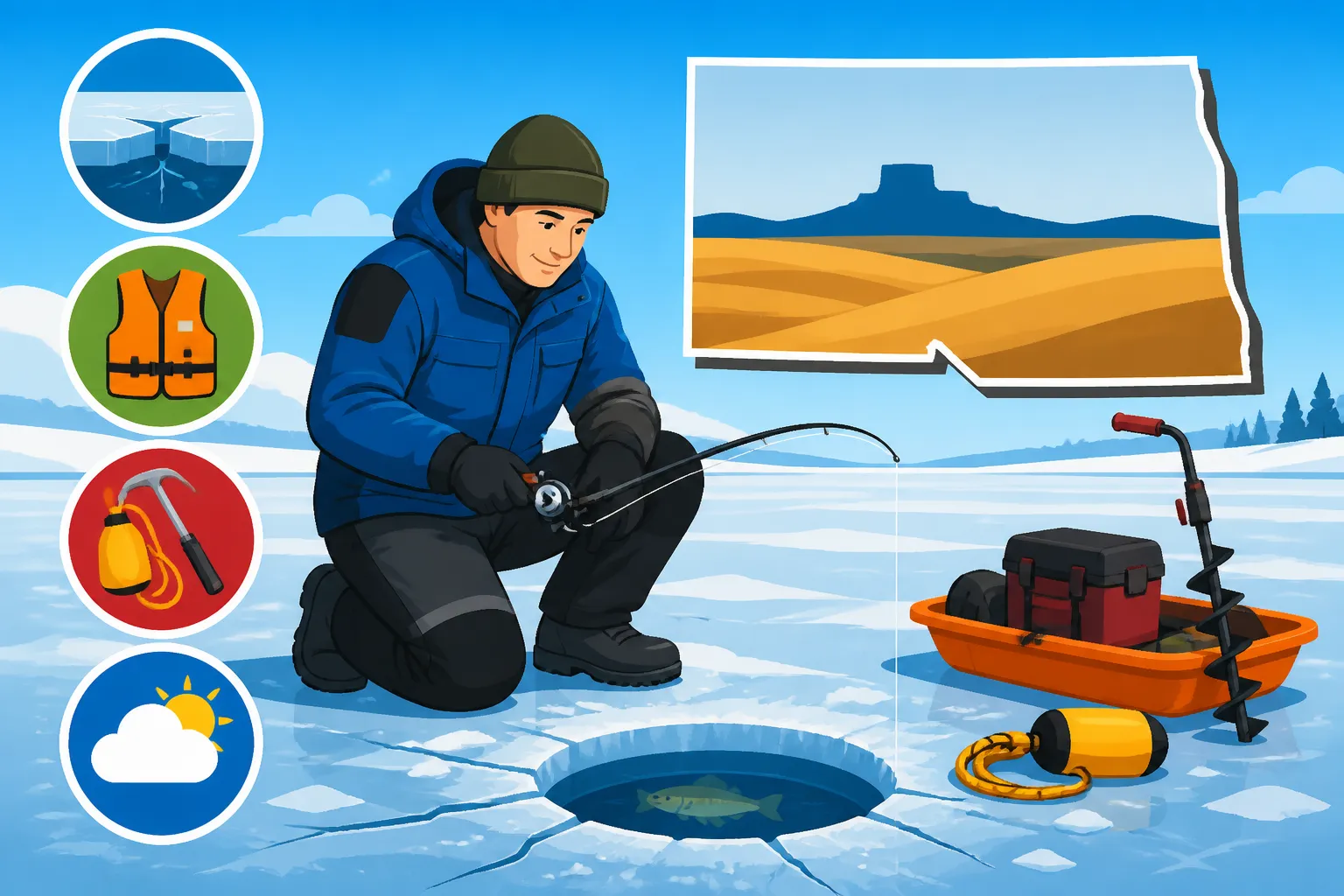
Ice picks are non-negotiable. These simple tools, usually two plastic handles with pointed metal spikes connected by a string, hang around your neck or are tucked into a pocket. If you fall through, you can use them to get a grip on the slick edge of the ice and pull yourself out. They are remarkably effective, but only if they are easily accessible and you know how to use them. Practice beforehand in a safe environment. You can find reliable and affordable options on marketplaces like Amazon.
A spud bar is another crucial piece of equipment. This heavy, chisel-like tool allows you to physically check the ice thickness ahead of you with each step. By dropping it forcefully, you can gauge the ice's integrity. A solid thud means thicker ice; a softer thud or a breakthrough means caution or turning back. It's especially vital when navigating areas of unknown ice, around shorelines, or where currents are suspected. Think of it as your early warning system, much more reliable than relying solely on visual inspection.
A flotation suit, often made by brands like Clam, Striker, or Mustang Survival, is an investment that can literally save your life. These suits are designed with built-in flotation material that provides buoyancy if you fall through, keeping you afloat and giving you precious extra time to self-rescue. Beyond flotation, they offer incredible insulation, which is vital in preventing hypothermia once you're out of the water. They are far more effective than just relying on layers of regular clothing, which quickly become waterlogged and heavy.
Finally, carrying a rope or a throw bag is prudent. A throw bag, easily purchased from many outdoor retailers, is a compact bag containing a coil of rope that can be quickly deployed to someone who has fallen through. Even a simple length of strong rope can be a lifesaver, allowing you to reach out to a struggling friend without putting yourself at risk by approaching the weak ice. Also, consider a whistle or another loud signaling device to attract attention if you're in distress and cannot shout effectively due to the cold or exhaustion.
Group Safety and Emergency Preparedness
While personal gear is crucial, thinking about group safety and broader emergency preparedness can turn a close call into a manageable situation.
A well-stocked first-aid kit is a must, tailored for cold weather conditions. This means not just bandages and antiseptic wipes, but also items to treat frostbite, hypothermia, and other cold-related injuries. Warm packs, extra blankets, and even a thermos of hot liquids can make a significant difference for someone who's just come out of icy water.
If you're driving a vehicle onto the ice (which is generally discouraged in late season, but sometimes necessary for access), always carry jumper cables and a tow rope. Getting stuck in deep slush or breaking through shallow ice near the access point is a common late-season mishap, and being able to help yourself or a fellow angler can prevent a minor inconvenience from escalating into a serious problem.
Having a warm, dry change of clothes in a waterproof bag, stored in your vehicle or sled, is paramount. Even if you don't fall in, prolonged exposure to slush or unexpected dampness can lead to hypothermia. The moment you get wet, your body starts losing heat rapidly. Changing into dry clothes immediately can prevent a dangerous situation.
A fully charged cell phone in a waterproof case is essential for calling for help. However, cold temperatures can drain phone batteries quickly, so consider a portable power bank, also available on Amazon, to ensure your device stays operational. Beyond communication, GPS features on smartphones or dedicated GPS units can help you mark safe travel paths and navigate back to shore, especially if whiteout conditions or fog develop.
Lastly, your portable heater and ice shelter (like those from Eskimo or Otter) serve not just as comfort items but as critical safety tools. In an emergency, a warm shelter can be a sanctuary for someone experiencing hypothermia, providing a controlled environment to warm up. If you get stranded, a lit heater in a visible shelter can also act as a beacon for rescuers. Remember that all ice shelters, especially permanent ones, have specific removal deadlines in North Dakota. Consult the When Must Ice Shelters Be Removed From North Dakota Lakes? guidelines to ensure compliance and avoid issues.
| Activity | Minimum Ice Thickness (Recommended) | Notes |
|---|---|---|
| Walking/Ice Fishing | 4 inches (clear, solid ice) | Always check with a spud bar, especially on late ice. |
| Snowmobile/ATV | 5-7 inches (clear, solid ice) | Avoid driving over cracks or pressure ridges; late ice is deceptive. |
| Small Car/Light Truck | 8-12 inches (clear, solid ice) | Generally discouraged on late ice. Park on shore if possible. |
| Medium Truck | 12-15 inches (clear, solid ice) | Strongly discouraged on late ice; extremely high risk. |
| Heavy Truck/Structure | 16+ inches (clear, solid ice) | Very rarely safe for late ice conditions. |
Note: These are general guidelines for clear, solid ice. Late ice, often honeycombed or candled, is significantly weaker and may require double the thickness for safety.
Safe Practices on the Ice During Late Season
Knowing what gear to bring is only half the battle. Implementing safe practices is equally, if not more, important. Late ice demands heightened awareness and a disciplined approach to every aspect of your trip.
Always Check Ice Thickness Rigorously
This cannot be stressed enough: do not assume the ice is safe, even if it was solid yesterday. The rules for How Thick Ice Needs to Be for Ice Fishing are minimums for good quality ice. Late ice often isn't good quality. You need to be checking the ice constantly, not just when you step onto it.
Use your spud bar or a portable ice auger to frequently test the ice every 10 to 20 feet, especially when moving to a new spot, crossing areas you haven't been on before, or approaching any visible change in the ice surface. A crucial tip is to check the ice around structures, such as points, humps, islands, and inlets/outlets. These areas are prone to current and warmer water flow, making them prime spots for thin or decaying ice. For instance, the fishing might be hot around a particular point on Devils Lake, but the currents around that point can make the ice unpredictable.
When drilling a hole for fishing, pay attention to the ice chips. Are they solid and chunky, or soft and slushy? Are there distinct layers of different ice types? Rotten, candled ice will often break away easily or appear slushy even in "thick" areas. This feedback is invaluable. If you encounter significant changes in ice quality or thickness, it’s best to backtrack and find a safer path or simply change locations. Never push forward through questionable ice, no matter how good the bite might be.
Never Fish Alone and Communicate Your Plans
The "buddy system" isn't just a suggestion; it's a life-saving protocol for late ice fishing. Having at least one other person with you can make the difference between a minor incident and a tragedy. If one person falls through, the other can provide immediate assistance, call for help, or simply offer moral support.
Before you even leave home, make sure someone reliable knows your plans. Tell them:
- Where you're going (be specific about the lake and even the general area).
- Who you're going with.
- When you expect to return.
- What to do if you don't check in by a certain time (e.g., call the local sheriff's department or Game and Fish).
This simple act of communication ensures that if something does go wrong, rescuers have a starting point and know to look for you. It's easy to get caught up in the thrill of the chase for those trophy fish, but a moment of planning can prevent hours of frantic searching or worse.
Vehicle and Shelter Considerations
In late winter, the safest place for your vehicle is often on shore. The weight of a truck or SUV can quickly exceed the carrying capacity of deteriorating ice, even if it seems thick. Parking your vehicle off the ice entirely eliminates the risk of it breaking through or getting hopelessly stuck in slush. Many anglers choose to use snowmobiles or ATVs for late-season travel, but even these lighter vehicles require extreme caution. Always remember the guidelines for ice thickness when considering vehicles on the ice.
If you are using an ice shelter, especially a larger, permanent "fish house," be acutely aware of the North Dakota Ice Fishing Rules regarding their removal. The dates are strictly enforced to prevent abandoned shelters from becoming hazards as the ice deteriorates. Beyond compliance, consider the weight of your shelter and its contents. Distribute weight evenly, and avoid congregating too many shelters or people in one small area, as this can concentrate stress on the ice. When moving a shelter, do so slowly and be constantly vigilant for signs of weakening ice. Never assume that because a path was safe yesterday, it's safe today. Cracks can form overnight, and pressure ridges can shift, creating new hazards.
Recognizing and Responding to Ice Emergencies
Despite all precautions, accidents can happen. Knowing how to react in an ice emergency, both for yourself and others, is paramount. Panic is your biggest enemy in these situations.
What to Do If You Fall Through
The immediate shock of hitting freezing water is disorienting and can take your breath away. The most crucial advice is: don't panic. This is easier said than done, but it's vital to conserve your energy and clear your head.
As soon as you go in, try to maintain your grip on the ice edge if possible. If you're wearing an emergency flotation device (like a float suit), it will help keep your head above water. Immediately deploy your ice picks if you have them. Drive the picks into the solid ice edge in front of you and kick your feet vigorously, trying to get your body into a horizontal position, similar to how you would swim freestyle. Use the picks to pull yourself forward onto the ice. Once your chest is on the ice, continue kicking and crawling forward, rolling away from the hole. Do not try to stand up immediately, as the ice around the breakthrough point is likely weak. Instead, roll or crawl on your stomach until you are well away from the hole and onto visibly thicker, more stable ice.
Once out, immediately assess yourself for injuries and get to a warm, dry place. Strip off wet clothing (it will only accelerate heat loss) and put on dry layers. If you have a portable heater, use it. Hot, sugary drinks can also help. Hypothermia sets in quickly in North Dakota's cold environment, so immediate action is critical. Remember, these are challenging situations, but proper preparation and a calm mind significantly increase your chances of survival, as highlighted in the What to Do If You Fall Through the Ice guide.
Assisting Someone Else Who Falls Through
Witnessing someone fall through the ice is terrifying, and your natural instinct might be to rush to their aid. However, the first rule of rescue is: don't become a second victim. If you rush without thinking, you could easily fall in yourself, compounding the problem.
Your immediate priorities are:
- Call for help: Dial 911 (or local emergency services) immediately. Provide your exact location and a description of the situation.
- Stay safe: Do not approach the edge of the hole where the person fell in. The ice there is proven to be unstable.
- Reach, throw, row, go: This is the mantra of cold-water rescue.
- Reach: If you have a long pole, branch, or ladder, and can safely reach the person from stable ice, extend it to them.
- Throw: A throw bag is ideal here. If you don't have one, use any rope, jumper cables, or even a heavy coat that can be thrown to the person. Secure the other end of the line to something solid (or yourself, while lying flat to distribute your weight) and instruct the person to grab it.
- Row: If a boat or canoe is nearby and can be safely deployed, you can use it to reach the person. This is less common in typical ice fishing scenarios but an option if available.
- Go: This is the last resort and should only be attempted by trained professionals. Never go onto weak ice to rescue someone unless you are trained and properly equipped.
Once the person is out of the water, help them get to a warm place, remove wet clothing, and provide warm, dry layers and hot liquids. Monitor them closely for signs of hypothermia (shivering, confusion, slurred speech, lethargy) and continue to provide warmth until emergency medical services arrive. Your calm and quick thinking can be the difference between life and death.
Navigating Specific North Dakota Late Ice Challenges
North Dakota's unique environment presents specific challenges during the late ice season that anglers must be aware of and prepared for.
Slush and Standing Water
One of the most annoying, yet dangerous, aspects of late ice is the proliferation of slush and standing water. This isn't just a minor inconvenience that makes your boots wet; it's a significant hazard. Slush can hide critical clues about the ice quality beneath. What looks like a shallow puddle could be concealing an area of rotten, thin ice that is about to give way. The deeper the slush, the harder it is to gauge the underlying ice strength.
Beyond hiding dangers, deep slush makes travel incredibly difficult, especially for vehicles. Snowmobiles and ATVs can easily get bogged down, and if you're pulling a heavy ice house, the resistance of the slush can cause you to get stuck far from shore. Getting a vehicle unstuck in freezing conditions, far from help, can quickly turn into a dangerous situation, leading to exhaustion, exposure, or even further breakthrough. Always wear waterproof boots and clothing, and consider wearing gaiters to keep slush out of your footwear. If you encounter deep slush, it's often best to turn around and find an alternative route, even if it means a longer walk. Prioritize safety over convenience.
Ice Heaves, Pressure Ridges, and Snowdrifts
Throughout the winter, ice is constantly expanding and contracting due to temperature fluctuations, creating ice heaves and pressure ridges. These areas are inherently unstable even on good ice, as they represent areas where ice plates have buckled, cracked, and refrozen. During late ice, these areas become even more perilous. The underlying cracks widen, and the weaker, refrozen ice in these areas melts faster than the surrounding, more stable ice. Always approach ice heaves and pressure ridges with extreme caution, and it’s usually best to go around them entirely if possible, especially when on a snowmobile or ATV.
Similarly, snowdrifts can be deceptive. While snow often acts as an insulator, preserving ice thickness beneath, it can also mask areas of incredibly thin or weak ice, especially if the snow has become wet and heavy. A large snowdrift might conceal a massive crack or a spot where a current has eaten away at the ice. When traveling over snow-covered ice, always be extra vigilant and use your spud bar to test the ice frequently. The North Dakota Ice Fishing Rules emphasize safety around these natural formations, reminding anglers to never assume stability.
Variable Conditions Across Different Lakes
North Dakota is home to a vast array of lakes and reservoirs, from massive impoundments like Lake Sakakawea and Lake Oahe to smaller, shallower lakes and prairie potholes. The late ice conditions on these diverse bodies of water can vary dramatically.
Larger, deeper lakes such as Lake Sakakawea or Lake Oahe tend to freeze later and hold ice longer, but they are also more susceptible to wind and current, which can create large areas of open water or rapidly deteriorating ice in certain bays or channels. The sheer size of these lakes means conditions can change drastically from one end to the other. Conversely, smaller, shallower lakes (like Lake Spiritwood or Jamestown Reservoir) might freeze earlier and thaw quicker. While they might offer good "first ice" opportunities, they can also become dangerous very rapidly as spring approaches, with ice often rotting quickly from the shoreline outwards.
It is crucial to never assume that conditions on one lake are indicative of another. Always check local fishing reports, consult with bait shops, and even talk to other anglers who have recently been on the specific body of water you plan to visit. The North Dakota Game and Fish Department website and various fishing forums often provide up-to-date ice condition reports. The search for Best Late-Season Ice Fishing Spots in North Dakota will often highlight waters that retain safe ice longer, but even then, personal vigilance is always the final word. Be prepared for highly variable ice quality and thickness, even on the same body of water, and adjust your plans accordingly.
Disclaimer
Fishing on ice can be inherently dangerous. The information provided in this guide is for informational purposes only and is not a substitute for personal judgment, common sense, and adherence to all local regulations. Always prioritize safety, consult official sources for the latest ice conditions, and if in doubt, stay off the ice.