Spring Ice-Out Timing in North Dakota
That seemingly endless stretch of winter, with its thick sheets of ice covering North Dakota's lakes, can feel like an eternity for us anglers itching to cast a line into open water. Waiting for the spring ice-out is a true test of patience, but understanding when and why the ice finally gives way is crucial for planning those first productive trips. This guide will help you decipher the complexities of spring ice-out timing, offering insights into the factors at play and how to best prepare for the transition to open water fishing.
Understanding the Dynamics of North Dakota's Ice-Out
The annual transformation from a solid, frozen landscape to vast expanses of shimmering open water is a highly anticipated event. For those of us living in North Dakota, where ice fishing can dominate a significant portion of the year, the spring ice-out signifies a turning point, not just in the weather, but in our angling strategies.
The Transition from Winter's Grip to Open Water
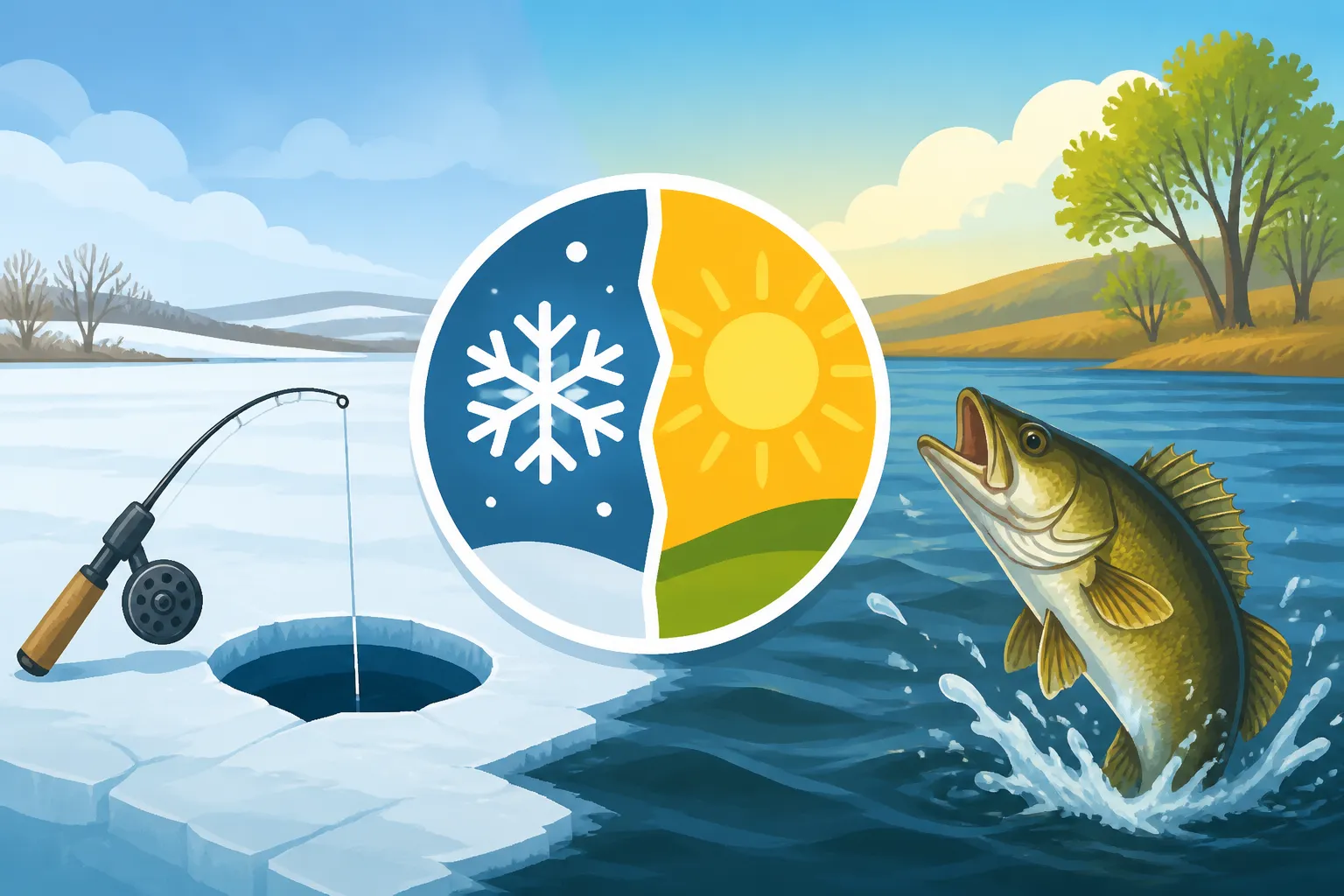
Ice-out isn't a sudden, dramatic event most of the time. While strong winds or a sudden, intense warming trend can accelerate the process, it's typically a gradual unraveling. You'll start to see darker areas on the ice, especially near shorelines and inlets where warmer water might be flowing in. The edges of the lake often recede first, creating open pockets, while the main body might remain stubbornly frozen. This slow surrender of winter's grip is marked by subtle changes: the ice becomes honeycombed, losing its structural integrity as water infiltrates it, turning it slushy and increasingly treacherous. It's a stark contrast to the often rapid freeze-up we experience in late fall.
Why Ice-Out is More Than Just a Date
For the avid angler, ice-out is far more than just a calendar date. It's an ecological trigger that profoundly impacts fish behavior, dictating when and where they'll be found. Species like walleye and northern pike become highly active in the cooler, newly opened waters, often moving into shallower bays to feed or prepare for spawning. Understanding this critical period allows us to anticipate fish movements and adapt our techniques, transitioning from a mindset focused on How to Ice Fish in North Dakota to planning for the upcoming North Dakota Open Water Fishing Season. This transition also means preparing your gear for a different kind of angling, thinking about what you'll need for these dynamic early spring conditions.
Key Factors Influencing North Dakota's Ice-Out Dates
Predicting the exact ice-out date for any given lake in North Dakota is akin to predicting the winning lottery numbers – it's tough, and there's a lot of variability. However, several consistent factors play significant roles in how quickly our waters shed their icy blankets each spring.
Weather Patterns and Temperature Trends
The most obvious factor is, of course, the weather. It's not just a single warm day, though those certainly help lift our spirits. Sustained periods of above-freezing air temperatures are essential for weakening the ice from above. Even more critical is intense solar radiation. As the sun climbs higher in the sky in late March and April, its rays penetrate the ice, melting it from within and causing it to "rot." Clear, sunny days, even if the air temperature isn't exceptionally high, are incredibly effective at degrading ice. Strong winds also play a crucial role, especially once the ice begins to break up. A good spring gale can literally churn and break up large sheets of ice, pushing them to shore where they melt faster or simply aiding in their disintegration into smaller, more manageable floes.
Lake Characteristics: Size, Depth, and Water Flow
The physical attributes of a lake are huge determinants of its ice-out timing. Shallow lakes, often found throughout the prairie pothole region, tend to freeze up faster and are typically the first to experience ice-out in the spring. Their shallower water warms more quickly, and they have less volume to thaw. Conversely, deeper, larger bodies of water like Lake Sakakawea or Lake Oahe hold their ice much longer. These massive reservoirs have immense water volumes that take a tremendous amount of heat energy to warm up. Their sheer size also makes them more resistant to the wind's breaking action. Lakes with significant water flow, such as those on the Missouri River system, may see earlier ice-out due to the constant movement of water underneath the ice, eroding it from below. This is why even within the same region, ice-out on a small pond can precede a major lake by weeks. It's also interesting to note how drastically different this is from how quickly a lake might freeze up; for instance, understanding How Long Does Devils Lake Take to Freeze? provides a good contrast to its slow thaw.
Snow Cover and Ice Thickness
While it might seem counterintuitive, a thick layer of snow on top of the ice can actually prolong the ice season. Snow acts as an insulator, effectively shielding the ice from the sun's warming rays and the ambient air temperature. This means that a winter with heavy snow cover might lead to a later ice-out compared to a winter with less snow. On the flip side, exposed, dark ice absorbs solar radiation much more efficiently, speeding up the melting process. Naturally, the thicker the ice has grown over the winter, the longer it will take to melt. A sustained period of extreme cold will build a robust ice sheet, which then requires an equally sustained period of warmth and sun to dissipate. It's a delicate balance, and the state of the ice directly impacts safety considerations for late-season ice anglers. This is why understanding Early Ice Fishing Safety Tips is just as important as knowing how to stay safe during the late-season thaw.
Regional Variations and Specific Lake Ice-Out Predictions
North Dakota is a big state, and the timing of spring ice-out can vary significantly from one region to another, and even from one lake to the next within the same general area. Understanding these nuances is key to knowing when and where to target those first open-water bites.
Western vs. Eastern North Dakota Lakes
Generally speaking, you can often expect western North Dakota lakes to experience ice-out a bit earlier than their eastern counterparts. This is partly due to slightly warmer average temperatures and the influence of the Missouri River system, which introduces warmer water flow into its reservoirs. The smaller, shallower lakes and ponds in the southwestern and central parts of the state are often among the first to open up. In contrast, lakes in eastern North Dakota, including the expansive Devils Lake and the numerous bodies of water within the Red River basin, tend to hold onto their ice longer. These areas often experience colder, longer winters and may have more prolonged snow cover, which, as we discussed, insulates the ice.
Major Lake Spotlights: Sakakawea, Devils Lake, and Oahe
When we talk about ice-out in North Dakota, the "Big Three" lakes—Sakakawea, Devils Lake, and Oahe—deserve special attention due to their size and popularity.
- Lake Sakakawea: This colossal reservoir, one of the largest man-made lakes in the world, is notorious for holding its ice well into spring, sometimes even into early May, especially in its western arms and deeper sections. Its immense volume and depth mean it takes a tremendous amount of sustained warmth to thaw. The eastern end, closer to the Garrison Dam, might see open water earlier due to dam operations and river flow. Anglers often start seeing signs of breakup in certain bays and sheltered areas before the main lake truly opens.
- Devils Lake: A sprawling, complex body of water, Devils Lake offers a unique ice-out scenario. Its varied depths and numerous bays mean that shallower, protected areas can open up much earlier than the deeper, more exposed main lake. Anglers might find open water access in some boat ramps while other parts of the lake are still locked under ice. The lake's dynamic hydrology and fluctuating water levels also play a role, making specific predictions challenging year to year.
- Lake Oahe: Similar to Sakakawea, the North Dakota portion of Lake Oahe is a deep, expansive reservoir on the Missouri River. Its ice-out timing often mirrors that of Sakakawea, with open water appearing later in the spring, influenced by the overall river system's flow and warming trends.
Here's a generalized look at historical ice-out ranges for some key North Dakota lakes. Keep in mind these are averages, and actual dates can fluctuate significantly year by year based on specific winter and spring conditions:
| Lake Name | Average Ice-Out Date Range | Key Influencing Factors |
|---|---|---|
| Lake Sakakawea | April 15 – May 10 | Massive size, depth, Missouri River flow, prevailing winds |
| Devils Lake | April 5 – April 25 | Varied depth, numerous bays, overall winter severity |
| Lake Oahe (ND Portion) | April 10 – May 5 | Deep, large, Missouri River flow, upstream conditions |
| Lake Audubon | April 1 – April 20 | Moderate size, connection to Sakakawea (via Snake Creek) |
| Jamestown Reservoir | March 25 – April 15 | Moderate size, shallower, river-fed |
| Lake Metigoshe | April 15 – May 5 | Deeper, forested region, sheltered |
| Smaller Prairie Potholes | March 15 – April 10 | Shallow depth, quicker warming, local snow cover |
Smaller Lakes and Potholes
While the big lakes get a lot of attention, it's often the smaller lakes, reservoirs, and countless prairie potholes that provide the earliest open-water fishing opportunities. These shallower bodies of water warm up rapidly once consistent spring temperatures arrive, and their ice breaks up much faster. Anglers eager for that first cast will often find success on these smaller waters, sometimes weeks before the larger lakes are fully accessible. Many of these are managed by the North Dakota Game and Fish Department (NDG&F) and can be fantastic spots for early season panfish, northern pike, or even a chance at an early walleye bite. Their accessibility and quick warm-up make them perfect proving grounds for dusting off your open-water gear and techniques.
Monitoring Ice-Out and Transitioning to Open Water Fishing
Staying informed about ice conditions and knowing when to safely make the switch from ice fishing to open-water angling is crucial for both success and safety. The transition period can be tricky, as rapidly deteriorating ice conditions can catch unprepared anglers off guard.
Utilizing Official Resources and Local Reports
The best way to monitor ice-out in North Dakota is to keep a close eye on multiple sources. The North Dakota Game and Fish Department (NDG&F) website is an invaluable resource, often providing updates on lake conditions and access points. Local bait shops, especially those situated near popular fishing lakes, are goldmines of real-time information. These local experts see the conditions daily and often have the most accurate, up-to-the-minute reports on ice integrity and open water status. Online fishing forums and social media groups dedicated to North Dakota fishing can also be excellent places to gather anecdotal reports and see photos of current conditions. However, always verify information, especially when it comes to safety, and use your own judgment.
Safety First: Recognizing Unsafe Ice Conditions
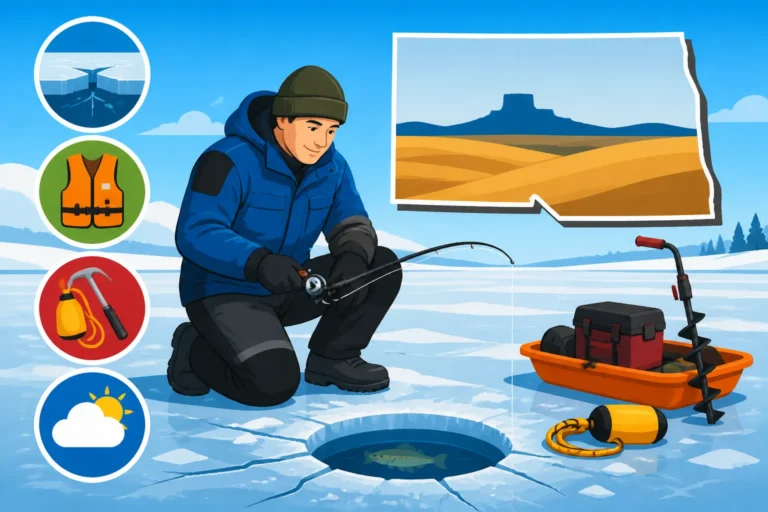
As spring progresses, ice conditions become incredibly unstable and dangerous. The once solid, clear ice transforms into "honeycomb ice," characterized by vertical crystals that make it incredibly weak, even if it appears thick from above. This type of ice can give way without warning. Always err on the side of caution. Look for discolored ice, slushy spots, or areas where water is pooling on top. Never venture onto ice that looks suspicious. Pay particular attention to inlets, outlets, and points, as these areas often have weaker ice due to currents. While the official North Dakota Ice Fishing Rules provide general guidelines, personal judgment and continuous assessment of conditions are paramount during the thaw. It's a time when you might even see ice shanties or fish houses that were left too long on the ice falling through, which is a vivid reminder of the dangers.
Gear and Tactics for Early Open Water
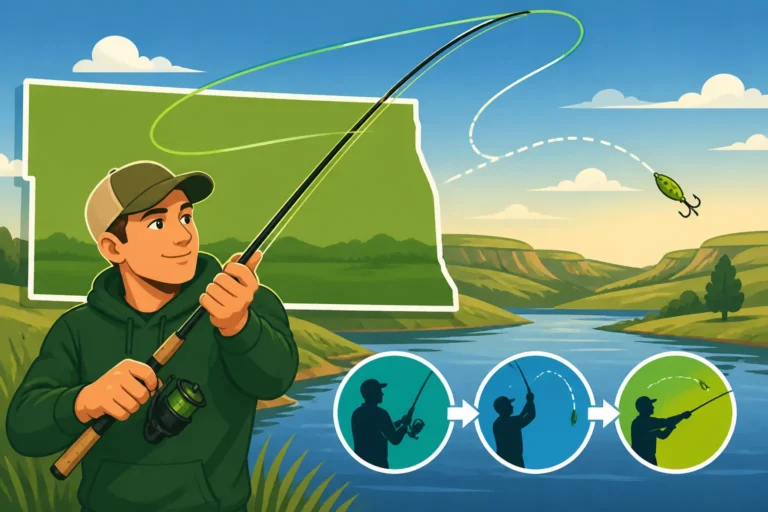
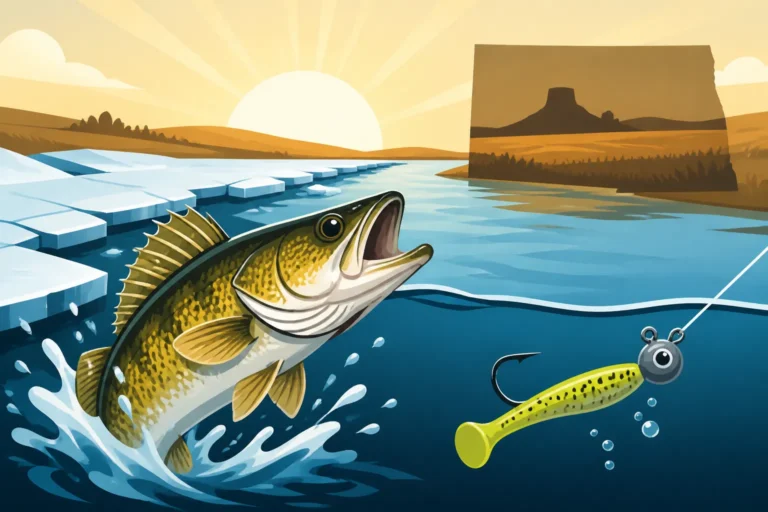
Once the ice finally retreats, fish often head to the newly warmed, shallower waters. These areas, particularly north-facing bays that catch more sunlight, or areas with dark bottoms that absorb heat, will warm up first. For early spring walleye, slow presentations are key. Jigging with a minnow or a soft plastic, or slowly trolling crankbaits designed to run shallow, can be incredibly effective. Smallmouth bass will start to become active around rocky shorelines, while northern pike will cruise weed lines in search of an easy meal. This is prime time to implement Early Spring Walleye Techniques in North Dakota and consider the Best Lures for Ice-Out Walleye. Many anglers use this time to stock up on new tackle, finding great deals on everything from new fishing lines to versatile lures on Amazon. Don't forget to prepare your boat, too! Make sure your boat registration is up to date, referring to North Dakota Boat Registration Requirements if needed, and give your motor a good once-over after its winter nap.
The Impact of Ice-Out on Fish Behavior and Angling Success
Ice-out isn't just about ice disappearing; it's a profound environmental shift that resets the biological clock for virtually all fish species in North Dakota's waters. Understanding these changes in fish behavior is critical for successful angling in the newly opened water.
Post-Spawn and Pre-Spawn Fish Movements
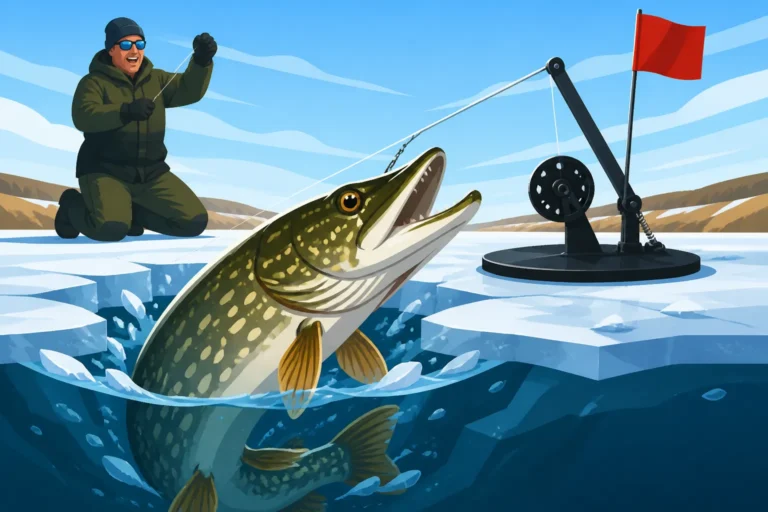
As the ice recedes and water temperatures slowly begin to climb, different fish species will enter various stages of their annual life cycle. For many, this means either a pre-spawn feeding frenzy or the initial movements towards spawning grounds. Walleye, for example, are often in a pre-spawn mode right after ice-out, actively seeking out warmer, shallower water to feed and stage before their spawning ritual. They become aggressive as they bulk up for the energy-intensive spawning process. Northern pike, on the other hand, are typically among the first to spawn after ice-out, often retreating to flooded vegetation in shallow bays or river backwaters. Once they've completed their spawn, they become incredibly hungry and will aggressively strike at a variety of baits. Yellow perch, after a long winter under the ice, will begin to disperse from their winter schools, often moving to shallower areas to feed. These distinct movements mean that understanding the species you're targeting and their specific post-ice-out behavior is paramount.
Water Temperature as a Key Indicator
Water temperature is arguably the single most important factor influencing fish behavior and location after ice-out. Cold water, often in the high 30s to low 40s Fahrenheit, means fish metabolism is still relatively slow. As the water gradually warms into the mid-40s and 50s, fish become more active, feeding more frequently and moving more freely. You'll find fish gravitating towards any areas that warm up faster – shallow bays, dark bottom areas, or the inflow of warmer creeks. Using a reliable water thermometer to identify these temperature breaks can give you a significant advantage. Fish will often hold just outside these warmer pockets, darting in to feed. Conversely, if there's a sudden cold snap after a period of warming, fish can experience "cold shock" and become lethargic, retreating to deeper, more stable temperatures.
Optimizing Your First Open Water Trips
To maximize your success on those initial open-water trips, focus your efforts on areas that are likely to warm up first. These include shallow, north-facing bays, protected coves, and areas where feeder creeks introduce slightly warmer water. Look for any emergent vegetation or old weed growth, as these areas provide both cover and food for baitfish, which in turn attract predators. Slower presentations are often best in the still-cold water. Jigs tipped with minnows or soft plastics, slowly retrieved crankbaits, or even simple slip bobber rigs with live bait can be incredibly effective. Don't be afraid to experiment with different depths, but generally, fish will be shallower than they were during peak ice. As the season progresses and the water continues to warm, fish will spread out more, but early on, they'll be concentrated. Remember that the North Dakota Open Water Fishing Season is legally open year-round for many species, allowing you to hit the water as soon as conditions are safe. You can often find great multi-species tackle kits on Amazon that cover these early season needs.
Long-Term Trends and Climate Change's Influence on Ice-Out
While we focus on year-to-year variations, it's also important to consider the broader patterns and how ice-out timing might be changing over the long term. These larger trends have implications for both anglers and the ecosystems we cherish.
Shifting Ice Duration Over the Decades
Many observations and scientific studies indicate a general trend toward shorter ice seasons across much of North America, including North Dakota. This means that lakes are freezing later in the fall and experiencing ice-out earlier in the spring. While there will always be fluctuations from year to year, the overall pattern suggests a gradual reduction in the total duration of ice cover. For anglers, this means a shorter ice fishing season, impacting everything from the number of days you can be out on the hard water to when North Dakota Ice Fishing Rules mandate the removal of permanent ice shelters. Conversely, it often translates to an earlier start for the open-water fishing season, extending the opportunities for boat and shore anglers.
Implications for Fish Populations and Ecosystems
These shifts in ice duration can have complex impacts on fish populations and the broader aquatic ecosystem. Earlier ice-out could potentially affect the timing of fish spawning, especially for species that rely on specific water temperatures to reproduce successfully. It might lead to a longer growing season for some fish, but it could also expose juvenile fish to predation for longer periods. Changes in water temperature and ice cover can also influence the prevalence of invasive species, potentially creating more favorable conditions for some unwanted aquatic invaders. Understanding these long-term trends is crucial for wildlife managers who work to sustain healthy fish populations and for anglers who want to be good stewards of North Dakota's precious natural resources.
Looking Ahead: Planning for Next Season
As one fishing season transitions into the next, smart anglers are always thinking ahead. The lessons learned during one ice-out period can be invaluable for future seasons, both for better fishing and for better preparation.
Learning from Current Year's Ice-Out
Every spring brings a unique ice-out scenario, and paying attention to the details can pay dividends down the road. Make a note in your fishing log about when certain lakes or bays opened up, what the weather patterns were leading up to it, and where you found fish immediately after. Did the shallow, northern bays produce first? Did a particular lure shine in the cold water? By keeping track of these observations, you build a personal knowledge base that helps you predict future ice-out conditions and fish movements. This proactive approach ensures you're ready when the time comes to embrace How to Fish Right After Ice-Out.
Preparing Your Gear for the Next Winter
While the joy of open water fishing is just beginning, it’s never too early to think about the long-term care of your gear. Take the time now to properly clean, dry, and store your ice fishing equipment. This includes your auger, which might need new blades or a tune-up for next season. Perhaps your portable ice shelter needs a patch, or you're considering an upgrade. The off-season can be a great time to buy new gear on Amazon, often with sales or wider selection, allowing you to prepare thoroughly. Review your Ice Fishing Auger Techniques from the past season – did anything feel inefficient? What could be improved for next time? Proper maintenance extends the life of your equipment and ensures you're ready to hit the ice as soon as winter returns.
The Cycle Continues: Angler Anticipation
Ultimately, the spring ice-out is just one part of the endless cycle of angling anticipation in North Dakota. From the excitement of those first open water casts after the ice recedes, through the warm summer months, into the vibrant fall bite, and eventually back to the hard water of winter, our passion for fishing drives us through every season. Each ice-out is a promise of new adventures, new challenges, and new memories to be made on North Dakota's incredible waters.
Disclaimer
The information provided in this guide is for general informational purposes only and is subject to change. Always consult the official North Dakota Game and Fish Department regulations and local conditions before planning any fishing trip or outdoor activity. Fishing involves inherent risks, and safety should always be your top priority.