When Must Ice Shelters Be Removed From North Dakota Lakes?
One of the biggest anxieties for ice anglers in North Dakota, especially as winter slowly starts to give way to spring, revolves around a single question: when exactly do you have to pull your ice fishing shelter off the lake? It’s not just a matter of convenience; it’s a legal requirement with specific deadlines that, if missed, can lead to some pretty hefty headaches and penalties. This guide will walk you through the official dates, the reasons behind them, and practical advice to ensure you're on the right side of the law and safety.
Understanding the Official Deadline for Ice Shelter Removal
That feeling of dread creeping in as March approaches is something most North Dakota ice anglers know all too well. It’s the universal signal that it’s almost time to say goodbye to those cozy, heated ice fishing shelters for another season. But when exactly does that goodbye become mandatory?
The General Statewide Rule
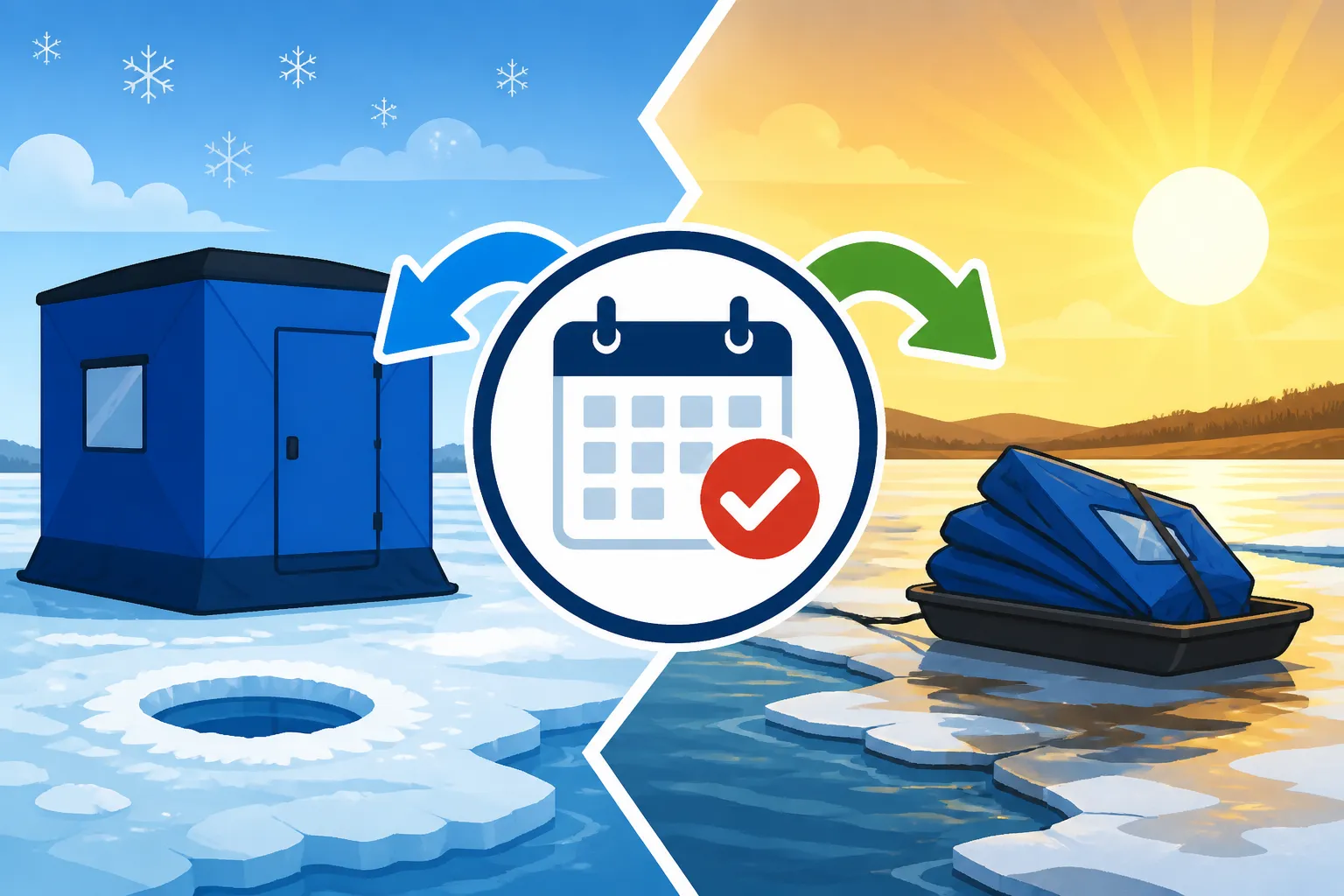
In North Dakota, the official statewide deadline for removing all ice fishing shelters from public waters is March 15th. This date is firm and applies regardless of whether the ice still looks perfectly safe or if you're experiencing an unusually cold spring. The North Dakota Game and Fish Department (NDG&F) sets this date to protect both the environment and public safety.
Think about it: the ice on our lakes can be incredibly unpredictable. Even if it looks solid, daily temperature fluctuations, sun exposure, and underlying currents can weaken it rapidly. A shelter left too long poses significant risks. First, it can become entrapped in deteriorating ice, making retrieval incredibly difficult and dangerous. Imagine trying to pull a heavy, frozen-in shack across slushy, unstable ice – it’s a recipe for disaster. Second, if a shelter breaks through, it can sink, becoming an underwater hazard for boaters and swimmers in the open water season, not to mention a source of pollution. The March 15th deadline helps mitigate these problems by ensuring shelters are off the ice before the real spring thaw truly takes hold. This is part of the comprehensive North Dakota Fishing Regulations Explained that all anglers should familiarize themselves with.
Exceptions and Specific Water Bodies
While March 15th is the golden rule, there’s an important nuance: you must remove your shelter earlier if ice conditions dictate. This isn't an official "exception" to the date but rather a critical safety directive. No matter what the calendar says, if the ice starts to degrade, showing signs of slush, large cracks, or significant melt, it's your responsibility to get your shelter off immediately.
Consider large water bodies like Lake Sakakawea or the Missouri River System. These areas often experience dynamic ice conditions due to currents, fluctuating water levels, and massive expanses of open water creating wave action that can break up ice from the edges inward. While the March 15th deadline still applies, it's not uncommon for anglers on these waters to pull their shelters much earlier in the season if conditions become iffy. For example, some stretches of the Missouri River might have unsafe ice by late February or early March, requiring a proactive approach.
The NDG&F doesn't typically provide specific later dates for individual lakes; rather, the March 15th date is the hard stop for all lakes. If you're hoping for a late-season bite, you'll need to transition to portable shelters that can be moved on and off the ice daily, or at least be ready to pull your permanent shack the moment ice conditions become questionable, even if it's weeks before the official deadline. Always prioritize safety over an extra day on the ice. Understanding how Thick Ice Needs to Be for Ice Fishing is a key part of this consideration.
Why Timely Removal is Crucial Beyond Just the Law
It's easy to view regulations as simply rules imposed by the state, but the ice shelter removal deadline is rooted in a deep understanding of environmental protection and public safety. This isn't just about avoiding a fine; it's about being a responsible angler.
Safety Hazards for Anglers and Others
The primary concern with late ice shelter removal is safety, both for those retrieving the shelters and for anyone who might encounter abandoned ones. As the sun gets higher and temperatures rise, even if briefly, the integrity of the ice rapidly declines. What might have been 18 inches of solid ice in February can become a spongy, honeycombed mess by mid-March.
Retrieving a large, permanent ice shack from deteriorating ice is incredibly dangerous. Vehicles or ATVs can break through, trapping equipment and endangering lives. The physical exertion of freeing a shelter that has frozen into melting ice can lead to accidents, and the risk of falling through the ice yourself is ever-present. Every year, stories circulate about close calls or worse, involving anglers pushing their luck on late ice. These structures, if they break loose, can drift, becoming obstacles for open-water boaters, kayakers, and even swimmers when the ice eventually disappears. Imagine a half-submerged shack as a navigation hazard; it's a real and serious risk. These considerations are vital parts of Early Ice Fishing Safety Tips.
Environmental and Aesthetic Concerns
Beyond the immediate safety risks, leaving ice shelters on the lake past the deadline creates significant environmental and aesthetic problems. An abandoned shelter is essentially litter. Materials like wood, plastic, metal, and insulation can break apart, sinking to the bottom or washing ashore. This debris can:
- Pollute water: Materials can leach chemicals or microplastics into the lake, impacting water quality and aquatic life.
- Damage spawning grounds: Sunken shelters can settle on critical fish spawning beds, disrupting the natural reproductive cycle of species like walleye and perch.
- Create unsightly litter: As the ice recedes, abandoned shelters or their fragments often wash up on shorelines, turning beautiful natural areas into eyesores. This affects not only other anglers but also campers, hikers, and residents who enjoy the lake for its natural beauty.
No one wants to see their favorite fishing spot marred by discarded shacks. Being responsible means leaving the lake cleaner than you found it, and that includes ensuring your gear is completely removed before the thaw.
Practical Tips for a Smooth Ice Shelter Removal
Removing an ice shelter can sometimes feel like a monumental task, especially if it's frozen in deep or the ice is already getting soft. But with a bit of planning and the right approach, you can make the process much smoother and safer.
Planning Ahead and Monitoring Conditions
The key to a stress-free removal is preparation. Don't wait until March 14th to start thinking about it!
- Monitor ice and weather conditions constantly: Keep an eye on local forecasts. Several warm, sunny days in a row, even if temperatures dip overnight, can significantly degrade ice. Be especially wary of strong winds, which can push melting ice sheets around and create open water surprisingly fast. You can find detailed local ice reports from the NDG&F website or reputable local bait shops.
- Have a removal plan: Identify who will help you (because you'll almost certainly need help) and when you'll do it. Communicate clearly with your fishing buddies or family members. Trying to wrangle help at the last minute can be frustrating.
- Prepare your gear: Ensure your tow vehicle or ATV is in good working order. Have sturdy tow ropes, chains, or straps ready. A long-handled chisel or spud bar is invaluable for breaking ice around the shack. An axe can also come in handy.
- Clear out your shelter beforehand: Start taking out non-essential items like extra chairs, propane tanks, and old bait. The lighter the shelter, the easier it will be to move. When you're ready to remove it, remember that all personal items and trash must be removed. Leaving anything behind is not only disrespectful but illegal. This aligns with the overall spirit of North Dakota Ice Fishing Rules.
The Actual Removal Process
When it's time to actually pull your shack, here are some practical steps to follow:
- Assess the ice: Before you even drive onto the ice, thoroughly check the access points and the path to your shelter. Use a spud bar or auger to check ice thickness every few yards. Don't assume the ice is safe just because it was yesterday.
- Break the freeze: If your shelter is frozen into the ice, this can be the trickiest part. Use a chisel or spud bar to slowly work your way around the base of the shack, breaking the ice free. For larger, heavier shelters, it might take a while. A clever trick some anglers use is to pour hot water around the base, but be careful not to create larger unsafe patches of ice. A portable heater inside the shack can also help thaw the edges from within, making it easier to break free, especially if you have a Best Portable Heater for an Ice Shelter.
- Use appropriate towing power: Depending on the size and weight of your shelter, you might need a truck, ATV, or even a snowmobile. Ensure your tow ropes or chains are rated for the weight and are securely attached to both the vehicle and the shelter. Pull slowly and steadily to avoid jerking and potential damage.
- Lift and secure: Once the shelter is free, ensure it's properly secured for transport. If it's a skid house, make sure the skids are free and clear. If it's a wheeled house, ensure the wheels are lowered and functional.
- Clean up: Before you leave, do a thorough sweep of the area where your shelter sat. Pick up any loose trash, old fishing line, or forgotten items. You'd be surprised what a day of wind can scatter. Remember, the goal is to leave no trace.
- Proper Registration: Ensure your fish house registration is up to date and correctly displayed. You don't want to get a ticket on the way off the ice. Also remember, for permanent shelters left overnight, there are rules about Do Unoccupied Ice Shelters Need a Registration Number? and What Has to Be Displayed on a North Dakota Fish House?
Remember that you can often find heavy-duty tow straps, spud bars, and even large capacity sleds for hauling gear on marketplaces like Amazon, which can make the removal process much easier.
Here's a quick reference for common ice shelter types and their removal considerations:
| Shelter Type | Ease of Removal | Key Considerations |
|---|---|---|
| Portable Pop-Up | Very Easy | Light, designed for quick setup/takedown. Minimal freezing-in risk. Ideal for late-season fishing. |
| Portable Flip-Over | Easy to Moderate | Heavier than pop-ups, but on a sled base. Can freeze-in if left for extended periods. Sled often makes towing easier. |
| Skid House | Moderate to Difficult | Heavy, designed to sit directly on skids. Prone to freezing-in deeply. Requires significant effort to break free. Needs a strong tow vehicle. |
| Wheeled House | Moderate to Difficult | Often the heaviest. Wheels must be lowered and functional. Can freeze-in around the base and wheels. Needs a strong tow vehicle. |
For a full rundown on various types of shelters and what might work best for you, check out our guide on Best Ice Fishing Shelters for North Dakota.
What Happens if You Don't Remove Your Shelter?
Ignoring the March 15th deadline for ice shelter removal isn't just a minor infraction; it carries real consequences, both legal and financial. The NDG&F takes these regulations seriously, and for good reason.
Legal Consequences and Penalties
If your ice fishing shelter is found on public waters past the March 15th deadline (or earlier if ice conditions deemed it unsafe), you can expect to face penalties. The specific fines can vary, but generally, you're looking at a misdemeanor charge which often comes with a substantial fine. In addition to the monetary penalty, you might also be charged with littering or abandonment of property, especially if the shelter breaks through the ice or washes ashore and becomes debris.
But the financial hit doesn't stop there. If the NDG&F has to retrieve your abandoned or sunken shelter, you, as the owner, will be responsible for all costs associated with that retrieval and disposal. This can be incredibly expensive, potentially running into hundreds or even thousands of dollars, far outweighing the cost of taking the time to remove it yourself. Game wardens regularly patrol lakes during the spring thaw, specifically looking for unremoved shelters. They are well within their rights to check your registration and pursue charges if you're non-compliant. While the specific legal framework differs, the enforcement is serious, much like the penalties for fishing without a license in North Dakota.
It's also important to note that law enforcement has the authority to remove and impound abandoned shelters. Once impounded, you'd likely have to pay fines, retrieval fees, and storage costs to get your property back – if it's even salvageable. Often, by this point, the shelter is damaged beyond repair.
Protecting Your Investment
Beyond the legal ramifications, failing to remove your shelter in time puts your significant investment at risk. Ice fishing shelters, especially larger permanent or wheeled houses, are not cheap. A good quality, insulated shelter can easily cost several thousand dollars. Leaving it to the mercy of deteriorating ice dramatically increases the risk of:
- Structural damage: Shifting ice, strong winds, and freezing/thawing cycles can warp frames, tear fabric, or crack rigid walls.
- Water damage: If the shelter breaks through, all its contents – heaters, electronics, fishing gear, clothing – will be submerged and likely ruined. Even if it just gets waterlogged, the risk of mold and permanent damage is high.
- Loss: The worst-case scenario is that your shelter sinks or drifts away, becoming a complete loss. Insurance policies may not cover damage or loss due to negligence, especially if you violated regulations by leaving it on the ice past the deadline.
Considering the financial outlay for a good ice fishing setup (including everything from your ice auger to your Best Ice Fishing Rods for Perch), it makes economic sense to protect that investment. Taking a day to safely remove your shelter is a small price to pay to ensure it's ready for next season. For tips on how to safely retrieve it and what gear you might need, check out our guide on How to Ice Fish in North Dakota.
Final Thoughts on Responsible Angling
The North Dakota fishing community thrives on respect: respect for the fish, respect for the environment, and respect for fellow anglers. Adhering to the ice shelter removal deadline is a fundamental part of that ethos. It ensures our beautiful lakes remain clean, safe, and accessible for everyone, long after the ice has melted away. By taking proactive steps and understanding the rules, you're not just avoiding trouble; you're contributing to the health and longevity of North Dakota's incredible ice fishing tradition.
Disclaimer
The information provided in this guide is for general informational purposes only and does not constitute legal advice. While we strive to provide accurate and up-to-date information, fishing regulations and conditions can change rapidly. Always consult the official North Dakota Game and Fish Department (NDG&F) regulations or contact them directly for the most current and specific rules and conditions before heading out onto the ice. Safety on the ice is paramount, and personal responsibility is always required.