What Happens If You Fish Without a License in North Dakota?
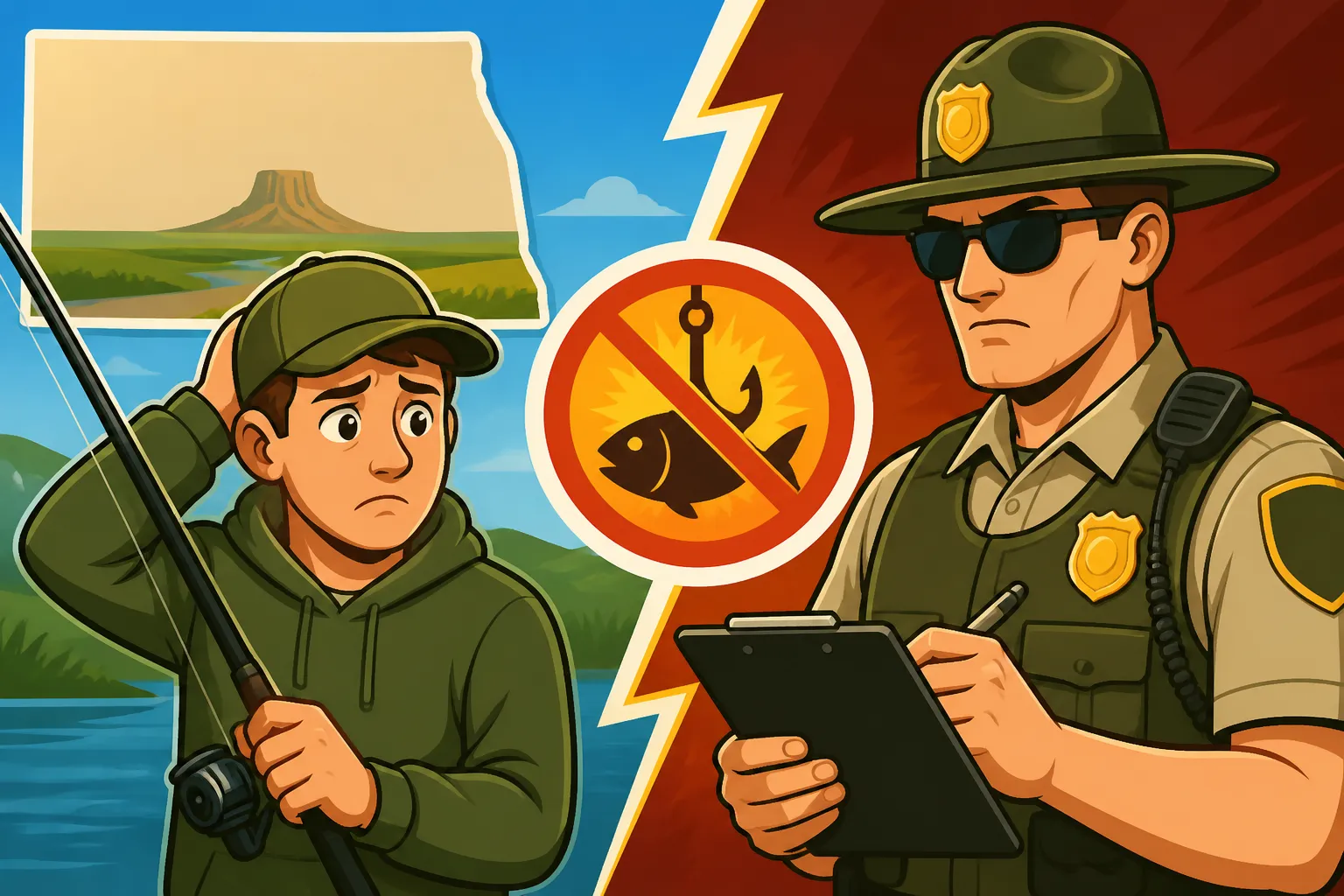
It’s a scenario no angler wants to face: you’re out on the water, having a fantastic day, only for a North Dakota Game and Fish Department enforcement officer to pull up and ask for your license. You reach for your wallet, a knot forming in your stomach, and realize with a jolt that you forgot to buy one, or perhaps it expired. The consequences of fishing without a valid license in North Dakota can be far more serious than just a warning, impacting your wallet and your future fishing privileges. This guide will walk you through exactly what happens when you’re caught fishing without proper documentation, the ripple effects, and how to ensure you're always on the right side of the law.
The Immediate Consequences of Fishing Without a License
Getting caught fishing without a license isn't just a minor oversight; it's a violation of state law with immediate and tangible repercussions. It’s an uncomfortable situation that can quickly turn a peaceful day on the water into a stressful encounter with law enforcement.
Fines and Penalties
When a game warden discovers you're fishing without a valid North Dakota fishing license, the first thing you'll likely receive is a citation. This isn't just a slap on the wrist. In North Dakota, fishing without a license is generally considered a class B misdemeanor. While it might sound daunting, for a first offense, it typically means a significant fine rather than jail time.
These fines can vary depending on the specifics of the situation, but you should expect it to be a substantial amount, often several hundred dollars. For example, a first-time offense could easily set you back $200 or more, plus court fees and administrative costs. Imagine spending that money on new gear or a weekend trip, instead of a penalty! If you're caught a second or third time, the penalties escalate sharply, sometimes doubling or tripling the initial fine. Repeat offenders also face a higher likelihood of other, more severe consequences, making it crucial to avoid that first infraction. You might even be required to appear in court, which means taking time off work and potentially incurring legal fees, adding another layer of expense and hassle.
Confiscation and Loss of Privileges
Beyond the financial hit, there are other very real and immediate consequences. A game warden has the authority to seize any fish you have caught. That prize walleye or stringer of perch you worked so hard for? Gone. It’s a bitter pill to swallow, especially if you were planning a delicious fish fry.
Even more impactful, the officer may confiscate your fishing gear, including rods, reels, and tackle. Imagine losing that brand new Fenwick rod you just bought, or that expensive depth finder you ordered from Amazon. It’s a frustrating and costly experience that can feel incredibly unfair, even though you were technically in the wrong. Furthermore, you could face the suspension of your fishing privileges for a set period. This means you wouldn't be able to purchase a license for months, or even years, putting a serious damper on your angling plans. This suspension can extend to all hunting and furbearer privileges as well, under the premise that all these activities fall under the umbrella of state outdoor recreation regulation. If you're someone who loves spending time outdoors, this can feel like a devastating loss.
Beyond the Immediate: Long-Term Repercussions
While the initial fine and potential gear loss are tough, the implications of fishing without a license can linger, affecting your ability to enjoy fishing in the future and contributing to broader conservation issues.
Impact on Future Licensing and Records
A violation for fishing without a license creates a record with the North Dakota Game and Fish Department. This isn't just a temporary blot; it can follow you. When you apply for future fishing or hunting licenses, this past violation might be flagged. While it typically won't prevent you from getting a license forever, it can make the process more scrutinized, and in some cases, lead to higher fees or a waiting period before your privileges are fully reinstated.
For those who travel to other states to fish, it's also worth noting that many states participate in interstate compacts that share wildlife violation information. So, a violation in North Dakota could potentially affect your ability to obtain a fishing license in Minnesota, South Dakota, or other neighboring states. It essentially marks you as someone who has disregarded wildlife regulations, which is something no responsible angler wants on their record. It's a hassle you simply don't need, especially when getting a license is so straightforward.
The Ethical and Conservation Angle
Beyond the legal penalties, there's a significant ethical and conservation dimension to consider. North Dakota fishing licenses are not just pieces of paper; they are a vital funding mechanism for wildlife management and conservation efforts across the state. The fees collected from license sales directly support critical programs such as:
- Fish Stocking: Ensuring healthy populations in lakes like Lake Sakakawea and Devils Lake.
- Habitat Restoration: Improving aquatic environments for fish and other wildlife.
- Research and Surveys: Monitoring fish populations and understanding ecosystem health.
- Enforcement: Funding the game wardens who protect these resources from poaching and illegal activities.
- Access Development: Creating and maintaining boat ramps, fishing piers, and public access points.
When you fish without a license, you're essentially freeloading on these efforts. You're enjoying the benefits of a well-managed fishery without contributing your fair share. This undermines the collective effort of thousands of ethical anglers who pay their dues to ensure that North Dakota's lakes and rivers remain vibrant and productive for generations to come. It’s about being a responsible steward of the natural resources we all cherish.
Common Misconceptions and Specific Scenarios
Many anglers, especially those new to North Dakota or just visiting, can mistakenly believe certain situations exempt them from needing a license. It’s crucial to clear up these misunderstandings to avoid accidental violations.
Who Needs a License? Demystifying Age and Residency
One of the most frequent areas of confusion revolves around age requirements and residency. In North Dakota, all residents 16 years of age and older need a fishing license. For non-residents, the age requirement is generally the same – 16 years and older. However, there are some important nuances:
- Kids: Generally, children under the age of 16 do not need a fishing license to fish in North Dakota. This is fantastic news for families looking to introduce youngsters to the joys of angling, making it easier to plan trips without worrying about extra paperwork. However, if a child turns 16 during the license year, they will then need a license to continue fishing legally. You can find more specific details in our guide on Do Kids Need a Fishing License in North Dakota?.
- Seniors: While some states offer special exemptions or highly discounted licenses for senior citizens, North Dakota residents who are 65 years of age or older still require a fishing license. The good news is that they are eligible for a reduced rate, making it more affordable for seasoned anglers to continue enjoying their passion. Make sure to check out the details on North Dakota Senior Fishing License Discounts.
- North Dakota Free Fishing Days: The state usually hosts specific "Free Fishing Days" each year where residents and non-residents alike can fish without a license. This is a wonderful opportunity to try fishing or introduce a friend to the sport without the initial investment of a license. However, these days are limited, and all other regulations (like catch limits) still apply. Always verify the current year's dates to avoid confusion. For more information, read our guide on North Dakota Free Fishing Days.
It's always best to assume you need a license unless explicitly stated otherwise by official North Dakota Game and Fish Department regulations.
Private Land, State Parks, and Border Waters
Another common misconception is that if you're fishing on private land or within certain designated areas, a license isn't necessary. This is often not the case:
- Private Land and Ponds: While it might seem logical that if you're fishing on your own property or a friend's private pond, you wouldn't need a license, this is largely untrue. If the water body has an outlet to public waters, meaning fish can move freely between your pond and a river or lake, then a license is almost always required. There are very specific, limited exemptions for entirely landlocked private ponds that have no connection to public waterways. Even then, it's always wise to verify with the ND Game and Fish Department to ensure compliance. Don’t just assume!
- State Parks and Public Access: Fishing within North Dakota State Parks typically does require a valid state fishing license. These parks, while offering beautiful amenities and access, are still subject to statewide regulations. You can find more about this in our article on Fishing in North Dakota State Parks. Similarly, using public access sites on large bodies of water like Lake Sakakawea or Devils Lake necessitates a license. The assumption that public access implies license-free fishing is incorrect.
- Border Waters: North Dakota shares border waters with neighboring states, most notably the Red River with Minnesota, and portions of the Missouri River system with South Dakota. These areas often have reciprocal agreements regarding fishing licenses. For instance, if you have a valid Minnesota fishing license, you might be able to fish on the Red River without a separate North Dakota license, as long as you stay within the agreed-upon border waters and adhere to the regulations of the state whose license you hold. However, these rules can be complex and are subject to change, so always consult the latest North Dakota Fishing Regulations Explained or our specific guide on Reciprocal Fishing Rules on the Red River Border Waters before casting a line. It's an easy mistake to make, and one that game wardens are particularly watchful for.
How to Ensure You're Always Licensed and Prepared
Avoiding the headache and expense of a violation is simple: always be prepared. Understanding how to obtain and manage your fishing license is key to a worry-free angling experience in North Dakota.
Purchasing and Renewing Your North Dakota Fishing License
Getting your North Dakota fishing license is incredibly straightforward, thanks to modern technology and accessible retail options. There's really no excuse for not having one!
- Online: The easiest and fastest way to purchase or renew your license is directly through the North Dakota Game and Fish Department's official website. This platform is available 24/7, meaning you can get your license at any time, day or night, from the comfort of your home or even from your phone at the boat ramp. You can usually print a temporary license immediately or have a digital copy on your phone, making it instantly valid. Our guide on North Dakota Fishing License Online Purchase Options provides more details.
- Retail Vendors: Many sporting goods stores, bait shops, and even some large retailers like Walmart and Ace Hardware across North Dakota are authorized license vendors. This is a great option if you prefer an in-person transaction or if you're already stopping for bait and tackle. The staff can help you navigate the options and ensure you get the right license for your needs.
- NDGF Offices: You can also purchase a license in person at the main North Dakota Game and Fish Department office in Bismarck during regular business hours.
- Renewal: Licenses in North Dakota typically run from April 1st through March 31st of the following year. This means you’ll need to renew annually. Setting a reminder on your phone or marking your calendar is a good practice. The online system makes renewing incredibly simple; often, your previous information is saved, streamlining the process. Check out our post on How to Renew a North Dakota Fishing License Online for a step-by-step walkthrough.
No matter where you buy it, always make sure you have proof of your license on you while fishing. A physical copy in your wallet or a digital copy on your smartphone is usually sufficient. Remember that cool new waterproof phone case you picked up from Amazon? Now's the time to use it for safely carrying your digital license!
Understanding License Types and Endorsements
North Dakota offers a variety of license types to suit different needs, and it's important to understand which one applies to you. This ensures you're not under-licensed, which could still lead to a violation.
- Resident vs. Nonresident: The primary distinction is between resident and nonresident licenses. Residents, those who have lived in North Dakota for at least six months, pay a significantly lower fee. Nonresidents have options for annual licenses or shorter-term licenses, such as a Nonresident 3-Day Fishing License in North Dakota or a Nonresident 10-Day Fishing License in North Dakota, which are perfect for vacationers.
- Fishing, Hunting, Furbearer Certificate: In North Dakota, most adults purchasing a fishing license also need to buy a "Fishing, Hunting, Furbearer Certificate." This isn't a separate license for a different activity; it's a foundational certificate required before you can purchase individual fishing, hunting, or furbearer licenses. It's a key piece of the regulatory puzzle, and it funds a broad range of conservation programs. Don't forget it, or your fishing license won't be valid! You can learn more about its purpose in What Is the Fishing, Hunting, Furbearer Certificate For?.
- Special Licenses: While not always relevant for general fishing, some specialized activities, like paddlefishing, might require an additional tag or permit. Always review the annual fishing proclamation for any specific regulations or endorsements that might apply to your target species or chosen method.
Being well-informed about the regulations is just as important as having the license itself. The North Dakota Game and Fish Department provides comprehensive information, and there are many helpful resources available, including this very blog!
Here's a quick overview of potential consequences for fishing without a license in North Dakota:
| Violation Type | Typical Initial Fine (Estimated) | Potential Additional Penalties | Impact on Future Privileges |
|---|---|---|---|
| Fishing Without License | $150 – $300 | Confiscation of fish, fishing gear, court appearance | Suspension of fishing/hunting privileges (months to years) |
| Repeat Offense | $300 – $1,000+ | More severe confiscation, longer suspension, potential jail time | Longer suspensions, difficulty obtaining future licenses |
| False Information on License | $200 – $500+ | License revocation, fraud charges, restitution | Permanent denial of licenses, criminal record |
| Fishing During Suspension | Severe Fines, Jail | Confiscation of all equipment, vehicle, criminal charges | Permanent loss of privileges, significant legal issues |
Note: These are estimated penalties and can vary based on specific circumstances, judge's discretion, and current state law. Always refer to the official North Dakota Century Code and ND Game and Fish Department regulations for precise legal information.
Disclaimer
The information provided in this guide is for general informational purposes only and does not constitute legal advice. Fishing regulations and penalties are subject to change. Always consult the official North Dakota Game and Fish Department website or the latest North Dakota Fishing Proclamation for the most current and accurate information. It is your responsibility to understand and comply with all applicable laws and regulations before engaging in any fishing activities.