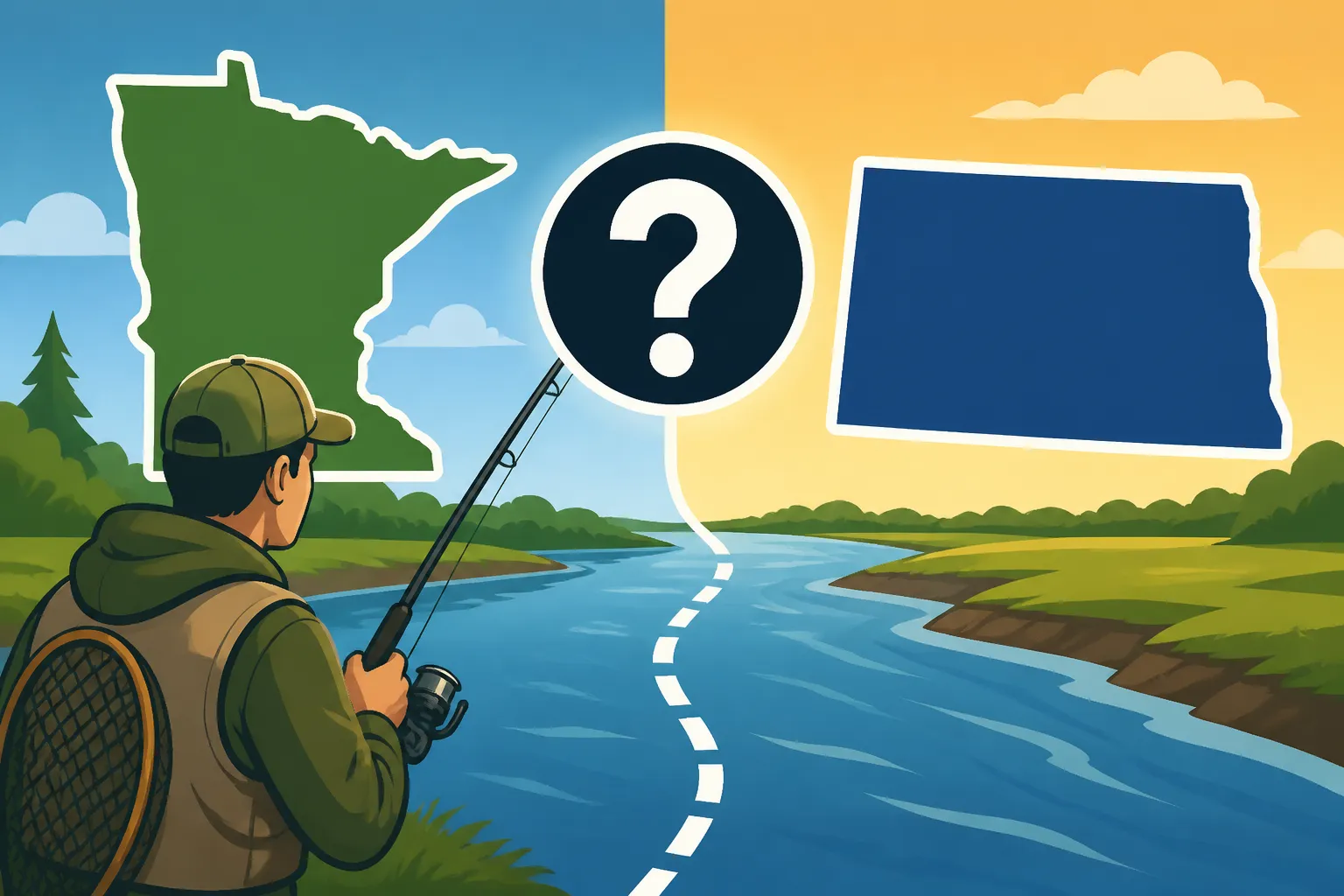
Do Minnesota Anglers Need a North Dakota License on the Red River?
Navigating the waters of border rivers can be incredibly confusing, especially when you're just trying to enjoy a peaceful day of fishing without accidentally breaking the law. Many Minnesota anglers wonder if their home state's fishing license covers them when they venture onto the Red River, or if they need to secure a North Dakota license too. This guide aims to clear up that common point of confusion, explaining the specific rules for fishing the Red River and ensuring you're properly licensed, no matter which side you're on.
Understanding Reciprocal Fishing Agreements
When you're dealing with a river that forms a state boundary, like the mighty Red River of the North, the rules aren't always as straightforward as "one state, one license." Both North Dakota and Minnesota understand this, and they've put reciprocal agreements in place to make things a little easier for anglers. However, "easier" doesn't always mean "no additional license needed," and there are definitely nuances you need to be aware of. The frustration of trying to keep track of different state regulations while floating down the same body of water is a feeling every border-water angler knows all too well.
The Red River's Unique Status
The Red River is a unique fishery, flowing north and forming a significant portion of the boundary between North Dakota and Minnesota. This means that both states share jurisdiction over its waters, creating a need for cooperation in managing fish populations and angler access. Without specific agreements, you'd constantly be wondering if your cast just crossed an invisible line, potentially putting you in violation of another state's laws. This is precisely why reciprocal agreements are so vital, even if they sometimes add layers of rules rather than simply removing them. It’s about ensuring fair access and shared responsibility.
What Reciprocal Agreements Mean for Anglers
In simple terms, reciprocal fishing agreements are pacts between states that allow an angler licensed in one state to fish in certain waters shared by both states, sometimes without needing an additional license from the other state. These agreements are designed to reduce the hassle for anglers and promote shared conservation efforts. For the Red River, this means that a Minnesota fishing license might be valid in certain parts of North Dakota's portion of the river, and vice-versa, but it's crucial to understand the exact boundaries and conditions of this reciprocity. It's not a blanket pass to fish anywhere in either state, which is where the confusion often begins.
Specific Licensing Requirements for Minnesota Anglers
Let's get down to the nitty-gritty: if you're a Minnesota angler and you're planning a trip to the Red River, do you need a North Dakota fishing license? The answer, like with many things involving regulations, is "it depends." The key factor here is where you are fishing and how you are accessing the water. Ignoring these distinctions can lead to unexpected fines, and nobody wants their fishing trip ruined by a run-in with a game warden.
Fishing from a Boat or the North Dakota Shore
This is where the reciprocal agreement truly shines for Minnesota residents. If you possess a valid Minnesota fishing license, you are generally permitted to fish the main stem of the Red River from a boat, even if that boat drifts into what would technically be considered North Dakota waters. This also extends to fishing from the North Dakota shore if you're a Minnesota resident holding a valid Minnesota license, provided you're fishing in the Red River itself. The crucial part is "main stem" and "Red River." You can't just take your Minnesota license and fish in any North Dakota lake or tributary; the agreement is specific to this border water. For instance, if you decide to launch your boat into a small oxbow lake or a tributary that feeds into the Red River but is entirely within North Dakota's borders, your Minnesota license likely won't cover you. Always check the specific boundaries in the North Dakota Fishing Regulations Explained.
Fishing from the Minnesota Shore
If you're a Minnesota angler and you're fishing from the Minnesota side of the Red River, then yes, your Minnesota fishing license is all you need. This is the most straightforward scenario. You're physically within Minnesota's boundaries, fishing in a waterbody where your state's license is explicitly valid. There’s no ambiguity here. However, it’s worth noting that access points can be tricky, and sometimes what appears to be a Minnesota shore might actually be disputed territory or a small island that falls under different jurisdiction. Always be certain of your location, perhaps by using a reliable GPS on your phone or a dedicated fishing app.
Clarifying the Fishing, Hunting, Furbearer Certificate
Another layer of complexity for any angler looking to purchase a North Dakota fishing license, whether resident or nonresident, is the requirement for a separate document known as "The Fishing, Hunting, Furbearer Certificate." This isn't just an administrative extra; it's a mandatory part of the licensing process in North Dakota. Many new anglers or those unfamiliar with North Dakota's system get caught off guard by this. They purchase their fishing license, thinking they're all set, only to discover they're missing this critical certificate.
This certificate is essentially a foundational document that registers you in the North Dakota Game and Fish Department's system for the current license year. It’s a prerequisite for purchasing any annual North Dakota fishing, hunting, or furbearer license. So, if you're a Minnesota angler who decides to purchase a North Dakota nonresident fishing license to fish beyond the reciprocal agreement areas – perhaps you want to explore some of North Dakota's fantastic inland lakes – you must also acquire this certificate. The cost of this certificate is typically very modest, but it is absolutely non-negotiable. You can learn more about its purpose and cost in this detailed guide: What Is the Fishing, Hunting, Furbearer Certificate For?. Make sure to account for this additional step in your planning!
Essential Rules and Regulations on the Red River
While the reciprocal agreement helps with the licensing aspect, it doesn't mean you can ignore all other rules. Fishing on the Red River still means adhering to a set of regulations designed to protect the fishery and ensure a safe and enjoyable experience for everyone. Disregarding these can lead to fines, confiscation of gear, or even loss of fishing privileges. It's a prime example of how crucial it is to read the fine print in the North Dakota Fishing Regulations Explained booklet or its Minnesota counterpart.
General Regulations to Be Aware Of
When fishing the Red River, anglers must be mindful of several critical regulations, regardless of which state's license they are using:
- Creel and Possession Limits: Both states have specific daily creel (how many fish you can keep in one day) and possession limits (how many fish you can have in your possession, including at home) for various species like walleye, northern pike, and especially the famous channel catfish. These limits are typically consistent on the Red River to avoid confusion, but it's always best to verify the current limits in the fishing proclamation for the current year. For example, knowing the North Dakota Catfish Limit Rules is essential if you're targeting those big Red River cats.
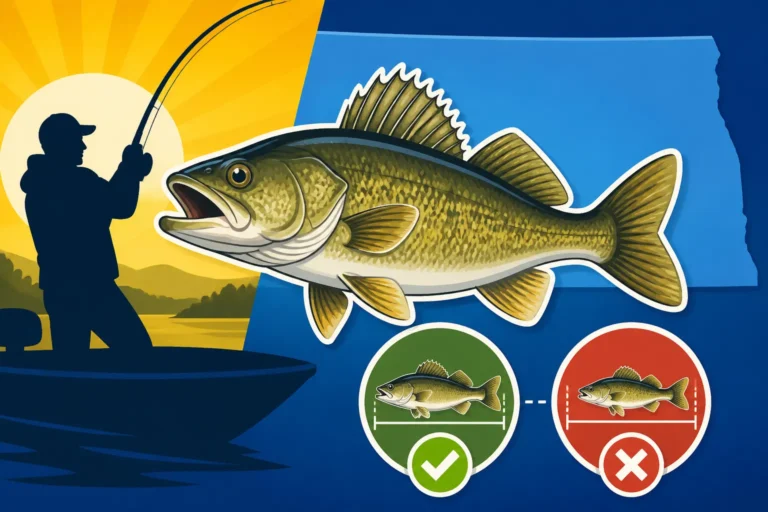
- Length Limits: Some species might have minimum or slot length limits, meaning fish below a certain size or within a specific size range must be immediately released. This is particularly common for trophy species or those with sensitive populations.
- Number of Lines: Generally, North Dakota allows anglers to fish with up to two lines at a time. However, Minnesota has similar rules, and on the Red River, this is usually harmonized. Don't assume you can use multiple lines just because you're on a big river; always confirm the current "how many lines" rule, detailed in topics like How Many Lines Can You Fish With in North Dakota?.
- Live Bait Restrictions: There might be rules regarding the use of certain live baits, especially to prevent the spread of diseases or invasive species. Always check if there are any current prohibitions on specific baitfish.
- Gear Restrictions: Certain types of gear, like spearfishing or snagging equipment (outside of specific seasons for certain species like paddlefish), might be prohibited or heavily restricted.
Understanding these details is just as important as having the correct license. You might find a compact fishing multi-tool or a small waterproof regulations book on Amazon that can fit into your tackle box, serving as a quick reference when you're out on the water.
Aquatic Nuisance Species ANS Concerns
Aquatic Nuisance Species (ANS), such as zebra mussels and invasive carp, pose a serious threat to North Dakota's and Minnesota's waters. Both states have strict regulations in place to prevent their spread. As an angler moving between waters or even just accessing the Red River, you have a critical role to play in this effort.
Here's what you absolutely must do:
- Clean: Remove all visible aquatic plants and animals from your boat, trailer, and fishing gear before leaving any water body. This includes draining water from wells, buckets, and transom savers.
- Drain: Drain all water from your boat, including the bilge, livewell, and baitwells, before transporting it.
- Dry: Allow your boat and gear to dry thoroughly before launching into another water body, especially if you're moving between different lakes or rivers.
- Don't Transport Live Fish or Water: Unless it's with legal, approved methods and within specific regulations, do not transport live fish or water from one water body to another.
These rules apply whether you're a resident or nonresident, and they're enforced rigorously. The Aquatic Nuisance Species Rules for Boaters article provides even more depth on these critical preventative measures. Violations can carry significant penalties, so taking a few minutes to clean your gear is a small price to pay for protecting our precious waterways.
Consequences of Non-Compliance
It's easy to think that bending the rules or simply "not knowing" won't really matter, especially on a vast body of water like the Red River. But game wardens from both North Dakota and Minnesota actively patrol these waters, and they are well-versed in the reciprocal agreements and state-specific regulations. Getting caught without the proper license or violating other fishing laws can lead to serious repercussions.
Penalties typically range from:
- Fines: These can be substantial, often hundreds of dollars, for fishing without a valid license or exceeding creel limits.
- Confiscation of Gear: In some cases, your fishing gear, including rods, reels, and even your boat, could be confiscated.
- Suspension of Fishing Privileges: You might face a temporary or permanent suspension of your fishing privileges in both North Dakota and potentially other states that honor such suspensions.
- Criminal Charges: For more severe violations, particularly repeat offenses or commercial poaching, you could face criminal charges.
The article Penalties for Fishing Without a License in North Dakota provides a sobering look at what can happen if you're caught on the wrong side of the law. It's simply not worth the risk. A small investment in time to understand the rules and purchase the correct license will save you a world of trouble and ensure your fishing memories are positive ones.
How to Ensure You're Legally Covered
The best way to avoid any headaches on the Red River is to be proactive. Know the rules, have the right documentation, and always err on the side of caution. It's far better to have an extra license you don't strictly need than to be caught without one you do.
Purchasing a North Dakota Fishing License
If you're a Minnesota angler and you plan to fish any North Dakota waters beyond the reciprocal agreement of the Red River (e.g., a specific lake or tributary within North Dakota), or if you simply prefer to have a North Dakota license for broader coverage, purchasing one is straightforward.
Here are your main options:
- Online: The North Dakota Game and Fish Department website is the easiest and most convenient way to purchase your license. You can do it from the comfort of your home, and often print a temporary license immediately. This is covered in detail by North Dakota Fishing License Online Purchase Options.
- Retail Vendors: Many bait shops, sporting goods stores, and even some general merchandise stores across North Dakota are authorized license vendors. This includes larger chains you might recognize. You can walk in and get your license over the counter.
- Phone: In some cases, you can also purchase a license over the phone.
Remember, if you're buying a North Dakota fishing license, don't forget that mandatory Fishing, Hunting, Furbearer Certificate! That's an easy one to overlook, especially if you're used to Minnesota's system. The North Dakota Fishing License Cost Guide can help you understand the various options and prices available for nonresidents, including short-term licenses like the Nonresident 3-Day Fishing License in North Dakota or the Nonresident 10-Day Fishing License in North Dakota.
Key Information to Carry While Fishing
Regardless of whether you're relying on your Minnesota license for the Red River or have purchased a North Dakota one, always carry proof of your license while fishing.
Here's what you should have:
- Your physical fishing license or a digital copy: Many states now accept digital versions displayed on your phone, but it's wise to have a physical copy too, especially in areas with spotty cell service.
- Photo ID: A government-issued photo identification (like a driver's license) is always necessary to prove your identity and match it to your fishing license.
- Proof of the Fishing, Hunting, Furbearer Certificate (if applicable): If you've purchased a North Dakota license, make sure you have proof of this certificate as well.
Keeping these documents readily accessible, perhaps in a waterproof pouch in your tackle box or on a lanyard, ensures that if a game warden asks to see your credentials, you can provide them quickly and smoothly. Being prepared not only keeps you compliant but also shows respect for the regulations and the officers enforcing them.
| Scenario | Angler's State of Residence | License Required | Notes |
|---|---|---|---|
| Fishing Red River (boat) | Minnesota | MN Fishing License | Valid on the main stem of the Red River, regardless of which side your boat is on. |
| Fishing Red River (ND shore) | Minnesota | MN Fishing License | Valid when fishing from the North Dakota shore of the Red River. |
| Fishing Red River (MN shore) | Minnesota | MN Fishing License | Standard requirement, as you are within Minnesota's jurisdiction. |
| Fishing ND Inland Lakes/Tributaries | Minnesota | ND Fishing License + ND Fishing, Hunting, Furbearer Certificate | Reciprocal agreement only applies to the Red River itself, not other North Dakota waters. |
Disclaimer
The information provided in this guide is intended for general informational purposes only and does not constitute legal advice. Fishing regulations can change frequently. Always consult the most current official North Dakota Game and Fish Department and Minnesota Department of Natural Resources fishing proclamations and regulations before you go fishing. It is your responsibility to understand and comply with all applicable laws.