Can You Fish for Free on North Dakota Tribal Land?
There's a common misconception that fishing on tribal lands in North Dakota might be an exception to the usual licensing rules, perhaps even free, due to the unique jurisdictional nature of these areas. It's a confusing point for many anglers, leading to frustration and sometimes unintentional violations. This guide is here to clarify whether you can fish for free on North Dakota tribal lands and, more importantly, how to navigate the specific regulations to ensure a legal and respectful fishing experience.
The Truth About Fishing on North Dakota Tribal Lands
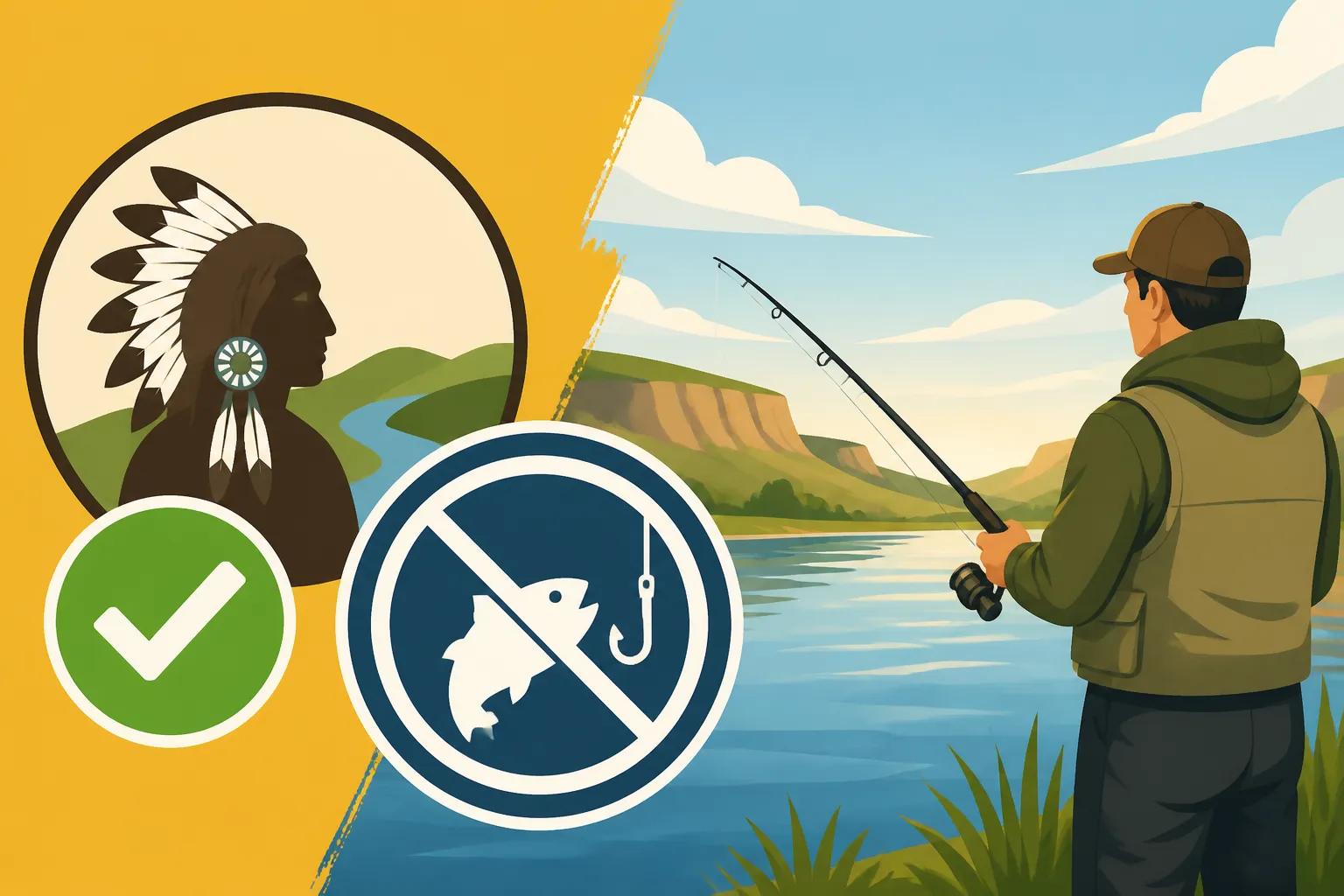
For many anglers looking to explore the incredible fishing opportunities across North Dakota, understanding the rules and regulations can feel like navigating a maze. One of the most frequently asked questions, and often a source of confusion, revolves around fishing on tribal lands. The simple answer to "Can you fish for free on North Dakota tribal land?" is almost universally, no. In the vast majority of cases, fishing on sovereign tribal lands within North Dakota requires a specific tribal permit in addition to, or sometimes even in place of, a state fishing license. This isn't an arbitrary rule; it's rooted deeply in legal precedent, tribal sovereignty, and the desire of tribal nations to manage their natural resources responsibly.
Understanding Tribal Sovereignty and Fishing Rights
To truly grasp why specific permits are needed, it's essential to understand the concept of tribal sovereignty. Federally recognized Native American tribes in the United States operate as sovereign nations, meaning they have inherent governmental authority over their lands, resources, and members. This includes the authority to manage hunting and fishing within their reservation boundaries. While state regulations, like those outlined in the North Dakota Fishing Regulations Explained, apply throughout the rest of the state, tribal nations have the right to establish their own, often supplementary, regulations for non-tribal members wishing to utilize their resources. This isn't about creating barriers; it's about protecting cultural heritage, ensuring sustainable resource management, and exercising their inherent rights as sovereign entities. Each tribe has its own governing body, and thus, its own set of rules, which can vary significantly from one reservation to another.
When a State License Isn't Enough
The common scenario in North Dakota is that if you're fishing on waters wholly or partially within tribal reservation boundaries, your standard North Dakota Fishing License Guide might not be sufficient on its own. While the state license covers most public waters, tribal nations often require their own permit for non-tribal members. This applies even if you possess a season-long state license or a specific nonresident 3-Day Fishing License in North Dakota. Think of it like needing a passport and a visa to enter another country; your state license is your "passport" for North Dakota, but the tribal permit is the "visa" for that specific tribal nation's territory. This dual requirement ensures that tribal governments maintain control over their territories and can allocate funds from permit sales directly back into local conservation efforts, fish stocking programs, and enforcement on their lands. It's a direct way for tribal communities to benefit from and protect the natural resources that are so vital to their heritage and future.
The General Rule: No, It's Not Usually Free
Let's be unequivocally clear: you should almost always expect to pay a fee and obtain a specific tribal permit when fishing on North Dakota tribal lands. This isn't about "double-dipping" by the state and the tribe; it's about respecting distinct jurisdictions. The specific costs can vary, and often there are different options available, much like how the North Dakota Fishing License Cost Guide breaks down state fees. Some tribes might offer daily, weekly, or annual permits. For instance, you might be able to purchase a daily tribal permit for a few dollars, or an annual one for a higher but still reasonable fee. These fees directly support the tribal nation's conservation efforts, including fish habitat improvement, enforcement by tribal game wardens, and educational programs. Attempting to fish on tribal lands without the proper tribal permit, even if you have a state license, can lead to serious consequences, including fines, confiscation of gear, and potential legal action, similar to the penalties for Fishing Without a License in North Dakota in other state waters. It's always best practice to assume you need a tribal permit and do your research beforehand.
Navigating Specific Tribal Waters in North Dakota
North Dakota is home to several tribal nations, and their respective territories include some of the state's most popular and productive fishing waters. Understanding the specific requirements for these areas is crucial for any angler planning a trip. Without this knowledge, you could inadvertently break the law, face fines, and disrupt your fishing adventure.
Devils Lake and the Spirit Lake Nation
Devils Lake, often hailed as one of the best walleye lakes in North Dakota and a prime destination for perch fishing, lies partially within the exterior boundaries of the Spirit Lake Nation. This means that a significant portion of the lake, particularly the southern and western sections, is considered tribal water. For non-tribal members to fish these areas legally, a separate Spirit Lake Nation fishing permit is required.
The Spirit Lake Nation (often referred to as the Devils Lake Sioux Tribe) has a well-established system for issuing these permits. These permits are crucial for funding the tribe's natural resource department, which actively manages fish populations, monitors water quality, and enforces regulations within their jurisdiction. You can usually purchase these permits at various local businesses around Devils Lake, including bait shops, gas stations, and convenience stores. It's always wise to call ahead or check the Spirit Lake Nation's official website or natural resources department for the most current information on where to buy a North Dakota fishing license and tribal permits, as well as any specific regulations they might have regarding daily limits or fishing methods. For example, some tribal rules might differ slightly from the state's North Dakota Yellow Perch Daily Limit or North Dakota Walleye Size Limit Rules, so it's imperative to consult their specific guide. These rules are distinct from those covered by the general North Dakota Fishing Regulations Explained.
Lake Sakakawea and the Three Affiliated Tribes (Mandan, Hidatsa, Arikara Nation)
Lake Sakakawea, a massive reservoir on the Missouri River and a phenomenal fishery for walleye, salmon, and smallmouth bass, also has a substantial portion of its waters within the Fort Berthold Indian Reservation, home to the Three Affiliated Tribes (Mandan, Hidatsa, and Arikara Nation). This often raises the question: Do You Need a Tribal Permit to Fish Lake Sakakawea's Tribal Waters? The answer, unequivocally, is yes. Non-tribal members fishing within the reservation boundaries on Lake Sakakawea must possess a valid fishing license issued by the Three Affiliated Tribes.
The tribal waters on Lake Sakakawea are vast, extending through significant arms and bays of the reservoir. The Three Affiliated Tribes' Game and Fish Department diligently manages these resources, including specific stocking programs, habitat restoration, and enforcement. Permits are typically available at tribal offices, certain marinas, and other vendors located near the reservation. Much like with the Spirit Lake Nation, it’s critical to obtain their specific regulations booklet or check their official resources before heading out. Their rules might detail particular North Dakota Chinook Salmon Regulations or daily limits for walleye that differ from the state-wide rules on other parts of Lake Sakakawea Fishing Guide for North Dakota Anglers. Neglecting to obtain this permit is a direct violation of tribal law and can lead to penalties enforced by tribal game wardens.
Other Tribal Lands and Their Unique Rules
While Devils Lake and Lake Sakakawea represent the most prominent examples of tribal fishing waters in North Dakota, it's important to remember that other tribal lands exist within the state. These include portions of the Standing Rock Sioux Reservation, the Turtle Mountain Band of Chippewa Reservation, and the Sisseton-Wahpeton Oyate (Lake Traverse Reservation). Each of these tribal nations has the authority to implement its own fishing regulations and permit requirements for non-members.
For example, if you plan to fish on a smaller lake or river that falls entirely within the boundaries of another reservation, you will need to research that specific tribe's game and fish department. These regulations are often designed to protect culturally significant species, manage local ecosystems, or provide exclusive fishing opportunities for tribal members. The best course of action is always to contact the specific tribal nation's natural resources or game and fish department directly before your trip. A quick search online for "[Tribe Name] Game and Fish" will usually point you in the right direction. Don't assume that rules from one tribal nation apply to another. Always verify the rules for the specific area you intend to fish.
Here's a quick summary table for the major tribal waters:
| Water Body | Tribal Nation(s) Involved | General Permit Requirement for Non-Tribal Anglers | Where to Obtain Permits (Typical) | Key Consideration |
|---|---|---|---|---|
| Devils Lake | Spirit Lake Nation | Yes, a Spirit Lake Nation Permit | Local bait shops, tribal offices | Check for unique length/bag limits. |
| Lake Sakakawea | Three Affiliated Tribes (MHA) | Yes, a Three Affiliated Tribes Permit | Tribal offices, designated vendors | Covers large sections of the reservoir. |
| Other Tribal Lands | Various (e.g., Standing Rock) | Yes, specific to that Tribal Nation | Contact respective tribal offices | Rules can vary greatly; always verify. |
How to Ensure You're Fishing Legally
The key to a successful and stress-free fishing trip on North Dakota's diverse waters, especially those that touch tribal lands, is proactive planning and thorough research. Nobody wants to face fines or have their gear confiscated because they weren't aware of a specific rule. Taking the time to understand the requirements upfront will save you headaches and ensure you can fully enjoy your time on the water.
Researching Before You Go: A Critical Step
Before you even pack your fishing rods, your first step should be to clearly identify where you plan to fish. Pull up a map, check county lines, and, most importantly, identify if the water body or surrounding land falls within any tribal reservation boundaries. This might seem like an extra chore, but it's absolutely crucial. Once you've identified a potential tribal area, your next step is to seek out the specific regulations published by that tribal nation's game and fish or natural resources department.
Don't just rely on general online forums or word-of-mouth. Look for official tribal websites, phone numbers for their game and fish departments, or even dedicated pages that outline their fishing regulations. These resources will provide information on permit requirements, costs, where to buy permits, and any unique rules regarding catch limits, seasons, or allowed fishing methods that might differ from the state's North Dakota Fishing Season Dates and Limits. Sometimes, these regulations are available as downloadable PDFs, much like the state's North Dakota Fishing Regulations Booklet 2026 to 2028. You might even find comprehensive guides on their sites, similar to a "Fishing License Rules on Devils Lake Sioux Tribe Waters" document. An investment in a good physical map, or even an app with tribal boundaries clearly marked, can be invaluable for on-the-water navigation. You can often find detailed maps or specialized guidebooks on platforms like Amazon that might aid in identifying these crucial boundaries.
Where to Purchase Tribal Permits
Unlike the relatively straightforward process for a North Dakota Resident Fishing License Options or a North Dakota Nonresident Fishing License Guide, tribal permits have their own distribution channels. While some larger tribes might offer online purchasing options, many still require permits to be bought in person.
Common places to purchase tribal permits include:
- Tribal Game and Fish Department Offices: This is often the most reliable place, as staff can answer any specific questions you might have.
- Designated Local Vendors: Many bait shops, gas stations, and general stores located near or within reservation boundaries are authorized to sell tribal permits. These vendors are usually well-informed about the local regulations.
- Tribal Community Centers or Government Buildings: Some tribes may have permits available at their administrative offices.
It's highly recommended to purchase your permit before you arrive at your fishing spot, especially if you're venturing into a remote area. Always carry proof of your tribal permit, along with your state license and a form of identification, as tribal game wardens have the authority to check for compliance. Think of this as adding a layer of responsibility to your Essential Gear Checklist for North Dakota Fishing, ensuring you're not just prepared for the fish, but also for the rules.
Penalties for Non-Compliance
Ignoring tribal fishing regulations can lead to significant consequences, which are enforced by tribal law enforcement and game wardens. These penalties are not to be taken lightly and can vary depending on the specific tribal nation and the severity of the violation.
Common penalties might include:
- Fines: These can range from a couple of hundred dollars to much higher amounts, often exceeding the cost of the permit itself.
- Confiscation of Equipment: Your fishing rods, reels, tackle, and even your boat could be seized.
- Exclusion from Tribal Lands: You might be banned from returning to that specific reservation or tribal waters for a period, or even indefinitely.
- Referral to State Authorities: In some cases, violations on tribal lands might also have implications with state law, especially if there's a concurrent violation of state regulations.
The important takeaway is that ignorance of the law is not an excuse. Tribal nations have the right to enforce their laws on their sovereign lands, and anglers are expected to respect those laws. Always err on the side of caution: if you're unsure, get the permit or fish elsewhere until you can confirm the requirements. This proactive approach ensures a positive and lawful experience, allowing you to focus on the thrill of the catch rather than the worry of legal repercussions.
Important Considerations for Responsible Angling
Beyond the legal requirements, there's a broader responsibility that comes with fishing on tribal lands. It's about respecting the land, the culture, and the people who call these places home. Adopting a mindful approach not only enhances your fishing experience but also fosters a positive relationship between anglers and tribal communities.
Respecting Tribal Lands and Culture
When you venture onto tribal lands, you are a guest in a sovereign nation. This means conducting yourself with respect for the local culture, traditions, and the environment. Many tribal lands hold deep spiritual and historical significance, and it's important to be aware of and respect these aspects. This might include:
- Staying on designated access points: Avoid trespassing on private tribal property or venturing into areas marked as sacred or restricted.
- Practicing Leave No Trace principles: Pack out everything you pack in. Dispose of trash properly, including fishing line, bait containers, and food wrappers.
- Being mindful of cultural practices: If you encounter tribal members engaged in ceremonies or traditional activities, give them space and respect their privacy. Do not interrupt or photograph without explicit permission.
- Learning about local history: Taking a moment to understand the history and significance of the land you're fishing on can deepen your appreciation for the experience. There are many books and resources available, often found on sites like Amazon, that can provide insight into the rich heritage of North Dakota's tribal nations.
By demonstrating respect, you contribute to a positive relationship between outdoor enthusiasts and tribal communities, helping to ensure these waters remain open and accessible for future generations of anglers.
Environmental Stewardship and Conservation
Tribal nations have a long and storied history of environmental stewardship, living in harmony with the land and its resources. When fishing on tribal waters, it's particularly important to embody this spirit of conservation. The funds generated from tribal fishing permits often directly support tribal game and fish departments in their critical conservation efforts. This can include:
- Fish stocking and habitat restoration: Many tribes actively work to maintain healthy fish populations and improve aquatic habitats, ensuring sustainable fishing.
- Water quality monitoring: Protecting the purity of their waters is a high priority, benefiting both fish and wildlife.
- Invasive species management: Like the state, tribal nations are vigilant about preventing the spread of aquatic nuisance species (ANS) like zebra mussels. Adhering to "clean, drain, dry" protocols for your boat and gear, as outlined in North Dakota Boat Registration Requirements, is essential, even more so when crossing jurisdictional lines.
Your responsible actions on the water contribute directly to these efforts. This means adhering to catch and release guidelines, knowing your species (e.g., how to identify the difference between Walleye and Sauger), and only keeping fish within legal limits. These actions are vital for preserving the health and abundance of these precious fisheries.
Planning Your Trip: Gear and Information
Finally, a well-planned trip is a successful trip. Beyond permits and regulations, consider the practicalities of fishing on tribal lands. These areas can sometimes be more remote or have different amenities than state parks or popular public access sites.
- Maps and Navigation: As mentioned, detailed maps that show tribal boundaries are invaluable. GPS devices or apps can also be helpful, especially on large water bodies like Lake Sakakawea.
- Communication: Cell service might be spotty in some remote areas. Let someone know your itinerary, and consider carrying a satellite communication device if venturing far off the beaten path.
- Essential Gear: Ensure you have all the necessary fishing gear for North Dakota, including appropriate rods, reels, bait, and tackle suited for the target species, whether you're jigging for walleye or targeting trophy catfish. Having a well-stocked tackle box and a good cooler to keep your catch fresh are universal needs, no matter where you fish.
- Emergency Preparedness: Carry a first-aid kit, extra water, and know basic wilderness survival techniques, as help may be further away.
By combining thorough preparation with a deep respect for tribal sovereignty and the environment, you can ensure your fishing experience on North Dakota's tribal lands is not only legal and ethical but also deeply rewarding.
Disclaimer
The information provided in this guide is intended for general informational purposes only and is subject to change. Fishing regulations, permit requirements, and tribal boundaries can be updated by state and tribal authorities without prior notice. Always consult the official North Dakota Game and Fish Department and the specific tribal nation's natural resources department directly for the most current and accurate information before planning any fishing trip. Failure to do so may result in fines or penalties.