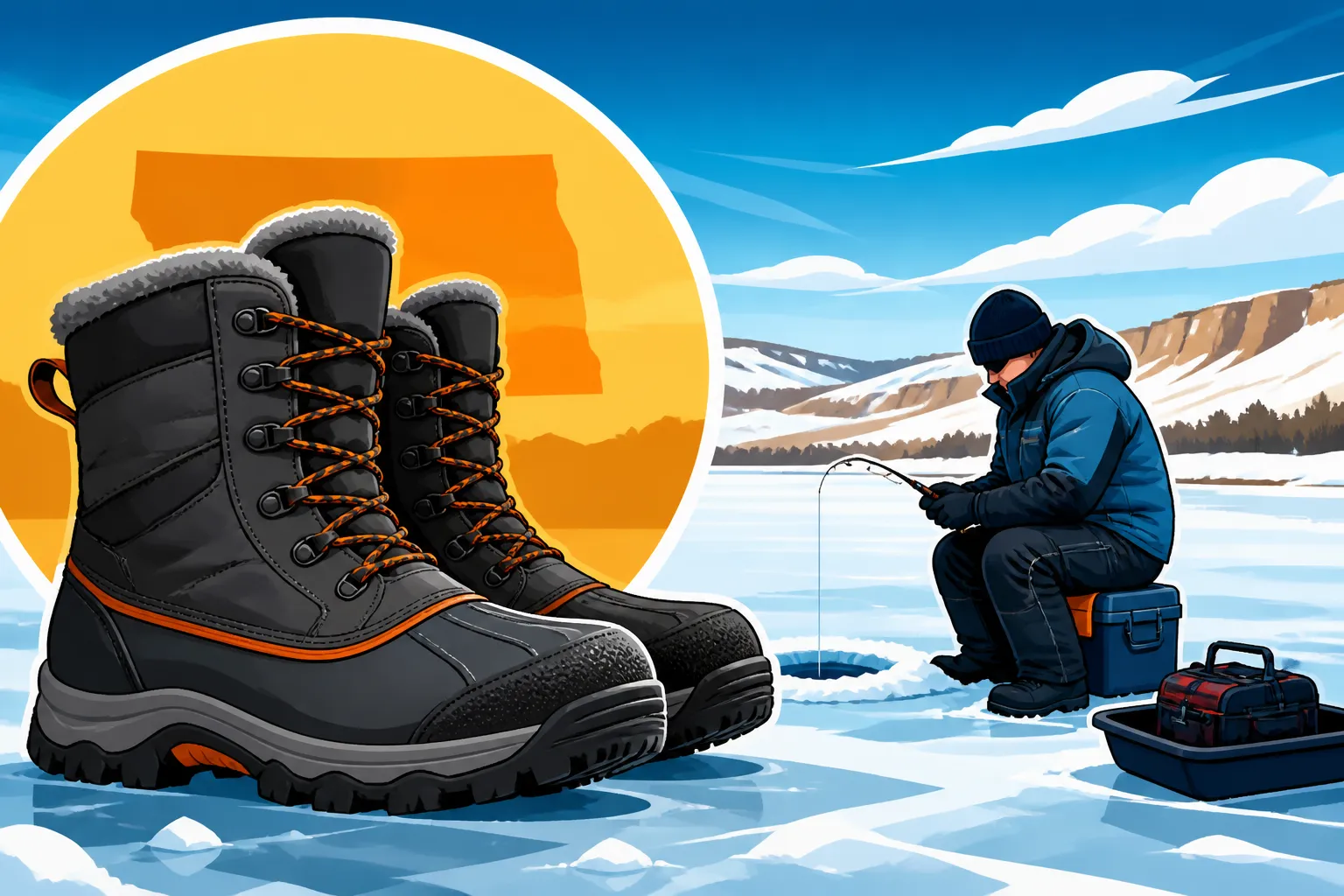
Best Cold Weather Boots for Ice Fishing
There's nothing quite like the excitement of drilling a hole, dropping a line, and waiting for that tell-tale tug on a North Dakota winter day. But let's be honest, that magic quickly fades when your toes feel like frozen nuggets, numb and aching from the bitter cold seeping in. We've all been there, shivering on the ice, cursing our inadequate footwear. This guide is here to save your soles, literally, by walking you through everything you need to know about choosing the best cold weather boots for ice fishing in North Dakota, ensuring your feet stay warm, dry, and happy no matter how long you're out there.
Why Your Feet Freeze So Easily on North Dakota Ice (And Why It Matters)
Standing on a frozen lake for hours on end in North Dakota is a unique challenge. It’s not just about the air temperature; it’s about the constant conductive heat loss to the ice, combined with biting winds and often wet conditions. Many anglers underestimate this, grabbing a pair of "winter boots" only to find themselves miserable after an hour or two.
The Brutal Reality of North Dakota Winters
North Dakota winters are legendary for a reason. We're talking about sustained sub-zero temperatures, often plunging to -20°F or colder, without even factoring in the wind chill. When that brutal wind rips across a wide-open lake like Devils Lake or Lake Sakakawea, it can make even "mild" winter days feel absolutely unbearable. Your body works overtime just to maintain its core temperature, and your extremities, especially your feet, are the first to suffer. It's a cruel game of physics, where every degree counts. You might feel fine walking from your truck to the fish house, but standing still for hours, the cold relentlessly attacks. This isn't just about comfort; severe cold can lead to frostbite, a serious medical condition that can have lasting consequences. Investing in the right gear, starting with your feet, is crucial for both enjoyment and safety. When you're spending good money on a North Dakota Fishing License Cost Guide or planning a trip to a prime spot like Best Ice Fishing Lakes in North Dakota, you want to make sure you're geared up properly.
Understanding Heat Loss Through Your Feet
Our bodies are constantly trying to maintain a core temperature of around 98.6°F. When you're standing on ice, there are three main ways your feet lose heat:
- Conduction: This is the big one for ice anglers. Heat flows directly from your warmer feet into the much colder ice beneath your boots. Good insulation creates a barrier to slow this process down. Think of it like a coffee mug – a thin ceramic mug lets heat escape quickly, while an insulated travel mug keeps it warm for hours. The sole of your boot acts similarly, and if it's not well-insulated, the cold transfers right through.
- Convection: The bitter North Dakota wind can strip heat away from any exposed surface, and even through thinly insulated boot uppers. Air currents, even inside your boot if it's too loose, can also contribute to convection, moving warm air away from your skin.
- Evaporation: Sweat is your enemy in the cold. Even if your boots are waterproof from the outside, if your feet sweat inside and that moisture can't escape, it will cool rapidly and make your feet feel even colder. A good boot needs to balance waterproofing with breathability.
The combination of these factors makes choosing the right boot a critical decision. You need a boot that's not just "warm," but truly engineered to combat these specific challenges of prolonged exposure to extreme cold and moisture.
Key Features to Look for in Superior Ice Fishing Boots
When you're sifting through options, whether you're browsing at Bass Pro Shops or looking online through Amazon, it’s easy to get overwhelmed. Focus on these core features, and you'll be well on your way to comfortable feet.
Insulation Ratings (Gram Thinsulate Equivalent)
This is perhaps the most talked-about feature, and for good reason. Insulation is measured in grams, typically referring to the amount of Thinsulate or a similar synthetic material per square meter. The higher the gram rating, the warmer the boot should be.
- 400g – 800g: These are often marketed as "winter boots" but are generally suitable for milder winter conditions, active use, or temperatures down to about 20-30°F. For stationary ice fishing in North Dakota, these are usually insufficient once the temperatures drop below freezing for extended periods. You might get away with these for an hour or two on a relatively warm early-season day, but don't expect all-day comfort.
- 1000g – 1200g: Now we're getting into serious cold weather territory. Boots in this range are a good starting point for North Dakota ice fishing, especially if you tend to run warm or if you're only out on days that hover around 0°F to 15°F. Many popular hunting and ice fishing boots fall into this category, offering a good balance of warmth and not being overly bulky.
- 1600g – 2000g+: This is the sweet spot for many North Dakota ice anglers facing truly frigid conditions. When the mercury dips well below zero, or if you're prone to cold feet, boots with 1600g or more insulation are your best friend. They provide a significant barrier against the conductive cold of the ice and the convective chill of the wind. While they can be a bit bulkier, the warmth they provide is often worth the trade-off. Some brands even offer specialized multi-layer removable liners that push insulation levels even higher, making them perfect for extreme scenarios or even Early Ice Fishing Safety Tips.
Remember, these ratings are a guide. How warm your feet feel also depends on your circulation, activity level, and the quality of your socks.
Waterproofing and Breathability
You might think waterproofing is a given for winter boots, but there's a difference between "water-resistant" and truly "waterproof." For ice fishing, you need the latter. Slush, melted snow around your fish house, or accidental spills can quickly soak through inadequate materials, turning warm feet into frozen blocks. Look for boots that explicitly state they are 100% waterproof, often featuring membranes like GORE-TEX, BDry, or similar proprietary technologies. These membranes are designed with microscopic pores that are small enough to block water molecules from entering but large enough to allow water vapor (sweat) to escape.
Breathability is just as important. If your boots keep external water out but trap all your internal sweat, your feet will still get damp and cold. This is particularly true if you're active, walking long distances to your spot, or setting up a shelter. That clammy feeling leads to rapid heat loss. A boot with good breathability helps manage internal moisture, keeping your feet drier and therefore warmer. Always check for sealed seams in addition to waterproof materials; a small leak can compromise the entire boot.
Traction and Sole Design
The surface of a frozen lake is notoriously slippery, a mix of smooth ice, crusty snow, and sometimes even slick slush. A good ice fishing boot needs an outsole that provides reliable grip.
- Aggressive Lug Patterns: Look for deep, multi-directional lugs (the treads on the sole) that can bite into snow and soft ice. These provide better stability than shallow, smooth patterns found on many casual winter boots.
- Rubber Compounds: The type of rubber used in the sole matters. Some rubber compounds stiffen and become less grippy in extreme cold. Boots designed for winter use often feature specialized rubber formulations that remain flexible and tacky even in sub-zero temperatures.
- Heel Design: A defined heel can also help with traction, especially when navigating uneven terrain or climbing in and out of a permanent fish house.
- Optional Features: Some ice fishing boots come with or are compatible with removable ice cleats or studs. While not always necessary, these can be a lifesaver on particularly slick days, providing an extra layer of safety. Always consider your personal mobility and the typical ice conditions you encounter. When navigating popular areas or setting up your Ice Fishing Shelter Rules on North Dakota Lakes, good traction is paramount for safety.
Comfort and Fit Considerations
Even the warmest, most waterproof boot is useless if it's uncomfortable or doesn't fit correctly.
- Room for Socks: Always try on boots with the type of thick wool or synthetic socks you intend to wear while ice fishing. You need enough room for these socks without the boot feeling too tight. A snug fit can restrict circulation, which ironically makes your feet colder. However, too much room allows your foot to slide, causing friction and potential blisters.
- Ankle and Arch Support: Standing for hours can be tough on your feet and ankles. Good support can reduce fatigue and provide stability, especially on uneven ice or snow.
- Ease of On/Off: Fumbling with laces in freezing temperatures with numb fingers is no fun. Many ice fishing boots feature speed lacing systems, large pull tabs, or a slip-on design for convenience.
- Weight: While highly insulated boots tend to be heavier, excessive weight can lead to fatigue, especially if you're doing a lot of walking or hole-hopping. Try to find a balance between warmth and manageable weight.
- Shaft Height: Taller boots offer more protection from deep snow and keep your ankles and lower calves warmer. Most ice fishing boots will be mid-calf to knee-high.
Types of Cold Weather Boots Best Suited for Ice Fishing
Just like there are different types of fishing, there are different styles of boots designed for various cold weather needs. Understanding these categories can help you narrow down your choices.
Traditional Rubber/EVA Boots (e.g., Muck Boots, Baffin)
These boots are iconic for a reason and are a staple for many ice anglers. They typically feature a waterproof rubber lower section and often a neoprene or synthetic upper.
- Pros:
- Excellent Waterproofing: The rubber construction makes them inherently waterproof, perfect for slushy conditions.
- Durability: They are built to withstand harsh environments and can take a lot of abuse.
- Warmth (with insulation): Many models incorporate significant insulation, often in the 1200g-2000g range, making them very warm.
- Easy to Clean: The smooth rubber exterior is easy to wipe down.
- Cons:
- Breathability: While some have improved, rubber boots generally aren't as breathable as boots with advanced membranes, which can lead to sweat buildup if you're active.
- Weight/Bulk: They can be heavier and bulkier than other styles, impacting mobility.
- Flexibility: The rubber can be stiff, which some find less comfortable for long walks.
Brands like Muck Boots and Baffin are well-known in this category. They offer various levels of insulation, with some Baffin models specifically rated for extreme arctic temperatures, making them a popular choice for the coldest North Dakota days. You can often find a good selection of these at a sporting goods store like Bass Pro Shops or online at Amazon.
Pac Boots (Removable Liner Style)
Pac boots are another classic, often recognized by their tall, rugged appearance and, most importantly, their removable felt or synthetic liners.
- Pros:
- Extreme Warmth: These boots often have very thick, multi-layer liners that provide exceptional insulation, making them ideal for the most severe cold.
- Drying Capability: The removable liner is a huge advantage. You can pull it out each night to dry thoroughly, ensuring a warm, dry boot every morning. This is critical for multi-day trips or if your feet tend to sweat.
- Customizable Fit: Some liners can be replaced, allowing for a refreshed fit over time.
- Durability: The outer shell is usually made of durable leather, rubber, or synthetic materials, designed to last.
- Cons:
- Bulk and Weight: Pac boots are often the heaviest and bulkiest option, which can be cumbersome for long walks.
- Break-in Period: Some leather-based pac boots might require a break-in period.
- Initial Cost: High-quality pac boots can be a significant investment, but they're built to last for many seasons.
Sorel and Schnee's are examples of brands that excel in the pac boot category. These are truly designed for sustained cold and minimal activity, making them perfect for stationary ice fishing. Just remember to pull those liners out to dry every evening!
Hybrid Designs (Modern Winter Hikers)
For anglers who prioritize mobility, or for those "warmer" North Dakota ice fishing days where temps hover around 20-30°F, modern winter hiking boots or hybrid designs can be a good compromise.
- Pros:
- Lighter Weight: Generally much lighter and less bulky than traditional rubber or pac boots, offering better agility.
- Improved Breathability: Often feature advanced waterproof/breathable membranes, making them more comfortable if you're doing a lot of walking or actively jigging.
- Versatility: Can be used for other winter activities beyond just ice fishing.
- Comfort: Often feel more like regular hiking boots, providing excellent comfort and support for active use.
- Cons:
- Less Extreme Warmth: While insulated, they typically don't offer the same extreme warmth ratings as dedicated pac or heavy rubber boots. They might not be sufficient for sub-zero stationary fishing.
- Lower Cut: Many are shorter in height, offering less protection from deep snow.
- Durability in Extreme Wet: While waterproof, repeated exposure to slush and ice might test their limits compared to solid rubber.
Brands like Keen, Merrell, and Columbia offer excellent options in this hybrid category. These can be a good choice for someone who moves around a lot, often fishes from a heated shelter, or prioritizes a lighter setup. However, always know your limits and the conditions you're heading into. If you're going out during a particularly harsh spell, you'll want to ensure you're covered for How Cold It Gets Ice Fishing in North Dakota.
Maximizing Your Boot's Performance: Socks and Layering
Even the best cold weather boots can't do their job effectively if you're not pairing them with the right socks and thinking about your overall body warmth. It's an ecosystem, not just a single piece of gear.
The Unsung Hero: Proper Socks
This is where many anglers unknowingly sabotage their warmth. Forget those thick cotton socks! Cotton absorbs moisture and holds it against your skin, and wet feet are cold feet. It's a fundamental error that can ruin your day on the ice, even in the most expensive boots.
- Merino Wool: This is the gold standard for cold weather socks. Merino wool is naturally warm, even when wet, and it has excellent moisture-wicking properties, pulling sweat away from your skin. It's also naturally anti-microbial, meaning your feet won't smell quite as bad after a long day! Look for mid-weight to heavy-weight options.
- Synthetics: Socks made from materials like polypropylene or polyester blends are also fantastic at wicking moisture. They dry quickly and retain warmth. Many brands offer specialized ice fishing or winter sports socks designed with strategic cushioning.
- Layering Socks: For extreme cold, some anglers opt for a two-layer system: a thin, moisture-wicking liner sock (synthetic or thin merino) directly against the skin, followed by a thicker, insulated outer sock (heavy merino or synthetic). This combination helps manage moisture even better and adds an extra layer of insulation. Just make sure your boots still fit comfortably without restricting circulation. When getting ready, think about what to wear ice fishing in North Dakota; the socks are just as vital as your outer layers.
Layering for Overall Body Warmth
It might seem counterintuitive, but if your core body temperature isn't maintained, your extremities, like your feet, will suffer. Your body prioritizes keeping vital organs warm, constricting blood flow to your hands and feet to achieve this.
- Base Layers: Start with a good moisture-wicking base layer for your upper and lower body. Again, merino wool or synthetics are key here. They draw sweat away from your skin, preventing that clammy, cold feeling.
- Mid-Layers: Add insulating mid-layers like fleece, down, or synthetic puff jackets/pants. These trap warm air close to your body.
- Outer Shell: A waterproof and windproof outer shell is crucial for protection against the elements, especially the infamous North Dakota wind.
- Head and Hands: Don't forget a warm hat, a neck gaiter, and insulated gloves or mittens. A significant amount of heat can escape through your head, and cold hands can make tasks like baiting a hook or re-tying a line nearly impossible. Keeping your core warm ensures better blood flow to your feet, making your chosen boots even more effective. This comprehensive approach is part of staying comfortable for the North Dakota Ice Fishing Rules and general enjoyment of the sport.
To give you a better idea of insulation needs, here's a general guide:
| Insulation Rating (Thinsulate Equivalent) | Typical Air Temperature Range (Approximate) | Activity Level | Best Use for North Dakota Ice Fishing |
|---|---|---|---|
| 400g – 600g | 20°F to 40°F | Moderate/Active | Early/Late season, mild days, highly active, short trips |
| 800g – 1000g | 0°F to 20°F | Low/Moderate | Standard winter days, active hole-hopping, mobile |
| 1200g – 1600g | -10°F to 10°F | Low/Stationary | Cold winter days, sedentary fishing in a shelter |
| 1600g – 2000g+ | Below -10°F to Extreme Cold | Stationary | Deep winter, extreme cold snaps, minimal movement |
Note: These ranges are approximate and highly dependent on individual metabolism, socks, and other clothing layers.
Choosing the right cold weather boots for ice fishing in North Dakota isn't just about avoiding discomfort; it's about making your time on the ice enjoyable and safe. By focusing on adequate insulation, robust waterproofing, reliable traction, and a comfortable fit, you can find a pair of boots that will keep your feet toasty warm even on the most frigid days. Don't forget to pair them with high-quality socks and layer your clothing effectively for overall warmth. Happy fishing, and may your toes stay warm all season long!
Disclaimer
This article is for general informational purposes only and does not constitute professional advice. Laws, prices and regulations vary by location and change over time. Consult a qualified professional for guidance on your specific situation.