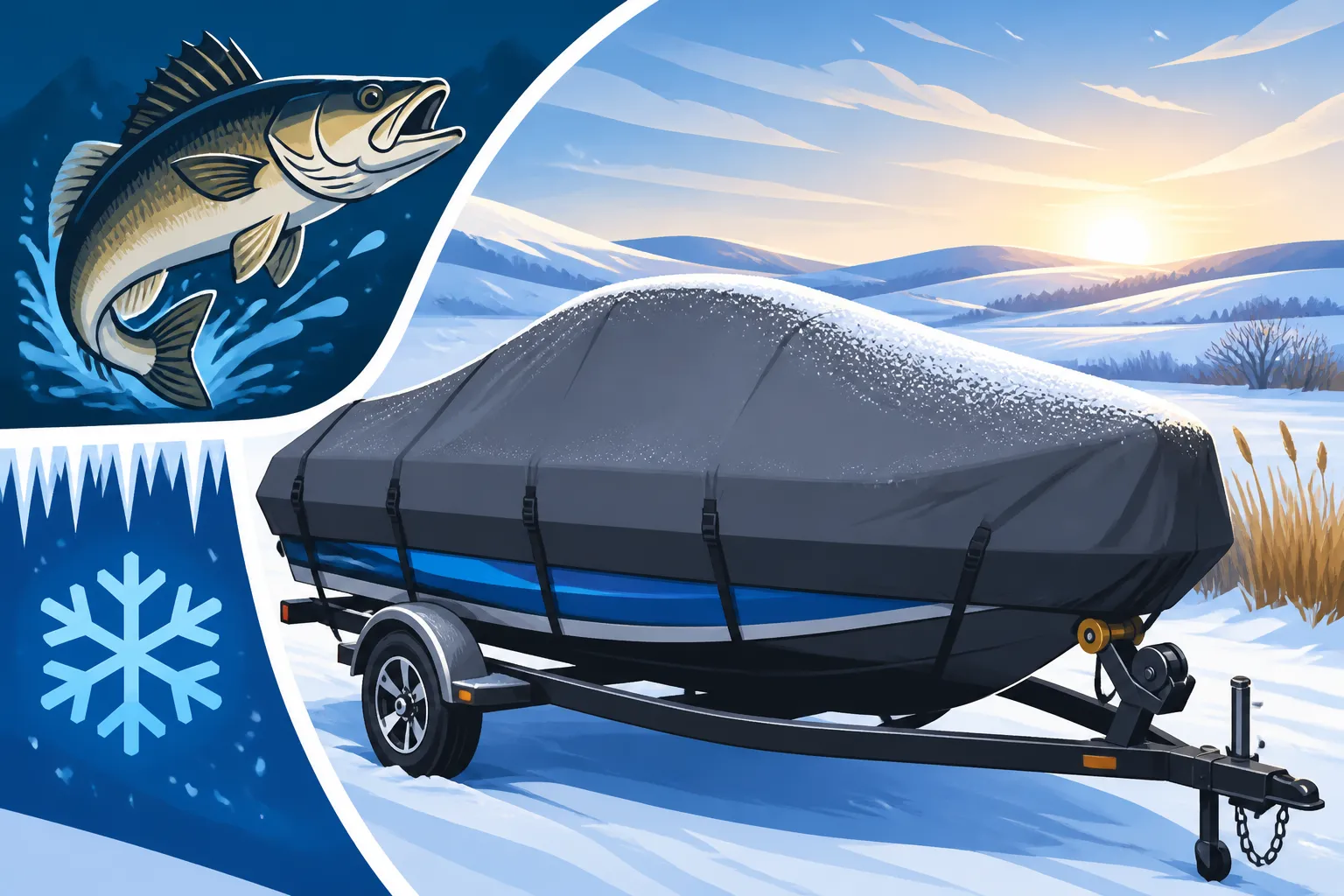
Best Boat Cover for North Dakota Winters
Winter in North Dakota can be absolutely brutal, and if you're a boat owner, that means facing the annual challenge of protecting your prized possession from the elements. Leaving your boat exposed to the relentless winds, heavy snowfalls, and extreme cold we experience here is a recipe for disaster, potentially leading to costly damage to your hull, interior, and vital electronics. This comprehensive guide will walk you through everything you need to know to choose the best boat cover for safeguarding your investment against North Dakota's unforgiving winter conditions, ensuring it's ready for action once the ice finally retreats.
Why a Good Boat Cover is Crucial for North Dakota Winters
When you think about winterizing your boat, your mind probably jumps to the engine and fluids, but the protection of the exterior and interior is just as vital, especially here in North Dakota. Our winters are not just cold; they're a relentless assault of snow, ice, and wind that can do serious damage if your boat isn't properly covered. It's not just about keeping it clean; it's about preserving its structural integrity and extending its lifespan.
The Harsh Realities of Winter Weather
Picture this: a January blizzard sweeps across the plains, dumping a foot of heavy, wet snow on your boat that's parked in the driveway. Without a proper cover and support system, that snow will accumulate, compact, and turn into a solid block of ice when temperatures inevitably drop further. This immense weight can cause stress fractures in the hull, bend or even break supports, and create low spots where water can pool and freeze, putting incredible strain on your boat's structure. Then there's the wind – that famous North Dakota wind that never seems to quit. It can whip a flimsy cover into shreds in a single night, exposing your boat to even more abuse. Even without snow, prolonged exposure to freezing rain and ice can corrode metal components, degrade plastic, and wreak havoc on sensitive electronics if moisture finds its way inside.
Beyond the immediate damage from snow and ice, the constant freeze-thaw cycles we experience can be incredibly destructive. A sunny winter day might warm things up just enough for snow to melt, only for temperatures to plummet again overnight, turning that melted water into ice. This expansion and contraction can pry apart seams, crack fiberglass, and slowly but surely break down your boat's materials. A high-quality winter boat cover acts as the first line of defense against these forces, creating a protective barrier that mitigates the effects of extreme temperatures, heavy precipitation, and abrasive winds.
Protecting Your Investment
Your boat is a significant investment, both financially and emotionally. It's your ticket to Lake Sakakawea Fishing Guide for North Dakota Anglers or chasing walleye on Devils Lake. A proper winter cover protects virtually every aspect of that investment. Think about the interior: upholstery can crack and fade from UV exposure (even in winter) or become a breeding ground for mold and mildew if moisture gets trapped. Wooden accents can warp, and carpeting can degrade. A well-designed cover ensures that these delicate components are shielded from direct exposure.
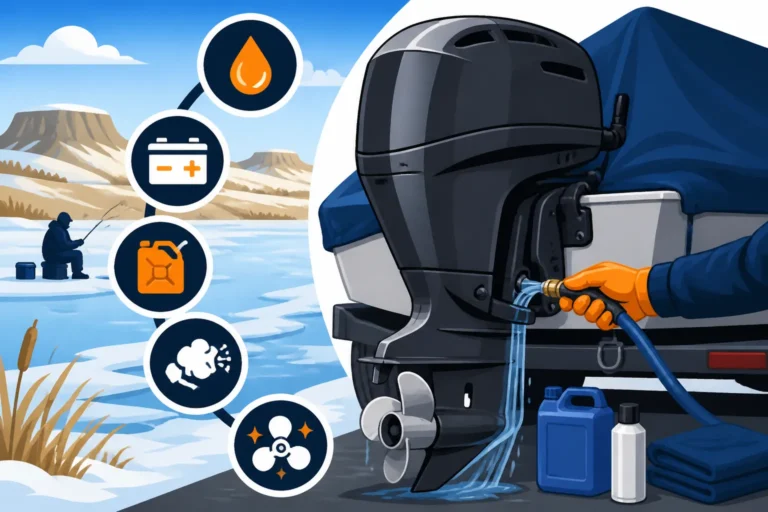
Beyond aesthetics, the critical components of your boat, like the engine (even if winterized internally), electronics, and wiring, are vulnerable. Moisture ingress can lead to corrosion, short circuits, and expensive repairs come spring. Rodents and other critters also see an uncovered or poorly covered boat as an inviting winter home, often chewing through wires, nesting in upholstery, and leaving behind unsanitary messes. A robust cover, combined with proper preparation like what's covered in How to Winterize a Boat Motor, acts as a deterrent, keeping unwanted guests out and protecting the intricate systems within your vessel.
Key Features to Look for in a Winter Boat Cover
Choosing the right boat cover for a North Dakota winter isn't just about grabbing the cheapest tarp from the hardware store. It requires a thoughtful evaluation of materials, fit, and design features that will stand up to our unique climate challenges. Skimping on a cover now can lead to much larger expenses down the road.
Material Matters
The material of your boat cover is arguably the most critical factor for winter protection. You need something that's not just waterproof but also durable, UV resistant, and, ideally, breathable to prevent moisture buildup.
Polyester is a popular choice for winter covers due to its strength, tear resistance, and relatively good water resistance, especially when coated. Look for a high denier count (e.g., 600D or 1200D), which indicates a denser weave and greater durability. Many polyester covers come with a polyurethane coating on the inside to enhance waterproofing. However, some lower-quality polyesters can degrade under prolonged UV exposure over multiple seasons, leading to brittleness. Acrylic fabrics, often seen under brand names like Sunbrella, are fantastic for UV resistance and breathability. They tend to be more expensive but are incredibly long-lasting and resist fading and mildew exceptionally well. The trade-off is that they are generally more water-resistant than waterproof, meaning heavy, persistent rain or melting snow might eventually seep through if not properly shed. For maximum protection against North Dakota's heavy snow, a robust, coated polyester or a multi-layered fabric specifically designed for winter storage is often a better bet than a purely acrylic summer cover.
| Material Type | Pros | Cons | Best Use for ND Winters |
|---|---|---|---|
| Coated Polyester | Excellent water and tear resistance, good value, durable | Can be less breathable, may degrade in UV over time if cheaper | Primary choice for outdoor winter storage |
| Acrylic (e.g., Sunbrella) | Superior UV resistance, highly breathable, resists fading/mildew | More expensive, less waterproof than coated polyester | Good for covered storage or milder winters, excellent for summer |
| Heavy-Duty Vinyl | Extremely waterproof, very durable, resists punctures | Heavy, less breathable, can be prone to cracking in extreme cold | Best for very harsh, exposed conditions, needs good ventilation |
| Multi-Layered Composite | Combines benefits (e.g., waterproof outer, breathable inner) | Can be bulky and more expensive | Premium protection for all winter conditions |
When selecting, also consider the stitching. Double-stitched seams are a must for durability, and covers with reinforced stress points (like corners and areas where straps attach) will hold up better against high winds and heavy loads. A cover with an anti-microbial treatment can also be a lifesaver, inhibiting the growth of mold and mildew during periods of fluctuating humidity.
Fit and Fastening Systems
A cover is only as good as its fit and how securely it stays on the boat. A loose, flapping cover is not only ineffective but can actually damage your boat's finish through constant rubbing.
Custom-fit covers are the gold standard, designed precisely for your boat's make, model, and year. They provide the best protection because they conform snugly to every curve, minimizing wind intrusion and preventing water pooling. However, they come with a higher price tag. Semi-custom covers are designed for a specific boat style (e.g., V-hull runabout, center console) and a range of lengths. These often offer a good balance of protection and affordability for many anglers. Universal covers, while the cheapest, are usually the least effective for winter. They are often baggy, require extensive internal support, and are prone to wind damage. For North Dakota winters, I strongly recommend at least a semi-custom fit, if not a full custom cover, especially if your boat is stored outdoors.
Once you have the right fit, the fastening system is critical for keeping it in place against those famous North Dakota gusts. Look for covers with robust, adjustable straps and quick-release buckles made from strong, non-corrosive materials. A full elastic hem around the bottom helps provide a snug fit. Some higher-end covers feature integrated cinching systems or even belly straps that go completely under the boat for maximum security. Proper venting is also essential. Even the most waterproof cover can trap moisture underneath if there isn't adequate airflow. Vents, usually located near the bow or stern, allow air to circulate, preventing condensation and the growth of mold and mildew. These vents should be covered to prevent rain or snow from entering while still allowing air exchange.
Mold, Mildew, and Moisture Management
One of the sneakiest threats to your boat during winter storage, especially in an area with fluctuating temperatures like North Dakota, is moisture. Even if your cover is completely waterproof, condensation can form underneath it, leading to mold and mildew outbreaks that are a nightmare to clean and can permanently damage upholstery and other interior components.
This is where breathability comes in. As mentioned earlier, acrylic covers are naturally breathable, which is a huge advantage. Many modern polyester covers also incorporate breathable panels or strategically placed vents that allow moisture vapor to escape while still keeping bulk water out. If your chosen cover isn't highly breathable, you'll need to pay extra attention to ventilation. Consider adding a few moisture-absorbing packets inside the boat, especially in enclosed compartments. A good cover, even a waterproof one, should never be so airtight that it creates a humid microclimate underneath.
Using support poles and arches to create a peak or a sloped surface under the cover is paramount. This ensures that snow and rain shed off the cover efficiently, preventing heavy pooling that can compromise the material or allow water to seep through. Good air circulation beneath the cover, aided by these supports, also helps to dry out any condensation that might form, actively combating the conditions that lead to mold and mildew. Think of it as creating a mini-tent over your boat, allowing it to "breathe" while staying dry.
Types of Boat Covers for Winter Storage
When it comes to winterizing your boat in North Dakota, not all covers are created equal, nor are all storage situations. Understanding the different types of covers and how to properly use them can make a huge difference in how your boat fares through the freezing months. Whether your boat sits outside in the elements or is tucked away indoors, there's a specific approach to covering that will maximize protection.
Custom-Fit vs. Semi-Custom vs. Universal
Let's talk about the different levels of fit, because this directly impacts how well a cover will perform in harsh conditions. A universal cover, while easy to find on sites like Amazon or at local retailers, is typically a one-size-fits-all solution that's designed to cover a range of boat lengths and styles. While they're budget-friendly, they often don't provide a tight seal, leading to excessive flapping in the wind, which can chafe your boat's finish. They also tend to have more low spots where snow and water can collect, increasing the risk of damage. For a serious North Dakota winter, a universal cover alone is generally not sufficient, especially for outdoor storage.
Semi-custom covers are a significant step up. These are tailored to a specific boat style (e.g., pontoon, bass boat, cuddy cabin) and a length range. They offer a much better fit than universal covers, reducing flapping and providing more reliable protection. Many reputable brands offer semi-custom options that use high-quality materials and come with good fastening systems. For many boat owners in North Dakota, a well-chosen semi-custom cover provides an excellent balance of cost and protection. Finally, the custom-fit cover is the ultimate choice. These are made to the exact dimensions of your particular boat model, sometimes even incorporating cutouts for specific accessories like ski towers or wakeboard racks. They provide a glove-like fit, superior protection against the elements, and often last for many seasons. The drawback, of course, is the higher price point, but for long-term peace of mind and protecting a significant investment, it can be well worth it. You might find specialty shops or even Bass Pro Shops offering custom cover services, or connecting you with manufacturers who can create one for your specific vessel.
Support Systems and Proper Draping
No matter what type of cover you choose, a robust support system underneath is non-negotiable for North Dakota winters. Without it, snow and rain will simply accumulate on your cover, forming heavy puddles and ice dams that can stretch the fabric, compromise its waterproofing, and potentially collapse the cover entirely. This is a common pitfall for new boat owners.
The goal is to create a sloped roof-like structure that sheds precipitation effectively. This can be achieved with telescopic support poles that extend from the boat's interior to the underside of the cover. These poles usually have broad bases to distribute weight and rounded tops to prevent tearing the fabric. Many boat owners also use an A-frame support system, running a ridge pole down the length of the boat and using vertical poles to support it at various points. This creates a pronounced peak that actively sheds snow and water. Remember to distribute the support evenly to prevent sagging, especially in the cockpit area. If your boat is stored on a trailer, you can often use the trailer tongue or bow stop as a front support point. Ensure all sharp edges on your boat are padded before covering to prevent tears in the fabric.
Storage Methods: Outdoor vs. Indoor
The specific demands on your boat cover will also depend heavily on your chosen storage method. Outdoor storage in North Dakota means your cover will bear the full brunt of winter's fury. For this scenario, you need the most durable, waterproof, and well-supported cover you can get. A high-denier coated polyester or a multi-layered composite cover is usually the best bet. You'll also need a very secure fastening system to combat high winds, and a robust internal support frame to handle heavy snow loads. Regularly checking the cover throughout the winter, especially after heavy snowfalls, to clear accumulation is also crucial. It's a commitment, but a necessary one to prevent damage. Consider covers designed for extreme weather, often found at marine supply stores or online marketplaces like Amazon, paying close attention to user reviews from other cold-weather regions.
For indoor storage, such as in a heated garage or a commercial storage facility, the requirements are somewhat different. While you still want protection from dust, dirt, and potential spills, the extreme weather elements are no longer a concern. Here, a lighter, more breathable cover might suffice. An acrylic canvas cover, while not as waterproof as a heavy polyester, offers excellent dust protection and superior breathability, preventing condensation and mildew in an enclosed space. The need for extensive support poles is greatly reduced, though some minimal support might still be beneficial to maintain airflow. Even in indoor storage, protecting against curious critters (like mice looking for a cozy home) is a good idea, so a cover that drapes well and secures relatively tightly can still be a benefit.
Maintenance and Care for Your Winter Boat Cover
A high-quality boat cover is an investment itself, and like any good piece of gear, it performs best and lasts longest with proper care. Especially after enduring a North Dakota winter, your cover will likely need some attention to ensure it's ready for next season, or to keep performing well during the current one.
Cleaning and Repair Tips
Before you put your cover away for the summer, or even after a particularly brutal stretch of winter, giving it a good cleaning is essential. Dirt, grime, tree sap, and bird droppings can degrade the fabric and coatings over time, not to mention encourage the growth of mold and mildew. The best way to clean most boat covers is with a gentle soap (like a mild dish soap or a specialized marine fabric cleaner) and lukewarm water, applied with a soft brush or sponge. Avoid harsh detergents, bleach, or abrasive scrubbers, as these can strip protective coatings or damage the fabric. Lay the cover flat on a clean surface, scrub gently, and rinse thoroughly with clean water.
After cleaning, it's absolutely critical to ensure the cover is completely dry before folding and storing it. Storing a damp cover, even for a short period, is an open invitation for mildew, which can permanently stain and weaken the fabric. Hang it up in a well-ventilated area, or lay it out in the sun until every last bit of moisture is gone. Inspect your cover periodically for any small tears, frayed seams, or holes. Minor damage can often be repaired with patching kits specifically designed for marine fabrics, or with specialized tapes. Addressing these small issues early prevents them from becoming larger, irreparable problems, significantly extending the life of your cover. Remember, a small tear can become a huge gash in a strong gust of wind, compromising your boat's protection.
Pre-Winter Preparation
The cover is just one part of the winterization puzzle. Before you even think about putting that cover on, your boat needs to be thoroughly prepared for its long winter nap. This goes beyond just the engine. Start by removing all valuables, electronics, fishing gear (consider storing these in Best Coolers and Storage for North Dakota Anglers), and anything that can be damaged by cold or attract critters. Clean the interior thoroughly, vacuuming up any food crumbs or debris. Wipe down all surfaces with a good marine cleaner and consider using a marine-grade protectant on vinyl and plastic to prevent cracking. Make sure the bilge is completely dry, and leave locker doors and cushions slightly ajar to encourage airflow and prevent moisture buildup, especially if your cover isn't highly breathable.
When you're ready to put the cover on, ensure the boat is clean and dry. Any lingering moisture or dirt trapped under the cover can lead to problems. Install your support system first – poles, frames, or whatever you're using to create that crucial peak to shed snow and water. Then, carefully drape the cover over the boat, making sure it's centered and evenly distributed. Secure all the straps and buckles snugly, but don't overtighten them, as this can put undue stress on the fabric and attachment points. Check the fit around the hull and ensure there are no large gaps where wind or pests can easily enter. A well-installed cover over a well-prepared boat is your best defense against the long, harsh North Dakota winter.
Disclaimer
This article is for general informational purposes only and does not constitute professional advice. Laws, prices and regulations vary by location and change over time. Consult a qualified professional for guidance on your specific situation.