Best Coolers and Storage for North Dakota Anglers
You've spent hours out on the water, battling the elements and the fish, and finally, you've landed that trophy walleye or a stringer full of jumbo perch. The last thing you want is for your hard-earned catch to spoil before you even get it home, or for your expensive bait to die off half-way through the day. This guide dives deep into choosing the absolute best coolers and storage solutions specifically designed for the unique challenges North Dakota anglers face, ensuring your catch stays fresh, your bait lively, and all your essential gear protected, no matter the season or the conditions.
Why Proper Coolers and Storage are Non-Negotiable for North Dakota Anglers
Fishing in North Dakota isn't just a hobby; it's often an adventure that can take you across vast distances, through rapidly changing weather, and to remote locations. Our state's diverse waters, from the massive expanse of Lake Sakakawea to the sprawling, timbered waters of Devils Lake, demand gear that can keep up. Relying on a flimsy, cheap cooler from a last-minute gas station stop just isn't going to cut it when you're serious about preserving your catch and maximizing your time on the water. It's about respecting the fish you catch and making sure your investment in time and effort pays off with delicious meals, or healthy live bait.
Battling North Dakota's Extreme Temperatures
Anyone who's spent a summer afternoon on the Missouri River or endured a winter morning ice fishing knows North Dakota doesn't mess around with its temperatures. Summer days can sizzle into the high 90s or even triple digits, turning your boat deck into an oven. Without adequate insulation, ice melts in a flash, and your precious fish start to degrade quickly. Conversely, during our legendary winters, you need storage that can withstand sub-zero temperatures, especially if you're carrying sensitive electronics or liquids that you don't want to freeze solid. The right cooler isn't just about keeping things cold; it's about maintaining a stable internal temperature against whatever Mother Nature throws at us.
Preserving Your Prized Catch from Lake Sakakawea to Devils Lake
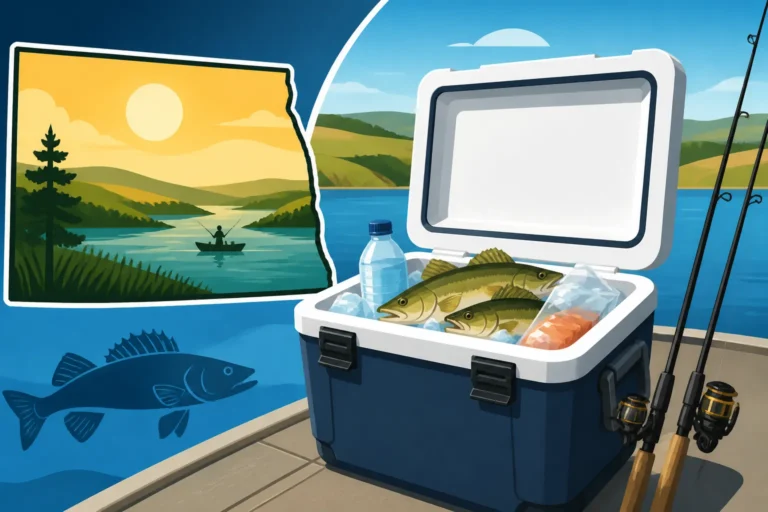
Imagine reeling in a personal best walleye from Lake Sakakawea, a monster northern pike from one of our smaller lakes, or a bucketful of plump perch from Devils Lake. These are moments you cherish, and the fish themselves are a reward. But if that fish isn't properly handled and kept cold, its quality for the dinner table diminishes rapidly. A good cooler, packed correctly with ice, is the difference between a flaky, delicious fillet and a disappointing, mushy one. It prevents bacterial growth, maintains texture, and ultimately, ensures that every bite is as good as it can be. This is especially true for species like Chinook salmon caught in Lake Sakakawea, which are highly prized and need careful handling to retain their rich flavor. You want a cooler that can hold ice for days, not just hours, especially on multi-day trips.
Keeping Bait Fresh and Ready for Action
Beyond your catch, your bait is arguably just as important to keep fresh. Minnows, leeches, or worms that are sluggish or, worse, dead, simply won't entice fish as effectively. Whether you're using a small bait bucket for shore fishing or a larger livewell on your boat, maintaining the right temperature and oxygen levels is key. This is a common frustration – you buy lively bait, only for it to be DOA an hour later because your bait container overheated in the sun or didn't have enough aeration. Choosing insulated bait containers or even small, aerated coolers for your bait can drastically improve your fishing success. Think of it as providing a comfortable, temporary home for your bait until it's time to go to work. This can make a huge difference, especially when you're trying to master Best Live Bait for North Dakota Walleye.
Understanding Different Types of Coolers for Fishing
When you walk into a sporting goods store or browse online, the sheer variety of coolers can be overwhelming. Each type has its own strengths and weaknesses, making some more suited for certain angling scenarios than others. Understanding these differences is crucial for making an informed decision that truly meets your North Dakota fishing needs.
Rotomolded Coolers: The Durability Kings
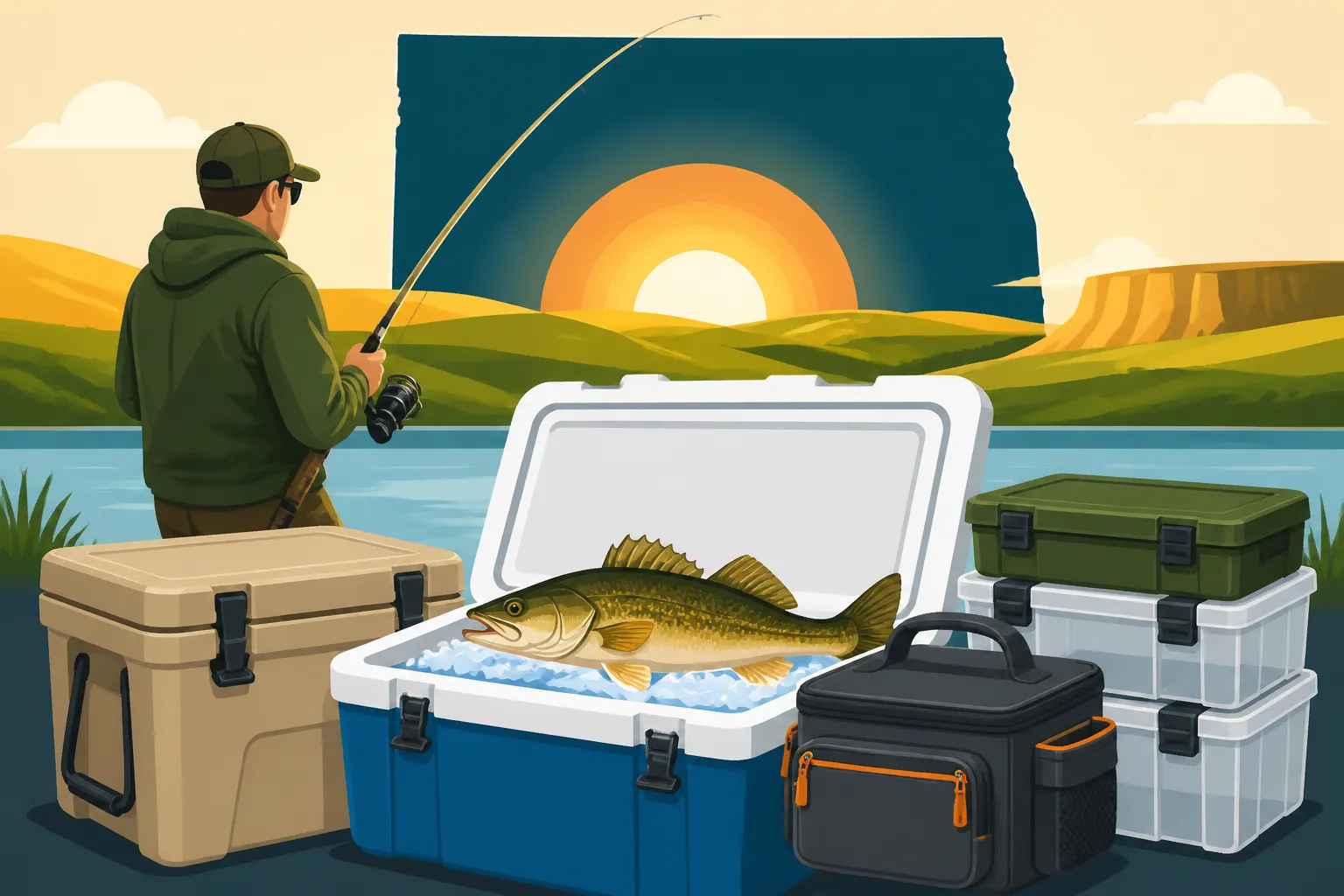
Rotomolded coolers are what many anglers picture when they think of premium ice retention and rugged durability. Brands like Yeti, RTIC, and Orca are well-known in this category. They are constructed using a rotational molding process, which creates a single, seamless piece of plastic with consistent wall thickness. This design virtually eliminates weak points, making them incredibly resistant to impacts, drops, and general abuse. You can stand on them, sit on them, and they can take a beating from heavy fishing gear, boat bumps, or rough truck rides down a gravel road.
The key feature of rotomolded coolers is their exceptional insulation. Thick walls filled with high-density foam, combined with freezer-grade gaskets around the lid, create an almost airtight seal. This means they can often hold ice for several days, sometimes even a week or more, depending on the conditions and how often you open them. This ice retention is a game-changer for extended fishing trips, remote camps, or simply knowing your catch will be pristine after a long drive home. However, this superior performance comes with a trade-off: rotomolded coolers are generally heavier and significantly more expensive than other types. They require a bit of an investment, but for many serious anglers, the durability and ice-holding power are worth every penny, ensuring your catch stays cold from the North Dakota Fishing Season Calendar opener until you get home.
Soft-Sided Coolers: Lightweight and Convenient
For those times when you don't need multi-day ice retention or the brute strength of a rotomolded behemoth, soft-sided coolers step up to the plate. These coolers are typically made from durable, waterproof fabrics like nylon or TPU, often with a waterproof liner and foam insulation. They are significantly lighter than their hard-sided counterparts and are usually equipped with comfortable shoulder straps or handles, making them much easier to carry.
Soft-sided coolers are fantastic for shorter trips, packing lunch and drinks, or bringing along as a secondary cooler for bait or quick access items. They often have external pockets for extra storage, which can be really handy for small tackle, sunscreen, or your phone. While their ice retention can't match rotomolded coolers, many high-quality soft-sided options can keep ice for 24-48 hours, which is perfectly adequate for a day trip or an overnight stay. They also tend to be more flexible, fitting into tighter spaces in a boat or vehicle. You might find a great selection of these on Amazon or at your local Bass Pro Shops. They're a practical choice for bank fishing, kayaking, or for anglers who prioritize portability over extreme ice life, like when you're heading out to try Shore Fishing Techniques for Beginners.
Electric Coolers: The Power Play
Electric coolers, sometimes called portable fridges or thermoelectric coolers, offer a different approach to temperature control: they don't use ice at all. Instead, they plug into a 12V power outlet (like your car's cigarette lighter or boat's accessory port) or a standard wall outlet, and actively cool their contents. Some advanced models can even freeze items. This means no more dealing with soggy melted ice or having to buy bags of ice on every trip.
The main advantage of an electric cooler is consistent, long-term cooling as long as you have a power source. They're perfect for keeping food and drinks reliably cold, or for transporting delicate items like specific bait that needs a precise temperature. However, they have a few downsides. Their cooling capacity is often limited; thermoelectric models might only cool to a certain number of degrees below ambient temperature, meaning on a scorching hot North Dakota day, they might struggle to get truly cold. They also draw power, which can be a concern for your boat or vehicle battery on longer trips without an engine running. Finally, they typically cost more upfront than conventional coolers, and their effectiveness is directly tied to a power source. They're a niche but valuable tool for specific situations, especially if you're frequently on the road or have reliable power on your vessel.
Foam Chests: Budget-Friendly Options
Sometimes, simplicity and cost are the primary drivers, and that's where foam chests come in. These are the classic, inexpensive styrofoam coolers you often find at convenience stores. They are incredibly lightweight and can provide decent short-term insulation, especially if you're just looking to transport something for a few hours.
For North Dakota anglers, foam chests can serve a purpose as a disposable or emergency cooler for extra bait, or for keeping a small lunch cold. They are excellent if you're concerned about weight or simply need a temporary solution without committing to a larger investment. However, their durability is practically non-existent; they can crack, dent, and break easily. Their insulation is also vastly inferior to hard or soft-sided coolers, meaning ice retention will be minimal, especially in our extreme temperatures. They're not built for the rigors of serious fishing, but they have their place for very specific, low-demand uses, perhaps as a secondary container for a Best Bait for North Dakota Fishing experiment, or just for holding a few beverages that will be consumed quickly.
Key Features to Look for in a Fishing Cooler
Beyond the basic type, a cooler is only as good as its features. When you're making an investment, especially for the demanding conditions of North Dakota fishing, you want to ensure the cooler you choose has the right attributes to make your angling experience smoother, more efficient, and more successful. Don't just pick one based on color or brand; dive into the specifics!
Insulation Performance and Ice Retention
This is, arguably, the most critical factor for any fishing cooler. You're buying a cooler to keep things cold, right? So, how well does it actually do that? For North Dakota, where a summer day can be blazing hot and a winter day brutally cold, superior insulation is paramount. Look for coolers that boast thick, injected polyurethane foam insulation in both the walls and the lid. The thicker the insulation, generally, the better the ice retention.
Another key component is the seal. Freezer-grade gaskets, often found on rotomolded coolers, create an airtight barrier that prevents cold air from escaping and warm air from entering. This dramatically extends ice life. You'll often see manufacturers touting "X days of ice retention," but always take these claims with a grain of salt. Real-world performance depends heavily on ambient temperature, how often you open the lid, how full the cooler is, and if it's pre-chilled. For serious anglers, aim for a cooler that can realistically hold ice for at least 2-3 days in typical summer conditions. This ensures your walleye fillets are still frosty even after a full day on Lake Sakakawea Fishing Guide for North Dakota Anglers.
Durability and Construction Materials
North Dakota fishing isn't always gentle. Coolers get tossed into boat hatches, dragged across ice, bounced around in truck beds, and exposed to all sorts of weather. You need a cooler that can handle the abuse. Rotomolded polyethylene is the gold standard for hard-sided coolers due to its impact resistance and structural integrity. Look for coolers with heavy-duty hinges (ideally integrated or made of stainless steel, not just plastic pins) and robust, marine-grade latches that can withstand repeated use without breaking.
For soft-sided coolers, the durability comes down to the outer shell fabric. Heavy-denier nylon, TPU-coated fabrics, or vinyl are excellent choices as they are puncture-resistant and easy to clean. Zippers are another common failure point; look for waterproof, heavy-duty zippers, often branded as YKK or similar high-quality options, to ensure they don't fail when you need them most. A cooler that falls apart after a season or two is a false economy, especially when you're relying on it to protect your gear or catch during an epic How to Ice Fish in North Dakota trip.
Size, Capacity, and Portability
Choosing the right size is a delicate balance. A cooler that's too small won't hold your catch or supplies, but one that's too large can be cumbersome to move and takes up valuable space, not to mention it's harder to keep cold if not fully packed. Cooler capacity is often measured in quarts or in the number of cans it can hold. For fishing, think about the typical size and number of fish you expect to catch. A 45-65 quart cooler is often a good all-around size for a day trip or an overnight excursion. If you're targeting big northern pike or planning multi-day trips with lots of gear, you might need something larger, like a 75-120 quart cooler.
Portability is also key. Consider the handles: do they offer a comfortable grip? Are they durable? Rope handles with rubber grips are common and effective on many rotomolded coolers. For larger coolers, sturdy wheels can be a lifesaver, especially if you're hauling it from the truck to a shore fishing spot. For soft-sided coolers, a padded shoulder strap is essential. Evaluate where you'll be using the cooler most and how you'll be transporting it to ensure it's a practical fit for your adventures. This is a critical consideration for your Essential Gear Checklist for North Dakota Fishing.
Practical Features: Drains, Latches, and Handles
Beyond the core insulation and durability, a few practical features can make a huge difference in the usability and convenience of your cooler.
- Drains: A good cooler needs a leak-proof drain plug, preferably one that's easy to open and close, and large enough to quickly empty melted ice water. Some coolers have a threaded drain plug that allows you to attach a garden hose for easy drainage or even a spigot for dispensing drinks. This might seem minor, but after a long day of fishing, you'll appreciate not having to tip a heavy cooler to empty it.
- Latches: The latches on your cooler are what keep the lid sealed tight and prevent accidental openings. Rubber T-latches are popular on rotomolded coolers because they provide a strong, secure closure and are very durable. For soft-sided coolers, heavy-duty zippers or buckle systems are common. Test them out – ensure they're easy to operate, even with cold or gloved hands, but also secure enough that they won't pop open if the cooler gets jostled.
- Handles: As mentioned under portability, comfortable and durable handles are non-negotiable. Look for sturdy, non-slip handles that are securely attached. Molded-in handles, rope handles, or heavy-duty fabric straps are common. If your cooler is large, dual handles or even built-in wheels can make transportation much easier, especially when full of ice and fish.
- Other thoughtful additions: Some coolers offer extra features like integrated bottle openers, non-slip feet to prevent sliding on a wet boat deck, tie-down slots for securing the cooler during transit, or even built-in cutting boards. While not essential, these small details can enhance the overall user experience and add to the value of your cooler.
Specialized Storage Solutions Beyond the Cooler
While coolers are essential for keeping your catch and refreshments cold, a successful North Dakota fishing trip involves so much more than just ice. Anglers accumulate a lot of gear – tackle, electronics, personal items – and keeping it all organized, accessible, and protected is just as important. Think of these as the supporting cast to your star cooler.
Tackle Boxes and Bags: Keeping Gear Organized
There's nothing quite as frustrating as rummaging through a messy boat or bag, desperately searching for that one specific lure when the fish are biting. A good tackle box or bag is your command center for lures, hooks, weights, and all the small but crucial components of your fishing arsenal.
- Traditional Tackle Boxes: These are typically hard plastic boxes with multiple trays and compartments, great for organizing a wide variety of lures and tools. They offer good protection for delicate items and are easy to clean. Look for models with sturdy latches and ample space.
- Soft-Sided Tackle Bags: These are increasingly popular, offering more flexibility and often greater storage capacity than traditional boxes. They typically house multiple plastic utility boxes (like those from Plano or Bass Pro Shops) that you can customize for different lure types or fishing scenarios. Many also have external pockets for quick access to pliers, leader material, or even a small first-aid kit. The advantage here is portability and the ability to swap out boxes depending on what species you're targeting that day – whether it's North Dakota Walleye Fishing Techniques or going after northern pike.
- Backpack-Style Tackle Bags: For shore anglers, kayak fishermen, or those who hike into remote spots, a tackle backpack is a game-changer. It keeps your hands free, distributes weight comfortably, and often includes rod holders and external pouches for water bottles.
Regardless of the type, look for durable, water-resistant materials, strong zippers, and plenty of customizable storage options. Keeping your tackle organized means less time fumbling and more time fishing.
Livewells and Bait Buckets: Happy Bait, Better Fishing
If you're using live bait, keeping it alive and healthy is paramount. A distressed minnow or lethargic leech simply isn't going to get the job done. This is where dedicated bait storage comes into play.
- Built-in Livewells: Many fishing boats come equipped with livewells, which are essentially aerated, insulated tanks designed to keep fish or bait alive. They circulate fresh water and provide oxygen, creating an optimal environment. If your boat has one, learn how to use it effectively. Don't overcrowd it, ensure the aeration is working, and manage water temperature if possible.
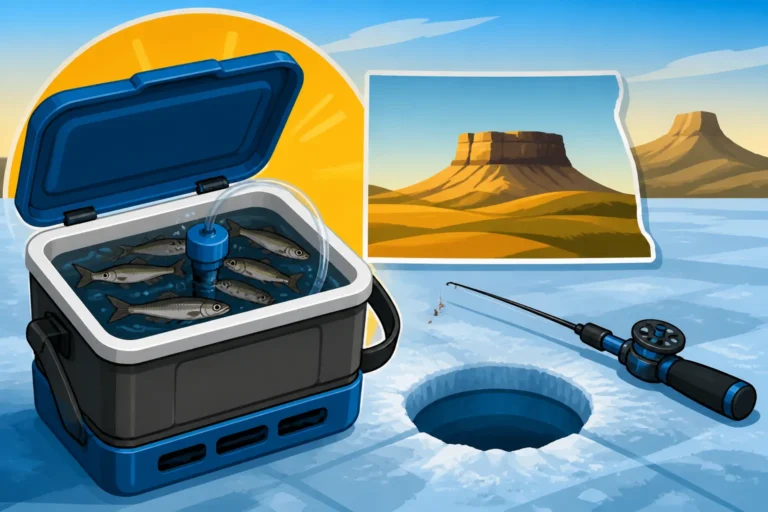
- Portable Aerated Bait Buckets: For smaller boats, kayaks, or shore fishing, a portable aerated bait bucket is a must. These are insulated containers, often with a battery-powered aerator, that keep your minnows or leeches oxygenated and cool. Brands like Frabill or Engel make excellent options. Look for models with durable construction, good insulation, and a reliable air pump. Some even come with built-in lights for night fishing. When planning your trip, consider how long your bait needs to stay fresh and choose a system that can handle it. This is directly related to How to Keep Minnows Alive Longer and can drastically improve your odds.
- Minnow Buckets with Lids: Even a simple, insulated minnow bucket with a proper lid can go a long way in keeping bait lively, especially in cooler weather. Just remember to refresh the water frequently if there's no aerator, and keep it out of direct sunlight.
Dry Bags and Waterproof Cases: Protecting Your Electronics
In the world of fishing, especially in North Dakota where weather can change on a dime, water is everywhere. Splashes, rain, waves, or even just condensation can wreak havoc on sensitive electronics like phones, GPS units, cameras, and even expensive fish finders if they're not rated as fully waterproof.
- Dry Bags: These are simple, roll-top bags made from waterproof materials that effectively seal out water. They come in various sizes and are perfect for keeping extra layers of clothing, towels, snacks, and non-waterproof electronics dry. They're a staple for kayak fishing, rainy boat days, or simply keeping gear safe in your boat's open compartments. Many reputable brands offer durable dry bags that can withstand significant exposure to the elements.
- Waterproof Hard Cases: For truly delicate and expensive items like DSLR cameras, binoculars, or even some larger GPS units, a hard waterproof case offers the ultimate protection. Brands like Pelican or OtterBox are renowned for their rugged, crushproof, and watertight cases. They often feature pick-and-pluck foam inserts, allowing you to custom-fit your gear for maximum shock absorption. While bulkier and heavier than dry bags, the peace of mind they offer is invaluable when you're out in the unpredictable conditions of North Dakota.
- Waterproof Phone Pouches: A smaller, but equally important, item is a waterproof pouch for your smartphone. These transparent pouches allow you to use your phone's touchscreen while keeping it completely dry, perfect for checking maps, taking photos, or making emergency calls without fear of water damage.
Investing in these specialized storage solutions can prevent costly damage, keep your essential items safe, and ensure you're always prepared for whatever the North Dakota outdoors throws at you.
Matching Your Cooler and Storage to Your North Dakota Fishing Style
One size rarely fits all in fishing, and this holds true for coolers and storage. The ideal setup for a boat angler on Lake Sakakawea is going to look very different from what an ice angler needs on Devils Lake, or a shore angler along the Red River. Tailoring your choices to your specific fishing style and typical conditions is key to maximizing efficiency and comfort.
For the Boat Angler on Big Waters like Lake Sakakawea
If you're launching a boat onto the vastness of Lake Sakakawea, the Missouri River, or even Lake Oahe, you're dealing with big water that can get rough, and long distances to cover. Your cooler and storage needs are focused on capacity, durability, and secure placement.
- Coolers: A large, rotomolded cooler (65-120 quarts or more) is almost a necessity. It will keep your limit of walleye, northern pike, or Chinook salmon perfectly chilled for multi-day trips or long hauls back to the ramp. Its rugged construction can handle the bumps and vibrations of a boat ride, and the superior ice retention means you won't be constantly seeking out new ice. Consider having a smaller, soft-sided cooler for drinks and snacks that you open more frequently, preserving the ice in your main catch cooler.
- Storage: Built-in rod holders and boat compartments are great, but for additional tackle, opt for a substantial soft-sided tackle bag with multiple utility boxes. These can be easily stowed and accessed. For electronics, especially on big water where spray is common, use dry bags for anything not marine-rated or waterproof hard cases for your most precious gear. Make sure all your gear, including coolers, can be securely tied down to prevent shifting in rough water. This is crucial for safety and preventing lost items on your Best Boats for North Dakota Lakes.
For the Ice Angler on Devils Lake's Frozen Expanse
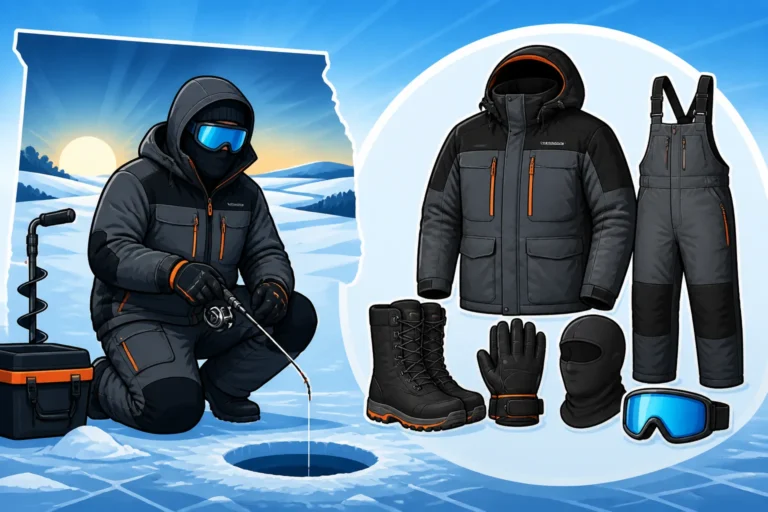
Ice fishing in North Dakota is a unique beast, with its own set of challenges regarding temperature management. While you might think "it's already cold, why do I need a cooler?" the answer is to manage temperature, not just keep things cold.
- Coolers: A smaller, well-insulated rotomolded cooler (20-45 quarts) is perfect for ice fishing. Paradoxically, you need it to prevent your catch from freezing solid and cracking, and also to keep your minnows from freezing in their bait bucket. Use a small amount of ice or snow in the cooler to keep fish at a stable, near-freezing temperature, which is ideal for later cleaning. It also serves as a great seat or a platform for your electronics. For a primary bait container, an insulated, aerated bait bucket is indispensable to keep minnows lively in sub-zero temps.
- Storage: A durable ice fishing sled is your best friend for hauling gear across the ice. It can carry your auger, portable ice shelter, heater, and tackle. For tackle, compact tackle boxes or small soft-sided bags that fit easily into your sled or ice shelter are ideal. For electronics like flashers or underwater cameras, dedicated padded cases are often provided by the manufacturer, but ensure they are easy to access and keep batteries warm to prolong their life. Dressing warmly is key, but so is keeping your gear functional during a long day on Devils Lake Fishing Guide for North Dakota Anglers.
For the Shore and Kayak Angler on Smaller Lakes and Rivers
Shore fishing or paddling a kayak on smaller lakes like Lake Audubon or rivers like the Sheyenne and Red River means portability and efficiency are paramount. You can't haul a ton of gear, so every item needs to earn its spot.
- Coolers: A high-quality soft-sided cooler (12-30 quarts) is often the best choice. It's lightweight, easy to carry, and offers enough ice retention for a day's worth of snacks, drinks, and a few fish. For kayak fishing, look for models that are designed to fit securely on your kayak, perhaps with D-rings for tie-downs. For bait, a small, insulated bait bucket or even a well-insulated thermos for a handful of worms can suffice.
- Storage: A tackle backpack is a fantastic option for shore anglers, leaving your hands free for carrying rods or a chair. For kayak anglers, dry bags are non-negotiable for anything you want to keep dry, especially electronics. Waterproof phone pouches are also essential. Keep your tackle minimal and focused on the species you're targeting. For the Red River, this might mean a specialized catfishing setup, while a smaller lake might call for a panfish kit. Think light, accessible, and protective. When you're fishing from the bank, you want to be focused on your line, not struggling with bulky gear. Fishing Piers and Shore Access in North Dakota are great spots, but still require smart gear choices.
| Cooler Type | Durability | Ice Retention | Portability | Best Use Cases | Typical Cost |
|---|---|---|---|---|---|
| Rotomolded | Excellent | Multi-day | Low | Extended trips, large boats, extreme conditions | Higher |
| Soft-Sided | Good | 1-2 days | High | Day trips, kayak fishing, secondary cooler | Mid-range |
| Electric | Good | Continuous* | Mid | RVs, road trips, consistent power source available | Higher |
| Foam Chest | Poor | Hours to <1 day | Excellent | Temporary, disposable, very short trips | Very Low |
| *Requires power source for continuous cooling. |
Maintenance and Longevity: Making Your Gear Last
You've invested time and money into finding the perfect coolers and storage solutions for your North Dakota fishing adventures. Now, it's crucial to protect that investment. Proper care and maintenance aren't just about cleanliness; they're about extending the life of your gear, preventing odors, and ensuring everything functions flawlessly season after season. Neglecting your equipment can lead to premature wear, unpleasant smells, and even compromised performance.
Proper Cleaning and Sanitization
This might seem obvious, but it's astonishing how many anglers simply rinse their coolers and call it good. Especially after holding fish, coolers can quickly become breeding grounds for bacteria and develop persistent, foul odors.
- Immediately After Use: As soon as you're done fishing, empty your cooler of any remaining ice, water, and fish remnants. For hard-sided coolers, a thorough rinse with a garden hose is the first step.
- Soap and Water Wash: Use warm, soapy water (dish soap works great) and a stiff brush or sponge to scrub the interior and exterior of your cooler. Pay special attention to corners, grooves, and around the drain plug. Don't forget the lid gasket – fish slime can get trapped there.
- Sanitize and Deodorize: For extra cleanliness and to combat odors, you can use a diluted bleach solution (one tablespoon of bleach per gallon of water) or a mixture of baking soda and water. Spray or wipe down the interior, let it sit for a few minutes, then rinse thoroughly. For persistent odors, some anglers swear by placing an open box of baking soda or activated charcoal inside the closed cooler for a few days.
- Air Dry Completely: This is perhaps the most important step. After cleaning, prop the lid open and allow the cooler to air dry completely, ideally in a well-ventilated area, before storing it. Closing a damp cooler is a guaranteed recipe for mold, mildew, and horrible smells.
- Soft-Sided Coolers and Tackle Bags: These often require a gentler approach. Follow manufacturer instructions for cleaning, usually a mild soap and water solution. Ensure all compartments and liners are thoroughly dried to prevent mildew. For tackle bags, regularly remove all utility boxes, shake out debris, and wipe down surfaces.
Storage Tips for Off-Season
When North Dakota's open water fishing season gives way to ice, or vice-versa, your gear needs to be properly stowed. Storing your equipment correctly protects it from environmental damage and critters.
- Coolers: Once completely clean and dry, store your hard-sided coolers with the lid slightly ajar or fully open. This prevents moisture buildup and odor stagnation. Keep them in a cool, dry place like a garage, shed, or basement. Avoid direct sunlight, which can degrade plastics over time. For soft-sided coolers, ensure they are thoroughly dry, then collapse or fold them if possible to save space.
- Tackle Boxes/Bags: Remove all lures and line from your tackle boxes before the off-season. Inspect everything for rust or damage. Clean out any dirt or debris. Store soft plastics separately in their original bags or specialty binders to prevent melting or chemical reactions with other tackle. Keep tackle boxes and bags in a dry, room-temperature environment. Extreme heat or cold can warp plastic or degrade fishing line.
- Livewells/Bait Buckets: For portable bait buckets, clean them thoroughly and ensure the aerator is dry before storing. For boat livewells, drain them completely, clean them, and leave the lids open to air out. Ensure all pumps and hoses are winterized if your boat requires it. How to Winterize Fishing Gear After the Season is a crucial skill for every North Dakota angler.
- Dry Bags/Waterproof Cases: Clean and dry these completely. Store them open or partially open to allow any residual moisture to escape. Check seals and zippers for wear and tear, lubricating zippers with a silicone-based product if they become stiff.
Simple Repairs and Replacements
Even the most durable gear can experience wear and tear. Knowing how to perform simple repairs or when to replace components can save you money and extend the life of your gear.
- Cooler Parts: Latches, hinges, and drain plugs are the most common parts to fail on a hard-sided cooler. Many manufacturers, especially for popular rotomolded brands, sell replacement parts directly or through retailers like Bass Pro Shops or Amazon. Replacing a broken latch is often a simple DIY job that can revive an otherwise perfectly good cooler.
- Zipper Maintenance: On soft-sided coolers and tackle bags, zippers are often the first point of failure. Keep them clean and regularly lubricate them with a marine-grade zipper lubricant or wax. If a zipper starts to stick or separate, sometimes lubrication can help, but often it signals that a replacement might be needed, which can be costly for high-end waterproof zippers.
- Aerator Pumps: For bait buckets, the aerator pump is crucial. Carry spare batteries, and if the pump stops working, check for clogs or loose connections before assuming it's dead. Replacement pumps are relatively inexpensive and widely available.
- Line and Hooks: Regularly inspect your fishing line for nicks and fraying, and replace it annually, especially monofilament. Check all hooks for rust or dullness and sharpen or replace them as needed. This isn't just about gear longevity, but about fishing effectiveness – you don't want to lose a trophy fish to a dull hook or frayed line.
By taking a little extra time for cleaning, proper storage, and minor repairs, your coolers and storage solutions will serve you well for many seasons of memorable North Dakota fishing adventures.
Disclaimer
This article is for general informational purposes only and does not constitute professional advice. Laws, prices and regulations vary by location and change over time. Consult a qualified professional for guidance on your specific situation.