Fishing Piers and Shore Access in North Dakota
It’s a common scenario: you’re itching to cast a line, feel that tug, and enjoy the peace of the water, but maybe you don't own a boat, or perhaps you're just looking for a simpler, more accessible way to enjoy North Dakota's incredible fisheries. Many anglers feel limited by the perceived necessity of a boat. This comprehensive guide will show you that North Dakota offers an abundance of fantastic fishing piers and shore access points, making excellent fishing achievable for everyone, no matter your gear or experience level.
Why Shore Access Matters to Every Angler
The dream of hitting the water with a fancy boat might be strong, but the reality for many is that boat ownership comes with its own set of challenges, from maintenance to storage, not to mention the initial cost. For others, the joy of fishing is found in the simplicity of casting from solid ground. North Dakota understands this, which is why the state has invested in providing ample opportunities for those who prefer to keep their feet on shore.
The Frustration of Limited Boat Access
Let's be real, owning a boat isn't always practical or affordable for everyone. Launching, trailering, maintaining, and fueling a boat can quickly add up, turning what should be a relaxing hobby into a significant undertaking. When you don't have a boat, it can feel like some of the best fishing spots are just out of reach, reserved for those with the right vessel. This can be genuinely frustrating, especially when you know there are fish biting just beyond your casting range from the bank. However, North Dakota's commitment to public access means you don't have to miss out on the action, even if you’re landlocked without a boat.
Accessibility for All Anglers
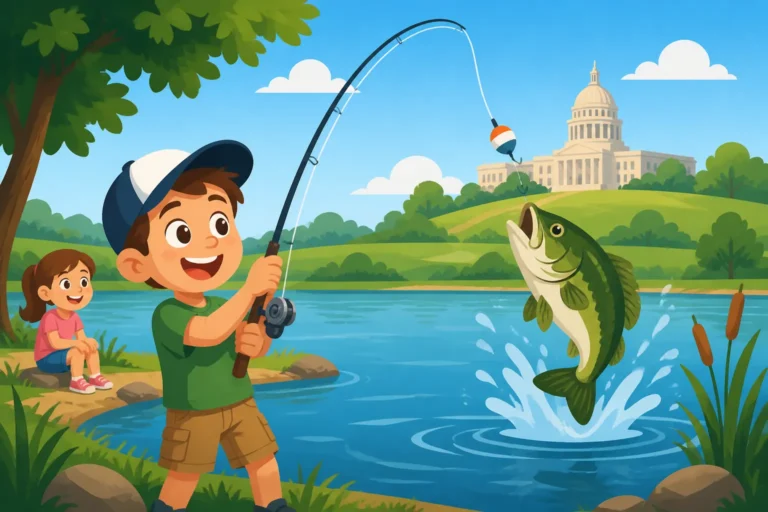
One of the biggest advantages of fishing piers and designated shore access points is the sheer accessibility they offer. These spots are often designed with public convenience in mind, featuring paved paths, restrooms, and sometimes even picnic areas. This makes them ideal for families with young children, seniors, or anglers with mobility challenges. Instead of navigating rugged terrain or tricky boat ramps, you can often drive right up to a comfortable spot and start fishing. It democratizes the sport, ensuring that anyone, regardless of physical ability or equipment, can experience the thrill of a catch.
Cost-Effective Fishing Opportunities
Beyond accessibility, shore fishing is incredibly budget-friendly. You eliminate all the expenses associated with boats – no gas, no launch fees, no costly repairs. Even compared to renting a boat or hiring a guide, which can be an excellent experience, simply walking up to a pier or a stretch of shoreline with your rod and tackle is the most economical way to enjoy fishing. This makes it a perfect option for new anglers just dipping their toes into the sport, or for seasoned veterans looking for a low-cost, high-reward outing without all the fuss. A simple North Dakota Fishing License Guide and a basic setup are often all you need to get started.
Top Fishing Piers and Shoreline Access Across North Dakota
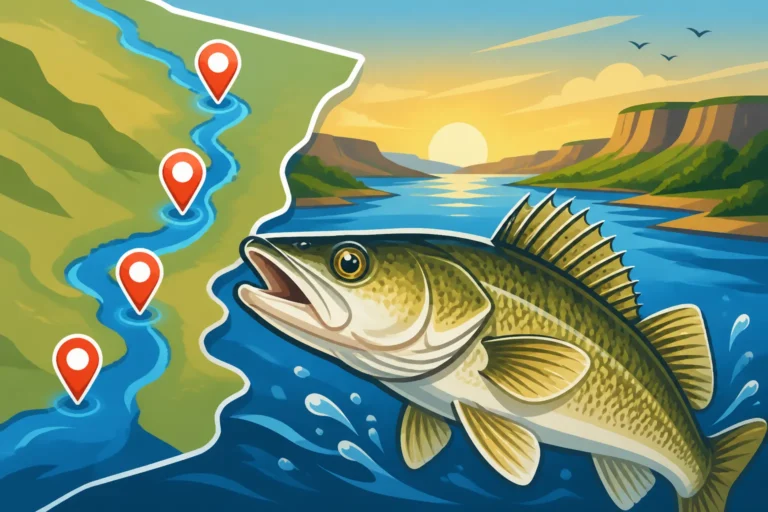
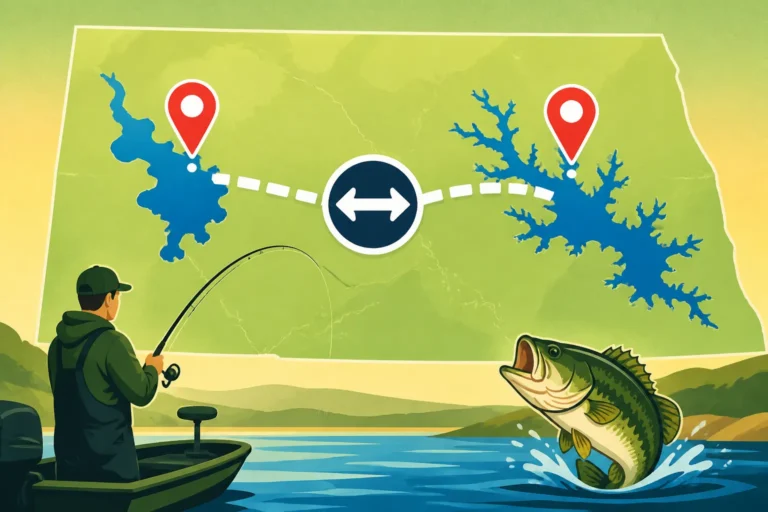
North Dakota boasts a surprising array of well-maintained fishing piers and public shore access points. These aren't just random spots; many are strategically located to put anglers right where the fish are, offering excellent opportunities for various species. From the vast waters of Lake Sakakawea to the winding Red River, there's likely a fantastic shore fishing spot closer than you think.
Western North Dakota Piers and Shoreline
The western part of the state, dominated by the expansive Lake Sakakawea and the Missouri River system, offers some truly epic shore fishing. On Lake Sakakawea itself, many state parks and recreation areas provide fantastic access. For example, at Lake Sakakawea State Park near Pick City, you'll find accessible fishing piers that extend into the reservoir, allowing you to cast into deeper waters where walleye and northern pike often lurk. These piers often have railings, making them safe for kids. Along the Missouri River, especially below the Garrison Dam, there are numerous public access points and park areas, particularly around the city of Bismarck, where anglers can target walleye, sauger, and even catfish from the bank. Specific areas like Fort Lincoln State Park just south of Bismarck offer great spots along the river.
Central North Dakota Shoreline and Piers
As you move into central North Dakota, Devils Lake stands out as a premier destination, famous for its walleye and yellow perch. While often considered a boat-centric lake, Devils Lake also offers a wealth of shore access, particularly around its many public access sites and state game and fish department lands. Areas near Grahams Island State Park or various boat ramps that have adjacent public land can provide excellent casting opportunities, especially during periods of high water. Many roads and easements also border the lake, giving keen-eyed anglers a chance to find their own productive bank fishing spots. Smaller lakes in this region, like Lake Audubon near Coleharbor, also feature public access sites and short piers that can be productive for smallmouth bass and pike.
Eastern North Dakota Piers and Shoreline
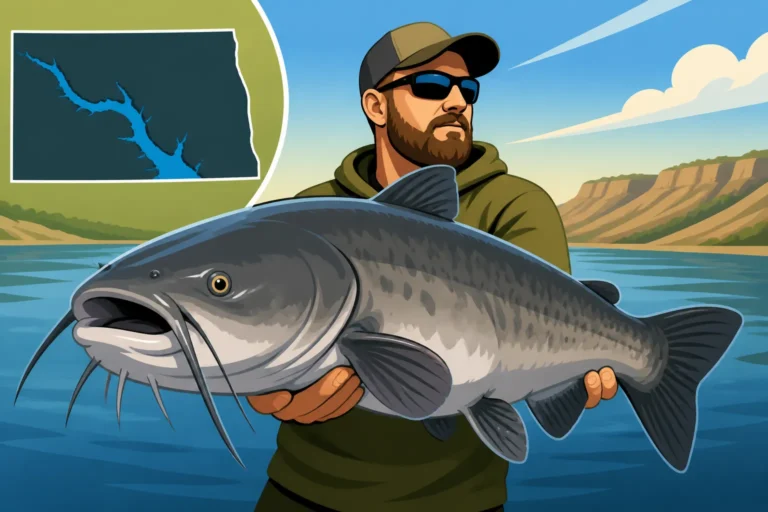
Eastern North Dakota, with its flatter landscape and focus on the Red River of the North, provides a different but equally rewarding shore fishing experience. The Red River is renowned for its giant channel catfish, and many city parks and public boat launches in towns like Fargo, Grand Forks, and Drayton offer direct access to its banks. These spots often include concrete paths, benches, and even cleaning stations. Smaller regional lakes, reservoirs, and community fishing ponds scattered across the eastern plains, such as Jamestown Reservoir, Lake Ashtabula, and some of the smaller public fishing lakes in the Turtle Mountains, also frequently feature docks, piers, or easily accessible shorelines. These smaller bodies of water are fantastic for panfish, bass, and often stocked trout.
Here's a quick look at some popular spots:
| Location | Primary Species Targeted | Access Type | Key Features / Amenities |
|---|---|---|---|
| Lake Sakakawea State Park | Walleye, Northern Pike, Salmon | Pier, Shoreline | Accessible pier, restrooms, camping, boat ramps |
| Devils Lake (various access points) | Walleye, Yellow Perch, Pike | Shoreline, some docks | Public easements, boat ramps, often flooded timber access |
| Missouri River (Bismarck/Mandan) | Walleye, Sauger, Catfish | Shoreline, Parks | Paved paths, picnic areas, fishing specific parks |
| Red River (Fargo/Grand Forks) | Channel Catfish, Walleye | Shoreline, City Parks | Concrete banks, cleaning stations, urban convenience |
| Jamestown Reservoir | Walleye, Northern Pike, Perch | Pier, Shoreline | Designated fishing areas, boat ramps, park facilities |
| Lake Ashtabula | Walleye, Pike, Bass | Shoreline, some docks | Recreation areas, camping, boat launches |
Navigating Public Access: Rules and Etiquette
While North Dakota is incredibly generous with its public access, it's crucial for every angler to understand and respect the rules and guidelines in place. Knowing the regulations not only keeps you on the right side of the law but also ensures these fantastic resources remain available for everyone to enjoy for years to come.
Understanding North Dakota Game & Fish Regulations
Before you even head out, familiarize yourself with the current North Dakota Fishing Regulations Explained. These regulations cover everything from statewide limits to specific rules for certain bodies of water, and they apply equally whether you're fishing from a boat or the shore. Pay close attention to daily limits, size restrictions (like for walleye or northern pike), and any special equipment rules. For instance, the number of lines you can fish with might be restricted, and some waters have specific rules regarding bait. Always check the latest proclamation from the North Dakota Game and Fish Department (NDGFD), which is usually updated biennially. Ignorance of the law is never an excuse, and game wardens do patrol these accessible areas.
Respecting Private Property and Public Easements
One of the most common pitfalls for shore anglers is inadvertently trespassing. While many areas offer fantastic public access, not every piece of shoreline is open to the public. Land ownership along lakes and rivers can be complex, with a mix of private, state, and federal lands. Always look for clear signage indicating public access points. In areas where the NDGFD has secured public fishing easements, these will usually be marked. When in doubt, assume it's private property and seek clarification or move on. Driving or walking onto private land without permission can lead to fines, confrontation, and closure of future access opportunities. Even if you're fishing a public waterway, respect the privacy and property of adjacent landowners.
Minimizing Your Environmental Impact
As responsible stewards of North Dakota's natural beauty, we all have a role to play in keeping our fishing spots pristine. This means strictly adhering to "leave no trace" principles. Pack out everything you pack in, including all trash, discarded fishing line, and bait containers. Dispose of fish entrails properly; many areas have designated cleaning stations, but if not, take them home or dispose of them far from the immediate fishing area to avoid attracting pests or creating unsightly messes. Avoid disturbing local wildlife or vegetation, and never cut down trees or damage habitat. The popularity of public shore access means these areas see a lot of traffic, so collective responsibility is key to preventing them from becoming degraded. Many public access areas, some of which you can find through services like FishingBooker, depend on respectful anglers to stay clean and enjoyable.
Gear and Techniques for Effective Shore Fishing
Just because you're not in a boat doesn't mean you can't be a highly effective angler from shore. In fact, many successful techniques are specifically tailored for bank and pier fishing. With the right gear and a little know-how, you can consistently catch fish from North Dakota's accessible shorelines.
Essential Tackle for Bank Anglers
The beauty of shore fishing is that you don't need a massive amount of specialized equipment. A good all-around medium-action spinning rod and reel combo is usually perfect for North Dakota's diverse species, allowing you to cast both lighter jigs for perch and heavier setups for catfish or pike. Look for a rod in the 6-foot 6-inch to 7-foot 6-inch range, paired with a 2500 or 3000 series spinning reel. Spool it with 8-12 lb monofilament or fluorocarbon line, or a 15-20 lb braided line with a fluorocarbon leader for added sensitivity and abrasion resistance.
Beyond your rod and reel, here’s a basic tackle box checklist:
- Assorted Hooks: A variety of sizes, from small Aberdeen hooks for live bait to larger circle hooks for catfish.
- Sinkers: Split shots, egg sinkers, and bell sinkers to get your bait down.
- Bobbers: Slip bobbers are fantastic for controlling depth, especially on piers.
- Lures: A few spoons, spinners (like Mepps or Rooster Tail), crankbaits, and soft plastics (grubs, swimbaits, worms) can cover most species.
- Bait: Live minnows, nightcrawlers, leeches, or prepared baits like cut bait or stink bait for catfish.
- Tools: Pliers for hook removal, a pair of line clippers, and a small landing net.
- Comfort: A folding chair, a small cooler for drinks and bait, and bug spray are invaluable.
You might also consider a pair of good waders, especially for accessing shallower spots or retrieving snagged lures in areas like the Red River where you're seeking out those big Channel Catfish.
Casting and Rigging Strategies
Maximizing your casting distance and presenting your bait effectively are key for shore fishing. Here are a few common and effective rigging strategies:
- Bottom Rig: This is a staple for targeting fish that feed near the bottom, like catfish, walleye, and sauger. Use a slip-sinker rig (Carolina rig) with an egg sinker above a swivel, then a 1-3 foot leader to a hook. This allows the fish to take the bait without feeling the weight of the sinker. For channel catfish, fresh cut bait or shrimp fished on the bottom is often irresistible.
- Bobber Rig: Ideal for suspending bait at a specific depth, especially effective for yellow perch, panfish, and even walleye near submerged structure. A slip bobber allows you to adjust your depth easily. Pair it with a small jig or a plain hook and a lively minnow or leech.
- Casting Lures: For active species like northern pike or aggressive walleye, casting spoons, spinnerbaits, or crankbaits parallel to the shore or out to visible structure can be highly effective. Vary your retrieve speed and depth until you find what the fish are responding to. When targeting pike, consider using a steel leader to prevent bite-offs. You can find excellent advice on specific techniques for various species in resources like the North Dakota Walleye Fishing Guide or the North Dakota Northern Pike Fishing Guide.
Safety Considerations for Shore Fishing
While generally safer than boat fishing, shore fishing still requires attention to safety, especially in North Dakota's varied conditions.
- Ice Safety: If you're ice fishing from shore or on a pier in winter, always check local ice conditions. Never venture onto ice that isn't at least 4 inches thick for foot travel. Be aware of pressure ridges and areas of thin ice, especially around aerators or currents.
- Weather Awareness: North Dakota weather can change rapidly. Always check the forecast and be prepared for sudden shifts in temperature, wind, or precipitation. Dress in layers and have rain gear handy. Thunderstorms can appear quickly, so seek shelter immediately if you see lightning.
- Water Safety: Even from shore, accidental falls can happen. Be cautious on slippery banks, docks, or rocky areas. If fishing near deep water or strong currents (like on parts of the Missouri or Red River), consider wearing a life jacket, especially if you’re fishing alone or with children.
- Sun Protection: The North Dakota sun, even on cloudy days, can be intense. Wear sunscreen, a hat, and polarized sunglasses to protect your eyes and skin.
- Wildlife: Be aware of local wildlife. While generally harmless, give snakes, rodents, and larger animals their space. Keep food secured to avoid attracting unwanted attention.
- Emergency Preparedness: Always let someone know where you're going and when you expect to return. Carry a fully charged cell phone.
Planning Your North Dakota Shore Fishing Adventure
A little planning goes a long way in ensuring a successful and enjoyable shore fishing trip in North Dakota. Don't just show up hoping for the best; take a few moments to research and prepare, and you'll dramatically increase your chances of finding fish and having a great time.
Researching Your Spot: Water Levels and Species
The first step in planning is choosing the right location. Consider what species you want to target. If it's trophy channel catfish, the Red River is a prime choice. For walleye and perch, Devils Lake or Lake Sakakawea are excellent, though their vastness means you need to pick a specific access point. Smaller lakes might be better for panfish or stocked trout.
Once you have a general area, research specific access points. The North Dakota Game and Fish Department website is an invaluable resource, often providing maps of public access sites, details on amenities, and recent fishing reports. Pay attention to current water levels, especially on large reservoirs like Lake Sakakawea or Devils Lake, as water fluctuations can significantly impact shore access and fish locations. A spot that was great last year might be too shallow or too overgrown this year. Websites like FishingBooker often feature reviews and photos from other anglers, giving you a real-world perspective on current conditions at various access points. Local bait shops are also goldmines of up-to-date information on what’s biting where.
Timing Your Trip: Seasons, Time of Day, and Conditions
Timing is everything in fishing. North Dakota offers fantastic opportunities year-round, but specific species and locations shine during certain seasons.
- Spring (Ice-Out to June): This is a prime time for walleye and northern pike as they move into shallower water to spawn or feed aggressively after ice-out. Shore fishing can be excellent on many lakes. The Missouri River system also heats up for walleye and sauger.
- Summer (June to August): While some species move deeper, early mornings and evenings can still be highly productive from shore, especially for catfish on the Red River or bass in smaller lakes. Panfish are also a great bet throughout the day.
- Fall (September to Ice-Up): Many species, particularly walleye and pike, return to shallower feeding areas as water temperatures cool, offering some of the best shore fishing of the year. The bite can be aggressive as fish fatten up for winter.
- Winter (Ice-Fishing): North Dakota is famous for ice fishing, and many public access points transition seamlessly into popular ice fishing spots. Just remember to heed all the Ice Fishing Shelter Rules on North Dakota Lakes.
Beyond the season, consider the time of day. Dawn and dusk are often the most productive periods for many game fish. Overcast days can extend the bite. Also, pay attention to weather patterns, especially wind. While wind can sometimes be a nuisance, a light breeze can create currents that concentrate baitfish and predatory species near shore.
Utilizing Resources: Maps, Online Reports, and Local Knowledge
Don't underestimate the power of good information.
- Maps: Paper maps or online mapping tools (like Google Maps, Navionics, or the NDGFD interactive map) are essential. They help you identify contours, potential submerged structure, and public access points. Look for areas where deeper water is accessible from shore, or where points, drop-offs, or weed lines come close to the bank.
- Online Reports: Fishing reports from the NDGFD, local media, fishing forums, and even charter guide services listed on platforms like FishingBooker can provide recent updates on what's being caught, where, and on what bait. Remember these are often general, but they can guide you.
- Local Knowledge: The absolute best resource is often a friendly face at a local bait shop. These folks live and breathe North Dakota fishing and can offer invaluable, hyper-local advice on conditions, hot spots, and preferred baits for specific shore access points. Don't be shy – strike up a conversation! Many of these shops are also where to buy a North Dakota Fishing License, making them a one-stop-shop for info and permits.
By combining all these resources and approaching your North Dakota shore fishing adventure with a little preparation, you'll be well on your way to a memorable day on the water, proving that you don't always need a boat to find incredible fishing opportunities.
Disclaimer
Please note that fishing regulations, conditions, and access points can change. Always consult the latest North Dakota Game and Fish Department (NDGFD) regulations and local advisories before planning your fishing trip. This guide is for informational purposes only and should not be considered legal advice.