Lake Oahe Catfish Average Size
One of the most satisfying sounds on the water is the screech of a drag as a powerful fish takes off with your bait. If you've spent any time chasing catfish in North Dakota, especially on a vast system like Lake Oahe, you know the frustration of wondering if you're truly in the right spot for those bigger whisker fish. It can feel like you're either catching small ones all day or nothing at all. This guide is dedicated to demystifying the average size of catfish in Lake Oahe, helping you understand what to expect and how to target the bigger ones.
Understanding Lake Oahe's Catfish Population
Lake Oahe, a colossal reservoir formed by the damming of the Missouri River, stretches for hundreds of miles, creating an incredibly diverse ecosystem. For catfish anglers, it's a dream come true, offering not just vast waters but also the right conditions for catfish to thrive and grow to impressive sizes.
Why Lake Oahe is a Catfish Haven
Lake Oahe's sheer size and intricate structure provide an ideal environment for catfish. Its deep channels, flooded timber, rip-rap shorelines, and numerous tributary inflows create a smorgasbord of habitat. These areas offer both excellent cover for ambush predators like catfish and rich feeding grounds. The Missouri River system, which feeds Oahe, is known for its nutrient-rich waters and abundant forage base, including various minnows, shad, and even smaller game fish. This consistent food supply is crucial for catfish to grow large and healthy. The extensive shoreline and varying depths mean there’s always a productive spot, whether the fish are shallow during spawning or hunkered down in deeper holes during colder months.
The lake's dynamics, with fluctuating water levels and currents, continually reshape the underwater landscape, creating new feeding opportunities and hiding spots. This natural regeneration of habitat ensures a robust and resilient catfish population. Plus, the sheer volume of water means less fishing pressure on specific areas compared to smaller lakes, allowing fish to grow undisturbed. Anglers often find success by focusing on areas where smaller baitfish congregate, as this is where the larger catfish will inevitably be lurking.
Common Catfish Species in Lake Oahe
While several species of catfish might occasionally turn up, the star of the show in Lake Oahe is undoubtedly the Channel Catfish. These are the most prevalent and sought-after species by anglers, known for their strong fight and excellent table fare. Channel Catfish are easily identified by their deeply forked tails and scattered dark spots, especially when younger. They are highly adaptable and thrive in Oahe's varied conditions, from the turbid main channel to clearer bays.
Though far less common, there have been occasional reports of Flathead Catfish in the Missouri River system, including parts of Lake Oahe. Flatheads prefer clearer, moving water and typically inhabit areas with significant timber cover and rock structures. They are distinctively different from Channel Cats with their broad, flattened heads and non-forked, rounded tails. However, when we talk about the "average size of catfish" in Lake Oahe, we are almost exclusively referring to the robust Channel Catfish that dominate the fishery. Understanding the habits of these Channel Cats is key to successful fishing trips.
The Average Size of Catfish in Lake Oahe
When you're out on the water, the term "average size" can feel a bit subjective, right? What one angler considers average might be a small fish to another, especially when it comes to species like catfish that can range from panfish-sized to absolute monsters. However, for Lake Oahe, we can paint a pretty clear picture of what you'll typically encounter.
What "Average" Really Means for Anglers
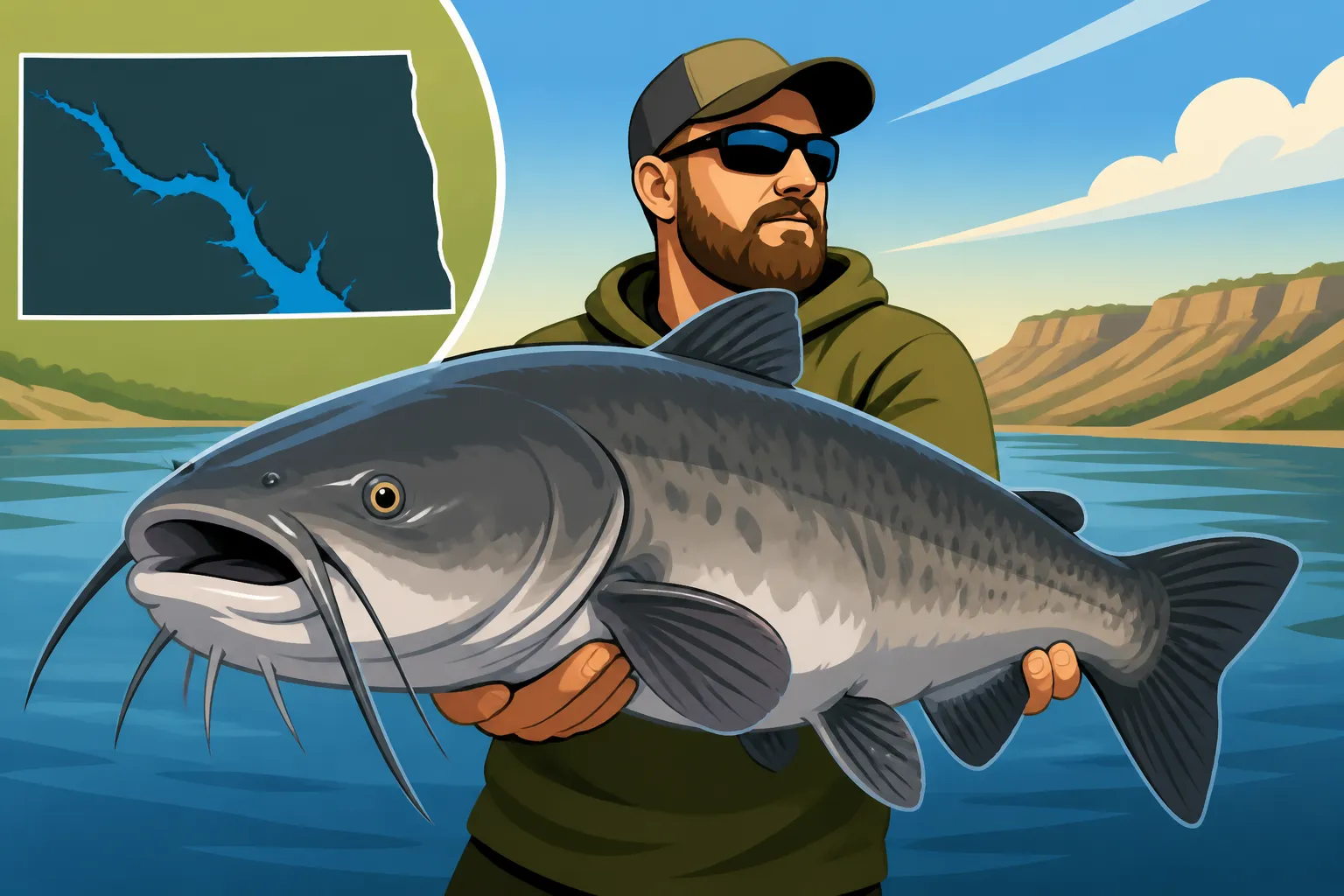
In Lake Oahe, a good "average" Channel Catfish will typically fall into the 4 to 10-pound range, measuring somewhere between 20 to 28 inches. These are strong, healthy fish that put up a fantastic fight and make for a delicious meal. Now, don't get me wrong, you'll certainly hook plenty of smaller catfish in the 1 to 3-pound category, especially if you're fishing areas with high concentrations of juveniles. But consistently targeting spots known for mature fish and using appropriate baits will put you in contention for those solid 5 to 8-pounders. Many anglers consider a 15-pound Channel Catfish from Lake Oahe to be an exceptional catch, already well above the typical average, showcasing the lake's potential for true trophy fish.
The average size also reflects the healthy population dynamics. With plenty of food and suitable habitat, these fish have the resources to grow steadily. It's not uncommon to hear stories from folks who spend a lot of time on Oahe about catching multiple catfish in the 8-12 pound range in a single outing. If you're planning a trip, booking through a service like FishingBooker can connect you with local guides who are intimately familiar with the lake's patterns and can put you on fish that meet or exceed this average. They know the subtle differences in current, depth, and structure that hold the bigger fish.
Factors Influencing Catfish Size
The size a catfish can attain in Lake Oahe is influenced by a complex interplay of environmental and biological factors. First and foremost is the abundance and quality of forage. As part of the Missouri River system, Oahe is rich with various baitfish, insects, and other aquatic organisms that provide a high-calorie diet for catfish. A well-fed fish grows faster and larger. This consistent food source means that Lake Oahe catfish don't typically experience stunted growth due to lack of nutrition.
Water temperature and overall environmental stability also play a significant role. Catfish are warm-water species, and the long, warm summers in North Dakota allow for extended feeding periods and rapid growth. Stable water levels and good water quality further contribute to a healthy ecosystem, reducing stress on the fish and promoting robust growth. While they are hardy fish, extreme fluctuations in conditions can impact their feeding and growth rates. Additionally, genetics and the age structure of the population contribute to the average size. A healthy fishery has a mix of age classes, allowing older, larger fish to survive and reproduce. Factors like fishing pressure, and adherence to North Dakota Catfish Limit Rules, also subtly influence the overall size distribution by affecting how many fish reach older age classes.
Beyond Average: Trophy Catfish Potential
While the average catfish in Lake Oahe is a respectable size, don't let that fool you into thinking bigger fish aren't swimming in its vast waters. Lake Oahe holds true trophy potential for those willing to put in the effort.
State Records and Near-Record Catches
North Dakota has a reputation for producing monster Channel Catfish, particularly in the Red River, which holds the current state record for a Channel Catfish at a colossal 42 pounds, 4 ounces. While Lake Oahe might not boast the current state record for Channel Catfish, it absolutely has the capacity to produce fish well into the 20 to 30-pound range, with some even pushing closer to that state-record territory. These are truly impressive fish that demand stout tackle and a patient approach. Stories of anglers battling 25-pound Oahe cats are not uncommon, especially from experienced guides who know the lake's hidden honey holes.
The sheer volume of water and the extensive network of submerged structures in Lake Oahe provide ample space for these giant catfish to live largely undisturbed and reach mature sizes. It's worth noting that the lake also provides excellent habitat for other species, as detailed in our guide on What Fish Species Live in Lake Oahe?. If you're serious about chasing a potential personal best, dedicating your time to specific areas known for larger fish and adapting your techniques for them will significantly increase your chances of success.
Targeting Larger Catfish in Lake Oahe
To consistently catch those larger, trophy-sized catfish in Lake Oahe, you need to think beyond simply dropping a piece of bait. It often comes down to location, timing, and presentation. Big catfish are typically found in specific areas, often related to deeper water, current breaks, or significant underwater structure where they can ambush prey. Look for areas with submerged timber, rock piles, or old roadbeds, especially near the main river channel or major creek arm intersections. These spots offer cover and food.
Regarding timing, larger catfish are often more active feeders during low light conditions, making dawn, dusk, and even night fishing highly productive. Exploring techniques like those outlined in our Catfishing at Night in North Dakota guide can be incredibly effective. As for bait, while smaller catfish might hit anything, trophy catfish tend to be a bit more selective. Fresh cut bait, such as goldeye, shad, or even smaller suckers, presented on a sturdy circle hook, is often the most effective. Using larger chunks of bait helps deter smaller fish and ensures that when you get a bite, it's more likely to be a substantial one. Don't be afraid to use a whole small fish as bait if you're truly targeting a monster.
Practical Tips for Lake Oahe Catfish Anglers
Chasing catfish on a body of water as expansive as Lake Oahe can be an adventure. To make the most of your time and increase your chances of landing some impressive whisker fish, a few practical tips can go a long way.
Best Times and Locations for Catfish
Lake Oahe offers excellent catfishing opportunities throughout the open water season, but certain times and locations tend to be more productive. Generally, the warmer months from late spring through early fall are prime. Catfish activity peaks when water temperatures are consistently warm, making them more aggressive feeders. During the late spring and early summer, they can be found shallower as they prepare for and engage in spawning. After the spawn, they'll often retreat to slightly deeper water, moving in and out of shallower feeding flats during low light.
For locations, focus on the main river channel and its immediate vicinity. Look for bends in the river, deep holes, submerged timber, and scour holes below prominent points or islands. Areas where tributaries feed into Lake Oahe can also be hotspots, as these inflows bring in nutrients and baitfish, creating a buffet for hungry cats. Shoreline anglers can find success near rip-rap or public access points with deeper water nearby. Many anglers find specific success in the upper reaches of the lake where the riverine characteristics are more pronounced. Our guide on Lake Oahe Catfish Fishing Spots provides more granular details on specific areas to explore. Utilizing local knowledge, perhaps even hiring a guide found on FishingBooker, can significantly cut down your learning curve on such a massive body of water.
Essential Gear and Techniques
Successful catfishing on Lake Oahe requires the right tackle to handle strong fish and potentially snaggy environments. A medium-heavy to heavy-action spinning or baitcasting rod, typically 7 to 8 feet long, paired with a reel spooled with 20 to 50-pound braided line or heavy monofilament, is a solid starting point. Braided line offers superior sensitivity and strength, crucial for feeling subtle bites and pulling fish out of cover. For rigs, a simple Carolina rig or a three-way swivel rig works wonders. The Carolina rig keeps your bait on the bottom with a sliding sinker, while the three-way swivel allows you to present your bait just off the bottom, minimizing snags in certain areas.
When it comes to bait, fresh cut bait is king. Shad, sucker, goldeye, or even oily fish like herring are excellent choices. Many anglers prefer to use locally caught baitfish. Our guide on Best Bait for Channel Catfish in North Dakota offers a deeper dive into effective options. Circle hooks, ranging from 5/0 to 8/0, are highly recommended because they are designed to hook fish in the corner of the mouth, reducing gut-hooking and making for easier release if you choose to practice catch and release. Remember to bring plenty of sinkers, hooks, and leader material, as fishing in structure-rich areas can lead to snags.
Lake Oahe Catfish: Average vs. Trophy Potential
Here's a quick overview of what you can typically expect and what's possible when targeting Channel Catfish in Lake Oahe:
| Category | Average Channel Catfish (Lake Oahe) | Trophy Channel Catfish (Lake Oahe) | North Dakota State Record Channel Catfish |
|---|---|---|---|
| Weight Range | 4 – 10 pounds | 15 – 30+ pounds | 42 pounds, 4 ounces (Red River) |
| Length Range | 20 – 28 inches | 30 – 40+ inches | Not officially recorded, estimated 40+ inches |
| Common Baits | Cut bait, worms, stink bait | Fresh cut bait (shad, goldeye), live bait | Fresh cut bait, whole fish |
| Preferred Habitat | River channels, deep holes, structure | Deeper, complex structure, current breaks | Deep holes, current, structure |
| Tackle | Medium-heavy rod, 20-30lb line | Heavy action rod, 30-50lb line | Heavy action rod, 50lb+ line |
The table clearly illustrates the difference between what's commonly caught and the true giants that inhabit Lake Oahe and other North Dakota waters. While the average catch is solid, the potential for a personal best is always there.
Disclaimer
Please remember that fishing regulations, including size and creel limits, can change. Always consult the most current North Dakota Game and Fish Department (NDGFD) regulations before heading out on the water. This guide provides general information and recommendations, but it is your responsibility to be aware of and comply with all applicable laws.