What Fish Species Live in Lake Oahe?
When you're looking at a map of North Dakota, Lake Oahe is one of those massive bodies of water that just screams "fishing adventure!" But if you've never dipped a line into its vast expanse, you might be wondering exactly what finned treasures are lurking beneath the surface. It can be a little intimidating to plan a trip to such a huge reservoir without knowing what to target, so this guide is here to shed some light on the diverse array of fish species that call Lake Oahe home, helping you prepare for a truly memorable angling experience.
The Majestic Fishery of Lake Oahe: A Habitat Overview
Lake Oahe isn't just any lake; it's a massive reservoir on the Missouri River system, stretching over 230 miles from central South Dakota all the way up into North Dakota. This incredible length and depth create a hugely diverse habitat, from the riverine currents near the dam to vast, open water expanses and numerous sheltered bays and arms. This variety of environments is exactly what allows such a broad spectrum of fish species to thrive here, offering something for every type of angler. The sheer size means fish have plenty of room to roam and grow, often reaching impressive sizes. Understanding the basic layout of this enormous system gives you a leg up on figuring out where different fish might be hanging out.
The Influence of the Missouri River System
As a major part of the Missouri River system, Lake Oahe's fishery is heavily influenced by the constant flow of water and the nutrients it brings. Unlike some smaller, isolated lakes, Oahe is a dynamic system, with currents, fluctuating water levels, and a rich food web that supports both cold-water and warm-water species. This riverine connection means that fish aren't just confined to the lake itself; they can move up and down the system, following forage or seeking out preferred spawning grounds. The ongoing management by state agencies, often in conjunction with those in South Dakota, helps ensure a healthy and sustainable fishery across this shared resource. Anglers often find the fishing can change quite a bit depending on what the river is doing, whether it's high flows or lower water years, which impacts fish behavior and locations.
Diverse Habitats Within the Reservoir
Think of Lake Oahe as a collection of many different mini-habitats all rolled into one. You've got those deep main-lake basins, which are ideal for species that prefer cooler, stable temperatures, especially during the summer. Then there are the expansive shallow bays and submerged timber areas, often remnants of old river bottoms or flooded farmlands, which offer excellent cover and foraging opportunities for pike and panfish. The river channels themselves, both current and ancient, act as highways for fish, and the numerous points, humps, and drop-offs provide structure that attracts baitfish and, consequently, predator species. This varied landscape means that you're not just fishing "a lake" but a complex ecosystem, requiring different approaches depending on what you're targeting and what section of Oahe you're exploring. Lake Oahe Fishing Guide can help you get oriented.
The Top Predators: Walleye, Northern Pike, and Chinook Salmon
When most people think of fishing in North Dakota, especially on a major body of water like Lake Oahe, their minds immediately go to the big game fish. And for good reason! Oahe is renowned for some truly impressive sportfish that provide exciting challenges and fantastic table fare. These are the species that often draw anglers from all over the region, offering a chance at a trophy catch.
Walleye: The Golden Catch of Oahe
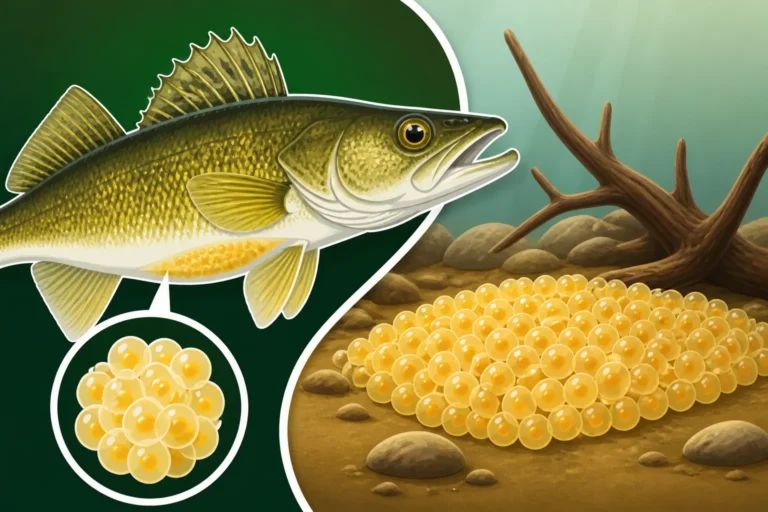
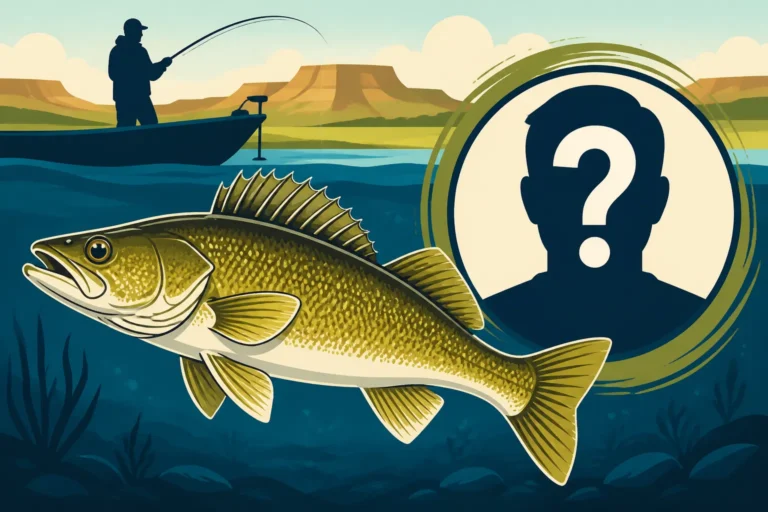
Ah, the walleye. This species is, without a doubt, one of the most sought-after fish in Lake Oahe, and for good reason. They're delicious, intelligent, and put up a respectable fight. Oahe's vast waters provide an ideal environment for walleye, with abundant forage like smelt and ciscos, which allow them to grow to impressive sizes. You'll find walleye throughout the lake, often congregating around submerged points, humps, old river channels, and in the numerous bays and feeder creeks, especially during spawning and feeding migrations. Many anglers find success trolling crankbaits or bottom bouncers with worms or leeches. Early in the season, they might be shallower, moving deeper as the water warms. If you're looking for a good starting point for bait, a quick search on Amazon for "walleye crankbaits" will show you just how many options there are, but local tackle shops are often the best for seasonal insights. Lake Oahe Walleye Fishing Spots details some productive areas.
Northern Pike: The Lake's Water Wolves
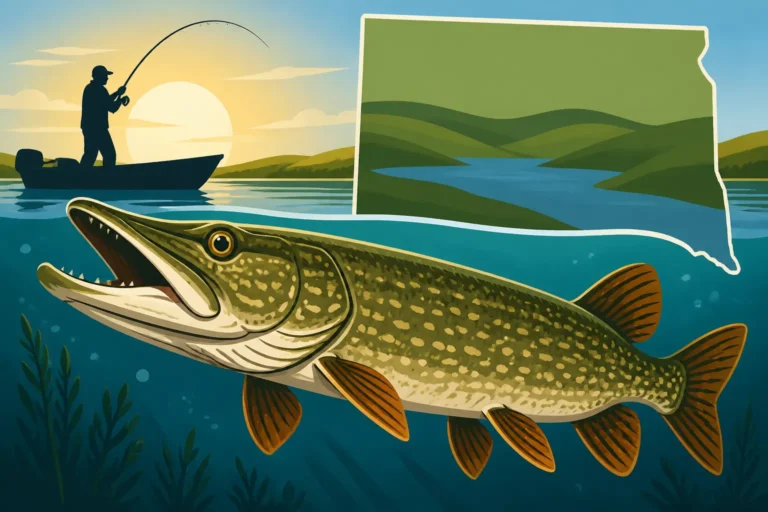
Northern Pike are another top predator that thrives in Lake Oahe, known for their aggressive strikes and powerful fights. These "water wolves" are ambush predators, often found lurking in weed beds, submerged timber, or along sharp drop-offs, waiting for an unsuspecting baitfish to swim by. They grow large in Oahe, with many anglers landing pike well over 10 pounds, and occasionally true trophy fish. Spring and fall are often prime times to target pike, when they might be more active in shallower water. Large spoons, spinnerbaits, and big swimbaits are popular choices for these toothy critters. Just be sure to bring a good pair of long-nosed pliers for hook removal! Their presence is a good indicator of a healthy forage base in the lake.
Chinook Salmon: A Unique Oahe Thrill
Now, this is where Lake Oahe gets really interesting and truly sets itself apart from many other North Dakota fisheries. Chinook salmon, often associated with the Pacific Northwest, have a thriving population here, thanks to consistent stocking efforts. These powerful fish offer an incredible open-water trolling experience, often requiring specialized gear and techniques. They are typically found in the deeper, cooler waters of the main lake basin, chasing schools of smelt. Anglers often use downriggers and planer boards to present various spoons and flasher/fly combinations at specific depths. Catching a "king salmon" in the middle of North Dakota is an experience unlike any other, and Oahe is one of the very few places you can do it. It's a testament to the diverse ecological potential of this vast reservoir.
Bottom Dwellers and Panfish Favorites: Catfish, Perch, and Crappie
Beyond the headline-grabbing game fish, Lake Oahe also offers fantastic opportunities for anglers seeking different kinds of fights and different kinds of table fare. These species might not always get the same spotlight, but they provide consistent action and are incredibly popular for their own unique reasons.
Channel Catfish: The Red River's Cousin in Oahe
While the Red River might be famous for its massive channel catfish, Lake Oahe holds its own impressive population, especially in the upper reaches of the lake and in the more riverine sections. These hard-fighting bottom dwellers love the warmer, muddier waters and the abundant food sources found in these areas. Catfish in Oahe can grow quite large, offering a tremendous battle on rod and reel. They are opportunistic feeders, so stinky baits like cut bait, prepared stink baits, and nightcrawlers are highly effective. Many anglers target them from shore in the evenings, setting up chairs and enjoying the quiet solitude as they wait for a bite. Check out Lake Oahe Catfish Fishing Spots for some prime locations.
Yellow Perch: Small but Mighty Table Fare
Yellow perch are a classic North Dakota panfish, and while perhaps not as dominant in Oahe as they are in Devils Lake, they certainly provide a fun and tasty angling opportunity. Perch typically congregate in schools, often found near weed lines, submerged humps, and points, especially in the shallower bays and arms. They are particularly popular during the ice fishing season, but can be caught year-round. Small jigs tipped with wax worms, minnows, or plastics are usually the ticket for these striped beauties. When you find a school, the action can be fast and furious, making them a great target for family fishing trips or for those looking to fill a cooler with delicious fillets. Many online retailers, like Amazon, offer a huge selection of small ice fishing jigs that work great for perch.
Crappie: Speckled Panfish Fun
Both black crappie and white crappie can be found in Lake Oahe, providing another excellent panfishing option. Crappie are known for their distinctive speckled patterns (especially the black crappie) and their schooling behavior. They tend to prefer areas with submerged timber, brush piles, and weed edges, using these structures for cover and ambush points. Small jigs, mini crankbaits, or live minnows suspended under a bobber are highly effective for crappie. Like perch, once you locate a school, you can often catch quite a few in a short amount of time. They are fantastic eating fish, and their subtle bites can make for a rewarding challenge. North Dakota Crappie Fishing Guide offers even more insights into catching these popular panfish.
Other Notable Species Making Waves in Lake Oahe
Lake Oahe's ecological diversity means that your hook isn't limited to just the most popular game fish. There's a whole cast of other characters swimming around, some offering surprising fights, others providing a different kind of angling challenge, and some that are simply part of the intricate aquatic tapestry.
Smallmouth and White Bass: Feisty Fighters
If you love a hard-fighting fish that jumps and pulls, Lake Oahe also boasts populations of smallmouth bass and white bass. Smallmouth bass, often found around rocky points, riprap, and submerged humps, are absolute pound-for-pound fighters. They'll readily strike spinnerbaits, crankbaits, and various soft plastics. White bass, on the other hand, often roam in large schools in open water, chasing baitfish on the surface, especially during the summer. When you stumble upon a "white bass boil," where they're actively feeding on the surface, the action can be incredibly exciting. They're not particular about bait; small spoons, jigs, or even simple inline spinners can generate strikes. These species provide excellent sport and can really spice up a day on the water. North Dakota Smallmouth Bass Fishing Guide has more tips.
Sauger, Burbot, and Freshwater Drum: The Supporting Cast
Beyond the more common catches, Lake Oahe is home to several other interesting species. Sauger, a close cousin to the walleye, are often found in the deeper, more turbid waters, particularly in the river channels. They look similar to walleye but have distinct spotted fins and a rougher skin texture. Burbot, sometimes called "poor man's lobster," are a unique, eel-like cod species that thrive in cold, deep water and are often targeted during the ice fishing season. Freshwater drum, or "sheephead," are common bottom feeders that can grow surprisingly large and offer a strong, steady fight. While not typically sought after for eating by everyone, they provide plenty of action and can be a lot of fun on light tackle. Knowing these species are present adds to the intrigue of fishing Oahe, as you never quite know what you might reel in next. Sauger Identification vs Walleye can help you tell them apart.
Rough Fish and Invasive Species: What Else You Might Encounter
Like any large body of water, Lake Oahe also hosts various species often categorized as "rough fish" or, more importantly, some invasive species. Common carp are prevalent, particularly in shallower, warmer bays, and can grow to enormous sizes, offering a truly powerful fight for those who enjoy carp fishing. Buffalo and suckers are also present. On the invasive front, anglers should always be aware of species like zebra mussels, which pose a significant threat to the ecosystem. While not fish, their presence impacts the entire food chain and water clarity. It's crucial for every angler to practice "Clean, Drain, Dry" protocols for their boats and gear to prevent the spread of any invasive species to other waters. Being mindful of these other inhabitants helps maintain the health and balance of Oahe's incredible fishery.
Here's a quick look at some of the common fish species you'll find in Lake Oahe:
| Fish Species | Typical Habitat in Oahe | Common Angling Method | Notes |
|---|---|---|---|
| Walleye | Submerged structure, humps, points, old river channels | Trolling, jigging, bottom bouncing | Highly sought-after, excellent table fare |
| Northern Pike | Weed beds, submerged timber, shallow bays, sharp drop-offs | Casting spoons, spinnerbaits, large lures | Aggressive fighters, can grow very large |
| Chinook Salmon | Deep, open water, especially cooler sections | Trolling with downriggers | Stocked species, powerful fight, unique to Oahe/Sakakawea |
| Channel Catfish | Warmer, muddier riverine sections, deeper holes | Bottom fishing with cut bait, stink bait | Strong fighters, good eating, active at night |
| Yellow Perch | Weed lines, submerged humps, bays | Small jigs, minnows, wax worms | Excellent table fare, popular for ice fishing |
| Crappie | Submerged timber, brush piles, weed edges | Small jigs, minnows, bobbers | Schooling fish, fun to catch, great eating |
| Smallmouth Bass | Rocky points, riprap, humps, clear water areas | Crankbaits, spinnerbaits, soft plastics | Feisty fighters, popular sport fish |
| White Bass | Open water, chasing baitfish schools, sometimes near structure | Small spoons, jigs, inline spinners | Schooling fish, aggressive feeders, great action |
| Sauger | Deeper, more turbid river channels | Jigging, bottom bouncing | Similar to walleye, good eating, often caught incidentally |
| Burbot | Cold, deep water, rocky bottoms | Jigging through the ice, bottom fishing | Unique eel-like appearance, "poor man's lobster" taste |
| Freshwater Drum | Muddy bottoms, deeper holes | Bottom fishing with worms, cut bait | Strong fighting, often caught incidentally |
| Common Carp | Shallow bays, warmer areas, slow currents | Dough balls, corn, worms, fly fishing | Powerful fighters, good sport for dedicated carp anglers |
Disclaimer
This article is for general informational purposes only and does not constitute professional advice. Laws, prices and regulations vary by location and change over time. Consult a qualified professional for guidance on your specific situation.