Are There Wild Trout Streams in North Dakota?
It's a common dream for many anglers, myself included, to stumble upon a hidden gem of a stream, teeming with native, wild trout that have never seen a pellet or a hook from a hatchery truck. The thought of casting a fly into pristine, cold water and connecting with a truly wild fish is exhilarating. But if you're picturing the rugged, rocky mountain streams of Montana or Colorado when you think of "wild trout streams" in North Dakota, you might need to adjust your expectations a bit. This guide will dive into the reality of finding and fishing for trout in the Peace Garden State, exploring where these opportunities exist and what makes them unique.
The Reality of Wild Trout in North Dakota
Let's be honest, North Dakota isn't exactly famous for its towering mountains and crystal-clear, glacier-fed streams. Our landscape is dominated by prairie, vast rivers, and incredible lakes. Because of this, the concept of "wild trout streams" takes on a slightly different meaning here than it might in other states. It's not to say you can't find incredible trout fishing, but understanding the environmental context is key.
Why "Wild Trout" is a Nuanced Term Here
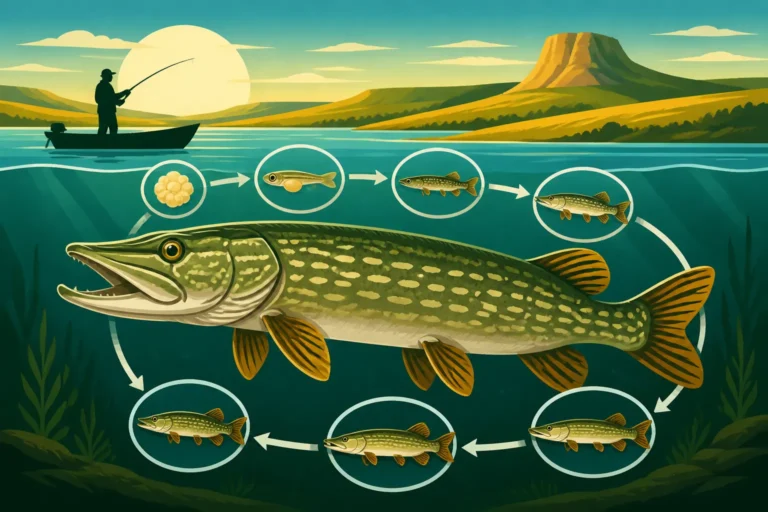
When we talk about truly wild trout, we're generally referring to populations that are self-sustaining, reproducing naturally in their habitat without any human intervention like stocking. These fish complete their entire life cycle—hatching, growing, spawning—all within the natural confines of a stream or river system. For this to happen, specific conditions are crucial: consistently cold water temperatures, clean gravel beds for spawning, ample insect life, and cover from predators.
North Dakota's climate, with its hot summers and often harsh winters, coupled with its geology, means that most of our smaller streams simply don't maintain these ideal conditions year-round. Many prairie streams fluctuate wildly in temperature and flow, or they freeze solid in winter, making natural trout reproduction a monumental challenge. So, while a fish might live in a stream and appear "wild," it's often a survivor from a stocking program rather than part of a self-perpetuating wild population. This distinction is important for managing expectations and appreciating the unique opportunities we do have.
The Role of Stocking Programs
The vast majority of trout fishing opportunities in North Dakota are a direct result of the dedicated efforts of the North Dakota Game and Fish Department's (NDGFD) stocking programs. These programs are vital for creating and maintaining the fantastic coldwater fisheries we enjoy. Without them, trout fishing would be virtually non-existent in many areas.
The NDGFD regularly stocks various species of trout into lakes, reservoirs, and a select few streams and ponds across the state. The most common species you'll encounter are rainbow trout, known for their strong fighting ability and willingness to bite a variety of baits and lures. You might also find brown trout, which are often more elusive and can grow to impressive sizes, particularly in environments that allow them to live longer. Occasionally, brook trout are also stocked in specific, smaller bodies of water that mimic their preferred cold, clean habitats. These stocked fish, once released, adapt to their new environments, forage for natural food, and grow, providing excellent fishing experiences. Sometimes, if conditions are just right in a spring-fed creek, these stocked trout can even survive through a mild winter and provide multi-year fishing. For details on where to find them, you'll want to check out resources like North Dakota Rainbow Trout Stocking Locations. If you're chasing a real lunker, it's worth seeing what kind of records are being set for these stocked beauties by looking at North Dakota Brown Trout State Record.
Where to Find "Wild-ish" Trout Opportunities
While true self-sustaining wild trout streams are exceptionally rare, there are definitely places in North Dakota where the environment creates conditions favorable for trout to thrive, often mimicking what you'd find in a more traditional trout fishery. These are the spots where you can experience a taste of that "wild stream" feel.
Spring-Fed Tributaries and Coulees
This is where you'll find the closest thing to what many anglers envision as a wild trout stream in North Dakota. Scattered across the state, particularly in the western and central regions, are small, spring-fed coulees and tributaries. These aren't roaring rivers, but rather trickling creeks, often hidden away and requiring a bit of bushwhacking to access. What makes them special is the consistent influx of cold groundwater, even during the hottest summer months. This keeps the water temperature stable and hospitable for trout.
In these unique micro-habitats, stocked trout can sometimes survive year after year, growing larger and adapting a more "wild" demeanor. You might even find some natural reproduction occurring, though it's typically sporadic and limited. Fishing these spots often means stealthy approaches, light tackle, and an appreciation for the solitude. You won't find crowds here, just quiet stretches of water winding through brush and prairie. The Little Missouri River drainage, for instance, has several small tributaries that fit this description, though access can be challenging as much of it crosses private land. The Sheyenne River also has sections that, while not strictly trout waters, harbor a diverse fishery that can be fun to explore.
Tailwaters and Deep Reservoirs
Another prime area for robust trout populations, and arguably the most significant coldwater fishery in the state, is the tailwater section below Garrison Dam on the Missouri River. This stretch of river, especially immediately below the dam, receives a constant flow of cold water drawn from the depths of Lake Sakakawea. This consistent cold flow creates an ideal environment for trout, including rainbow, brown, and even some cutthroat trout, to not only survive but also grow to impressive sizes.
While these trout are primarily maintained through stocking, the conditions are so favorable that they behave much like wild fish, feeding on natural forage and providing an exciting challenge for anglers. You'll find a mix of shore fishing access and boat fishing opportunities in this area, which offers some of the best year-round trout fishing in North Dakota. It's a truly unique big-river experience, very different from the small stream setting, but offering that coldwater thrill. If you're looking to target these larger fish, checking out Missouri River Fishing Below Garrison Dam in North Dakota is a must. And of course, the grand daddy itself, Lake Sakakawea Fishing Guide for North Dakota Anglers, plays a huge role in the ecology of that system.
| Type of Trout Water | Primary Source of Trout | Typical Water Body Size | Common Trout Species | "Wild" Characteristics | Example North Dakota Location |
|---|---|---|---|---|---|
| Spring-Fed Coulees/Tributaries | Stocked (some natural repro) | Small to very small creeks | Rainbow, Brown, Brook | Cold, stable temps; natural food; cover | Hidden prairie drainages |
| Dam Tailwaters | Heavily Stocked | Large river sections | Rainbow, Brown, Cutthroat | Cold, stable flow; abundant food; large fish | Missouri River below Garrison Dam |
| Stocked Community Ponds | Heavily Stocked | Small ponds/lakes | Rainbow, sometimes Brown | Easy access; high catch rate | Bismarck's McDowell Dam, Fargo's Woodhaven Pond |
| Deep Reservoirs | Stocked | Large lakes | Rainbow, Brown, Chinook Salmon | Deep, cold zones; good growth | Lake Sakakawea (deeper areas) |
Focusing on the Experience: Beyond "Wild"
Even if the trout you're catching aren't "wild" in the strictest sense, the experience of trout fishing in North Dakota is still incredibly rewarding. It's about the chase, the peaceful surroundings, and the satisfaction of landing a beautiful fish that has thrived in its environment.
The Joy of North Dakota Trout Fishing
There's a special kind of quiet satisfaction that comes with trout fishing, no matter where you are. In North Dakota, this often means venturing off the beaten path to find those secluded spots, whether it's a small spring creek or a quiet bend of a tailwater. The landscapes are often subtle but stunning, with rolling prairies, coulees carved by ancient waters, or the vast expansiveness of our large reservoirs. You'll encounter wildlife, breathtaking sunrises, and the kind of solitude that rejuvenates the soul.
The trout themselves offer a fantastic challenge. Even stocked fish, once they've spent some time in their new home, can become quite wary and selective. They fight hard, putting a bend in your rod and a smile on your face. For many, the true "wildness" isn't just about genetics, but about the spirit of the adventure, the connection to nature, and the thrill of the catch. It’s about being out there, enjoying the natural beauty, and making memories, regardless of whether that fish hatched from a wild egg or a hatchery basket.
Essential Gear for North Dakota Trout Streams (or Stream-like Areas)
To make the most of your North Dakota trout fishing adventures, having the right gear is key. You don't need a huge setup, but certain items will definitely improve your success and comfort.
For small streams and coulees, a lightweight spinning rod, perhaps 5'6" to 6'6" in length with a light action, paired with a small spinning reel spooled with 4-6 lb test monofilament or fluorocarbon, is perfect. This setup allows for accurate casting in tight quarters and provides a great fight with smaller trout. For bait, small worms, corn, or commercial trout dough (like PowerBait) are often effective. Small inline spinners (Mepps, Panther Martin) or tiny spoons are also excellent choices for enticing a strike. You can find a good range of options for these types of setups on platforms like Amazon. If you're interested in the broader gear picture, check out Best Fishing Rods for North Dakota Anglers and Best Fishing Tackle for North Dakota Lakes.
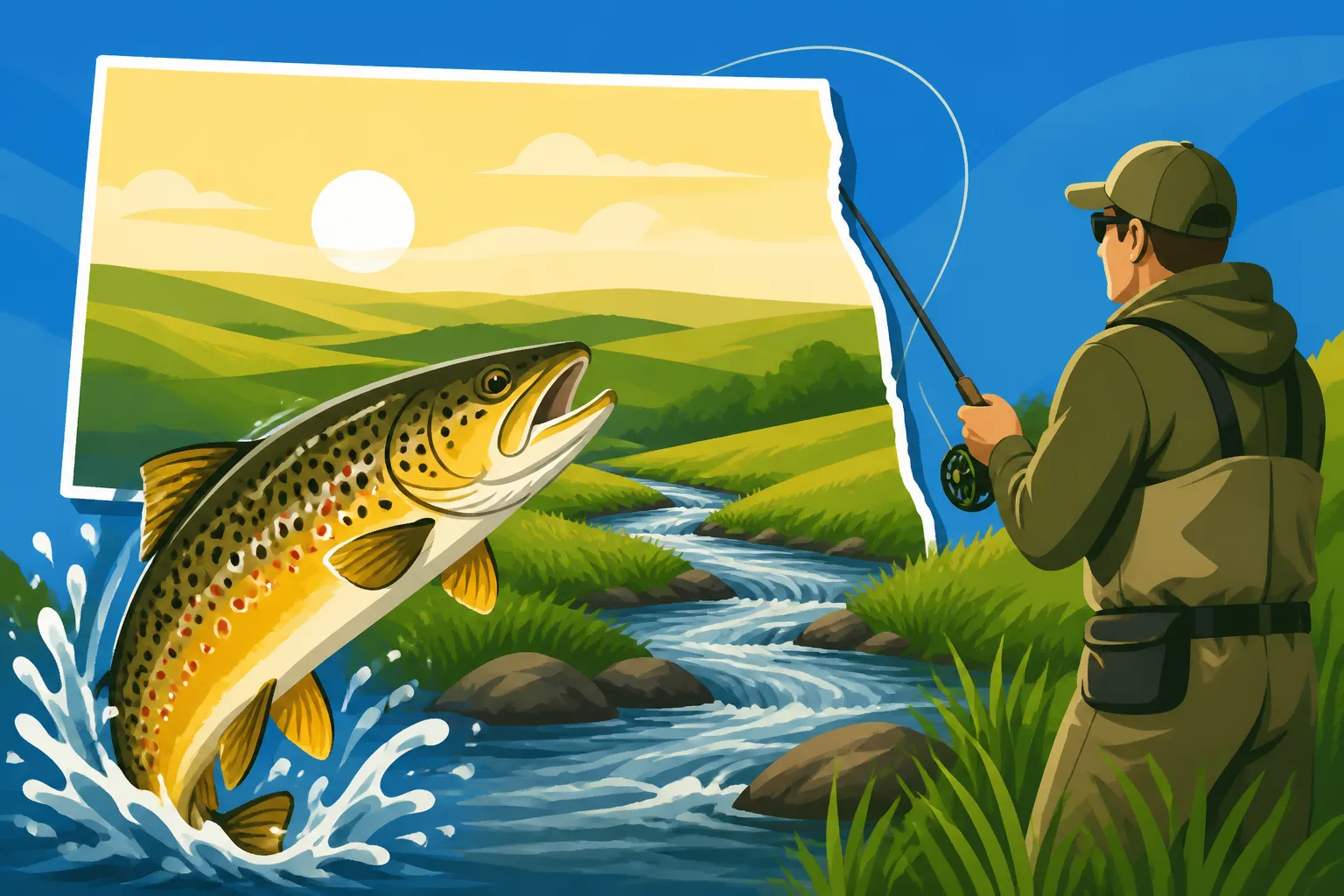
Fly anglers will also find opportunities, especially in the tailwater sections. A 4 or 5-weight fly rod, 8.5 to 9 feet long, is a versatile choice. Nymphs (like Pheasant Tails, Hare's Ears), small streamers (Woolly Buggers), and dry flies (like Adams, Caddis) can all be effective depending on the season and hatch. Waders are almost a must for fly fishing, allowing you to get into the best casting positions.
Don't forget the essentials beyond your rod and reel: a small tackle box or vest, a net (especially for larger fish in the tailwaters), polarized sunglasses to spot fish and protect your eyes, and appropriate clothing for varied North Dakota weather. Sturdy, waterproof hiking boots are also highly recommended if you plan on exploring those smaller, brushy coulees.
Planning Your North Dakota Trout Adventure
Ready to hit the water? A little preparation goes a long way when targeting trout in North Dakota. Understanding where to go and what rules to follow will ensure a successful and enjoyable trip.
Researching Specific Locations
Your first stop should always be the North Dakota Game and Fish Department (NDGFD) website. They are the best source for up-to-date stocking reports, fishing proclamations, and maps of public fishing access sites. The NDGFD often maintains a list of "trout lakes" and "trout streams," which will give you a clear picture of where to focus your efforts. These reports will tell you which species were stocked, when, and often in what quantity, helping you plan your visit for the best chances of success.
Beyond the official resources, local bait shops and sporting goods stores can be invaluable. The folks working there often have real-time knowledge of what's biting where, what baits are working, and any local conditions you should be aware of. Sometimes, a casual conversation can yield a tip about a lesser-known coulee that holds some surprising trout. Remember, many of the smaller "wild-ish" spots are on private land, so always secure permission before venturing onto private property. Respecting landowners is paramount to maintaining good relationships and access.
Respecting the Resource and Regulations
As with any fishing adventure, it's crucial to be a responsible angler. Always be aware of and abide by the current North Dakota fishing regulations. These rules are in place to protect our fisheries and ensure sustainable angling opportunities for everyone. This means checking daily creel limits, size restrictions, and any special regulations that might apply to a specific body of water or species. You can find all the details you need in the North Dakota Fishing Regulations Explained.
Practicing catch-and-release, especially for larger or rarer trout, is a great way to contribute to the health of the fishery. Handle fish gently, minimize their time out of the water, and use appropriate tools for hook removal. Beyond the fish, be mindful of the environment around you. Pack out everything you pack in, avoid disturbing natural habitats, and leave no trace.
Finally, don't forget your fishing license! Anyone over the age of 16 needs a valid North Dakota fishing license. It's easy to obtain one online through the NDGFD website or at various vendors across the state. Without it, your fishing adventure could turn into an expensive day. Make sure to consult the North Dakota Fishing License Guide and be sure you're covered, or specifically ask, Do You Need a Fishing License to Fish in North Dakota?, if you're unsure.
Disclaimer
This article is for general informational purposes only and does not constitute professional advice. Laws, prices and regulations vary by location and change over time. Consult a qualified professional for guidance on your specific situation.