North Dakota Rainbow Trout Stocking Locations
It can be incredibly frustrating to hear whispers about great trout fishing, only to have no idea where exactly to cast your line in North Dakota. Many anglers, myself included, have felt the sting of chasing rumors about elusive rainbow trout, wishing there was a clear, comprehensive guide to where these beautiful fish are actually stocked. Well, you're in luck, because this guide is designed to cut through the guesswork, providing you with the definitive lowdown on where the North Dakota Game and Fish Department focuses its rainbow trout stocking efforts.
Understanding North Dakota's Rainbow Trout Stocking Program
North Dakota isn't exactly famous for its sprawling, cold-water trout streams like some mountainous states. Our landscape offers a different challenge and opportunity when it comes to trout fishing. That's why the North Dakota Game and Fish Department (NDGFD) runs an active stocking program, carefully selecting specific waters to introduce rainbow trout. This isn't just a random act of kindness; it's a strategic effort to create diverse fishing opportunities, especially in areas where native trout populations wouldn't naturally thrive due to water temperatures or other environmental factors.
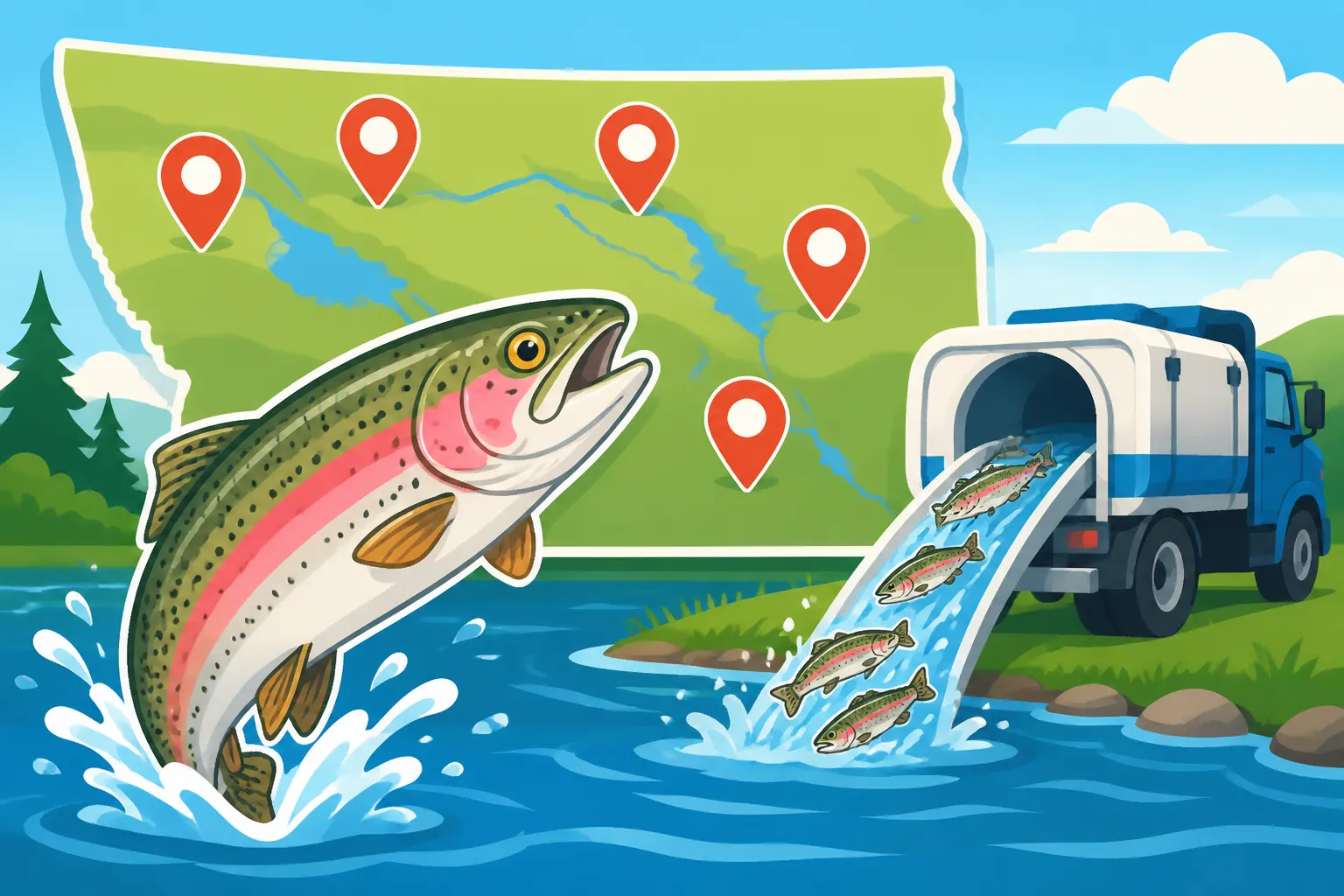
The goal is often to provide a "put-and-take" fishery, meaning the fish are stocked at a catchable size for anglers to enjoy, rather than expecting them to establish self-sustaining populations. This provides an exciting and accessible fishing experience for many, from seasoned veterans to families just getting started. Knowing this background helps you understand why certain lakes are chosen over others and what kind of fishing experience you can generally expect. It's about maximizing recreational opportunities across the state.
Why Rainbow Trout are a Popular Choice for Stocking
Rainbow trout are incredibly popular for stocking programs across the country, and North Dakota is no exception. There's a good reason for this: they're relatively hardy, grow to a decent size quickly, and are known for putting up a spirited fight on the line. For anglers, this means a rewarding experience. They adapt well to a variety of stillwater environments, making them suitable for the numerous small lakes and reservoirs that dot the North Dakota landscape, particularly those with sufficient depth and cooler summer temperatures or winter oxygen levels.
Beyond their fighting spirit, rainbow trout are also a delicious table fare, which adds to their appeal. When you're out fishing, there's nothing quite like the thought of bringing home a fresh catch for dinner. For many, a successful day of trout fishing involves both the thrill of the chase and the reward of a tasty meal. The NDGFD understands this, and their stocking efforts aim to deliver on both fronts, ensuring that anglers have a real chance at success.
Factors Influencing Stocking Decisions
The decision of where and when to stock rainbow trout isn't made lightly. The NDGFD considers a host of environmental and logistical factors to give these stocked fish the best chance of survival and to maximize angler success. Water quality, including oxygen levels and temperature profiles, is paramount. Lakes that reliably maintain cooler, oxygenated water throughout the year are prime candidates. Without adequate oxygen and suitable temperatures, trout simply won't survive, making any stocking effort a wasted one.
Accessibility for anglers is another huge consideration. The department wants to stock waters that are easy for people to reach, whether by vehicle, boat, or foot, ensuring that the opportunities created are truly available to the public. Lakes with established boat ramps, fishing piers, or ample shoreline access are often prioritized. Finally, the potential for recreational impact is weighed – how many anglers will this stocking support? Will it create a new draw for local communities? It's a balance of ecological viability and public benefit.
Key Rainbow Trout Stocking Locations in North Dakota
Alright, let's get down to brass tacks: where can you actually find these rainbow trout? The North Dakota Game and Fish Department typically focuses its stocking efforts on specific community fishing ponds, smaller lakes, and some larger reservoirs that can support trout populations. These locations are often selected for their cooler water temperatures, good water quality, and accessibility, making them ideal for both summer and ice fishing pursuits. It's not always the biggest, most famous lakes that get the trout; often, it's the hidden gems.
Don't expect every single water body in the state to have rainbows; it's a targeted effort. You'll find that many of these spots are near population centers, making them excellent choices for a quick afternoon outing or for introducing kids to the joy of fishing. Checking the official NDGFD stocking reports or even calling local offices can give you the most up-to-date information, as stocking plans can sometimes shift based on hatchery availability or environmental conditions.
Community Fisheries and Smaller Ponds
Many of the most reliable rainbow trout stocking locations are found in smaller community fishing ponds and lakes. These are often specifically managed for family-friendly fishing, providing easy access and a higher chance of success for beginners. Think of places like McDowell Dam near Bismarck, or Cottonwood Park Pond in Bismarck, which are regularly replenished with catchable trout. These smaller bodies of water often warm up faster in the spring and cool down quicker in the fall, making them great for early season and late season fishing, as well as prime ice fishing spots.
You'll also find places like Ryan Park Pond in Bismarck, the Garrison Dam Tailrace (though that's a different beast entirely, with different trout species too), or even the Harmon Lake area near Mandan. These are designed to be accessible, offering docks, easy bank access, and often amenities like picnic areas. They're perfect for a family day out, and the consistent stocking means you rarely leave empty-handed. Remember to check local regulations for these specific ponds, as some might have special rules regarding limits or gear. North Dakota Fishing Rules for Kids and Families is a great resource if you're planning a trip with youngsters.
Larger Lakes and Reservoirs with Trout Opportunities
While smaller ponds are great, some larger North Dakota lakes and reservoirs also receive rainbow trout stockings, offering different angling experiences. These larger bodies of water, with their deeper sections, can often sustain trout through warmer periods better than shallow ponds. Lake Sakakawea, for instance, known more for its walleye and salmon, does see some rainbow trout action, particularly in certain bays or deeper areas where the water remains cooler. The Missouri River system below Garrison Dam is another key location where trout can be found, though browns and other species are also prevalent there.
Other notable lakes that might receive stockings include Froelich Dam, Sheep Creek Dam, or even some of the deeper pits in the west. These spots offer more room to roam, and often require a boat to effectively cover the best trout habitat. Fishing these larger waters for trout can feel like a completely different challenge compared to the small ponds, often requiring different techniques and gear. It's always a good idea to consult the Best Places to Fish in North Dakota guide for broader perspectives on where to find various species.
Here's a quick overview of some potential rainbow trout stocking locations:
| Location Type | Example Location | Primary Characteristics | Best Season |
|---|---|---|---|
| Community Pond | McDowell Dam (Bismarck) | Easy access, family-friendly, consistent stocking | Spring/Fall, Ice |
| Community Pond | Cottonwood Park Pond (Bismarck) | Urban access, smaller, high catch rates | Spring/Fall, Ice |
| Small Lake/Reservoir | Froelich Dam (Grant County) | Deeper, scenic, good for small boats | Spring/Fall, Ice |
| Small Lake/Reservoir | Sheep Creek Dam (Grant County) | Good depth, often good ice fishing | Spring/Fall, Ice |
| Larger Reservoir (Select Areas) | Lake Sakakawea (deeper bays) | Big water, boat-required, deeper structure | Spring/Fall |
| River System | Garrison Dam Tailrace | Tailwater fishery, strong current | Year-round |
Navigating Stocking Schedules and Reports
Knowing where the trout are stocked is one thing, but knowing when they're stocked is another crucial piece of the puzzle. The NDGFD's stocking schedule isn't a secret, but it does require a bit of proactive research on your part. These schedules are subject to change due to various factors like hatchery production, fish health, and local water conditions, so staying informed is key. Don't just assume a lake will be stocked at the same time every year; flexibility is important in the world of fishing.
Keeping an eye on the official NDGFD website is your best bet for the most accurate and up-to-date information. They often publish annual stocking plans and sometimes even provide real-time updates on recent stockings. This way, you can time your fishing trips to hit the waters soon after fresh batches of trout have been released, often leading to the most action-packed days. This practice helps ensure that the fish are actively biting and haven't yet dispersed or become wary.
How to Find Current Stocking Information
The North Dakota Game and Fish Department website is truly your most valuable resource for tracking rainbow trout stocking. They usually have a dedicated section for fish stocking reports, often broken down by species and water body. It’s worth bookmarking this page if you're serious about targeting stocked trout. Sometimes, regional NDGFD offices will also share updates through local channels or social media, so it pays to be connected to those resources if you live near a particular fishing hotspot.
Additionally, local bait shops are treasure troves of information. The folks working behind the counter usually have their ears to the ground and know when and where the latest stockings have occurred. A quick call or a visit can yield invaluable insights that aren't always immediately available online. Don't be shy about asking questions; anglers love to share information, especially when it helps others enjoy the sport. They might even have a suggestion for the perfect lure you can grab right there, perhaps a reliable spinner or some powerbait from brands available on Amazon that have proven successful.
Seasonal Patterns and Stocking Frequency
Rainbow trout are typically stocked in North Dakota during the spring and fall. These seasons offer the most favorable water temperatures for the fish to acclimate and thrive. Spring stockings aim to kick off the open-water season, providing fresh opportunities as the ice melts. Fall stockings often replenish populations before the ice fishing season begins, or top them off for anglers who enjoy the cooler weather fishing. During the peak of summer, stocking is less common due to the increased risk of warm water temperatures causing stress or mortality to the fish.
For instance, you might see a flurry of activity in April and May, and then again in September and October. Some lakes, especially the smaller community ponds, might receive multiple stockings throughout the season to maintain high catch rates. Others, particularly larger reservoirs, might get one larger stocking per year. Understanding these North Dakota Fishing Season Dates and Limits is crucial for planning your trips. When ice fishing, for example, hitting a recently stocked lake can be incredibly productive as the fish are still settling in and often eager to bite.
Tips for Fishing Stocked Rainbow Trout
Fishing for stocked rainbow trout can be a blast, but it's a bit different than targeting wild trout in a mountain stream or even chasing walleye in a big reservoir. Stocked trout, especially soon after release, are often less wary and more aggressive, making them a great target for anglers of all skill levels. However, they can also become accustomed to certain baits and tactics, so it helps to have a few tricks up your sleeve.
Being prepared with the right gear and knowing a few key techniques can significantly increase your success rate. These fish are put there for you to catch, so embrace the opportunity! It's all about presenting a tempting meal in the right way.
Best Baits and Lures for Stocked Rainbows
When it comes to bait for stocked rainbow trout, simplicity often reigns supreme. PowerBait, especially in bright colors like chartreuse, pink, or rainbow, is a perennial favorite. It's scented, floats, and comes in various forms like nuggets or dough, making it easy to rig on a small hook with a bottom weight. Worms, like nightcrawlers or mealworms, are also incredibly effective, either fished under a bobber or on the bottom. These natural offerings are hard for any fish to resist.
For lures, small inline spinners (like Mepps or Rooster Tail) are fantastic. They cast well, have an irresistible flash and vibration, and can be retrieved at various speeds to entice a strike. Spoons, especially thin, wobbling varieties in silver or gold, also work wonders. Fly fishing with small nymphs, wet flies, or even tiny streamers can be very productive, especially if the trout have been in the water for a while and are feeding more naturally. Having a good selection of these in your tackle box, maybe even a multi-pack of spinners from Amazon, will keep you ready for any scenario. Always refer to a comprehensive guide on Best Bait for North Dakota Fishing for more general advice.
Effective Techniques for Catching Them
Your approach to fishing for stocked rainbows can vary depending on the water body. In smaller ponds, shore fishing is often the norm. A simple slip-bobber rig with a worm or PowerBait is incredibly effective. Cast it out, let it sit, and watch that bobber disappear! For bottom fishing, use a small egg sinker above a swivel, then a leader to your hook with PowerBait, allowing the bait to float just off the bottom.
When fishing larger lakes or the Garrison Tailrace, trolling small crankbaits or spinners behind a boat can cover a lot of water and entice aggressive strikes. If you're ice fishing, small jigging spoons tipped with a wax worm or a piece of Gulp! Maggot are deadly. Vertical jigging them just off the bottom or midway up the water column, especially near recent stocking points, can yield fast action. Remember that trout often cruise, so moving around until you locate a school can be beneficial. It also helps to be familiar with general regulations like How Many Lines Can You Fish With in North Dakota?.
Preserving the Resource and Enjoying Your Catch
Catching rainbow trout in North Dakota is a wonderful experience, but it also comes with a responsibility to respect the resource and ensure sustainable fishing for everyone. This means understanding and adhering to regulations, practicing good fish handling, and knowing how to properly care for your catch if you plan to keep it. The NDGFD puts a lot of effort into these stocking programs, and it's up to us anglers to do our part to keep them successful and enjoyable for years to come.
Remember that while stocked fish are often put in for harvest, responsible angling means not taking more than your legal limit and releasing fish gently if you don't intend to keep them. This mindful approach ensures that the fishing opportunities remain vibrant and plentiful for all who seek them.
North Dakota Trout Fishing Regulations
Before you even head out the door, make sure your North Dakota Fishing License Guide is in order. Every angler 16 years of age and older needs a valid license. Beyond that, pay close attention to the specific regulations for trout, which can vary by water body. The NDGFD issues a fishing proclamation each year that outlines daily limits, possession limits, and any special restrictions on certain lakes or rivers. For instance, some community ponds might have reduced daily limits to spread the catch among more anglers.
Size limits are less common for stocked rainbow trout in North Dakota's put-and-take fisheries, as they are often stocked at a catchable size. However, always double-check the latest regulations booklet or the NDGFD website. Ignorance of the law is never an excuse, and a quick check can save you from a costly citation. Having a small, laminated copy of the current regulations, perhaps one you printed after downloading it from the NDGFD website, can be handy when you're out on the water.
Catch and Keep vs. Catch and Release
For many anglers, the joy of stocked trout fishing is the opportunity to bring home fresh fish. If you plan to keep your catch, make sure you have a cooler with ice to preserve the quality of the meat. Quickly dispatching the fish and getting it on ice is the best way to ensure it tastes its best. For this, a good quality cooler, easily found on Amazon, is an essential part of your Essential Gear Checklist for North Dakota Fishing.
If you're practicing catch and release, handle the fish as little as possible and always with wet hands to protect their slime coat. Use de-barbed hooks to make removal easier and reduce harm. If a fish is deeply hooked, it's often best to cut the line as close to the hook as possible rather than trying to rip it out. Releasing a fish properly gives it the best chance of survival, contributing to continued fishing opportunities for everyone. It's a small act that makes a big difference in maintaining the health of our fisheries.
Disclaimer
This article is for general informational purposes only and does not constitute professional advice. Laws, prices and regulations vary by location and change over time. Consult a qualified professional for guidance on your specific situation.