Endangered Fish Species in North Dakota
It's a tough pill to swallow, but sometimes, the very waters we love to fish in are home to species struggling to survive. As passionate anglers, we often focus on the thrill of the catch, but it's equally important to understand and protect the vulnerable populations beneath the surface. This guide is all about shedding light on North Dakota's endangered fish species and what we can all do to help ensure their future.
The Pallid Sturgeon: North Dakota's Most Iconic Endangered Fish
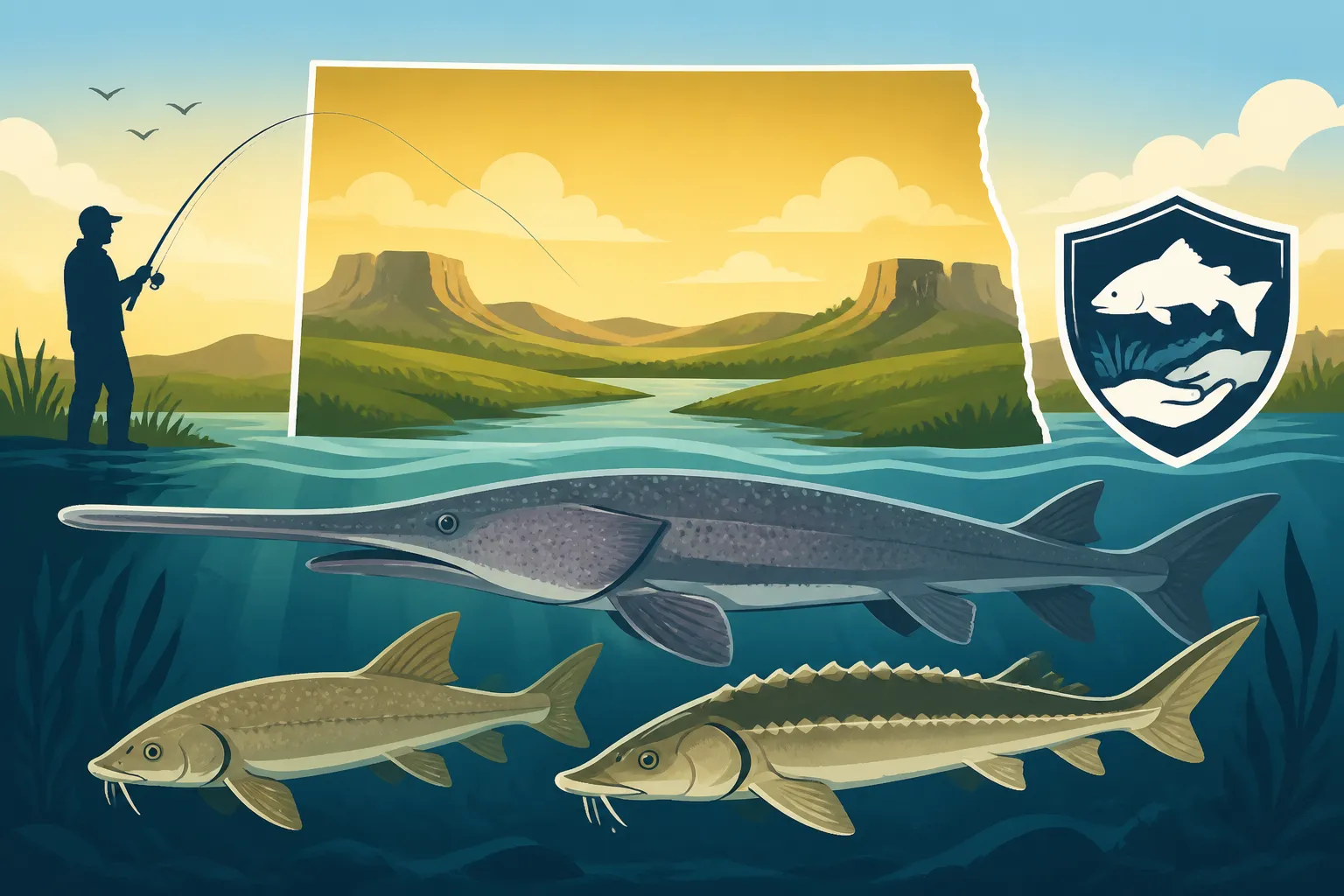
When you hear "endangered fish" in North Dakota, one species almost immediately comes to mind: the Pallid Sturgeon. This ancient, majestic fish is a true survivor, having been around since the time of dinosaurs. However, modern challenges have pushed it to the brink. It’s a sad reality that such an incredible creature, native to our mighty Missouri River system, is fighting for its very existence.
Description and Habitat of the Pallid Sturgeon
Imagine a fish that looks like it swam straight out of prehistory. The Pallid Sturgeon is a large, bottom-dwelling fish with a distinctive, flattened snout and a body covered in bony plates instead of scales. They have barbels near their mouths, which they use to forage for food along the riverbed. Unlike some of their more common cousins, like the Shovelnose Sturgeon, Pallid Sturgeon are significantly larger, often growing over five feet long and living for many decades. They're a pale, silvery-gray color, which helps them blend in with the silty, sandy bottoms of their riverine homes.
Their natural habitat spans the Missouri and Mississippi River systems, but in North Dakota, we find them primarily in the Missouri River and its impoundments, particularly Lake Sakakawea and Lake Oahe, though they are much more riverine in nature. They prefer the main channel of large, turbid rivers, with slow currents and abundant sandy or gravel bars where they can root around for insects, small fish, and other aquatic organisms. These aren't the kind of fish you'll typically stumble upon during a casual fishing trip; they lead a solitary, deep-water existence, often in areas difficult for humans to access. Fish Species That Only Live in the Missouri River System are incredibly adapted to this specific environment.
Threats to Pallid Sturgeon Survival
The Pallid Sturgeon's decline is a complex issue, often a cascade of human impacts over the last century. Their biggest problems stem from habitat alteration, particularly the construction of large dams. The Missouri River, once a wild, free-flowing system with braided channels, sandbars, and oxbow lakes, has been dramatically transformed. Dams like Garrison Dam create huge reservoirs, but they also block migration routes, change water temperatures, alter natural flow regimes, and reduce the sediment load that once built vital sandbar habitats. These changes make it incredibly difficult for Pallid Sturgeon to reproduce successfully. They need specific flow patterns and gravelly areas for spawning, and the regulated river often doesn't provide them.
Another major threat is hybridization. With the habitat changes, Pallid Sturgeon sometimes interbreed with the more numerous Shovelnose Sturgeon. While this might seem like survival, it dilutes the Pallid Sturgeon gene pool, further jeopardizing the pure species' long-term viability. It's a classic example of how environmental stressors can force species into desperate measures, leading to unintended biological consequences.
Conservation Efforts for the Pallid Sturgeon
Thankfully, a lot of dedicated people are working hard to bring the Pallid Sturgeon back from the brink. The North Dakota Game and Fish Department, along with federal agencies and universities, has implemented extensive conservation programs. One of the most significant efforts involves a robust stocking program. Biologists collect wild Pallid Sturgeon, spawn them in hatcheries, and then release thousands of young sturgeon back into the Missouri River system. This helps boost their numbers directly. It's a meticulous process, requiring specialized knowledge and facilities, but it's absolutely crucial. Pallid Sturgeon Recovery in the Missouri River efforts are multi-faceted and ongoing.
Beyond stocking, there's a strong focus on research to understand their life cycle, movements, and habitat needs better. Scientists use radio telemetry and acoustic tags to track individual sturgeon, learning where they spend their time, what they eat, and where they might try to spawn. There are also efforts to restore degraded river habitats, though the scale of the Missouri River makes this a monumental task. The goal is to mimic some of the natural river characteristics that the sturgeon depend on. As anglers, knowing that these majestic fish are protected means understanding Is the Pallid Sturgeon Protected in North Dakota? and respecting those regulations.
Beyond the Pallid: Other Sensitive Fish Populations and Threats
While the Pallid Sturgeon often grabs headlines, it's important to remember that they aren't the only fish facing challenges in North Dakota. Our state is home to a diverse array of aquatic life, and many other species, though perhaps not federally "endangered," are considered "species of concern," "threatened," or simply face significant pressure due to habitat loss, pollution, or invasive species. These are the unsung heroes of our ecosystem, and their struggles deserve our attention too.
Habitat Degradation Affecting Native Fish
The same forces that threaten the Pallid Sturgeon—damming, channelization, and agricultural runoff—also impact a host of other native fish. Smaller, lesser-known species like various minnows, darters, and suckers, which form the base of the food chain, rely on specific conditions. They need clean, flowing water, diverse substrate, and access to shallow, vegetated areas for spawning and rearing their young. When a creek is straightened, a wetland is drained, or chemicals wash into a river, these species suffer. For instance, some of the smaller tributaries of the Red River or the Little Missouri River might host unique fish populations that are highly sensitive to changes in water quality or flow. It’s a constant battle to balance human needs with ecological preservation.
Many of these fish might not be popular sport fish, but their presence is a strong indicator of overall ecosystem health. If these populations start to decline, it's a warning sign for the entire food web, potentially impacting the very game fish we love to catch. Understanding the intricacies of North Dakota Fishing Regulations Explained isn't just about limits for walleye; it's about protecting the whole system.
The Impact of Invasive Species on Native Fish
Invasive species are another silent but devastating threat to North Dakota's native fish. These unwelcome guests outcompete native species for food and habitat, introduce diseases, or directly prey upon them. One of the most notorious invaders is the common carp. While often targeted by anglers, carp can stir up bottom sediments, reducing water clarity and destroying aquatic vegetation that other fish rely on for cover and spawning. They significantly alter the delicate balance of an ecosystem.
Then there are aquatic nuisance species like zebra mussels. These tiny mussels attach to almost any hard surface, including native mussel shells, boat hulls, and even other fish. They filter huge amounts of water, removing plankton that native fish and their prey depend on, leading to clearer but less productive waters. Once established, they are incredibly difficult to eradicate. It’s why there’s such a strong emphasis on Aquatic Nuisance Species Rules for Boaters and the "Clean, Drain, Dry" initiative. Anglers often find helpful guides and equipment for cleaning their boats, like brushes and towels, on platforms like Amazon. If you're serious about protecting our waters, knowing How to Clean Your Boat to Stop Zebra Mussels is essential.
Your Role in Protecting North Dakota's Aquatic Ecosystems
It's easy to feel overwhelmed by the scale of conservation challenges, but as individual anglers and outdoor enthusiasts, we actually have a significant role to play. Every action, no matter how small, contributes to the bigger picture of protecting North Dakota's fish populations, including the vulnerable ones. It's about being a responsible steward of our natural resources and leaving the water better than we found it.
Best Practices for Anglers
One of the most direct ways to help is by practicing responsible angling. For many species, especially those you're not planning to keep, catch and release is paramount. Learn proper handling techniques: wet your hands before touching fish, support their body weight, and release them quickly. For species you're unsure about, especially if they resemble something rare, take a quick photo and release them. Accurate fish identification guides, often available through the Game and Fish Department or online retailers like Amazon, can be incredibly helpful for this.
Another critical practice is to "Clean, Drain, Dry" your boat and gear every time you leave a body of water. This simple act prevents the spread of aquatic nuisance species from one lake to another. Make sure to remove all weeds, mud, and debris from your boat, trailer, and fishing equipment. Drain all water from your livewell, bilge, and engine. And whenever possible, allow your gear to dry completely before using it in a different lake or river. This is non-negotiable for the health of our waters.
Supporting Conservation Through Awareness and Action
Beyond individual practices, our collective awareness and action make a huge difference. If you suspect you've caught a Pallid Sturgeon (which is extremely rare and easily mistaken for a Shovelnose), or if you spot any unusual aquatic species you think might be invasive, report it to the North Dakota Game and Fish Department. They rely on public sightings to monitor populations and respond to potential threats. You can find their contact information and reporting guidelines on their official website.
Consider supporting conservation organizations, whether through donations, volunteering, or simply spreading the word about their work. Many local groups are tirelessly working on habitat restoration projects, educational programs, and research. Every little bit helps. And, of course, always follow North Dakota Fishing Regulations Explained to the letter. These rules are put in place for a reason – to manage fish populations sustainably and protect vulnerable species from overharvest.
Understanding Fishing Regulations and Conservation Programs
Navigating fishing regulations can sometimes feel like deciphering a complex legal document, but it's truly the backbone of conservation. Every rule, every limit, every season closure is designed with the long-term health of our fish populations in mind. For species that are endangered or at risk, these regulations become even more critical, acting as a direct line of defense.
How Regulations Protect Vulnerable Species
Fishing regulations play a direct role in protecting vulnerable fish populations by controlling harvest, establishing protected areas, and ensuring sustainable practices. For endangered species like the Pallid Sturgeon, the regulations are crystal clear: it is illegal to harvest them. If you accidentally catch one, you must release it immediately and unharmed. This strict prohibition is one of the most effective tools to prevent further decline of critically low populations. Understanding these specific rules is part of being a responsible angler.
Regulations also help manage other fish species, preventing them from becoming endangered in the first place. Size limits, daily limits, and possession limits for various species like walleye, northern pike, and perch ensure that enough fish remain in the water to reproduce and maintain healthy populations. Without these rules, unchecked fishing pressure could quickly decimate even robust fish stocks. This careful balancing act is essential for the future of Complete List of Game Fish Species in North Dakota and non-game species alike.
The Role of Agencies and Continuous Efforts
The North Dakota Game and Fish Department is the primary agency responsible for managing and conserving the state's fish and wildlife resources. Their biologists conduct scientific research, monitor fish populations, manage hatcheries, and enforce regulations. They work closely with federal agencies, tribal governments, and other states on larger river systems like the Missouri and Red Rivers, where fish populations don't recognize state borders. These collaborative efforts are crucial for wide-ranging species and cross-jurisdictional issues like invasive species management.
Conservation isn't a one-time fix; it's a continuous, evolving process. Research funded by license sales and federal grants constantly informs new strategies and adaptations to changing environmental conditions. For instance, the fight against Invasive Carp in North Dakota Waters requires ongoing monitoring, research into control methods, and public education. Your purchase of a North Dakota Fishing License Guide directly contributes to these vital conservation programs, ensuring that future generations can also enjoy the rich angling opportunities North Dakota has to offer. It's an investment in the health of our waters and the incredible fish that call them home.
| Endangered/Concern Species | Primary Threat | Conservation Action | Angler's Role |
|---|---|---|---|
| Pallid Sturgeon | Habitat loss, dams, hybridization | Stocking, research, habitat restoration | Immediate release, report sightings, avoid hybridization |
| Native Minnows & Darters | Habitat degradation, pollution | Habitat protection, water quality monitoring | Prevent pollution, respect sensitive areas |
| All Native Fish Populations | Invasive species (Zebra Mussels, Carp) | "Clean, Drain, Dry" campaigns, control efforts | "Clean, Drain, Dry" all gear, report invasives |
| Certain At-Risk Fish | Overharvest, specific environmental stressors | Regulations (size/bag limits), research | Follow all regulations, practice catch & release |
Disclaimer
This article is for general informational purposes only and does not constitute professional advice. Laws, prices and regulations vary by location and change over time. Consult a qualified professional for guidance on your specific situation.