Life Span of a Walleye in North Dakota
If you've spent any time chasing walleye on North Dakota's incredible waters, you know there's a certain magic to pulling in a big, old fish. It makes you wonder, just how long do these incredible creatures get to live in our lakes and rivers? Many anglers are curious about the true longevity of the walleye they pursue, and understanding their life span is key to appreciating these fish and helping ensure a healthy future for them. This guide will dive deep into the fascinating world of walleye longevity in North Dakota, exploring what impacts their years, what a typical life looks like, and how we as anglers can play a role in their survival.
Understanding Walleye Lifespan: What Impacts It?
The life span of a walleye isn't a simple, fixed number. It's a complex interplay of environmental factors, predation, disease, and even their own genetic makeup. Think of it like us humans – some people live to a ripe old age, while others face challenges that shorten their journey. For walleye in North Dakota, these variables are constantly at play, shaping the health and longevity of the populations we cherish.
Environmental Factors
The very water a walleye swims in, and everything within it, dictates much of its life potential. North Dakota’s diverse aquatic environments, from the vast expanses of Lake Sakakawea to the sprawling, nutrient-rich Devils Lake, offer varying conditions that impact how long a walleye can thrive.
First, consider water quality. Clean, well-oxygenated water is paramount. Pollution, excessive algae blooms that deplete oxygen, or even extreme temperature fluctuations can stress fish and reduce their ability to fight off disease or simply survive. Walleye prefer cooler, deeper waters, so lakes that maintain these conditions throughout our sometimes scorching summers can offer a more hospitable environment for older fish. Adequate depths provide thermal refuge, allowing walleye to escape the warmest surface temperatures that can be taxing, especially for larger, older fish.
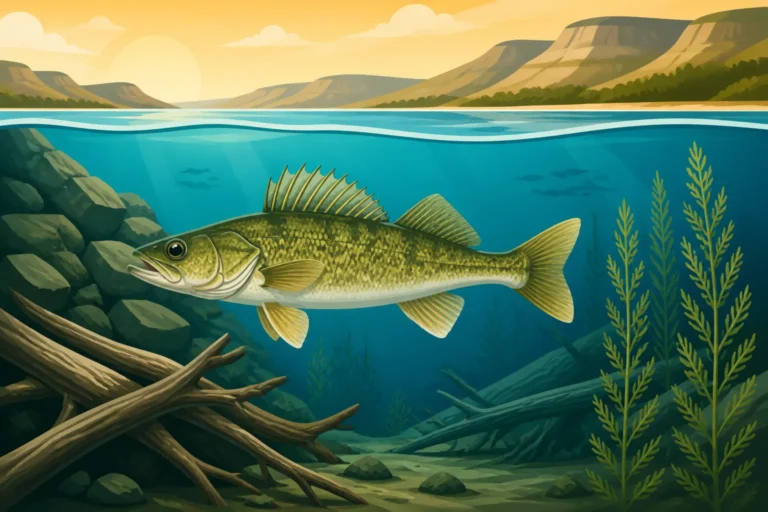
Next up is habitat. Walleye are structure-oriented fish, meaning they rely on features in the lake or riverbed for cover, ambush points, and spawning. Submerged timber, rock piles, ledges, and distinct breaks in depth are all crucial. A lake with abundant, diverse habitat provides safe havens from predators and efficient hunting grounds, reducing stress and energy expenditure for the fish. Conversely, a lack of suitable habitat, perhaps due to sedimentation or changes in water levels, can concentrate fish in less optimal areas, making them more vulnerable and reducing their chances of a long life. It's a delicate balance, and Walleye Habitat on Lake Sakakawea is a prime example of how varied structure contributes to a healthy population.
Finally, food availability is a massive factor. Just like any living creature, walleye need a consistent and nutritious diet to grow and maintain their health. Lakes with a robust forage base – meaning plenty of smaller fish like cisco, perch, or various minnow species – support faster growth rates and better overall condition, which in turn contributes to a longer life. If food becomes scarce, walleye will grow slower, be less robust, and be more susceptible to disease or starvation. This is why you often hear anglers discussing What Do Walleye Eat in North Dakota Lakes? as it directly impacts the quality of the fishery. A good meal often found effortlessly means more energy for survival and growth.
Predation and Disease
While environmental factors set the stage, predation and disease are often the unscripted challenges that can cut a walleye's life short, regardless of how good the living conditions are. It's a tough world out there in the depths!
In their early life stages, walleye fry and fingerlings face immense predatory pressure from a host of aquatic critters, including larger fish species, birds, and even some insects. Only a tiny fraction of hatched walleye will ever reach adulthood. Once they grow larger, the list of predators shrinks, but they're still not entirely safe. Bigger northern pike, large raptors like ospreys and eagles, and even large mammals like otters can take a toll. And, of course, there's us, the anglers! While regulated, fishing pressure is a form of predation, and consistent harvesting of larger, older fish can impact the age structure of a population. This is why understanding and following North Dakota Walleye Size Limit Rules and creel limits is so vital for conservation.
Diseases and parasites are another silent threat. Just like any wild population, walleye are susceptible to various pathogens. Stress from poor water quality, overcrowding, or nutritional deficiencies can weaken a walleye's immune system, making it more vulnerable to bacterial, viral, or parasitic infections. While many fish can live with some level of parasitic infection, a severe outbreak or a particularly virulent disease can lead to significant mortality. For instance, sometimes you'll see fish with visible lesions or parasites, which indicates a struggle, even if they're still swimming. Healthy, robust fish in a good environment are better equipped to fight off these biological threats, giving them a better chance at reaching an advanced age.
Genetics and Growth Rates
It might surprise you, but genetics play a role in a walleye's potential lifespan, just like in any species. Some walleye populations naturally possess genetic traits that lead to faster growth, greater disease resistance, or simply a predisposition for living longer. These are inherent characteristics passed down through generations.
Growth rates are closely tied to genetics but are also heavily influenced by environment and food availability. In rich, productive waters with ample forage, walleye tend to grow faster and reach larger sizes more quickly. A walleye that grows rapidly and packs on weight efficiently might reach sexual maturity sooner and be more robust against some environmental stressors. However, faster growth doesn't always equal a longer life; sometimes exceptionally fast growth can be linked to higher metabolic rates that might, in the very long term, shorten an animal's life. It's a nuanced biological equation.
Consider two walleye hatched in the same lake on the same day. One might have genes that allow it to be more efficient at foraging, grow a little faster, and perhaps be a bit more resilient to temperature shifts. The other might be genetically predisposed to slightly slower growth or be a bit more sensitive to environmental changes. Over years, these subtle genetic differences, combined with all the external factors, can lead to noticeable differences in their eventual size and, ultimately, their lifespan. While we can't control walleye genetics, understanding that it's a piece of the puzzle helps us appreciate the natural diversity within our fish populations. You can learn more about these fascinating fish in our general North Dakota Walleye Fishing Guide.
| Factor | Impact on Walleye Lifespan | Relevance in North Dakota |
|---|---|---|
| Water Quality | Crucial for health, oxygen, and disease resistance. | Variable across ND lakes; impacted by agricultural runoff, natural events. |
| Habitat Availability | Provides cover, spawning grounds, and foraging efficiency. | Diverse in large reservoirs (Sakakawea, Oahe) but can be limited in smaller lakes. |
| Food Abundance | Supports growth, strength, and overall vitality. | Lakes like Devils Lake are known for rich forage (perch, minnows). |
| Predation Pressure | Significant in early life, also from larger fish and anglers. | Large pike are natural predators; angling limits help manage pressure. |
| Disease/Parasites | Can weaken fish, especially when stressed; lead to mortality. | Natural occurrences; healthy environments reduce impact. |
| Genetics | Inherited traits influencing growth rate and resilience. | Contributes to individual variation within populations. |
| Angling Practices | Catch-and-release success, adherence to limits. | Direct human impact; responsible fishing promotes longevity. |
The Typical Walleye Life Journey in North Dakota
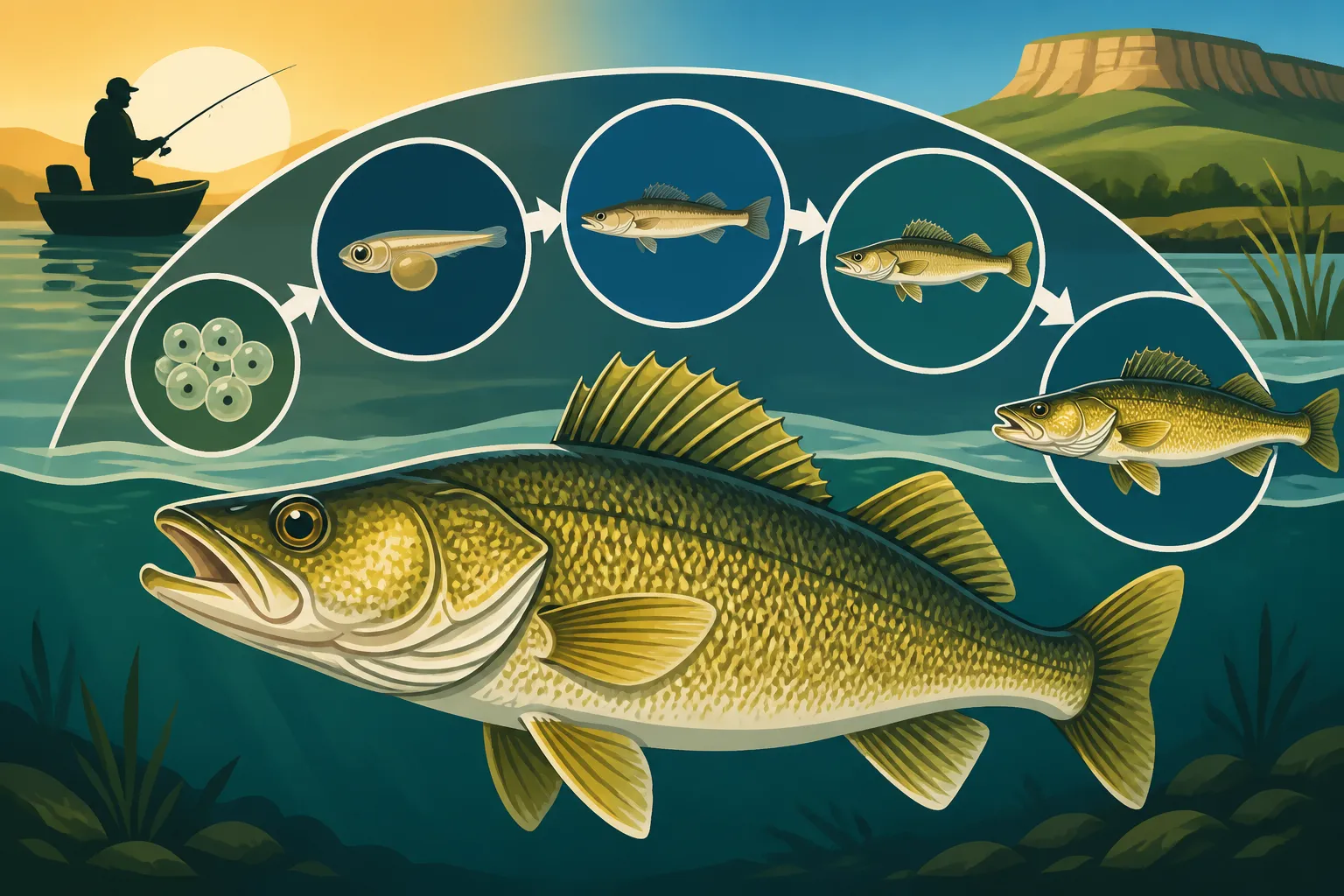
So, what does a walleye's life actually look like from start to finish in North Dakota? It's a journey filled with incredible growth, constant challenges, and, for some lucky few, many, many years patrolling the depths. Their life cycle is truly a marvel of adaptation to our challenging northern climate.
Early Life Stages
The journey for a walleye begins with spawning, typically in the spring, soon after ice-out when water temperatures hit that sweet spot around 40-50 degrees Fahrenheit. Walleye are broadcast spawners, scattering their sticky eggs over rocky shoals, reefs, or gravelly river bottoms. The number of eggs a female can lay is astounding – a healthy mature female can deposit hundreds of thousands, sometimes even over a million eggs! You can dive deeper into this incredible process in How Many Eggs Does a Female Walleye Lay?.
Once hatched, they are tiny, almost translucent fry, vulnerable to nearly everything that swims or flies. Survival rates at this stage are incredibly low; it's literally a numbers game. These fry quickly develop into fingerlings, growing rapidly if food is plentiful. They spend their first year growing, learning to forage, and trying to avoid becoming a meal for larger fish. During this period, their primary goal is simply to survive and put on enough size to be less appealing to smaller predators. It's a frantic race against time and hunger, and only the hardiest, or luckiest, make it through that first crucial year.
Juvenile to Adult Walleye
By their second and third years, walleye have transitioned from vulnerable fingerlings to more capable juveniles. They're growing steadily, developing their distinctive olive-green and gold coloration, and honing their predatory instincts. At this stage, they're still not massive, but they're efficient hunters, targeting smaller minnows, insects, and juvenile perch. They're starting to become more recognizable to anglers and are often caught in good numbers.
Around three to five years old, North Dakota walleye typically reach sexual maturity. This is when they truly enter adulthood and begin contributing to the next generation. Their growth continues, becoming more substantial, and they start to fill out into the powerful, torpedo-shaped fish we all love to catch. These are often the "eater" size fish that many anglers target, providing excellent table fare. During these prime years, a walleye is at its peak of health and reproductive capability, actively spawning each spring and feeding aggressively throughout the open water season.
Senior Walleye and Longevity Records
While many walleye are harvested or succumb to natural causes during their juvenile and adult years, a select few beat the odds and live to be truly senior citizens of the lake. In North Dakota, it's not uncommon for walleye to live into their late teens, and some have been documented to reach ages of 20 years or even older. These really old fish are usually the biggest ones you'll encounter – the true trophies.
Imagine a walleye swimming in Lake Sakakawea that has seen two decades of North Dakota winters, survived countless encounters with anglers, and navigated numerous changes in its environment. That's a testament to its resilience! Factors allowing some fish to live longer often include consistent food supply, stable and healthy habitat, and perhaps a touch of genetic luck that makes them more robust or elusive. They might be particularly adept at finding deep, cool water during summer heat waves or have learned to avoid popular fishing spots. These ancient walleye are often less interested in chasing every bait that comes by, making them harder to catch but incredible rewards for persistent anglers. Walleye Identification and Size Records in North Dakota can give you a better idea of just how big some of these oldtimers can get.
Angler's Role in Walleye Longevity and Conservation
As anglers, we have a profound impact on the walleye populations we cherish. Our actions, both on and off the water, directly influence how many fish make it to old age and how healthy the overall fishery remains. Being a responsible angler means understanding this connection and doing our part to protect these amazing fish.
Catch and Release Practices
While many walleye are kept for the table (and rightfully so, they're delicious!), thoughtful catch and release plays a critical role in allowing some fish, especially larger ones, to continue their journey and contribute to the gene pool. When practicing catch and release, the goal is to minimize stress and injury to the fish, giving it the best possible chance of survival.
This means using appropriate gear, such as nets with rubberized mesh that are gentler on a fish's slime coat and fins. Handling the fish minimally, with wet hands, and supporting its full body weight, particularly for larger specimens, is crucial. Avoid dragging them on rocks or boat carpets. When retrieving hooks, especially deep-set ones, consider using tools like long-nose pliers or a hook remover. Brands available on platforms like Amazon offer a wide range of these specialized tools that can make a huge difference in fish survival. If a fish is bleeding heavily from the gills or gut-hooked, it's often best to keep it if it's within regulations, as its chances of survival are significantly reduced. Quickly getting the fish back into the water, allowing it to swim off under its own power, is the ultimate goal.
Adhering to Regulations
North Dakota's fishing regulations aren't just arbitrary rules; they are carefully crafted by fisheries biologists to ensure the long-term health and sustainability of our fish populations. North Dakota Fishing Regulations Explained provides a comprehensive look at these rules, but for walleye, understanding size and creel limits is paramount.
Size limits, such as slot limits or minimum length requirements, are often designed to protect certain age classes of fish. For example, a slot limit might require anglers to release all walleye between 20 and 25 inches, protecting prime spawning-age fish while allowing harvest of smaller, more abundant fish and giving larger fish a chance to grow into trophy status. Creel limits, which dictate how many fish you can keep per day, directly manage fishing pressure, preventing overharvest and ensuring enough fish remain in the population to reproduce and sustain themselves. Ignoring these regulations can quickly deplete a fishery, impacting the average age and size of walleye for years to come. It’s our responsibility to know and follow these rules every time we hit the water.
Habitat Protection Efforts
Beyond our direct interaction with fish, we also have a responsibility to protect the environments they live in. Healthy habitat is the foundation of a healthy fishery, and safeguarding it contributes immensely to the longevity of walleye and all aquatic life.
One of the biggest concerns today is the spread of aquatic nuisance species (ANS) like zebra mussels. These invasive species can drastically alter aquatic ecosystems, impacting food chains and habitats, which in turn can reduce walleye populations and their potential lifespan. Practicing "Clean, Drain, Dry" with your boat and gear after every outing is one of the most effective ways to prevent their spread. Take a moment to inspect your anchor, trailer, and any equipment before moving to a new body of water.
Additionally, simple acts like properly disposing of trash, not introducing foreign species into lakes, and being mindful of runoff from our properties can have a cumulative positive effect. Supporting conservation organizations and local efforts to improve water quality and restore shorelines also helps. These efforts ensure that walleye have the clean water, abundant food, and safe places they need to thrive, grow, and live out their full potential, contributing to North Dakota's incredible fishing legacy for generations to come.
Disclaimer
This article is for general informational purposes only and does not constitute professional advice. Laws, prices and regulations vary by location and change over time. Consult a qualified professional for guidance on your specific situation.