How Big Was the Record Perch Caught on Devils Lake?
If you've ever spent a cold winter day on Devils Lake, jigging for perch, you've probably heard the whispers and legends of the truly colossal yellow perch that call these waters home. There's a particular fascination with the biggest fish caught, and the state record perch from Devils Lake is one of those legendary catches that sparks awe and sometimes a little disbelief among anglers. This guide will delve into the details surrounding that magnificent catch, explore why Devils Lake is renowned for producing such giants, and help you understand what it takes to pursue your own dream perch.
The Legendary Devils Lake Record Perch
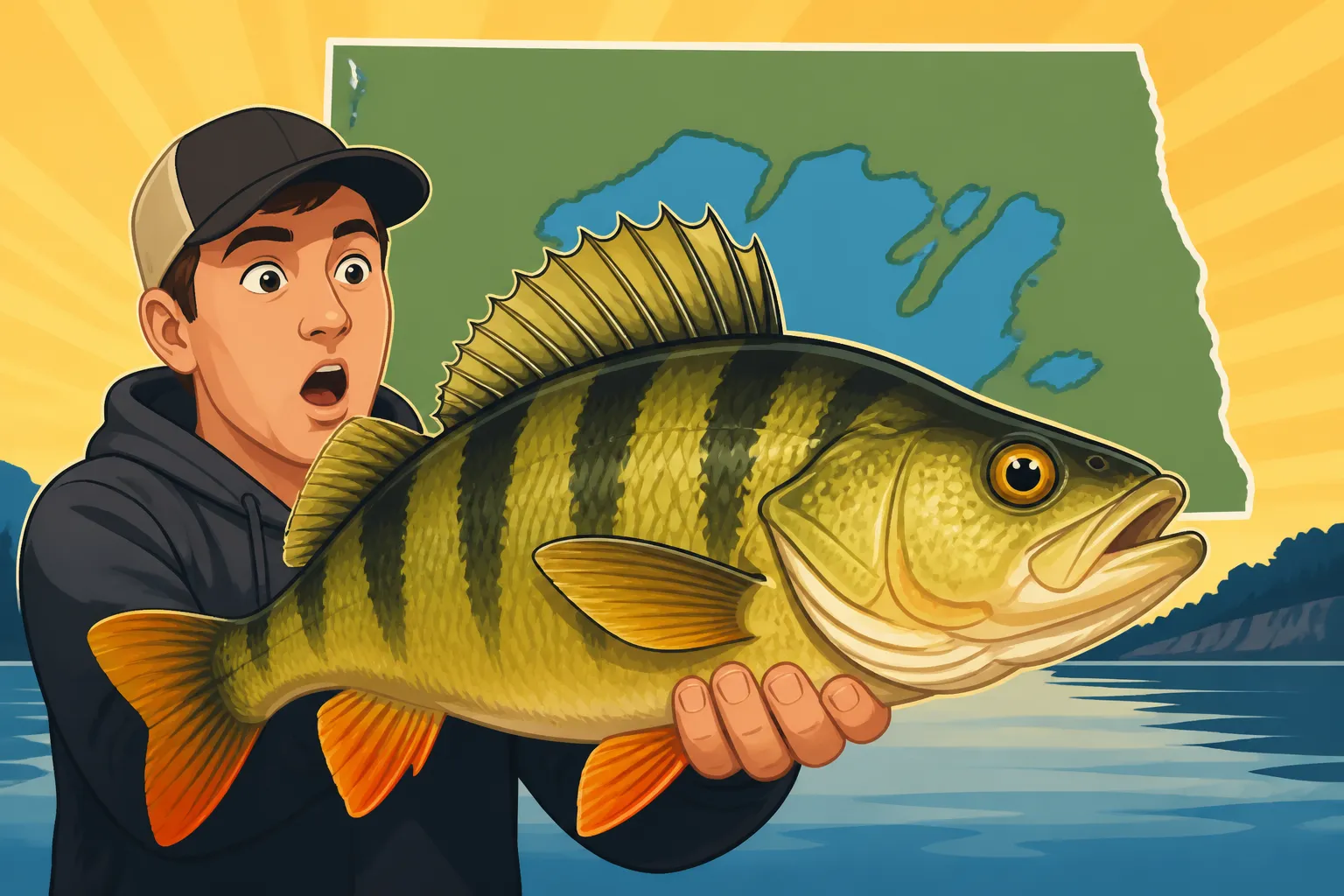
North Dakota is a state steeped in angling tradition, and few fish hold as much mystique as the jumbo yellow perch of Devils Lake. When we talk about "the record perch," we're not just discussing a slightly larger than average fish; we're talking about a true behemoth, a once-in-a-lifetime catch that set the standard for what's possible in these fertile waters. While specific weights and lengths can vary in the stories passed down through generations of anglers, the official state record yellow perch from Devils Lake is a fish often recounted as being around 2 pounds, 15 ounces, and stretching over 15 inches long. Think about that for a moment: a perch that's almost three pounds and longer than some walleye you might catch! It's a fish that exemplifies the incredible potential of this unique fishery.
This record-setting catch wasn't just a number in a book; it was a moment that cemented Devils Lake's reputation as a world-class perch destination. For many, it's a testament to the lake's rich ecosystem and the abundant food sources available to its finned residents. Catching a perch of even one pound is an accomplishment to brag about, so imagining one nearly three times that size is enough to get any angler's heart racing. It sets a benchmark that inspires countless trips, both for serious trophy hunters and casual ice anglers alike, all hoping to feel that tell-tale thumping pull of a giant at the end of their line. It reminds us that every drop of an ice fishing jig or cast of a line holds the potential for something truly extraordinary.
The Impact of a Record-Shattering Catch
A record-breaking fish, especially one from a prominent fishery like Devils Lake, reverberates throughout the entire fishing community. For local anglers, it's a source of immense pride, confirming what they've always known about their home waters. For those outside the state, it puts Devils Lake squarely on the map, drawing anglers from across the country who are eager to experience the legendary perch bite for themselves. When news of such a fish spreads, it fuels a particular kind of excitement, transforming casual conversations into passionate debates about the best techniques, the secret spots, and the elusive patterns that might lead to another trophy.
The impact isn't just about bragging rights, though. It also highlights the incredible health and productivity of the lake itself. A fish that can grow to such an impressive size indicates a robust food web, ideal water conditions, and a strong, thriving population of its species. It encourages conservation efforts and sustainable fishing practices, as anglers and wildlife officials recognize the precious resource they have on their hands. Moreover, a record catch can spark interest in the scientific study of the fish and its environment, providing valuable insights into growth rates, habitat preferences, and population dynamics. It's a powerful reminder of nature's capacity for creating true giants, even in what might seem like ordinary fishing spots.
Stories and Legends Surrounding the Catch
Every record fish has its story, and the Devils Lake perch is no exception. While the official details are logged, the angler's personal account, the weather conditions that day, the specific lure used, and the sheer disbelief at landing such a monster are often retold with increasing vividness over time. Imagine the fight a fish of that size would put up on light ice fishing tackle—a true test of skill and patience. These anecdotes become part of the lake's folklore, inspiring new generations of anglers to dream big.
Perhaps the fish was caught during a raging blizzard, huddled in a small pop-up shelter, or maybe on a calm, sunny day when expectations were low. Was it caught on a tiny tungsten jig tipped with a waxworm, or a small minnow on a tear drop? These are the details that turn a statistic into a saga. Anglers often speculate about how old such a fish must have been, how many winters it survived, and what it ate to reach such proportions. These stories, whether entirely factual or embellished with a touch of angler's lore, are what make the pursuit of trophy fish so captivating. It’s not just about the size; it’s about the journey and the extraordinary moment of connection with something truly wild. You can read more about what these specific fish like to eat in our North Dakota Yellow Perch Fishing Guide.
Why Devils Lake Produces Giant Perch
Devils Lake isn't just another body of water in North Dakota; it's a unique, fluctuating, and incredibly fertile system that acts as a super-producer for many fish species, especially yellow perch. Its changing water levels and vast flooded timber create an unparalleled habitat that allows perch to thrive and grow to incredible sizes. This dynamic environment sets it apart from many other lakes, making it a true mecca for perch anglers seeking those unforgettable jumbo catches. Understanding what makes Devils Lake so special can help you appreciate why it consistently churns out trophy fish.
One of the primary reasons for the jumbo perch phenomenon is the lake's incredible forage base. Perch are opportunistic feeders, and Devils Lake provides an endless buffet. The fluctuating water levels periodically flood new land, drowning trees and vegetation. This decaying organic matter creates a thriving ecosystem for insects, crustaceans, and baitfish. Perch gorge themselves on freshwater shrimp (gammarus), fathead minnows, and insect larvae, packing on pounds at an impressive rate. This consistent abundance of high-protein food allows them to grow faster and larger than in less fertile environments. Yellow Perch Habitat on Devils Lake is truly ideal for their growth.
The Dynamics of a Fluctuating Fishery
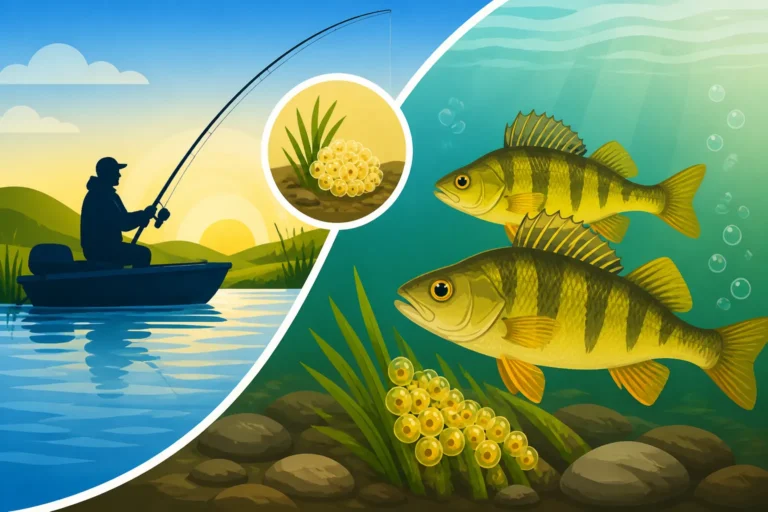
Devils Lake is an endorheic basin, meaning it has no natural outflow, leading to dramatic fluctuations in water levels. Over the decades, the lake has expanded significantly, submerging vast tracts of farmland, trees, and brush. This "flooded timber" creates an intricate underwater forest, providing countless hiding spots from predators, abundant feeding grounds, and prime spawning habitat for perch. The complex structure of submerged trees and brush offers protection for young perch, allowing them to survive and mature into larger fish.
These fluctuations also mean that the lake's productivity can wax and wane. When water levels are high and new areas are flooded, the influx of nutrients fuels an explosion in the food chain. This leads to boom years for perch populations, with strong year classes benefiting from the abundant resources. While high water can sometimes make fishing challenging due to vast amounts of cover, it ultimately creates the conditions for the growth of exceptional fish. Anglers learn to adapt their techniques to these conditions, focusing on the edges of the flooded timber or finding open pockets within the submerged forest.
Ideal Growing Conditions and Age Structure
Beyond just food and habitat, Devils Lake often boasts water chemistry and temperatures that are highly conducive to perch growth. The moderate climate allows for a good balance of growing seasons and dormancy periods, which can contribute to the longevity and size of the fish. Perch can live for quite a few years, and in an environment where they have plenty of food and relatively low predation pressure (especially once they reach a certain size), they can continue to grow steadily.
The lake's robust population also means a healthy age structure. While many perch are caught at smaller sizes, enough survive to reach impressive ages and weights. This balance is crucial; too much fishing pressure on larger fish could deplete the trophy potential, but the sheer size and complexity of Devils Lake help ensure a steady supply of older, larger fish. It's a testament to the resilience of the fishery and the careful management practices that help maintain its health. Understanding the Average Size of Perch on Devils Lake can give you perspective on just how special those giant fish truly are.
Beyond the Record: What Makes a Perch Truly Big?
While the official state record is a monumental achievement, most anglers define a "truly big" perch in more relative terms. For many, a perch pushing the 1-pound mark is already considered a jumbo. A fish over 1.5 pounds is a fantastic catch that will earn you serious bragging rights. And anything approaching 2 pounds? That's the stuff of dreams for many. The thrill of catching a perch that fills your hand, with a distinct hump on its back and vibrant colors, is an experience that keeps anglers coming back for more.
The perception of a "big" perch often comes from the sheer challenge of finding and catching them consistently. Perch are schooling fish, and while you might find a school of smaller ones, singling out the true giants requires a different approach. These older, larger fish can be warier and often prefer deeper water or specific structures that offer better ambush points for their preferred forage. Their size isn't just about weight; it's about the thickness, the broad shoulders, and the overall impression of a dominant fish. These are the fish that make you forget the cold, the wind, and the countless hours spent without a bite.
The Thrill of a Jumbo Perch
Catching a jumbo perch offers a unique thrill. Unlike the subtle taps of smaller panfish, a big perch hits with authority, often pulling hard and diving deep. On light ice fishing gear, that fight can be surprisingly intense, bending your rod into a satisfying arc. When you finally see that wide, olive-green back and vibrant orange fins emerging from the hole in the ice, it's a moment of pure excitement. Many anglers consider perch to be some of the best-eating freshwater fish, so a big one not only provides a great fight but also a delicious meal.
The pursuit of these larger fish also requires a degree of strategy. You might be targeting them in conjunction with walleye or pike, or specifically setting out to find the schools of giant perch. This often means exploring different depths, experimenting with various lures, and paying close attention to your fish finder. It’s a rewarding challenge that pushes you to become a more observant and adaptable angler. From the subtle nuances of Perch Jigging Techniques for Devils Lake to understanding How to Find Perch Schools Under the Ice, there's a whole world of skill involved in consistently catching these bigger fish.
Common vs. Trophy Perch Sizes
To give you a clearer picture, let's look at a general comparison of perch sizes you might encounter on a lake like Devils Lake:
| Perch Size Category | Approximate Length (Inches) | Approximate Weight (Pounds) | Angler Perception |
|---|---|---|---|
| Small / Pan-sized | 6-9 | 0.25 – 0.5 | Common, good for numbers, easy to catch |
| Medium | 9-11 | 0.5 – 0.75 | Good eating size, solid fight |
| Jumbo / Trophy | 11-14 | 0.75 – 1.5 | Excellent catch, worthy of photos |
| Giant / Record | 14+ | 1.5 – 2.75+ | Legendary, once-in-a-lifetime |
Note: These are general estimates and actual weights can vary based on the fish's girth and health. The state record fish far exceeds the typical "trophy" category, pushing into truly legendary status.
When you're out on the ice or open water, even catching a few perch in the "jumbo" category can make for an incredible day. It’s a testament to the health of the fishery and your skill as an angler. Every time you drop a line in Devils Lake, you know that truly special fish could be waiting. The possibilities are what keep us coming back, season after season.
Chasing Your Own Devils Lake Dream Perch
So, you're inspired by the legend of the record perch and you want to try your hand at catching one of Devils Lake's famous jumbos? That's the spirit! While landing a new state record is incredibly rare, targeting and catching impressive perch is absolutely within reach. It takes a combination of the right gear, understanding the fish's habits, and a healthy dose of patience. Devils Lake can be challenging, but the rewards are often spectacular.
One of the first things to consider is your gear. Jumbo perch are often found in deeper water or around heavy cover, so a sensitive rod that can detect subtle bites is key. Look for a good quality ice fishing rod designed for perch or panfish, typically with a light or ultra-light action. Paired with a small, smooth spinning reel and 4-6 pound test fluorocarbon line, you'll be able to feel those light taps and have enough backbone to handle a decent fight. You can find a fantastic selection of these specialized rods and reels on Amazon, often with reviews from other perch fanatics. Don't underestimate the importance of sharp hooks either; a dull hook can cost you a trophy fish.
Tactics for Targeting Big Perch
When it comes to actual fishing techniques, precision and patience are your best friends. Perch are often found in schools, but the biggest fish can sometimes be on the fringes or holding slightly deeper. Using a quality fish finder is almost essential on Devils Lake, especially when ice fishing, to locate schools of fish and identify productive depths. Electronics allow you to see exactly where the fish are in the water column and how they're reacting to your lure. Many anglers swear by their Best Fish Finders for Ice Fishing when searching for these elusive schools.
For baits, small jigging spoons tipped with a minnow head or a couple of waxworms are perennial favorites. Tungsten jigs in various colors (glow green, orange, chartreuse, pink) can also be incredibly effective, especially when paired with plastics like a small grub or a live minnow. Don't be afraid to experiment with size and color until you find what the fish are keying in on. Sometimes, a subtle lift and fall is all it takes; other times, an aggressive jigging motion will trigger a strike. Remember, the bite can be light, so always be attentive!
When and Where to Find Them
Devils Lake is a year-round fishery, but perch are particularly popular during the hardwater season. Best Ice Fishing Lakes in North Dakota always feature Devils Lake prominently. When the ice forms, perch tend to school up in predictable areas, often around flooded timber, humps, and points. Early ice can be fantastic, as fish are aggressive and haven't seen much pressure. As winter progresses, they might move to deeper basin areas or relate more closely to underwater structure.
During open water season, look for perch around weed lines, submerged rock piles, and deep breaks. Trolling small crankbaits or jigging with live bait can be very effective. Remember to check the North Dakota Fishing Regulations Explained before you head out, as limits and rules can change. No matter the season, the key is often to move until you find them. Don't get stuck in one spot if you're not getting bites; Devils Lake is vast, and the perch can be nomadic. Carrying a portable ice shelter and a reliable ice auger, many of which are available on Amazon, can make covering ground much easier. Sometimes, the bigger perch are simply in a slightly different area than the smaller ones, so keep moving and drilling until you hit that sweet spot!
Respecting the Resource
Finally, remember that catching a truly large perch is a privilege, and good stewardship of the resource is paramount. Consider practicing catch and release for some of the biggest fish, especially if you're targeting a genuine trophy. These larger, older fish are vital to the lake's breeding stock and contribute to future generations of jumbo perch. Taking a quick photo and carefully releasing a fish allows it to spawn again and potentially grow even larger. Always handle fish gently, minimize their time out of the water, and ensure they are revived before release. By doing so, you're helping to ensure that the legend of Devils Lake's record perch continues for anglers for many years to come.
Disclaimer
This article is for general informational purposes only and does not constitute professional advice. Laws, prices and regulations vary by location and change over time. Consult a qualified professional for guidance on your specific situation.