Perch Jigging Techniques for Devils Lake
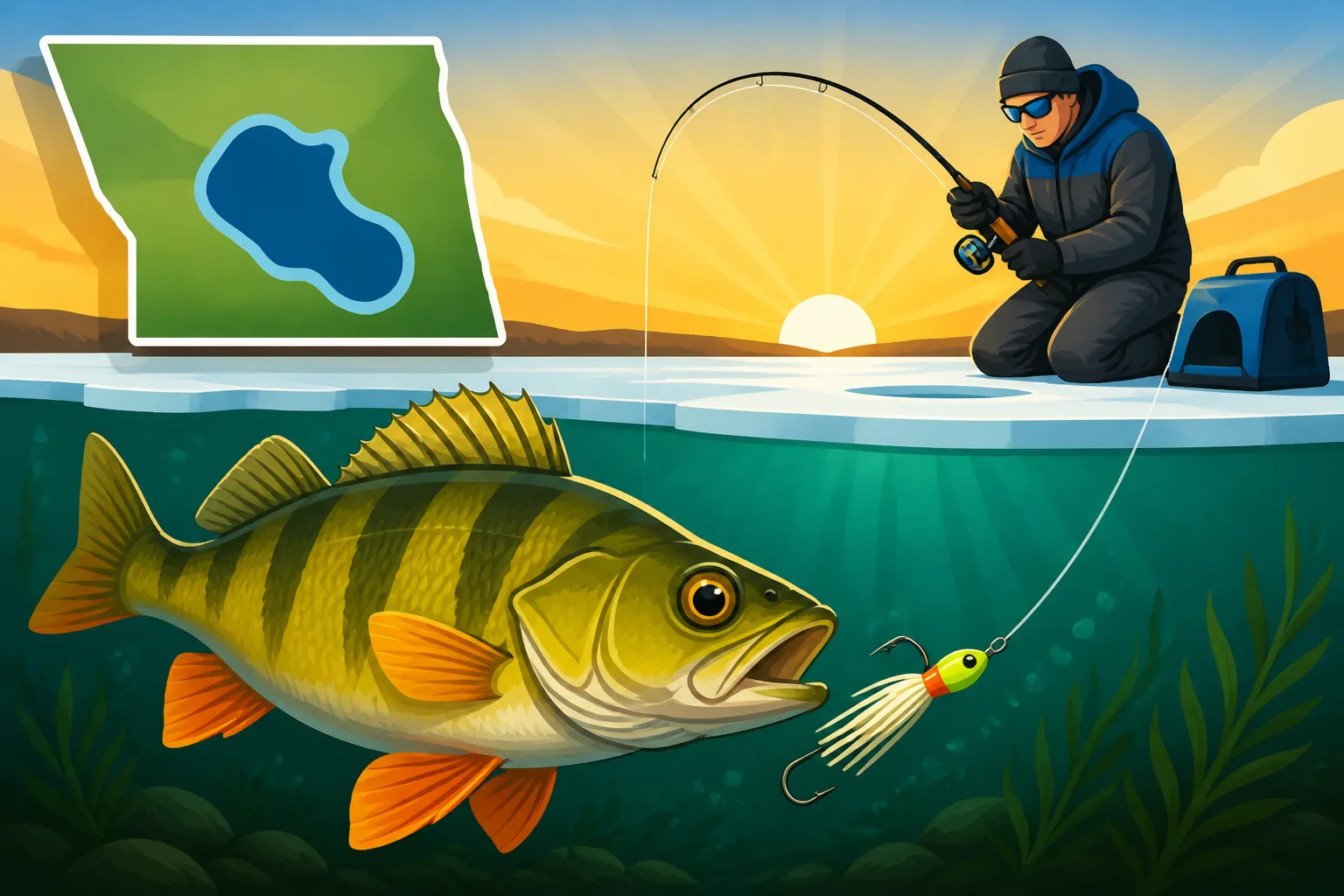
There’s nothing quite like the thrill of chasing yellow perch on Devils Lake, but let's be honest, it can also be one of the most frustrating experiences out there. One day they're biting everything you drop, and the next, it feels like they've vanished into thin air. This guide is dedicated to equipping you with the precise jigging techniques and knowledge to consistently find and catch these elusive yet rewarding fish, transforming your Devils Lake ice fishing trips from hit-or-miss into steady success.
Understanding Devils Lake Perch Behavior
To effectively jig for yellow perch on Devils Lake, you first need to understand what makes these fish tick in one of North Dakota's most dynamic fisheries. Devils Lake is a sprawling, saline, and ever-changing body of water, meaning perch behavior here can differ significantly from other lakes. Their movements and feeding habits are heavily influenced by the lake's unique characteristics.
Perch Behavior and Habitat Preferences
Yellow perch are schooling fish, meaning where you find one, you'll often find many more. This is fantastic news for anglers, but it also means finding that initial school is paramount. Perch are ambush predators, and their diet primarily consists of insect larvae, small crustaceans, and even smaller fish. Because of this, they are typically found near structure that offers both food sources and protection from larger predators like walleye and northern pike. On Devils Lake, "structure" can mean a lot of things. We're talking about everything from flooded timber and old roadbeds to rock piles, submerged brush, and even the edges of weed beds that persist under the ice. These areas provide cover and concentrate the invertebrate life that perch feed on. Their feeding windows can be surprisingly short, often corresponding with dawn and dusk, but they can be caught throughout the day, especially if you hit a hungry school.
Water depth also plays a huge role. Early in the ice fishing season, perch might still be found relatively shallow, hanging around remaining weed edges in 8-15 feet of water. As winter progresses and oxygen levels change, they often move to deeper basins, humps, or main lake points, sometimes holding in 20-40 feet of water. Their preferences can shift based on factors like barometric pressure and light penetration. It’s not uncommon to find massive schools suspended over deeper water, chasing baitfish, or hugging the bottom, sifting through the muck for invertebrates. Understanding these tendencies is the first step to knowing where to drop your line.
Devils Lake's Unique Perch Fishery
Devils Lake isn't just any lake; its dynamic nature makes it an extraordinary perch fishery, but also a challenging one. The lake has experienced dramatic water level fluctuations over the decades, leading to vast expanses of flooded timber, old farmsteads, and submerged roads. This unique "underwater forest" creates an incredibly rich and complex habitat for perch, offering endless nooks and crannies for them to hide, feed, and grow to impressive sizes. It's why Devils Lake is renowned for producing some of the biggest yellow perch in North America. These historical structures are absolute magnets for perch and are key areas to focus your efforts. For anglers looking for the best perch action, understanding specific areas can be very helpful, and there are many prime Devils Lake Perch Fishing Spots that consistently produce.
However, the sheer size and complexity of Devils Lake also mean that perch are constantly on the move. What worked last week in one bay might be a ghost town today. This calls for a mobile, adaptive approach to ice fishing. You can't just drill a few holes and expect the fish to come to you; you often have to go find them. The lake's slightly saline water also contributes to a robust ecosystem, fostering abundant forage that allows perch to thrive. This abundance means that when you do locate a school, the bite can be fast and furious, making all that hard work of searching well worth the effort.
Essential Gear for Devils Lake Perch Jigging
Having the right gear is non-negotiable when you’re out on the ice, especially for a technical bite like perch jigging on Devils Lake. It’s not just about comfort, but about detection, presentation, and efficiency. Every piece of equipment, from your rod to your flasher, plays a critical role in putting more perch on the ice.
Rods, Reels, and Line Choices
For perch jigging, precision and sensitivity are your best friends. You want an ice rod that is light, yet has enough backbone to handle a feisty perch and detect the lightest bites. A general recommendation for Devils Lake perch is a medium-light power, fast-action ice rod between 28 and 32 inches long. The fast action means the tip is very sensitive for feeling subtle takes, while the medium-light power gives you control without overpowering the small jigs typically used for perch. Brands like St. Croix and Fenwick make excellent ice rods that fit this description. You'll find a wide variety of these specialized rods available, many through retailers like Amazon. When considering your options, checking out the Best Ice Fishing Rods for Perch can give you a great head start.
Pair your rod with a small spinning reel, typically a 500 or 1000 series, spooled with a sensitive, low-stretch line. Four to six-pound test monofilament or fluorocarbon is a popular choice for its stealth and knot strength. However, many experienced perch anglers opt for 4-6 pound braided line with a 2-4 foot fluorocarbon leader. The braid offers incredible sensitivity, transmitting even the lightest tap directly to your hand, while the fluorocarbon leader provides invisibility and abrasion resistance against the ice and submerged structure. The virtually no-stretch property of braid can be a game-changer for detecting those finicky perch bites, especially in deeper water.
Jigs, Baits, and Attractors
This is where the art and science of perch jigging really come into play. Perch are often very particular about their presentation. The vast majority of perch jigging success comes from using small, tungsten ice jigs. Tungsten is much denser than lead, allowing for a smaller profile jig that still gets down to depth quickly. Sizes typically range from 3mm to 6mm, with colors varying from natural (greens, browns, silver, gold) to bright "attractor" colors (chartreuse, orange, pink). Popular styles include horizontal jigs, teardrop jigs, and small spoons. The Best Jig Size for Perch Through the Ice often depends on the depth and activity level of the fish.
Beyond the jig itself, what you tip it with is crucial. Live bait is king for perch. Small minnows (rosies, fatheads), wax worms, spikes (maggots), or even small pieces of real perch eye (if legal and you've already caught one) are all excellent choices. Often, a combination works best – a small tungsten jig tipped with one or two spikes or a wax worm. The scent and subtle movement of live bait can be irresistible to perch. Don't be afraid to experiment with soft plastic micro-baits as well, such as small plastic grubs or larvae imitations. Sometimes, a tiny bit of flash or a specific profile is what triggers the bite.
Electronics and Shelters
In the dynamic environment of Devils Lake, a good fish finder is arguably your most important piece of gear. Flashers or LCD units specifically designed for ice fishing allow you to see your jig, the fish, and their reactions in real-time. This immediate feedback is invaluable for understanding how fish are responding to your presentation and for making quick adjustments. You can see fish approach your bait, rise to it, or shy away, allowing you to fine-tune your jigging motion until you find what they want. Brands like Vexilar, Marcum, and Humminbird are popular choices, and you can explore various options and features by searching for Ice Fishing Electronics and Fish Finders online.
Comfort on the ice can also significantly impact your success, especially on a large, often windy lake like Devils Lake. A quality ice fishing shelter, whether a portable flip-over or a hub-style pop-up, provides protection from the elements, allowing you to fish longer and more comfortably. In harsh North Dakota conditions, a good shelter can mean the difference between an enjoyable day and a miserable one. Look for insulated models to stay warm and consider models designed to withstand strong winds. To learn more about selecting the right shelter, check out resources on the Best Portable Ice Shelter for Wind. Inside your shelter, a small heater, a comfortable chair, and proper lighting will make your long hours of perch searching much more bearable.
Mastering Jigging Techniques for Perch
Once you've got your gear dialed in, it's time to talk about the actual dance – the jigging motion itself. This isn't just about dropping a line; it's about subtle movements, vibrations, and knowing when to hold steady. Perch jigging is often about finesse, but sometimes, a more aggressive approach is needed. The key is to be adaptable and let the fish tell you what they prefer.
The Art of the Drop and Lift
The fundamental perch jigging technique is the "drop and lift." After deploying your jig to the desired depth (which you'll pinpoint with your flasher), the game begins. Start with a series of small, sharp lifts of about 6-12 inches, allowing the jig to flutter back down on a semi-slack line. The fall is often when perch strike, as the bait appears injured or dying. After a few lifts, let the jig settle for 5-10 seconds. This pause is critical, especially for finicky perch, as they often approach a moving bait but commit to a stationary one.
Vary the intensity and height of your lifts. Sometimes a subtle quiver, barely moving the rod tip, is all it takes. Other times, a more aggressive snap can draw attention from a distance. The aim is to make your bait look alive and enticing without spooking the fish. If perch are showing interest on your flasher but not committing, try making your jig appear to "escape" by quickly lifting it a foot or two, then letting it fall naturally. This can often trigger an aggressive reaction strike. Always be ready to set the hook on the drop, as bites can be incredibly subtle, feeling like just a slight pressure or a "mushy" feeling rather than a distinct tap.
Pounding, Rippling, and Deadsticking
Beyond the basic lift and drop, several other techniques are crucial for coaxing bites from Devils Lake perch.
-
Pounding the Bottom: This technique is excellent for attracting perch from a distance and stirring up sediment, mimicking feeding activity. Lower your jig until it hits the bottom, then repeatedly bounce it off the lakebed with short, sharp motions for 10-15 seconds. This creates puffs of mud and sends vibrations through the water, signaling an easy meal. After pounding, lift the jig 1-2 inches off the bottom and hold it absolutely still. Often, perch will investigate the commotion and then pick up the seemingly vulnerable bait. This works especially well in deeper basins where perch are rooting for invertebrates.
-
Rippling: A more subtle variation, rippling involves shaking the rod tip just enough to make your jig vibrate and shimmer without actually lifting it much. This creates a more constant, yet gentle, movement that can entice less aggressive fish. It's particularly effective with horizontal jigs or small spoons that have inherent action. Think of it as mimicking a small insect struggling in the water.
-
Deadsticking: Sometimes, the most effective technique is to do nothing at all. Deadsticking involves simply holding your jig absolutely still at a specific depth, usually just above the bottom or directly in a school you see on your flasher. This is often done with a second rod (if legal in North Dakota, always check current regulations) in a separate hole, or by placing your rod in a rod holder and letting the live bait do the work. The slightest natural movement of the live bait can be enough to trigger a bite from highly pressured or lethargic perch. The combination of an actively jigged rod and a deadstick can often double your chances.
Reading Your Flasher and Adjusting
Your fish finder isn't just for locating fish; it's a critical tool for understanding their mood and how they react to your presentation. The colorful lines on your flasher screen tell a story. If you see fish come in quickly and hover directly under your bait, then dart away, your presentation might be too aggressive, or your bait might be too large. If they come in slowly and sit below your bait without rising, they might be lethargic, and you need a more subtle approach or a smaller bait.
Adjusting your jigging strategy based on what your flasher tells you is key. If fish are rising aggressively, try a faster lift and drop. If they're barely moving, try long pauses and minimal movement. Pay attention to how high off the bottom fish are. If they're suspended, try to keep your bait just above them, as fish typically look up for food. Don't be afraid to change jigs, bait combinations, or colors if the fish are present but not biting. Sometimes a slight change in the jig profile or a switch from a wax worm to a minnow can be the magic bullet. Remember, the fish are communicating; you just need to learn how to listen to their signals on your flasher.
Seasonal Perch Jigging Strategies on Devils Lake
Devils Lake perch, much like anglers, adapt to the changing conditions of winter. What works during early ice often won't cut it during the mid-winter grind, and the late-season bite demands yet another approach. Understanding these seasonal shifts is fundamental to consistent success.
Early Ice Perch Tactics
Early ice on Devils Lake, typically from late November through December, is often characterized by aggressive perch and relatively easy access. Once there’s safe ice, generally four inches or more, perch are still relatively shallow, feeding heavily after the fall turnover. They'll often be found in 8-18 feet of water, close to the last remaining green weed beds, flooded timber, or along gradual breaking points. This is a fantastic time for both numbers and quality fish.
During early ice, perch are often willing to chase, so slightly more aggressive jigging tactics can be effective. Use horizontal jigs or small spoons tipped with a minnow head or several spikes. A quick, sharp lift followed by a controlled fall can trigger bites. Don't be afraid to pound the bottom to stir up sediment and draw fish in. Mobility is also a key factor; cover water by drilling a series of holes along a break or through a timber field until you find an active school. The key is to stay on the move until you locate them. Sometimes, the best early ice spots are those that held open-water perch in late fall. Remember to always prioritize safety during this period; ice conditions can be variable, so always check the thickness carefully. You can learn more about how to check ice thickness safely.
Mid-Winter Slump Solutions
Ah, mid-winter. January and February on Devils Lake can be notoriously tough. Perch often become more lethargic, oxygen levels can drop in certain areas, and fishing pressure can make them finicky. They also tend to move to deeper basin areas, main lake humps, or distinct structural elements in 20-40+ feet of water, often suspending rather than hugging the bottom. This is when finesse and patience truly pay off.
During the mid-winter slump, scale down your presentation. This means smaller tungsten jigs (3mm-4mm), often tipped with just one or two spikes or a wax worm. The jigging motion should be much more subtle: slow lifts, gentle quivers, and extended pauses (10-20 seconds or even longer). Deadsticking becomes incredibly effective during this period. When you spot fish on your flasher, try to keep your bait just above them and minimize movement. Patience is key; it might take several minutes for a perch to commit. Don’t be surprised if the bite window is short, often around sunrise or sunset. Finding these deeper perch schools can be challenging, but once located, the action can still be good, albeit slower. Sometimes, moving away from heavily pressured areas to lesser-fished spots, even if it means a longer walk or drive, can yield better results.
Late Ice Perch Aggression
As March approaches and spring break-up looms, Devils Lake perch often experience a resurgence of aggression. Oxygen levels improve, and the fish begin to stage for their upcoming spawn. This "late ice" period can offer some of the most phenomenal perch fishing of the year, with fish often moving shallower again, typically to 10-25 feet of water, near incoming current areas, remaining weed edges, or major points.
During late ice, perch can once again be found in large, aggressive schools, and you can often revert to more active jigging styles. Slightly larger jigs (5mm-6mm) or small spoons can work well, still tipped with live bait like minnows or larger wax worms. The perch are feeding heavily, so don't be afraid to try faster lifts, more pronounced drops, and even vertical jigging spoons if the fish are active. The key is to take advantage of their renewed metabolism. This is also a great time for "hole-hopping," rapidly moving from hole to hole, drilling many, to quickly locate active schools. However, late ice conditions can deteriorate rapidly, so extreme caution is advised. Always be aware of slush, cracks, and deteriorating ice, especially near shore. It's crucial to understand Best Late Ice Fishing Tips Before Ice-Out to stay safe.
Reading the Ice and Water for Perch Success
Finding perch on a massive, complex lake like Devils Lake isn't just about drilling random holes. It's about understanding the subtle clues the environment provides, from the underwater topography to the weather patterns. Being a successful perch angler here means being a bit of a detective.
Interpreting Structure and Depth
Devils Lake is renowned for its unique underwater landscape, a result of its rising and falling water levels. Beneath the surface lie ghost towns of old roads, fences, farm buildings, and vast expanses of flooded trees and brush. These are not just obstacles; they are magnets for perch. Start your search by looking at contour maps. Identify old creek channels, humps, points, and sudden depth changes. If you can find map features that indicate old structures, like roadbeds or building foundations, these are prime areas. Many anglers rely on advanced GPS chartplotters and mapping software to pinpoint these historical features.
Perch often relate to specific depths depending on the season, light conditions, and available forage. Early and late in the ice season, they might be shallower, 8-20 feet, near residual weeds or timber lines. Mid-winter often sees them in deeper basin areas or over main lake humps at 20-40 feet or more, sometimes suspending. Pay close attention to your electronics. If you see fish consistently at a certain depth, try to keep your bait in that zone. Don't be afraid to fish both the bottom and the suspended layers. Sometimes the biggest perch are cruising higher in the water column, chasing baitfish. For more specific insights, exploring Devils Lake Flooded Timber Fishing Spots can reveal some true gems.
Finding Perch Schools
Perch are schooling fish, so finding the school is the hardest part; catching them is often the easy part. A methodical approach is required. Start by drilling a grid of holes or a line of holes across a promising structural element, such as a point extending into a basin or along the edge of a flooded timber area. Don't just drill two or three holes; drill 10-20 or even more, covering a significant area. This method, often called "hole hopping," is crucial on Devils Lake. Once you have your holes, move quickly between them, dropping your transducer and jig into each one for a minute or two. The goal is to identify active fish before settling down.
Your fish finder is your best friend here. If you see multiple fish arcs or strong signals, chances are you've hit a school. If the fish show interest immediately, stay put and work that hole. If no fish show up within a minute or two, move to the next hole. Don't spend too long in unproductive holes, especially during the search phase. Remember that perch schools can move, so even if you caught them in a spot yesterday, they might have relocated today. Being prepared to drill new holes throughout the day is part of the Devils Lake experience. Understanding How to Find Perch Schools Under the Ice is a skill developed over many hours on the ice.
Environmental Factors (Wind, Pressure)
Weather and atmospheric conditions can significantly influence perch behavior and fishing success. Barometric pressure is a big one. Stable, high pressure often leads to good fishing, as fish tend to be more active. Conversely, rapidly dropping pressure, often associated with approaching storm fronts, can trigger an intense feeding frenzy right before the weather change, followed by a slowdown once the storm hits and the pressure stabilizes at a low point. Pay attention to weather forecasts and try to time your trips with stable or rising pressure.
Wind is another major factor, particularly on a large, exposed lake like Devils Lake. Strong winds can make fishing uncomfortable, but they can also create current under the ice, which can activate perch. However, excessive wind can also make subtle bite detection difficult. Choose a sheltered bay or use a sturdy ice shelter to mitigate the wind's effects. Light conditions also play a role. Overcast days often keep perch active longer, while bright, sunny days might push them deeper or into heavier cover. Always keep a close eye on the thermometer; extremely cold temperatures can make fish sluggish, demanding the most subtle presentations. By considering these environmental factors, you can make more informed decisions about where and how to fish.
Advanced Tips and Common Mistakes
Even seasoned anglers can learn new tricks, and avoiding common pitfalls can significantly boost your success rate on Devils Lake. Perch jigging can be a game of inches, and these finer points can make all the difference.
Hole Hopping and Mobility
We've touched on it, but let's re-emphasize: mobility is paramount for perch jigging on Devils Lake. This isn't a "sit and wait" fishery. The best perch anglers are constantly on the move, covering vast amounts of ice. Investing in a good portable ice shelter, a sturdy ice auger (preferably a gas or electric model for speed and efficiency), and a reliable ice sled for your gear is crucial. The goal is to quickly drill a pattern of holes (a grid or a long line across a feature), check each one with your flasher and a quick jig, and then move on if fish aren't present.
Don't be afraid to drill 50-100 holes in a day if necessary. The more water you cover, the higher your chances of intercepting an active school. When you do find fish, spend some time working that hole, but if the bite slows, don't hesitate to drill more holes nearby. Perch schools can be transient, and they might move just a short distance. Continuously checking surrounding holes can extend your time on active fish. Think like a hunter, not a gardener. You’re actively searching for your quarry, not waiting for it to come to you. This active approach is a core principle of how to ice fish in North Dakota, especially on large, diverse lakes.
Staying Warm and Comfortable
Devils Lake winters can be brutal, with temperatures plummeting far below zero and biting winds. Being cold is not just uncomfortable; it distracts you from fishing and can even be dangerous. Proper layering is essential, starting with a good base layer that wicks moisture away from your skin, followed by insulating mid-layers, and finally, a waterproof and windproof outer shell. High-quality insulated boots, gloves or mittens, and a warm hat are non-negotiable. Many anglers find products from brands like Eskimo and Striker to be very effective, with many options available on Amazon.
A reliable portable heater for your ice shelter can make a huge difference in staying comfortable. Remember to always ensure adequate ventilation to prevent carbon monoxide buildup. Staying hydrated and bringing plenty of warm snacks and drinks will also help maintain your core temperature and energy levels. The longer you can comfortably stay out and focus, the more productive your day will be. Don't underestimate the mental game; staying warm keeps your spirits up, which in turn keeps you motivated to keep searching and jigging effectively.
Avoiding Common Pitfalls
Even experienced anglers can fall into common traps when perch jigging. One of the biggest mistakes is being too static. As mentioned, Devils Lake perch move. If you haven't seen fish or had a bite in 20-30 minutes, it's time to move on to another hole or an entirely new area. Another common error is using too large a bait or too heavy a line. Perch have relatively small mouths, and they can be particular. Downsizing your jig and line can often unlock bites from finicky fish.
Failing to use a flasher effectively is another pitfall. Some anglers drop their line and just watch for a bite, missing all the subtle cues their electronics could provide. Learn to interpret those signals: how fish are approaching, if they're aggressive or shy, and at what depth they're holding. Also, don't be afraid to experiment. If the fish aren't hitting your presentation, change colors, change jigging cadence, switch from a wax worm to a minnow, or try a different jig style. What worked yesterday might not work today, and what works for walleye or northern pike certainly won't always work for perch. Staying open to adaptation is key. Finally, always be mindful of ice safety – no fish is worth the risk.
| Jig Type & Style | Best Application | Common Colors | Bait Tip Suggestions |
|---|---|---|---|
| Tungsten Teardrop | All-around, versatile. Good for aggressive & neutral fish. | Gold, Silver, Chartreuse | Spikes, Wax Worms, Minnow Head |
| Tungsten Horizontal | Excellent for subtle action, looks like a feeding insect. | Green, Orange, Black, Glow | Spikes, Wax Worms |
| Small Spoon (e.g., Lindy Rattl'n Flyer) | Attracts from a distance, good flash & vibration. | Gold, Silver, Fire Tiger | Minnow Head, Minnow Tail |
| Plastic/Rubber Bug | Finesse presentation for finicky fish, natural profile. | Brown, Olive, Smoke | Scented plastics, no live bait needed |
| Glow Jigs | Deep water, low light conditions, or stained water. | White Glow, Green Glow | Spikes, Wax Worms |
Disclaimer
Fishing regulations can change frequently. Always consult the latest North Dakota Game and Fish Department (NDGFD) proclamations and regulations before heading out on the ice. This guide is for informational purposes only and does not supersede official regulations. Stay safe and fish responsibly.