Best Ice Fishing Lakes in North Dakota
The biting cold, the endless expanse of white, the quiet anticipation – there's something truly magical about ice fishing in North Dakota. But for newcomers or even seasoned anglers looking to explore new frozen frontiers, figuring out where to drop a line can be overwhelming. This guide is all about cutting through the ice to show you the best, most productive lakes for an unforgettable hardwater adventure across the Peace Garden State, ensuring your efforts are rewarded with bending rods and full buckets.
The Magic of North Dakota Ice Fishing: Why It's Worth the Chill
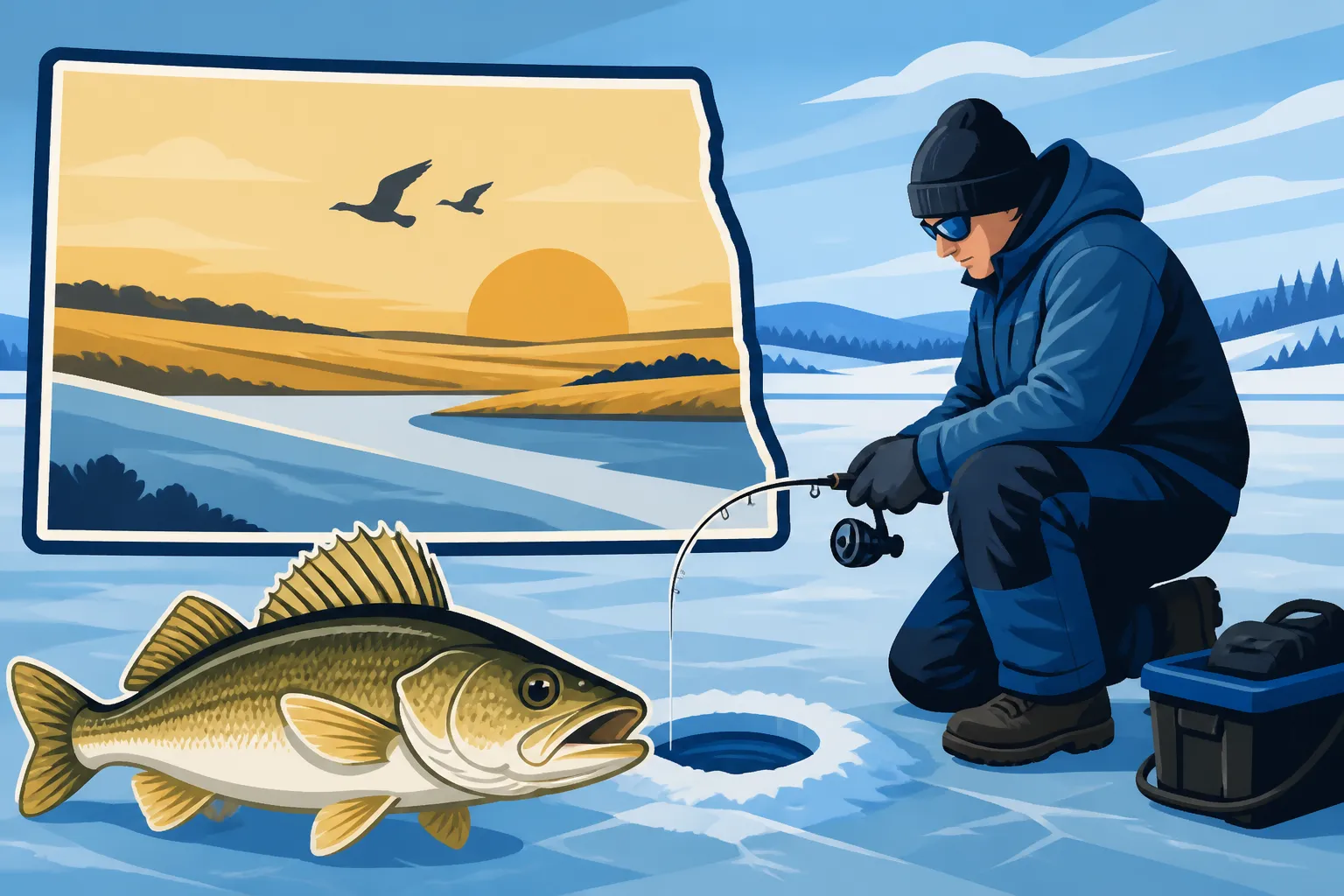
Let's be honest, standing out on a frozen lake when the wind whips across the prairie isn't everyone's idea of a good time. But for those of us who embrace it, ice fishing in North Dakota offers a unique blend of challenge, camaraderie, and incredible reward. The cold can be intimidating, the gear can seem daunting, and the thought of drilling through feet of ice might feel like a monumental task. However, the payoff – the thrill of pulling a plump walleye or a massive perch from beneath the frozen surface – makes every shiver and every frozen finger worth it. It’s a chance to connect with nature in its starkest beauty, to bond with friends and family in the warmth of a fish house, or to find a profound solitude that only a vast, frozen landscape can provide.
Embracing the Hardwater Season
The transition from open-water angling to ice fishing transforms the entire fishing experience. Suddenly, boats are replaced by snowmobiles and ATVs, and open water tactics give way to jigging, deadsticking, and tip-up strategies. The communal aspect often deepens during the ice season; entire temporary villages can pop up on popular lakes, with the glow of fish house lights stretching for miles across the ice. It’s a testament to the resilience and passion of North Dakota anglers who aren't deterred by sub-zero temperatures. For many, it's not just about catching fish; it's about the ritual, the shared stories, and the pure joy of being out on the hardwater. The long winter months here would feel even longer without the opportunities that ice fishing provides, turning what could be a dreary season into an exciting pursuit. You truly gain a deeper appreciation for the resilience required to thrive in this beautiful, wild state.
Understanding North Dakota's Diverse Fisheries
North Dakota is blessed with a surprisingly diverse array of fishing waters, each offering its own unique ice fishing character. We’re not just talking about one type of lake here; we have everything from massive, sprawling reservoirs like Lake Sakakawea to the unique, flooded timber environment of Devils Lake, and countless smaller prairie lakes and riverine systems. This means that depending on what you're looking for – whether it's trophy walleye, abundant perch, massive northern pike, or even unique targets like smallmouth bass or Chinook salmon – there’s a body of water that fits the bill. The state's geology plays a huge role in this diversity; the Missouri River System, for example, offers entirely different habitats and fish populations compared to the natural, often fluctuating, lakes in the eastern part of the state. Knowing these differences is key to planning a successful trip, and this guide will help you pinpoint which lakes are best for your specific ice fishing ambitions. Understanding the local fish habits and regulations is also crucial, which is why familiarizing yourself with North Dakota Fishing Regulations Explained can make all the difference.
Devils Lake: North Dakota's Legendary Ice Fishing Mecca
When you talk about ice fishing in North Dakota, Devils Lake almost always comes up first. And for good reason! This massive, fluctuating prairie lake is consistently ranked as one of the top ice fishing destinations in the entire country, attracting anglers from all over for its incredible walleye and jumbo perch opportunities. The ever-changing water levels over the decades have created a truly unique underwater landscape, with flooded timber, roads, and farmsteads providing prime structure and feeding grounds for fish, making it an ice angler's dream.
Walleye and Perch Paradise
Devils Lake isn't just good for walleye and perch; it's legendary. Anglers regularly pull out limits of plump walleye, often ranging from 15 to 25 inches, with genuine trophy fish in the mix. The flooded timber, especially in the shallower bays and along old roadbeds, creates ambush points for walleye, making jigging spoons tipped with minnow heads or small swimbaits incredibly effective. For those seeking the thrill of a big bite, deadsticking a larger minnow under a slip bobber can also be a game-changer. What truly sets Devils Lake apart for perch, however, is their sheer size and abundance. These aren't your average small panfish; Devils Lake is renowned for its "jumbo perch," often exceeding 12-14 inches, and they put up a fantastic fight through the ice. Locating schools of perch typically involves drilling many holes and using sensitive electronics like flashers or graphs to spot them relating to underwater humps, points, or the edges of the timber. Small tungsten jigs tipped with wax worms or plastics are usually the ticket to filling a bucket. To truly maximize your success, diving into a North Dakota Yellow Perch Fishing Guide and specifically checking out Devils Lake Perch Fishing Spots will give you an edge.
Access and Accommodations on Devils Lake
One of the biggest advantages of Devils Lake is how angler-friendly it is, especially during the ice season. There are numerous resorts, bait shops, and guide services scattered around the lake, making it easy to find everything you need, from hot coffee and fresh minnows to cozy cabins and expert advice. Towns like Devils Lake, Minnewaukan, and Spiritwood offer a full range of services. Many of these resorts maintain ice roads, which, while requiring caution and a keen eye on conditions, significantly improve access to some of the lake's prime fishing areas. It's a huge relief to know that even if you're traveling a long distance, you won't struggle to find a place to stay or someone who can point you in the right direction. For those coming from out of state or simply wanting to ensure a productive trip, booking a guided ice fishing excursion can be an invaluable investment. Services like FishingBooker connect anglers with experienced local guides who know the lake inside and out and can navigate the best Devils Lake Ice Fishing Access Points, put you on fish, and ensure a safe and enjoyable experience. They take the guesswork out of finding fish and dealing with the vastness of the lake, leaving you free to just enjoy the fishing.
Lake Sakakawea: Big Water, Big Fish, Big Adventure Under the Ice
If you're looking for an ice fishing experience on a grand scale, Lake Sakakawea is your destination. This colossal reservoir, formed by the Garrison Dam on the Missouri River, stretches for miles across central North Dakota, offering an immense and often intimidating hardwater playground. It’s not for the faint of heart, but for those willing to embrace its challenges, the rewards can be truly phenomenal, including some of the largest walleye and even a unique opportunity for Chinook salmon through the ice.
Targeting Trophy Walleye and Chinook Salmon
Lake Sakakawea's sheer size means there’s an incredible amount of diverse habitat, from steep breaklines and submerged points to vast flats and deep channels. For ice anglers, this translates to excellent opportunities for trophy walleye, especially in the major arms and bays like Van Hook, Parshall Bay, and the areas around Garrison Bay. Finding these fish often requires a mobile approach, drilling lots of holes, and relying heavily on a good fish finder to locate schools relating to specific depths or subtle structure. Deep water jigging with spoons or heavy minnow-profile baits is a common tactic, often paired with a deadstick rigged with a larger minnow. The lake is also home to a unique and exciting ice fishing possibility: Chinook salmon. While not as common a target as walleye, determined anglers do pursue them, often finding them suspending in deeper waters, particularly in the lower lake near the dam. This requires specialized electronics and an understanding of their pelagic nature. If you're hoping to land one of these powerful fighters, be prepared for a truly unique ice fishing challenge. For more detailed strategies on this big water, check out our North Dakota Walleye Fishing Guide and specific insights on Lake Sakakawea Walleye Fishing Spots.
Navigating the Expansive Frozen Landscape
Ice fishing Lake Sakakawea is an adventure, and it requires respect for its immense size and often unpredictable conditions. The lake is so vast that ice conditions can vary wildly from one bay to another, and wind can create dangerous pressure ridges and slush fields. Because of this, reliable transportation like an ATV or snowmobile is almost essential for accessing prime spots that are often miles from shore. A good GPS with saved waypoints is not just helpful; it's a critical safety tool. Always tell someone your plans, carry safety gear like ice picks and ropes, and closely monitor weather forecasts and ice reports. Key access points like the Van Hook Arm and other state park ramps provide launching points, but once you're on the ice, you're often quite a distance from any shelter. Resorts and outfitters, some listed on platforms like FishingBooker, can be a great resource for up-to-date ice conditions and even guided trips on this enormous body of water, ensuring you navigate safely and efficiently. Remember, safety always comes first on a lake of this magnitude, and understanding How Thick Ice Needs to Be for Ice Fishing is paramount before venturing out.
The Missouri River System: Consistent Action and Diverse Catches
While Devils Lake and Lake Sakakawea often grab the headlines, the Missouri River System, including the open water below Garrison Dam and the vast expanses of Lake Oahe, offers equally exciting and often more diverse ice fishing opportunities. This dynamic system, constantly influenced by current and varying depths, provides a unique challenge and consistent action for anglers willing to adapt their approach.
Tailrace Fishing Below Garrison Dam
One of the most unique winter fishing experiences in North Dakota can be found in the open water immediately below the Garrison Dam. Due to the dam's operation, this section of the Missouri River often remains open, or at least features very unstable ice, even in the coldest parts of winter, creating a distinct fishery. Anglers can target a variety of species from shore or by boat (if conditions allow for safe launching), including walleye, sauger, and even trout that are often stocked in this area. The current is a significant factor here, requiring heavier jigs, three-way rigs, or aggressive jigging techniques to present baits effectively. Fishing below the Garrison Dam can be incredibly productive, especially during periods of stable flow, as fish congregate in the oxygenated water and eddies. It's a completely different experience from traditional ice fishing, offering a chance to cast lures or drift baits when most other lakes are locked solid. However, this also means extreme caution is advised due to rapid water fluctuations and changing ice conditions. Always prioritize safety and be aware of your surroundings when fishing open water in winter. For more on this unique spot, refer to our Missouri River Fishing Below Garrison Dam in North Dakota guide.
Reservoirs and Backwaters: Lake Oahe and Beyond
Further downriver, the Missouri expands into the northern reaches of Lake Oahe, a colossal reservoir that extends into South Dakota. While its North Dakota portion isn't as vast as Sakakawea, it still offers phenomenal ice fishing, particularly for walleye and channel catfish. The riverine influence means that even under ice, there can be subtle currents, and fish often relate to the main channel, submerged timber, or deep breaklines. Access points near places like Fort Yates and Pollock (just across the border) provide entry to these productive waters. Anglers often employ similar tactics as on Sakakawea, using jigging spoons, Rapala-style baits, or deadsticking large minnows. The ice here can be substantial, but anglers must always be wary of current areas that can create thinner spots. The backwater bays and protected areas off the main river channel are often the safest and most productive spots for ice fishing, offering less current and more stable ice. This area can be a goldmine for those seeking big walleye and even trophy catfish that remain active under the ice. Exploring Lake Oahe Walleye Fishing Spots will give you a better idea of where to start your adventure.
Hidden Gems and Regional Favorites for North Dakota Ice Anglers
While the big names like Devils Lake and Sakakawea certainly draw a crowd, North Dakota is dotted with countless smaller, yet incredibly productive, lakes that offer fantastic ice fishing. These hidden gems often provide easier access, less pressure, and unique angling opportunities, making them perfect for a quick trip, a family outing, or a quest for a specific species away from the masses.
Eastern North Dakota's Productive Waters
In the eastern part of the state, away from the Missouri River System, you'll find a network of prairie lakes and reservoirs that consistently produce great ice fishing. Lakes like Lake Ashtabula, Jamestown Reservoir, and Patterson Lake near Dickinson are popular choices, known for their strong populations of walleye, northern pike, and yellow perch. These lakes are often more manageable in size than their western counterparts, making navigation and finding fish a bit less daunting for new anglers or those without heavy-duty ice transportation. You'll often find excellent shore access in many spots, and local communities frequently host ice fishing derbies and events, creating a vibrant, family-friendly atmosphere. Jigging raps, spoons, and small plastics are generally effective for walleye and perch, while tip-ups baited with large smelt or sucker minnows are deadly for northern pike. For those in the Jamestown area, the Jamestown Reservoir Fishing Guide offers a deep dive into what this specific lake has to offer. The ease of access and consistent action make these eastern lakes a fantastic choice for a relaxed yet rewarding ice fishing day.
Western and Central Favorites
Beyond the behemoths, several other lakes in central and western North Dakota shine during the hardwater season. Lake Audubon, adjacent to Lake Sakakawea, is a fantastic fishery in its own right, particularly known for its smallmouth bass and northern pike. Catching smallmouth bass through the ice is a unique and thrilling experience, and Audubon often delivers. Anglers targeting smallmouth will use smaller spoons, tube jigs, or jigging plastics. For the pike, standard tip-up setups with large baitfish work wonders. Nelson Lake, near Center, is truly a unique beast. It's a power plant cooling reservoir, meaning parts of it never freeze, even in the dead of winter! This offers year-round open-water opportunities, but the areas that do freeze provide some intriguing ice fishing, often with warmer water pockets attracting fish. It’s a specialized spot, but one worth exploring for its distinct characteristics. Further south, Lake Tschida (Heart Butte Dam) near Elgin is another solid choice for walleye, northern pike, and crappie. Its varied structure and accessible points make it a local favorite for ice anglers looking for consistent action. Delving into the Lake Audubon Smallmouth Bass Fishing guide can help you plan a trip to this exceptional smallmouth ice fishery.
| Lake Name | Primary Species | Trophy Potential | Ease of Access (Winter) | Best For |
|---|---|---|---|---|
| Devils Lake | Walleye, Yellow Perch, Pike | High | Excellent (Ice Roads) | Perch & Walleye Quantity |
| Lake Sakakawea | Walleye, Northern Pike, Salmon | Very High | Moderate (Large Area) | Trophy Walleye, Adventure |
| Lake Ashtabula | Walleye, Northern Pike, Perch | Moderate | Good | Family, Consistent Action |
| Lake Audubon | Smallmouth Bass, Northern Pike | High | Good | Unique Targets, Pike |
| Jamestown Reservoir | Walleye, Northern Pike, Perch | Moderate | Good | Local, Consistent Action |
Essential Gear and Safety Tips for North Dakota Ice Fishing
Ice fishing in North Dakota, while incredibly rewarding, demands the right gear and a steadfast commitment to safety. You're heading out onto a frozen body of water, often in extreme cold, and being prepared is not just about comfort – it's about survival. Don't let the thought of all the equipment intimidate you; with a solid setup, you'll be warm, safe, and ready to enjoy everything the hardwater season has to offer.
Equipping Your Ice Fishing Expedition
First and foremost, a reliable auger is paramount. Whether you opt for a hand auger for portability on thinner ice, a powerful gas auger, or a quiet electric one, you need to be able to cut through potentially several feet of ice efficiently. Next, an ice fishing shelter is a game-changer. From portable flip-overs to larger hub-style shanties, these provide crucial protection from the biting North Dakota wind and cold. Pair your shelter with a portable heater, and you've created a cozy oasis on the ice. When it comes to rods and reels, specialized ice fishing combos are shorter and more sensitive, perfect for detecting subtle bites in the cold water. Don't forget your electronics: a good flasher or a portable fish finder is almost essential for locating fish, determining depth, and seeing how fish react to your presentation. Finally, your personal attire is critical. Layering is key, with thermal base layers, insulated mid-layers, and a waterproof, windproof outer shell. Insulated boots, warm gloves or mittens (often with convertible fingers for tying knots), and a good hat will keep you comfortable. For a comprehensive list of what you'll need, check out our guide on the Best Ice Fishing Gear for North Dakota. Having the right tools makes the experience infinitely more enjoyable and productive.
Prioritizing Ice Safety and Planning
No matter how excited you are to hit the ice, safety should always be your top priority. North Dakota winters can be brutally cold, but ice conditions can still vary drastically due to currents, springs, and fluctuating temperatures. Always check ice thickness before venturing out, especially in early or late season. A general rule of thumb is at least 4 inches for foot travel, 5-7 inches for ATVs/snowmobiles, and 8-12 inches for cars or light trucks, but these are minimums and can vary. Always carry a set of ice picks, which can be lifesavers if you break through. A rope or throwable flotation device should also be easily accessible. It's also incredibly important to always fish with a buddy and to tell someone your plans, including your destination and expected return time. On large lakes like Sakakawea, driving a vehicle onto the ice requires extreme caution and knowledge of specific ice roads and conditions. Pay close attention to local ice reports, often available from bait shops or the North Dakota Game and Fish Department, and never take unnecessary risks. Remember, a fish isn't worth risking your life. For detailed information, consult our guide on How Thick Ice Needs to Be for Ice Fishing and be sure to understand all North Dakota Ice Fishing Rules before you head out.
Optimizing Your North Dakota Ice Fishing Experience
You've got your gear, you know your target lakes, and you're committed to safety. Now, let's talk about how to really dial in your North Dakota ice fishing experience to maximize your success and enjoyment. It's not just about showing up; it's about understanding the subtle nuances of timing and leveraging local knowledge.
Timing Your Trip for Peak Action
Just like open-water fishing, timing is everything when it comes to ice fishing. Early ice, often in December, can be some of the most exciting fishing of the year. Fish are often still in shallower water, aggressive, and haven't seen much pressure. This is a prime time for big walleye and pike before they settle into their mid-winter patterns. Mid-winter, typically January and February, often means colder temperatures and thicker ice, pushing fish to deeper structures, breaklines, and often requiring more subtle presentations. Late ice, in March, can bring another surge of activity as the days lengthen and fish become more active in preparation for the spawn. During this time, fish often move back shallower, and feeding windows can be intense. Beyond the season, daily timing matters too. Walleye often have prime feeding windows at dawn and dusk, while perch can be more active throughout the day, especially if you locate a hungry school. Keep an eye on the weather; stable conditions are usually better than rapidly changing ones, and understanding the North Dakota Fishing Season Calendar will give you a general overview of seasonal patterns.
Connecting with Local Expertise
There’s an old saying that 10% of the anglers catch 90% of the fish. Often, that 10% are the ones who put in the time or, just as importantly, leverage local knowledge. North Dakota's ice fishing community is incredibly friendly and welcoming, and tapping into local expertise can dramatically improve your success. Local bait shops are goldmines of information; they know what's biting, where, and on what bait. Don't be afraid to strike up a conversation and ask questions – just be polite and consider buying your bait and tackle from them as a thank you. Even better, consider hiring a local guide. An experienced ice fishing guide, many of whom can be found through platforms like FishingBooker, not only knows the nuances of a particular lake but also possesses the equipment, skills, and safety knowledge to put you on fish quickly and efficiently. For instance, a guide on Devils Lake will know exactly which flooded timber lines the perch are running or which humps the walleye are holding on. They're invaluable for beginners or anyone trying a new lake. They can also teach you specific techniques, help with gear selection, and ensure you're compliant with Fishing Guide Licensing Requirements Explained and all local rules.
Disclaimer
The information provided in this guide is for general informational purposes only and is subject to change. Fishing regulations, ice conditions, and fish populations can vary. Always consult the most current North Dakota Game and Fish Department regulations before fishing, prioritize safety, and be aware of changing weather and ice conditions. Fishing inherently carries risks, and personal safety is the responsibility of each individual.