Missouri River Fishing Below Garrison Dam in North Dakota
Fishing below the Garrison Dam on the Missouri River can be one of the most exhilarating yet challenging experiences for any angler in North Dakota. The powerful currents, fluctuating water levels, and unique ecosystem created by the dam can be incredibly frustrating if you don't know what to expect. This guide is here to walk you through the intricacies of this dynamic fishery, helping you understand its unique characteristics, what fish species thrive here, and the best ways to tackle them successfully.
Understanding the Unique Dynamics of the Missouri River Below Garrison Dam
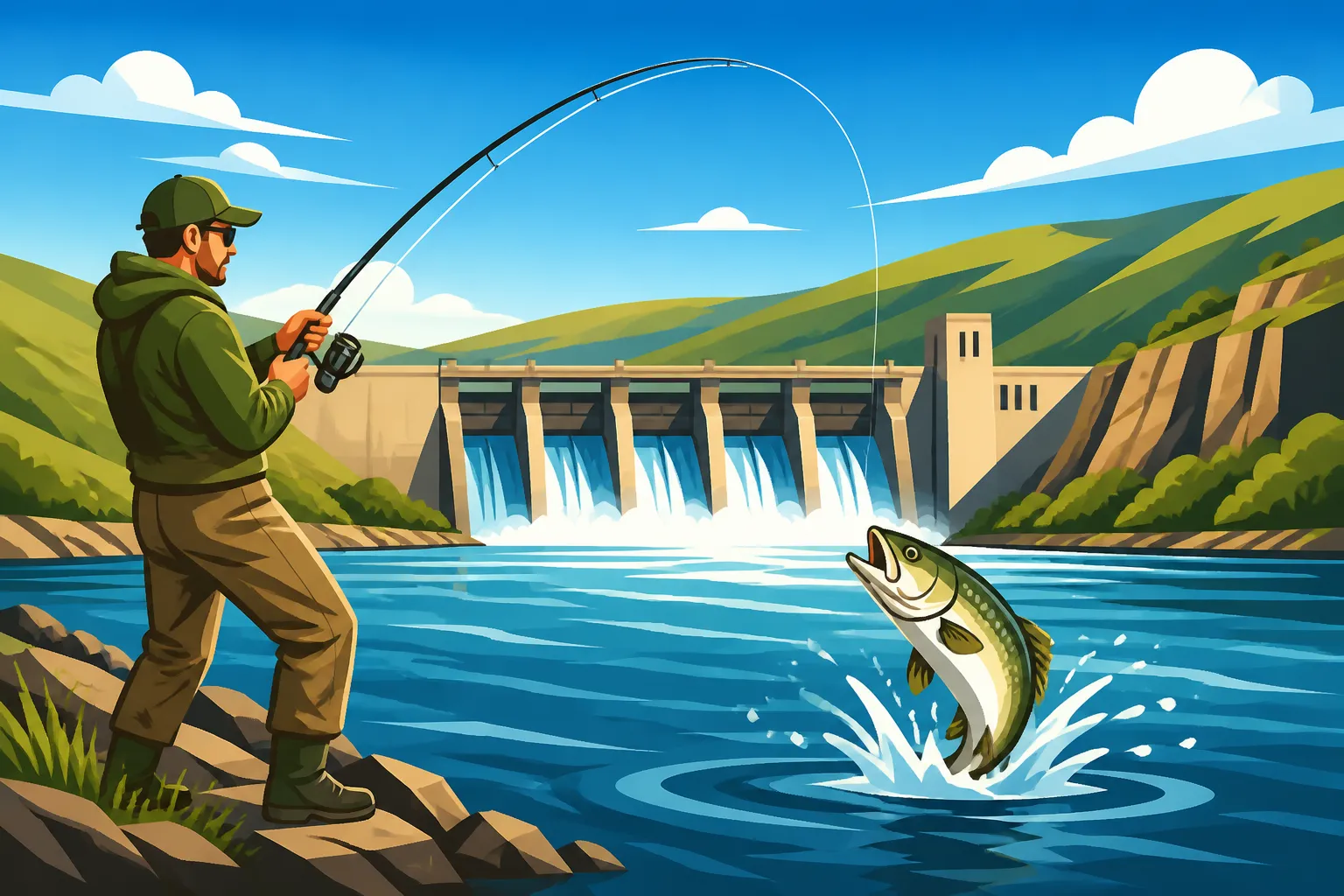
The Missouri River below the Garrison Dam isn't just another stretch of river; it's a tailrace fishery, heavily influenced by the dam's operations. This means everything from water temperature to flow rates can change dramatically, often without much warning, which can really mess with your fishing plans if you're not prepared. But it's precisely these dynamic conditions that also make it such a rich and productive environment for a wide variety of fish species, drawing anglers from all over.
The Tailrace Environment and Its Impact on Fish
The term "tailrace" refers to the section of a river immediately downstream from a dam, where water is released. For the Garrison Dam, this means a constant influx of cold, oxygen-rich water from the deep depths of Lake Sakakawea. This steady flow creates an environment unlike anything else in North Dakota. The powerful currents scour the riverbed, creating deep holes, eddies, and distinct current breaks that act as natural fish magnets. Fish gather in these areas to conserve energy, ambush prey, and find comfortable holding spots.
The cold water release also plays a significant role in influencing which species thrive here. While many North Dakota lakes warm considerably in the summer, the tailrace often remains much cooler, providing a vital thermal refuge for cold-water species, especially during the dog days of summer. This constant turnover of water also brings a steady supply of nutrients and dislodged baitfish, making it a natural buffet for predatory fish. Anglers often find that fish in the tailrace are more active and aggressive due to the constant need to feed in the current.
Water Flow, Temperature, and Hydroelectric Operations
The U.S. Army Corps of Engineers manages the Garrison Dam, and their hydroelectric operations directly dictate the water flow and release schedule into the Missouri River. These operations can cause significant fluctuations in water levels and current speeds throughout the day or week. One moment you might be fishing a gentle ripple, and the next, a powerful torrent could be roaring through, making boat control and casting a real challenge. It's not uncommon to see the river rise or fall several feet in a matter of hours.
These changes in flow aren't just an inconvenience; they directly impact fish behavior. When water levels are high and currents are strong, fish often move to slack water areas, behind submerged structures, or into deeper holes to escape the main current. Conversely, when flows are lower, they might spread out more, venturing into shallower feeding grounds. Similarly, water temperature, while generally cold, can also fluctuate, especially during seasonal transitions. Anglers need to pay close attention to the flow data, often available from the Army Corps of Engineers websites, or by watching the water closely. Understanding when releases are scheduled can make or break a day on the water.
Seasonal Changes and Their Effects
Just like any other fishery, the Missouri River below Garrison Dam experiences profound seasonal changes, each offering unique fishing opportunities and challenges. Spring often brings high flows as snowmelt and heavy rains combine with dam releases, creating powerful currents that can be tough to navigate but excellent for early-season feeding frenzies. Fish are often concentrated in specific areas where they can find relief from the current while still having access to abundant food.
Summer sees warmer air temperatures, but the water from Lake Sakakawea often keeps the tailrace considerably cooler than upstream sections, making it a prime destination for species seeking thermal refuge. During this time, fish might move to deeper, cooler holes or seek out oxygenated areas around rapids. Fall fishing can be absolutely spectacular as fish feed aggressively in preparation for winter, and dam releases might become more stable. Winter, while challenging with ice formation near shore, can still offer incredible open-water fishing in certain sections, especially for those brave enough to bundle up and chase walleye or sauger in the freezing temperatures.
Prime Fish Species to Target in the Garrison Dam Tailrace
The dynamic environment below Garrison Dam fosters a rich biodiversity, making it a multi-species angler's dream. While some species are prevalent year-round, others become star players during specific seasons. Knowing what you're after and how they behave in this unique current system is key to filling your livewell.
Walleye and Sauger Strategies
When most folks think about North Dakota fishing, walleye usually comes to mind, and the Garrison Dam tailrace is absolutely a premier destination for them. But here, you'll also encounter a significant population of sauger, which often share the same habitats and respond to similar presentations. Telling the difference between a walleye and sauger can sometimes be tricky, but knowing the nuances of "Sauger Identification vs Walleye" can really help you understand what you're catching and how to adjust your approach. Walleye tend to be found in slightly calmer, deeper waters or along current seams where baitfish are swept past. Sauger, on the other hand, are often more comfortable in stronger currents and prefer rockier, broken bottom structures.
For both species, vertical jigging is an incredibly effective technique. Heavy jigs (1/4 to 3/4 ounce, sometimes even heavier depending on current) tipped with a minnow, plastic paddle tail, or soft plastic can be deadly. You're aiming to keep your bait near the bottom, right in their strike zone. Another highly productive method is using bottom bouncers with snelled harnesses, tipped with live leeches or nightcrawlers. These rigs are excellent for slowly drifting or trolling along the bottom, keeping your bait in the current but still accessible to fish hugging the riverbed. When the current is particularly strong, consider using larger, heavier lures or employing a three-way swivel rig to keep your bait down.
Northern Pike and Smallmouth Bass Opportunities
While walleye and sauger often steal the spotlight, the tailrace also offers fantastic action for other hard-fighting species like northern pike and smallmouth bass. Northern pike, known for their aggressive strikes and sharp teeth, lurk in ambush points along current breaks, behind submerged logs, or in areas with slower moving water. They are opportunistic predators, ready to dart out and devour anything that looks like an easy meal. Large spoons, spinnerbaits, and swimbaits cast into current eddies or along the edges of fast water can entice a vicious strike. Knowing a bit about "North Dakota Northern Pike Fishing Guide" will certainly give you an edge.
Smallmouth bass, another feisty fighter, thrive in the rocky, current-swept stretches of the tailrace. They love areas with boulders, rip-rap, and gravel bottoms where they can hide and ambush crayfish and baitfish. Casting small crankbaits, tubes, or jigs to these rocky areas and allowing them to bounce along the bottom can be incredibly effective. Smallmouth are known for their strong pulls and acrobatic jumps, making them a thrilling catch. Don't be surprised to find them concentrated in specific stretches of river, especially during warmer months when they are most active. For both pike and smallmouth, a medium-heavy rod with a good amount of backbone is essential to handle their powerful runs in the current.
Other Notable Catches: Trout, Salmon, and Panfish
The diverse waters below Garrison Dam aren't limited to just the big four. You might be surprised to hook into some other exciting species. Rainbow trout are occasionally caught, particularly closer to the dam where the water remains coldest and most oxygenated. These fish are often escapees from upstream stocking programs or thrive in the unique conditions here. Small spoons, inline spinners, or even fly fishing can yield a beautiful rainbow.
Believe it or not, even Chinook salmon can sometimes be found making their way into the Missouri River below the dam, especially during their spawning runs. While not as common as in Lake Sakakawea, they are a powerful, unexpected bonus. Trolling deep-diving crankbaits or casting heavy spoons can sometimes connect you with a silver king. If you're targeting salmon specifically, it's always a good idea to check the "North Dakota Chinook Salmon Regulations" as they can have specific rules.
And let's not forget the panfish! While not the primary target, you might encounter robust yellow perch, crappie, and even the occasional bluegill in slower moving back channels or eddies. These often provide fun action, especially for younger anglers or those looking for a tasty meal. Simple jigging rigs with a small plastic or live bait like worms can attract these smaller but no less enjoyable fish. The sheer variety of fish in this stretch of river means every cast holds the potential for a new surprise.
Essential Gear and Techniques for Success
Fishing the Missouri River below Garrison Dam requires a slightly different approach than your typical lake fishing. The strong currents, potential for large fish, and diverse species mean you need to come prepared with the right equipment and a good understanding of effective techniques. Don't let your gear hold you back when you're on a world-class fishery.
Rods, Reels, and Line for Tailrace Fishing
When selecting your fishing rods for the tailrace, think sturdy and sensitive. A medium-heavy to heavy power spinning or baitcasting rod, typically 6'6" to 7'6" in length, is ideal. The heavy power is necessary to handle the strong currents, set hooks firmly, and wrestle larger fish away from snags. Sensitivity is crucial for feeling those subtle bites in the turbulent water. For more specific recommendations, checking out a "Best Fishing Rods for North Dakota Anglers" guide might offer great insights. Many anglers prefer a fast action tip to quickly detect bites and ensure good hook penetration.
Matching your rod with a reliable reel is just as important. For spinning setups, a 2500-4000 series reel with a smooth drag system is usually sufficient. If you prefer baitcasting, a robust reel capable of handling heavier lines and lures will serve you well. Ensure your reel has enough line capacity for strong runs. Speaking of line, braided line is a popular choice for its incredible strength-to-diameter ratio and minimal stretch, which significantly enhances sensitivity. A 15-20 lb test braid is a good all-around choice, often paired with a 10-15 lb fluorocarbon leader for abrasion resistance and stealth in clearer water. Monofilament can work too, especially for trolling, but its stretch makes it less ideal for vertical jigging in heavy current.
Baits and Lures That Get Results
The key to successful fishing below Garrison Dam often lies in selecting baits and lures that can effectively reach the strike zone and withstand the current. For walleye and sauger, live bait is a perennial favorite. Minnows, especially fatheads or shiners, rigged on a jig or a snelled hook beneath a bottom bouncer, are incredibly effective. Nightcrawlers and leeches, particularly when presented on a spinner rig or slow-trolled, also produce excellent results. When it comes to artificials, heavy jigs are indispensable. Colors like chartreuse, white, black, and various shades of orange and green are consistent producers. Swimbaits and paddle tail plastics, threaded onto a jig head, mimic baitfish perfectly and offer excellent vibration in the water.
For northern pike, larger artificials are the name of the game. Spoons like the Daredevle or Five of Diamonds, often in flashy silver, gold, or red/white patterns, are classic choices. Large spinnerbaits with tandem blades create plenty of flash and thumping action, attracting pike from a distance. Swimbaits in natural baitfish patterns or bright colors are also highly effective. Smallmouth bass readily hit a variety of lures, including small crankbaits that dive to moderate depths, tube jigs, and finesse worms rigged on jig heads. The trick for all these lures is to choose weights and designs that can get down to the fish in the current without being swept away too quickly. If you're ever unsure about what to pick up, checking a "Best Bait for North Dakota Fishing" guide can offer broader insights.
Boat vs. Shore Fishing Considerations
Fishing the Garrison Dam tailrace offers opportunities for both boat and shore anglers, though each comes with its own set of advantages and challenges. For boat anglers, the ability to move and cover vast amounts of water is a huge benefit. You can precisely position your boat over structure, drift through current seams, or troll along drop-offs that are inaccessible from shore. However, boating in the tailrace demands experience and caution. The currents can be incredibly powerful, especially during high releases, and submerged hazards are always a concern. A powerful, reliable motor and a good understanding of boat control are essential. When it comes to selecting a vessel, a "Best Boats for North Dakota Lakes" resource might be a good starting point, but consider something sturdy for river currents. A quality fish finder is also almost a necessity to locate fish and identify bottom structure in this dynamic environment.
Shore fishing, while limiting your range, can still be highly productive, especially in designated access areas. The Fort Stevenson State Park area, for instance, offers some excellent bank access points below the dam where anglers can cast into promising eddies and current breaks. The key to shore fishing success is to use heavier weights to combat the current and make longer casts to reach fish-holding structures. Look for areas where the main current slows down, creating slack water or eddies, as these are natural gathering points for fish. Safety is paramount for both boat and shore anglers; always be aware of rapidly changing water levels and strong currents, and wear a life jacket, especially if you're venturing close to the water's edge on shore.
Navigating Access Points and Safety Measures
Fishing below the Garrison Dam can be an incredible adventure, but like any powerful river system, it demands respect and careful planning. Knowing where you can safely access the water and understanding the necessary safety protocols are just as crucial as having the right bait. Don't let a lack of preparation turn a fantastic fishing trip into a dangerous situation.
Key Access Areas and Boat Ramps
For boat anglers, there are several key access points and boat ramps that facilitate launching onto the Missouri River below Garrison Dam. The Garrison Dam Tailrace Public Use Area itself has a robust boat ramp that provides direct access to the immediate tailrace waters. This is often the busiest access point, especially during peak seasons, due to its proximity to the dam and prime fishing spots. Further downstream, you'll find other public ramps and access points, such as those near Stanton or even Washburn, which allow anglers to explore different stretches of the river. When planning your trip, consider factors like current conditions and how far downstream you want to venture. Always check the ramp conditions, especially during periods of fluctuating water levels, as some ramps can become difficult or impossible to use. For broader understanding of boat access, reviewing a "North Dakota Boat Registration Guide" can be helpful for ensuring your vessel is legally ready to launch.
Shore anglers also have excellent opportunities, particularly at the Garrison Dam Tailrace Public Use Area. There are designated fishing areas, paved walkways, and even fishing piers that allow for safe and comfortable casting. These areas often provide access to eddies and current breaks where fish congregate. Another popular spot for shore fishing is along the rip-rap near the Spillway Public Use Area, though caution is always advised due to uneven terrain and potentially strong currents. While you won't cover as much water as a boat angler, these spots are often strategic, placing you right where fish are likely to feed. Many anglers find the "Best Time to Fish the Garrison Dam Spillway" is often when the releases are most consistent, creating predictable feeding lanes.
Safety Precautions for Strong Currents
The Missouri River below Garrison Dam is renowned for its strong, swift currents, which demand utmost respect. For boaters, this means always wearing a life jacket, ensuring your boat is in excellent working order, and having a powerful motor capable of maneuvering in heavy flow. It's not the place for underpowered boats or inexperienced operators. Always be aware of your surroundings, maintain a safe distance from other vessels, and never anchor in the main channel during high flows, as your anchor could get hung up, or your boat could be swamped. If you're drifting, always have a plan for how you'll retrieve your anchor or deploy a secondary one if needed. On windy days, the combination of wind and current can create treacherous conditions.
Shore anglers also face unique hazards. The banks can be slippery, especially near the dam where water levels can fluctuate, exposing slick mud or algae-covered rocks. Always wear appropriate footwear with good traction. Never wade into fast-moving water, as even seemingly shallow areas can have powerful undertows. Keep a safe distance from the dam structures themselves, as sudden water releases can create dangerous surges. It's always a good idea to let someone know where you're going and when you expect to return, especially if you're fishing alone. Basic safety gear like a throw rope, a sharp knife, and a fully charged cell phone should be part of every angler's kit when fishing this powerful river.
Understanding Regulations and Local Etiquette
Before you even make your first cast, it's absolutely crucial to familiarize yourself with the "North Dakota Fishing Regulations Explained." The Missouri River below Garrison Dam, while open year-round for many species, has specific rules regarding daily limits, length limits, and allowed fishing methods that can vary by species. For example, there might be particular regulations regarding the use of multiple lines or specific bait restrictions in certain areas. Understanding "How Many Lines Can You Fish With in North Dakota?" is critical to avoid fines. Always carry your valid North Dakota fishing license, and be aware of any special zones or restrictions in the tailrace area itself. Local bait shops are an excellent resource for the most up-to-date information and any emergency closures.
Beyond the written rules, there's also an unwritten code of local etiquette. This is a popular fishing spot, and courtesy goes a long way. When launching your boat, be efficient to avoid holding up others. On the water, give other anglers ample space, especially those who are anchored or drifting. Don't cut in front of someone's drift or cast too close to another angler's line. Shore anglers should also be mindful of space and avoid leaving trash or discarded fishing line. Respecting the resource means practicing catch and release for fish you don't intend to keep, properly disposing of any waste, and being considerate of the natural environment and fellow anglers. Many local guides, some listed on platforms like FishingBooker, can also provide invaluable insights into both regulations and local practices.
Seasonal Hotspots and Best Times to Fish
The Missouri River below Garrison Dam transforms with each season, offering distinct opportunities for anglers willing to adapt. Understanding these seasonal shifts is key to consistently finding fish and making the most of your time on this fantastic waterway.
Spring Runoff and Early Season Action
Spring in the tailrace is a period of intense activity, driven by increasing water temperatures and often higher flows from snowmelt and dam releases. As the ice clears, walleye and sauger begin to move aggressively, often staging in eddies and current breaks as they prepare for or recover from spawning. This can be one of the best times to target large, hungry fish. Look for them in areas where they can expend minimal energy but still have access to the main current to ambush baitfish. Deeper holes and current seams are prime locations. Early season often calls for vertical jigging with minnows or plastics, keeping your presentation slow and subtle.
Northern pike also become very active in the spring, moving into shallower backwaters or slower current areas to spawn. After spawning, they are ravenous, and casting large spoons or spinnerbaits into these same areas can lead to explosive strikes. The water can be chilly, so dressing in layers is important. Many anglers eagerly await the "ice-out" period, as it signals the start of some of the most productive fishing of the year. The dynamic flows of spring mean you'll need to adjust your weight and presentation frequently, but the reward can be some truly memorable catches.
Summer Patterns and Deep Water Tactics
As summer fully settles in, air temperatures rise, but the water released from Lake Sakakawea often keeps the tailrace significantly cooler than the surrounding environment. This makes the Missouri River below Garrison Dam a crucial thermal refuge for many species, particularly walleye, sauger, and trout. Fish will often retreat to deeper, cooler holes, especially during the brightest parts of the day. Structure becomes even more important now; look for submerged ledges, rock piles, and deep current breaks where fish can hide from the sun and strong currents.
During the summer, vertical jigging remains a staple, but don't overlook trolling deep-diving crankbaits or using bottom bouncer setups with live bait to cover more water and find those elusive deep-water fish. Night fishing can also be incredibly productive for walleye and catfish, as cooler temperatures and reduced boat traffic encourage fish to move into shallower feeding areas. Smallmouth bass will be active around rocky shorelines and rip-rap, eagerly hitting crankbaits and jigs. Always check for current conditions; high summer flows can still make fishing challenging, pushing fish into specific, protected areas. Booking a trip with a local guide, perhaps through FishingBooker, can be a great way to learn specific summer patterns and hotspots.
Fall Feeds and Pre-Winter Prep
Fall is often considered a "second spring" for fishing below Garrison Dam, and it can offer some of the most consistent and exciting action of the year. As water temperatures begin to drop, fish enter a pre-winter feeding frenzy, bulking up for the lean months ahead. Walleye and sauger become incredibly aggressive, often moving into shallower feeding flats during low-light conditions or cloudier days. Trolling crankbaits, drifting bottom bouncers, or jigging with larger baits can all be highly effective.
Northern pike will also be actively feeding, often found in transitional areas between deep and shallow water, ready to ambush prey. Casting large spoons and swimbaits into these zones can yield big results. Chinook salmon, though not as common as in Lake Sakakawea itself, might make their appearance as they near their spawning period. Fall flows from the dam tend to be more stable, which can make fishing more predictable. As the season progresses towards winter, fish will start to move into even deeper, more stable holding patterns. This is the time to really focus on your electronics to locate schools of fish in deep holes before the bitter cold of winter truly sets in.
Disclaimer
Fishing in any natural body of water carries inherent risks. Always prioritize your safety by wearing a life jacket, understanding local regulations, and being aware of weather and water conditions. This guide provides general information and should not replace professional advice or official regulations from the North Dakota Game and Fish Department or the U.S. Army Corps of Engineers.